Top 8 Caves in Appenzell Innerrhoden
Caves in Appenzell Innerrhoden are primarily found in the Alpstein region, a mountainous area known for its geological formations and historical significance. The canton features natural caves that have yielded prehistoric finds, alongside human-modified rock shelters. These sites offer insights into early human habitation and local cultural heritage. The landscape is characterized by rugged mountains and accessible trails leading to these subterranean features.
Best caves in Appenzell Innerrhoden
- The most popular caves is Wildkirchli Chapel (St. Michael’s Cave Chapel),…
Last updated: October 1, 2026
Wildkirchli Chapel (St. Michael’s Cave Chapel)
Highlight • Religious Site
In 1621, Father Philippus Tanner from Appenzell went to the Wildkirchli to bless the cattle. He was so taken with this cave that …
Translated by Google •
Tip by

Wildkirchli Caves
Highlight • Cave
Translated by Google •
Tip by

Sign up now to discover places like this
Get recommendations on the best single tracks, peaks, & plenty of other exciting outdoor places.
Felsenkeller Cave Near Burg Hoch-Altstätten
Highlight • Cave
Translated by Google •
Tip by

Rock Cellar
Highlight • Cave
Inside a curve with a diameter of about 3m, as well as in height.
Translated by Google •
Tip by

Start today with a free account
Your next adventure awaits.
Popular around Appenzell Innerrhoden
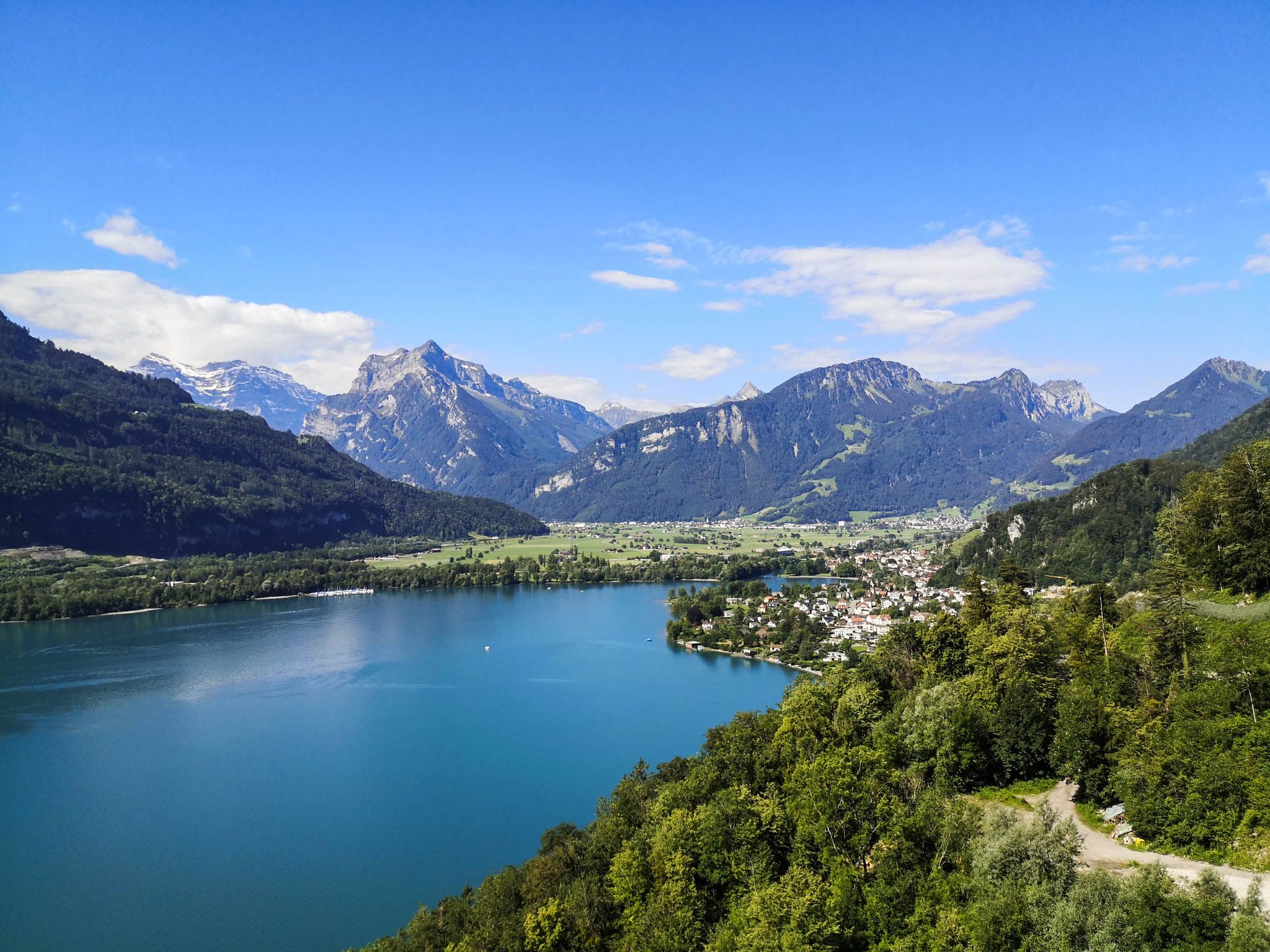
Alpine Panorama Trail in Switzerland – Keep your eyes on the mountains
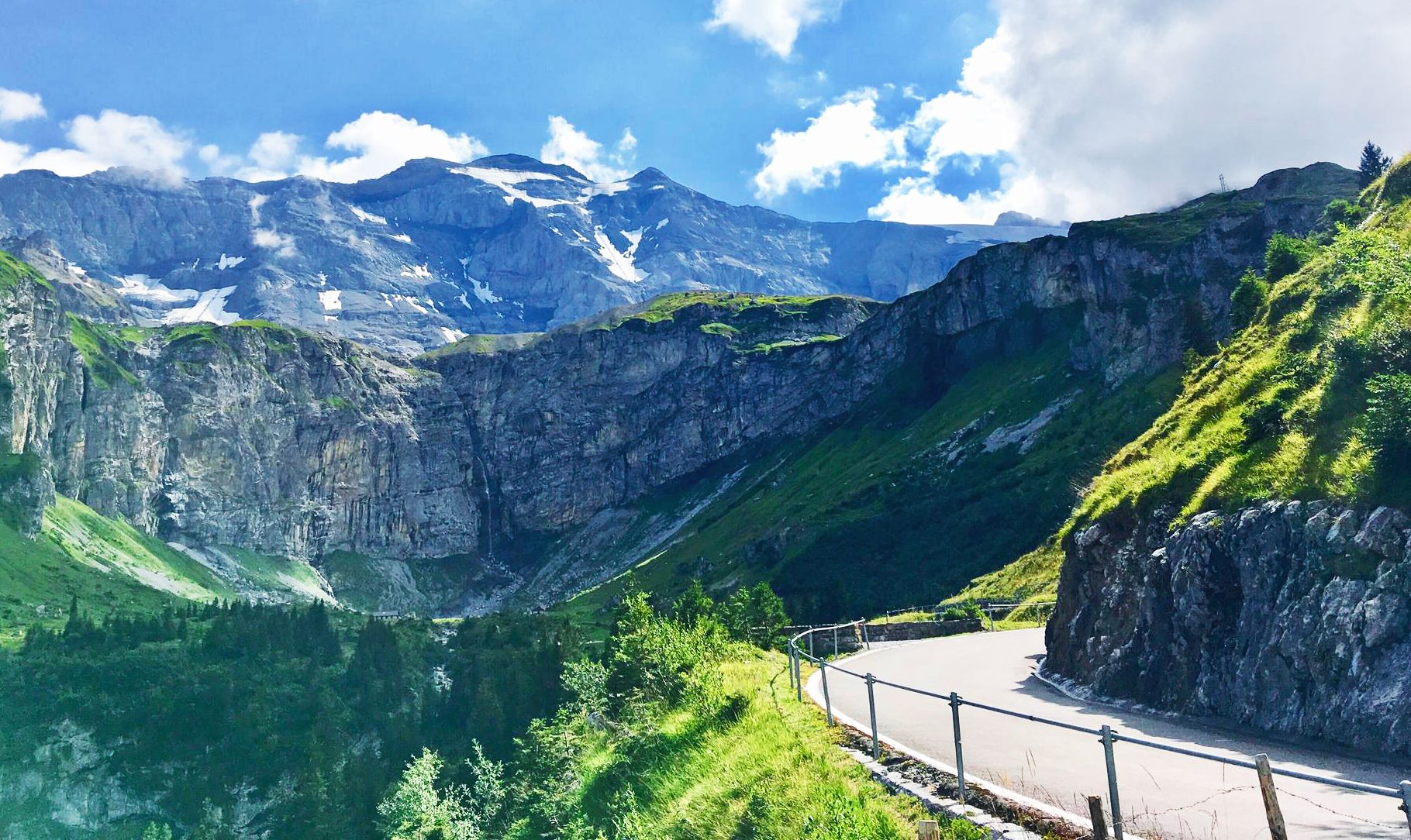
Alpine Panorama Route — 8 stages through the foothills of the Alps
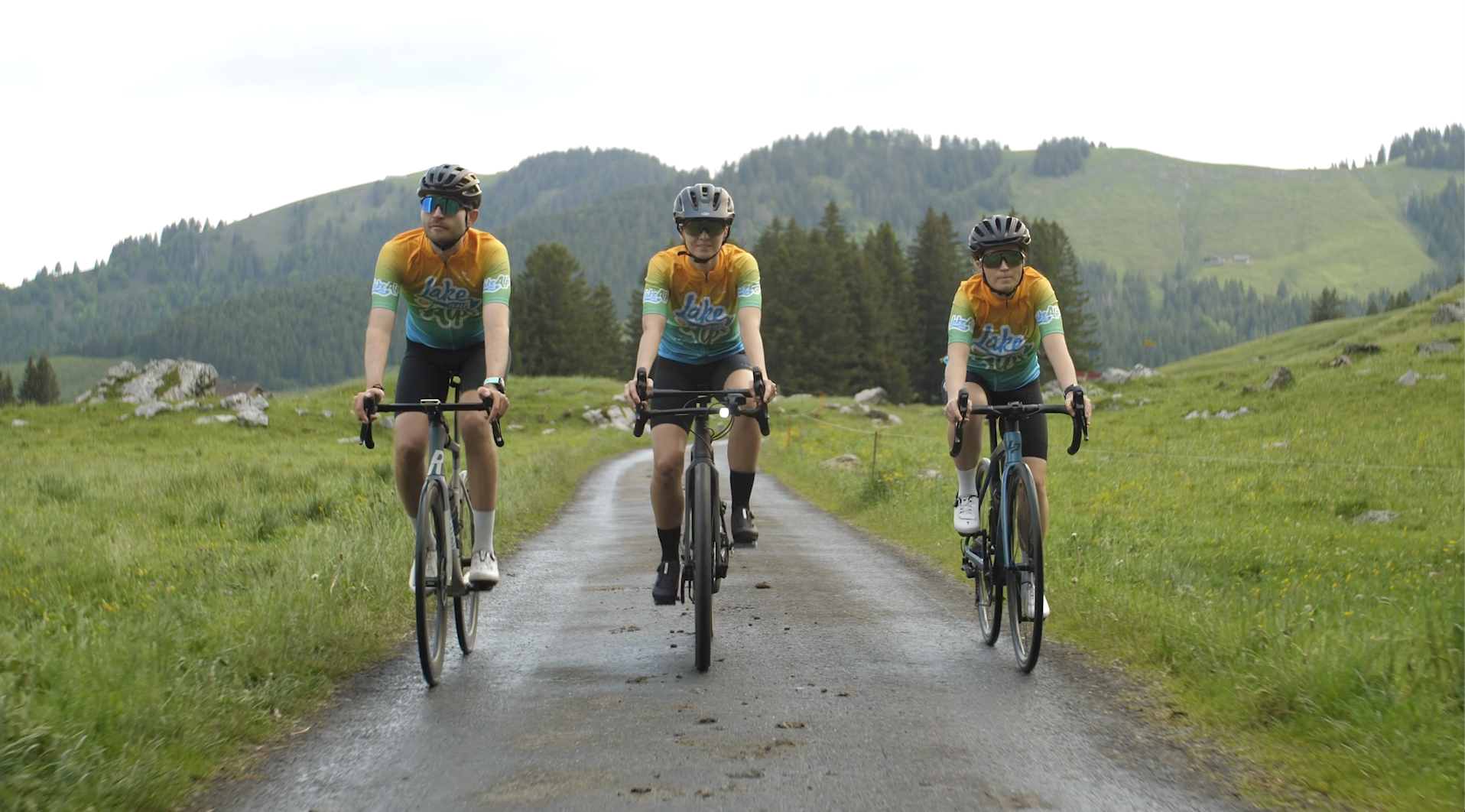
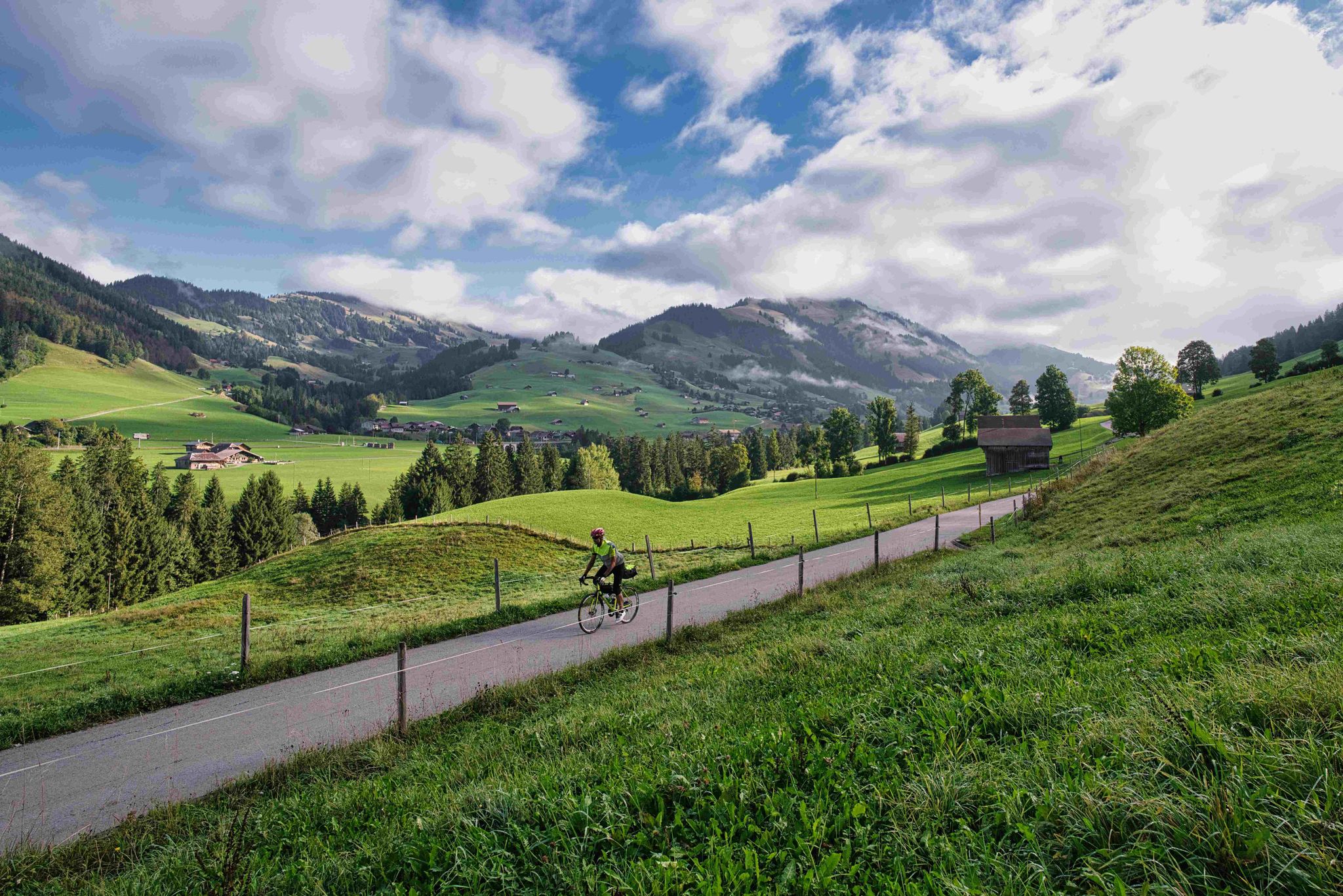
Lake and Alps Adventure – explore 100 dreamy places in our cycling region!
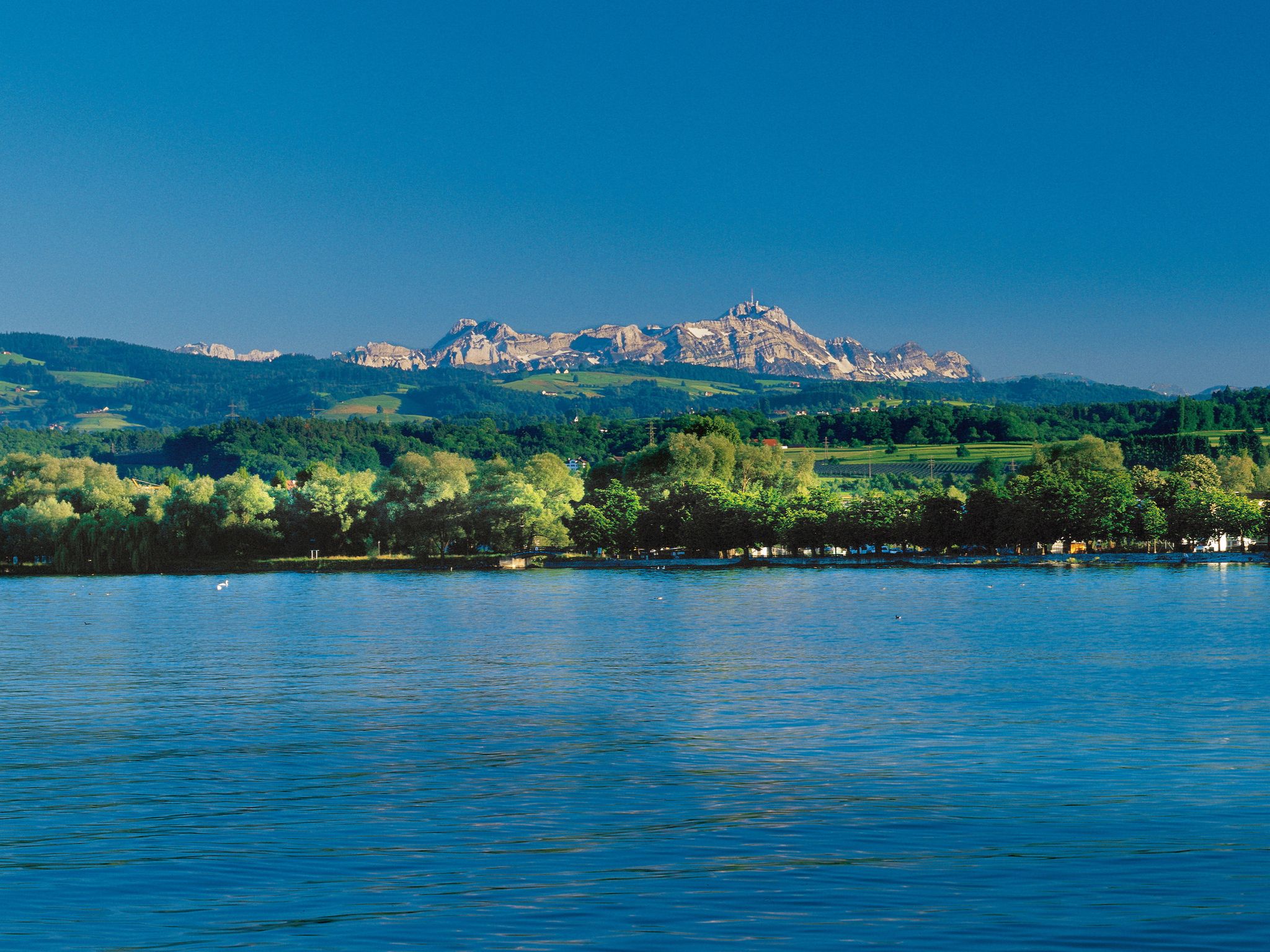
Lake and Alps Route – Cycling between Lake Constance and the Appenzell Alps
From Lake Constance to Lake Geneva
Appenzeller Weg – pilgrimage routes from Austria to Switzerland
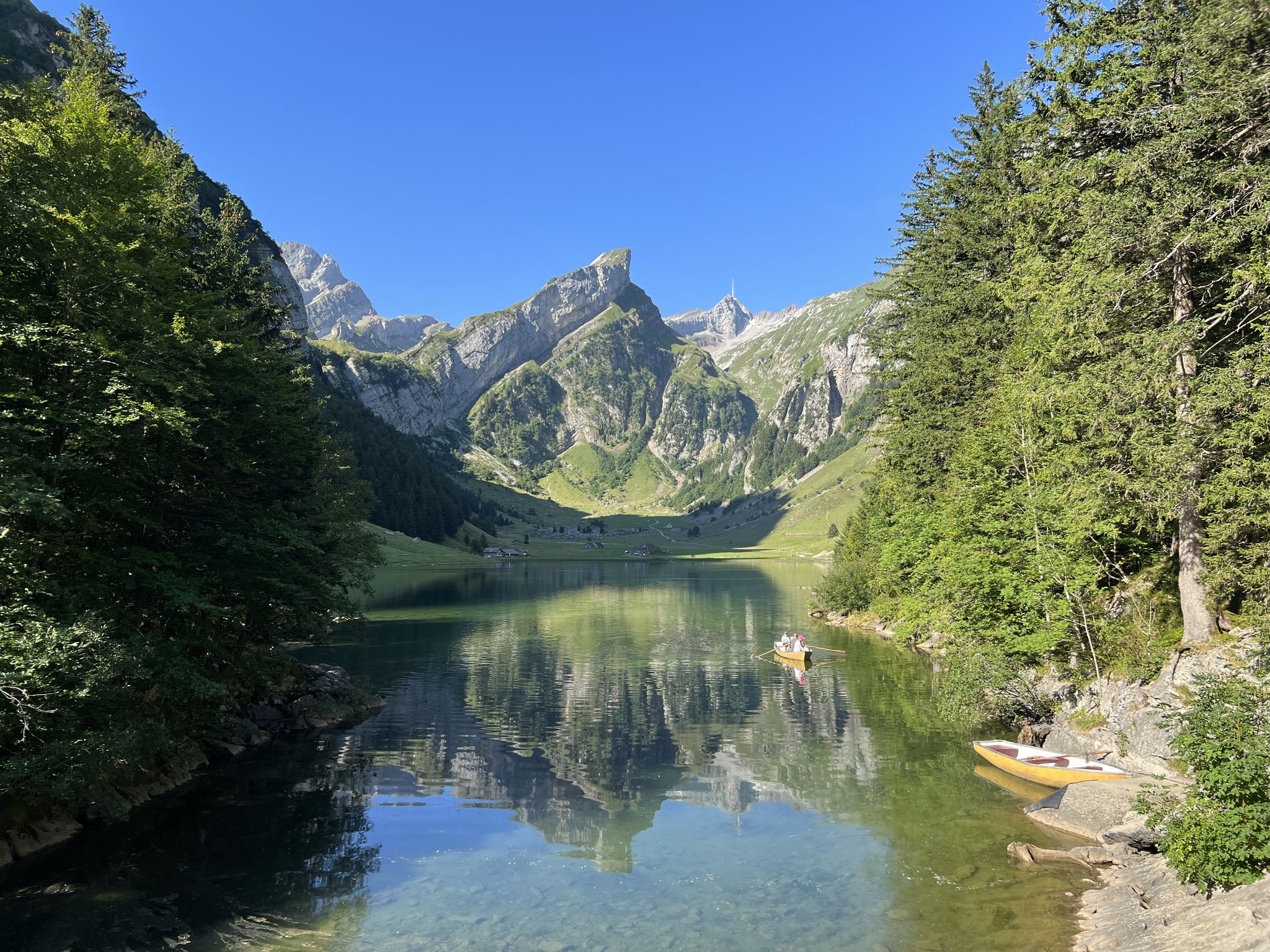
Exciting day hikes in Switzerland’s Alpstein
Hiking in Appenzell Innerrhoden
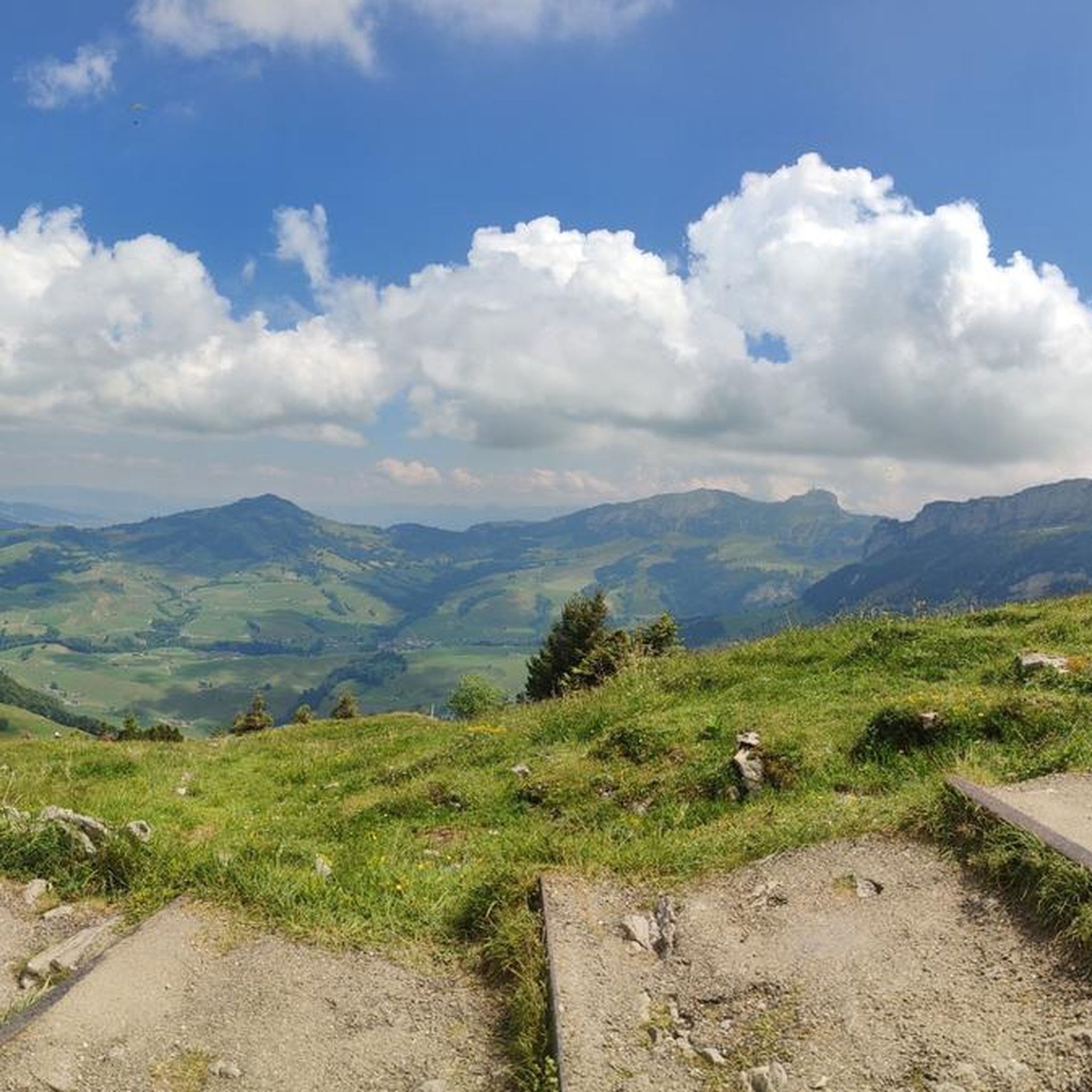
MTB Trails in Appenzell Innerrhoden
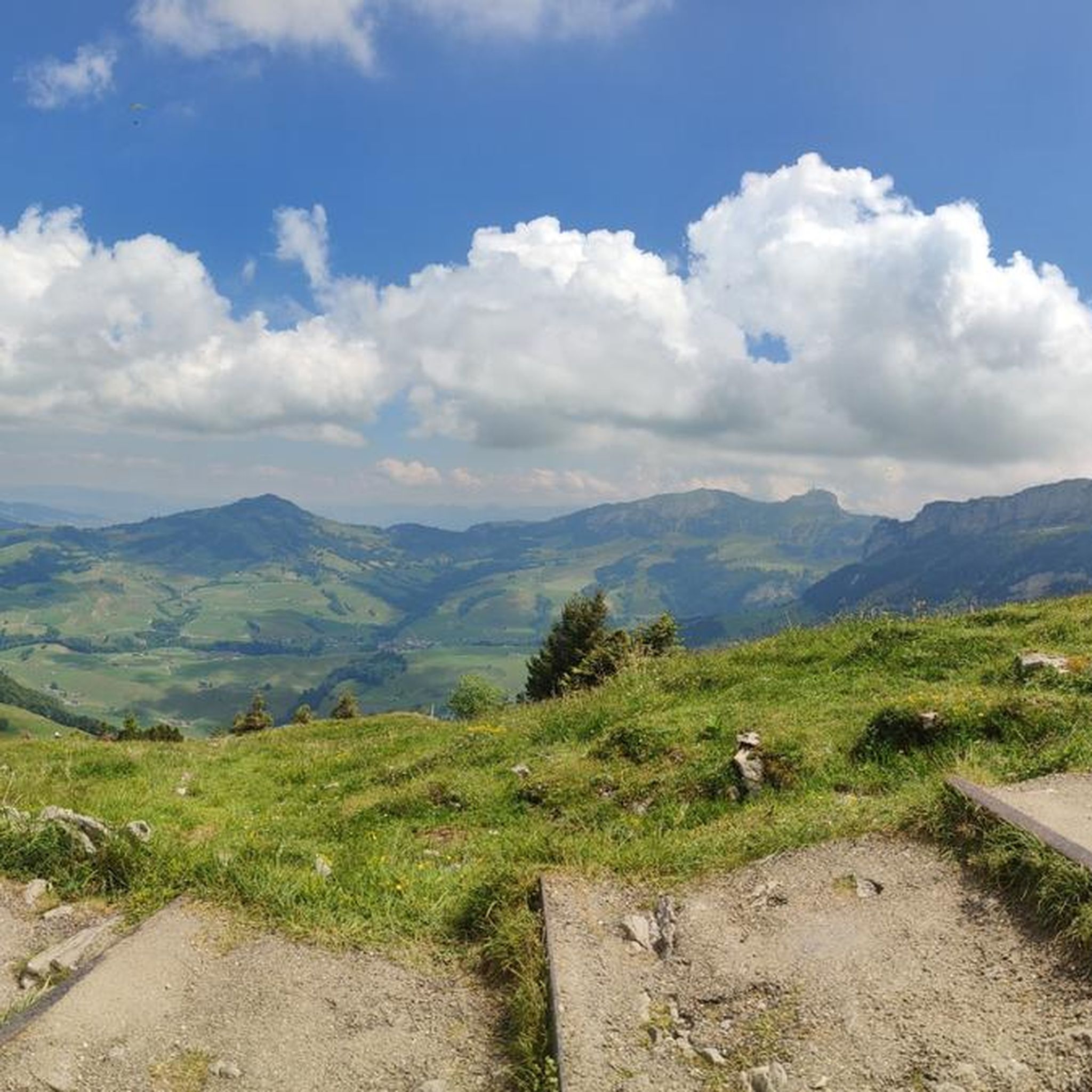
Cycling in Appenzell Innerrhoden
Other adventures in Appenzell Innerrhoden


Tips from the Community

Rock cellar in which a chapel was established. :)
0
0

What was built here is simply brilliant.
8
0
Our mountain guesthouse has seen many a proud face after the steep climb. The guesthouse, in its current form, has existed since 1860, making it one of the oldest mountain inns in Switzerland. Pastor Ulmann was the first hermit to live in the hermitage in the Wildkirchli in 1658. More than 20 men followed his example until 1853, shaping the history of the Wildkirchli as hermits and first hosts. Since then, this mystical place has fascinated generations. Stories are told of little wild people who are said to have once lived in the Wildkirchli caves and come to the aid of the herdsmen. The Aescher inspires poets and artists to create new works. Bones of cave bears and stone tools bear witness to the cave's ancient shelter. Source: https://aescher.ch/
7
0
Very impressive, beautiful to look at! Services are also held here.
8
0
A great cave, with very interesting information. The hiking trail leads directly through the cave.
11
0

former hermit's house / Wildkirchli caves Below the Ebenalp are the world-famous Wildkirchli caves with the former hermit's house and the neighboring altar cave. This place gained world fame due to archaeological excavations that uncovered a large number of cave bear skeletons and tools from the Paleolithic period. Text / Source: Appenzellerland Tourismus AI, Hauptgasse 38, CH-9050 Appenzell https://www.appenzell.ch/de/alpstein/perlen-des-alpsteins/wildkirchlihoehle.html
12
0

The hiking trail leads through the cave 😊. With some information on the cave walls.
15
0
Frequently Asked Questions
What makes the Wildkirchli Caves in Appenzell Innerrhoden significant?
The Wildkirchli Caves are renowned for their prehistoric significance, with findings of Neanderthal artifacts and cave bear remains dating back tens of thousands of years. They also house the historic St. Michael chapel and the famous Äscher mountain inn, which is built directly into the rock face.
Are there any historical or religious sites within the caves of Appenzell Innerrhoden?
Yes, the Wildkirchli Chapel (St. Michael’s Cave Chapel) is an impressive sanctuary located within one of the Wildkirchli Caves. It has been used for religious services since the 17th century and was once home to hermits.
How accessible are the Wildkirchli Caves for visitors?
The Wildkirchli Caves are easily accessible. You can reach them via the Ebenalp cable car, followed by a scenic 20-minute hike. The path offers panoramic views of the Alpstein massif.
What kind of prehistoric discoveries have been made in the Wildkirchli Caves?
Excavations in the Wildkirchli Caves have uncovered Neanderthal artifacts, including worked stones, tools, and bones from 50,000 to 30,000 BC. Traces of cave bears from as early as 90,000 BC were also found, providing evidence of early human and animal habitation in the Alpstein mountains.
Are there any human-made caves or rock cellars in Appenzell Innerrhoden?
Yes, the Felsenkeller Cave Near Burg Hoch-Altstätten is a human-made cave with a spherical diameter of approximately 3 meters. It was likely used for storage and is easily accessible via local paths and farm tracks.
What outdoor activities can I do near the caves in Appenzell Innerrhoden?
The region around the caves offers various outdoor activities. You can find numerous hiking trails, including easy hikes like the Seealpsee loop or more challenging waterfall hikes. Cycling routes are also popular, such as the Culinary Appenzeller Route. For more details, explore the waterfall hikes, easy hikes, and cycling guides for Appenzell Innerrhoden.
Is the Äscher mountain inn part of the cave experience?
Yes, the famous Äscher mountain inn is carved directly into the rock face within the Wildkirchli Caves complex. It's one of Switzerland's oldest inns, offering a unique atmosphere and breathtaking views, making it an integral part of visiting the Wildkirchli area.
What is the best time of year to visit the caves in Appenzell Innerrhoden?
The Wildkirchli Caves and surrounding area are generally best visited during the warmer months, from spring to autumn, when hiking trails are clear and the cable car operates regularly. Winter visits might be possible, but access can be limited due to snow and ice, and some facilities may be closed.
Are the caves in Appenzell Innerrhoden suitable for families?
Yes, the Wildkirchli Caves, with their accessible cable car ride and relatively easy hike, are a popular destination for families. The combination of natural beauty, historical significance, and the unique Äscher mountain inn makes it an engaging experience for all ages.
What kind of geological features can be observed in the caves of Appenzell Innerrhoden?
The caves, particularly the Wildkirchli complex, are part of the Alpstein region's rugged mountain landscape. Visitors can observe natural rock formations, wide cave entrances, and the unique way human structures like the chapel and inn have been integrated into the natural rock face.
What do visitors appreciate most about the caves in Appenzell Innerrhoden?
Visitors frequently highlight the mystical atmosphere of the Wildkirchli Caves, the impressive integration of the chapel and Äscher mountain inn into the rock, and the stunning panoramic views along the hiking trails. The historical and prehistoric significance also adds a deep layer of appreciation.
Most popular routes in Appenzell Innerrhoden
Most popular attractions in Appenzell Innerrhoden

Get inspired with the komoot mobile app


Didn’t find what you were looking for?
Discover more caves in Appenzell Innerrhoden region by region:
Explore more
Extend your search for the best caves by checking out these guides of the top ones in Appenzell Innerrhoden:
