Top 20 Caves in Ennepe-Ruhr-Kreis
Best caves in Ennepe-Ruhr-Kreis are found within a region characterized by its geological history and natural formations. The area features ancient reef limestone, which has led to the formation of extensive cave systems. These subterranean landscapes offer insights into the region's past and provide unique natural environments. Ennepe-Ruhr-Kreis combines historical significance with natural wonders, making it a destination for exploring underground features.
Best caves in Ennepe-Ruhr-Kreis
- The most popular caves is Post-War Mine Tunnel, a historical site that is…
Last updated: August 21, 2026
Grotto at the Source of the Schnodderbach
Highlight • Cave
Translated by Google •
Tip by

Braunschweig Tunnel South Wing
Highlight • Historical Site
de.wikipedia.org/wiki/Zeche_Braunschweig
Translated by Google •
Tip by

Sign up now to discover places like this
Get recommendations on the best single tracks, peaks, & plenty of other exciting outdoor places.
Sign up for free
Western Day Drift Frielinghaus
Highlight • Historical Site
The tunnel began at a depth of 13 m at the St. …
Translated by Google •
Tip by

Kluter Cave
Highlight • Cave
Translated by Google •
Tip by
Post-War Mine Tunnel
Highlight • Historical Site
Translated by Google •
Tip by

Dünkelberg Quarry and Nachtigallstollen
Highlight • Natural Monument
Translated by Google •
Tip by

United Eulalia Mine Tunnel
Highlight • Historical Site
Translated by Google •
Tip by

Adit of the Turteltaube Mine
Highlight • Historical Site
Translated by Google •
Tip by

Former Dynamite Storage Bunker
Highlight • Structure
Translated by Google •
Tip by

Avalonia Rocks and Sculptures
Highlight • Climb
Translated by Google •
Tip by

Sign up for free to discover even more caves in Ennepe-Ruhr-Kreis.
Sign up for free
Already have an account?
Start today with a free account
Your next adventure awaits.
Login or Signup
Popular around Ennepe-Ruhr-Kreis
WHEW 100 – An Ultramarathon in three days in the middle of NRW
Ruhr Valley Gravel – rediscover the Ruhr Area in Germany
Rhineland Way of St. James – A pilgrimage week
Westphalian Way of St. James – 9 days
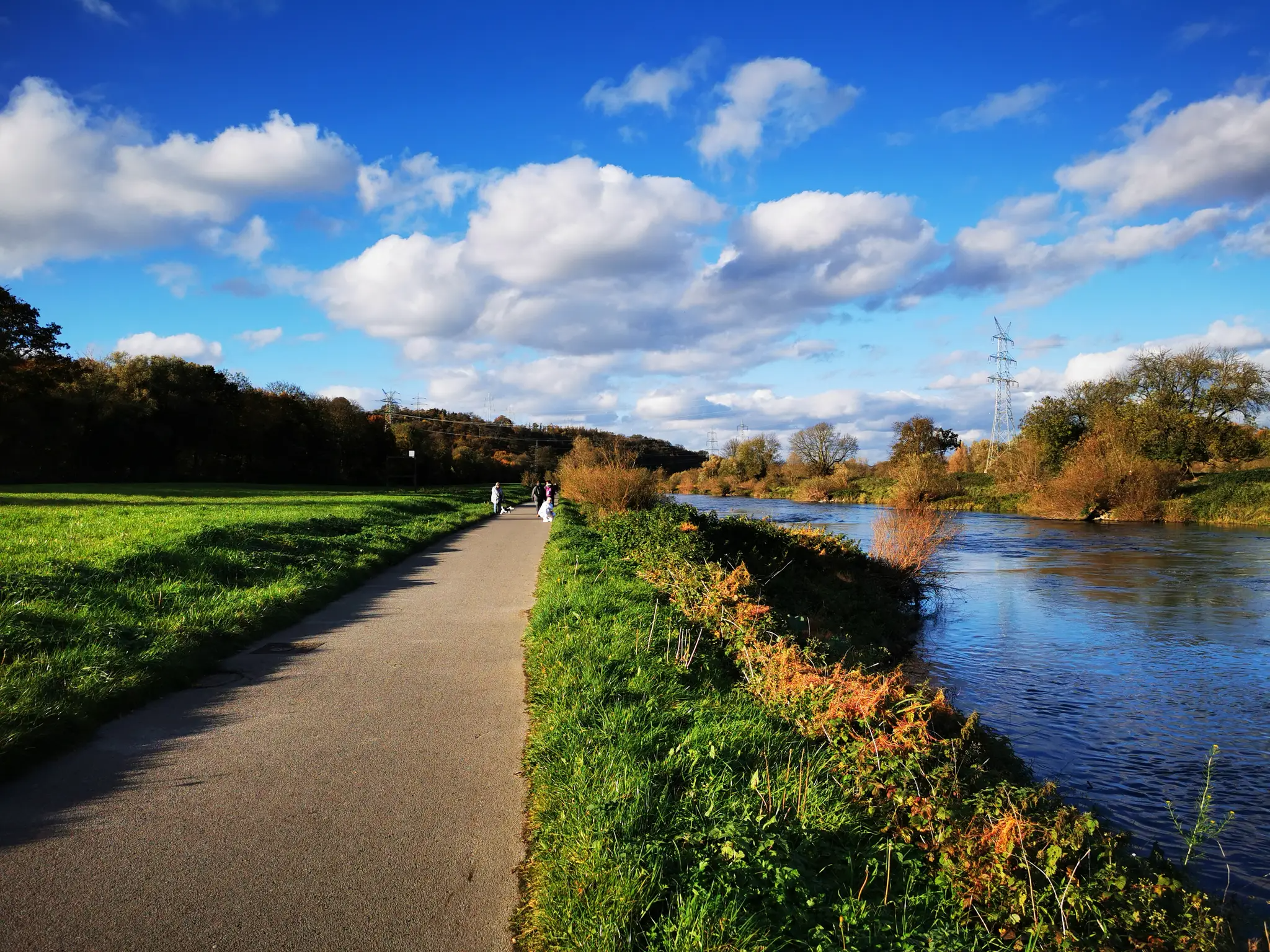
Ruhr Valley cycle path — 6 stages from Winterberg to the Rhine
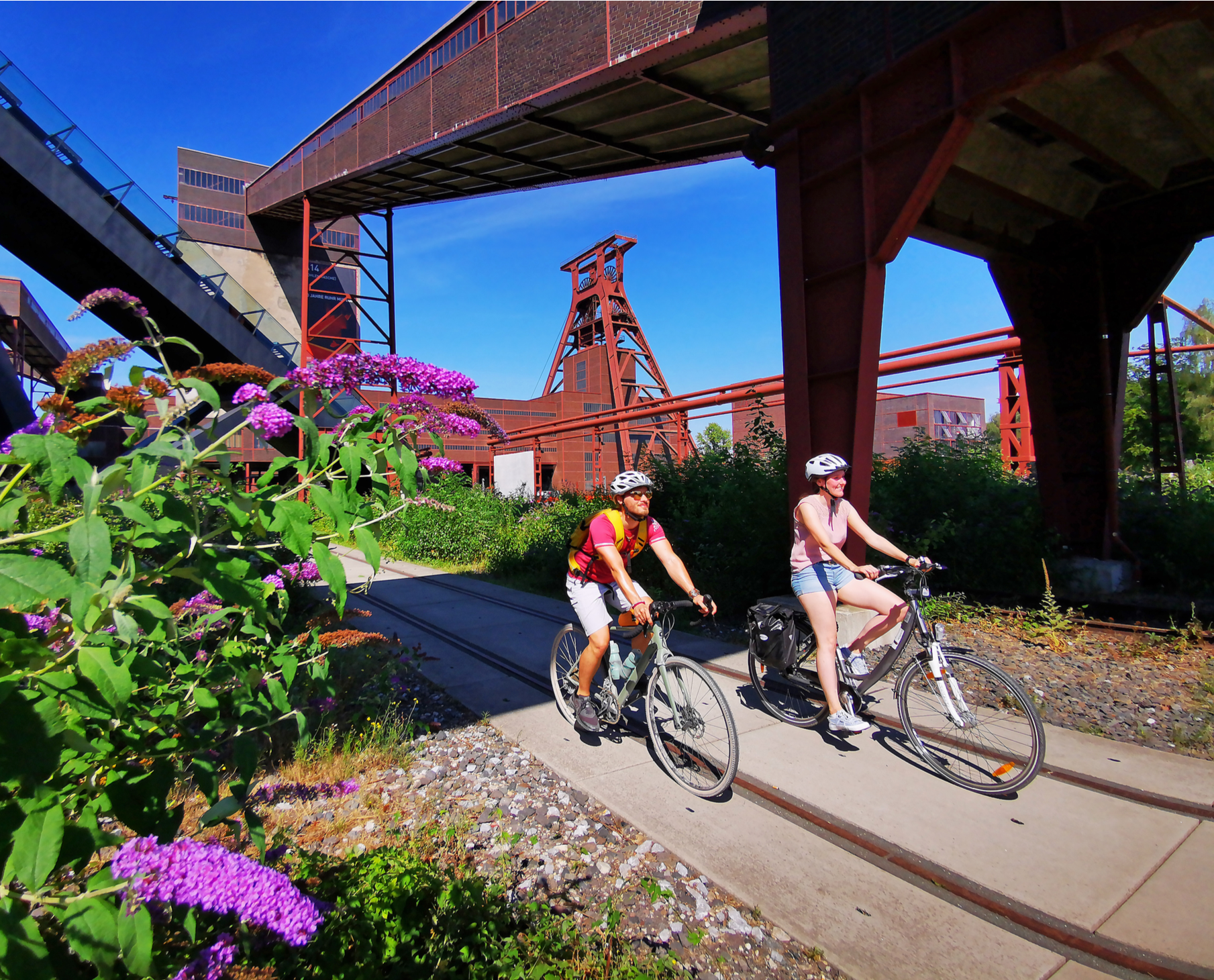
Railway cycling and industrial heritage in the Ruhr area – RevierRouten
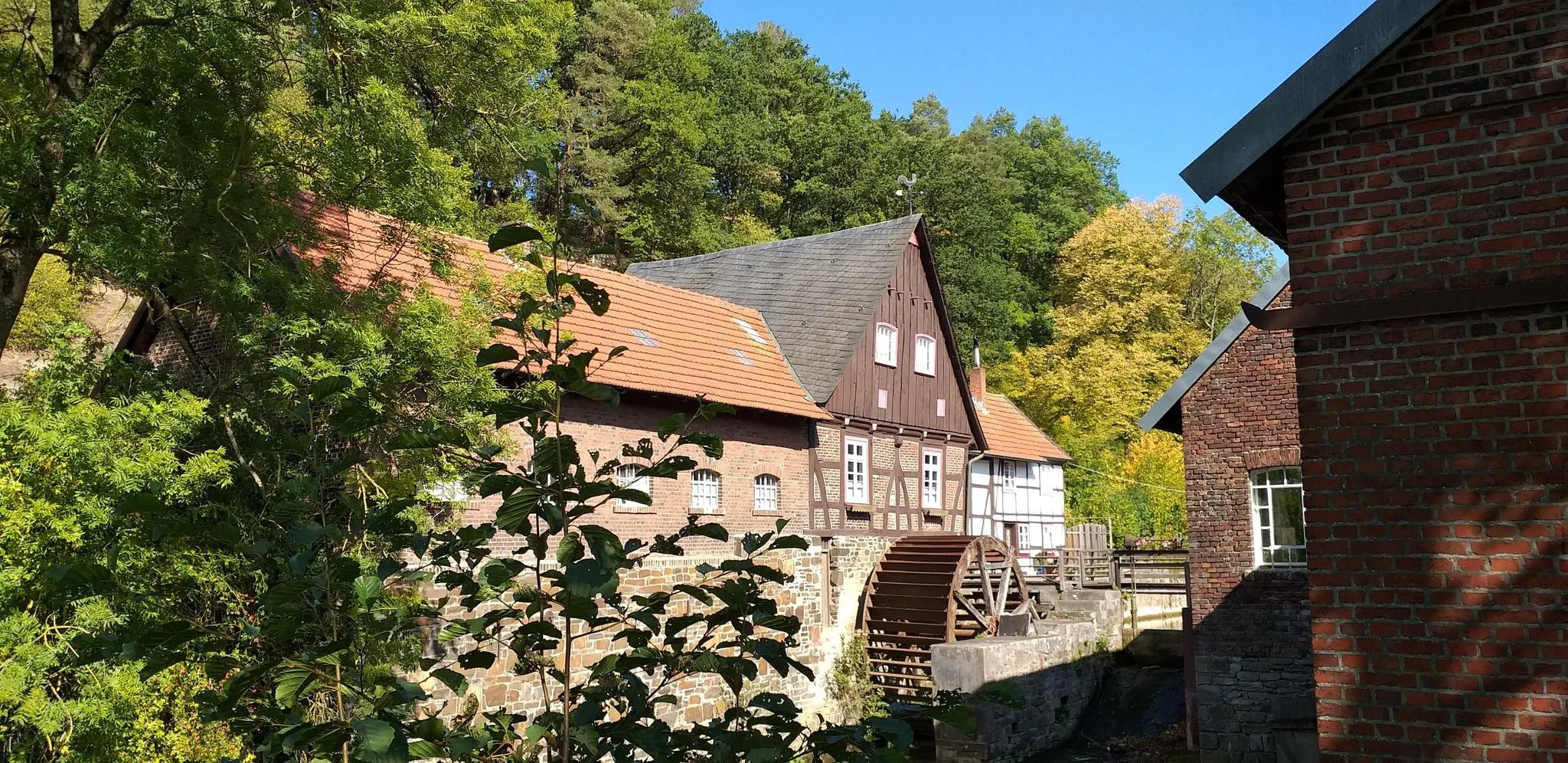
Hike through history in Germany’s Ruhr area – WestfalenWanderWeg
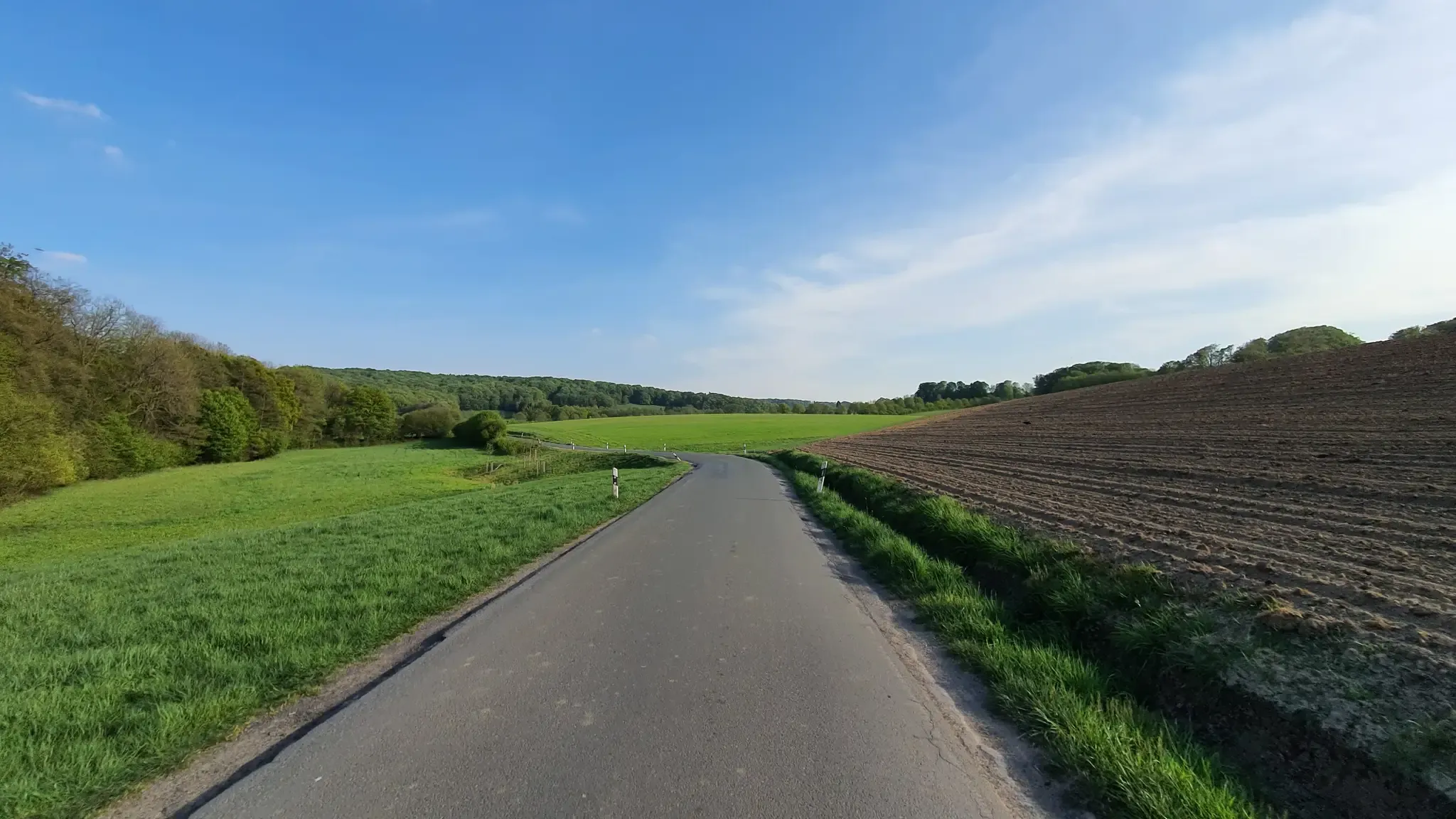
Hills, valleys and tracks – cycling in Elfringhauser Schweiz
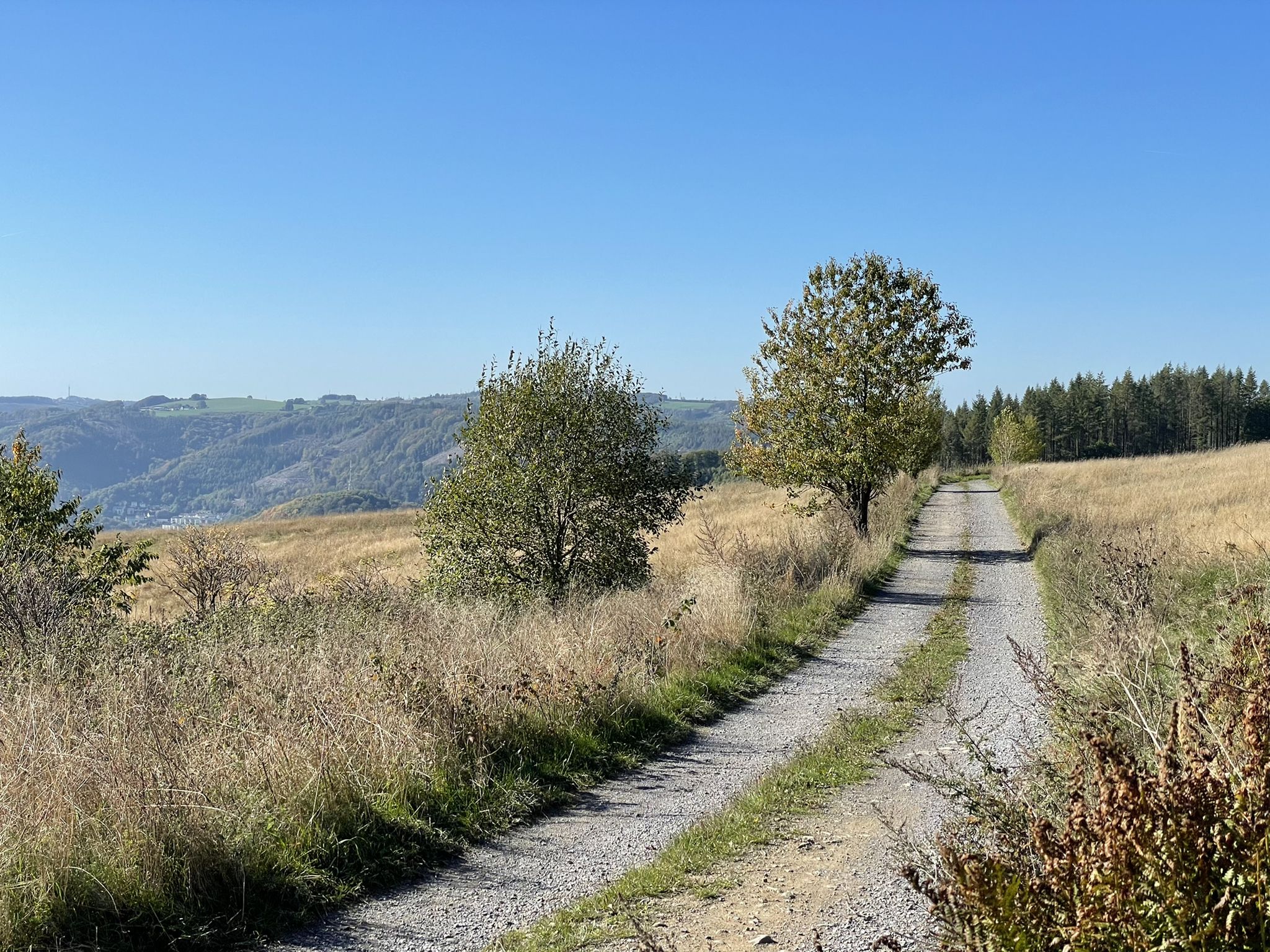
Harkortweg (X 17)
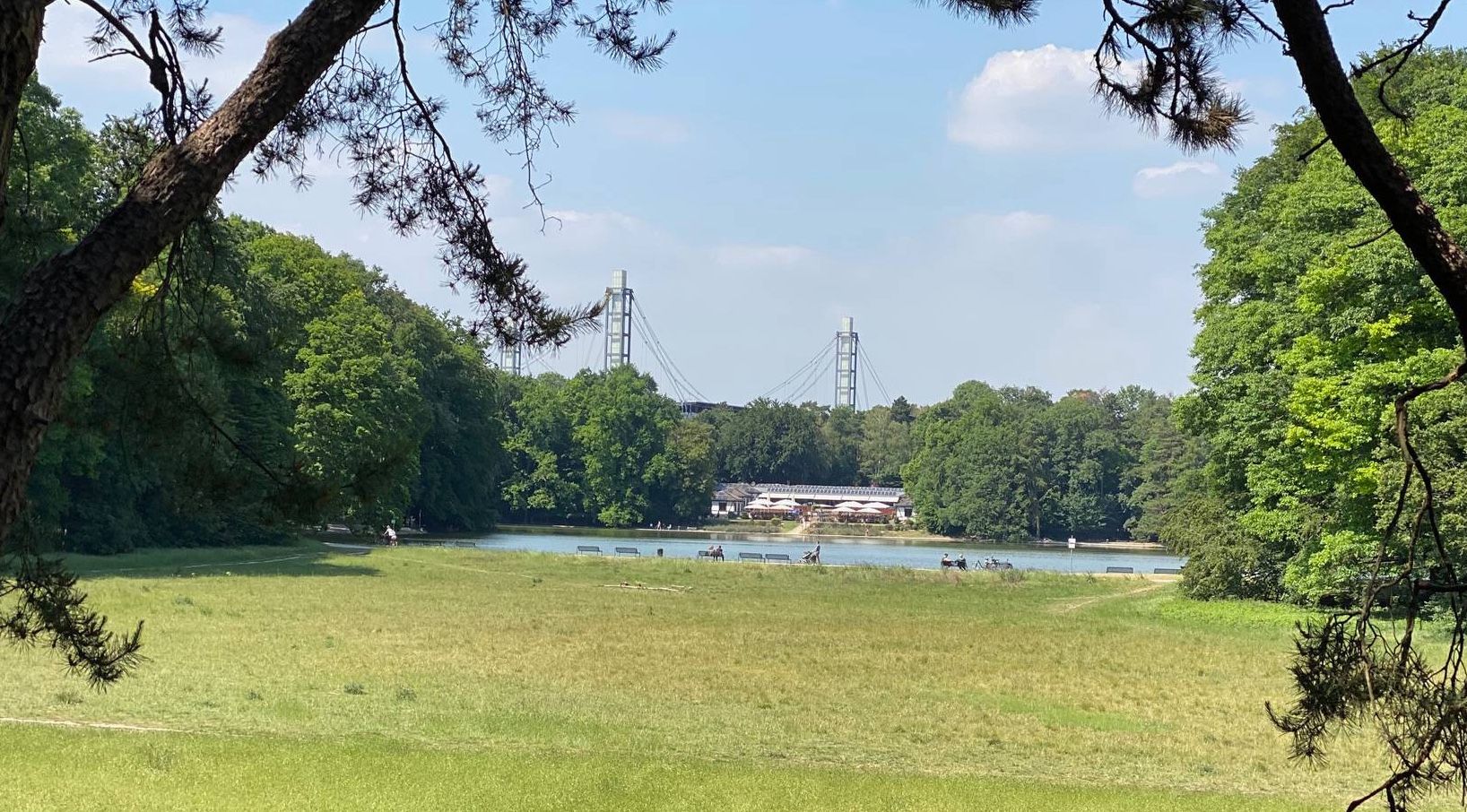
German Football Route NRW — history meets modernity
Other adventures in Ennepe-Ruhr-Kreis


Tips from the Community

The Zeche Vereinigte Eulalia is a former hard coal mine in Wetter. The mine was first mentioned in 1855 and was in operation until 1922 with several interruptions and a name change.
0
0

Abandoned place in the woods. A warning sign is still high up on a tree.
0
0


The Turteltaube mine was a tunnel mine in Bommern in the Muttental valley. The mine belonged to the Herbede district. The mine consisted of two wings, each with a separate tunnel, in the Nachtigallmulde valley and was in operation until the mid-19th century.
0
0

The western Frielinghaus open-pit tunnel is a historic tunnel in the Muttental that was part of the Frielinghaus mine. This mine was a hard coal mine in the Vormholz-Hardenstein district of Witten and was put into operation in 1771. The western open-pit tunnel was driven from the Hardenstein valley to connect the Erbstollenboden with the Muttental1. The Frielinghaus mine is now part of the Muttental mining hiking trail, which includes numerous historic mining sites and artifacts. Source: KI
1
0
The post-war tunnel in Muttental is a historic mining tunnel that is part of the Muttental mining hiking trail in Witten. This hiking trail leads through a region that is considered the cradle of Ruhr mining and shows numerous relics from the early mining era2. The post-war tunnel is one of the last tunnel entrances that can be visited on the mining circular trail. It is a testament to the mining activities that were briefly revived after the world wars due to the lack of fuel. Source: KI
2
0
The Braunschweig South Wing tunnel is a historic mining tunnel in Witten, North Rhine-Westphalia. It belongs to the former Braunschweig mine, which was in operation between 1748 and 1886. The tunnel is located near the German Mining and Field Railway Museum and the former forced labor camp Nachtigallstrasse2. The Braunschweig mine consisted of two wings, the north wing and the south wing. Mining in the south wing began in 1750 and was operated by the tradesmen Johann Peter Hundeiker and Gerhard Peter Merklinghaus. Today the tunnel is part of the Route of Industrial Heritage and a popular destination for hikes and circular walks. Source: KI
1
0

West of the branch that leads from Nachtigallstraße to Steinhausen, the Mausegatt coal seam appeared on the steep mountain slope. The coal layer was awarded on February 6, 1751 under the name Braunschweig. It sank to the south to the Borbecker Mulde and to the north to the Nachtigaller Mulde. Source: "When coal was still the future"; Gerhard Koetter, Klartext publishing house
1
0
Frequently Asked Questions
What are the most popular caves in Ennepe-Ruhr-Kreis for visitors?
The most prominent and accessible cave in the region is the Kluterthöhle in Ennepetal. It offers diverse experiences from standard tours to adventure explorations and speleotherapy. Other popular sites include the Post-War Mine Tunnel, a historical site from 1774, and the Adit of the Turteltaube Mine, part of a former colliery.
Are there family-friendly caves or activities in Ennepe-Ruhr-Kreis?
Yes, the Kluterthöhle offers tours suitable for families, providing an accessible introduction to its geology and history. Additionally, the Grotto at the Source of the Schnodderbach is listed as family-friendly, offering a small, unexpected cave experience. The Dünkelberg Quarry and Nachtigallstollen also provides a family-friendly experience combining nature and historical insights.
What unique geological formations can be found in the caves of Ennepe-Ruhr-Kreis?
The Kluterthöhle is a national natural monument, formed within a 380-million-year-old reef limestone. It features well-preserved fossilized coral reefs, petrified corals, and stromatopores. The recently discovered Paradieshöhle, though not publicly accessible, is known for its impressive dripstone formations and fossils.
What historical significance do the caves in Ennepe-Ruhr-Kreis hold?
Many caves in the region have historical importance. The Kluterthöhle served as an air-raid shelter for up to 4,000 people during World War II. The Post-War Mine Tunnel and the Adit of the Turteltaube Mine are remnants of the region's rich mining history. The Bismarckhöhle also provided shelter during WWII and famously featured a children's carousel.
Are there any caves in Ennepe-Ruhr-Kreis that offer therapeutic benefits?
Yes, the Kluterthöhle is known for its unique microclimate, which includes pure air and high carbon dioxide content. This environment provides therapeutic benefits for individuals with respiratory conditions like asthma and bronchitis. Speleotherapy treatments have been offered there under medical supervision since the mid-1950s.
What is the best time to visit the caves in Ennepe-Ruhr-Kreis?
The Kluterthöhle maintains a consistent temperature of 10°C (50°F) year-round, making it a suitable destination regardless of the season. For specific opening hours and tour availability, it's advisable to check directly with the cave operators.
What kind of tours are available at the Kluterthöhle?
The Kluterthöhle offers a variety of guided tours. These include standard tours like the 'First Entrance' or 'Small Tour' for a general overview, 'Adventure Tours' for exploring narrower passages requiring crawling, and 'Fossil Journeys' that highlight the ancient reef, sometimes with light and music.
Are there any caves in the Ennepe-Ruhr-Kreis that are not open to the public?
Yes, while the Kluterthöhle is publicly accessible, other significant caves like the Bismarckhöhle and the recently discovered Paradieshöhle are not currently open for public tours. The Bismarckhöhle is an object of scientific study, and the Paradieshöhle is closed for preservation and ongoing scientific research.
What outdoor activities can I do near the caves in Ennepe-Ruhr-Kreis?
The region around the caves offers various outdoor activities. You can find easy hikes, such as those on the Bergbauwanderweg Muttental. There are also waterfall hikes and challenging MTB trails, including routes like the Harkortberg singletrack, providing diverse options for exploring the natural landscape.
Where can I find unique rock formations and sculptures in the region?
The Avalonia Rocks and Sculptures is a natural monument in the Ennepe-Ruhr-Kreis known for its unique rock formations and artistic sculptures. It's an extraordinary area that is particularly appreciated by climbers.
What should I know about visiting the Dünkelberg Quarry and Nachtigallstollen?
The Dünkelberg Quarry and Nachtigallstollen offers a journey through the history of coal mining, combined with beautiful nature. Visitors can observe geological seams and enjoy fantastic views over the Ruhr and the surrounding area, making it a versatile hike.
Are there any viewpoints near the caves in Ennepe-Ruhr-Kreis?
Yes, the Grotto at the Source of the Schnodderbach is categorized as a viewpoint. Additionally, the Dünkelberg Quarry and Nachtigallstollen offers fantastic views over the Ruhr and the surrounding area.
Most popular routes in Ennepe-Ruhr-Kreis
Most popular attractions in Ennepe-Ruhr-Kreis

Get inspired with the komoot mobile app


Didn’t find what you were looking for?
Discover more caves in Ennepe-Ruhr-Kreis region by region:
Explore more
Extend your search for the best caves by checking out these guides of the top ones in Ennepe-Ruhr-Kreis:
