Top 9 Castles around the Zapadnaya Dvaround thea
Best castles around the Zapadnaya Dvaround thea are found along the Daugava River, a significant waterway in Latvia. This region features a blend of historical sites and natural landscapes, with castles often situated on strategic riverbanks. The Daugava River valley offers diverse terrain and cultural heritage, reflecting centuries of history. Visitors can explore various architectural styles and historical periods within these structures.
Best castles around the Zapadnaya Dvaround thea
- The most popular castles is Small Guild (Mazā Ģilde), Riga,…
Last updated: June 28, 2026
Small Guild (Mazā Ģilde), Riga
Highlight • Historical Site
Translated by Google •
Tip by

Riga Castle and Presidential Residence
Highlight • Castle
Translated by Google •
Tip by
Sign up now to discover places like this
Get recommendations on the best single tracks, peaks, & plenty of other exciting outdoor places.
Sign up for free
Powder Tower (Svina Tornis), Riga Castle
Highlight • Castle
Translated by Google •
Tip by

Koknese Castle Ruins
Highlight • Castle
Tip by

Krustpils Castle
Highlight • Castle
Translated by Google •
Tip by

Riga Castle
Highlight • Castle
Showing Translation
Tip by

1st Coastal Lunette, Daugavpils Fortress
Highlight • Historical Site
approaching the main rampart of
the fortress, its walls were detached
from the external fortifications with
the help of a moat. In case …
Tip by

Krustpils Palace
Highlight • Castle
After the collapse of the Livonian Confederation, Krustpils Castle became the property of the Polish king. …
Translated by Google •
Tip by

Dinaburg Castle Ruins and Castle Model
Highlight • Castle
DINABURG CASTLE RUINS source:
visitdaugavpils.lv/lt/turisma-objekts/dinaburgas-pilsdrupas-un-pils-makets
Translated by Google •
Tip by

Start today with a free account
Your next adventure awaits.
Login or Signup
Popular around Daugava
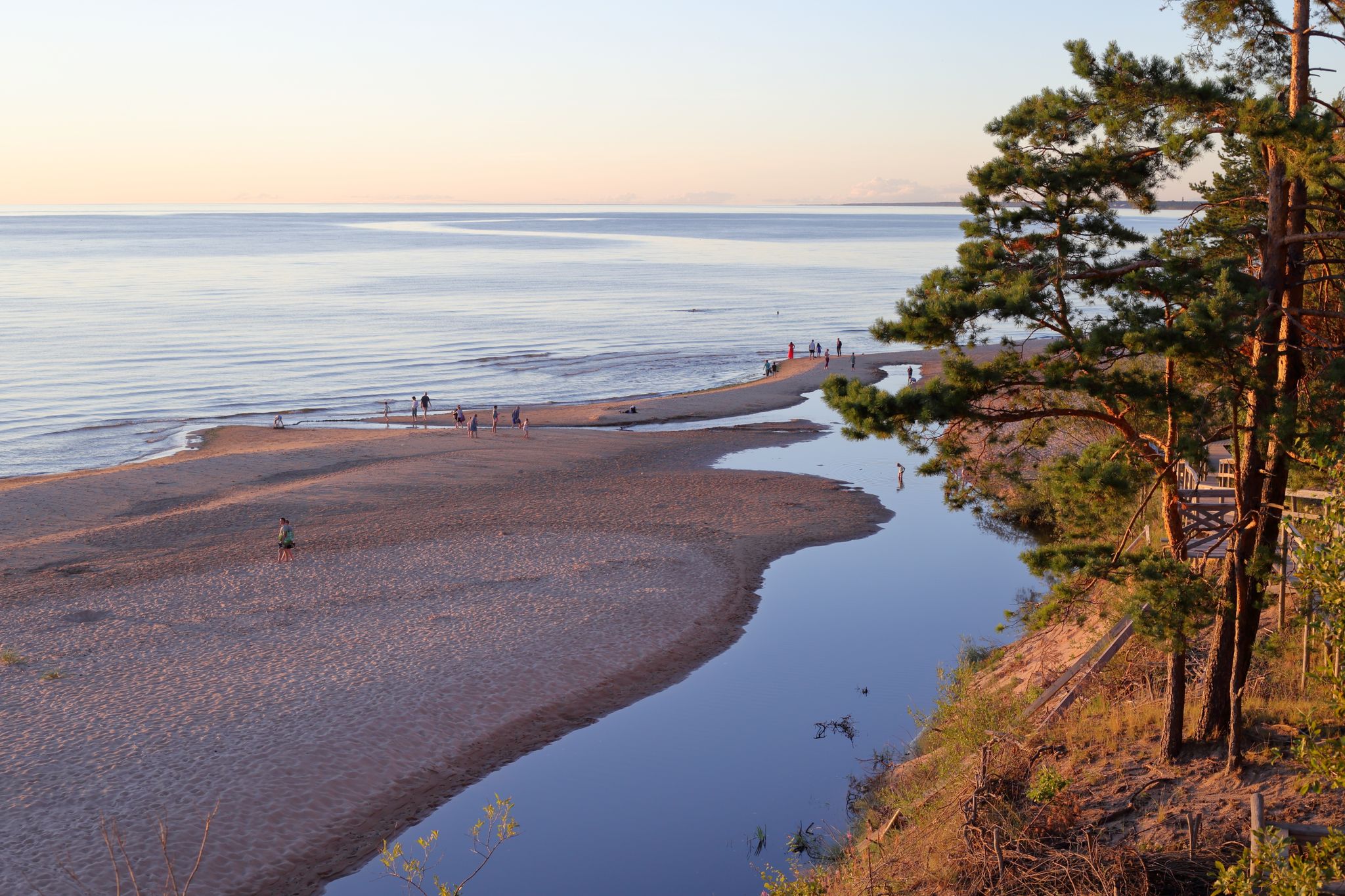
Amber, urban streets and boardwalks – a foray through Latvia
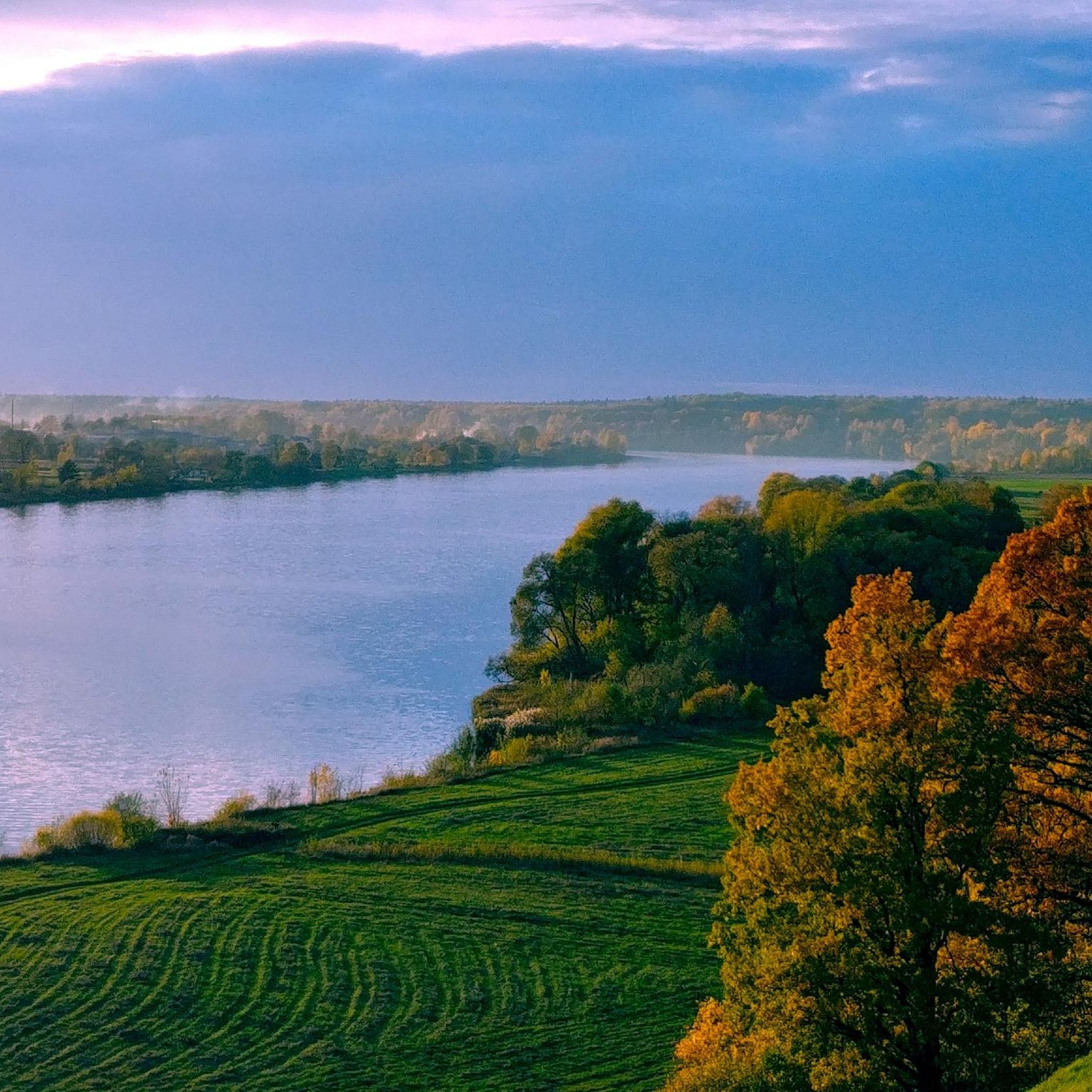
Running Trails around the Zapadnaya Dvaround thea
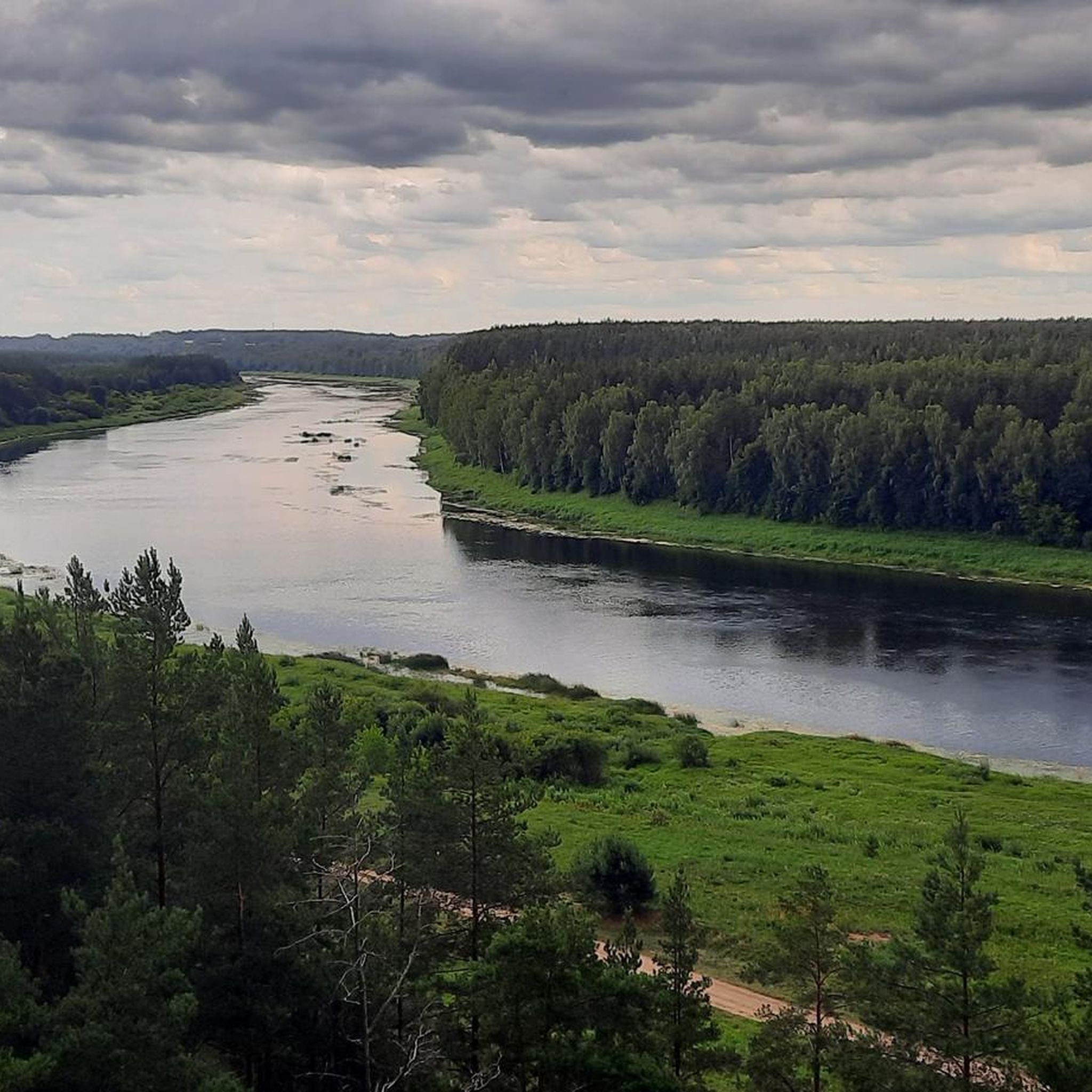
Hiking around the Zapadnaya Dvaround thea
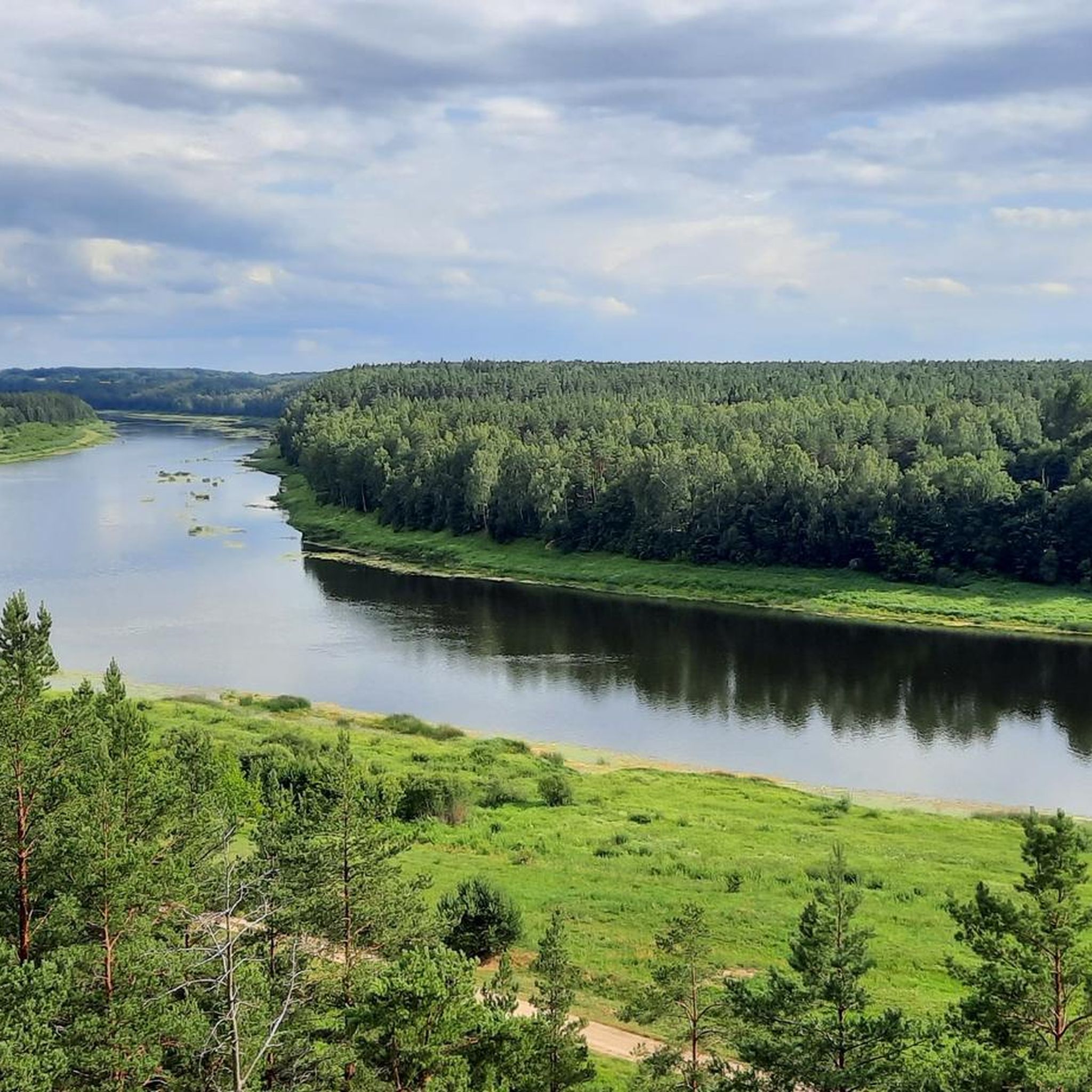
Cycling around the Zapadnaya Dvaround thea
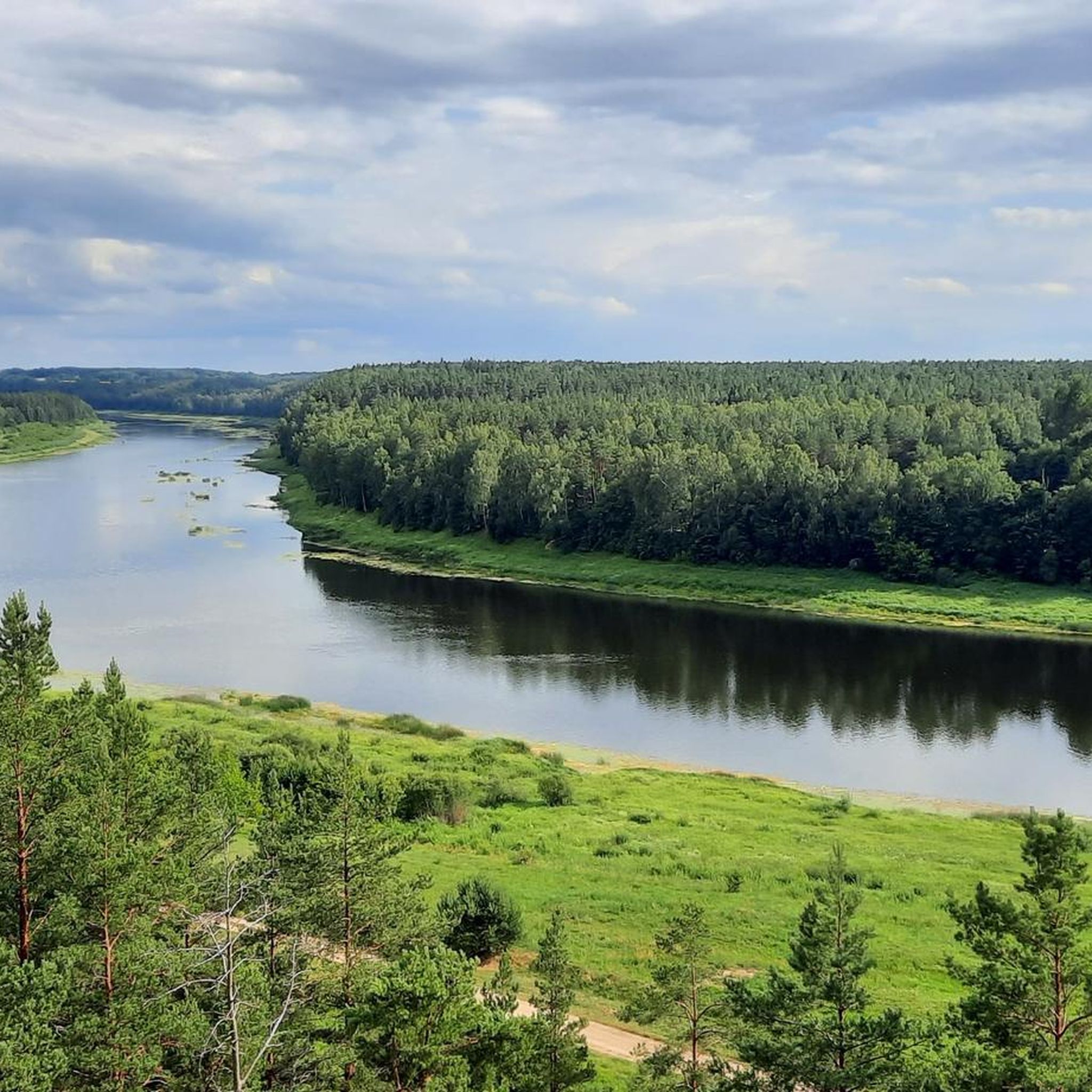
MTB Trails around the Zapadnaya Dvaround thea
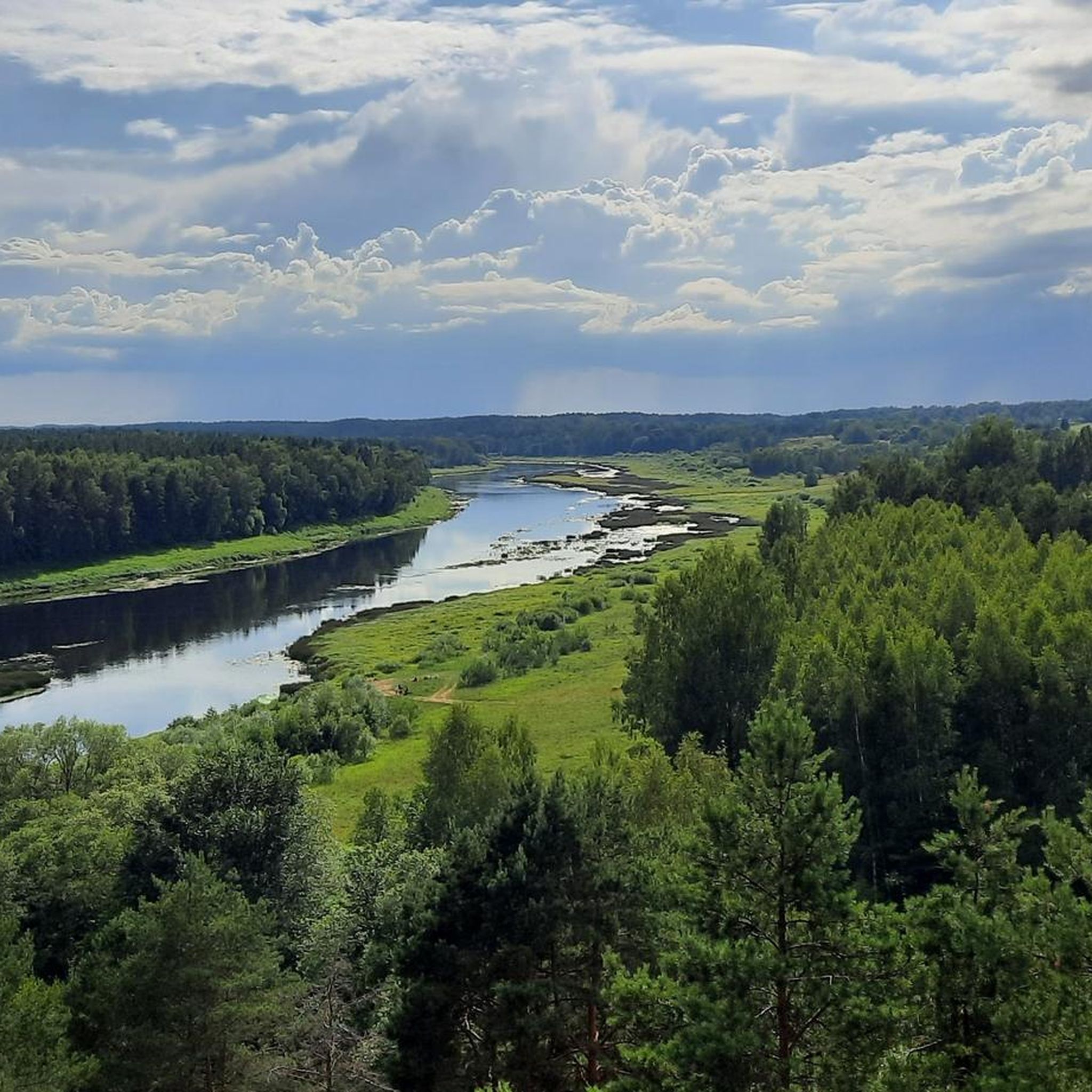
Road Cycling Routes around the Zapadnaya Dvaround thea

Gravel biking around the Zapadnaya Dvaround thea
Other adventures around the Zapadnaya Dvaround thea

Tips from the Community

After the decline of the Teutonic Order's state, the building served the respective rulers of the city. The most extensive renovations took place in the 18th and 19th centuries, when the castle was rebuilt for the provincial government in Riga. In 1938, the Latvian president resided in the castle for the first time. During the Soviet era, the building was the „Pioneer Palace“. After the restoration of Latvia's independence, Riga Castle is today once again the seat of the Latvian presidents. Source: https://de.wikipedia.org/wiki/Rigaer_Schloss
2
0

One can't help but be amazed by the many wonderful buildings.
0
0

Beautifully situated on the banks of the Daugava.
0
0


Today, Riga Castle is the official residence of the President.
1
0

Riga Castle, located on the Daugava River, is not only a magnificent architectural landmark, but also the official residence of the President of the Republic of Latvia. The castle's historic walls date back to the 14th century, when the Livonian Knights built the fortress. At that time, it served to defend the city and had various military functions. Over the centuries, the castle has been rebuilt and modernized several times, but has always retained its important political and historical significance. When you look at the castle, you can see the mixture of medieval fortress architecture and baroque and classicist elements that make up the charm of the complex. The white towers, the red roofs and the well-kept forecourt invite you to take a stroll. The contrast between the historic facade and the modern political center that the castle is today is particularly impressive. Interestingly, despite its historical roots, the castle not only serves as a symbolic place to this day, but remains a functioning official residence.
1
0
Originally built in the 14th century, it was part of the medieval city fortifications and served to protect the city from invaders. The massive white tower, which was once used to store gunpowder and ammunition, contrasts interestingly with the colourful surrounding buildings and gives this part of the Old Town a special atmosphere. Over time, the tower has been destroyed and rebuilt several times, especially after the devastation in World War II. Today, it is part of Riga Castle, the seat of the Latvian President. A quick exploration of the area reveals Riga's rich history, and the Svina tornis is an impressive symbol of the city's defensive capabilities.
0
0
The Small Guild in Riga is particularly striking due to its fairytale architectural style - a bit like a hidden castle in the middle of the city. It is a reminder of the time when Riga was still dominated by the merchants and craftsmen of the Hanseatic League. The guild originally served as a meeting place for the craft guilds, and the building is still used today for concerts and events. As you stroll through the streets around the guild, you are quickly surrounded by old facades and charming corners. The atmosphere here is particularly calm, despite the proximity to the bustling old town. A walk through this part of Riga brings with it a little leap back in time, and if you walk carefully through the alleys, you will always find small architectural details that tell the history of the city.
1
0
Frequently Asked Questions
Which castles along the Daugava River offer the most historical insight?
For deep historical insight, Riga Castle is a must-visit. Founded in 1330 by the Livonian Order, it has served as a pivotal military and administrative center for nearly seven centuries and is now the official residence of the President of Latvia, housing several important museums. The ruins of Koknese Castle, dating from the 13th century, also offer a rich history, having been a fortified stronghold and residence of the Archbishop of Riga. Additionally, Krustpils Castle, considered one of Latvia's best-preserved castles, dates back to 1318 and now houses a history museum.
Are there any family-friendly castles to visit in the Daugava region?
Yes, several castles in the Daugava region are suitable for families. Riga Castle, with its museums and role as the Presidential residence, offers an educational experience. The Koknese Castle Ruins are particularly engaging, hosting various events like concerts and theatrical performances, and even a torture chamber exhibit. The Small Guild (Mazā Ģilde) in Riga, with its fairytale architectural style, is also a charming spot for families, often hosting concerts and events.
What natural features can I expect to see around the castles along the Daugava River?
The Daugava River itself is a prominent natural feature, with many castles strategically located along its banks. For instance, Koknese Castle Ruins are picturesquely situated where the Pērse River flows into the Daugava, partially submerged by a hydroelectric dam, creating a unique waterside landscape. Daugavgrīva Fortress, though mostly earthen ramparts today, is part of a larger area that includes the Daugavgrīva Nature Trail and a lighthouse, offering opportunities for leisurely walks amidst intriguing ruins and overgrown landscapes.
What is the best time of year to visit the castles in the Daugava region?
The best time to visit the Daugava river region and its castles is generally during the warmer months, from late spring to early autumn (May to September). This period offers pleasant weather for exploring ruins like Koknese Castle and Daugavgrīva Fortress, as well as enjoying outdoor activities. Many cultural events at sites like Koknese Castle also take place during this time.
Are there any castles that are particularly well-preserved or have unique architectural styles?
Krustpils Castle is considered one of the best-preserved castles in Latvia, showcasing its history as an order castle. Riga Castle exhibits a blend of Gothic, Renaissance, Baroque, and neoclassical styles, reflecting its numerous reconstructions over centuries. The Small Guild (Mazā Ģilde) in Riga is noted for its distinctive fairytale architectural style.
Can I find outdoor activities or routes near these castles?
Yes, the Daugava region offers various outdoor activities. You can find numerous cycling routes, including gravel biking and road cycling, as well as MTB trails. For example, there are routes like the 'Ogres Zilie Kalni Forest Trail' for MTB and 'Freedom Monument (Riga) – Old Railway Bridge' for gravel biking. You can explore more options on the MTB Trails around the Zapadnaya Dvaround thea, Gravel biking around the Zapadnaya Dvaround thea, and Road Cycling Routes around the Zapadnaya Dvaround thea guides.
What are the entry fees for visiting the castles?
Entry fees vary by castle. For example, visiting the Koknese Castle Ruins costs €2.50 for adults. Krustpils Castle has an admission fee of €6 per person. For Riga Castle, which houses museums, specific museum entry fees may apply, though you can admire the exterior freely. Daugavgrīva Fortress is open to visitors on weekends, but specific fees are not detailed.
Are dogs allowed at any of the castle sites?
Yes, dogs are welcome at the Koknese Castle Ruins and do not require a ticket. This makes it a great option for visitors traveling with their canine companions.
What unique cultural experiences can I find at these castles?
The Koknese Castle Ruins are known for hosting various cultural events, including concerts, theatrical performances, and traditional Latvian wedding ceremonies. They also host the annual Catfish Waking Festival. The Small Guild in Riga continues its historical role as a venue for concerts and events, offering a glimpse into Riga's merchant and craft guild history.
Is Daugavgrīva Fortress worth visiting, and what can I expect there?
Daugavgrīva Fortress is a unique blend of history and nature. While only earthen ramparts remain of the original castle structure, it's considered one of Latvia's most valuable military heritage sites. Visitors can explore historic buildings, including underground bunkers and passages (a flashlight is recommended). Its atmosphere of an almost abandoned castle, where time has reclaimed parts of the structure, offers a compelling experience for those interested in historical exploration. It's open on weekends and is part of a larger area with a nature trail and lighthouse.
What do visitors enjoy most about the castles in the Daugava region?
Visitors frequently appreciate the rich history and architectural beauty of the castles. The picturesque setting of Koknese Castle Ruins surrounded by water and its beautiful park is often highlighted. The fairytale architectural style of the Small Guild in Riga and the historical significance of Riga Castle are also popular points of interest. The blend of historical exploration with natural landscapes, especially along the Daugava River, is a common draw.
Most popular routes around the Zapadnaya Dvaround thea
Most popular attractions around the Zapadnaya Dvaround thea

Get inspired with the komoot mobile app


