Top 6 Caves around Fontenais
Best caves around Fontenais are located in the Canton of Jura, Switzerland, a region known for its diverse geological features. Fontenais is a municipality in the district of Porrentruy, providing access to various natural attractions. The area's landscape includes limestone formations, gorges, and underground river systems. This makes the region suitable for exploring different types of caves and natural monuments.
Best caves around Fontenais
- The most popular caves is Réclère Caves and Prehistoric Park, a cave known for its…
Last updated: May 16, 2026
Milandre Caves
Highlight • Cave
Showing Translation
Tip by

Échelle de la Mort
Highlight • Gorge
Translated by Google •
Tip by

Sign up now to discover places like this
Get recommendations on the best single tracks, peaks, & plenty of other exciting outdoor places.
Sign up for free
Réclère Caves and Prehistoric Park
Highlight • Cave
Translated by Google •
Tip by

Trou du Creugenat Karst Sinkhole
Highlight • Natural Monument
Translated by Google •
Tip by
View of the Grotte du Löwenburg and Stone Bridge
Highlight • Viewpoint
Translated by Google •
Tip by

Sign up for free to discover even more caves around Fontenais.
Sign up for free
Already have an account?
Start today with a free account
Your next adventure awaits.
Login or Signup
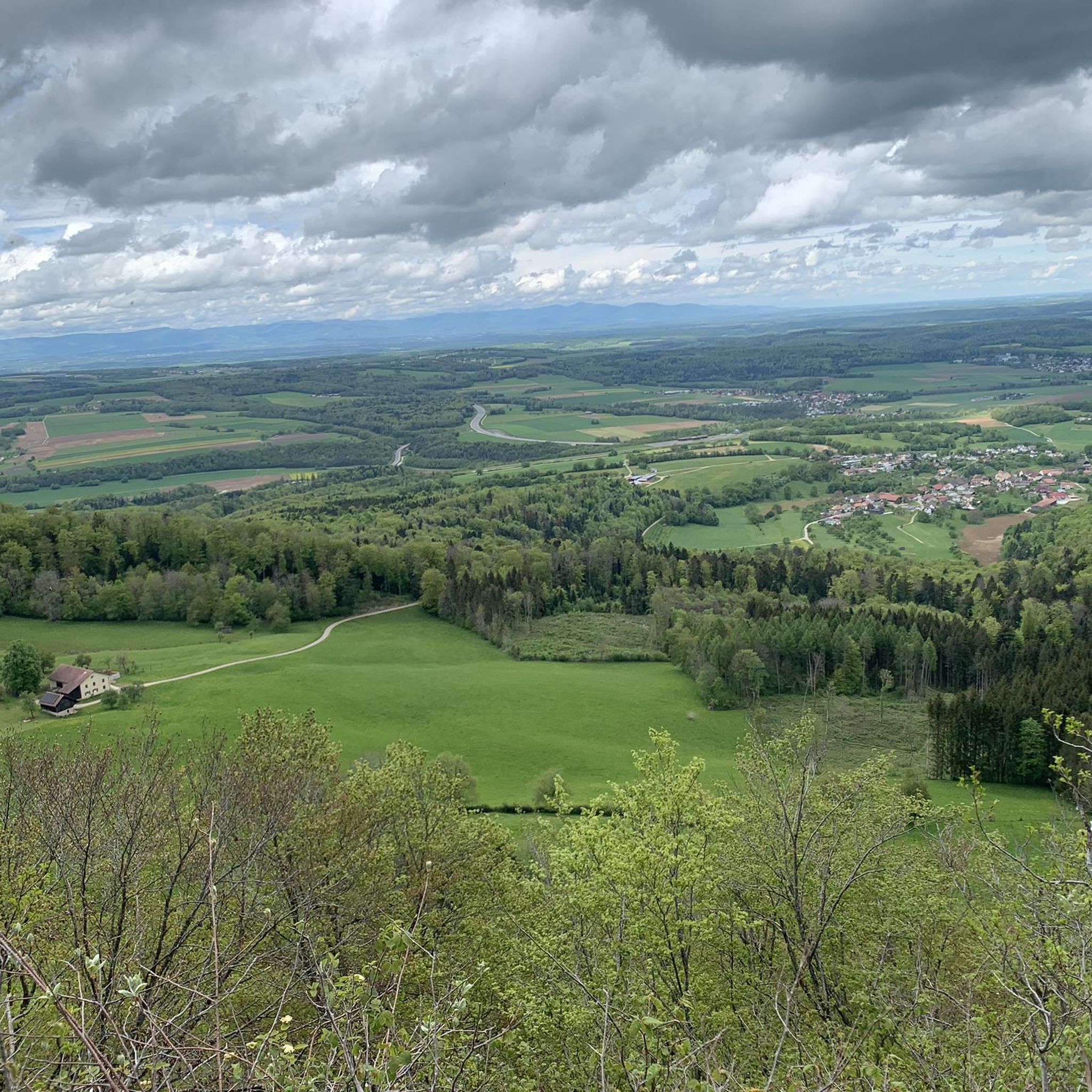
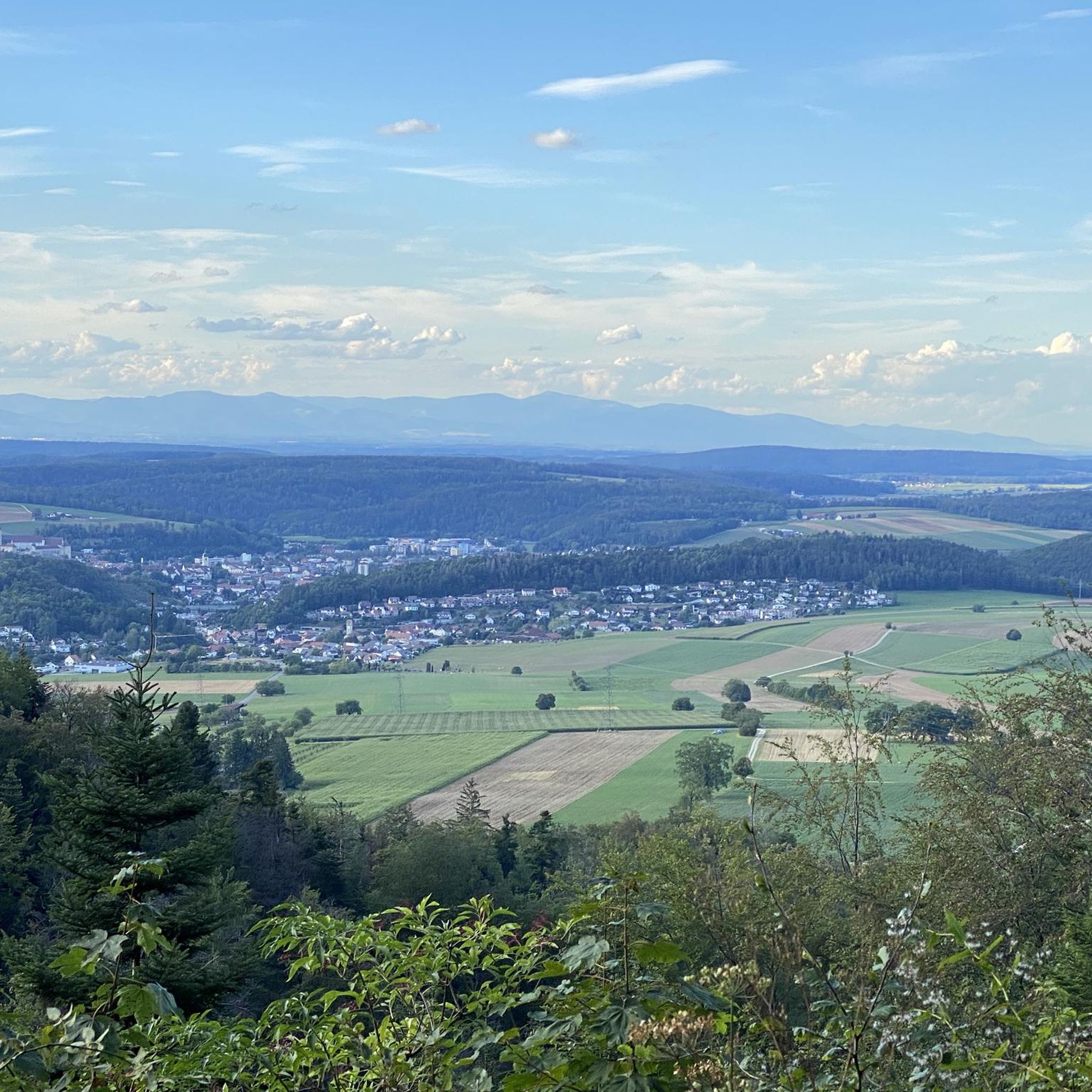
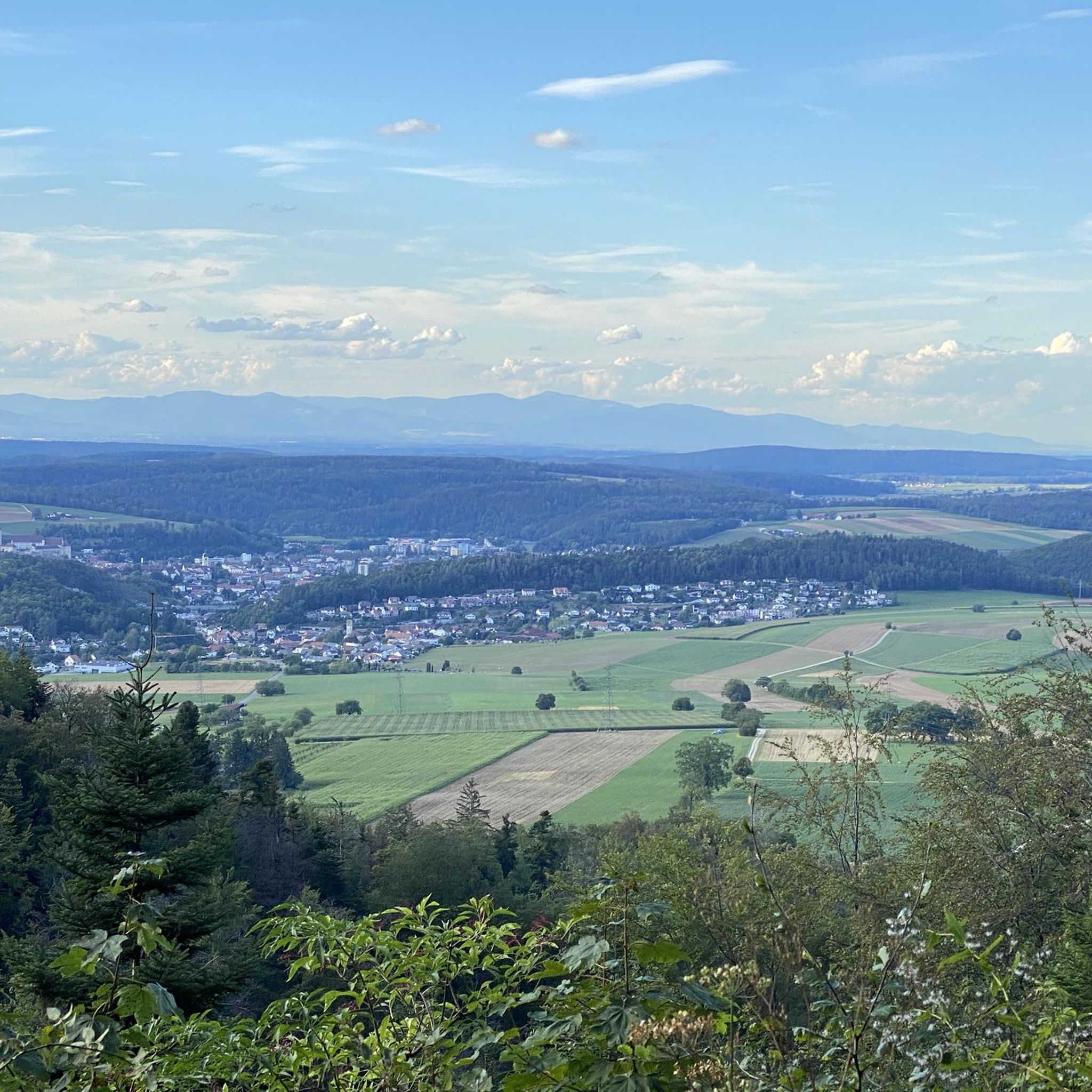
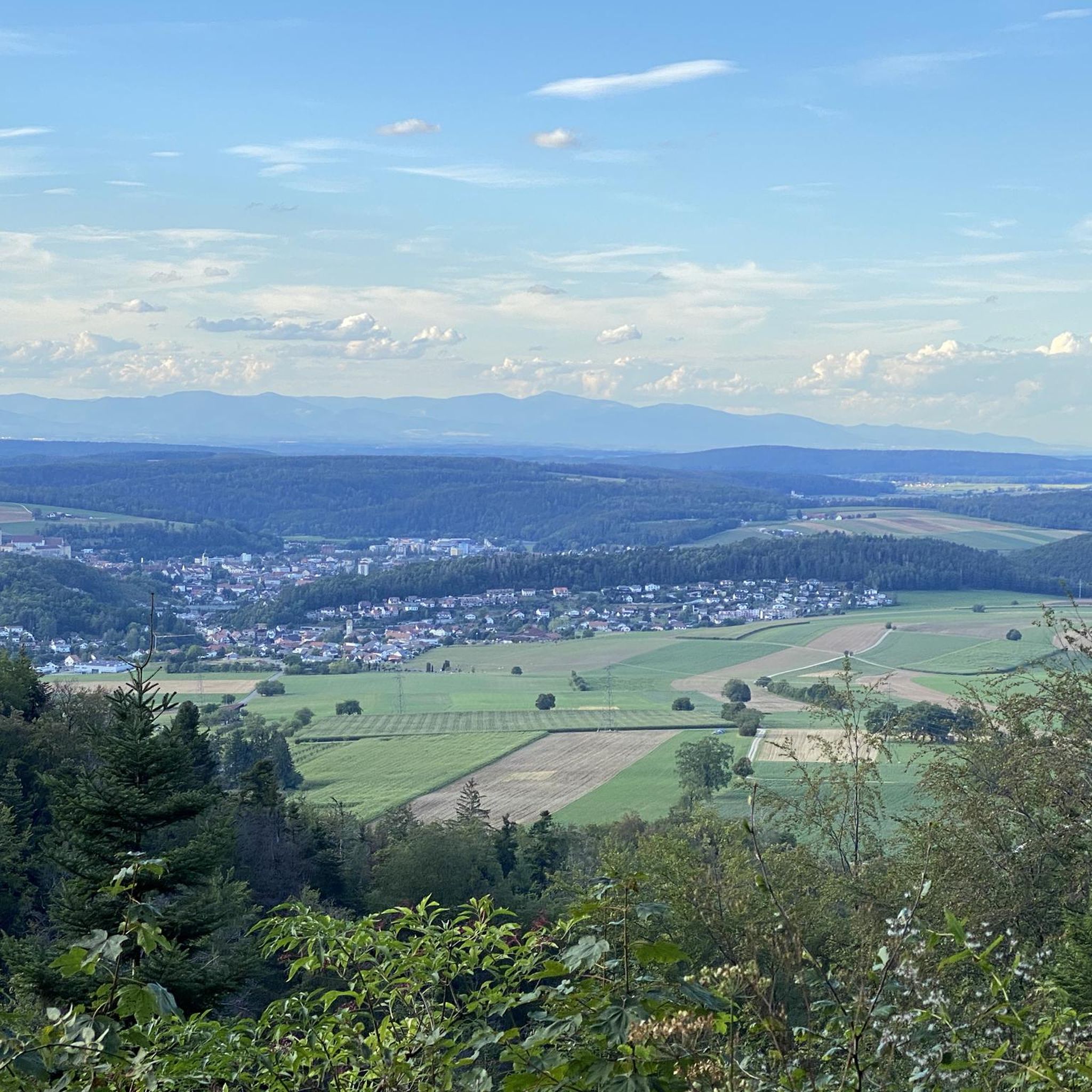

Tips from the Community

Depending on the water level, the lower entrance of the cave can be explored more or less dry.
1
0

Impressive grotto under Millandre The active, vadose cave has been scientifically well studied. It is located in subhorizontal, fossil-bearing limestone. The cave river Milandrine flows through it, has a measured length of 10,520 meters and a vertical extension of 135 meters. https://de.wikipedia.org/wiki/Grotte_de_Milandre
0
2

Well-kept dinosaur park with moderate admission. A combination ticket including the cave can also be purchased (7 degrees). The circular route is about 2km and can also be easily managed with prams. Have fun 🦕
0
0

when I looked back, I was amazed at the huge hole in the mountain - but I didn't turn to stone.
0
0

The Trou du Creugenat is a karst hole in the Ajoie from which water emerges and which creates a temporary river, the Creugenat, during floods. The periodic lake forms between 4 and 10 times per year, the river is sometimes only visible for a few hours, sometimes over a week. The flow can reach 15 to 20 m3/s. The water follows the Courtedoux plain and flows into the Allaine at Porrentruy. When dry, the depth of the hole is clearly visible - simple steps lead to the bottom, and a thick rope helps you climb up or down. There is a water level gauge on the side of the rock walls and you can clearly see the mud traces of the last floods. In the immediate vicinity of the hole there is also a picnic area with a table and benches, as well as an improvised fire pit. A meadow path leads from the bike path to the hole.
0
0
An adventurous path leads through the small gorge. There are several small caves along the way and the highlight is to climb the steep step with the help of three solid wooden ladders. Only feasible for dogs if you can carry them or take them piggyback. The slippery round wood of the ladders gives even very skilful dog paws little support, so the four-legged friend needs support.
2
0
Frequently Asked Questions
What types of caves can I explore in the Jura region near Fontenais?
The Jura region, including areas around Fontenais, offers a variety of geological formations. You can find impressive limestone caves with stalactites and stalagmites, such as the Réclère Caves. There are also gorges with small caves like Échelle de la Mort, active caves with underground rivers like Milandre Caves, and karst sinkholes such as the Trou du Creugenat.
Are there any family-friendly cave experiences near Fontenais?
Yes, the Réclère Caves and Prehistoric Park is an excellent option for families. The caves feature impressive formations, and a combination ticket includes access to the adjacent Prehisto-Park with life-sized dinosaur figures. The park's 2 km circular route is also manageable with prams.
What are some unique cave features I can see in the wider Jura region?
Beyond Fontenais, the broader Jura region offers unique cave experiences. The Col des Roches Caves in Le Locle are known for their subterranean watermills. In the French Jura, the Moidons Cave is notable for being lit by solar power and featuring a sound-and-light show, while the Cerdon Cave offers a 'prehistoric activities' area.
What is the best time of year to visit the caves around Fontenais?
Most show caves in the region are open during the warmer months, typically from spring to autumn. Some caves, like the Baume-les-Messieurs Cave in the French Jura, close in winter as they become bat sanctuaries. For underground exploration, weather conditions above ground are less critical, but access roads and surrounding parks might be more pleasant in milder weather.
Are there any caves with historical significance in the Jura region?
Yes, the Osselle Cave in the French Jura is one of the oldest caves in the world open to tourists, with visits dating back to the 16th century. It is known for its historical significance and was once a venue for dances.
What kind of natural features can I expect to see in the caves?
The caves in the Jura region are primarily limestone formations. You can expect to see impressive stalactites and stalagmites, underground rivers, and sometimes even subterranean waterfalls, as found in the St. Beatus Caves. Karst sinkholes, like the Trou du Creugenat, also showcase unique hydrological features.
Are there any challenging cave experiences or adventurous paths nearby?
For those seeking adventure, Échelle de la Mort offers an adventurous path through a small gorge with several caves. The highlight involves climbing a steep step with the help of three solid wooden ladders, making it a more challenging experience.
Can I bring my dog to the caves around Fontenais?
Dog policies vary by location. For instance, the adventurous path at Échelle de la Mort is generally not feasible for dogs unless they can be carried, due to slippery wooden ladders. It's best to check with individual cave attractions regarding their specific pet policies before visiting.
What outdoor activities can I combine with a visit to the caves?
The Fontenais area offers various outdoor activities. You can find numerous running trails, road cycling routes, and gravel biking routes. Many caves, like the Réclère Caves, are often part of larger parks or natural areas suitable for walks and exploration.
Are there any caves that are accessible or suitable for beginners?
The Réclère Caves are generally accessible for visitors, with well-maintained paths. The adjacent Prehisto-Park also has a pram-friendly circular route. For more extensive but still accessible experiences, the St. Beatus Caves, though further afield, offer about 1 kilometer of accessible pathways with modern lighting.
What should I wear when visiting caves in the Fontenais region?
Caves maintain a cool, constant temperature year-round, typically around 7-10°C (45-50°F), regardless of the outside weather. It's advisable to wear warm layers, even in summer, and comfortable, non-slip shoes as paths can be damp or wet.
Where can I find information about parking or public transport for cave visits?
Specific parking and public transport options vary for each cave. For popular attractions like the Réclère Caves and Prehistoric Park, parking is usually available on-site. For other, more remote natural features like the Trou du Creugenat Karst Sinkhole, you might find meadow paths leading from bike paths and nearby picnic areas. Always check the specific location's visitor information for the most accurate details.
Most popular routes around Fontenais
Most popular attractions around Fontenais

Get inspired with the komoot mobile app


Explore more
Extend your search for the best caves by checking out these guides of the top ones around Fontenais:
