Top 3 Castles around Torricella-Taverne
Castles around Torricella-Taverne offer insights into the region's medieval past and strategic importance. Situated in a landscape featuring Monte Barro, the area has historically marked significant borders and hosted influential families. Exploring these sites provides a connection to centuries of traditions and events in Ticino and northern Italy. The region combines historical exploration with opportunities for panoramic walks and cultural experiences.
Best castles around Torricella-Taverne
- The most popular castles is Redde Tower, a historical site that is a residential…
Last updated: June 28, 2026
Redde Tower
Highlight • Historical Site
Translated by Google •
Tip by

Villa Ciani
Highlight • Historical Site
Translated by Google •
Tip by

Sign up now to discover places like this
Get recommendations on the best single tracks, peaks, & plenty of other exciting outdoor places.
Sign up for free
Castello di Valsolda
Highlight • Castle
Translated by Google •
Tip by

Ruins of Meriggino Castle
Highlight • Castle
Translated by Google •
Tip by

Ruins of Taverne Castle
Highlight • Castle
Translated by Google •
Tip by
Start today with a free account
Your next adventure awaits.
Login or Signup

Tips from the Community

In the Middle Ages, it had a castle (since destroyed). The Pagani House Museum, the birthplace of Paolo Pagani, an important 17th-century Lombard painter, is open to visitors (a work is on display in the main living room of the Fogazzaro house). He left behind important works, such as the fresco on the vault of the church of San Martino, a masterpiece of the Italian Baroque. Castello was the birthplace of many architects and sculptors who worked in Italy and Europe. Their homes, such as those of the Fontana family and that of Domenico Merlini, can still be seen.
0
0

Throughout the core, on a racing bike, you will have to push (stairs everywhere).
1
0

Beautiful castle on Lake Lugano
3
0

Small castle by the lake
1
0

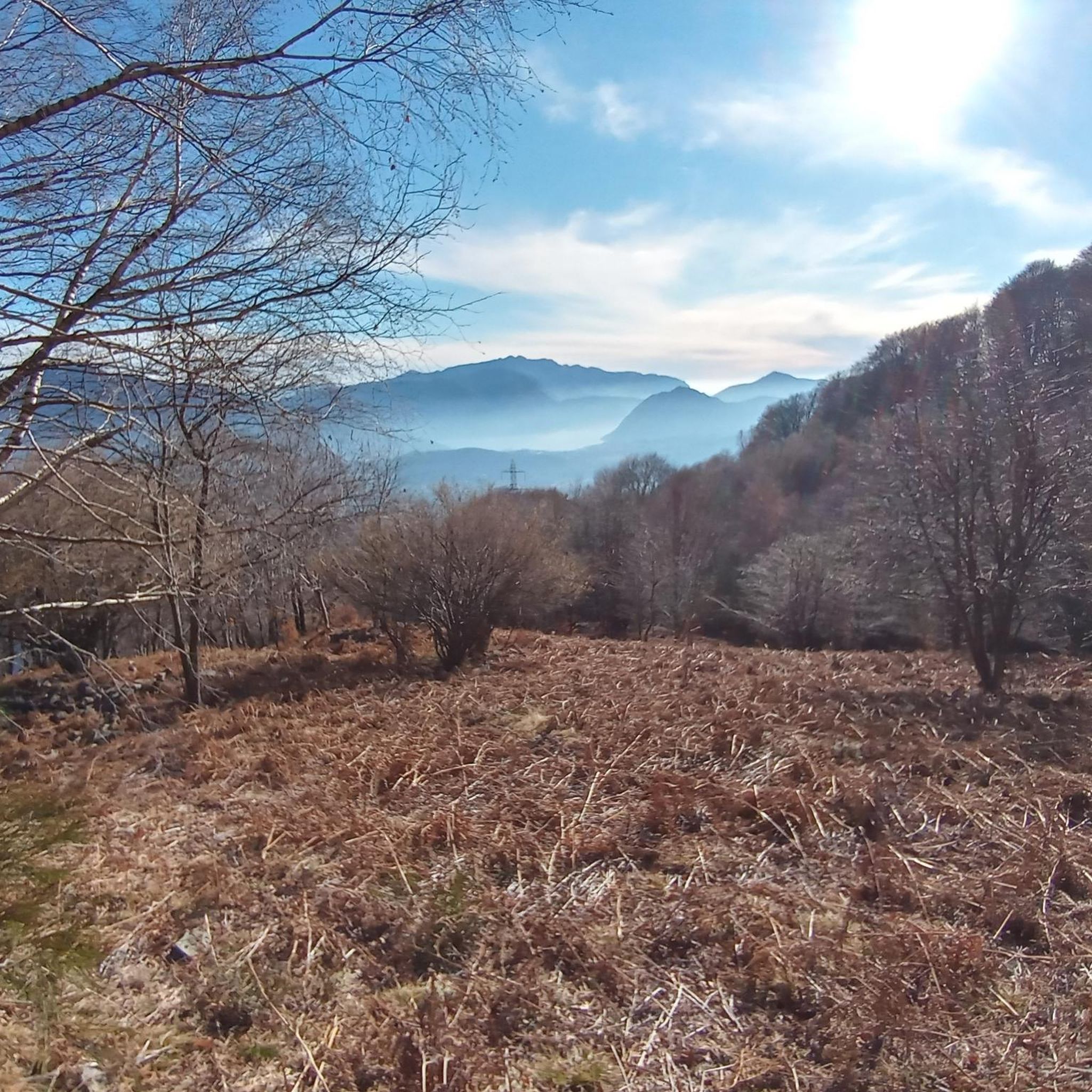
On the top of the hill of Monte Barro, about a hundred meters from the agglomeration of the municipality of Torricella Taverne, there are the remains of a building dating from the late Middle Ages (XIII - XIV centuries) closely related to the Castle of Santa Sofia in Bironico. The latter is part of the Rusca family's buildings and castles of well-known political and historical importance in Ticino and northern Italy. It is mentioned in a document in 1354 and may mark (according to the Historical Dictionary of Switzerland) the boundary of the possessions of the royal court of Agnuzzo. It is possible that the structure was built on a pre-existing Lombard position, perhaps even in late antiquity.
1
0

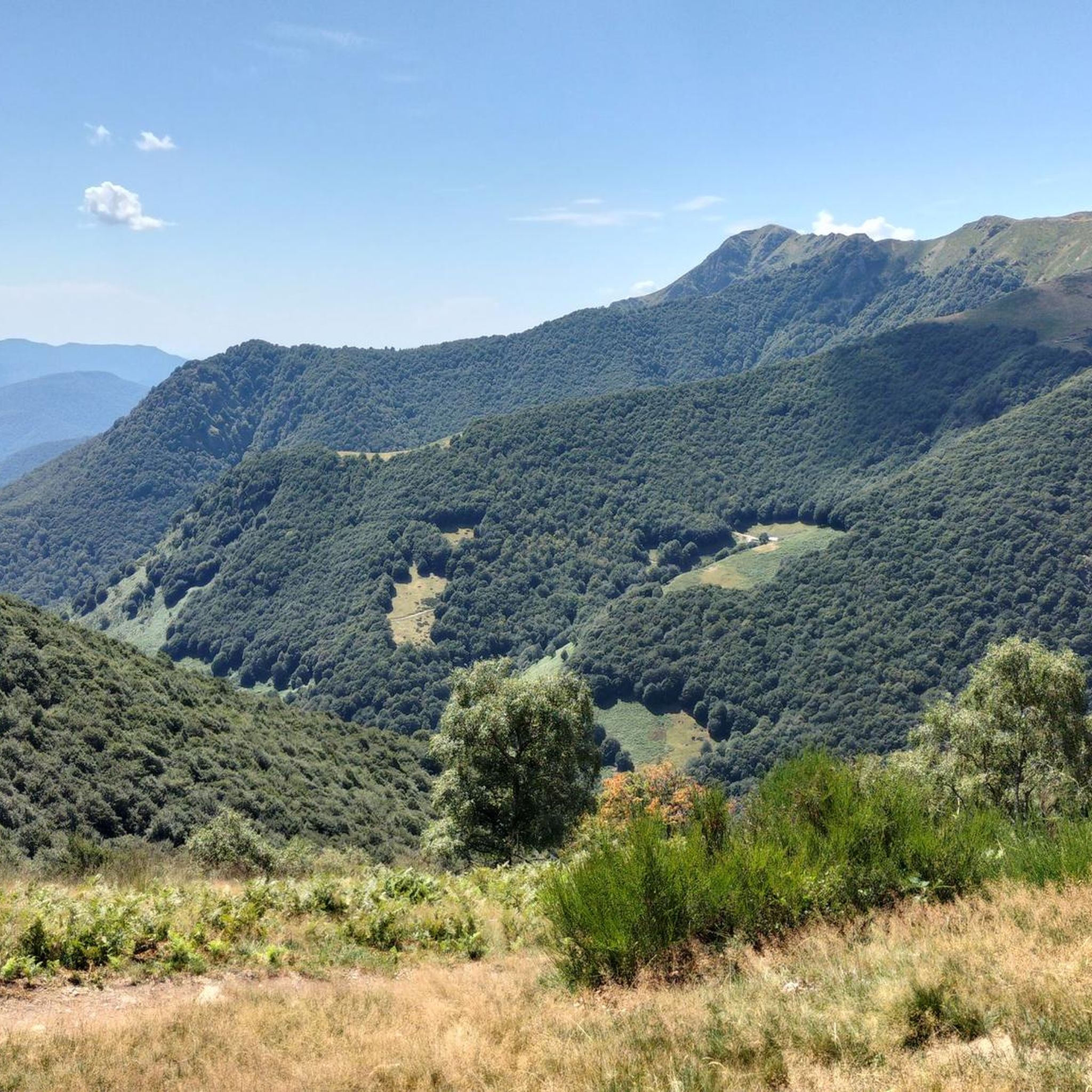
If you drive through these wooded hills, you will repeatedly come across traces of human settlements that no longer exist. Like the village of Redde, of which only a few foundations remain, which you can find very close to the chapel of S. Clemente. Much easier to see, however, is the only really well-preserved relic of the disappeared village: this residential tower from the Middle Ages. It comes from the 12th / 13th centuries. Century and probably once offered shelter to a well-heeled resident of the village.
0
0
The historic and wonderful Villa Ciani, which is embedded in the park of the same name, has served as the seat of important exhibitions since 1933. Today the villa is mainly used for contemporary artistic and historical exhibitions, but can also be booked on request exclusively for events within the framework of congresses. The Villa Ciani extends over three floors and has a total of 30 rooms of various sizes, all of which are connected to one another. The architecture of the building is particularly suitable for small exhibitions, VIP rooms, exhibition of scientific posters and other special events. There is also a direct connection to the main atrium of the Palazzo dei Congressi.
1
0

Frequently Asked Questions
What are the most historically significant castles around Torricella-Taverne?
The region is rich in history. The Ruins of Taverne Castle, dating back to the 13th-14th centuries, holds significant historical value, possibly marking the border of the royal court of Agnuzzo and connected to the influential Rusca family. It might even overlay an ancient Lombard or late Roman outpost. Another notable site is Redde Tower, a well-preserved residential tower from the 12th or 13th century, which was once part of a medieval village. The site of Castello di Valsolda, though the original castle is destroyed, is historically significant as the birthplace of many architects and sculptors who worked across Europe.
Are there family-friendly castles or historical sites to visit in the Torricella-Taverne area?
Yes, several sites are suitable for families. Redde Tower is categorized as family-friendly and offers an easy-access historical experience. Villa Ciani, a historic villa on Lake Lugano, also welcomes families and hosts artistic and historical exhibitions. Additionally, the area around the Ruins of Taverne Castle features the 'Parco del Castello,' a green space within the historical walls, providing a recreational area for children and families.
What kind of natural features or viewpoints can I find near these castles?
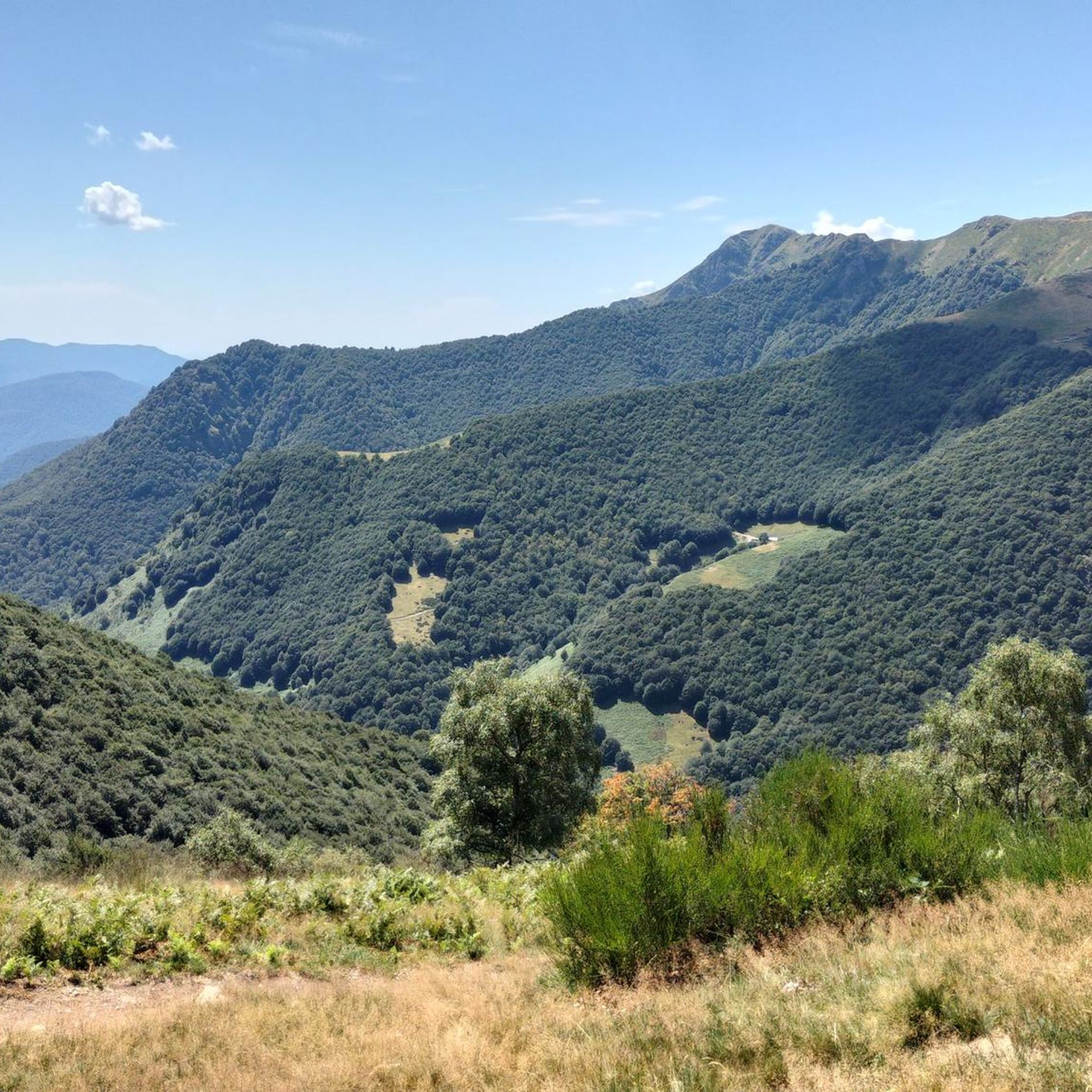
The Ruins of Taverne Castle is perched on the summit of Monte Barro, offering an ideal starting point for picturesque panoramic walks and discovering the surrounding landscapes. Redde Tower is located in the woods south of Vaglio, providing a natural setting for exploration.
What outdoor activities can I do near the castles around Torricella-Taverne?
The region offers various outdoor activities. You can find numerous hiking trails, including moderate to difficult routes like 'The chestnut trail' or 'Sentiero degli alpeggi.' For mountain enthusiasts, there are mountain hikes such as the 'Alpe di Neggia Pass – Summit of Mount Gambarogno loop.' Road cycling routes are also available, including the 'Lake Lugano Southern Loop.' You can explore more options on the Hiking around Torricella-Taverne, Mountain Hikes around Torricella-Taverne, and Road Cycling Routes around Torricella-Taverne guide pages.
Are there specific hiking trails that lead to or are near the castles?
The elevated position of the Ruins of Taverne Castle on Monte Barro makes it an excellent starting point for scenic walks. While specific trails directly to all castles aren't detailed, the general area around Torricella-Taverne is well-suited for hiking. For example, the Hiking around Torricella-Taverne guide offers various routes, some of which may pass near historical sites.
What do visitors enjoy most about the castles in this region?
Visitors appreciate the historical depth and the opportunity to connect with centuries of traditions. For instance, Redde Tower is described as 'fascinating' and 'easy to access.' The historical and artistic exhibitions at Villa Ciani are also highly regarded. The overall appeal lies in the blend of historical exploration with the beautiful surrounding landscapes.
Can I visit the Ruins of Meriggino Castle?
Yes, you can visit the Ruins of Meriggino Castle. It's an extensive castle complex ruin located on the banks of the Magliasina, along an old Roman road. You can still see the square Bering and slight traces of the central main building and other structures. The castle is believed to have been destroyed during a war between Milan and Como in 1156.
What is the best season to visit the castles around Torricella-Taverne?
While specific opening hours for all sites vary, the region's mild climate generally makes spring and autumn ideal for exploring castles and enjoying outdoor activities. These seasons offer pleasant temperatures for walking and fewer crowds. Summer can also be enjoyable, especially for sites near Lake Lugano like Villa Ciani.
Are there any hidden gem castles or lesser-known historical sites worth exploring?
The Ruins of Taverne Castle, while historically significant, is enveloped by vegetation and offers a more secluded exploration experience. Similarly, the Redde Tower is a well-preserved relic of a disappeared medieval village, nestled in the woods, offering a glimpse into a past settlement that no longer exists.
How can I learn more about the local history and culture related to these castles?
Many of these sites offer a direct connection to the region's past. The Ruins of Taverne Castle, for example, is actively being revitalized by the Association Castrum Tabernarum to become a hub for community and culture. Villa Ciani hosts contemporary artistic and historical exhibitions, providing cultural insights. Exploring these sites allows you to delve into the history of Ticino and northern Italy.
Most popular routes around Torricella-Taverne
Most popular attractions around Torricella-Taverne

Get inspired with the komoot mobile app


Explore more
Looking for the best castles somewhere else? Discover other guides around Torricella-Taverne:
