Top 11 Caves around Caslano
Caves around Caslano, Switzerland, are found in a village situated on the shores of Lake Lugano. The area is characterized by the protected Monte Caslano peninsula, which features notable geological formations. This region offers a variety of natural caves, rock shelters, and former mining sites. Exploring these locations provides insight into the geological and geomorphological characteristics of the Ticino region.
Best caves around Caslano
- The most popular caves is Rocce Rosse Fortifications (Cadorna Line), a historical site that features…
Last updated: May 16, 2026
Rocce Rosse Fortifications (Cadorna Line)
Highlight • Historical Site
Translated by Google •
Tip by

From Mines to Fossils
Highlight • Natural Monument
Translated by Google •
Tip by

Sign up now to discover places like this
Get recommendations on the best single tracks, peaks, & plenty of other exciting outdoor places.
Sign up for free
Cava Ronchetti Quarry
Highlight • Structure
The stones were …
Tip by

Piodelle Mine
Highlight • Cave
Tip by

Red Rock Tunnel of Sasso del Ferro
Highlight • Cave
Translated by Google •
Tip by

Sign up for free to discover even more caves around Caslano.
Sign up for free
Already have an account?
Start today with a free account
Your next adventure awaits.
Login or Signup
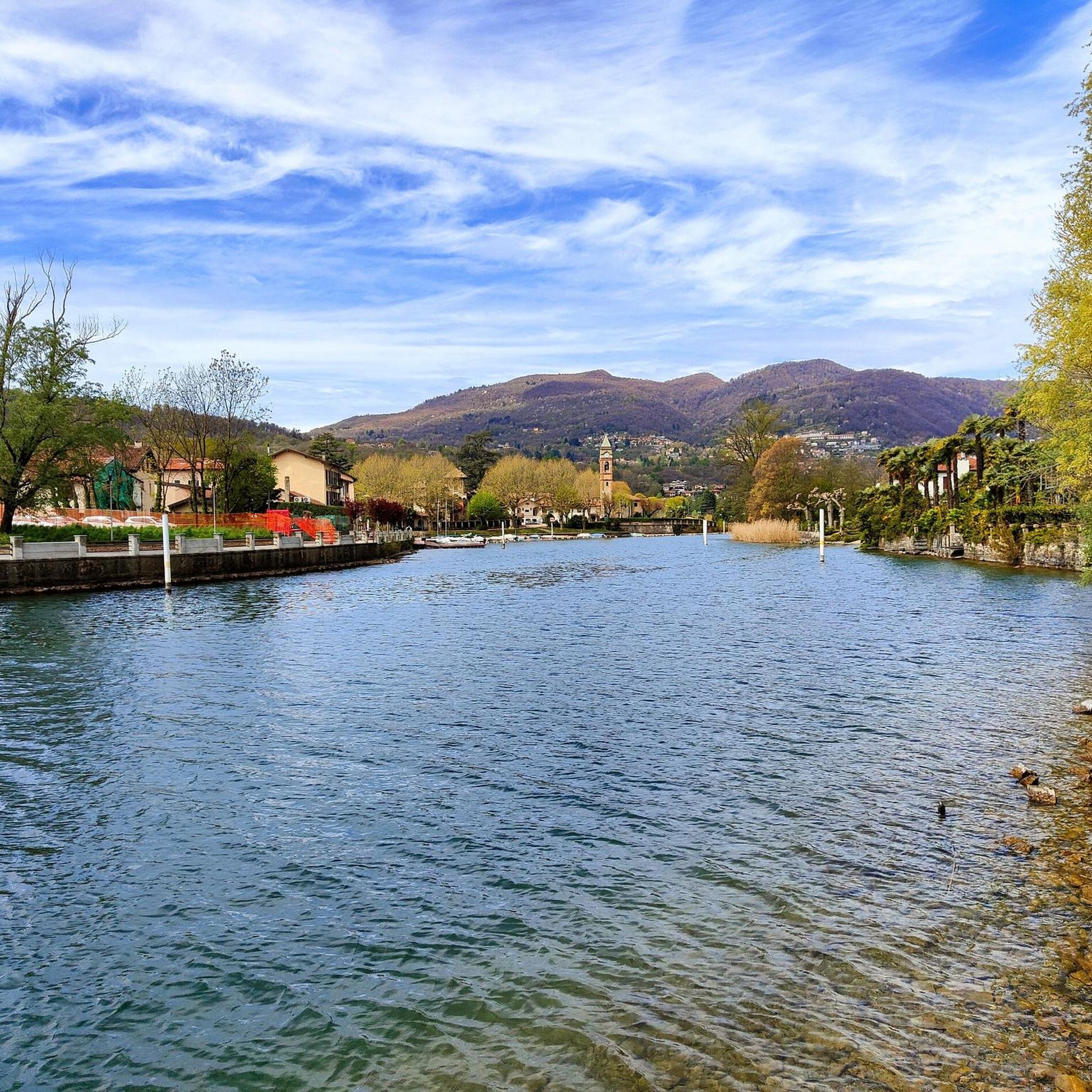
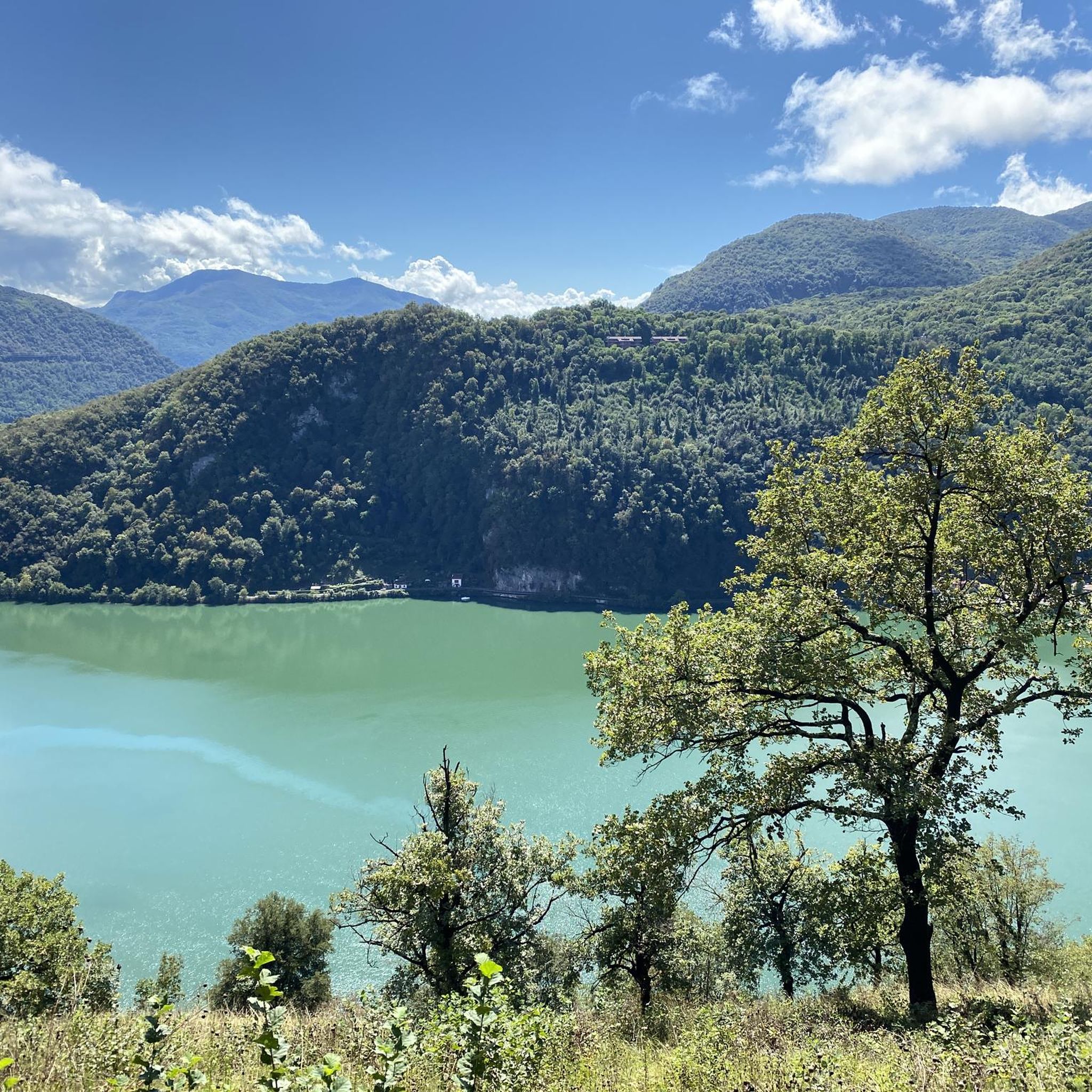
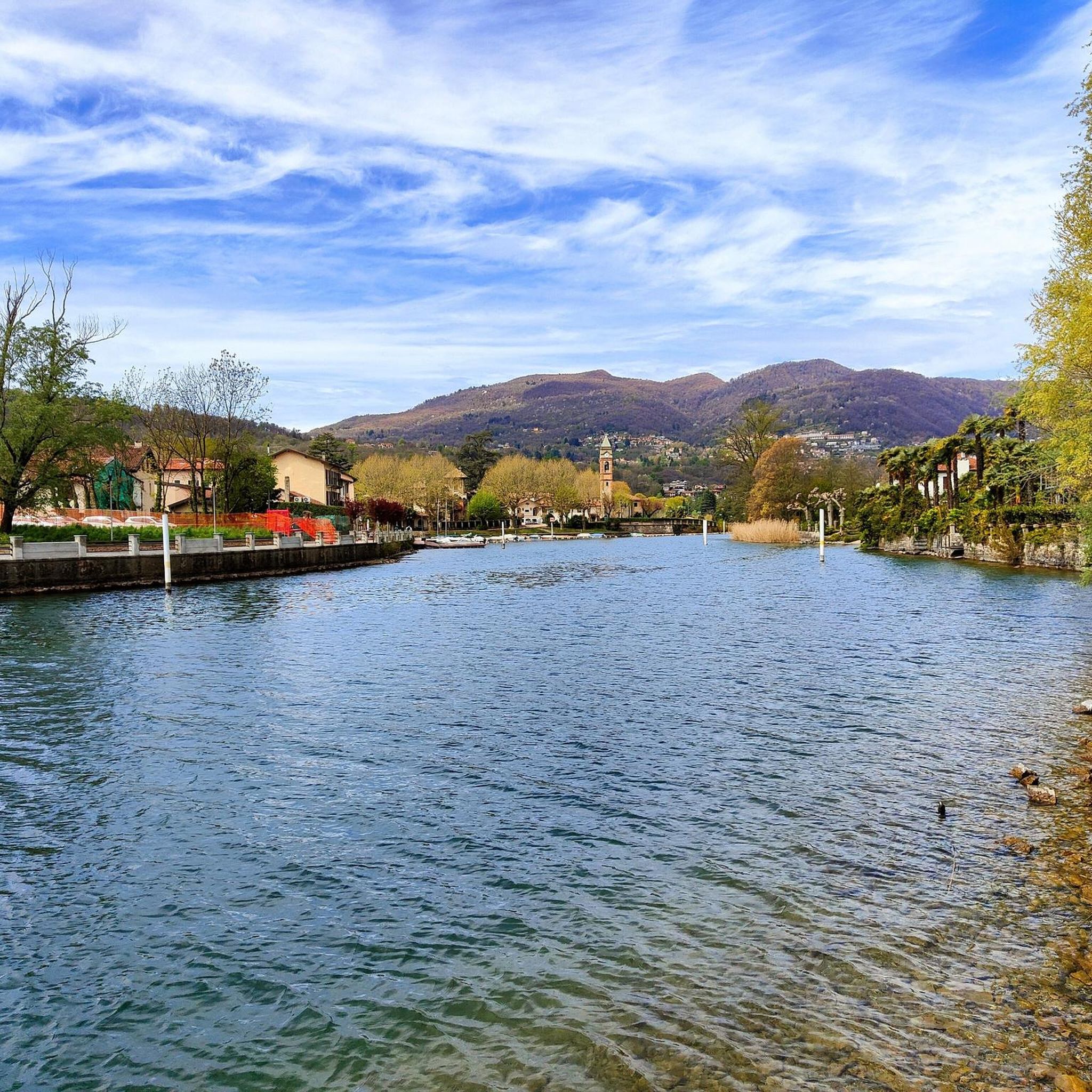
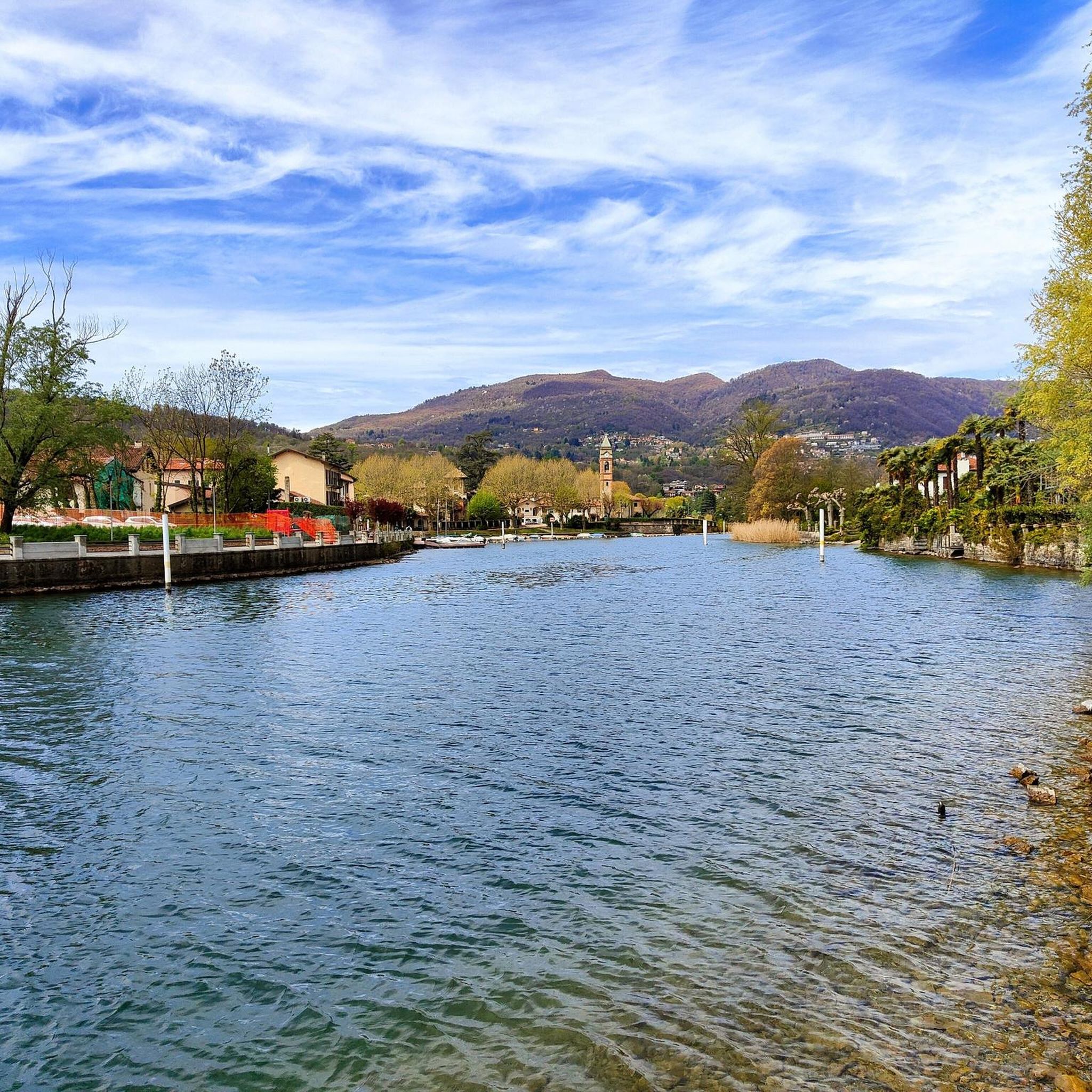

Tips from the Community

fortifications
0
0

it is a huge red coloured rock mass. the inside of the rock contains numerous communicating tunnels
0
0

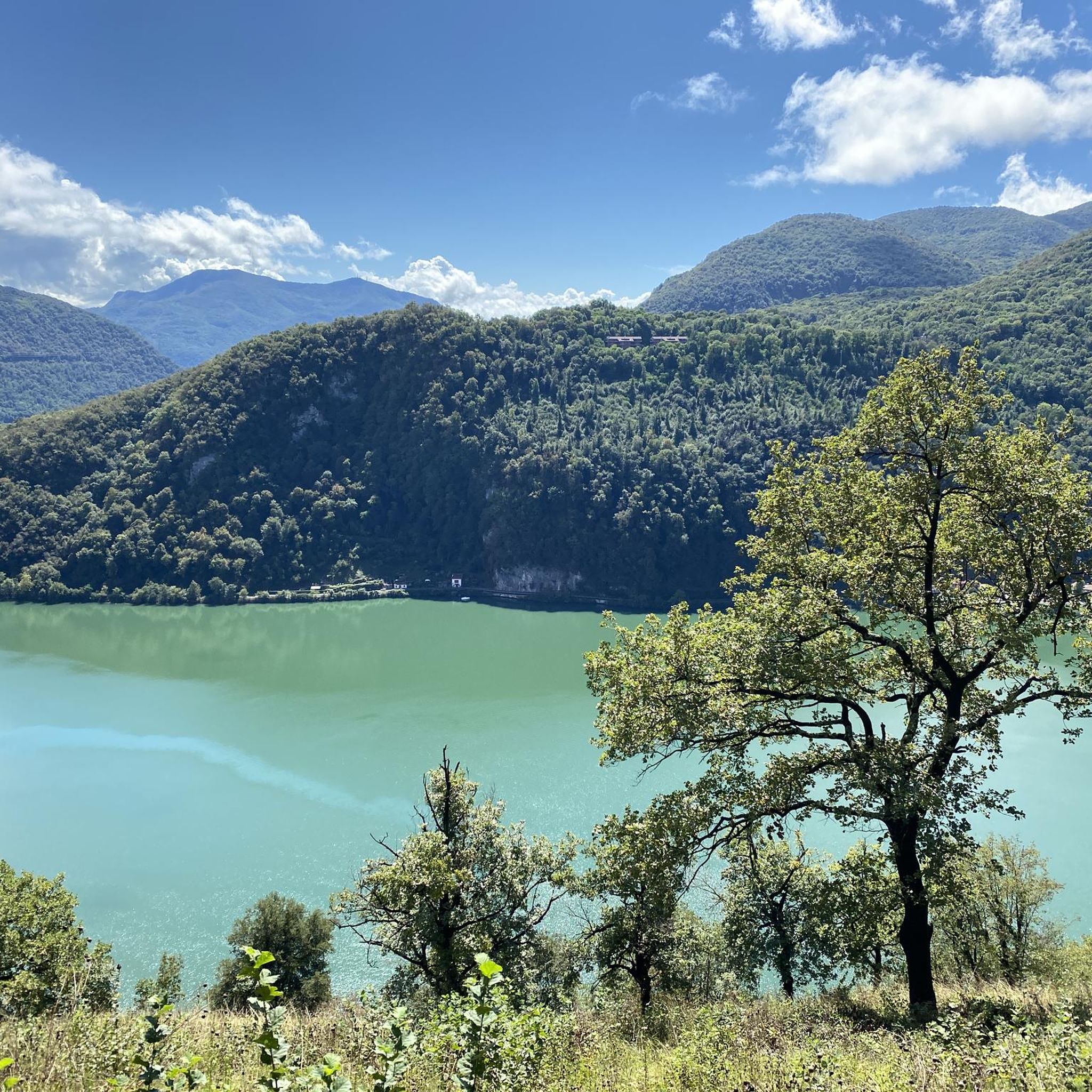
At the top of "Rocce Rosse" you'll have an amazing view: the southern part of Lago di Lugano is visible with Porto Ceresio. You can also have a picnic on the top of the rocks.
0
0


The accesses to the bituminous shale mine have been closed, but the area is still accessible to enjoy the beautiful view of Lake Ceresio and the surrounding mountains
0
0
The Rocce Rosse are colorful red porphyry outcrops of the Permian age (275 ± 8 Ma), called “Granofiro di Cuasso”, also known as “Red Porphyry of Cuasso”.
0
0
The fortifications of the Rocce Rosse are observation posts in caves, tunnels that pierce the mountain from side to side and artifacts that are part of the Cadorna Line
1
0

At this point is the famous fossil mine (World Heritage Site) of a world that has been past 240 million years. You can find out more about this on the sign next to the small mine entrance and the corresponding museum in Meride or Besano. The mine is famous for the variety of fossils that have been excavated.
2
0
Frequently Asked Questions
What types of caves can I explore around Caslano?
The Caslano area offers a diverse range of subterranean features, including natural geological caves, rock shelters, and historical sites like former mining operations and military fortifications built into rock formations. These provide insight into the region's unique geological and historical characteristics.
Are there any historical cave sites near Caslano?
Yes, you can explore historical sites like the Rocce Rosse Fortifications (Cadorna Line), which feature observation posts within caves and tunnels. Another notable historical site is the From Mines to Fossils area, a famous fossil mine that is a World Heritage Site.
Can I visit former mining sites in the Caslano area?
Yes, the region has former mining sites. The Piodelle Mine is a former bituminous shale mine. While access to the mine itself is closed, the area is accessible and offers beautiful views of Lake Ceresio and the surrounding mountains. Another historical mining location is the Cava Ronchetti Quarry, an ancient stone quarry with great views of Lake Lugano.
What natural geological formations can be found in the caves around Monte Caslano?
Monte Caslano features several natural caves with interesting geological formations. For example, the Nicchione della Torrazza (TI 54) is a large rock shelter with unique, stubby concretions. Grotticella Sopra Piatta (TI 246) has walls sculpted by water infiltration and 'gours' (small rimstone dams). These caves are typically formed in San Salvatore dolomite.
Are there any caves with unique rock colors or tunnels?
Yes, the Red Rock Tunnel of Sasso del Ferro is a huge red-colored rock mass containing numerous communicating tunnels. The Rocce Rosse Fortifications are also known for their colorful red porphyry outcrops.
Are the caves around Caslano suitable for families with children?
While specific 'family-friendly cave tours' are not highlighted, exploring the Monte Caslano area offers a rich natural experience. The historical fortifications and geological sites can be engaging for older children interested in nature and history. Always check the difficulty of access for specific locations, as some may involve steep or thorny paths.
What outdoor activities can I combine with a visit to the caves?
The Caslano area is excellent for outdoor activities. You can find numerous hiking trails, including those around Monte Caslano, which may lead you near some cave entrances. For more options, explore hiking routes around Caslano or mountain hikes. There are also road cycling routes in the wider region.
What is the best way to access the natural caves on Monte Caslano?
Accessing the natural caves on Monte Caslano often involves hiking. For example, reaching the Nicchione della Torrazza can involve a steep climb from below or a specific, not-easy passage when descending from above. The Grotticella Sopra Piatta is somewhat hidden by lush vegetation. Exploring the hiking trails around Monte Caslano (Sassalto) is generally the best way to encounter these formations.
What should I wear or bring when exploring caves near Caslano?
When exploring caves and the surrounding natural areas, it's advisable to wear sturdy hiking shoes, as paths can be steep or uneven. Bringing a flashlight or headlamp is recommended for exploring darker sections of caves or tunnels. Layered clothing is also practical, as cave temperatures can be cooler than outside.
Are there any protected natural areas around the caves?
Yes, the Monte Caslano area, where many of these caves are located, is a protected natural park. It is recognized for its diverse geological, faunal, and botanical characteristics. This protection helps preserve the unique environment surrounding the caves.
What do visitors enjoy most about the caves and surrounding area in Caslano?
Visitors appreciate the combination of natural beauty, geological formations, and historical significance. The stunning views from sites like the Rocce Rosse Fortifications and Piodelle Mine, along with the unique geological features within the caves, are frequently mentioned. The opportunity to explore both nature and history in a protected environment is a major draw.
Most popular routes around Caslano
Most popular attractions around Caslano

Get inspired with the komoot mobile app


Explore more
Extend your search for the best caves by checking out these guides of the top ones around Caslano:
