Top 4 Castles around Bregaglia
Castles in Bregaglia Valley offer a glimpse into the region's rich history and strategic importance. The valley, known for its diverse landscape, features a range of historical fortifications and significant buildings. These structures highlight ancient trade routes, medieval defenses, and 20th-century military engineering. Exploring these sites provides insight into the cultural heritage and architectural evolution of the area.
Best castles around Bregaglia
- The most popular castles is Torre Belvedere, a man-made monument that offers a beautiful view of the Bergell. This observation tower also houses a small, child-friendly museum.
- Another must-see spot is Crap da Sass Castle, a castle that is an important example of late historical architecture in Graubünden. It is privately owned and can be admired from the outside, situated in a great location on the lake.
- Visitors also love Nossa Dona Church and Castelmur Tower, a historical site with an imposing five-story square tower. This tower is what remains of the feudal Castelmur castle, and the church was historically the valley's main church.
- Bregaglia is known for medieval castles, modern fortifications, and historical palaces. These sites showcase the region's strategic importance and architectural transformation over centuries.
- The castles around Bregaglia are appreciated by the komoot community, with more than 300 upvotes and over 60 photos shared by visitors.
Last updated: June 28, 2026
Crap da Sass Castle
Highlight • Castle
Translated by Google •
Tip by

Balbiani Palace
Highlight • Castle
Translated by Google •
Tip by

Sign up now to discover places like this
Get recommendations on the best single tracks, peaks, & plenty of other exciting outdoor places.
Sign up for free
Torre Belvedere
Highlight • Monument
Translated by Google •
Tip by

Nossa Dona Church and Castelmur Tower
Highlight • Historical Site
The inhabitants of the fortress were, for a period, the Castelmur, an influential family from the valley, who also gave it its name. In the 15th century the fortress, which also included Lan Müraia, lost its military importance and fell into disuse, quickly becoming a ruin. In the Middle Ages, the Bregaglia formed a single parish, belonging to the diocese of Chur, and Nossa Dona was the mother church of the valley. However, the church lost importance after the Reformation and then fell into ruin in the 16th century.
In the years 1845-50 it was rebuilt, apart from the Romanesque bell tower, on the old foundations by Giovanni Castelmur, the baron of Coltura. The tomb of Baron Castelmur and his wife are located in the crypt of the church.
The suggestive church is touched by the route of the Valchiavenna Gravel Escape, a cycle tourism open to all that takes place the second weekend of May in Chiavenna.
Translated by Google •
Tip by

View of Crap-da Sass Castle
Highlight • Viewpoint
Translated by Google •
Tip by

Start today with a free account
Your next adventure awaits.
Login or Signup
Popular around Bregaglia
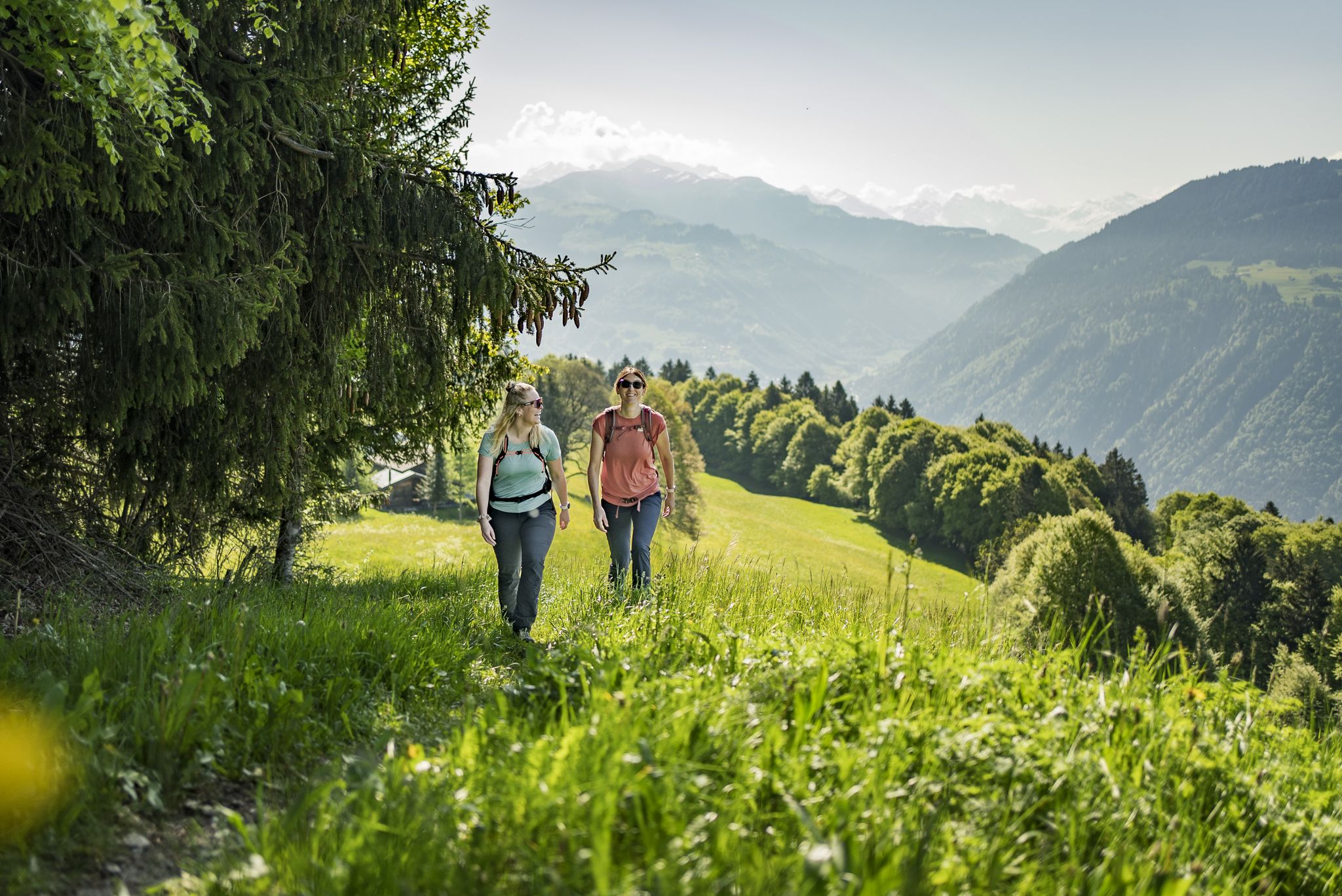
Step into the hiking season – spring routes in Graubünden
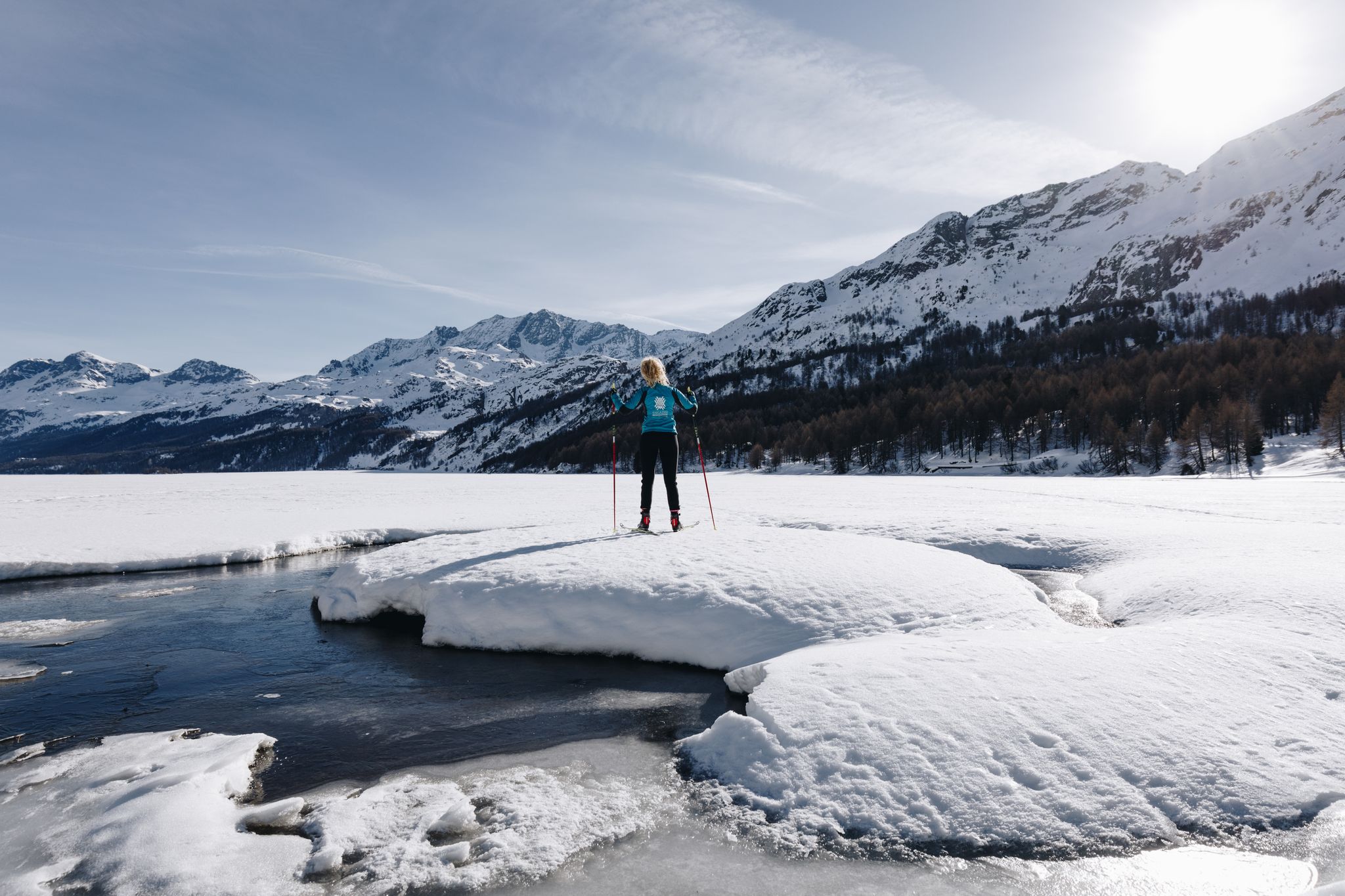
Simply paradisiacal – cross-country skiing in Bregaglia
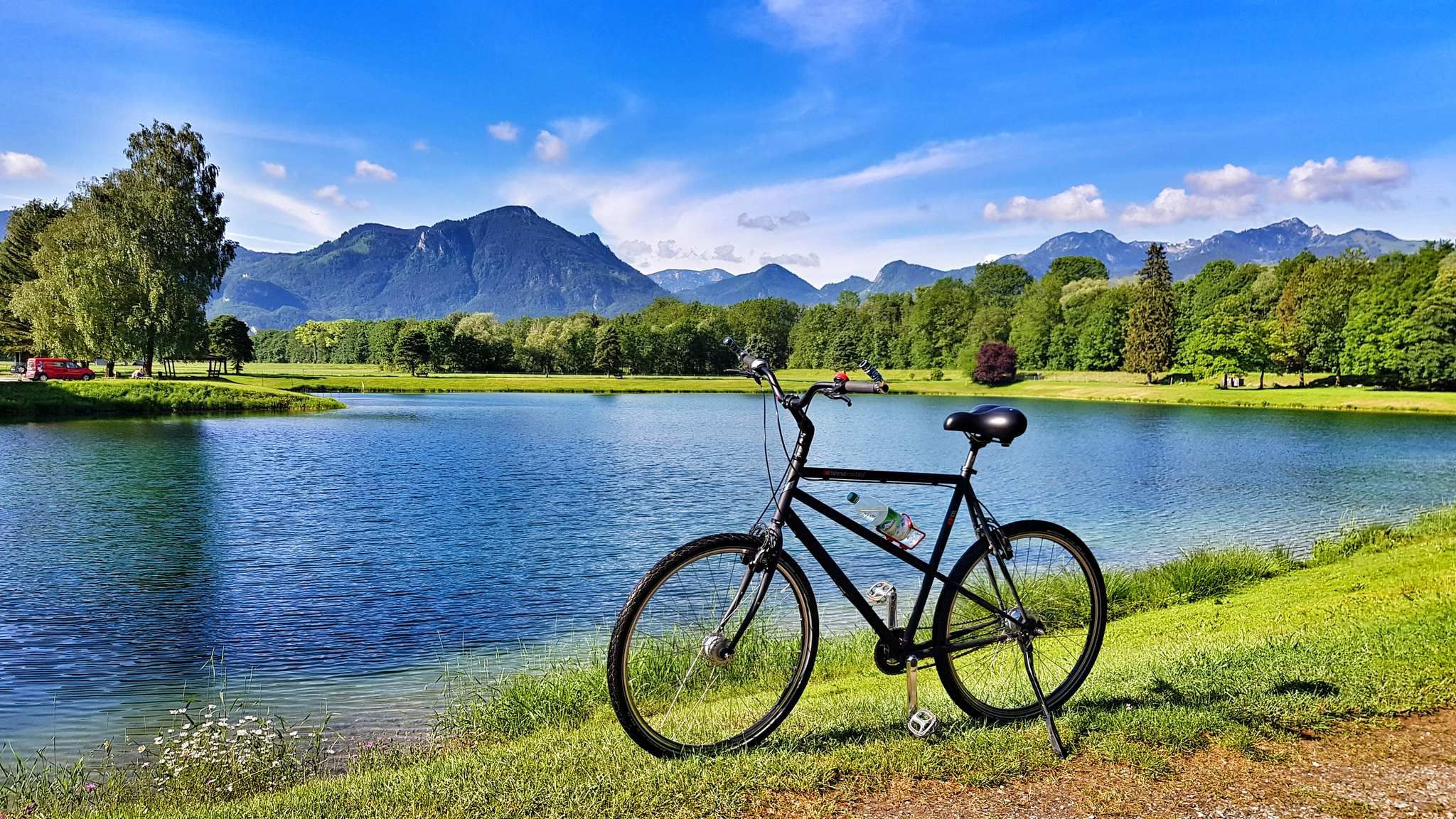
The Inn Cycle Path – From a babbling brook to a mighty river
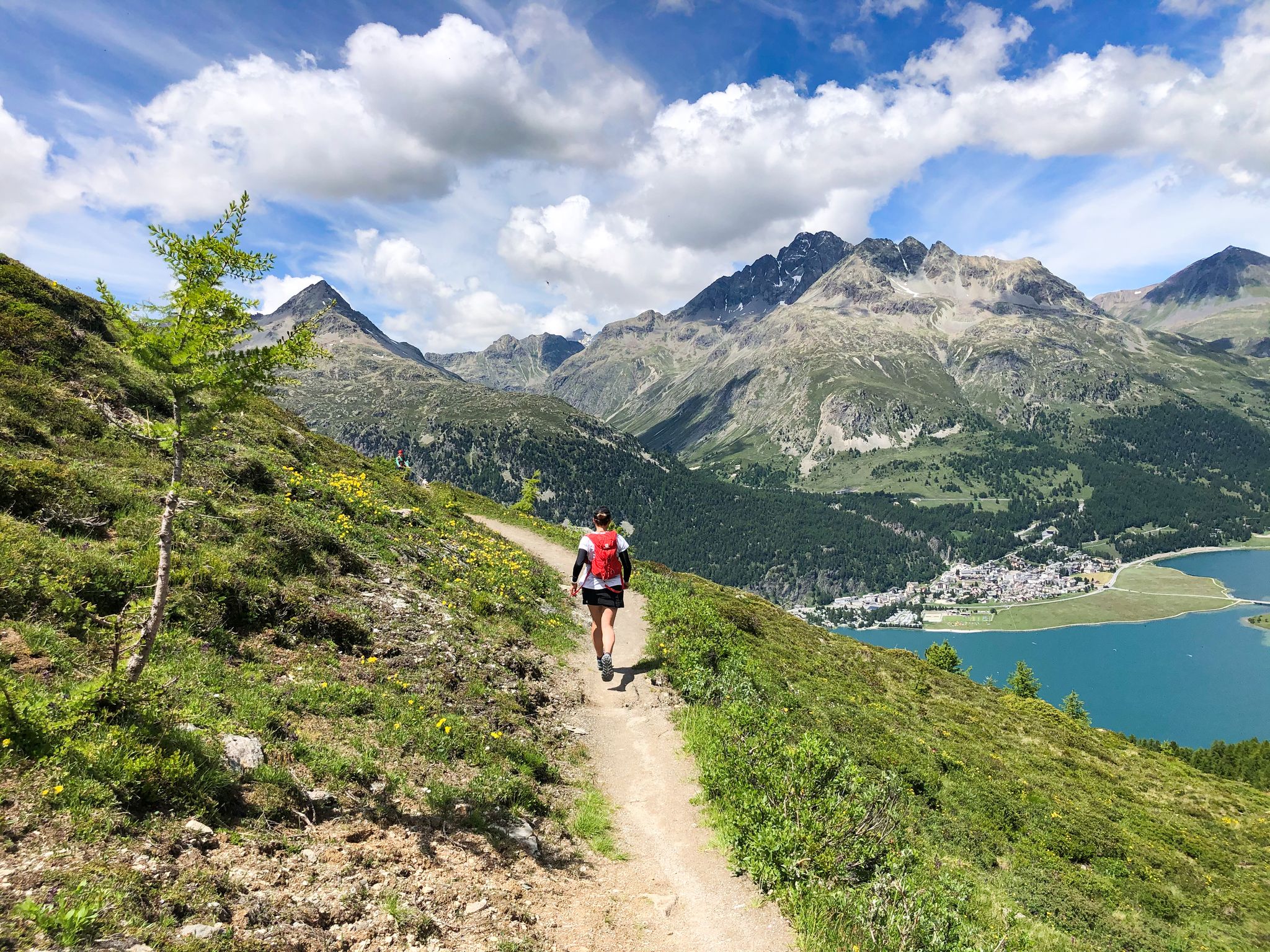
Bernina Tour – Trail running the highest mountain in the Eastern Alps
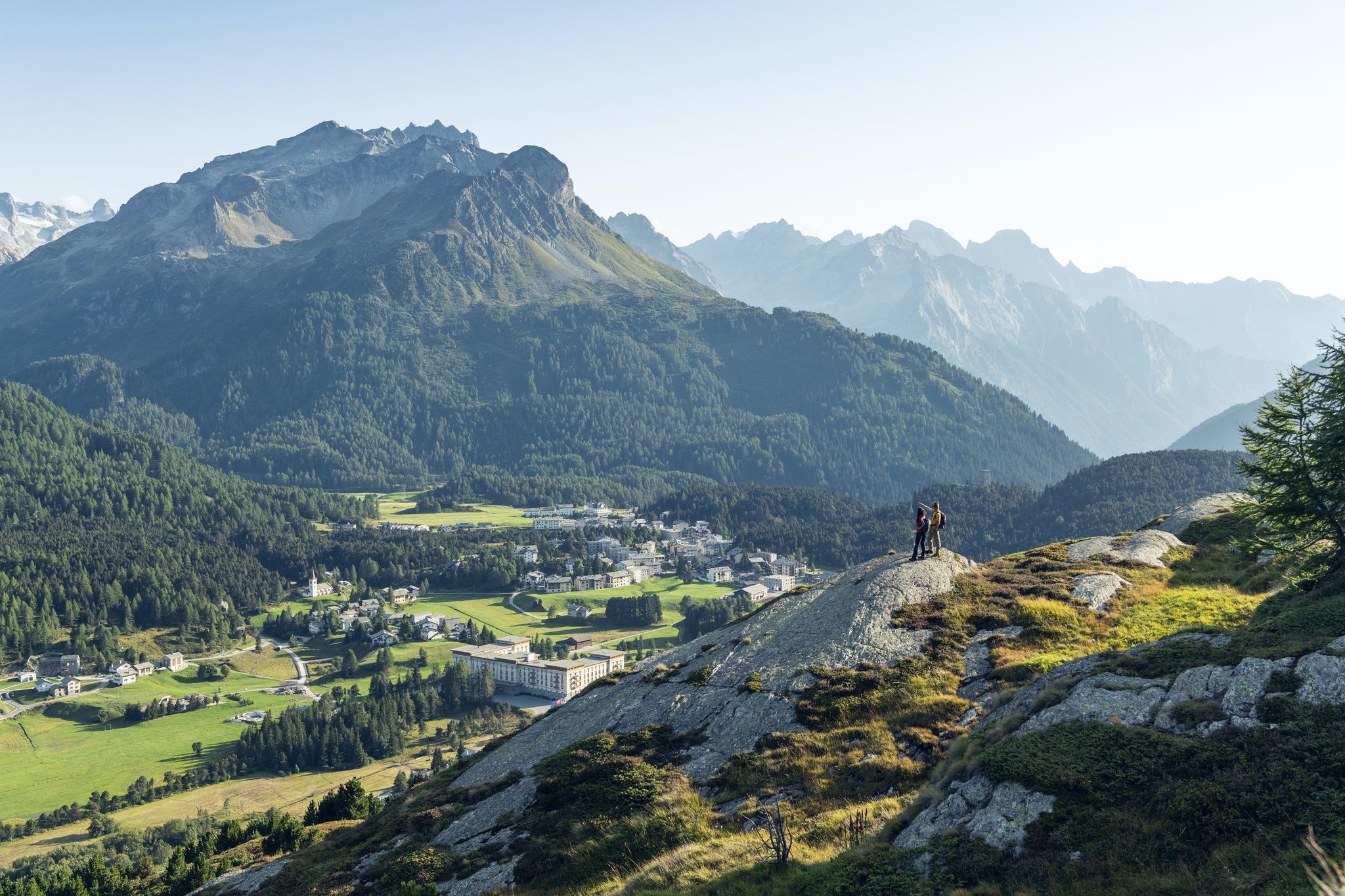
Between water and rock - Via Engiadina
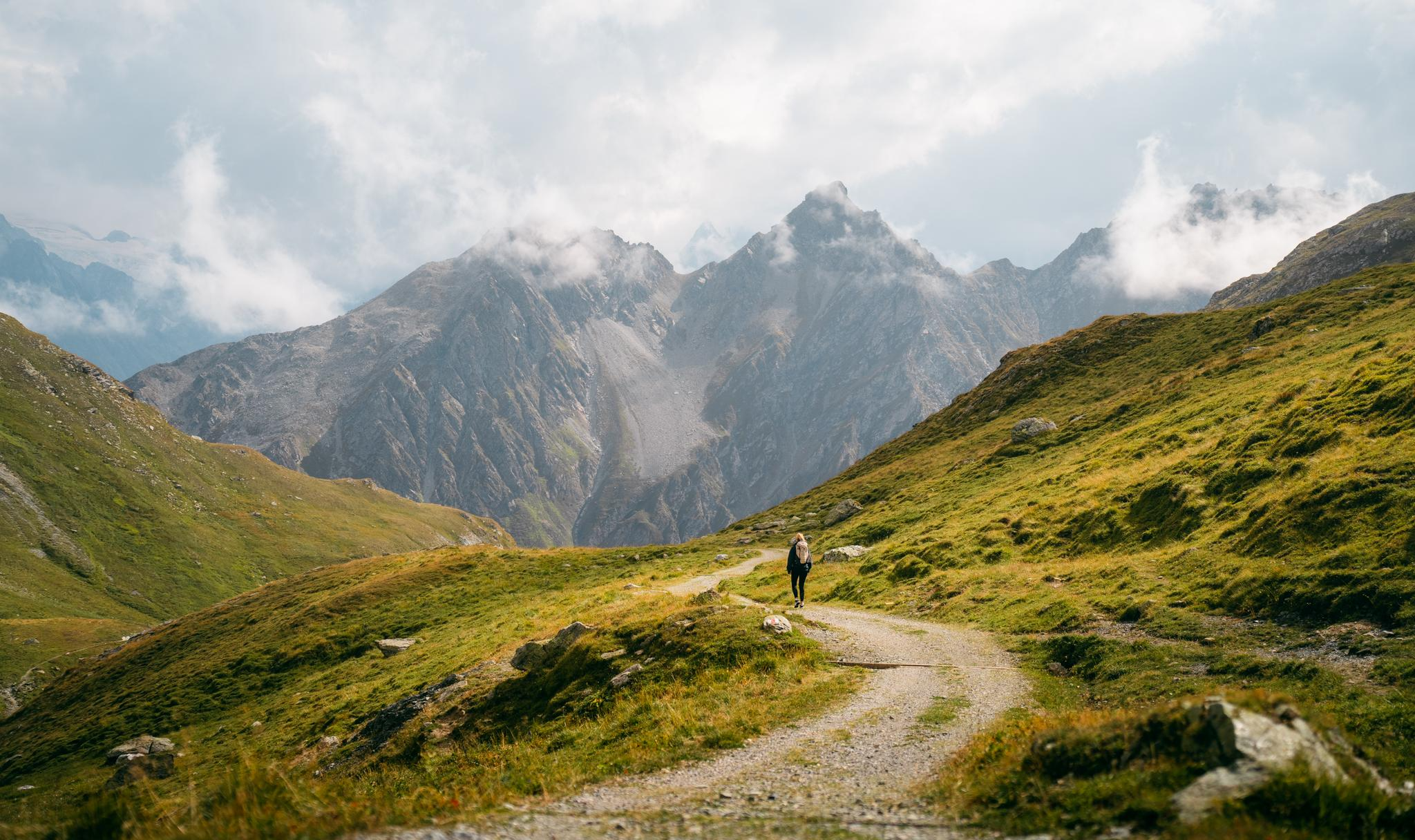
Quiet villages, proud passes, impressive history – the Via Sett
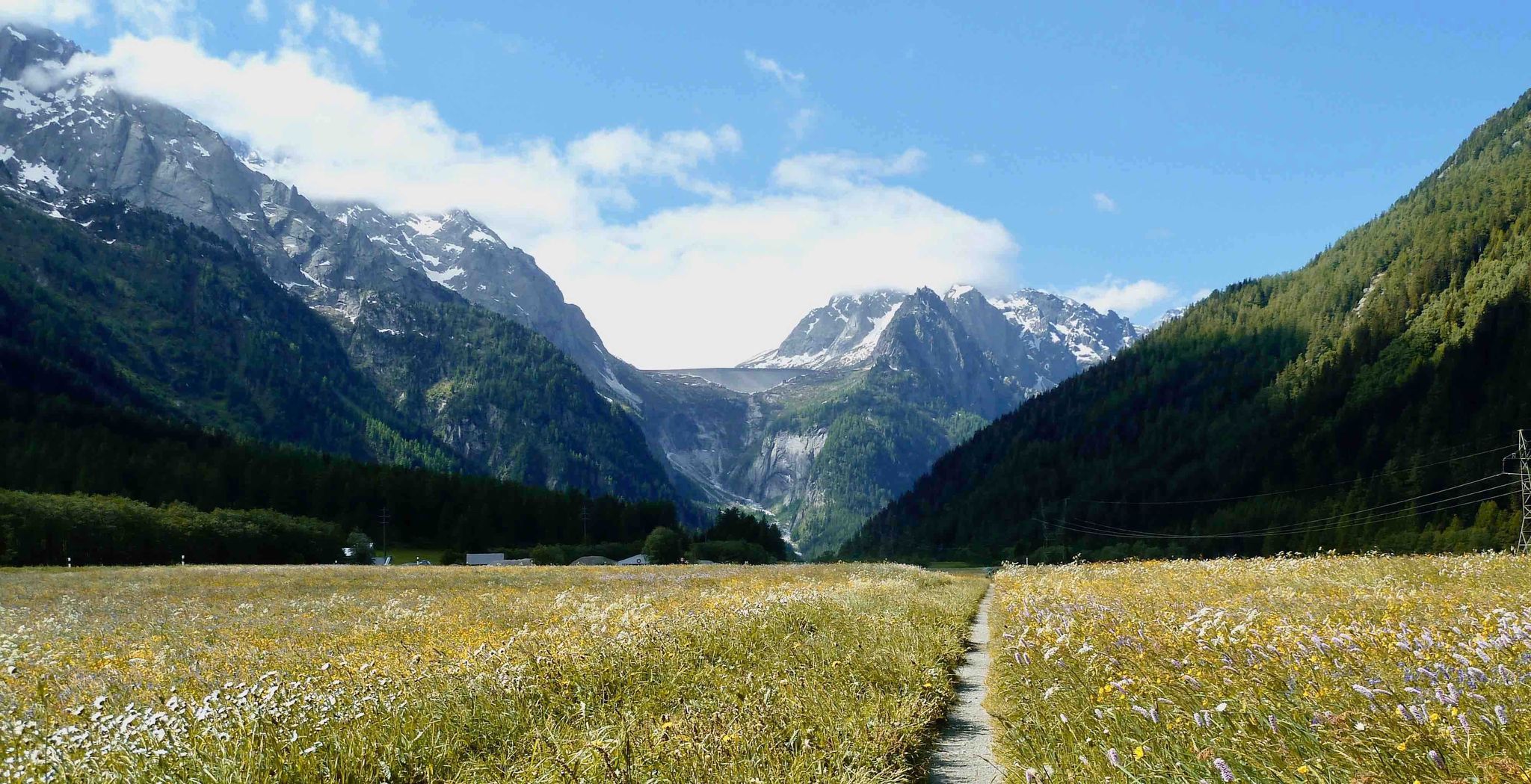
Via Bregaglia – hiking through the valley
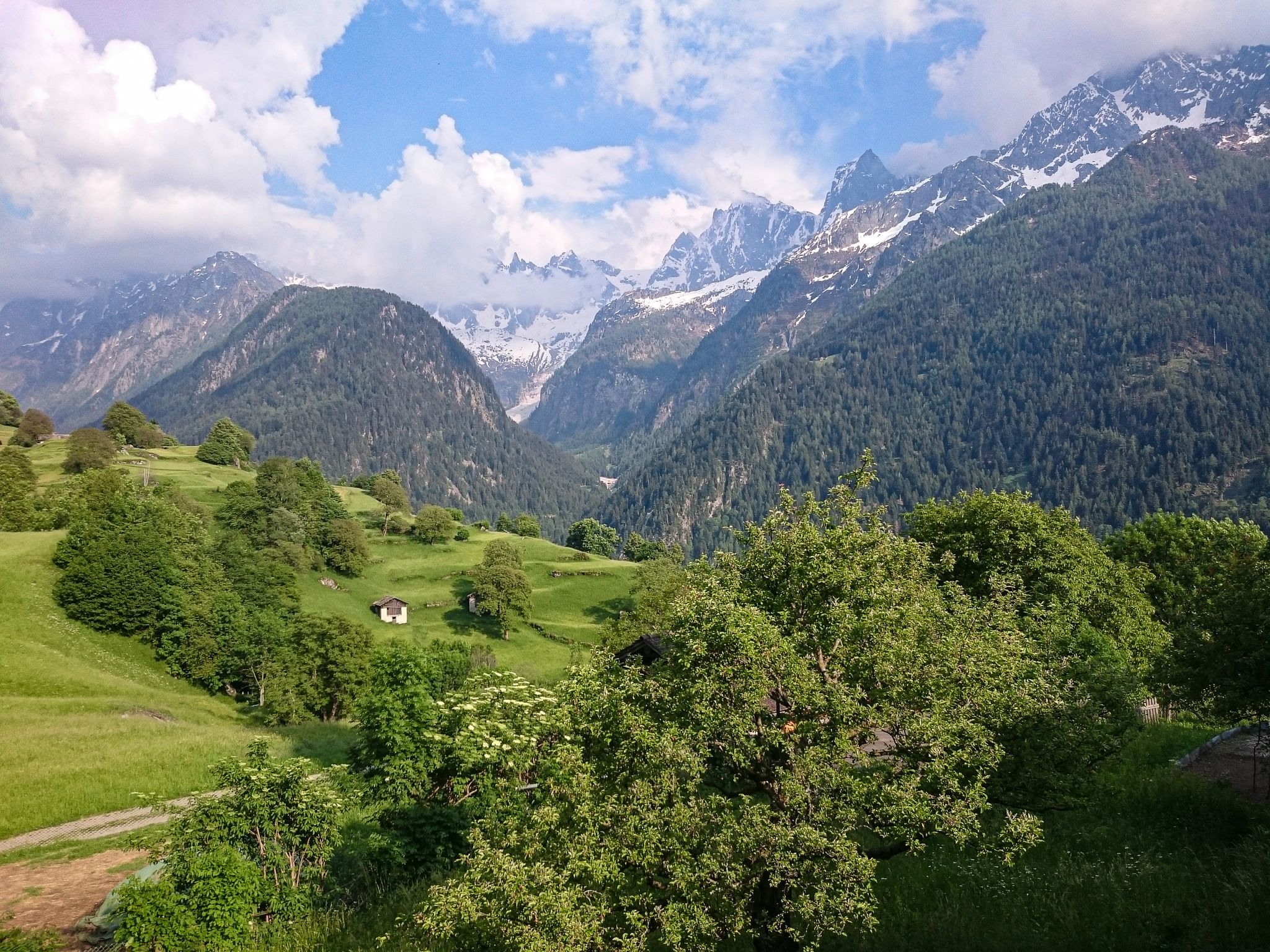
Enchanting spring hikes through Val Bregaglia
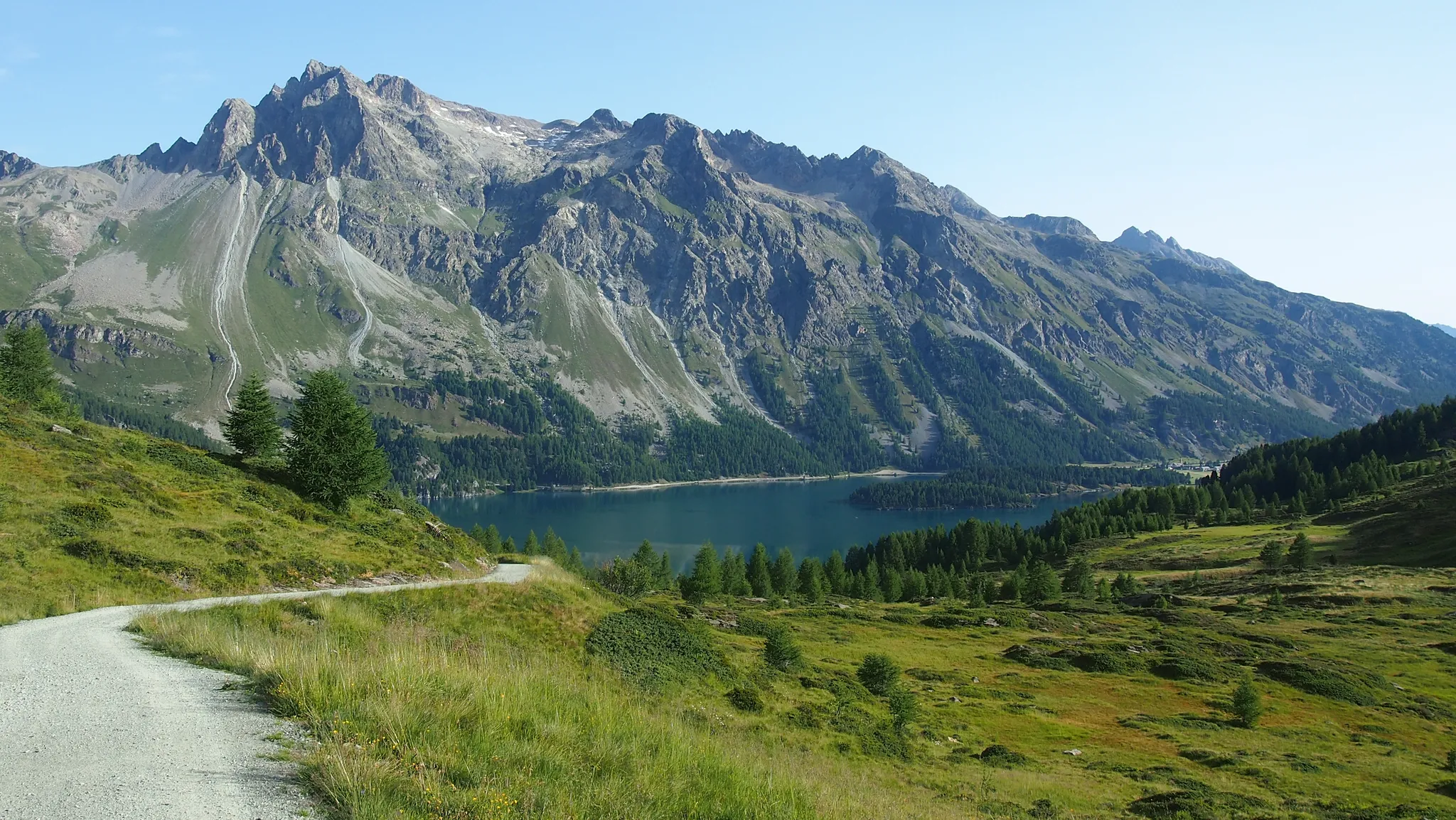
The Colors of Engadin - Senda Segantini
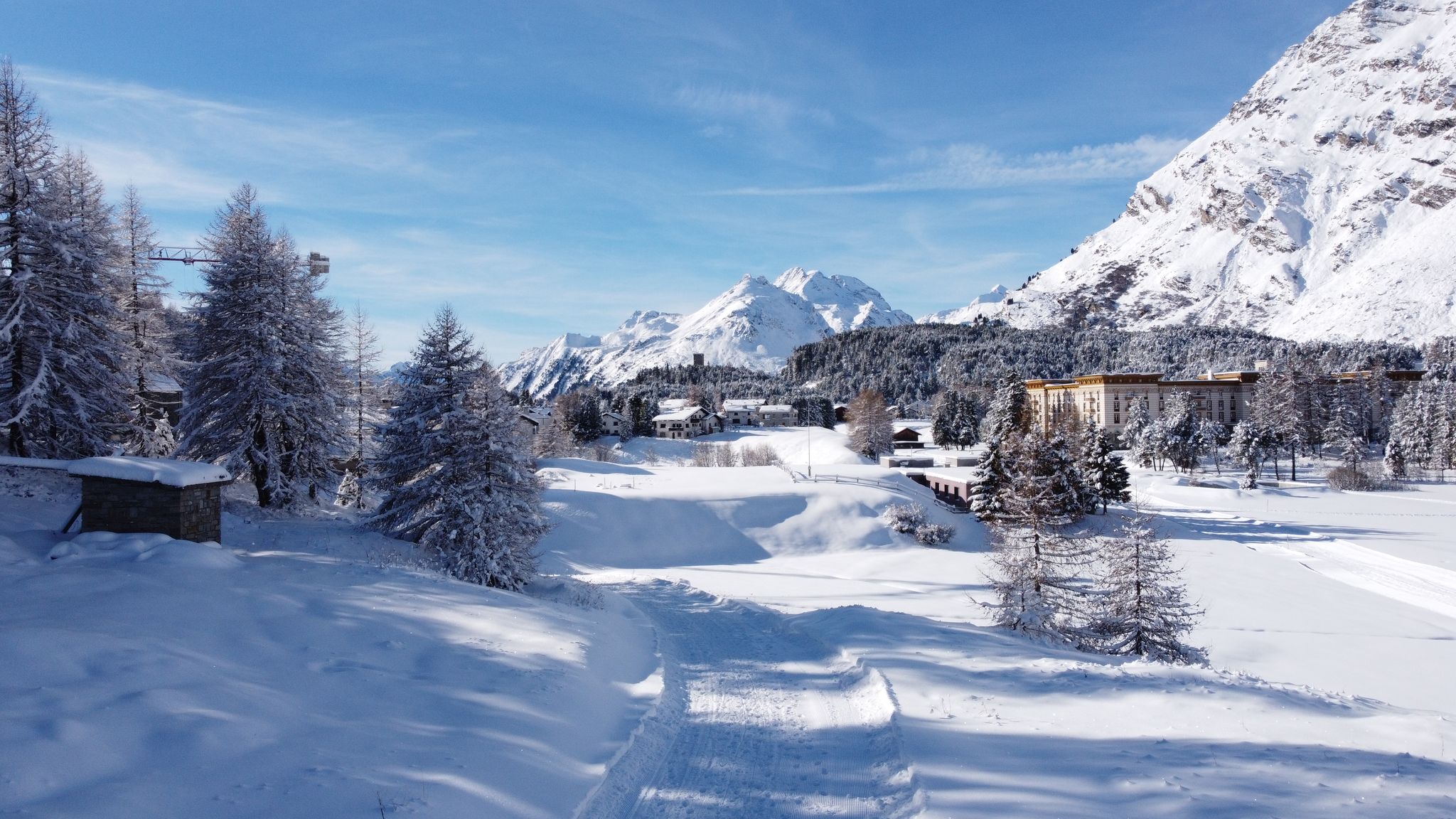
Winter trails – hiking and snowshoe Tours in Bregaglia
Other adventures around Bregaglia


Tips from the Community

A beautiful 15th-century building, acquired by the Generali Group and converted into their offices. Nestled in the heart of a medieval village with narrow streets, it invites you to stroll and admire the shop windows and other doors that open onto courtyards or gardens.
3
0

Well worth a visit is ‘Il Castello’, once the seat of the Balbiani counts, former feudal lords of Chiavenna. The historic Palazzo Balbiani dates back pre–1477, but all that remains from the original architecture is façade and two towers after the rest was demolished during the occupation of the Grisons and reconstructed in 1930. (c) https://www.valtellina.it/en/tourist-activities/historic-palaces/chiavenna-e-dintorni
0
0

The Torre Belvedere is a 24-meter-high observation tower above Maloja in the Swiss canton of Graubünden. The tower houses a Pro Natura nature center with various exhibitions. (Wikipedia)
1
0

The church of Santa Maria di Castromuro, better known as Nossa Dona and the imposing five-story square tower. The tower, dating back to 1300, is what remains of the feudal castle Castelmur. The castle, of which few remains survive, was built about a century before the tower. The inhabitants of the fortress were, for a period, the Castelmur, an influential family from the valley, who also gave it its name. In the 15th century the fortress, which also included Lan Müraia, lost its military importance and fell into disuse, quickly becoming a ruin. In the Middle Ages, the Bregaglia formed a single parish, belonging to the diocese of Chur, and Nossa Dona was the mother church of the valley. However, the church lost importance after the Reformation and then fell into ruin in the 16th century. In the years 1845-50 it was rebuilt, apart from the Romanesque bell tower, on the old foundations by Giovanni Castelmur, the baron of Coltura. The tomb of Baron Castelmur and his wife are located in the crypt of the church. The suggestive church is touched by the route of the Valchiavenna Gravel Escape, a cycle tourism open to all that takes place the second weekend of May in Chiavenna.
2
0

The castle was built around 1904, is privately owned and unfortunately cannot be visited.
3
0
Beautiful view of the Bergell from the tower. There is also a small museum in the tower.
2
0

It is one of the most important examples of late historical architecture in Graubünden. The castle is privately owned and is not open to the public. The name comes from the Romansh and Italian languages (Crap = stone, Romansh / da Sass = from the stone, Italian) It was built in 1906 by General Graf von der Lippe.
4
0

Unfortunately, the castle can only be seen from the outside and cannot be visited. Crap da Sass was developed by Nicolaus Hartmann jun. in the years 1904 to 1906. built for the German Major General Adolf von der Lippe.
1
0
Frequently Asked Questions
What kind of historical fortifications can I explore in Bregaglia?
Bregaglia offers a diverse range of historical fortifications, from ancient ruins to modern military structures. You can explore the significant Lan Muraia, a massive early medieval fortified wall near Promontogno, which includes the remnants of the feudal Castelmur castle and the historic Nossa Donna church. Additionally, the region features well-camouflaged modern fortifications from after 1936, particularly around Maloja, offering a unique insight into 20th-century defensive strategies.
Are there any castles or historical sites that are particularly family-friendly?
Yes, several sites are suitable for families. The Torre Belvedere in Maloja is a great option, featuring a small, child-friendly museum and offering beautiful views from the top. The historical complex around Nossa Dona Church and Castelmur Tower also provides an engaging historical experience for all ages, with its ancient walls and church.
Can I visit the interior of castles in Bregaglia?
Many historical sites in Bregaglia are ruins or privately owned. For example, Crap da Sass Castle is privately owned and can only be admired from the outside. However, the Torre Belvedere houses a Pro Natura nature center and museum that you can enter, and the tower of Nossa Donna can sometimes be climbed during special art installations. Palazzo Castelmur in Stampa, while not a traditional castle, is a patrician house that functions as a museum with an audio guide.
What are some notable historical buildings besides castles in the Bregaglia Valley?
Beyond traditional castles, Bregaglia boasts several significant historical buildings. The Balbiani Palace in Chiavenna, once the seat of the Balbiani counts, is a historic structure with a beautiful park. In Stampa, the Palazzo Castelmur is a Venetian-Neo-Gothic palace transformed in the mid-19th century. Vicosoprano's Pretorio, the old town hall, offers a stark historical experience with instruments of torture from the witch trials era.
Are there hiking or cycling routes that pass by these historical sites?
Yes, Bregaglia offers numerous outdoor routes that allow you to combine nature with history. For cycling enthusiasts, guides like Gravel biking around Bregaglia and Traffic-free bike rides around Bregaglia feature routes that can take you near historical points. For runners, the Running Trails around Bregaglia guide includes routes like the 'Durbegia Mountain Hut – Val Bregaglia Panoramic Route loop from Vicosoprano' which offers scenic views and access to the valley's heritage.
What is the best time of year to visit the castles and historical sites in Bregaglia?
The best time to visit Bregaglia's historical sites generally depends on your preferred activities. Spring and autumn offer pleasant temperatures for exploring on foot or by bike, with beautiful natural scenery. Summer provides warmer weather and longer daylight hours, ideal for combining visits with outdoor adventures. Some sites, like the View of Crap-da Sass Castle, offer unique perspectives in winter when the lake might be frozen for walking.
Are there any hidden gems or lesser-known historical sites worth exploring?
Beyond the more prominent sites, the ruins of San Gaudenzio near Casaccia offer a glimpse into a historical crossroads, featuring the remnants of a church, hospice, and the medieval watchtower known as "La Toracia." These sites, though less grand, provide significant historical context and scenic views, highlighting the region's strategic past.
What do visitors enjoy most about the castles and historical sites in Bregaglia?
Visitors often appreciate the unique blend of history and natural beauty. The strategic locations of many sites, like Crap da Sass Castle on the lake, are frequently highlighted. The historical depth, from Roman settlements to medieval fortifications and 20th-century defenses, provides a rich narrative. The opportunity to combine historical exploration with hiking or cycling in the picturesque Bregaglia Valley is also a major draw.
How can I access the Castelmur complex and Nossa Dona Church?
The Castelmur complex, including the Nossa Dona Church and Castelmur Tower, is located near Promontogno. It is easily accessible and provides a fascinating insight into the region's strategic importance. You can find more detailed information on visiting hours and access on the local tourism website: bregagliatourism.ch.
Are there any historical sites in Bregaglia related to military history?
Yes, Bregaglia has a rich military history. Besides the medieval fortifications like Lan Muraia, the region features the Fortifications of Maloja. These modern fortresses, built after 1936, are remarkably well-camouflaged into the landscape and were designed to defend the valley. Some aspects are becoming accessible through tourism projects, offering guided tours into this underground world. More information can be found at bregagliatourism.ch.
Most popular routes around Bregaglia
Most popular attractions around Bregaglia

Get inspired with the komoot mobile app


Explore more
Looking for the best castles somewhere else? Discover other guides around Bregaglia:
