Top 11 Caves around Gelterkinden
Best caves around Gelterkinden are found within the broader Swiss region, as the municipality itself does not feature prominent named caves. The area is characterized by diverse geological formations, including karst landscapes where water has dissolved limestone over millennia. These regional caves offer insights into natural processes, historical significance, and archaeological discoveries.
Best caves around Gelterkinden
- The most popular caves is Wasserflue Waterfall and Bärenloch (Bear’s Hole) Cave, a waterfall and cave system. This location is noted for its quiet atmosphere and the presence of the Bärenloch cave, which has yielded 30,000-year-old cave bear finds.
- Another must-see spot is Bruderloch Cave, a protected natural monument. This almost 300 meter long cave system allows exploration of various rooms in its entrance area, with a ladder leading to the main hallway.
- Visitors also love Hardmännliloch Cave, a natural monument with a viewpoint. This cave features a narrow passage in its back part, which can be explored with a flashlight.
- Gelterkinden's surrounding region offers natural caves, historical sites, and man-made rock cellars. These include geological formations like those formed by dissolved limestone and structures with archaeological significance.
- The caves around Gelterkinden are appreciated by the komoot community, with more than 50 upvotes and over 60 photos shared.
Last updated: June 28, 2026
Bruderloch Cave
Highlight • Cave
Translated by Google •
Tip by

Hardmännliloch Cave
Highlight • Cave
Translated by Google •
Tip by

Sign up now to discover places like this
Get recommendations on the best single tracks, peaks, & plenty of other exciting outdoor places.
Sign up for free
Wasserflue Waterfall and Bärenloch (Bear’s Hole) Cave
Highlight • Waterfall
Translated by Google •
Tip by

Roniger Rock Cellar in Magden
Highlight • Cave
Eat ice cream on doctor's orders
Sonnen »host Josef Roniger, the father of Feldschlösschen founder Theophil Roniger, asked the Magden community in 1867 to build the Felsenkeller in the" Enge ". The minutes of the municipal assembly of November 24, 1867, states that Mr. Roniger or his successors may use the cellar, but that the forest floor remains in the possession of the community. The minutes of the local assembly of October 4, 1868, state that the use of the cellar requires an annual "concession fee" of 5 francs. In December 1872, when the Municipal Assembly approved the extension of the cellar, it made the condition that "in the event of an emergency, ice must be given to every person in need of an ice cream". And: "On the instructions of the doctor, the ice must be administered at all times for cheap compensation."
Translated by Google •
Tip by

Chäsloch Cave
Highlight • Cave
I. Find report. By Ed. Bally Jr.
During a lecture on the prehistory of the Solothurn Niederamt, given by District Teacher Furrer in Winznau, the speaker was informed by the locomotive driver, Mr. von Feiten, that near the von Felten house there was a cave in which worked flint and bone fragments had been found several times. An on-site inspection revealed that this was a prehistoric dwelling. The systematic exploitation of the cave was undertaken by the speaker, as Mr. Furrer was busy preparing the find report on the Hallstatt burial mounds in Obergösgen. The investigation took place in the fall of 1905 with the assistance of Dr. Heierli from Zurich and Mr. Furrer. Fr. Schwerz, Prof. Dr. Hescheler, and Prof. Dr. Keller in Zurich were kind enough to undertake the identification of the human and animal remains, while Mr. W. Frey, a technician in Schönenwerd, took care of the plan survey.
The cave is located at the western exit of the village of Winznau, to the right of the main road to Ölten, approximately 400 meters from the new bridge, at a height of approximately 40 meters above the Aare River. Sloping steeply to the west-southwest (32°), the terrain is partly covered by deciduous forest, and in parts the almost vertical cliffs are directly exposed. From the cave itself, there is a wide view of the Aare Valley. Thus, the cave offered people a strongly fortified habitation, in the immediate vicinity of which a powerful spring bubbled from the rock. Known as "Käsloch," it has served as a playground for village youth and a camp for wandering people to this day.
Translated by Google •
Tip by
Sign up for free to discover even more caves around Gelterkinden.
Sign up for free
Already have an account?
Start today with a free account
Your next adventure awaits.
Login or Signup
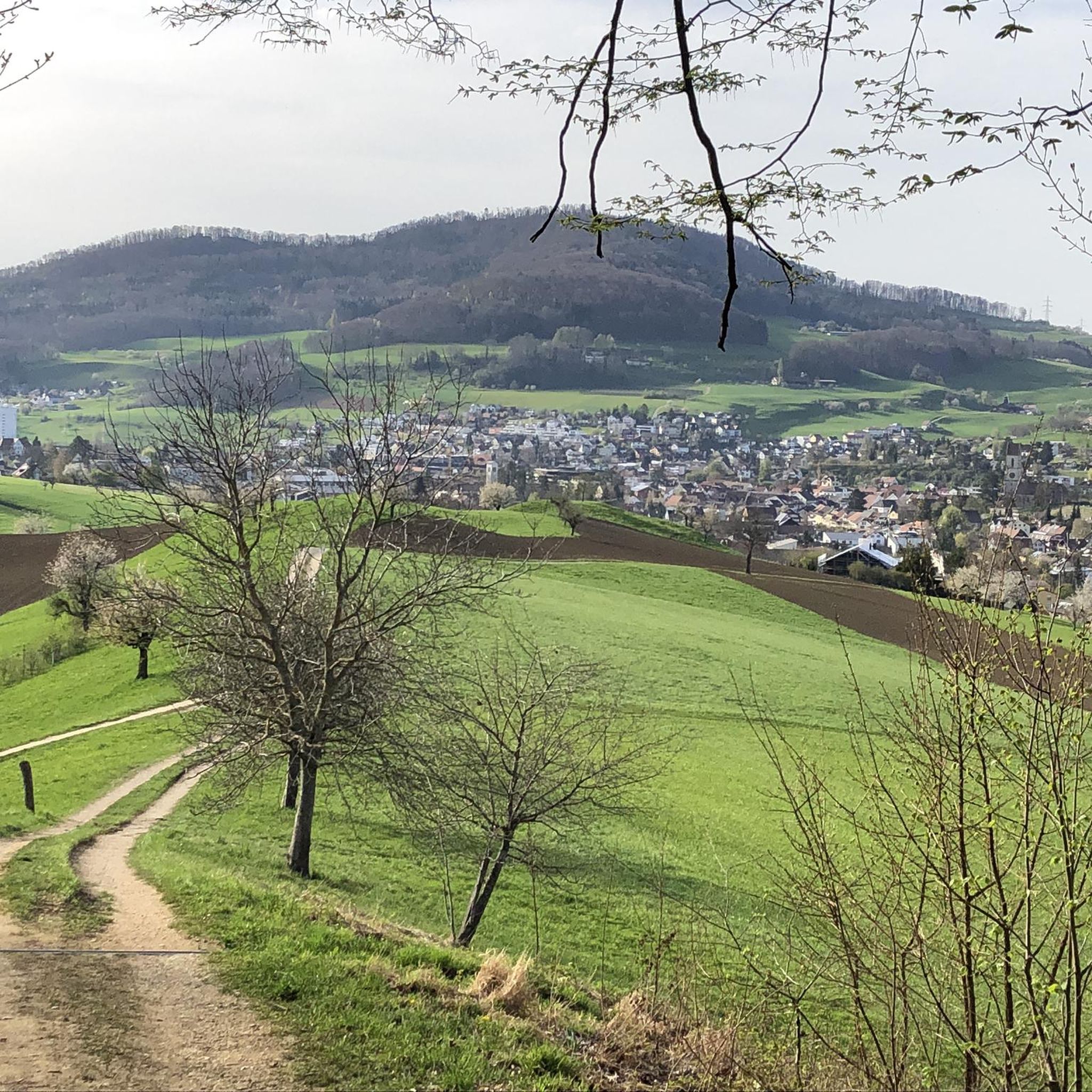
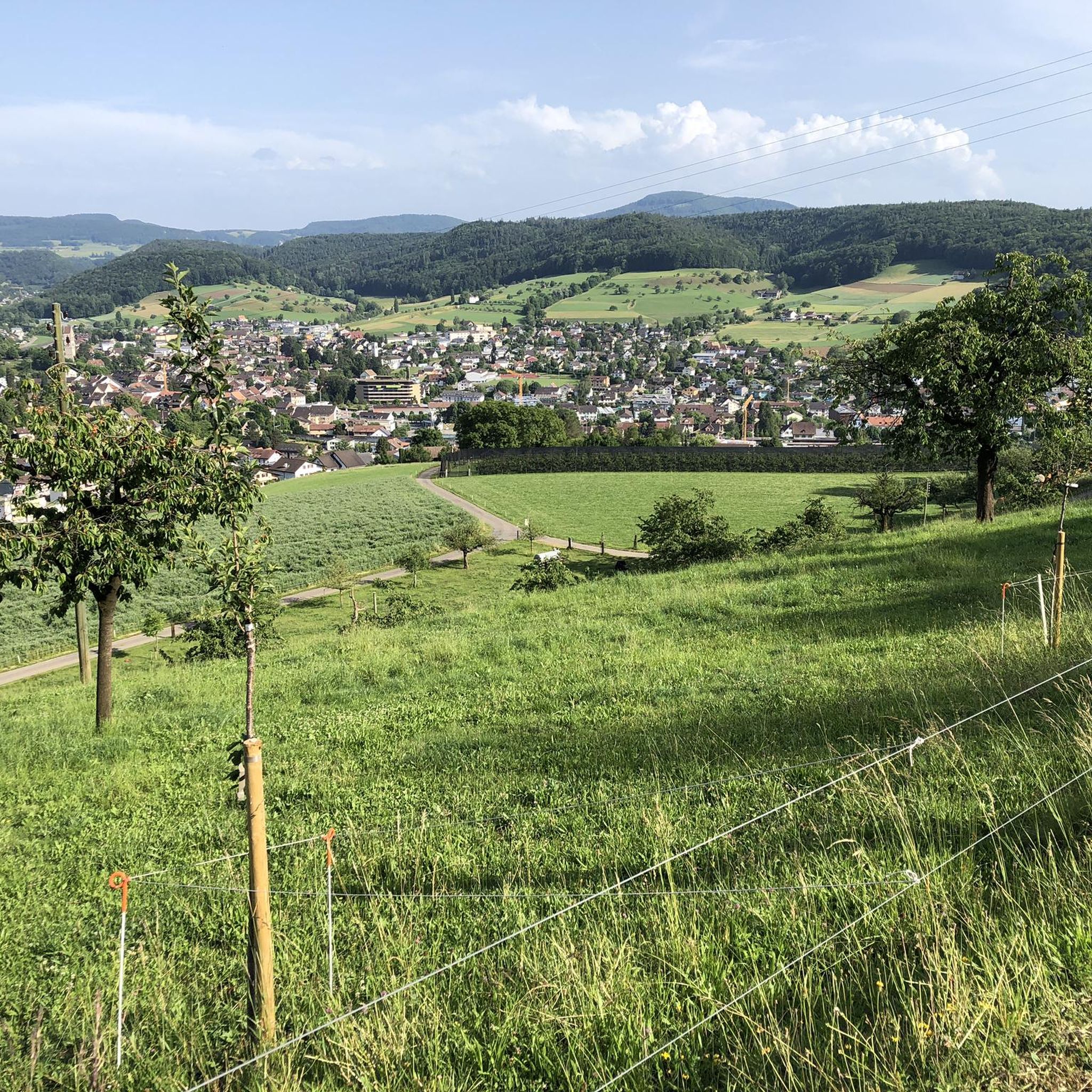
Other adventures around Gelterkinden

Tips from the Community

A fabulous place. Fortunately, it's not overcrowded, which is probably due in part to the fact that access is via narrow, sometimes steep paths. From above, you can't really see how beautiful the waterfall is. The walk is worth it!
0
0
A magnificent place. There's water in the cave, and it's amazing how much cooler it is even at the entrance. To get there, you should have a steady footing and a fairly good head for heights.
0
0

On a narrow path towards Ramsflue these dwarves stand in a row
0
0

The Bruderloch cave is a unique natural monument and, like the surrounding forest, is protected. The rocks on the edge of the Eital valley are not only impressive with their bizarre weathering forms, they are also home to the Bruderloch, one of the longest cave systems in the Basel region. Water was able to penetrate deep into the rock along cracks and, over thousands of years, chemically dissolve the limestone (= karst). This is how three caves were created in the immediate vicinity: the Bärenloch with its 30,000-year-old cave bear finds below the waterfall, the Teufelsküche in the Aleten and the Bruderloch, which is at least 300 m deep. ..... https://www.naturschutzwenslingen.ch/spezielle-orte/bruderloch-hoehle
3
0

With a flashlight you can look inside pretty well.
0
0

At the Ramsflue above the sleepy hamlet of Hard, there is a small cave between high limestone towers. A beautifully laid out forest walkway leads past it. According to legend, dwarves used to hide there. Anyone who dares can enter the cave. Happy, colorful little fellows and dangerous tigers await the visitor ;-)
0
0
Very exciting cave that apparently leads several 100 meters into the rock. Don't visit alone!
3
0
A wonderful tour with many highlights that should not be underestimated. It is said that the Bruderloch cave goes several 100 meters into the rock - so please do not explore alone. A flashlight is essential. Water ingress must be expected. Entry is with an approx. 2 meter high ladder.
2
0
Frequently Asked Questions
What types of caves can I explore around Gelterkinden?
The region around Gelterkinden offers a mix of natural and man-made caves. You can find natural karst formations like the Bruderloch Cave, which is a protected natural monument with impressive geological features. There are also historically significant sites such as the Roniger Rock Cellar in Magden, a man-made cave used for brewing, and archaeological sites like Chäsloch Cave, known for prehistoric finds.
Are there any family-friendly caves to visit near Gelterkinden?
Yes, several caves in the broader Swiss region are suitable for families. The St. Beatus Caves near Interlaken offer illuminated pathways, underground waterfalls, a museum, and a dragon-themed playground. The Höllgrotten Caves near Baar are also family-friendly with their unique, colorfully lit formations. For a blend of history and play, the man-made Mont Vully Caves (Lamberta Caves) provide an adventurous playground for children.
What are the most popular caves in the immediate Gelterkinden area?
Within the closer vicinity of Gelterkinden, popular spots include the Wasserflue Waterfall and Bärenloch (Bear’s Hole) Cave, known for its quiet atmosphere and ancient cave bear finds. The Bruderloch Cave is also highly regarded for its extensive system and protected status.
What should I wear when exploring caves around Gelterkinden?
Caves typically maintain a cool, damp temperature year-round, often between 8-10°C, even in summer. It's advisable to wear warm layers, waterproof outer clothing, and sturdy, non-slip footwear. For caves like Bruderloch Cave or Hardmännliloch Cave, a flashlight or headlamp is essential for navigating darker passages.
Are there any caves with archaeological significance in the region?
Yes, the region boasts caves with significant archaeological importance. The Chäsloch Cave near Winznau is known as a prehistoric dwelling site with finds of worked flint and bone fragments. Further afield, the Kesslerloch Cave near Thayngen is one of Europe's most important late Ice Age sites, providing evidence of Magdalenian civilization from 14,000 – 12,000 B.C.
Can I go hiking near the caves around Gelterkinden?
Absolutely. The area around Gelterkinden offers numerous hiking opportunities. For example, the Eital Forest Trail – Bruderloch Cave loop from Gelterkinden is a moderate 13.2 km hike that takes you directly to the Bruderloch Cave. You can find more hiking routes in the Hiking around Gelterkinden guide.
Are there any caves with waterfalls or unique geological features?
Yes, the Wasserflue Waterfall and Bärenloch (Bear’s Hole) Cave is a notable spot combining a waterfall with a cave system. In the wider Swiss region, the St. Beatus Caves feature gushing underground waterfalls and streams, alongside impressive stalactites and stalagmites. The Grotte aux Fées (Fairy's Cave) in Valais is famous for its spectacular 77-meter high underground waterfall.
What is the best time of year to visit caves in this region?
Caves maintain a relatively constant temperature year-round, making them a good destination in any season. They can be a cool retreat during warmer months and offer a unique experience during colder periods. However, access to some cave entrances or surrounding trails might be affected by snow or ice in winter, so it's always best to check local conditions before visiting.
Are there any man-made caves or historical rock cellars to explore?
Yes, the Roniger Rock Cellar in Magden is a significant man-made cave. Excavated in the 19th century for beer production, it highlights historical brewing practices before the invention of ice machines. The Mont Vully Caves (Lamberta Caves) are also man-made, originally excavated for defensive purposes during World War I.
What do visitors say about the caves around Gelterkinden?
The komoot community appreciates the caves around Gelterkinden, having contributed over 50 upvotes and more than 60 photos. Visitors often describe places like Hardmännliloch Cave as 'very nice' and 'absolutely to be recommended,' especially for families with children who enjoy exploring the narrow passages with a flashlight. The Wasserflue Waterfall and Bärenloch Cave is noted for its 'very nice and quiet place'.
Are there any specific access rules or permits required for caves in the Gelterkinden area?
For protected natural monuments like the Bruderloch Cave, it's important to respect the natural environment and any posted regulations. While many caves are freely accessible, some might have specific rules regarding group sizes or require a flashlight. Always check for local signage or information before entering, especially for deeper or more challenging cave systems.
Most popular routes around Gelterkinden
Most popular attractions around Gelterkinden

Get inspired with the komoot mobile app


Explore more
Extend your search for the best caves by checking out these guides of the top ones around Gelterkinden:
