Top 7 Castles around Risch-Rotkreuz
Best castles around Risch-Rotkreuz are found in the region surrounding this Swiss municipality, which is situated on Lake Zug. While some castles directly within Risch-Rotkreuz are private properties with restricted public access, the broader area offers several historical sites. These landmarks provide insights into medieval history and are often integrated into hiking routes around Risch-Rotkreuz with castles. The landscape features lake views and elevated positions, making these sites notable cultural points.
Best castles around Risch-Rotkreuz
- The most popular castles is…
Last updated: June 28, 2026
Johanniter Commandery Hohenrain
Highlight • Historical Site
Translated by Google •
Tip by

Wildenburg Ruins
Highlight • Castle
In the early 13th century, the Lords of Hünenberg built a residential castle on the spur high above the Lorzentobel, but it was abandoned after 200 years and …
Translated by Google •
Tip by

Sign up now to discover places like this
Get recommendations on the best single tracks, peaks, & plenty of other exciting outdoor places.
Sign up for free
Gesslerburg Ruins
Highlight • Castle
The "nobles of Küssnach" and the lords of Silenen as lords of the castle
Gesslerburg is the name of the medieval castle in Küssnacht. Like Hohle Gasse in …
Translated by Google •
Tip by

Huwiler Tower
Highlight • Historical Site
The year the Huwilerturm was built cannot be determined precisely from documents, but according to Linus Birchler it was in 1524/25. Other sources give the year of construction …
Translated by Google •
Tip by
Schwandegg Castle
Highlight • Castle
Translated by Google •
Tip by

Sign up for free to discover even more castles around Risch-Rotkreuz.
Sign up for free
Already have an account?
Start today with a free account
Your next adventure awaits.
Login or Signup
Popular around Risch-Rotkreuz
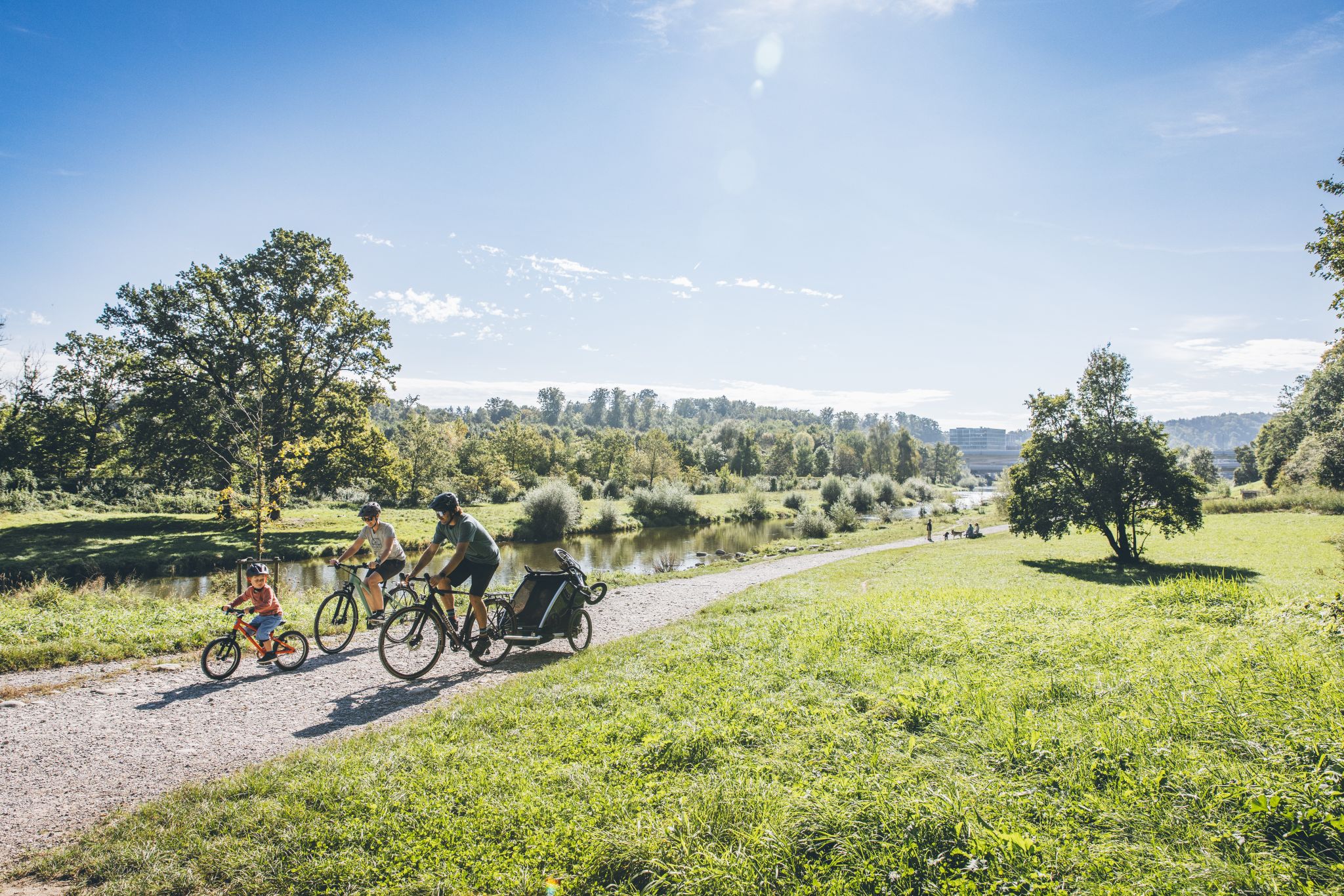
Family fun on two wheels – cycling routes with children around Zürich
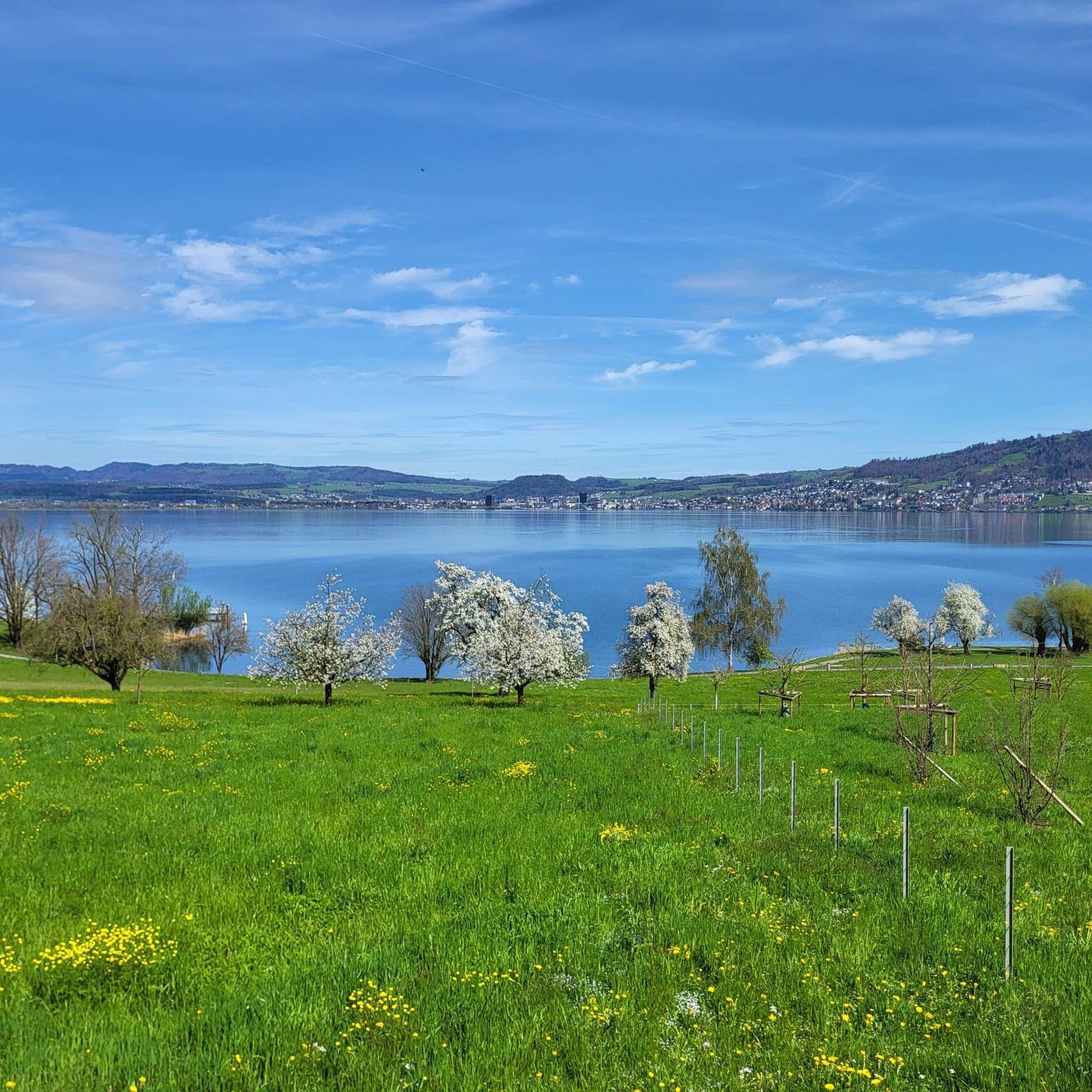
Cycling around Risch-Rotkreuz
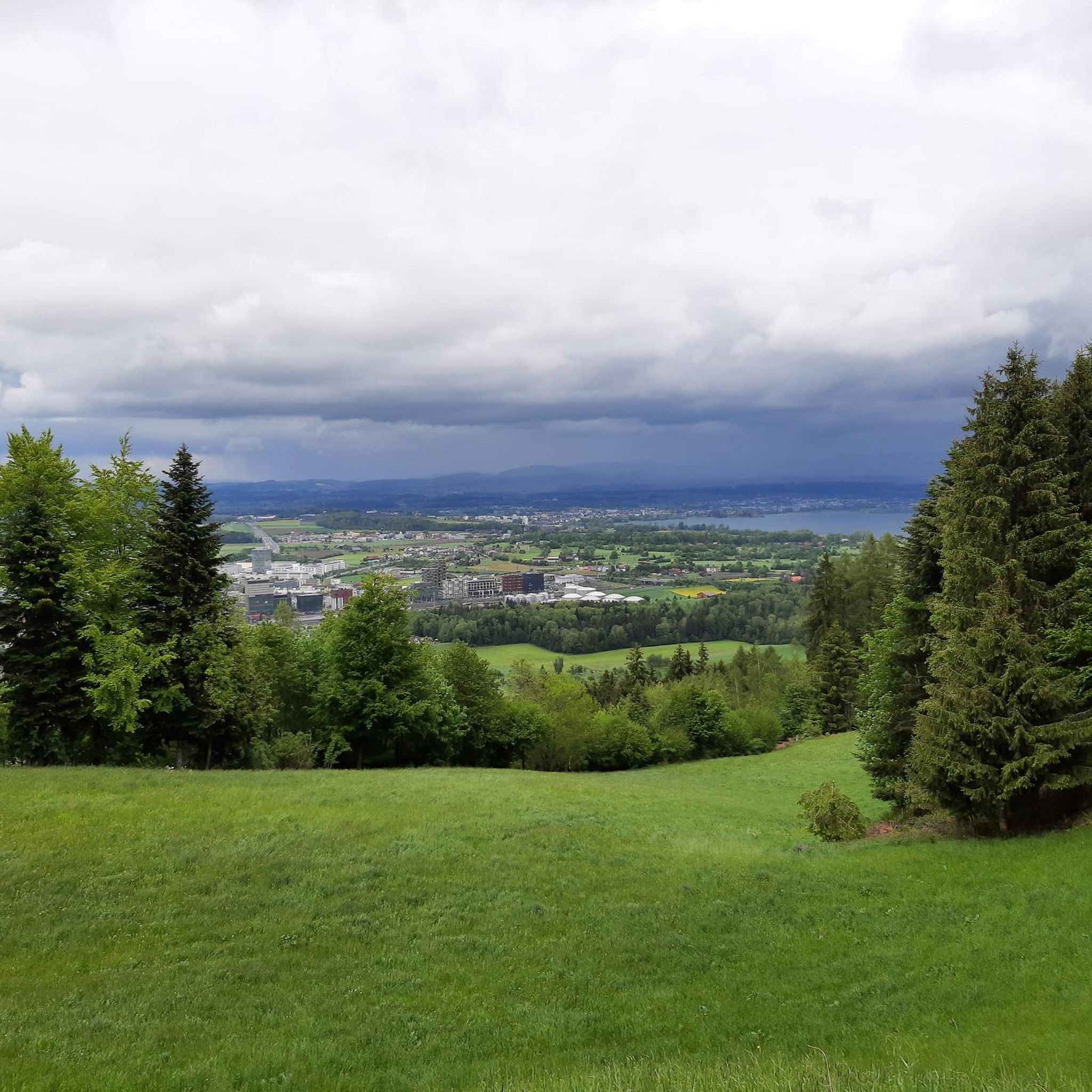
Hiking around Risch-Rotkreuz
Running Trails around Risch-Rotkreuz
MTB Trails around Risch-Rotkreuz
Road Cycling Routes around Risch-Rotkreuz

Gravel biking around Risch-Rotkreuz
Mountain Hikes around Risch-Rotkreuz
Other adventures around Risch-Rotkreuz

Tips from the Community

The Commandery of the Order of the Hospital of St. John of Jerusalem is located in the municipality of Hohenrain. It is one of the oldest Hospitaller settlements in Switzerland. It was first mentioned in 1182/83 as a commandery. Parts of the complex, dating from the late 12th and 13th centuries, have been largely preserved as part of a medieval castle belonging to the Order. According to the inventory of cultural property, it is considered a cultural asset of national importance. Today it belongs to the Canton of Lucerne. Source: Wikipedia; see also Wikipedia: History
0
0

The Huwilerturm in Zug is the smallest of the four outer city towers and has a charming history. It was built around 1524/25 and was known for a long time as the "Hof-Turm" until it was bought by a citizen named Huwiler in 1697.
6
0

One of four preserved city towers. A small part of the former city wall borders its walls. Right next to the Huwiler Tower, there is a pretty park shaded by tall trees, which invites you to play and relax.
2
0


Huwilerturm, Zug The year the Huwilerturm was built cannot be determined precisely from documents, but according to Linus Birchler it was in 1524/25. Other sources give the year of construction as 1519 and name a master builder named Huwiler as the builder. The tower's current name does not come from this Huwiler, but from a later owner of the same name, who came into possession of the tower in 1697. The name "Huwilerturm" only gradually caught on, however, because the name "Hoof Thurm" (after the property "Hof im Dorf" or "Hof am Burgbach") can still be found on the Landtwing city map from 1770. For this section, see also the Zug New Year's Gazette 1983. Access to the Huwilerturm was originally via the battlement of the city wall on the city side on the first floor. It was not until 1826 that the tower was given a ground floor entrance - from the outside - and two windows. The outer ring of walls Six round towers, four gates and a passageway formed the new ring of walls. The total length was 850 meters and increased the size of the city from 0.4 to 2.8 hectares. In addition to the existing buildings such as St. Oswald's Church, the castle, the village residential and commercial district, etc., there were large undeveloped areas in the new city area for a long time. Text / Source: Zug City Council, Town Hall, Gubelstrasse 22, 6301 Zug https://www.stadtzug.ch/sehenswuerdigkeiten/18
14
0

Wildenburg ruins In the early 13th century, the Lords of Hünenberg built a residential castle on the spur high above the Lorzentobel, but it was abandoned after 200 years and later used as a quarry. In 1985 the ruins were saved from final decay and carefully restored. Since then, the Wildenburg has once again been an impressive and publicly accessible testimony to Baar's past. An exciting experience for castle and medieval fans! The worth seeing castle ruins with remains of the round tower, bering and palace are located on a promontory above the Lorzentobel, 3.5 kilometers east of Zug. At the parking lot at the western end of the Lorzentobel Bridge, the hiking trail branches off from the main road in a southerly direction. After around 20 minutes of hiking in steep terrain, shortly after the beautiful Schwarzenbach waterfall, you reach the ruins. The castle area is freely accessible. Please pay attention to the barriers (danger of falling). Free parking spaces on the Zug-Menzingen main road, 300 meters northwest of the castle. https://youtu.be/djjFowSPsXE
3
0
Childhood memories walked through there so many times
0
0
Gesslerburg ruins The "nobles of Küssnach" and the lords of Silenen as lords of the castle Gesslerburg is the name of the medieval castle in Küssnacht. Like Hohle Gasse in Immensee, it is linked to the legend of Wilhelm Tell. According to the historian Aegidius Tschudi, it is said to have been the seat of Landsvogt Hermann Gessler. The ruins of the Gesslerburg have been owned by the Swiss Confederation since 1908. The ruins of the hilltop castle are located on a hilltop in the east of the village, above the village stream, which flows from the Seebodenalp into the lake. A path leads up to the Gesslerburg from the Knochenstampfe, a shed by the stream with a water wheel in which fertilizer was once produced. Despite archaeological investigations, very little is known about the origin and history of the castle complex. There is evidence of a nobleman named Recho from the second half of the 9th century, who donated his possessions in Küssnacht to the Benedictine monastery in Hof Luzern, along with other goods. An early medieval castle probably also belonged to it. The first documented mention dates back to 1263: «in castro nostro Chüssenach». In 1291, Küssnacht was bought from the monastery by Rudolf I of Habsburg. The lords of the castle, who were employed as bailiffs by the House of Habsburg, appeared as "nobles from Küssnach". Knight Eppo II (1282-1315) demanded taxes, duties and forced labor as a bailiff. In 1302 there was a dispute with the villagers of Küssnacht, Immensee and Haltikon, in which the bailiff is said to have almost died. Around the middle of the 14th century. The castle was destroyed by fire and then rebuilt much larger. Text / source: Küssnacht District, Seeplatz 2/3, Postfach 176, 6403 Küssnacht am Rigi https://www.kuessnacht.ch/district/sightseeing/ruine_gesslerburg.html/107
16
0
Frequently Asked Questions
Are the castles directly in Risch-Rotkreuz open to the public?
The castles located directly within Risch-Rotkreuz, such as Buonas Castle and Freudenberg Castle, are primarily private properties with restricted public access. Buonas Castle is owned by Roche and serves as a private training center, while Freudenberg Castle has remained in private ownership since its construction in the 1920s. While they are not generally open for public visitation, they can sometimes be admired from lakeshore paths or during special, rare events.
Which castles around Risch-Rotkreuz are publicly accessible?
While castles within Risch-Rotkreuz are mostly private, the surrounding region offers several publicly accessible historical sites. You can visit the Johanniter Commandery Hohenrain, a cultural asset of national importance, or explore the Wildenburg Ruins, which are freely accessible and were carefully restored in 1985. Other sites like Schwandegg Castle also offer historical interest.
Are there hiking trails to these castles?
Yes, many of the historical sites and castles around Risch-Rotkreuz are integrated into hiking routes. For example, the Wildenburg Ruins are accessible via a hiking trail from the main road, taking about 20 minutes in steep terrain. You can find various routes that incorporate castle views and historical landmarks in guides like Mountain Hikes around Risch-Rotkreuz or Running Trails around Risch-Rotkreuz.
What kind of structures can I expect to see at these historical sites?
At sites like the Johanniter Commandery Hohenrain, you'll find preserved partial buildings from the late 12th and 13th centuries, showcasing the structure of a medieval order castle. The Wildenburg Ruins feature remains of a round tower, bering, and palace. The Gesslerburg Ruins offer foundations and wall remains of a medieval hilltop castle, while the Huwiler Tower is one of the preserved city towers in Zug, part of an outer ring of walls.
Are there family-friendly activities at these castles or nearby?
Many of the accessible historical sites are suitable for families. The Wildenburg Ruins, for instance, offer an exciting experience for castle and medieval fans, and there's even a small barbecue area within the ruins for a historical picnic. The Huwiler Tower is next to a park shaded by tall trees, inviting play and relaxation. Exploring these ruins and towers can be an engaging outdoor activity for all ages.
Can I bring my dog to the castles or on nearby trails?
Generally, outdoor trails and ruins in the region are dog-friendly, provided dogs are kept on a leash and owners clean up after them. For specific castle interiors or protected areas, it's always best to check local regulations. The hiking trails around the castles, such as those mentioned in the Mountain Hikes around Risch-Rotkreuz guide, are typically suitable for walks with dogs.
What is the best time of year to visit the castles around Risch-Rotkreuz?
The castles and their surrounding trails are enjoyable throughout much of the year. Spring and autumn offer pleasant temperatures for hiking and exploring, with beautiful natural scenery. Summer is also popular, though it can be warmer. Even in winter, some sites remain accessible, offering a different, often serene, experience, especially if combined with a crisp walk.
Is parking available near the accessible castles?
Yes, for sites like the Wildenburg Ruins, free parking spaces are available on the Zug-Menzingen main road, approximately 300 meters northwest of the castle. For other locations, parking availability may vary, but generally, there are options for visitors exploring the historical sites and trails in the region.
Are there good viewpoints or natural features near the castles?
Many castles and historical sites in the region are situated in scenic locations. The Wildenburg Ruins are on a promontory above the Lorzentobel, offering views and are near the beautiful Schwarzenbach waterfall. Buonas Castle, though private, is on a peninsula extending into Lake Zug, offering picturesque views from lakeshore paths. The region is characterized by lake views and elevated positions, providing natural beauty alongside historical interest.
What other outdoor activities can I do near these castles?
Beyond visiting castles, the Risch-Rotkreuz area offers a variety of outdoor activities. You can explore numerous hiking trails, such as those found in the Mountain Hikes around Risch-Rotkreuz guide. There are also options for gravel biking and running trails, often with scenic views of Lake Zug and the surrounding landscape.
What is the historical significance of the Johanniter Commandery Hohenrain?
The Johanniter Commandery Hohenrain is one of the oldest branches of the Order of St. John in what is now Switzerland. First mentioned in 1182/83, it preserves partial buildings from the late 12th and 13th centuries, showcasing the structure of a medieval order castle. It is classified as a cultural asset of national importance and offers a deep dive into medieval history.
What can I expect when visiting Wildenburg Ruins?
At Wildenburg Ruins, you can explore the impressive and publicly accessible remains of a residential castle built in the early 13th century. The site features a round tower, bering, and palace, which were carefully restored in 1985. It's located on a promontory above the Lorzentobel, offering historical insights and scenic views, with a small barbecue area available for visitors.
Most popular routes around Risch-Rotkreuz
Most popular attractions around Risch-Rotkreuz

Get inspired with the komoot mobile app


Explore more
Looking for the best castles somewhere else? Discover other guides around Risch-Rotkreuz:
