Top 6 Castles around Gisikon
Best castles around Gisikon are found in the surrounding region of this municipality in the canton of Lucerne, Switzerland. Gisikon itself is historically noted for battles and its geographical significance, rather than prominent fortified structures. The area offers a variety of historical sites, including well-preserved commanderies, castle ruins, and towers. These locations provide insights into the region's past and are accessible for exploration.
Best castles around Gisikon
- The most popular castles is Johanniter Commandery Hohenrain, a historical site with…
Last updated: October 1, 2026
Johanniter Commandery Hohenrain
Highlight • Historical Site
Translated by Google •
Tip by

Gesslerburg Ruins
Highlight • Castle
The "nobles of Küssnach" and the lords of Silenen as lords of the castle
Gesslerburg is the name of the medieval castle in Küssnacht. Like Hohle Gasse in …
Translated by Google •
Tip by

Sign up now to discover places like this
Get recommendations on the best single tracks, peaks, & plenty of other exciting outdoor places.
Huwiler Tower
Highlight • Historical Site
The year the Huwilerturm was built cannot be determined precisely from documents, but according to Linus Birchler it was in 1524/25. Other sources give the year of construction …
Translated by Google •
Tip by
Dreilindenpark
Highlight • Forest
The main building of the complex includes the palace-like Villa Vicovaro, …
Translated by Google •
Tip by

Hünenberg Castle
Highlight • Castle
Showing Translation
Tip by

Sign up for free to discover even more castles around Gisikon.
Already have an account?
Start today with a free account
Your next adventure awaits.
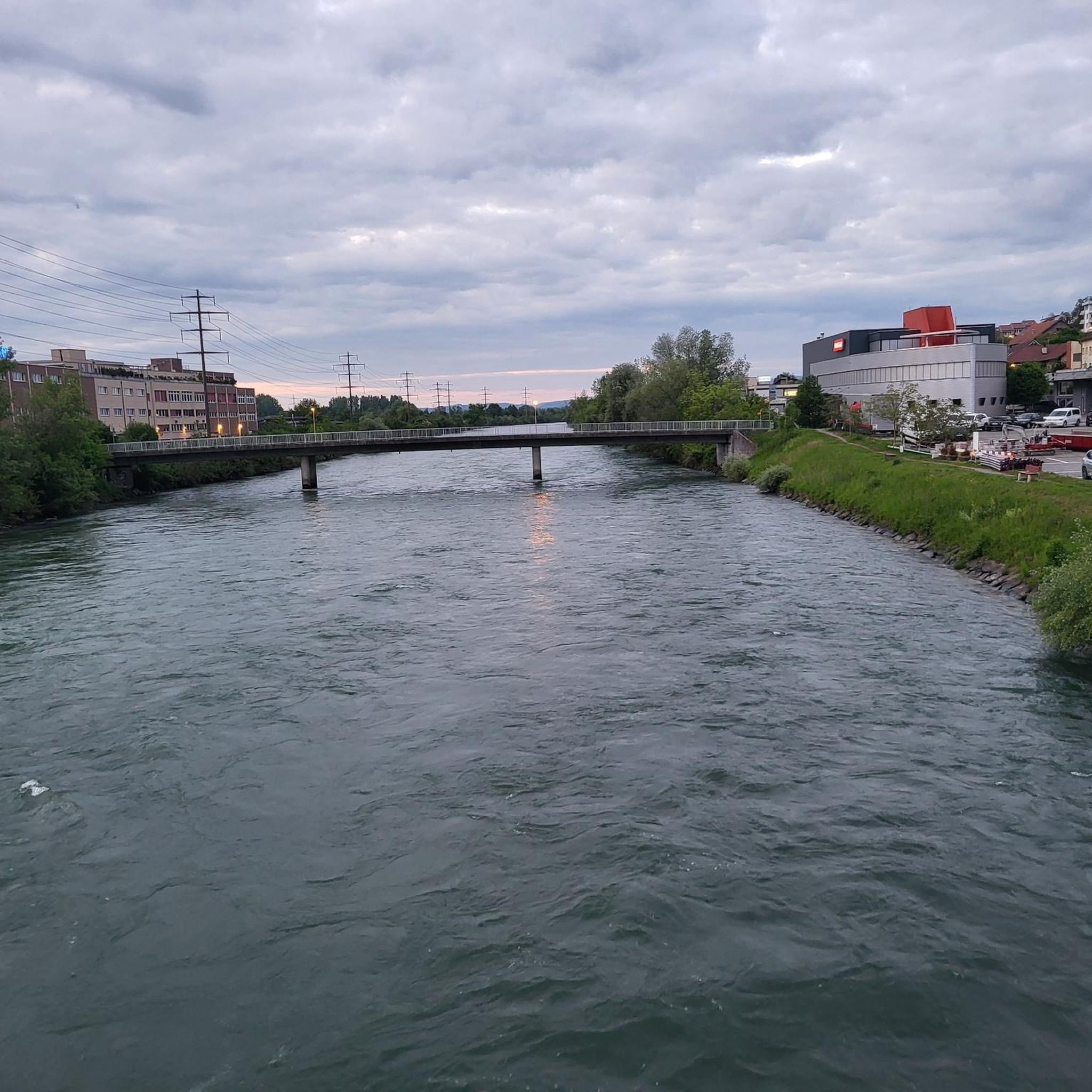
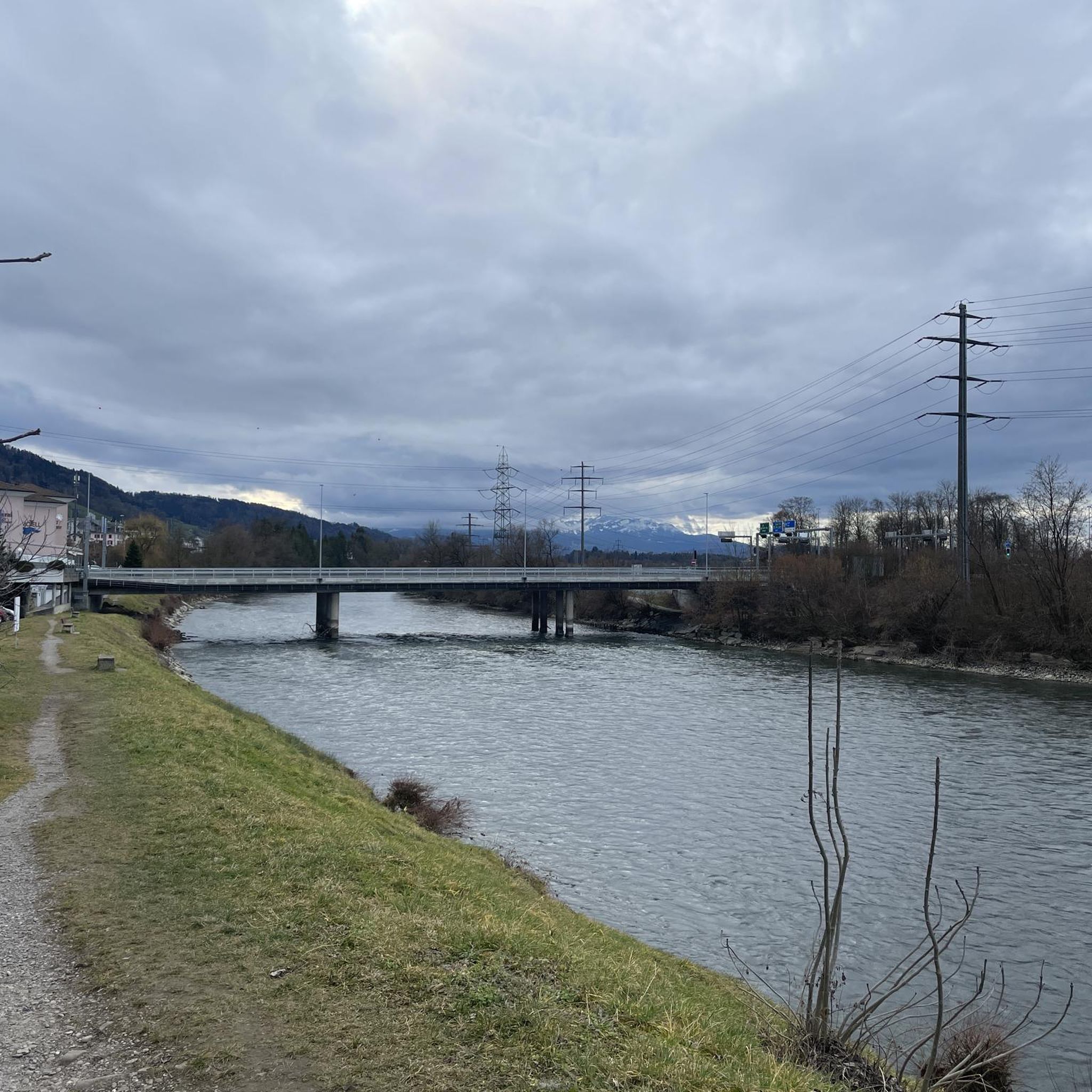
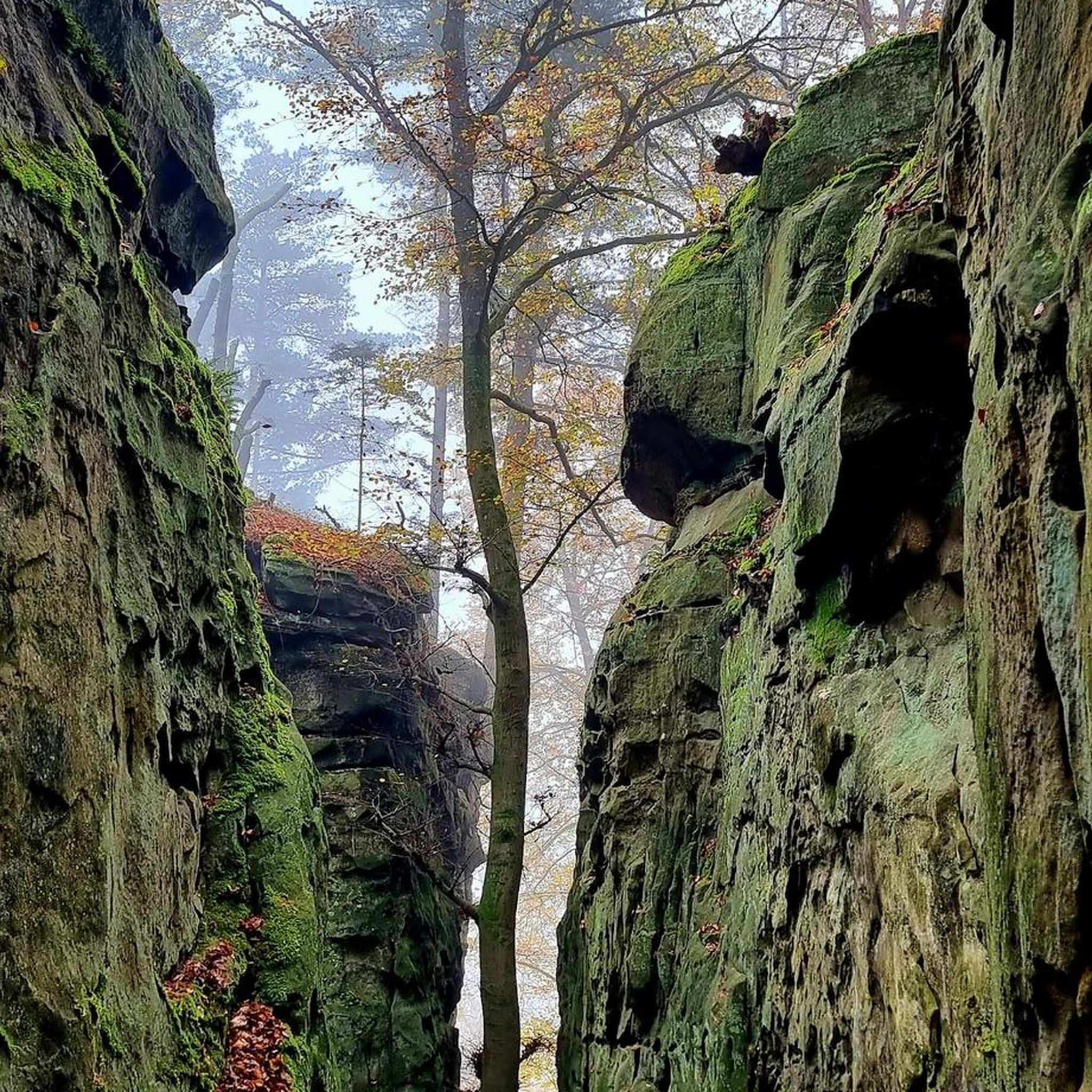
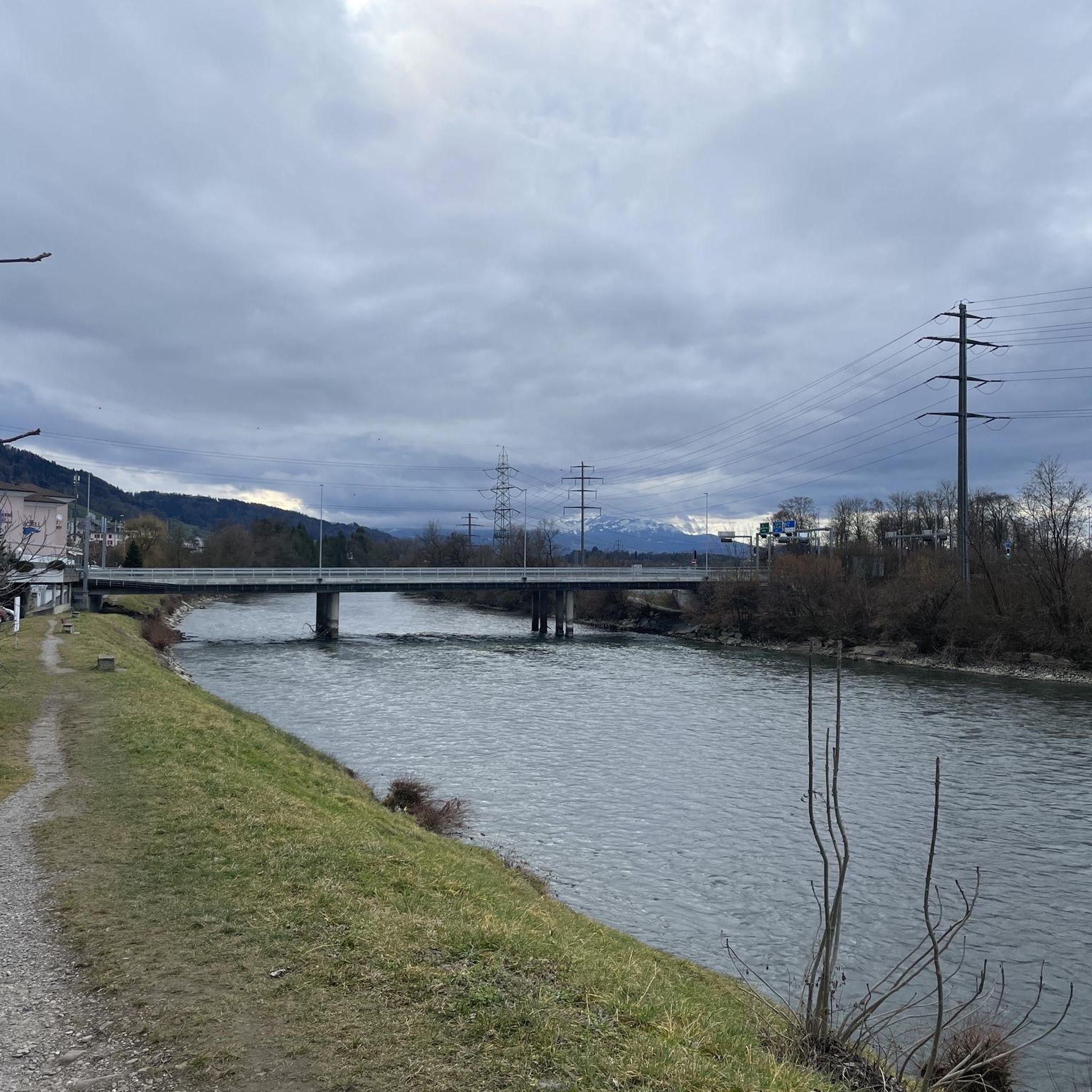
Tips from the Community

The ruins of the former Hünenberg castle stand on a small, wooded hill on the edge of the village. The castle dates back to the 12th century and was only excavated again in 1944. During conservation work between 2005 and 2009, Roman coins were also found, although they are unrelated to the castle. The castle is under cantonal monument protection. An information board on site provides some details, and there is also a playground for children and a campfire site nearby.
1
0

Beautiful park with castle-like buildings.
0
0

The Commandery of the Order of the Hospital of St. John of Jerusalem is located in the municipality of Hohenrain. It is one of the oldest Hospitaller settlements in Switzerland. It was first mentioned in 1182/83 as a commandery. Parts of the complex, dating from the late 12th and 13th centuries, have been largely preserved as part of a medieval castle belonging to the Order. According to the inventory of cultural property, it is considered a cultural asset of national importance. Today it belongs to the Canton of Lucerne. Source: Wikipedia; see also Wikipedia: History
0
0

Beautiful castle ruins with an information panel about their history. Perfectly situated in the triangle formed by the streams. Unfortunately, there's no barbecue area.
0
0

The Huwilerturm in Zug is the smallest of the four outer city towers and has a charming history. It was built around 1524/25 and was known for a long time as the "Hof-Turm" until it was bought by a citizen named Huwiler in 1697.
6
0

One of four preserved city towers. A small part of the former city wall borders its walls. Right next to the Huwiler Tower, there is a pretty park shaded by tall trees, which invites you to play and relax.
2
0

Huwilerturm, Zug The year the Huwilerturm was built cannot be determined precisely from documents, but according to Linus Birchler it was in 1524/25. Other sources give the year of construction as 1519 and name a master builder named Huwiler as the builder. The tower's current name does not come from this Huwiler, but from a later owner of the same name, who came into possession of the tower in 1697. The name "Huwilerturm" only gradually caught on, however, because the name "Hoof Thurm" (after the property "Hof im Dorf" or "Hof am Burgbach") can still be found on the Landtwing city map from 1770. For this section, see also the Zug New Year's Gazette 1983. Access to the Huwilerturm was originally via the battlement of the city wall on the city side on the first floor. It was not until 1826 that the tower was given a ground floor entrance - from the outside - and two windows. The outer ring of walls Six round towers, four gates and a passageway formed the new ring of walls. The total length was 850 meters and increased the size of the city from 0.4 to 2.8 hectares. In addition to the existing buildings such as St. Oswald's Church, the castle, the village residential and commercial district, etc., there were large undeveloped areas in the new city area for a long time. Text / Source: Zug City Council, Town Hall, Gubelstrasse 22, 6301 Zug https://www.stadtzug.ch/sehenswuerdigkeiten/18
14
0
Gesslerburg ruins The "nobles of Küssnach" and the lords of Silenen as lords of the castle Gesslerburg is the name of the medieval castle in Küssnacht. Like Hohle Gasse in Immensee, it is linked to the legend of Wilhelm Tell. According to the historian Aegidius Tschudi, it is said to have been the seat of Landsvogt Hermann Gessler. The ruins of the Gesslerburg have been owned by the Swiss Confederation since 1908. The ruins of the hilltop castle are located on a hilltop in the east of the village, above the village stream, which flows from the Seebodenalp into the lake. A path leads up to the Gesslerburg from the Knochenstampfe, a shed by the stream with a water wheel in which fertilizer was once produced. Despite archaeological investigations, very little is known about the origin and history of the castle complex. There is evidence of a nobleman named Recho from the second half of the 9th century, who donated his possessions in Küssnacht to the Benedictine monastery in Hof Luzern, along with other goods. An early medieval castle probably also belonged to it. The first documented mention dates back to 1263: «in castro nostro Chüssenach». In 1291, Küssnacht was bought from the monastery by Rudolf I of Habsburg. The lords of the castle, who were employed as bailiffs by the House of Habsburg, appeared as "nobles from Küssnach". Knight Eppo II (1282-1315) demanded taxes, duties and forced labor as a bailiff. In 1302 there was a dispute with the villagers of Küssnacht, Immensee and Haltikon, in which the bailiff is said to have almost died. Around the middle of the 14th century. The castle was destroyed by fire and then rebuilt much larger. Text / source: Küssnacht District, Seeplatz 2/3, Postfach 176, 6403 Küssnacht am Rigi https://www.kuessnacht.ch/district/sightseeing/ruine_gesslerburg.html/107
16
0
Frequently Asked Questions
Are there family-friendly castles to visit near Gisikon?
Yes, several castles and historical sites in the region are suitable for families. Johanniter Commandery Hohenrain and Huwiler Tower are both categorized as family-friendly. Additionally, the Ruins of Hohenburg Castle (Burgwald) offer an engaging historical experience within a forest setting, and Dreilindenpark, while a park, features a palace-like villa and is family-friendly with beautiful views.
What historical sites, beyond castles, can I explore near Gisikon?
While Gisikon itself is historically noted for battles rather than prominent castles, the surrounding region offers a variety of historical sites. The Johanniter Commandery Hohenrain is a cultural asset of national importance with partial buildings from the late 12th and 13th centuries. The Huwiler Tower in Zug is a charming historical city tower built around 1524/25. The Gesslerburg Ruins are linked to the legend of Wilhelm Tell, offering a glimpse into medieval history.
What natural features or viewpoints can I find near these castles?
Many of the historical sites offer scenic views. The Johanniter Commandery Hohenrain and Gesslerburg Ruins are both noted as viewpoints. Dreilindenpark provides a wide view of the alpine panorama, Lucerne, and Lake Lucerne, set within an English park with many old trees. The Ruins of Hohenburg Castle (Burgwald) are situated in a forest, offering a natural setting.
Are there hiking trails near the castles around Gisikon?
Yes, the region around Gisikon offers various hiking opportunities. For example, you can find routes like the 'Michaelskreuz Chapel – Daffodil Trail loop' or 'Reuss Weir Near Perlen – Bridge Over the Ron loop' which are easy to moderate. For more details on hiking trails in the area, you can explore the Hiking around Gisikon guide.
What do visitors enjoy most about the castles and historical sites near Gisikon?
Visitors appreciate the rich history and scenic beauty. The Johanniter Commandery Hohenrain is admired for its beautiful complex and medieval order castle structure. The Gesslerburg Ruins are popular for their connection to the Wilhelm Tell legend and hilltop location. The Ruins of Hohenburg Castle (Burgwald) are noted for being well-preserved and situated in a lovely forest with an information panel detailing its history.
How can I reach the castles near Gisikon using public transport?
While specific public transport details for each castle vary, Gisikon itself has a train station (Gisikon-Root). From there, local buses or short walks can connect you to nearby attractions. For example, the Huwiler Tower is located in Zug, which is easily accessible by train from Gisikon. It's recommended to check local transport schedules for the most up-to-date information for your specific destination.
Are there any circular walks around the castles near Gisikon?
While specific circular walks directly around each castle are not detailed, the region offers many hiking loops that could incorporate castle visits. For instance, the Hiking around Gisikon guide features several circular routes, such as the 'Michaelskreuz Chapel – Daffodil Trail loop from Rooterberg', which could be combined with a visit to a nearby historical site.
What are the best times to visit the castles around Gisikon?
The castles and historical sites are generally accessible year-round. However, for comfortable exploration and to fully enjoy the surrounding natural landscapes and viewpoints, spring through autumn (April to October) typically offers the most pleasant weather. During these months, you can also take advantage of the various hiking and outdoor activities in the region.
Can I find cafes or accommodation near the castles around Gisikon?
The region around Gisikon, including towns like Küssnacht and Zug, offers various amenities. While specific cafes directly at every ruin might not be available, larger towns nearby will have options for food and drink. For example, the Gesslerburg Ruins have a barbecue area at the foot of the hill. Accommodation options, from hotels to guesthouses, are available in the surrounding municipalities.
Are there any castles near Gisikon that are considered 'hidden gems'?
While the main highlights are well-known, the Ruins of Hohenburg Castle (Burgwald), nestled in a forest and described as a 'very well preserved ruin' with an information panel, offers a less commercialized and more immersive historical experience, making it a potential hidden gem for those seeking quiet exploration.
What kind of outdoor activities can I do near the castles?
Beyond visiting the castles, the area around Gisikon is excellent for outdoor activities. You can enjoy hiking on various trails, from easy to moderate, as detailed in the Hiking around Gisikon guide. For more challenging adventures, there are mountain hikes, and for cyclists, the Gravel biking around Gisikon guide offers routes with scenic views of the Reuss River and Lake Zug.
Is Gisikon itself home to any prominent castles?
No, Gisikon is a small municipality historically noted for battles and its geographical significance, rather than the presence of prominent fortified structures like castles. The notable castles and historical sites are found in the surrounding region of this municipality in the canton of Lucerne, Switzerland.
Most popular routes around Gisikon
Most popular attractions around Gisikon

Get inspired with the komoot mobile app


Explore more
Looking for the best castles somewhere else? Discover other guides around Gisikon:
