Top 3 Castles around Kappelen
Best castles around Kappelen offer a glimpse into historical architecture and local heritage. This region features a variety of historical sites, including castle ruins, fortified settlements, and preserved structures. Visitors can explore areas with significant historical importance and natural landscapes. The diverse range of sites provides opportunities for both cultural exploration and outdoor activities.
Best castles around Kappelen
- The most popular castles is Covered Wooden Bridge of Büren an der Aare, a bridge that was built in 1821 and…
Last updated: May 16, 2026
Covered Wooden Bridge of Büren an der Aare
Highlight • Bridge
Only a …
Translated by Google •
Tip by

Büren on the Aare
Highlight • Settlement
Translated by Google •
Tip by

Sign up now to discover places like this
Get recommendations on the best single tracks, peaks, & plenty of other exciting outdoor places.
Sign up for free
Witteberg Castle Site
Highlight • Castle
Translated by Google •
Tip by

Dotzigen Little Castle
Highlight • Castle
Translated by Google •
Tip by
Dotzigen Castle
Highlight • Castle
Translated by Google •
Tip by
Sign up for free to discover even more castles around Kappelen.
Sign up for free
Already have an account?
Start today with a free account
Your next adventure awaits.
Login or Signup

Tips from the Community

Very beautiful imposing bridge followed by the old town
0
0

Büren aA is worth seeing. A jewel. It has a great history and houses, bridges and banks of the Aare that are worth seeing. A great place to stop for a break.
0
0

The community of Büren an der Aare is located on the banks of the Aare, between Biel and Solothurn. The place with the old town and the wooden bridge blends gently into the landscape. Büren a.A. is described as a gem among Bernese country towns because only a few medieval settlements have been able to preserve their historical face so tightly over the centuries. The main street, part of the main road Lyss-Solothurn, the Kreuzgasse and the Spittelgasse determine the triangular floor plan of the town. In the Middle Ages, the main street with the inns was the quarter of the shopkeepers and wine negotiators, the Kreuzgasse was the craftsmen's quarter and the Spittelgasse belonged to the farmers. On the main street is the castle of the former Bernese governors, built between 1620 and 1623 during the Thirty Years' War. The district administration was housed there until the end of 2009. The town hall was built between 1613 and 1619. As the western head building of the middle row of houses, it forms the center of the city center and is now the seat of the municipal administration. The "Spittel" opposite the church dates from the 16th century, was part of the city wall that can still be seen today and now serves as a local museum. The Kornhaus on the Ländte or the church from the 13th century standing on an elevated area are further examples of the numerous historical buildings. Source https://www.bueren.ch/de/gemeinde-wirtschaft/gemeinde/portrait/
0
0

Pedestrians have priority in town!
0
0

Who Büren a. i.e. If you visit Aare for the first time, you will find that there is a superlative to "small". Namely "Tiny". The medieval town is still an eye-catcher and has many visual highlights. The landscape around Büren a. i.e. Aare knows how to please. The local restaurants are particularly popular.
1
0

Since the 13th century, a wooden bridge has connected the historic Büren with the district of Reiben north of the Aare. Since then, the wooden structure has been destroyed eight times by floods, ice flows or fire. The medieval town is worth a visit.
0
0

Büren a d Aare invites you to linger. On the one hand the beautiful and well-preserved houses of the old town - on the other hand the covered wooden bridge that leads over the Aare.
0
0
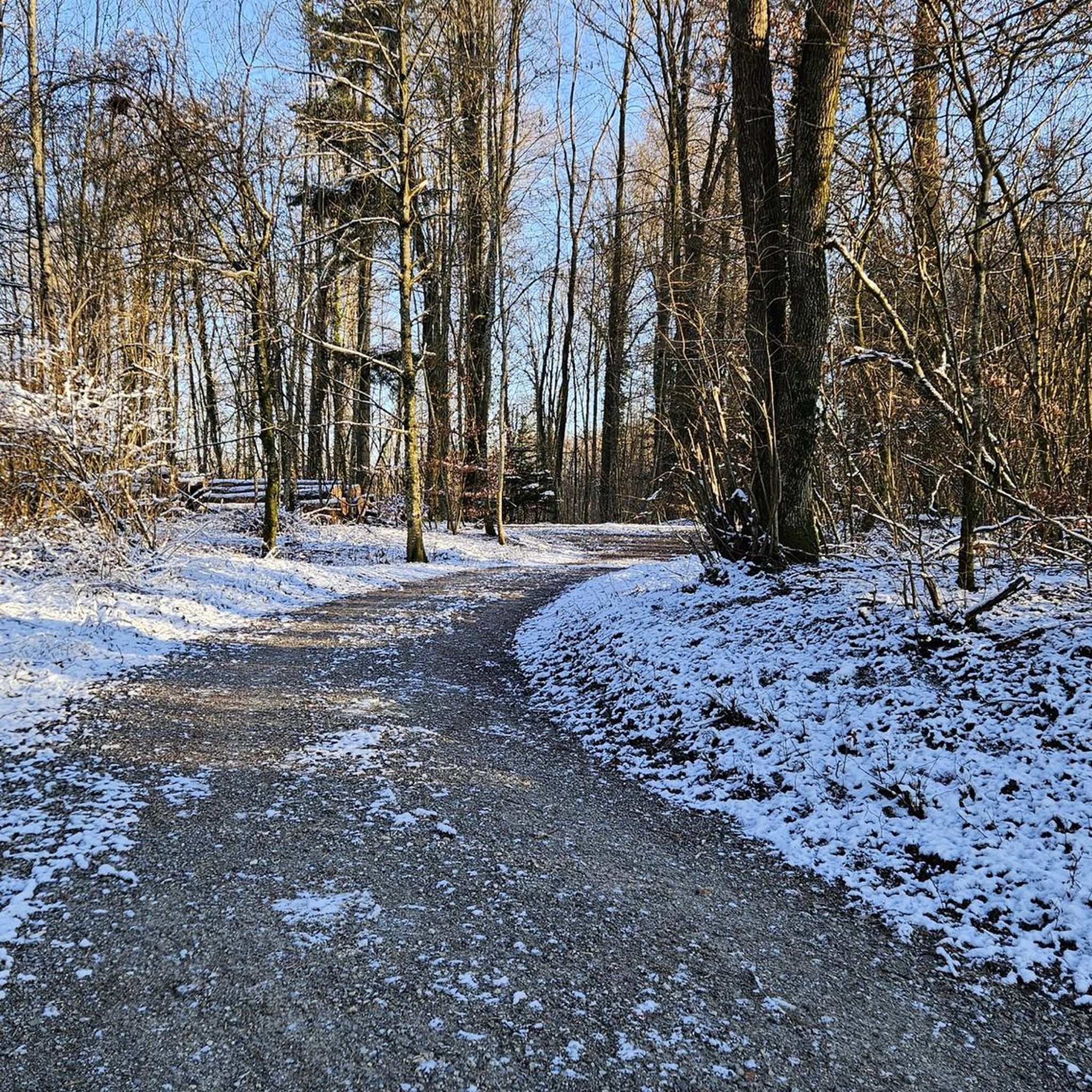
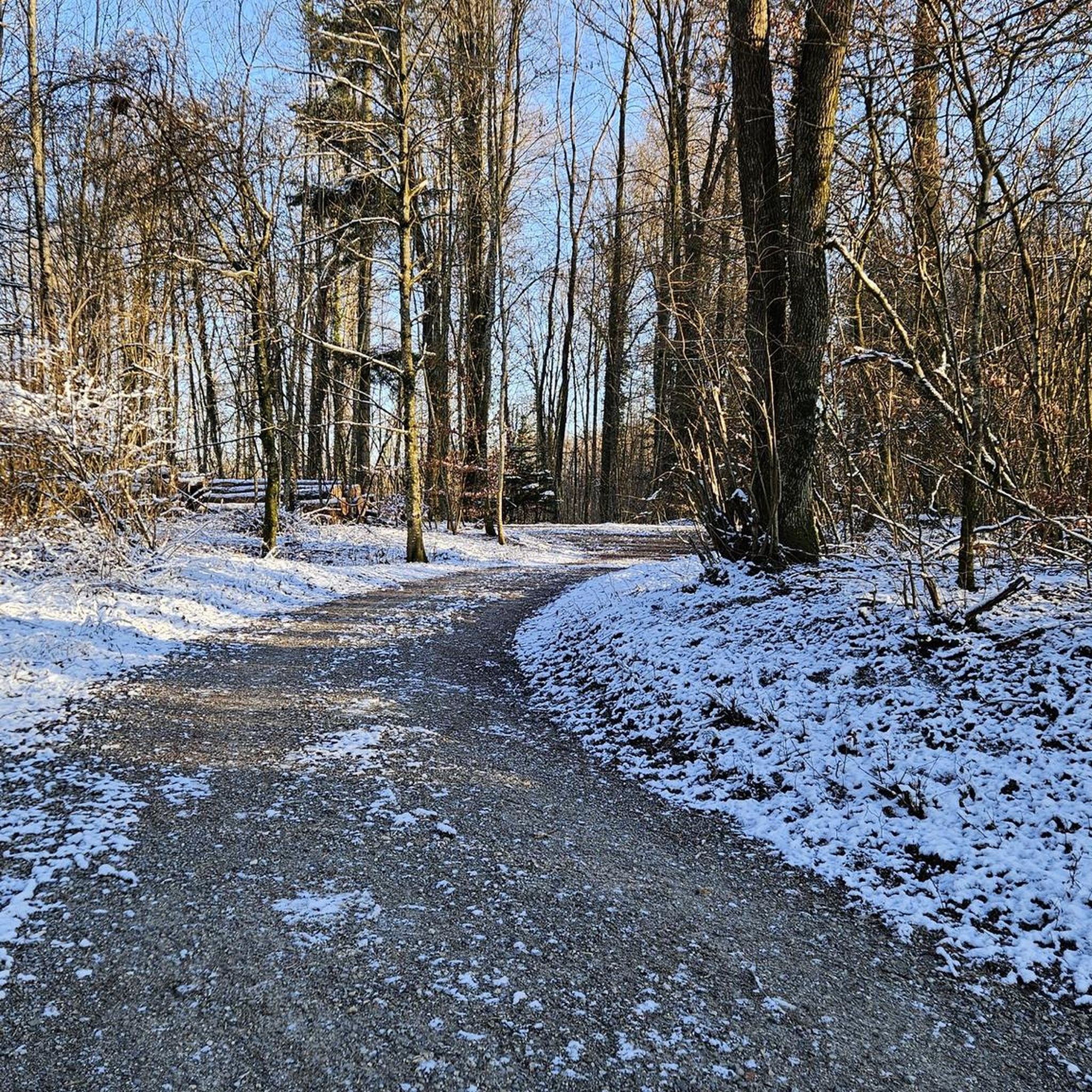
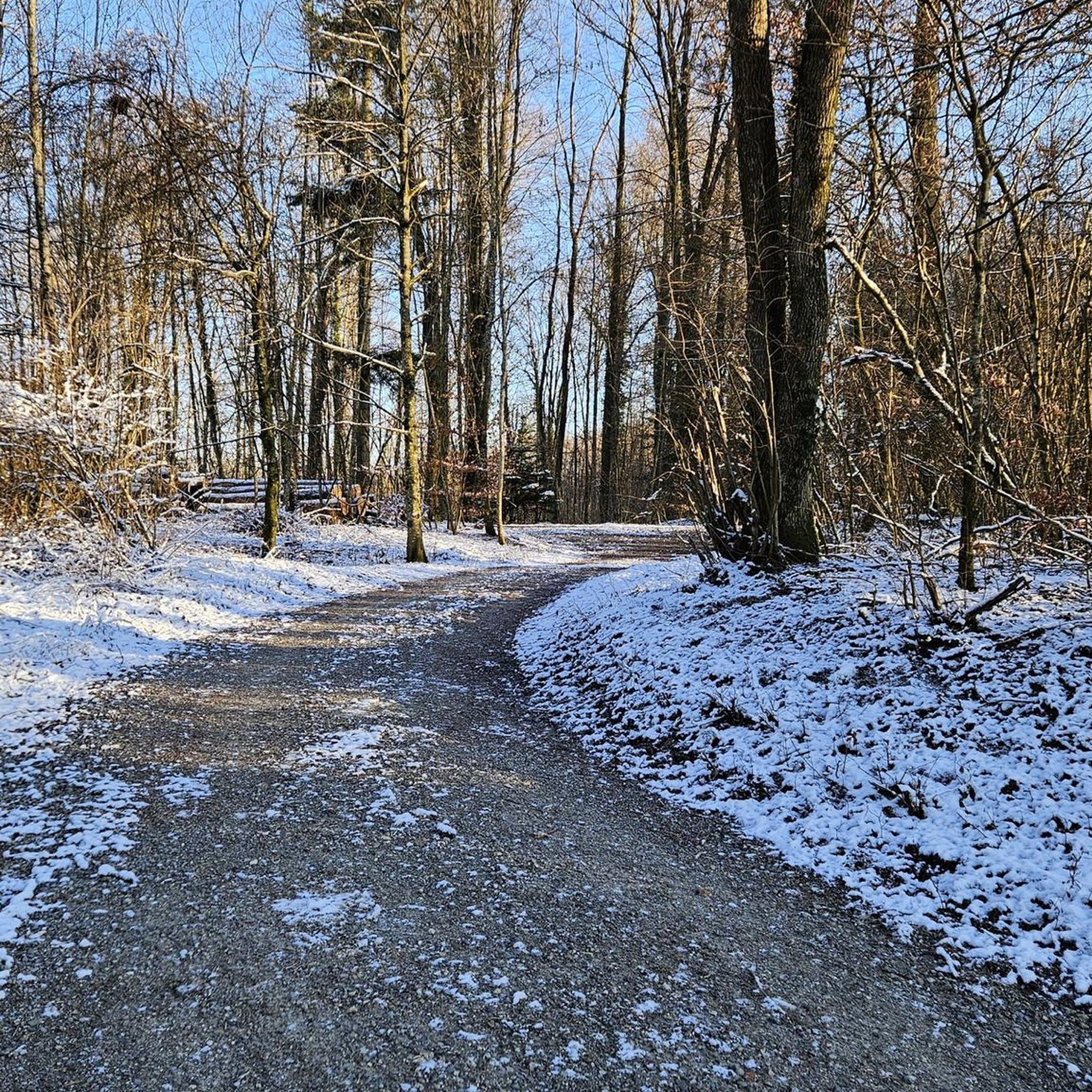
The Witteberg castle site is located in the forest above the hamlet of Wittenberg near Golaten in the Bernese Seeland in the canton of Bern in Switzerland. Undated, presumably medieval earth castle, three-sided steep slopes, artificial arched ditch on the west side (585'520_203'735). The castle plateau and a partially filled neck ditch are still visible. The construction and appearance of the earth and wooden castles that were built between the 10th and 11th centuries in what is now Switzerland and in neighboring countries. It was mainly members of the high nobility (counts, noble free) who in 10./11. Century tried to increase their property and influence by clearing. In the large forest areas of the Jura and the Pre-Alps, as well as in the Central Plateau, many clearing castles were built, which were very often founded as wooden castles. As a result of the clearing work, the building material wood was produced in large quantities, so it was available inexpensively, and long transports were no longer necessary. Compared to stone construction, building a wooden castle was easy, only took a short time (a few weeks) and was associated with considerably smaller investments. https://books.google.ch/books?id=ueQ1DwAAQBAJ&pg=PA107&lpg=PA107&dq=Erdburg+Golaten%C2%A8&source=bl&ots=F6UnUv8DXM&sig=ACfU3U3b4GCFMaeD9wx20oNlt1NYOrokoA&hl=de&sa=X&ved=2ahUKEwjhztWeh7fvAhXF-qQKHSisBa8Q6AEwBnoECAgQAw#v=onepage&q=Erdburg%20Golaten% C2% A8 & f = false
1
0
Frequently Asked Questions
What types of castles can I explore around Kappelen?
Around Kappelen, you can discover a variety of historical sites, from grand, recently renovated castles like the Kasteel van Kapellen to those with civic functions such as Castle Beukenhof, which now serves as the town hall. The broader region also features ancient fortresses like Het Steen in Antwerp, and castles nestled within expansive parks like Rivierenhof Castle.
Are there any castles near Kappelen that have been recently renovated?
Yes, the Kasteel van Kapellen, a significant local example, reopened in 2024 after extensive renovations and restoration. The focus was on preserving its authenticity, and it now features an imposing castle gate and a long driveway lined with centuries-old trees.
Which castles near Kappelen are suitable for events or special occasions?
The Kasteel van Kapellen is particularly popular for events, including weddings and corporate meetings. Its romantic setting, both indoors and outdoors, along with ample parking for guests, makes it a prime venue. It's considered a 'hidden gem' for fairytale-like celebrations.
Can I visit historical castles that are now used for other purposes?
Yes, Castle Beukenhof in Kapellen is a notable example. While not a typical tourist castle, its transformation into the town hall showcases an interesting adaptive reuse of historical architecture. In nearby Antwerp, Het Steen, an ancient fortress, now functions as the Antwerp Visitor Center after renovations.
What is the historical significance of Het Steen in Antwerp?
Het Steen is one of the oldest buildings in Antwerp, built between 1200 and 1225. It originally served as the gate of the Antwerp castle and has a rich history, functioning as a prison, a home for wounded soldiers, and an archaeological museum before becoming the Antwerp Visitor Center in 2021.
Are there castles located within parks or natural settings near Kappelen?
Yes, Rivierenhof Castle is situated within the expansive Rivierenhof park in Antwerp, which spans over 130 hectares. This park is popular for various outdoor activities, offering a blend of historical architecture and green spaces. Sterckshof Castle is also located within Rivierenhof park.
Are there any castles near Kappelen that host annual events?
While Sterckshof Castle is no longer open to the public, it is notable for hosting a large medieval event annually during the first weekend of June. This event features a tent camp with craftsmen, squires, and knights, offering a unique historical experience.
What are some lesser-known or 'hidden gem' castles around Kappelen?
The Kasteel van Kapellen is often described as a 'hidden gem' among Belgian wedding venues due to its grandeur and historical charm. While not always open for general public tours, its recent renovation has brought it renewed attention.
What outdoor activities can I do near castles in the Kappelen region?
The region around Kappelen offers various outdoor activities. For example, the Rivierenhof park, home to Rivierenhof Castle, is popular for walking, cycling, and hosts music and theater performances. You can also find numerous cycling and running routes in the wider area. For specific routes, explore the Cycling around Kappelen or Running Trails around Kappelen guides.
Are there any castles near Kappelen that have undergone significant architectural changes over time?
Yes, Ravenhof Castle was rebuilt in the neo-Louis XV style in 1810, with side wings added between 1911 and 1920. Similarly, Brasschaat Castle gained its current appearance with the addition of two side wings between 1896 and 1897, following significant expansion of its domain.
What is the best way to learn more about the history of Kappelen and its castles?
Exploring the castles themselves provides direct insight into the region's history. For broader context, you can visit the Antwerp Visitor Center located in Het Steen, which offers information about the city's development. Additionally, local municipal resources or historical societies might offer more detailed information about specific castles like Kasteel van Kapellen and Castle Beukenhof.
Most popular routes around Kappelen
Most popular attractions around Kappelen

Get inspired with the komoot mobile app


Explore more
Looking for the best castles somewhere else? Discover other guides around Kappelen:
