Top 6 Caves around Diessbach bei Büren
Best caves around Diessbach bei Büren are found in a region characterized by its diverse natural landscape, including significant geological formations. The area offers a blend of historical sites and natural monuments, with the Aare River influencing its geography. This setting provides opportunities for outdoor activities amidst varied terrain.
Best caves around Diessbach bei Büren
- The most popular caves is Caves of Taubenloch Gorge, a cave that features holes and caves within a dramatic gorge setting. This area offers…
Last updated: June 28, 2026
Lobsigen Sandstone Caves
Highlight • Cave
Translated by Google •
Tip by

Sandstone Quarry Ober Bockstein
Highlight • Cave
There is also a barbecue area in the pit.
Translated by Google •
Tip by

Sign up now to discover places like this
Get recommendations on the best single tracks, peaks, & plenty of other exciting outdoor places.
Sign up for free
Caves of Taubenloch Gorge
Highlight • Cave
Translated by Google •
Tip by

Steigrüebli, Schnottwil
Highlight • Cave
Translated by Google •
Tip by
Sandstone Caves Trail
Highlight (Segment) • Trail
Translated by Google •
Tip by
Sign up for free to discover even more caves around Diessbach bei Büren.
Sign up for free
Already have an account?
Start today with a free account
Your next adventure awaits.
Login or Signup

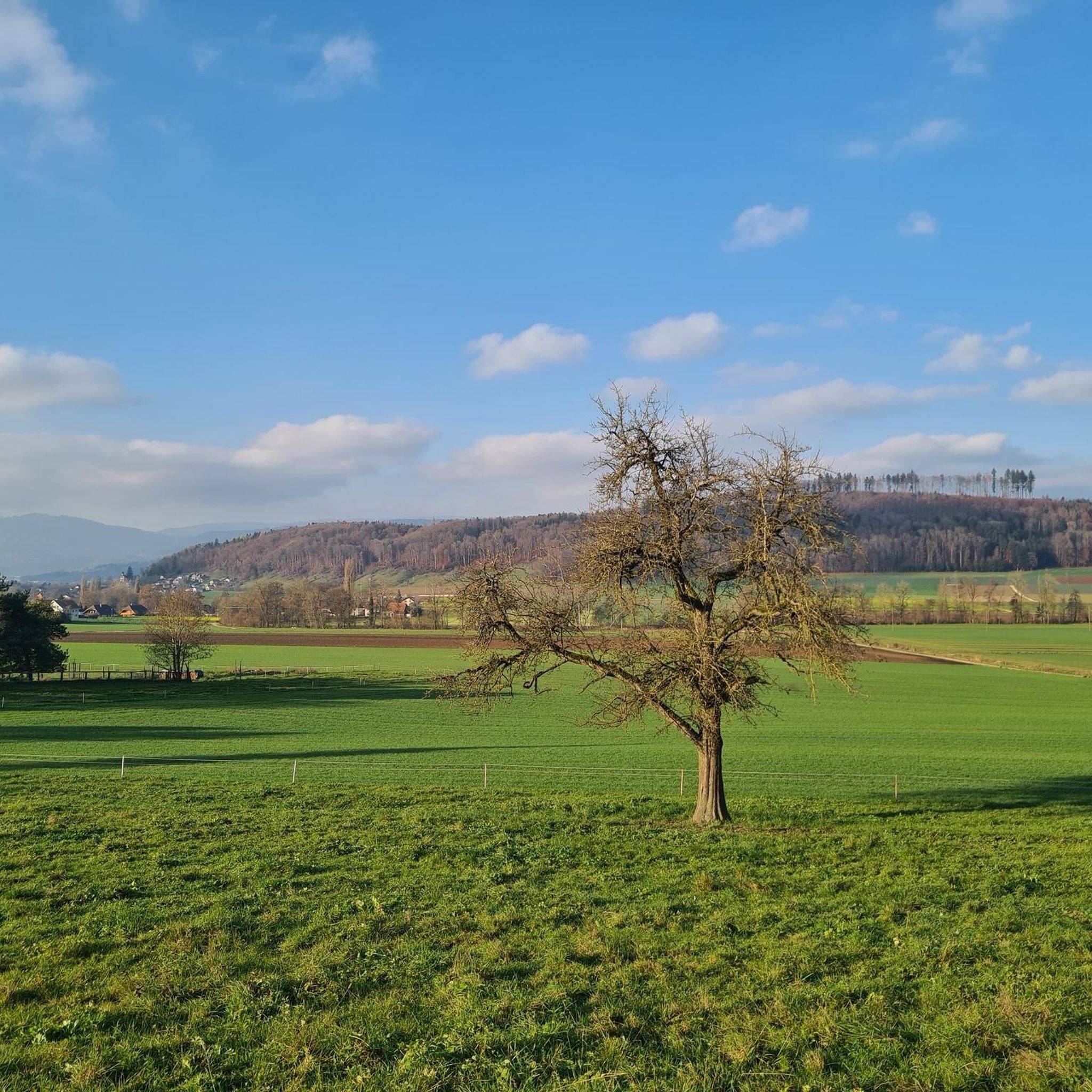
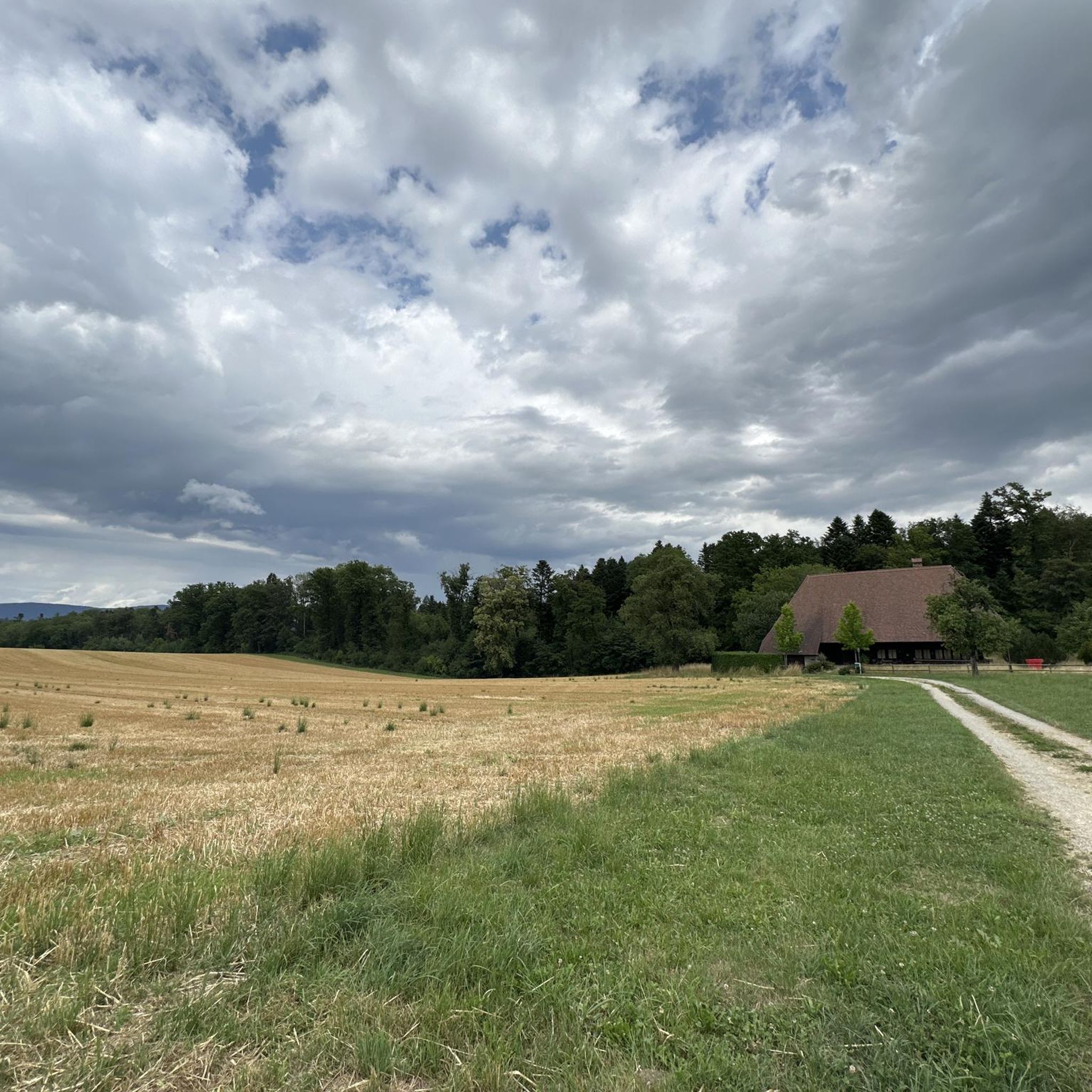
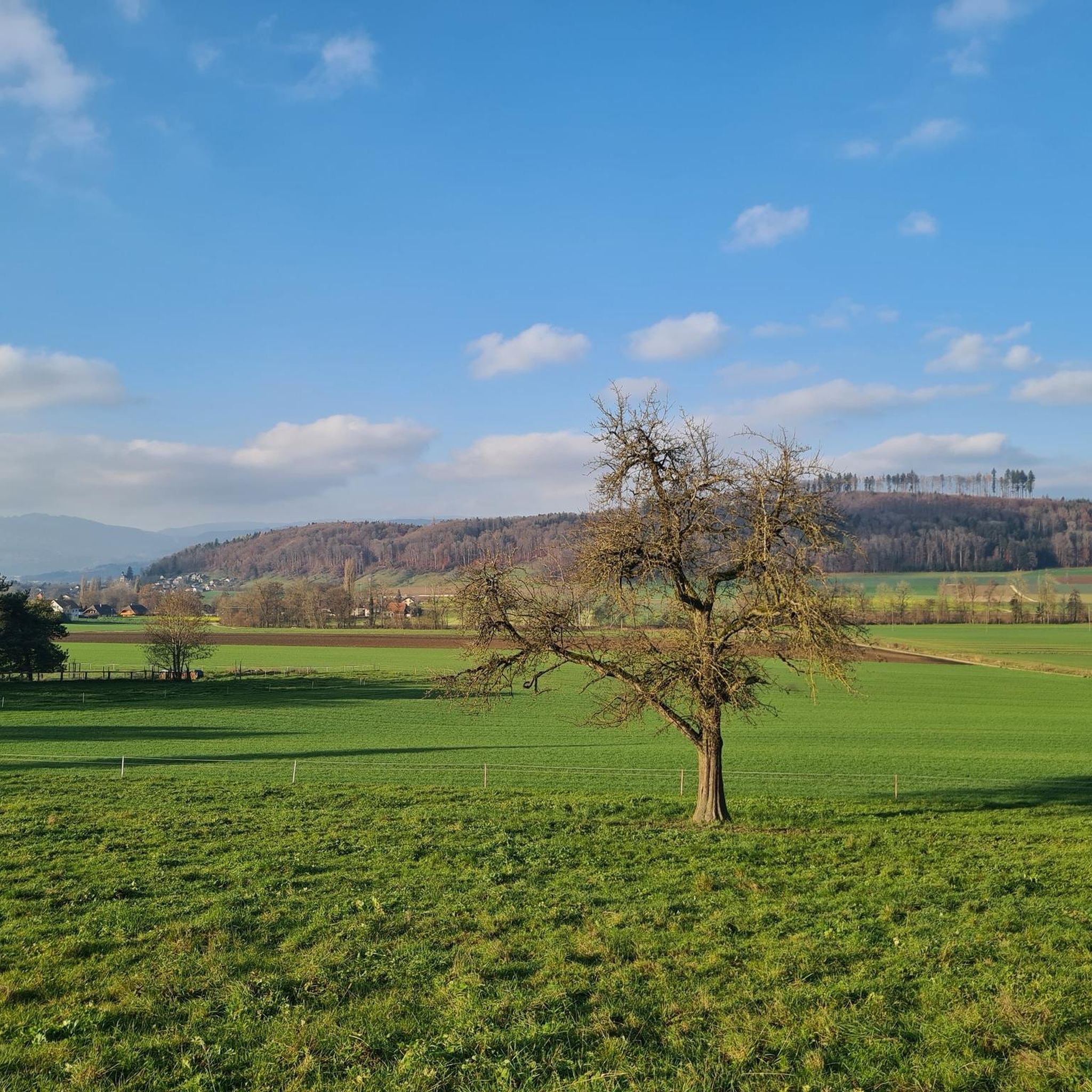
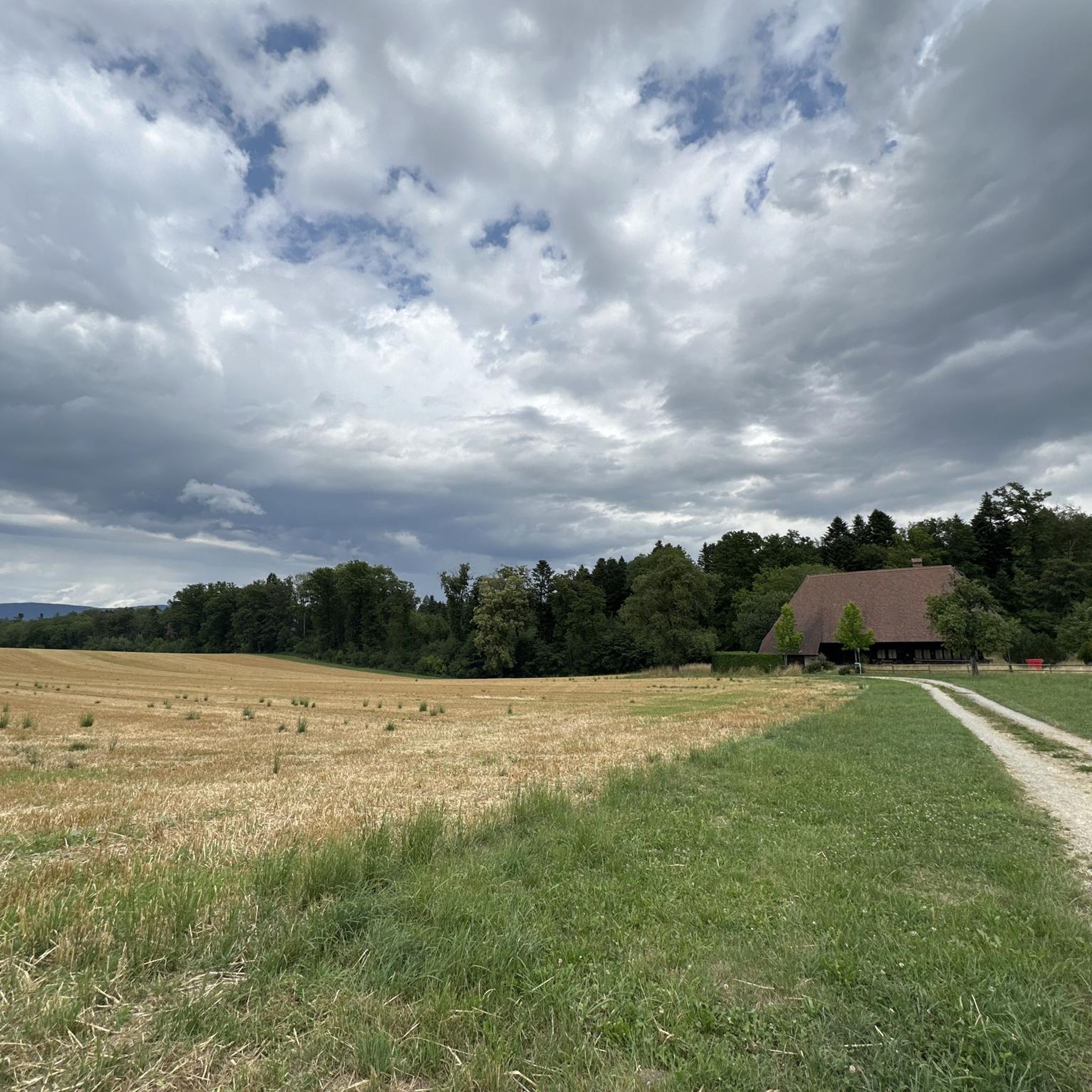
Tips from the Community

A peaceful place where you can take shelter from the sun in summer. There are benches and the possibility to have a barbecue. A beautiful spot, not only historically important, but also a great place to relax and recharge.
1
0

The Taubenloch Gorge, stretching for almost 3 km, is a romantic gorge with steep rock faces, bridges, tunnels, and easily accessible paths. The Schüss River flows through the gorge. It originates in the St. Immertal valley and empties into Lake Biel.
0
0

The restaurant at the upper entrance to the Taubenloch Gorge serves very fine food.
0
0

It's worth checking out!
2
1

Here are the holes and caves that give the gorge its name.
6
0

Short but beautiful bike descent from the Chutzeturm via the hidden trails to the sandstone caves of Lobsigen and on to Aarberg.
2
0

Very cool sandstone caves that invite you to linger. It has fireplaces and some tables and benches.
2
0

At this point there is a sandstone pit, which can be accessed from the back through a tunnel. In the pit there is a fireplace and various wooden chairs made from tree trunks. In the summer a shady place to grill. "You enter the pit through a tunnel that the users once excavated. Mining began in the 16th century. At that time, a lot of millstones were needed, a pit near Oberramsern could no longer meet the demand. This was the decision of the Great Council of Solothurn In 1527 a local miller was commissioned to quarry stone near Ober Bockstein on its land. After a few years, however, the miller gave up, as it turned out that his sandstone was too soft for millstones. In 1777, operations resumed in the Upper Bockstein Bockstein-Grube. Above all stove plates were now made from the sandstone. The last stone carver, the "Grubendurs", lived with his wife, the "Grubenänni" until 1890 on site, where the two had set up makeshift in a cave-like niche, as stated on the information board." Source: web.
0
0
Frequently Asked Questions
What historical significance do the caves near Diessbach bei Büren hold?
The caves in the region offer a glimpse into the past. The Lobsigen Sandstone Caves were inhabited by settlers until the early 20th century, showcasing a unique human-nature interaction. Additionally, Steigrüebli, Schnottwil, features old sandstone pits that were economically important for millstone production as early as the 15th century.
Are there family-friendly caves to visit around Diessbach bei Büren?
Yes, several caves are suitable for families. The Steigrüebli, Schnottwil, is categorized as family-friendly and offers a picnic area with a grill, table, and benches. The Lobsigen Sandstone Caves also provide a picnic area and are accessible for outings. Further afield, the Taubenloch Gorge offers an easily accessible and family-friendly hiking experience with impressive rock formations.
How can I access the Lobsigen Sandstone Caves?
The Lobsigen Sandstone Caves are accessible by public transport, with a 15-minute walk from the "Lobsigen, Post" stop. There are three different paths leading to the caves, with varying levels of difficulty. One eastern path features large transverse channels for water.
Are there hiking trails that lead to or through caves?
Yes, the region offers several trails. The Caves of Taubenloch Gorge are part of a picturesque hiking trail along steep rock faces. The Sandstone Caves Trail specifically leads to the sandstone caves, with options for easier or more demanding routes depending on the starting point. You can find more hiking options in the area by exploring the Hiking around Diessbach bei Büren guide.
What other outdoor activities can I do near the caves?
Beyond cave exploration, the area around Diessbach bei Büren offers diverse outdoor activities. You can find numerous hiking routes, including moderate trails like the "View of Büren an der Aare – Büren on the Aare loop from Dotzigen." For cyclists, there are road cycling routes and MTB trails, such as the "Schorentrail – Hubel Trail loop from Diessbach."
When is the best time to visit the caves around Diessbach bei Büren?
The Taubenloch Gorge, with its rock formations, is particularly popular during warmer weather due to its refreshing coolness. For other caves like the Lobsigen Sandstone Caves, access is generally good year-round, though trail conditions can vary with seasons. Always check local conditions before visiting, especially after heavy rain or during winter.
Are there any caves with unique geological features?
Yes, the region boasts interesting geological formations. The Caves of Taubenloch Gorge are part of a dramatic landscape that showcases 150 million years of geological history. Further away, the St. Beatus Caves feature magnificent stalactite and stalagmite formations, chasms, and vast halls within an extensive limestone system.
What should I wear when exploring caves in the region?
For general cave visits, comfortable walking shoes are recommended, especially if trails are involved. For more adventurous experiences, such as those found on the Höhlenpfad in Lenk Simmental (further afield), good shoes, a headlamp, and appropriate clothing for potentially cool and damp conditions are essential. The St. Beatus Caves maintain a constant temperature of 8 to 10 degrees Celsius, so a light jacket is advisable.
Are there any caves that are part of a natural park?
Yes, the Le Creux-Seupi Cave is located in the Chasseral Natural Park. This karst cave is known for its speleothems like stalactites and stalagmites, and it is also home to various species of bats.
What do visitors enjoy most about the caves in this region?
Visitors appreciate the blend of natural beauty and historical insight. The dramatic scenery of the Caves of Taubenloch Gorge and the historical context of the Lobsigen Sandstone Caves are frequently highlighted. The komoot community has shared 86 photos and given 82 upvotes across various cave highlights, indicating a strong appreciation for these unique natural and historical sites.
Are there any caves that were used for industrial purposes?
Yes, the Steigrüebli, Schnottwil, is a historical site featuring old sandstone pits. These pits were economically significant from the 15th century onwards for the production of millstones, which were even sold to Holland.
Are there any caves further away that are worth a day trip?
If you're willing to travel a bit further, the St. Beatus Caves near Interlaken offer a spectacular experience with extensive limestone formations and a cave museum. Another option is the Höhlenpfad in Lenk Simmental, which leads to three distinct caves, including the Schnurenloch, known for significant paleontological finds like cave bear bones and ancient stone tools. You can find more information about the St. Beatus Caves at myswitzerland.com.
Most popular routes around Diessbach bei Büren
Most popular attractions around Diessbach bei Büren

Get inspired with the komoot mobile app


Explore more
Extend your search for the best caves by checking out these guides of the top ones around Diessbach bei Büren:
