Top 10 Castles around Wallisellen
Best castles around Wallisellen. Wallisellen, situated in the Zurich region, provides access to a variety of historical sites and fortifications. While traditional castles are not located directly within the town, the surrounding area features a selection of historical buildings and castle ruins. This region offers opportunities to explore centuries of Swiss history and architectural heritage.
Best castles around Wallisellen
- The most popular castles is Ruins of Alt-Regensberg Castle, a castle that was likely built around 1040. These beautiful old…
Last updated: June 28, 2026
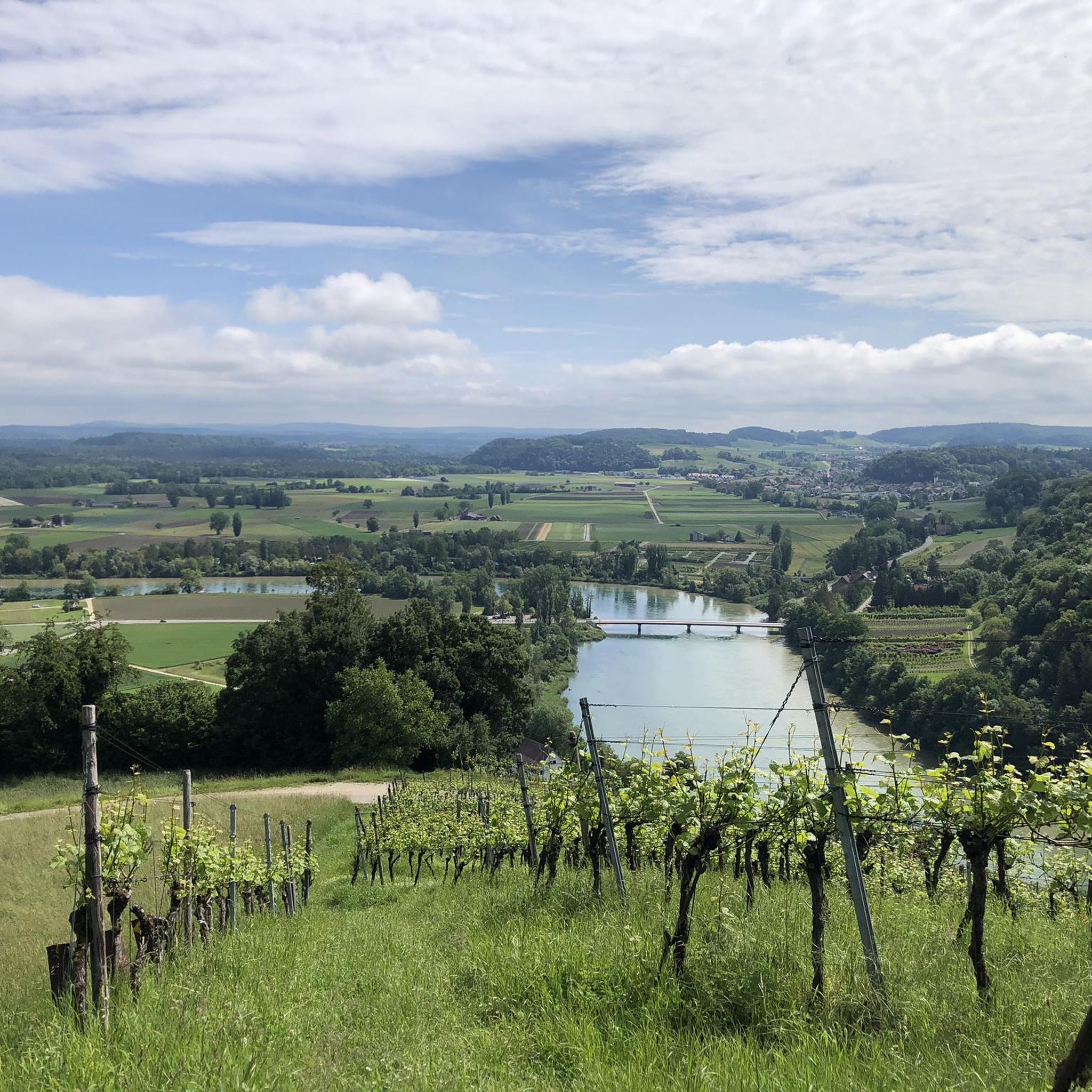
Historic village of Greifensee
Highlight • Settlement
Translated by Google •
Tip by

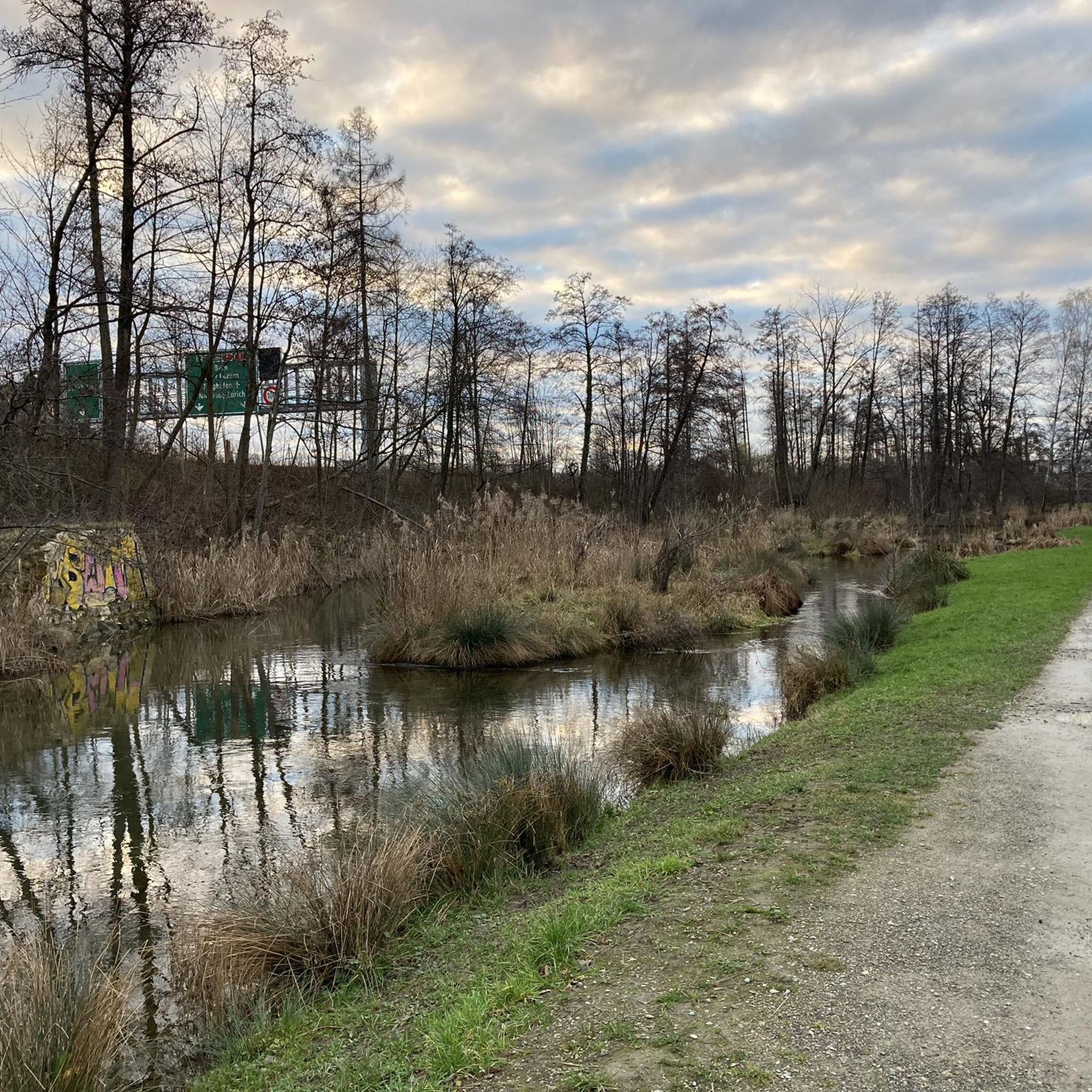
Friesenberg Castle Ruins
Highlight • Castle
Translated by Google •
Tip by

Sign up now to discover places like this
Get recommendations on the best single tracks, peaks, & plenty of other exciting outdoor places.
Sign up for free
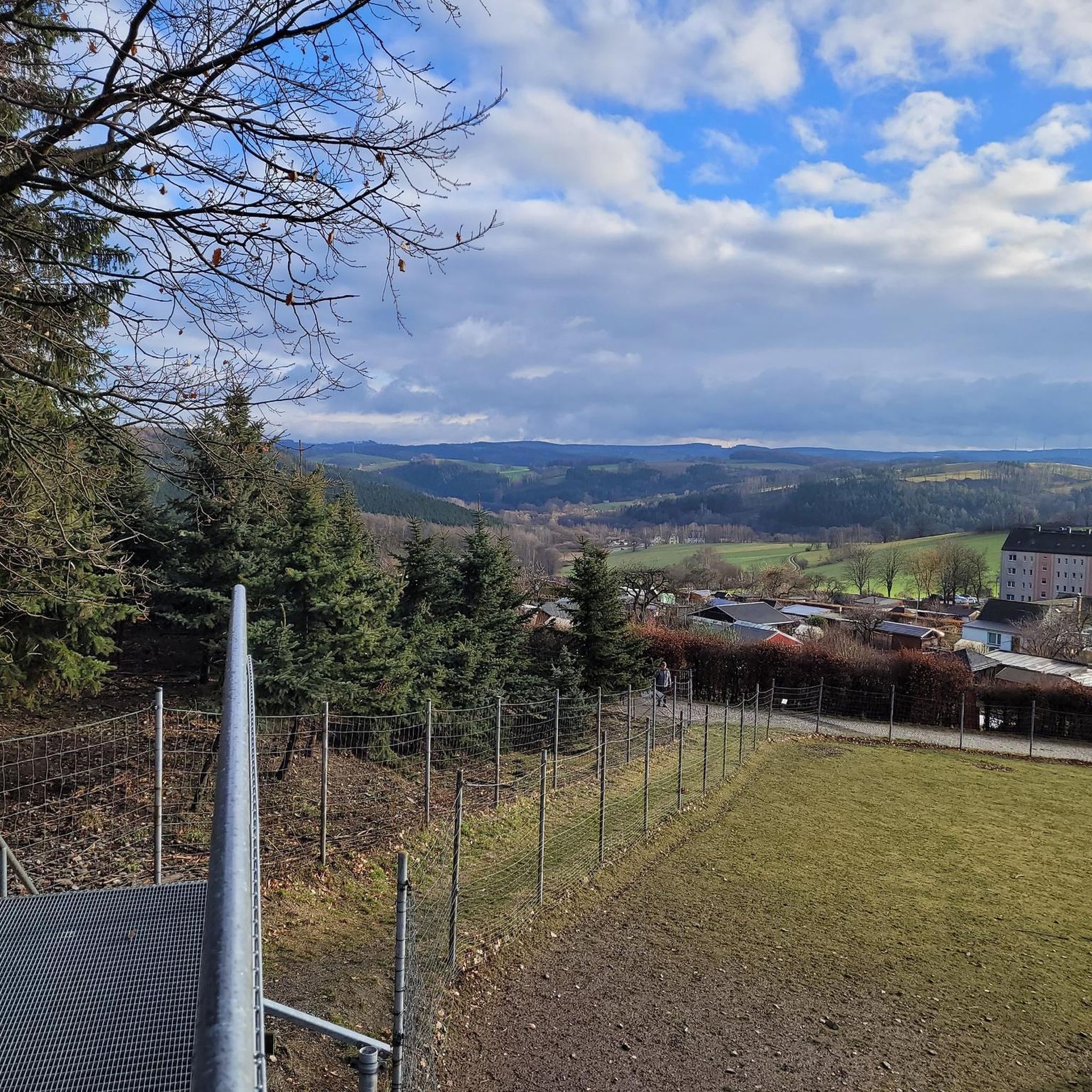
Moosburg Castle Ruins
Highlight • Castle
Unfortunately, the untidy village youth seem to like …
Translated by Google •
Tip by

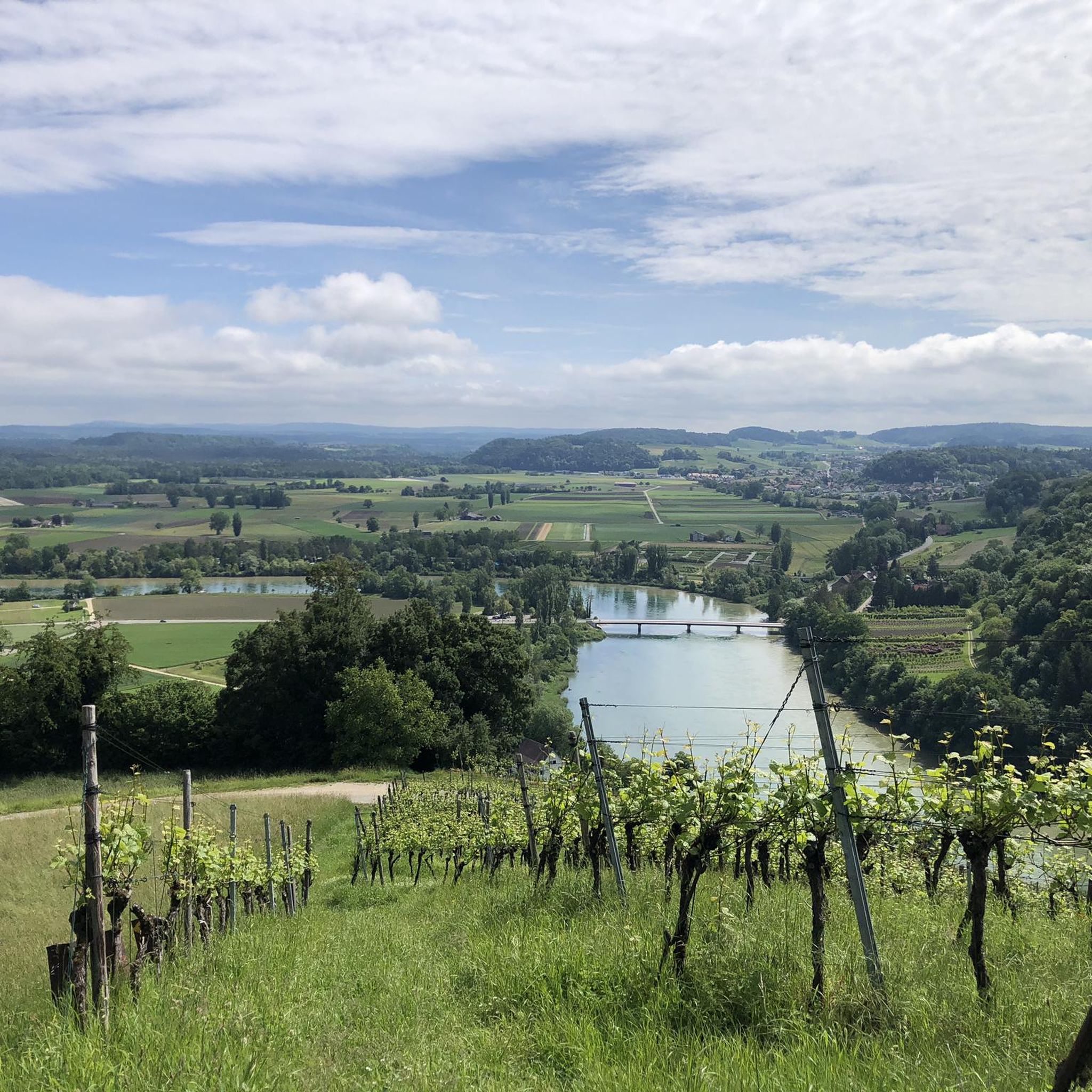
Ruins of Alt-Regensberg Castle
Highlight • Castle
Translated by Google •
Tip by

Wulp Castle Ruins
Highlight • Castle
Translated by Google •
Tip by

Sign up for free to discover even more castles around Wallisellen.
Sign up for free
Already have an account?
Start today with a free account
Your next adventure awaits.
Login or Signup

Other adventures around Wallisellen

Tips from the Community

Very nice hiking trail directly at Lake Greifensee.
2
0

Officially this ruin is called "Burgruine" Friesenberg (neither Goldbrunnen nor Friesenburg). Until the end of the 14th Century this was the country get-away of the Family Mülner from the town of Zurich.
1
0
Officially this ruin is called "Burgruine" Friesenberg (neither Goldbrunnegg nor Friesenburg). Until the end of the 14th Century this was the country get-away of the Family Mülner from the town of Zurich.
1
0

A nice resting place and the way there is also great
1
0

A pretty village right on the lake. The only village that is directly on the lake. The passage is not obstructed.
3
0

Very nice ruin with barbecue facilities and a great view. A staircase leads to the ruins. The path is well made and sure-footed.
1
0

Always exciting what you discover with Komoot. I had no idea there was a ruined castle so close to Effretikon station, and a beautiful one at that.
0
0

Unfortunately, the castle is currently being renovated.
2
0
Frequently Asked Questions
What historical sites and castles can I visit near Wallisellen?
While Wallisellen itself doesn't have traditional castles, the surrounding Zurich region offers several notable historical sites. You can explore the Ruins of Alt-Regensberg Castle, the Moosburg Castle Ruins near Effretikon, or the Historic Village of Greifensee. Other options include Hegi Castle in Winterthur, Museum Schloss Kyburg, and Rapperswil Castle on Lake Zurich.
Are there any castle ruins to explore around Wallisellen?
Yes, there are several castle ruins. The Ruins of Alt-Regensberg Castle, likely built around 1040, are situated in a beautiful old hamlet. You can also visit the Moosburg Castle Ruins in Effretikon park, which was destroyed in 1444 during the Old Zurich War.
What are some family-friendly historical attractions near Wallisellen?
For families, the Historic Village of Greifensee offers an idyllic setting with natural surroundings suitable for walking or cycling. The Moosburg Castle Ruins are also considered family-friendly and are located in a park with several bodies of water.
Is the Swiss National Museum considered a castle, and is it worth visiting?
The Swiss National Museum, Zurich, while not a traditional castle, is housed in a castle-like building and is Switzerland's most visited historical museum. It offers extensive cultural history collections and exhibitions, making it a significant historical site to explore.
What kind of historical buildings are in Wallisellen itself?
In Wallisellen, you can find the Alte Kaserne, a historical farmhouse built in 1533. Although its name suggests a military connection, it's a significant example of typical Zurich agricultural farmhouse architecture, now renovated and used for residential and cultural purposes.
Are there any castles with museums or tours near Wallisellen?
Yes, Hegi Castle in Winterthur operates as a museum, offering tours that delve into its history. Museum Schloss Kyburg is also part of the 'Swiss Castles' network, providing exhibitions and guided tours for an immersive historical experience.
What outdoor activities can I do near these historical sites?
The area around Wallisellen offers various outdoor activities. You can find numerous running trails, gravel biking routes, and road cycling routes. For example, you can enjoy a moderate running loop from Wallisellen or a gravel biking route along the Glatt River.
Are there any castles with good viewpoints or scenic surroundings?
Rapperswil Castle, located on the shores of Lake Zurich, offers breathtaking panoramic views of the town and lake from its tower. The Moosburg Castle Ruins are also set in a picturesque park by several bodies of water.
What do visitors enjoy most about the castles and historical sites around Wallisellen?
Visitors appreciate the rich history and architectural heritage of the region. Many enjoy the idyllic natural surroundings for walking or cycling, as seen at the Historic Village of Greifensee, and the opportunity to discover hidden gems like the Ruins of Alt-Regensberg Castle.
Can I find any castle ruins with barbecue facilities or amenities?
The Friesenberg Castle Ruins offer barbecue facilities and a great view, with a well-made path and staircase leading to the ruins. The Moosburg Castle Ruins also have a toilet nearby.
What is the best time to visit castles and historical sites near Wallisellen?
The castles and historical sites around Wallisellen can be enjoyed throughout the year. Spring and summer offer pleasant weather for exploring ruins and outdoor areas like the Historic Village of Greifensee. Indoor attractions like the Swiss National Museum or Hegi Castle are excellent choices for any season, including winter.
Most popular routes around Wallisellen
Most popular attractions around Wallisellen

Get inspired with the komoot mobile app


Explore more
Looking for the best castles somewhere else? Discover other guides around Wallisellen:
