Top 9 Castles around Kappel am Albis
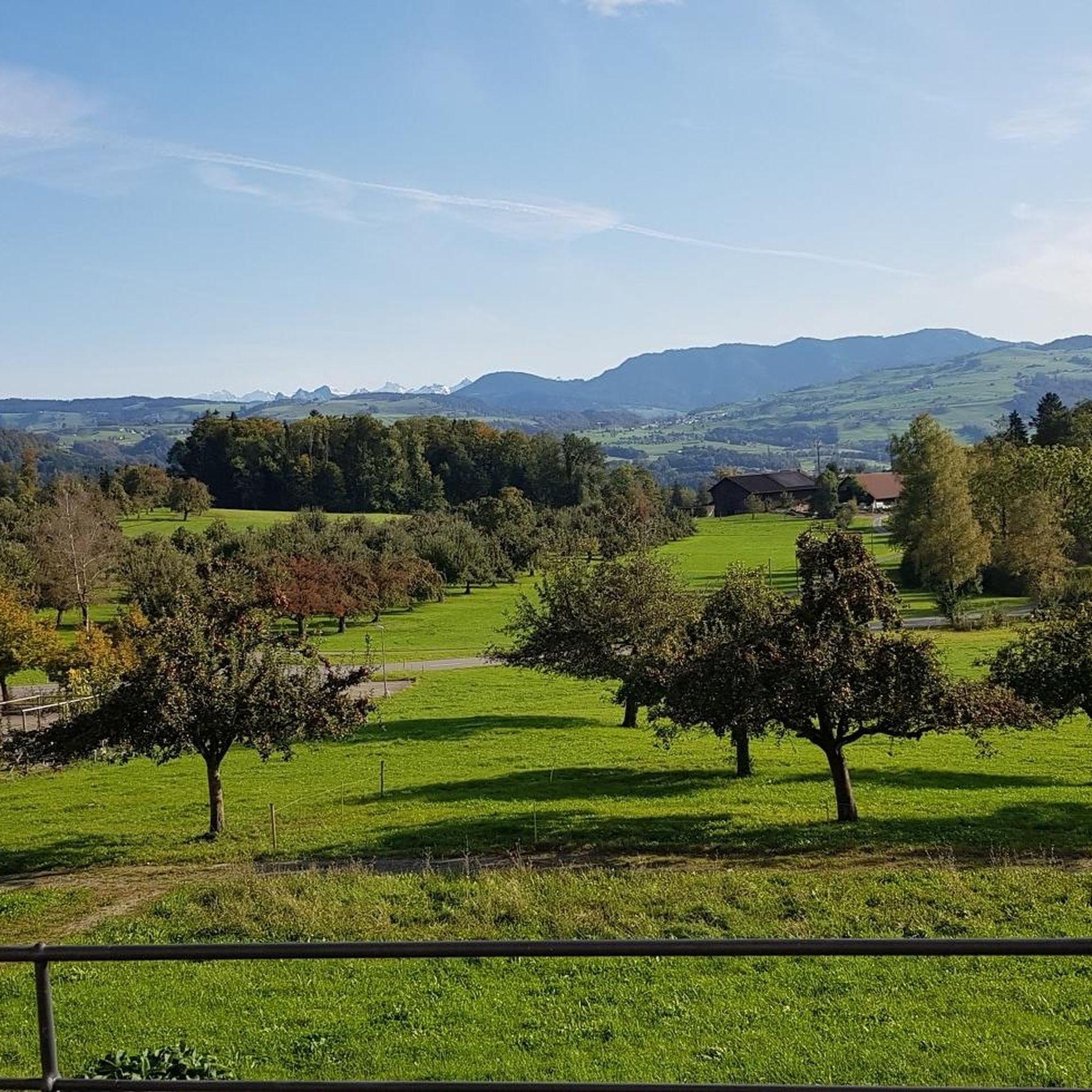
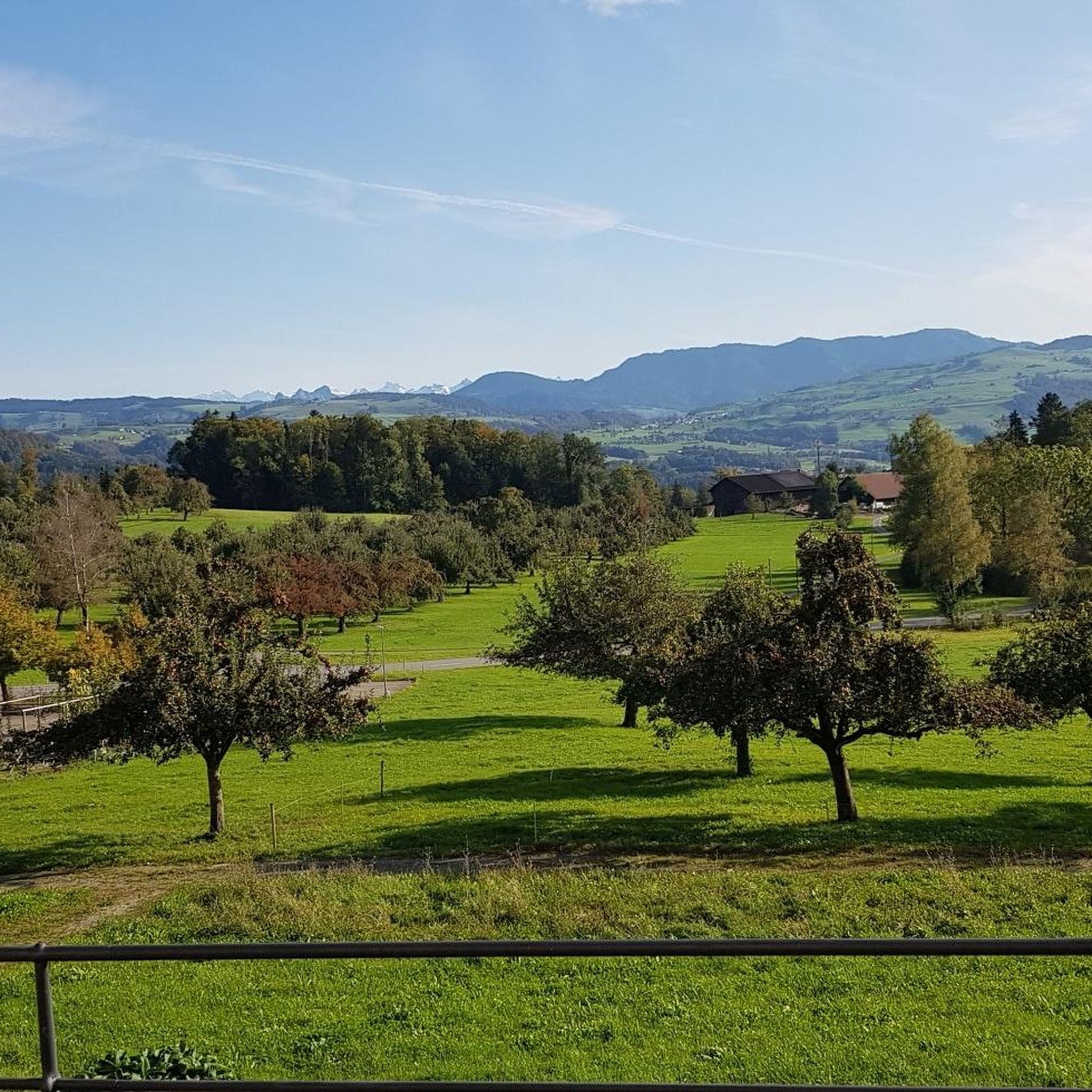
Best castles around Kappel am Albis are found in a region characterized by its historical significance and scenic landscapes. Kappel am Albis, while not home to traditional medieval castles, features Kloster Kappel, a former Cistercian monastery with a rich history. The surrounding area offers various historical ruins and sites, providing insights into the region's past. This area combines cultural heritage with natural beauty, including views of the Alps and Lake Zug.
Best castles around Kappel am Albis
- The most popular…
Last updated: June 28, 2026
Schnabelburg ruins
Highlight • Castle
Translated by Google •
Tip by

Friedberg Ruins
Highlight • Castle
Translated by Google •
Tip by

Sign up now to discover places like this
Get recommendations on the best single tracks, peaks, & plenty of other exciting outdoor places.
Sign up for free
Wildenburg Ruins
Highlight • Castle
In the early 13th century, the Lords of Hünenberg built a residential castle on the spur high above the Lorzentobel, but it was abandoned after 200 years and …
Translated by Google •
Tip by

Huwiler Tower
Highlight • Historical Site
The year the Huwilerturm was built cannot be determined precisely from documents, but according to Linus Birchler it was in 1524/25. Other sources give the year of construction …
Translated by Google •
Tip by

Schwandegg Castle
Highlight • Castle
Translated by Google •
Tip by

Sign up for free to discover even more castles around Kappel am Albis.
Sign up for free
Already have an account?
Start today with a free account
Your next adventure awaits.
Login or Signup
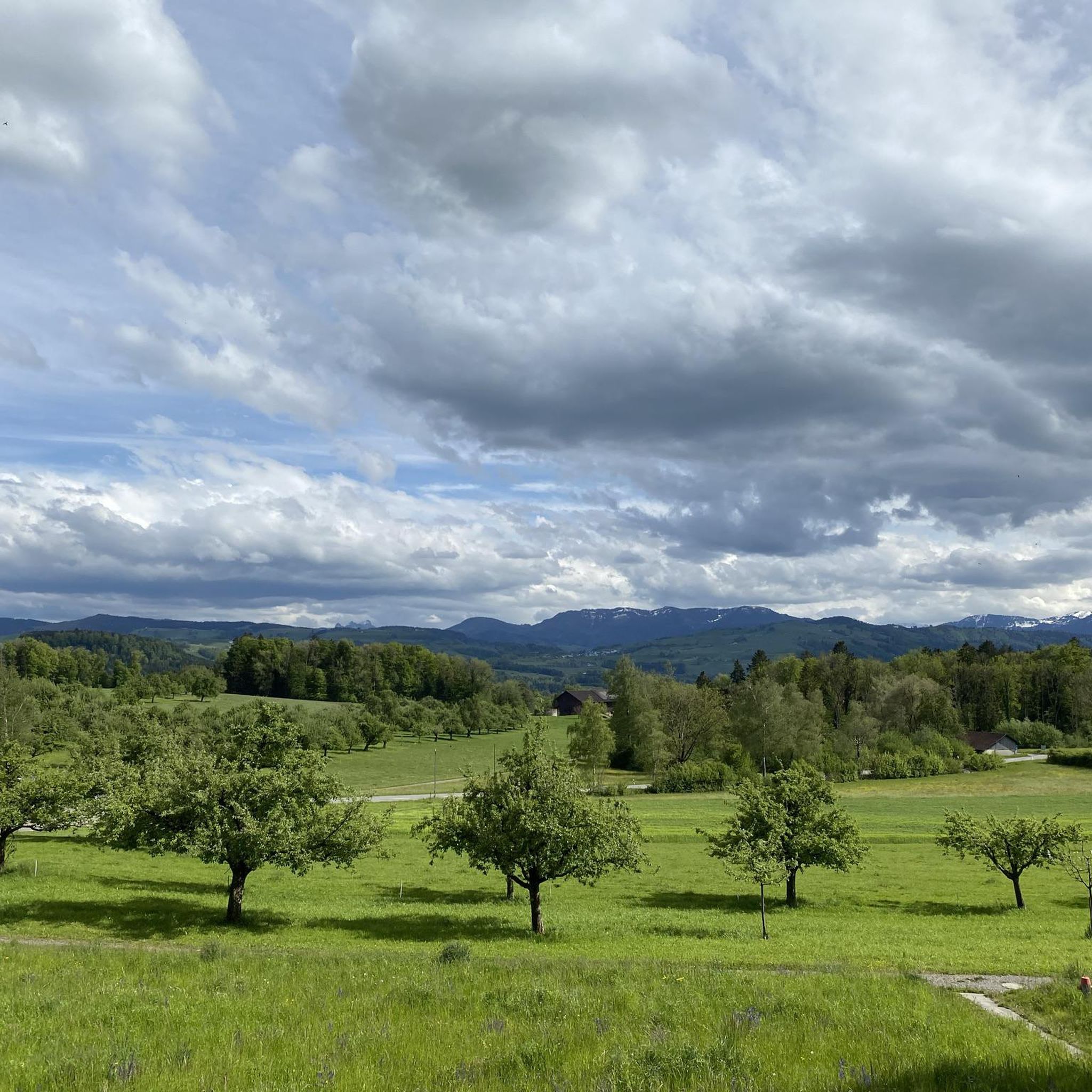
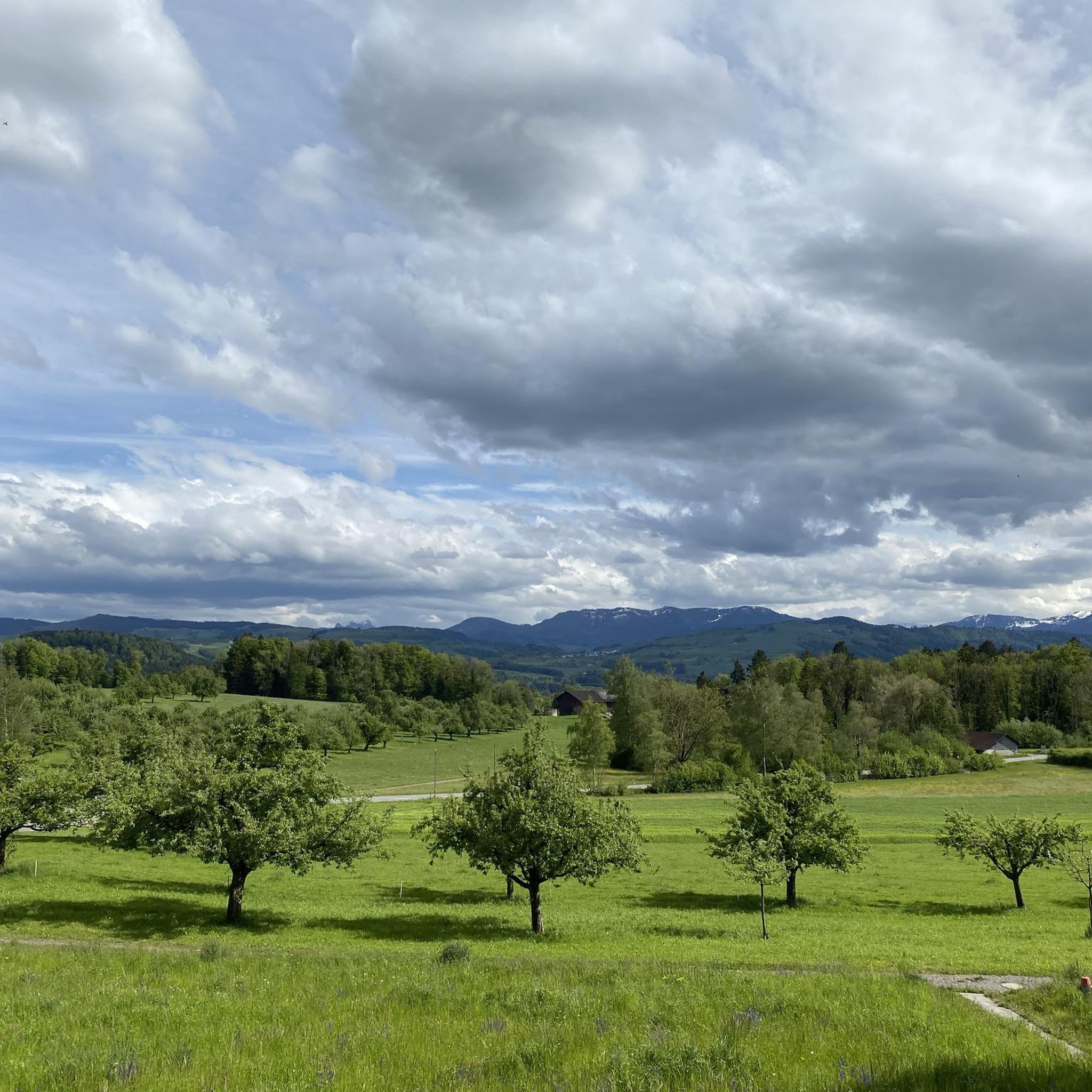
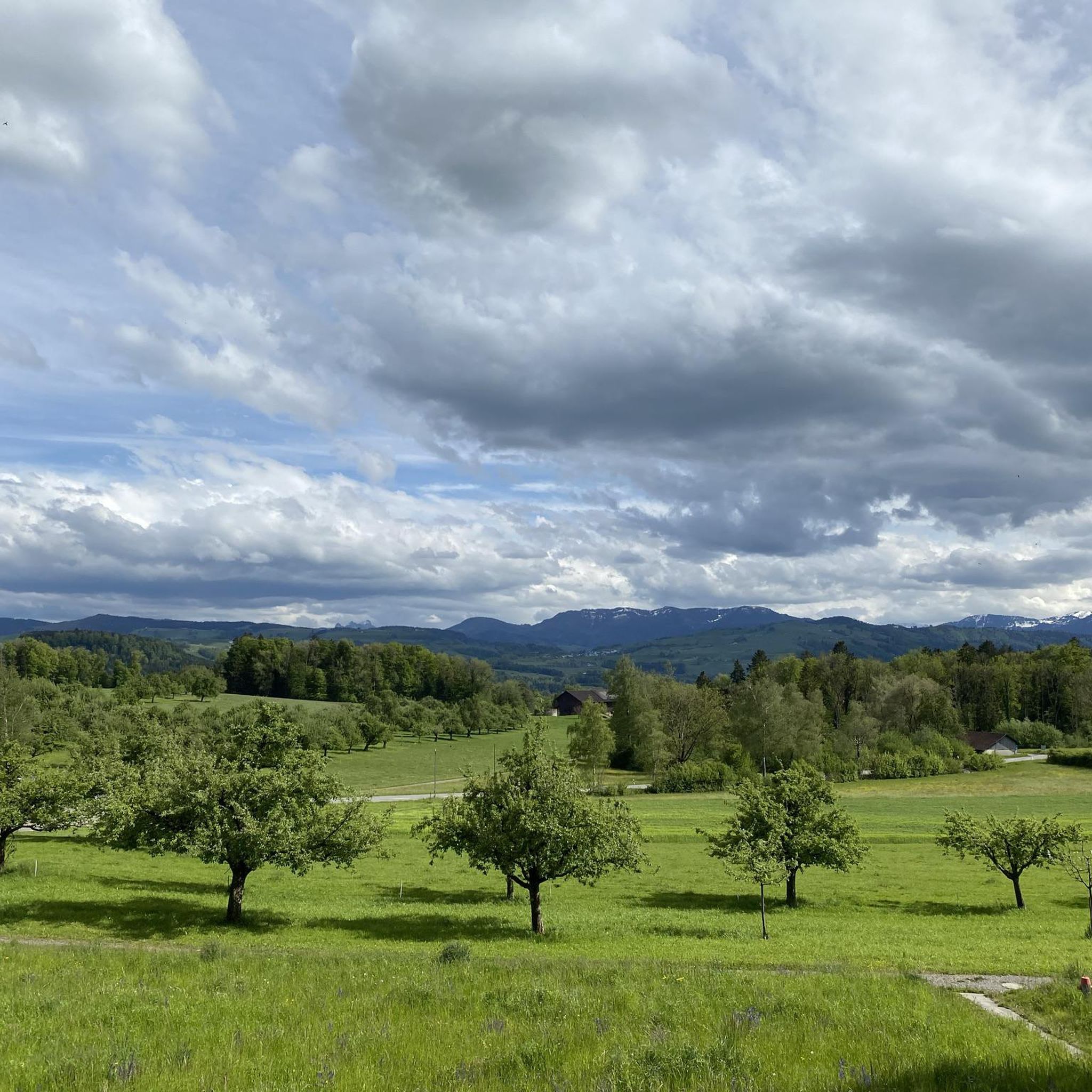
Tips from the Community

From the north, a relatively easy, clearly visible, unmarked path leads to the plateau on which Schnabelburg Castle stands. The descent to the south is very steep and, when the ground is wet and/or covered in autumn leaves, also very slippery.
1
0


Remains of the foundation walls of a former hilltop castle
5
0

The Huwilerturm in Zug is the smallest of the four outer city towers and has a charming history. It was built around 1524/25 and was known for a long time as the "Hof-Turm" until it was bought by a citizen named Huwiler in 1697.
6
0

The Schnabelburg is the ruins of a hilltop castle on the beak-shaped hill north of the Schnabellücke above the village of Hausen am Albis in the canton of Zurich. Source: Wikipedia
6
2
The Schnabelburg is the ruins of a hilltop castle on the beak-shaped hill north of the Schnabellücke above the village of Hausen am Albis in the canton of Zurich. Source: Wikipedia
7
2

One of four preserved city towers. A small part of the former city wall borders its walls. Right next to the Huwiler Tower, there is a pretty park shaded by tall trees, which invites you to play and relax.
2
0
Frequently Asked Questions
What kind of historical sites and 'castles' can I explore around Kappel am Albis?
While Kappel am Albis doesn't feature traditional medieval castles, the region offers significant historical sites. The most notable is Kloster Kappel, a former Cistercian monastery with a rich history dating back to 1185. You can also visit several impressive ruins, including the Wildenburg Ruins, Friedberg Ruins, and Schnabelburg ruins.
What is the historical significance of Kloster Kappel?
Kloster Kappel is a former Cistercian monastery founded around 1185. It played a crucial role during the Reformation, famously being the site of the 'Kappeler Milchsuppe' in 1529, a peaceful encounter between Protestant and Catholic troops. Its Gothic church, built between 1250 and 1349, is also historically significant. Today, it serves as a seminar hotel and educational center, known as a 'House of Silence and Reflection'.
Are there any well-preserved castle ruins to visit in the area?
Yes, the Wildenburg Ruins are a notable example. These are the remains of a residential castle built in the early 13th century by the Lords of Hünenberg. Abandoned after 200 years, they were carefully restored in 1985 and are now publicly accessible, featuring remnants of a round tower, bering, and palace.
What can I expect when visiting Friedberg Ruins?
At Friedberg Ruins, you'll find a few remnants of the original castle walls and the Sodbrunnen (well) from a structure built around 1200. Information boards on site provide a historical overview, making it an interesting stop for history enthusiasts.
Are there any family-friendly historical sites or ruins around Kappel am Albis?
Yes, Friedberg Ruins are categorized as family-friendly. Additionally, the Huwiler Tower in Zug, one of the four preserved city towers, is also considered family-friendly and has a park nearby for relaxation.
Can I combine a visit to these historical sites with outdoor activities?
Absolutely. The region around Kappel am Albis is excellent for outdoor activities. You can find numerous MTB trails, cycling routes, and running trails that often pass by or near these historical landmarks, offering scenic views and a chance to explore the natural beauty of the area.
What are the Schnabelburg ruins like, and what facilities are available there?
The Schnabelburg ruins are the remains of a hilltop castle located on a beak-shaped hill. While only foundation walls remain, several benches are available for visitors to take a break, and there's an official fire pit for those who wish to have a barbecue in a historical setting.
Is there a historical site that offers panoramic views?
Yes, Kloster Kappel is perched on a hillside and offers beautiful panoramic views of the Alps, Lake Zug, and the city of Zug. The Wildenburg Ruins and Schnabelburg ruins also offer viewpoints.
What is the best time to visit the castles and historical sites around Kappel am Albis?
The region is beautiful year-round. Spring and autumn offer pleasant temperatures for hiking and exploring the ruins, with vibrant foliage or blooming nature. Summer is ideal for combining visits with outdoor activities, while winter can offer a serene, snow-covered landscape, though some paths might be more challenging.
Are there any unique historical sites beyond traditional castles or monasteries?
Yes, Schwandegg Castle is an interesting site. While not a traditional defensive castle, it was a brick house referred to as 'Schloss Schwandegg' in the 18th century. It later became significant as the location of the 'Schwandegg sanatorium,' established in 1839 by renowned naturopath Karl Josef Arnold, showcasing a different facet of regional history.
How accessible are these historical sites by public transport or car?
Many sites, including Kloster Kappel, are generally accessible. For the Wildenburg Ruins, free parking spaces are available on the Zug-Menzingen main road, about 300 meters northwest of the castle, followed by a roughly 20-minute hike. Public transport options are available to Kappel am Albis, and local buses can connect to areas near some of the ruins.
What do visitors enjoy most about the historical sites in this region?
Visitors appreciate the profound historical narratives, especially at Kloster Kappel, and the well-preserved ruins that offer a glimpse into centuries of heritage. The tranquil settings, often surrounded by nature, and the stunning panoramic views are also frequently highlighted as enjoyable aspects.
Most popular routes around Kappel am Albis
Most popular attractions around Kappel am Albis

Get inspired with the komoot mobile app


Explore more
Looking for the best castles somewhere else? Discover other guides around Kappel am Albis:
