Top 6 Caves around Embrach
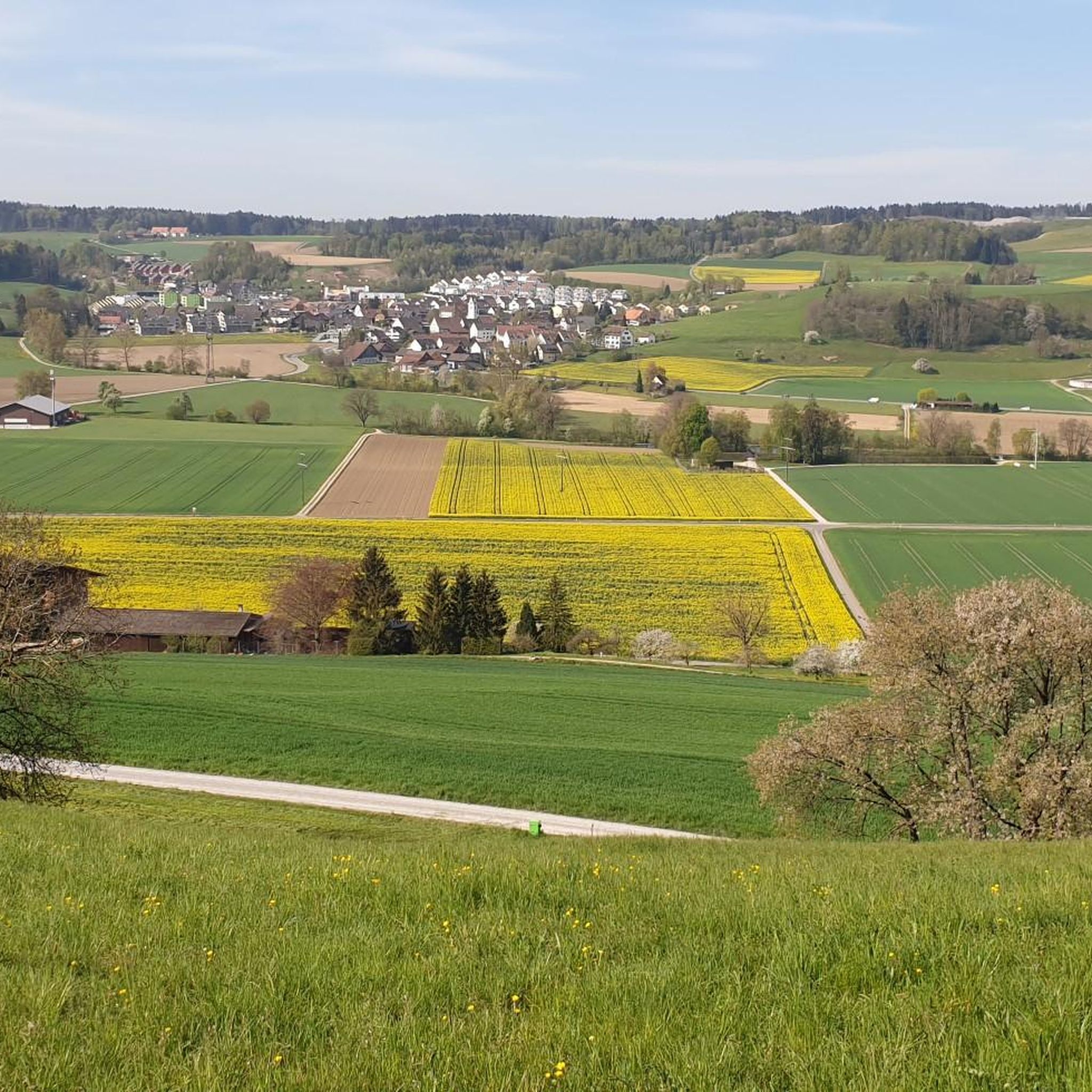
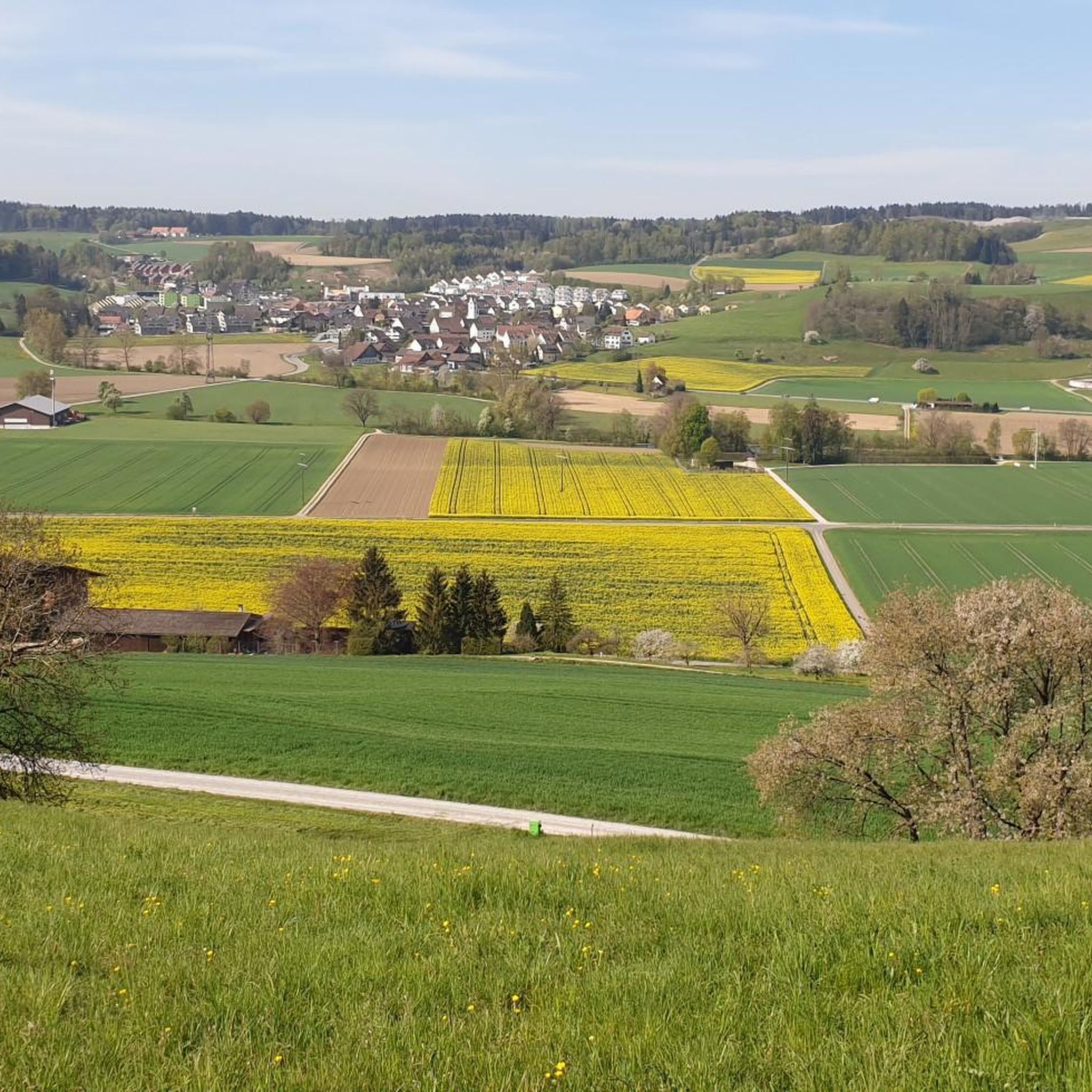
Best caves around Embrach are found in a region characterized by its varied natural landscape in Switzerland. Embrach, a municipality in the canton of Zurich, is situated in a valley setting, surrounded by hills and forests. The area features geological formations, including Nagelfluh rock, which contributes to the formation of local caves and rock shelters. These natural features offer opportunities for exploration and provide insights into the region's geological history.
Best caves around Embrach
- The most popular cave is Bruder…
Last updated: April 30, 2026
Bruder Lienert Cave
Highlight • Cave
freienstein-teufen.ch/public/upload/assets/303/Bruederlienert.pdf
Translated by Google •
Tip by

Heidenstube
Highlight • Cave
Translated by Google •
Tip by

Sign up now to discover places like this
Get recommendations on the best single tracks, peaks, & plenty of other exciting outdoor places.
Sign up for free
Schartenflue Rock Overhang and Cave Trail
Highlight • Cave
Translated by Google •
Tip by

Cellar Cave of Mannenberger Mill
Highlight • Cave
Translated by Google •
Tip by
St. Pirmin Spring Cave
Highlight • Cave
The name has been documented since 1327 and commemorates the Irish monk Pirmin († 753), founder of …
Translated by Google •
Tip by
Sign up for free to discover even more caves around Embrach.
Sign up for free
Already have an account?
Start today with a free account
Your next adventure awaits.
Login or Signup

Tips from the Community

During our visit, the path to the cave was unfortunately closed due to woodwork.
2
0

beautiful hike, well-developed path - cave can be climbed
3
0

Wonderful geological and botanical feature. With a detour from the hiking trail you can make a spectacular loop under the rocks and in the special flora. You can then climb up again on a stairway to the hiking trail in the direction of Hochwacht.
1
0

Interesting impression that the route gives you.
3
0

Geologically remarkable spring that rises directly from the sandstone rock in a cave. The name has been documented since 1327 and commemorates the Irish monk Pirmin († 753), founder of the Reichenau monastery and patron saint of the old Pfungen parish church. According to tradition, he stayed in the area and is said to have settled temporarily at this or a neighboring spring. Support for the cave ceiling and access rebuilt in 1975 by the city of Winterthur.
0
0
The two Nagelfluh caves, one high and a little low, the other low and low, can be easily reached by stairs. The story behind it is described on a plaque above.
2
0
The whole story about Brother Lienert and his cave: https://www.freienstein-teufen.ch/public/upload/assets/303/Bruederlienert.pdf
6
0
The impressive building of the Mannenberger Mühle used to stand on the meadow between Kempt and the edge of the forest. Of all the mills in the Illnau community, the Mannenberger mill had the best energy ratios because it used both the water from the Kempt and the Grendelbach. It is mentioned for the first time in the documents in 1482, when the knight Konrad Schwend sold the Würgeln and Mannenberg mills to his fief miller Konrad Himmel as inheritance. Towards the end of the 16th century, representatives of the old Tagelswang family of Wegmann married at the two mills. This family soon belonged to the most influential families in the Illnau community. In 1675, Jakob Wegmann had the Mannenberg mill rebuilt in a splendid half-timbered style by Zimmermann Urlich Bruzer. As one of the first and most beautiful half-timbered buildings in the region, it was an excellent testimony to rural architecture. In 1854 the Wegmann family sold the entire property of the Swiss Nordostbahn company. the railway embankment built in 1855 cut off the water supply to the Mannenberger Mühle and resulted in the cessation of centuries-old operations. The historic building was demolished in 1871. Apart from the sandstone cave, which the mill family had used as a natural cellar, nothing today reminds of the proud past of the Mannenberger mill.
1
0
Frequently Asked Questions
What kind of geological features can I expect in the caves around Embrach?
The caves around Embrach are primarily characterized by
Nagelfluh rock formations. This conglomerate rock contributes to the unique structure of local caves and rock shelters. For example, Bruder Lienert Cave features small Nagelfluhhöhle formations with various light shafts, offering an interesting visual experience. The Schartenflue Rock Overhang and Cave Trail also showcases wonderful geological features, including a loop under the rocks and special flora.
Are there any historical caves or sites of archaeological interest near Embrach?
Yes, the region around Embrach has several caves with historical significance.
Heidenstube is a notable historical site and natural monument, famous for its connection to the "Sage of the Heidenstube" in Gottfried Keller's novel "The Green Heinrich." Another historical site is the Cellar Cave of Mannenberger Mill, a sandstone cave that was once used as a natural cellar for the historic Mannenberger Mill. Additionally, the St. Pirmin Spring Cave is geologically remarkable and commemorates the Irish monk Pirmin, with its name documented since 1327.
Which caves around Embrach are suitable for families?
Many of the caves around Embrach offer accessible and engaging experiences for families.
The Schartenflue Rock Overhang and Cave Trail is a great option, featuring a loop under the rocks and a stairway to the hiking trail, making it an adventurous yet manageable exploration. The Bruder Lienert Cave, with its small Nagelfluhhöhle formations and light shafts, can also provide an interesting and memorable visit for children.
What outdoor activities can I combine with a visit to the caves near Embrach?
The area around Embrach is excellent for combining cave exploration with various outdoor activities.
You can find numerous cycling routes, including cycling tours, gravel biking, and road cycling routes. These routes often pass through scenic landscapes, offering opportunities to discover the region's natural beauty and historical sites while enjoying a ride.
What is the best time of year to visit the caves around Embrach?
The caves around Embrach can be visited throughout much of the year, but the best time often depends on the specific cave and your preferred outdoor activities.
Spring and autumn offer pleasant temperatures for exploring the caves and combining your visit with hiking or cycling on the surrounding trails. During these seasons, the natural flora around sites like the Schartenflue Rock Overhang and Cave Trail is particularly vibrant.
How accessible are the caves around Embrach, and is parking available?
Accessibility varies by specific cave, but many are reachable via paths and some even have stairs for easier access.
For instance, Heidenstube can be reached via a narrow path and stairs. While specific parking details for each cave are best checked locally, the general region around Embrach is well-served by roads, and parking is typically available at trailheads or nearby villages, allowing access to the natural areas where these caves are located.
What makes the Bruder Lienert Cave a popular spot?
The Bruder Lienert Cave is popular for its unique geological formations.
It is a small Nagelfluhhöhle featuring various light shafts that create an interesting visual impression for visitors exploring its interior. The cave also has a local legend associated with Brother Lienert, adding to its appeal.
What is unique about the Schartenflue Rock Overhang and Cave Trail?
The Schartenflue Rock Overhang and Cave Trail is unique for its combination of geological and botanical features.
It offers a spectacular loop under impressive rock formations and through special flora. Visitors can climb up a stairway to rejoin the hiking trail towards Hochwacht, making it an engaging experience that highlights the natural beauty of the region.
Are there any caves near Embrach that are known for their natural springs?
Yes, the St. Pirmin Spring Cave is notable for its natural spring.
It features a geologically remarkable spring that rises directly from the sandstone rock within the cave. The cave ceiling and access were rebuilt in 1975, preserving this unique natural feature.
What should I bring when visiting caves around Embrach?
When visiting caves around Embrach, it's advisable to wear sturdy shoes suitable for uneven terrain, as some paths can be narrow or involve stairs.
A flashlight or headlamp can be useful for exploring darker sections, even if some caves are naturally lit. Depending on the weather, a light jacket might be comfortable as cave interiors can be cooler. If you plan to combine your visit with hiking or cycling, bring appropriate gear for those activities.
Are there any cafes or restaurants near the caves around Embrach?
While specific cafes directly adjacent to every cave might be limited, the municipality of Embrach and surrounding villages offer various dining options.
You can find cafes and restaurants in these areas to refresh yourself before or after your cave exploration. It's a good idea to check local listings for establishments near your chosen cave or along your hiking/cycling route.
What is the significance of Nagelfluh rock in the Embrach region?
Nagelfluh rock is a significant geological feature in the Embrach region, contributing to the formation of many local caves and rock shelters.
This conglomerate rock, often referred to as 'puddingstone,' is composed of rounded pebbles and cobbles cemented together. Its presence shapes the unique geological landscape and the characteristics of the caves, such as those found in Bruder Lienert Cave and around Heidenstube.
Most popular routes around Embrach
Most popular attractions around Embrach

Get inspired with the komoot mobile app


Explore more
Extend your search for the best caves by checking out these guides of the top ones around Embrach:
