Top 5 Caves around Buch am Irchel
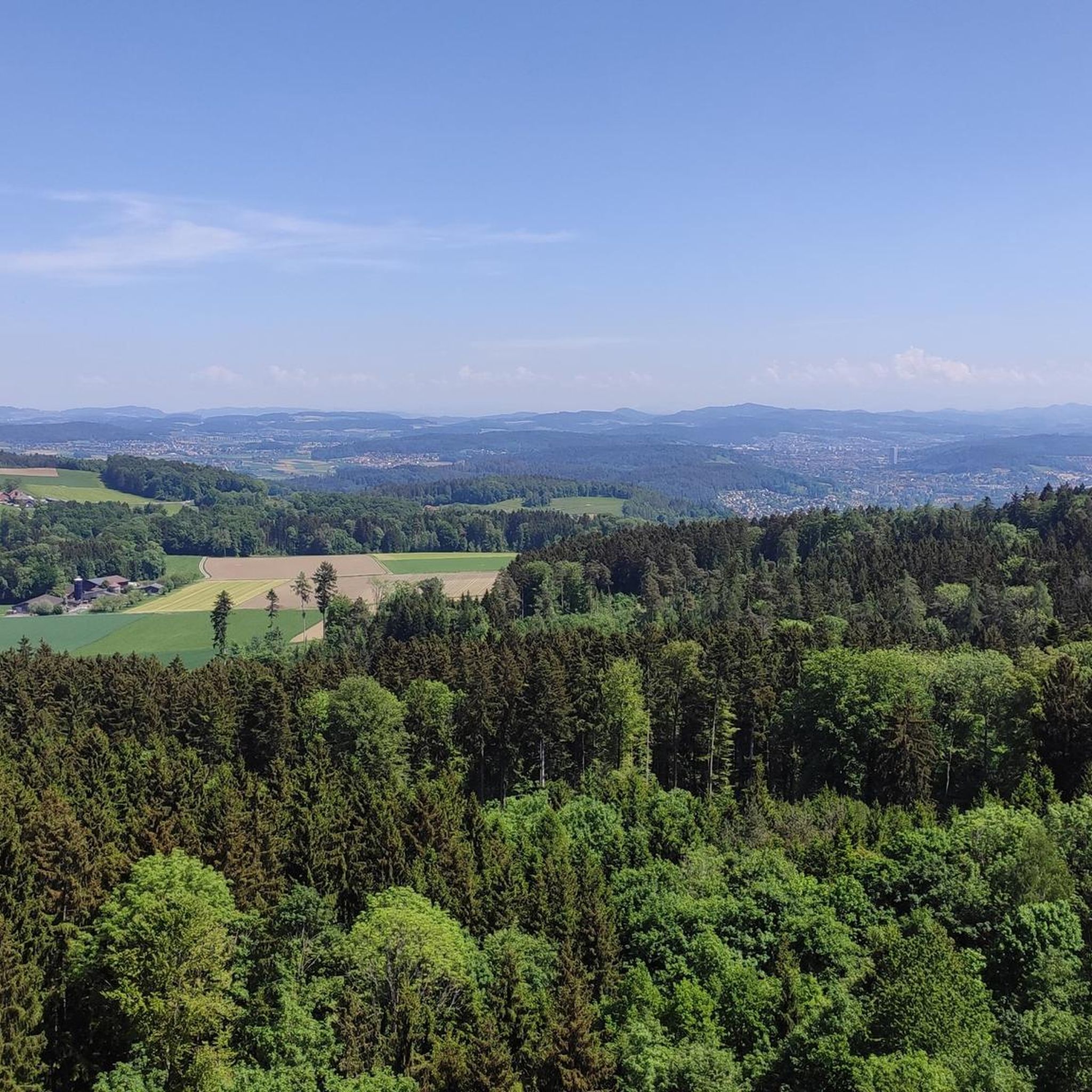
Best caves around Buch am Irchel are found within a landscape characterized by its geological formations, including Nagelfluh rock and sandstone. The region offers a blend of natural features and historical significance, with caves often tied to local legends and ancient habitation. These natural landmarks provide opportunities for exploration and are integrated into various hiking routes. The area's terrain, including the Irchel flank, contributes to the diverse cave environments.
Best caves around Buch am Irchel
- The most popular caves is Bruder Lienert Cave, a cave that is a spacious grotto located within a Nagelfluh rock formation. It is known for its roomy interior, said to accommodate 15-20 people, and is rich in local legends and historical accounts.
- Another must-see spot is Schartenflue Rock Overhang and Cave Trail, a natural monument and trail. Visitors can explore a spectacular loop under the rocks, observing unique geological and botanical features, with a stairway leading back to the main hiking trail.
- Visitors also love Heidenstube, which consists of two distinct Nagelfluh caves. These caves are easily accessible by stairs, and a plaque provides information about their history.
- Buch am Irchel is known for Nagelfluh caves and sandstone spring caves. These natural formations offer a variety of geological features and historical contexts to explore.
- The caves around Buch am Irchel are appreciated by the komoot community, with 94 upvotes and 35 photos shared by users.
Last updated: May 15, 2026
Bruder Lienert Cave
Highlight • Cave
freienstein-teufen.ch/public/upload/assets/303/Bruederlienert.pdf
Translated by Google •
Tip by

Heidenstube
Highlight • Cave
Translated by Google •
Tip by

Sign up now to discover places like this
Get recommendations on the best single tracks, peaks, & plenty of other exciting outdoor places.
Sign up for free
Schartenflue Rock Overhang and Cave Trail
Highlight • Cave
Translated by Google •
Tip by

St. Pirmin Spring Cave
Highlight • Cave
The name has been documented since 1327 and commemorates the Irish monk Pirmin († 753), founder of the Reichenau monastery and patron saint of the old Pfungen parish church. According to tradition, he stayed in the area and is said to have settled temporarily at this or a neighboring spring.
Support for the cave ceiling and access rebuilt in 1975 by the city of Winterthur.
Translated by Google •
Tip by
Paradiesgärtli and Heidenhöhle Picnic Area with View of the Rhine
Highlight • Viewpoint
Translated by Google •
Tip by
Start today with a free account
Your next adventure awaits.
Login or Signup

Tips from the Community

During our visit, the path to the cave was unfortunately closed due to woodwork.
2
0

beautiful hike, well-developed path - cave can be climbed
3
0

Wonderful geological and botanical feature. With a detour from the hiking trail you can make a spectacular loop under the rocks and in the special flora. You can then climb up again on a stairway to the hiking trail in the direction of Hochwacht.
1
0

Interesting impression that the route gives you.
3
0

Geologically remarkable spring that rises directly from the sandstone rock in a cave. The name has been documented since 1327 and commemorates the Irish monk Pirmin († 753), founder of the Reichenau monastery and patron saint of the old Pfungen parish church. According to tradition, he stayed in the area and is said to have settled temporarily at this or a neighboring spring. Support for the cave ceiling and access rebuilt in 1975 by the city of Winterthur.
0
0
The two Nagelfluh caves, one high and a little low, the other low and low, can be easily reached by stairs. The story behind it is described on a plaque above.
2
0
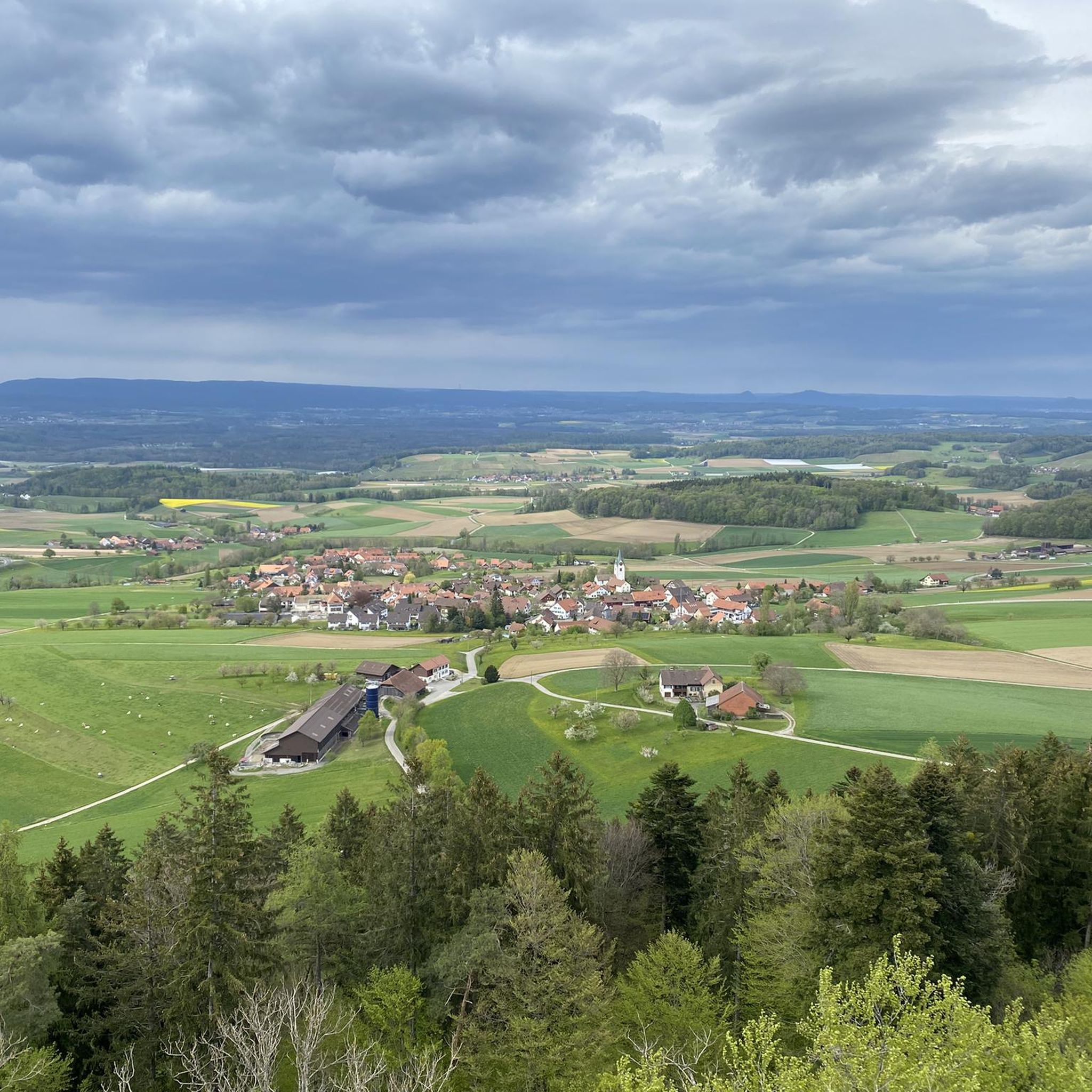
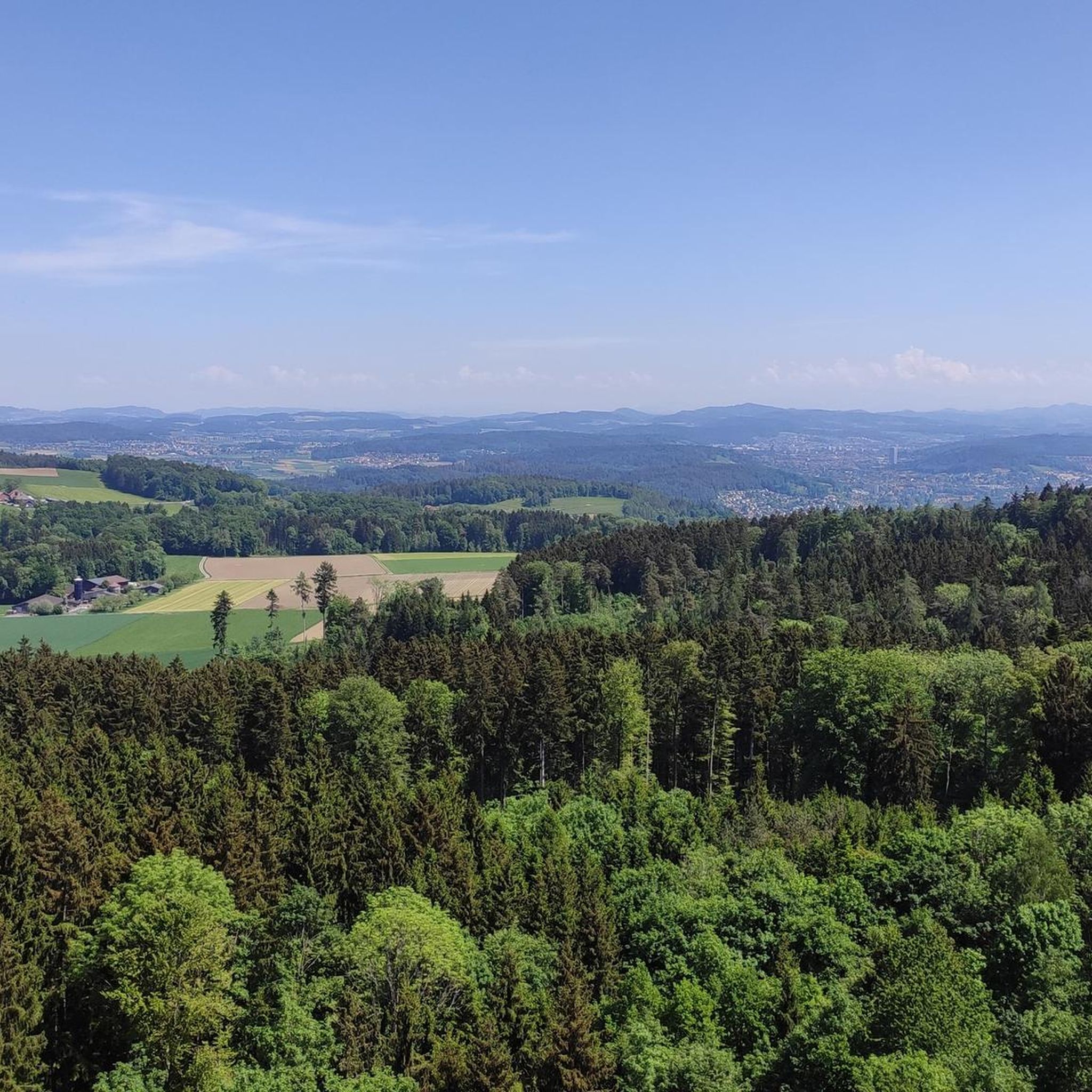
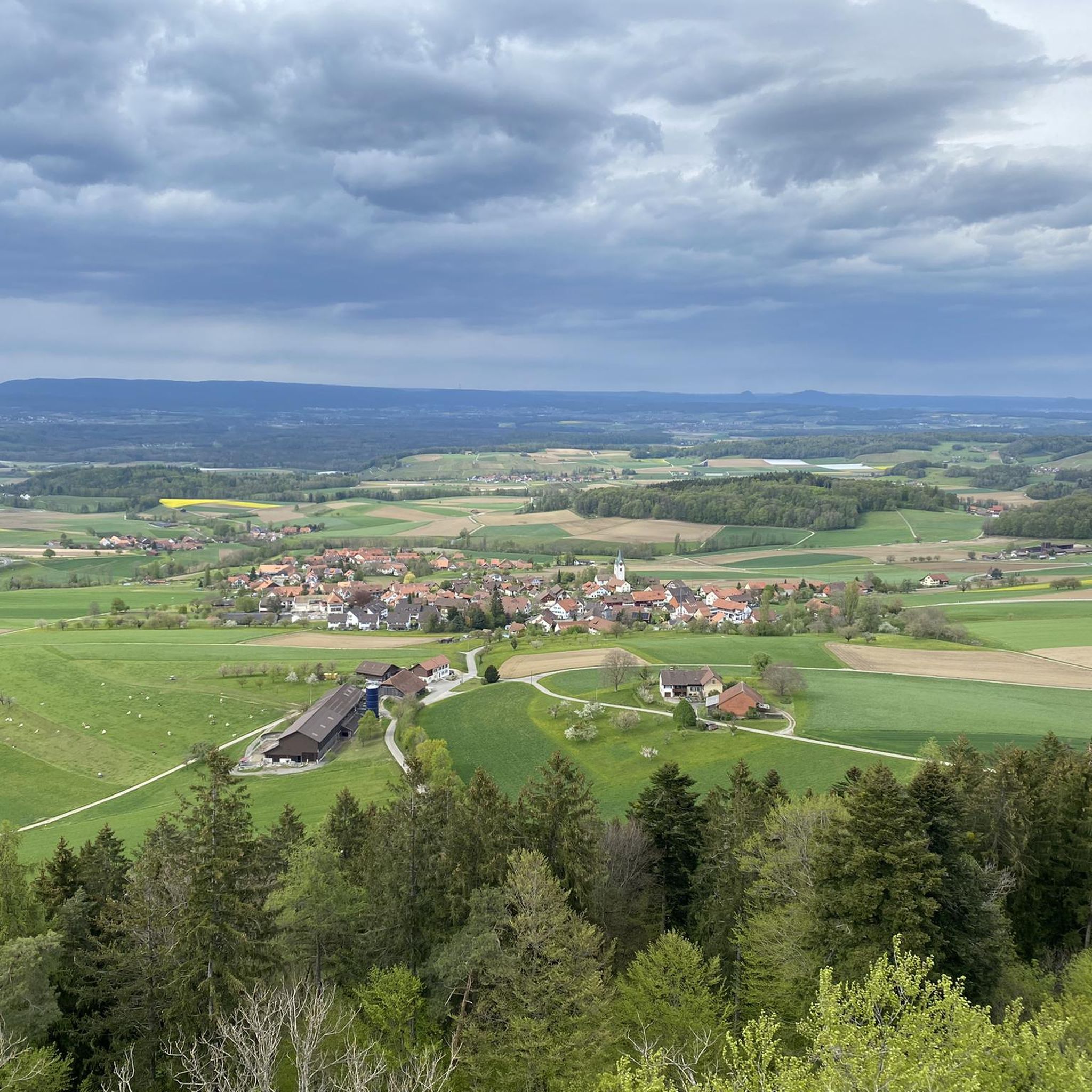
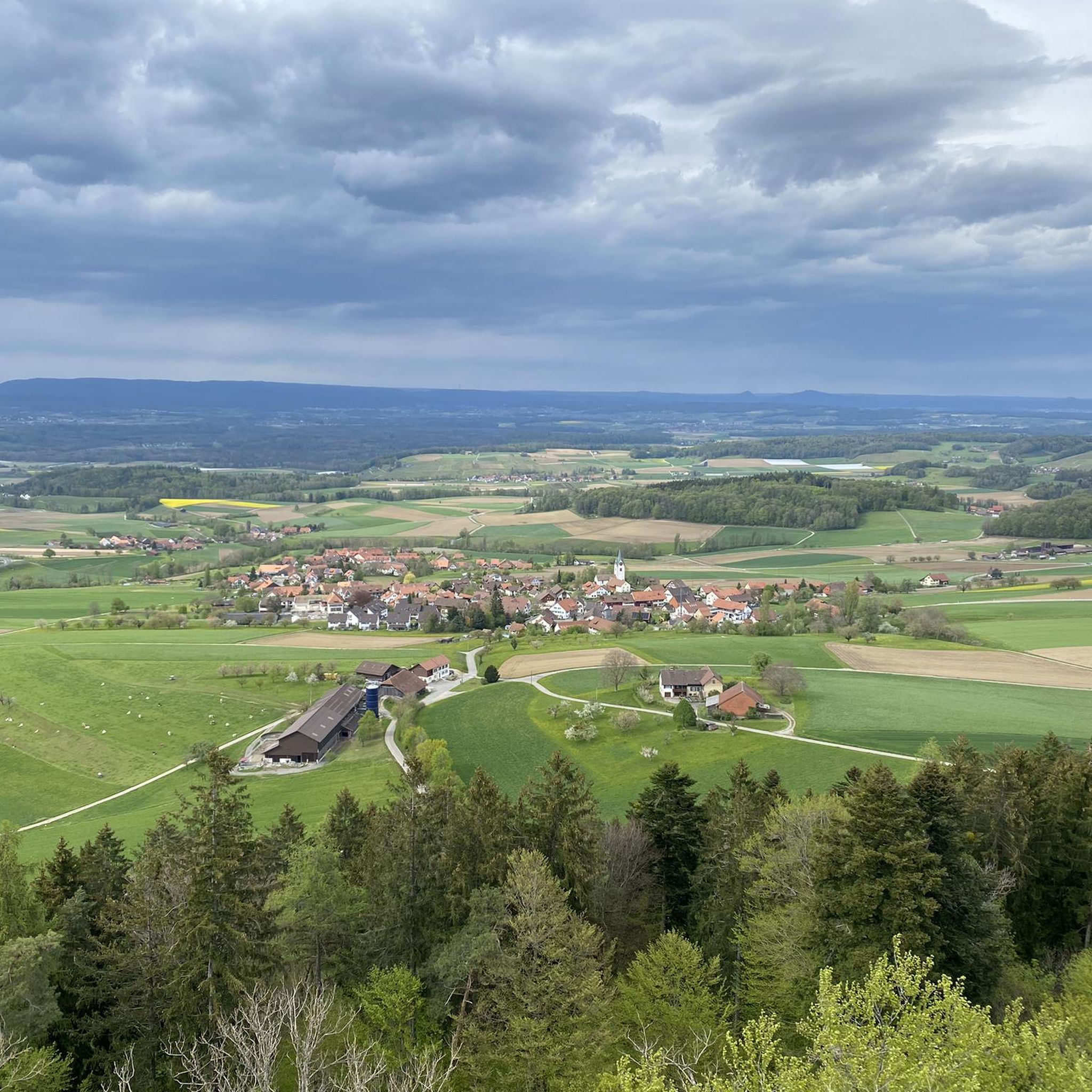
Great rest area with good views and the light forest
2
0
The whole story about Brother Lienert and his cave: https://www.freienstein-teufen.ch/public/upload/assets/303/Bruederlienert.pdf
6
0
Frequently Asked Questions
What types of caves can I explore around Buch am Irchel?
The region around Buch am Irchel features diverse geological formations. You'll find both Nagelfluh caves, characterized by their conglomerate rock, and sandstone spring caves where water emerges directly from the rock face. Each type offers a unique exploration experience.
Are there any caves with historical significance or local legends?
Yes, several caves are rich in history and folklore. The Bruder Lienert Cave, for instance, is associated with tales of Celtic artifacts and historical refuge. The St. Pirmin Spring Cave is named after an Irish monk and has a legacy dating back to 1327. The Heidenstube also has a plaque detailing its history and is even mentioned in Gottfried Keller's novel.
Which caves are easily accessible for visitors?
The Heidenstube caves are known for their easy accessibility, featuring stairs that lead directly to the two Nagelfluh formations. The Bruder Lienert Cave is also easily reached as part of various well-developed hiking routes.
Are there family-friendly options for exploring caves?
Yes, the Paradiesgärtli and Heidenhöhle Picnic Area includes a cave and is considered family-friendly, offering a rest area with a fireplace and benches, along with views of the Rhine.
What kind of geological features can I observe in these caves?
You can observe distinct geological features such as Nagelfluh rock formations, which are conglomerate rocks, particularly evident in the Bruder Lienert Cave and Heidenstube. The St. Pirmin Spring Cave is notable for its natural spring emerging directly from sandstone rock.
What outdoor activities can I do near the caves around Buch am Irchel?
The area offers various outdoor activities. You can find numerous running trails, such as the 'Blindensteg – Spring Water Fountain loop from Dättlikon', or explore MTB trails like the 'Hochwacht Irchel viewpoint – Irchel Tower loop from Pfungen'. Road cycling routes are also available, including the 'Näfbach – Seuzach–Neftenbach Cycle Path loop from Pfungen'. For more details, explore the running, MTB, and road cycling guides for the region.
Are there hiking trails that incorporate cave visits?
Yes, many caves are integrated into hiking routes. The Bruder Lienert Cave is part of various hiking routes, including a loop from Dättlikon. The Schartenflue Rock Overhang and Cave Trail offers a spectacular loop under rocks, with a stairway connecting back to the main hiking trail.
What do visitors enjoy most about the caves in this region?
Visitors appreciate the blend of natural beauty and historical intrigue. The spacious interior of Bruder Lienert Cave, the unique geological and botanical features of the Schartenflue Rock Overhang, and the easy access and historical plaques at Heidenstube are frequently highlighted. The clear spring water at St. Pirmin Spring Cave also provides a tranquil experience.
Is there a cave that offers a viewpoint or scenic outlook?
Yes, the Paradiesgärtli and Heidenhöhle Picnic Area includes a cave and offers a pleasant rest area with good views of the Rhine.
What is the best time of year to visit the caves around Buch am Irchel?
The caves are generally accessible year-round. However, visiting during spring or autumn can offer pleasant hiking conditions to and from the caves, with milder temperatures and beautiful surrounding foliage. Winter exploration is also possible, though paths might be slippery.
Are there any specific tips for exploring the caves?
When visiting, be aware that some caves, like Bruder Lienert Cave, are within Nagelfluh formations, which can be climbed. For Heidenstube, stairs make access easy, and a plaque provides historical context. Always wear appropriate footwear for hiking and uneven terrain, and consider a headlamp for darker cave interiors.
Most popular routes around Buch am Irchel
Most popular attractions around Buch am Irchel

Get inspired with the komoot mobile app


Explore more
Extend your search for the best caves by checking out these guides of the top ones around Buch am Irchel:
