Top 17 Castles in the Vistula Delta
Castles in the Vistula Delta provide a fascinating glimpse into medieval history and military architecture. This region, shaped by the Vistula and Nogat rivers, is home to historically significant strongholds, predominantly built by the Teutonic Order. These sites showcase impressive Gothic brick architecture and played crucial roles in regional power struggles. Exploring these castles offers insight into the daily life and military might of past eras.
Best castles in the Vistula Delta
- The most popular castles is Malbork Castle,…
Last updated: August 21, 2026
Malbork Castle
Highlight • Castle
Showing Translation
Tip by

Malbork Castle (Castle in Malbork)
Highlight • Castle
Translated by Google •
Tip by

Sign up now to discover places like this
Get recommendations on the best single tracks, peaks, & plenty of other exciting outdoor places.
Sign up for free
Swan Tower (Baszta Łabędź), Gdańsk
Highlight • Historical Site
Source: Wikipedia
Translated by Google •
Tip by

Wooden Footbridge to Malbork Castle
Highlight (Segment) • Bridge
Translated by Google •
Tip by
Elbląg Old Town
Highlight • Historical Site
Translated by Google •
Tip by

Sign up for free to discover even more castles in the Vistula Delta.
Sign up for free
Already have an account?
Start today with a free account
Your next adventure awaits.
Login or Signup
Popular around Vistula Delta
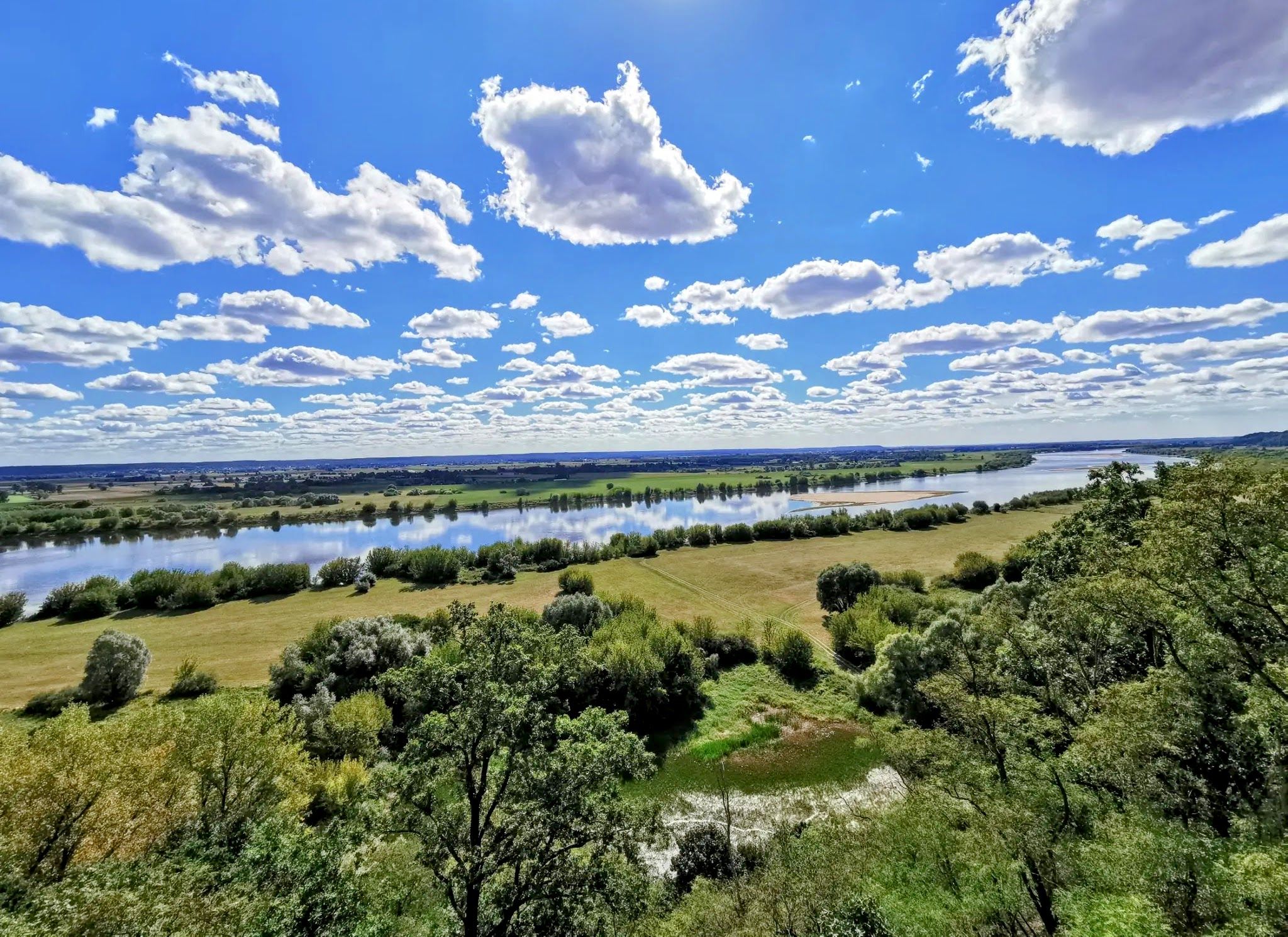
Vistula Cycle Route – The Queen of Polish Rivers in the Spotlight
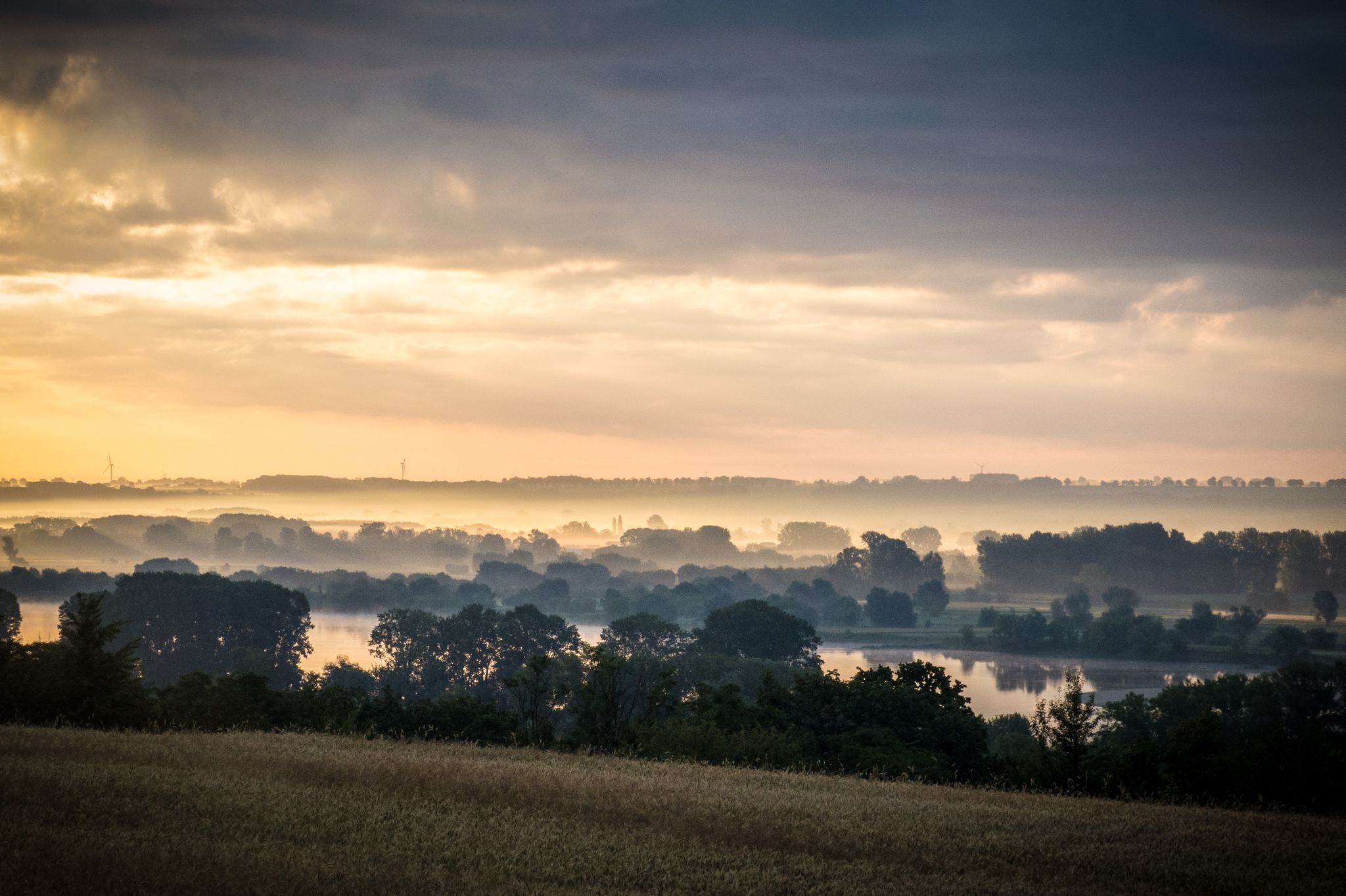
EuroVelo 9 – The Amber Route from the Baltic to Adriatic Sea
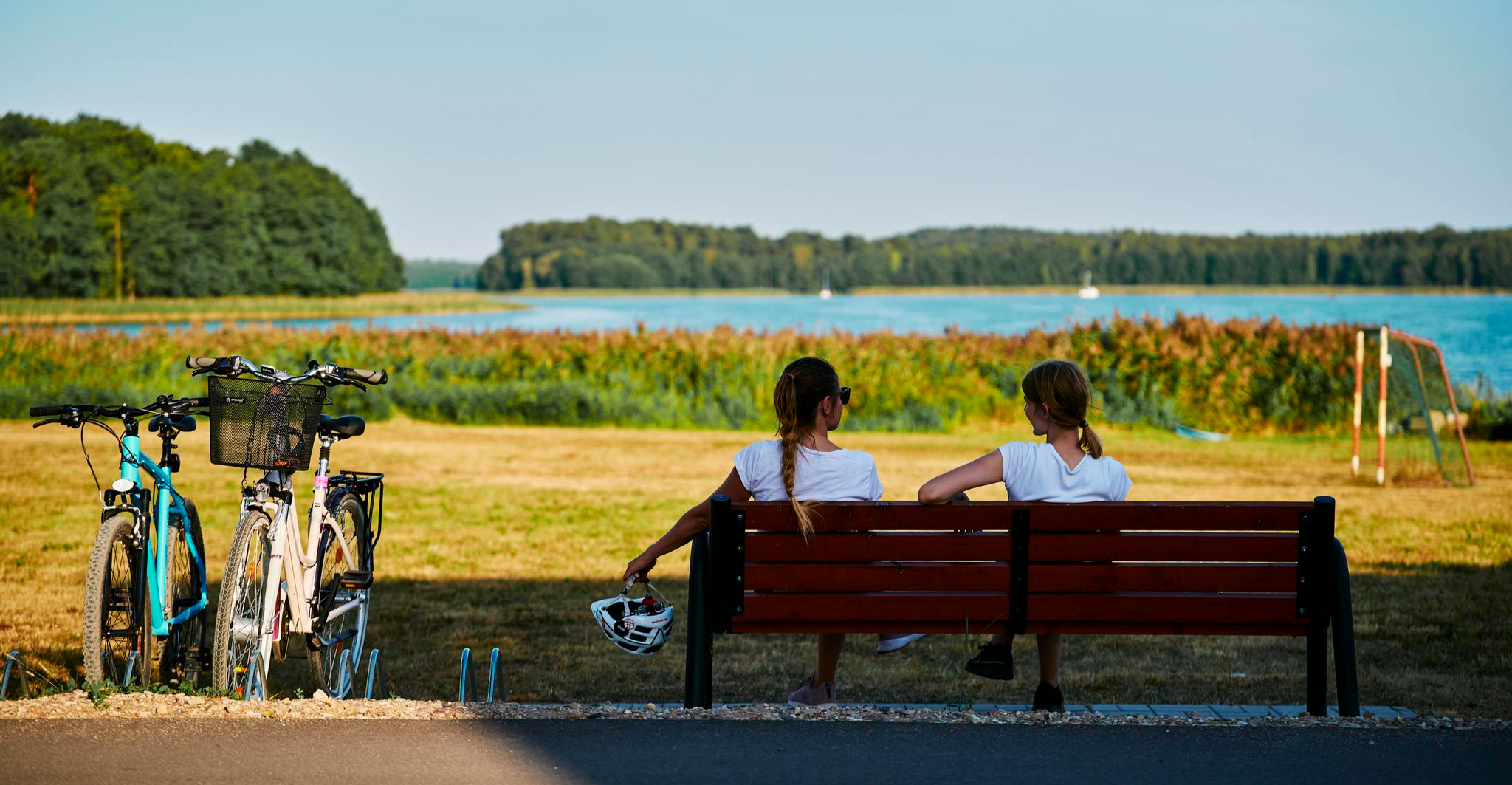
Outdoor Poland Part 2 – Warmia and Masuria
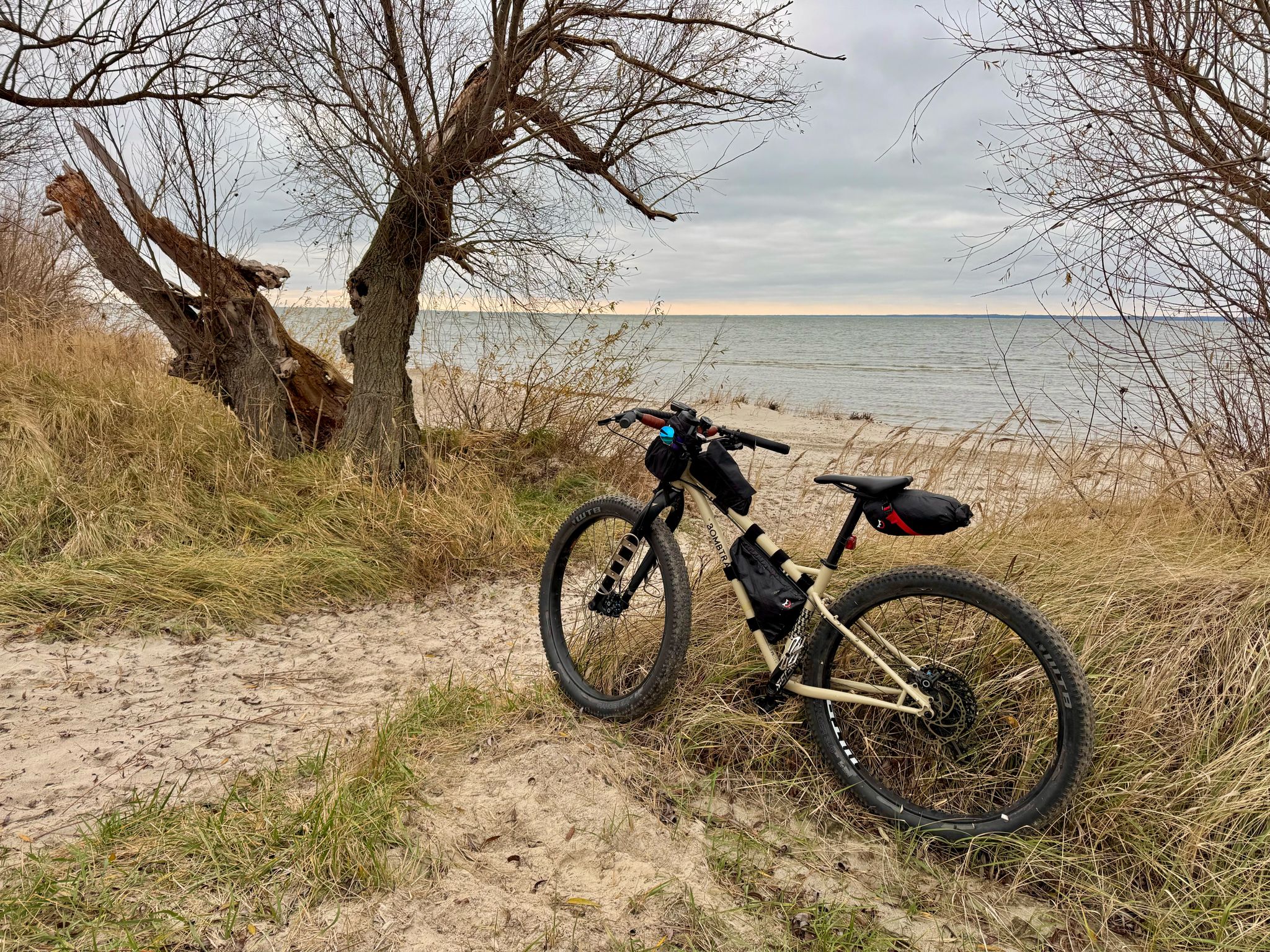
Green Velo – an adventure through wintery Poland
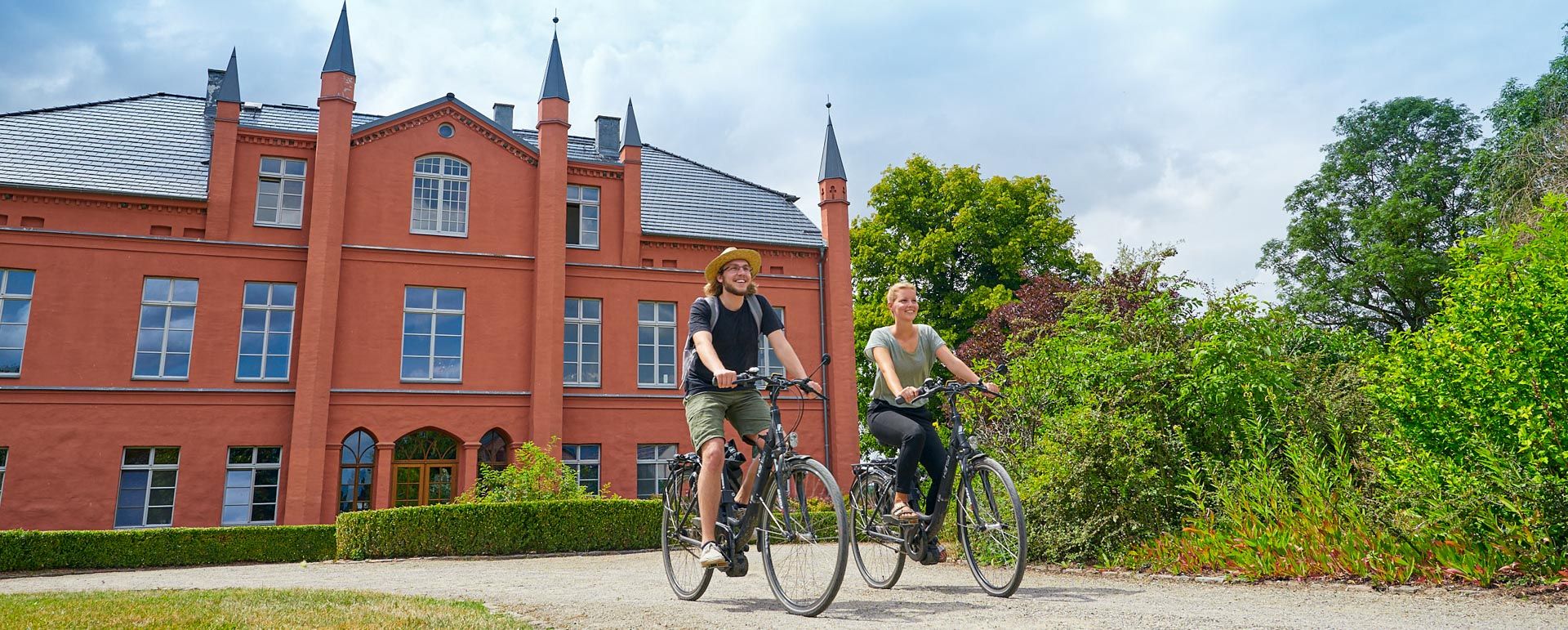
Baltic Manors – Exploring historic manor houses along the South Baltic coast
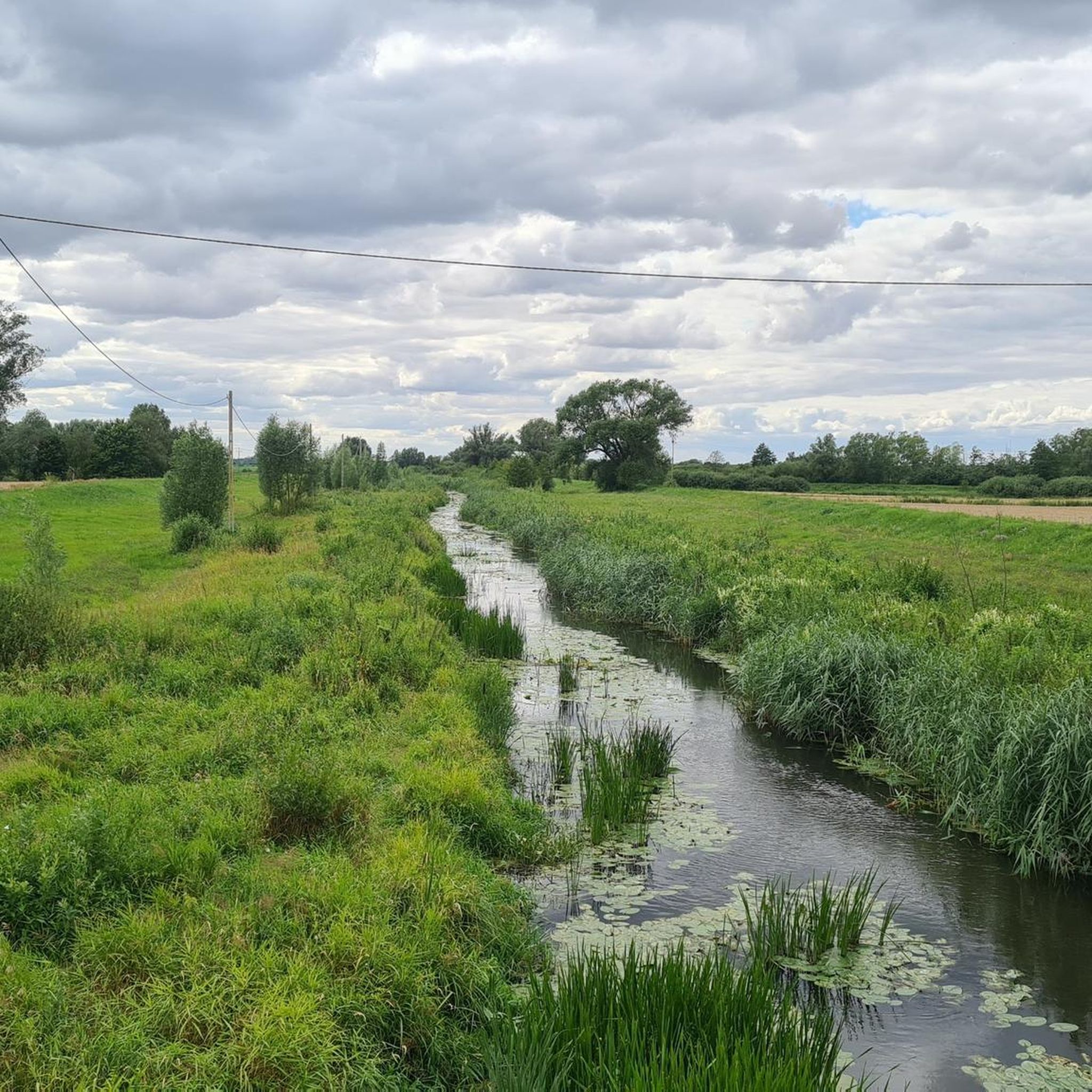
Cycling in the Vistula Delta
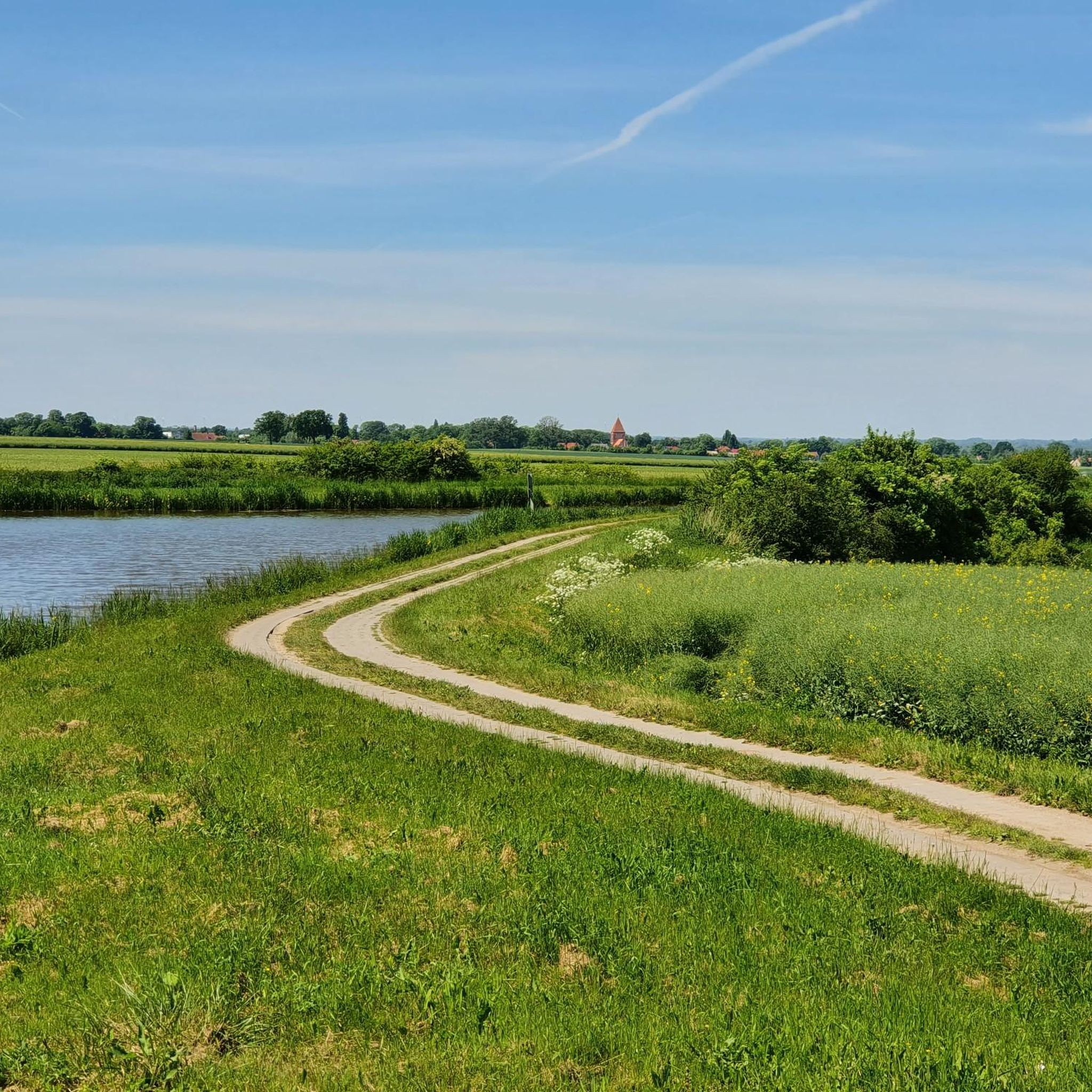
Hiking in the Vistula Delta
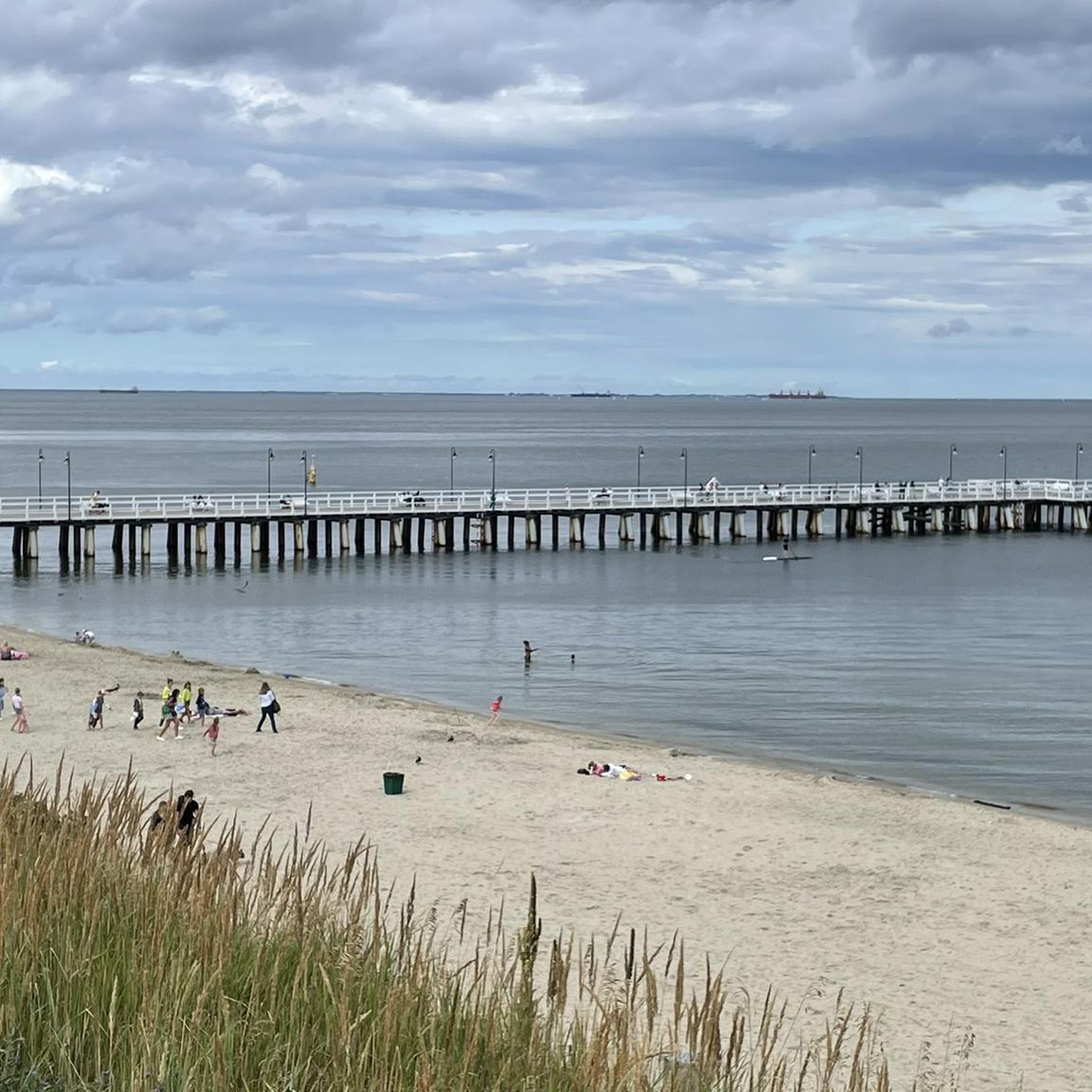
Running Trails in the Vistula Delta
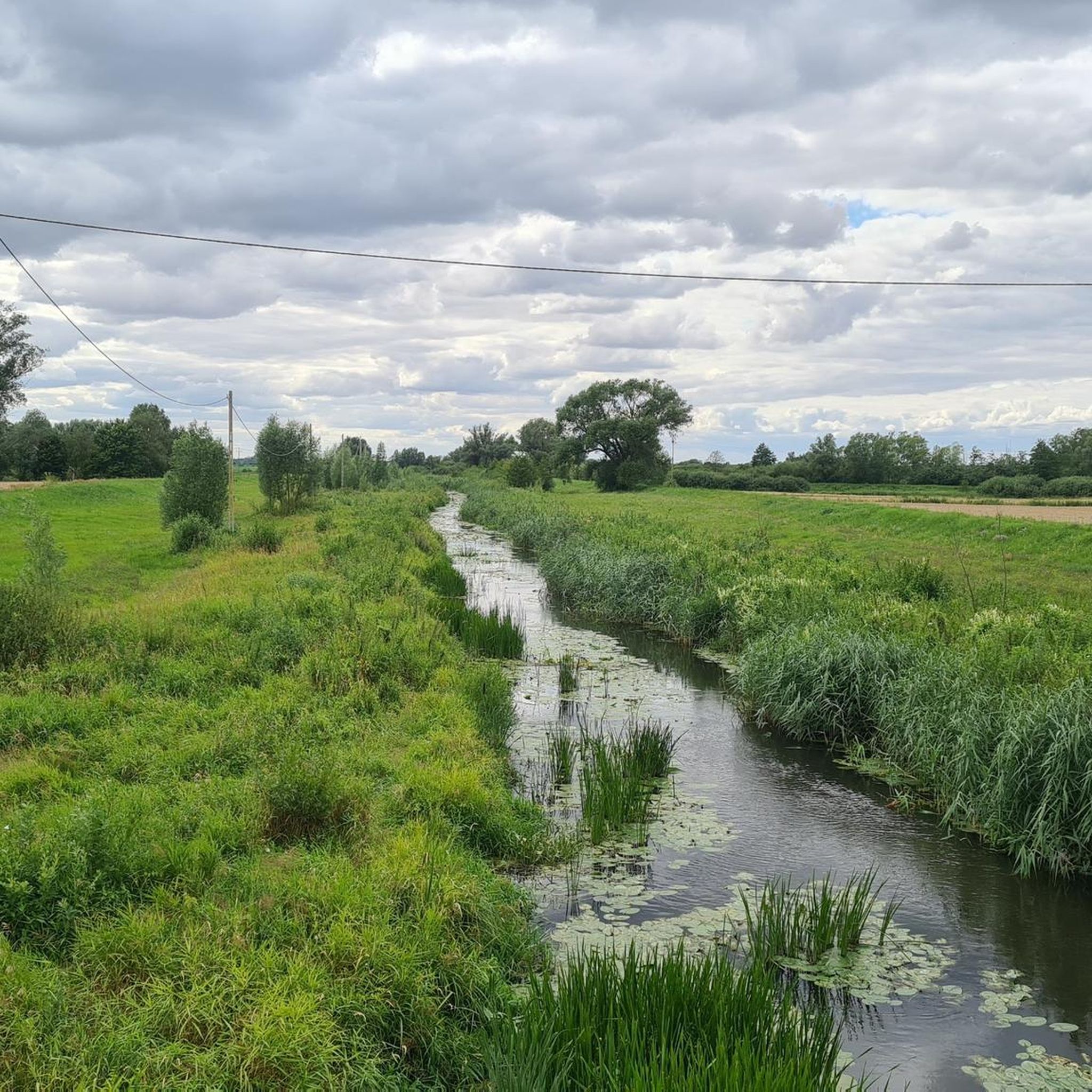
Road Cycling Routes in the Vistula Delta
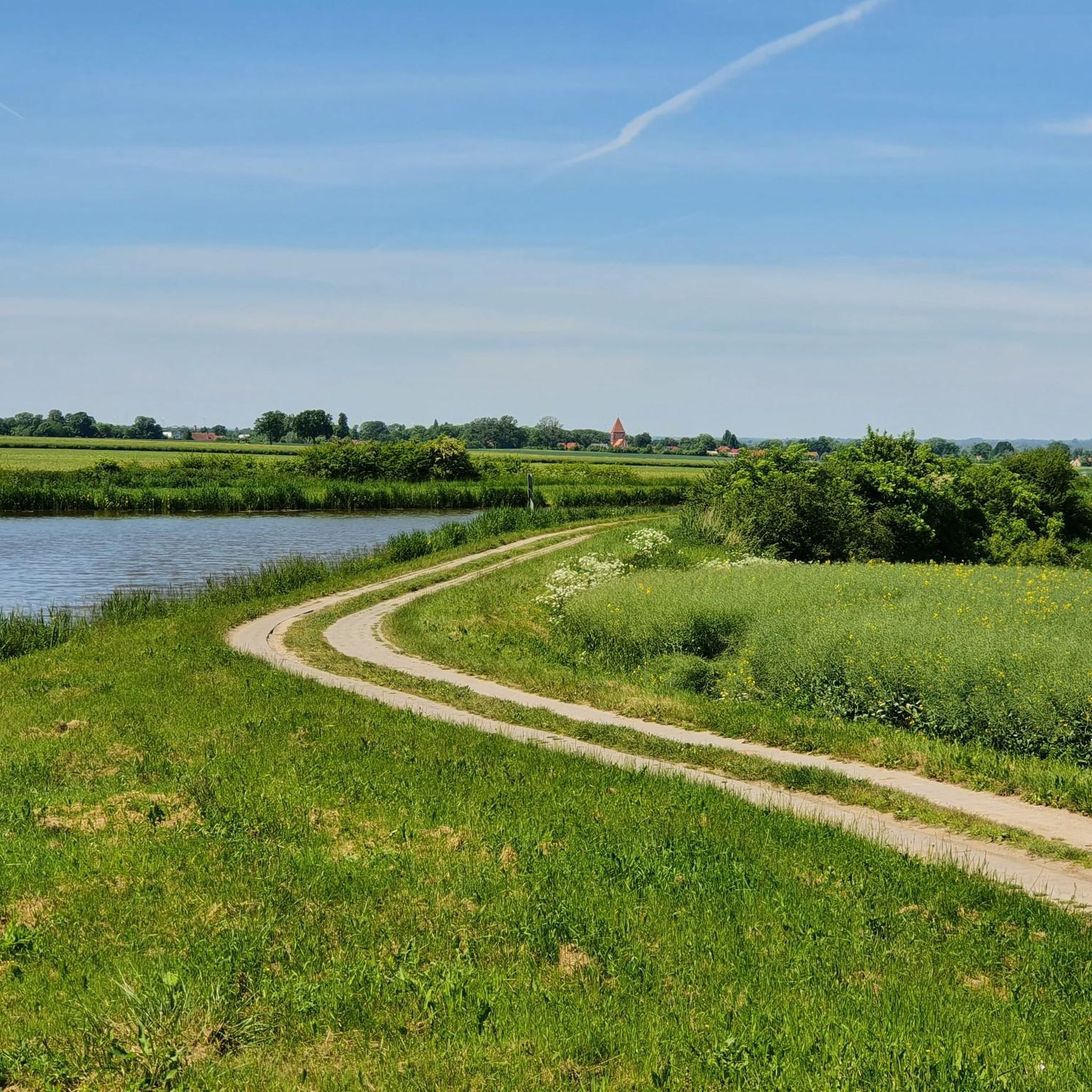
MTB Trails in the Vistula Delta
Other adventures in the Vistula Delta


Tips from the Community

The Swan Tower is a striking Gothic defensive tower on the Fish Market – a compact, red-brick remnant of the medieval fortifications of the Right Town. It was built after 1454 on the foundations of the demolished Fishermen's Bastion and was heightened and rebuilt after war damage. Located directly on the Motława River, it forms the northernmost point of the historic city wall and marks a transition between the harbor waterfront and the old town. The tower appears as a quiet anchor point on the water – brick, slight patina, along with the open shoreline. Especially in the early evening, a calm, almost picturesque moment arises when the Mottlau reflects the light and the tower stands out clearly against the sky. The tower is not accessible, but is strong as a photo motif and as a historical fixed point. Those who like medieval city fortifications will find a compact, well-preserved example here. https://www.holidaycheck.de/pi/schwanenbastei/e19870cd-bc47-36f8-ae54-ff002ed922c4
2
0
The St. Adalbert Bridge (Most im. św. Wojciecha) spans the Nogat River and leads you with the very best panoramic views of Marienburg Castle to the largest brick castle in the world. It connects the modern promenade (Bulwar im. Macieja Kilarskiego) on the city side directly with the castle grounds.
2
0

Super great castle
3
0

There are some pretty, old buildings to discover in the old town. The highlight is the Church of St. Nicholas, which towers above everything else.
2
0

Rightly a World Heritage Site⭐️⭐️⭐️
0
0

Stop to enjoy the view. Then nice snacks and drinks are provided at a small market after the bridge.
1
0
Frequently Asked Questions
What types of castles and historical strongholds can I find in the Vistula Delta region?
The Vistula Delta is primarily known for its impressive Gothic brick castles, predominantly built by the Teutonic Order. These strongholds, like Malbork Castle, are characterized by their massive scale and intricate medieval architecture, reflecting their military and administrative roles. You'll also find defensive towers and fortresses, such as Wisłoujście Fortress, which guarded strategic points.
Which castles in the Vistula Delta are particularly suitable for families?
Several castles in the Vistula Delta are family-friendly. Malbork Castle is a great option, offering a vast complex to explore with numerous courtyards and chambers. Other sites like Swan Tower (Baszta Łabędź), Gdańsk and Wisłoujście Fortress are also listed as family-friendly, providing engaging historical experiences for all ages.
What is the best time of year to visit the castles in the Vistula Delta?
The best time to visit the castles in the Vistula Delta is generally during the warmer months, from late spring to early autumn (May to September). During this period, the weather is more pleasant for exploring the extensive grounds of castles like Malbork, and many sites offer extended opening hours and special events, such as chivalry tournaments at Gniew Castle.
Are there any unique architectural features to look out for in the Vistula Delta castles?
Yes, the castles in this region boast unique architectural features. Malbork Castle is renowned as the world's largest brick castle, showcasing the distinctive Brick Gothic style of the Teutonic Order. Kwidzyn Castle features a remarkable sanitary-defense tower (Gdanisko) connected to the main castle by the world's longest covered porch, a truly iconic example of medieval defensive architecture.
What kind of outdoor activities can I do near the Vistula Delta castles?
The Vistula Delta offers various outdoor activities near its historical sites. You can find numerous routes for mountain biking, hiking, and cycling. For example, there are MTB Trails in the Vistula Delta, Hiking in the Vistula Delta, and Cycling in the Vistula Delta, including routes like the 'Bicycle Trail Around Sobieszewo Island' or 'The trail to Mewia Łacha from Sobieszewo Island'.
How much time should I allocate to visit the major castles in the Vistula Delta?
For a comprehensive visit to a major site like Malbork Castle, you should allocate at least half a day, or even a full day, to explore its vast complex of three distinct castles. Smaller sites like Swan Tower (Baszta Łabędź), Gdańsk or Wisłoujście Fortress can be explored in 1-2 hours each, making them suitable for combining into a day trip.
Are there any castles in the Vistula Delta that are wheelchair accessible?
While many historic sites present accessibility challenges, major attractions like Malbork Castle have made efforts to improve accessibility in certain areas. It's advisable to check the specific castle's official website or contact them directly for the most up-to-date information on wheelchair access to different parts of the complex.
What is the historical significance of the castles in the Vistula Delta?
The castles in the Vistula Delta hold immense historical significance, primarily due to their role as strongholds of the Teutonic Order. They were central to medieval power struggles, military defense, and administration in the region. Sites like Malbork served as the seat of the Grand Masters, while others like Gniew Castle played crucial roles in Polish-Teutonic conflicts and later became royal seats, reflecting centuries of regional history and cultural shifts.
Are dogs allowed at the Vistula Delta castles?
Policies regarding dogs vary between historical sites. Generally, dogs are often allowed in outdoor areas or castle grounds, but usually not inside museum buildings or specific interior sections. It's recommended to check the individual castle's visitor guidelines or contact them directly before your visit to confirm their specific dog-friendly policies.
Where can I find cafes or pubs near the Vistula Delta castles?
You'll find amenities like cafes and pubs in the towns and cities surrounding the castles. For instance, near Malbork Castle, the town of Malbork offers various dining options. Similarly, the Elbląg Old Town, a short distance away, is known for its numerous cafes, pubs, and pizzerias, especially in its reconstructed historic area.
Are there any lesser-known or 'hidden gem' castles worth exploring in the Vistula Delta region?
While Malbork is the most famous, Gniew Castle and Kwidzyn Castle are significant but perhaps less universally known. Gniew Castle offers a rich history and hosts chivalry tournaments, while Kwidzyn Castle is notable for its unique sanitary-defense tower and covered porch. Exploring these provides a deeper dive into the region's medieval past beyond the largest sites.
What are some good viewpoints near the Vistula Delta castles?
Many castles themselves offer excellent viewpoints from their towers or walls, providing panoramic views of the surrounding landscape and rivers. For example, the Outer wall of Malbork Castle offers impressive perspectives of the Nogat River and the vast castle complex. Additionally, the Vistula Delta region, with its flat terrain, provides many scenic spots along the riverbanks for viewing these historical structures from a distance.
Can I visit the Vistula Delta castles using public transport?
Yes, many of the major castles in the Vistula Delta region are accessible by public transport. Malbork, for example, has a train station with connections to major Polish cities like Gdańsk. Smaller towns with castles, such as Gniew and Kwidzyn, are typically served by regional bus lines. Planning your route in advance using local transport schedules is recommended.
Most popular routes in the Vistula Delta
Most popular attractions in the Vistula Delta

Get inspired with the komoot mobile app


Explore more
Looking for the best castles somewhere else? Discover other guides in the Vistula Delta:
