Top 5 Lakes in the Ou Mountains
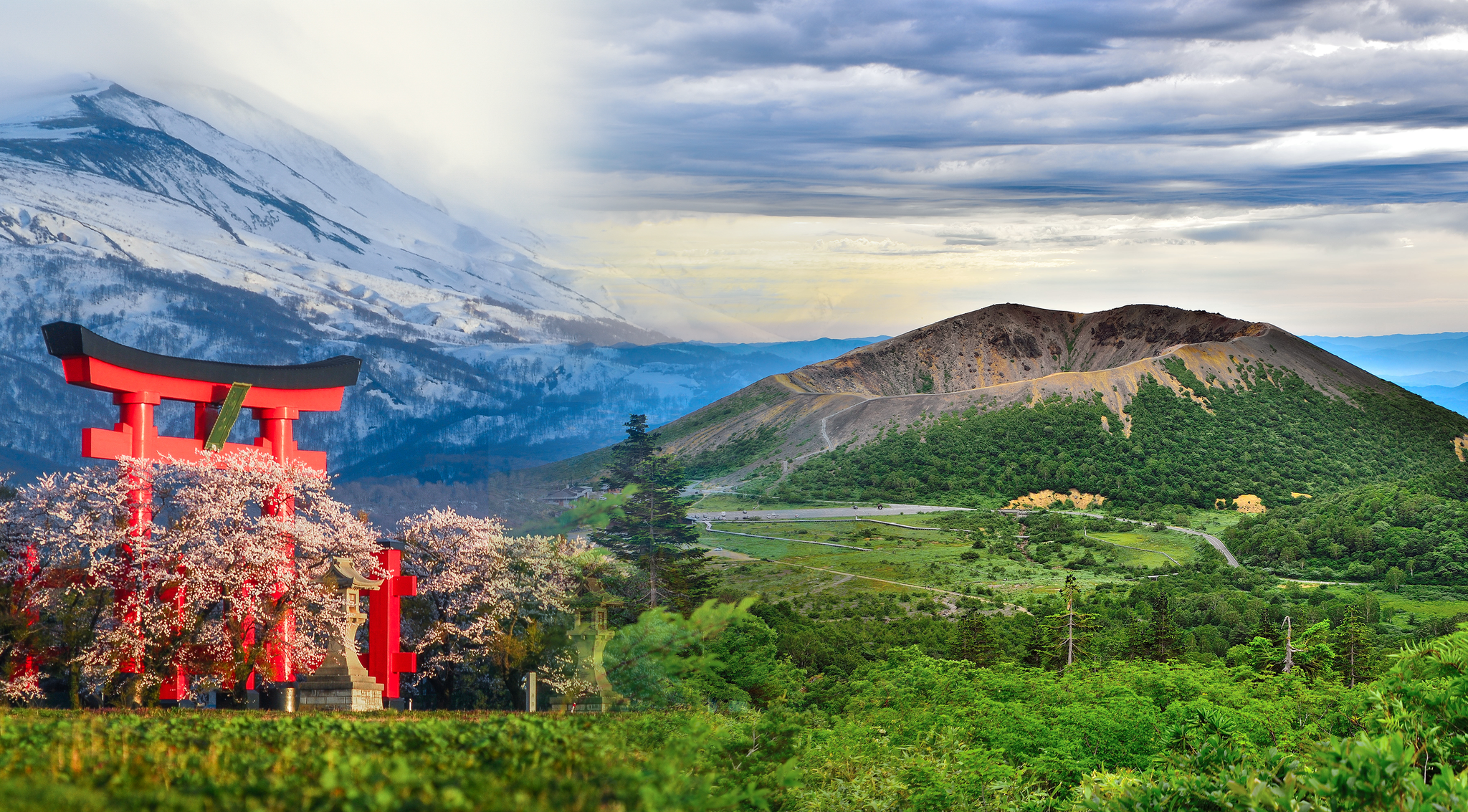
Best lakes in the Ou Mountains are found within Japan's longest mountain range, which extends approximately 500 kilometers through the Tōhoku region of Honshū. This volcanic range is known for its active geological history, which has shaped many of its natural features. The region's dense temperate forests enhance the scenic beauty surrounding these lakes. Many lakes here are crater lakes or have been formed by volcanic eruptions, offering unique geological formations.
Best lakes in the Ou Mountains
- The most popular…
Last updated: June 28, 2026
Goshikinuma Ponds
Highlight (Segment) • Lake
Translated by Google •
Tip by

Akanuma Pond
Highlight • Lake
Tip by

Sign up now to discover places like this
Get recommendations on the best single tracks, peaks, & plenty of other exciting outdoor places.
Sign up for free
Goshiki-numa marshes (the Witch's Eye)
Highlight • Lake
Tip by
Goshikinuma (the "Witch's Eye")
Highlight • Lake
Tip by
Nishi Azuma Sky Valley Viewpoint
Highlight • Viewpoint
My recommendation is, from the parking lot, continue additional 100~200m to the west and you'll get a much better view on the lake Hibara.
Tip by

Start today with a free account
Your next adventure awaits.
Login or Signup

Other adventures in the Ou Mountains

Tips from the Community

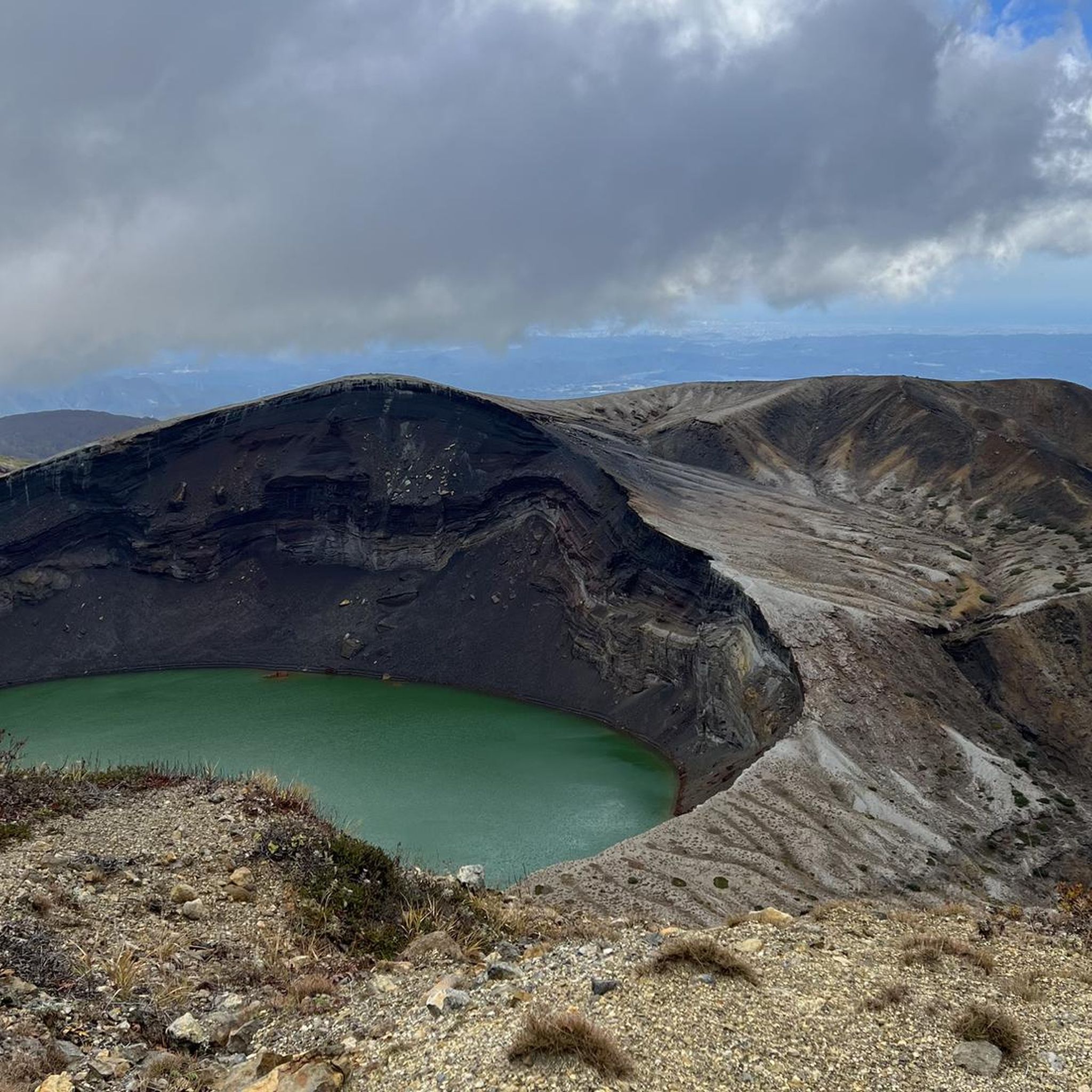
This marsh's (which is actually Mt. Bandai's caldera lake) reddish color is due to the erosion of the surrounding rocks after the many eruptions in Mt. Bandai, leaving extensive deposits of iron hydroxide in the pond's bed. The pond's water is very acidic and rich in sulfur, iron, manganese, and aluminum.
1
0
This beautiful caldera is also known under the name Majo no Hitomi (the "Witch's Eye"), famous for its flower species sprinkled around the marsh (example of flowers you may encounter: Rhododendron brachycarpum f. nemotoanum, Veratrum stamineum, Rhododendron brachycarpum...)
1
0
The Goshikinuma lake is also known under the name "majo no hitomi" 魔女の瞳 because of its round shape and dark blue color.
1
0

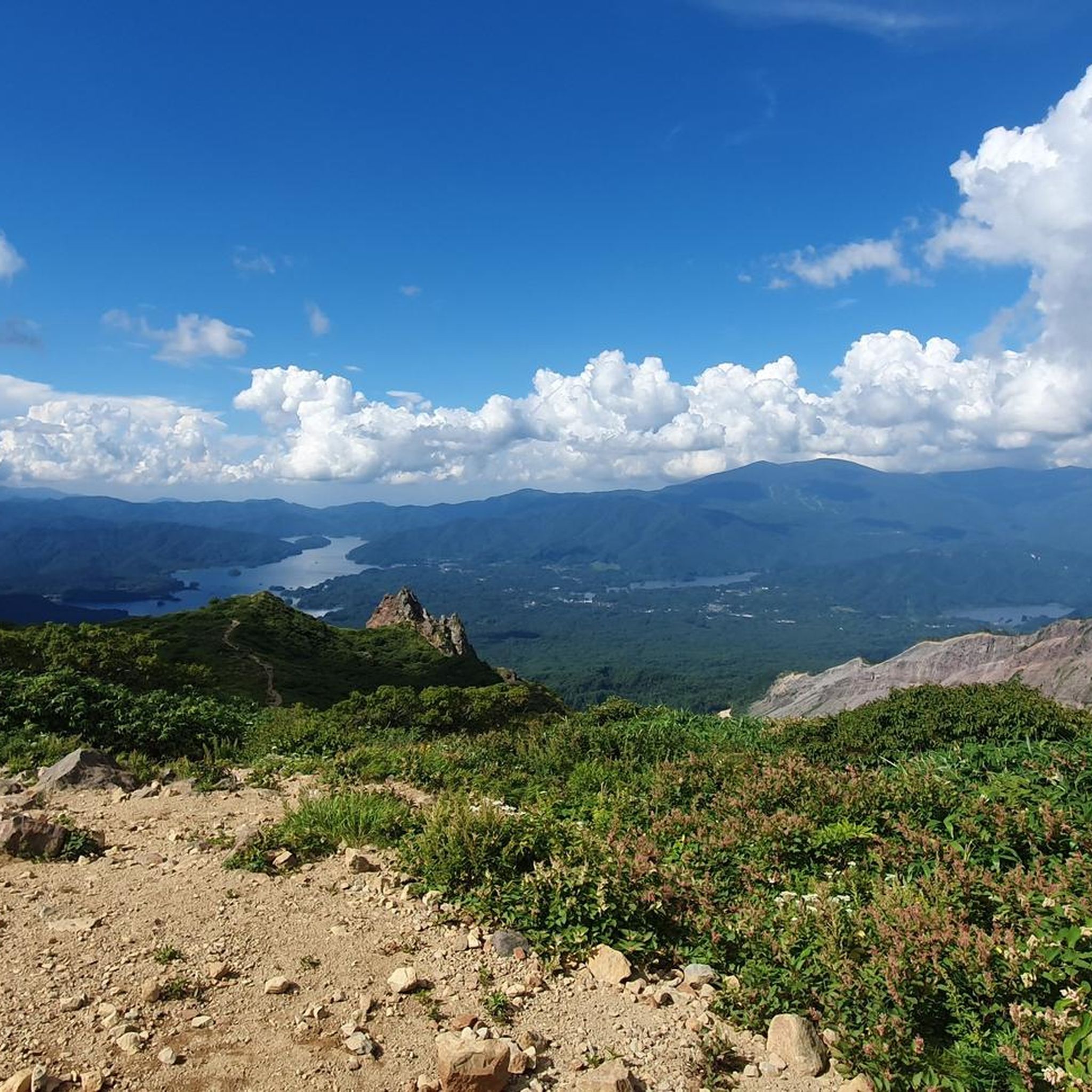
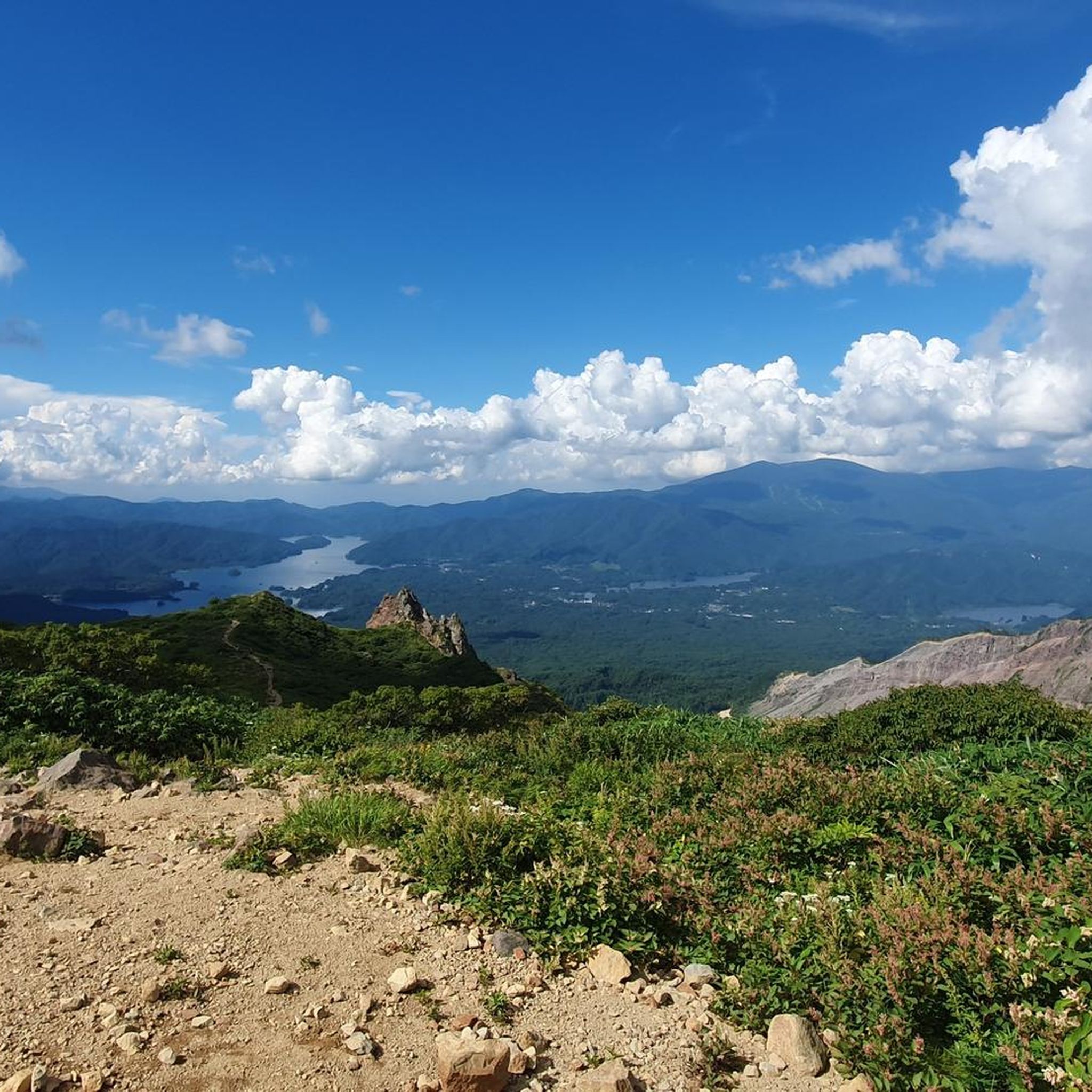
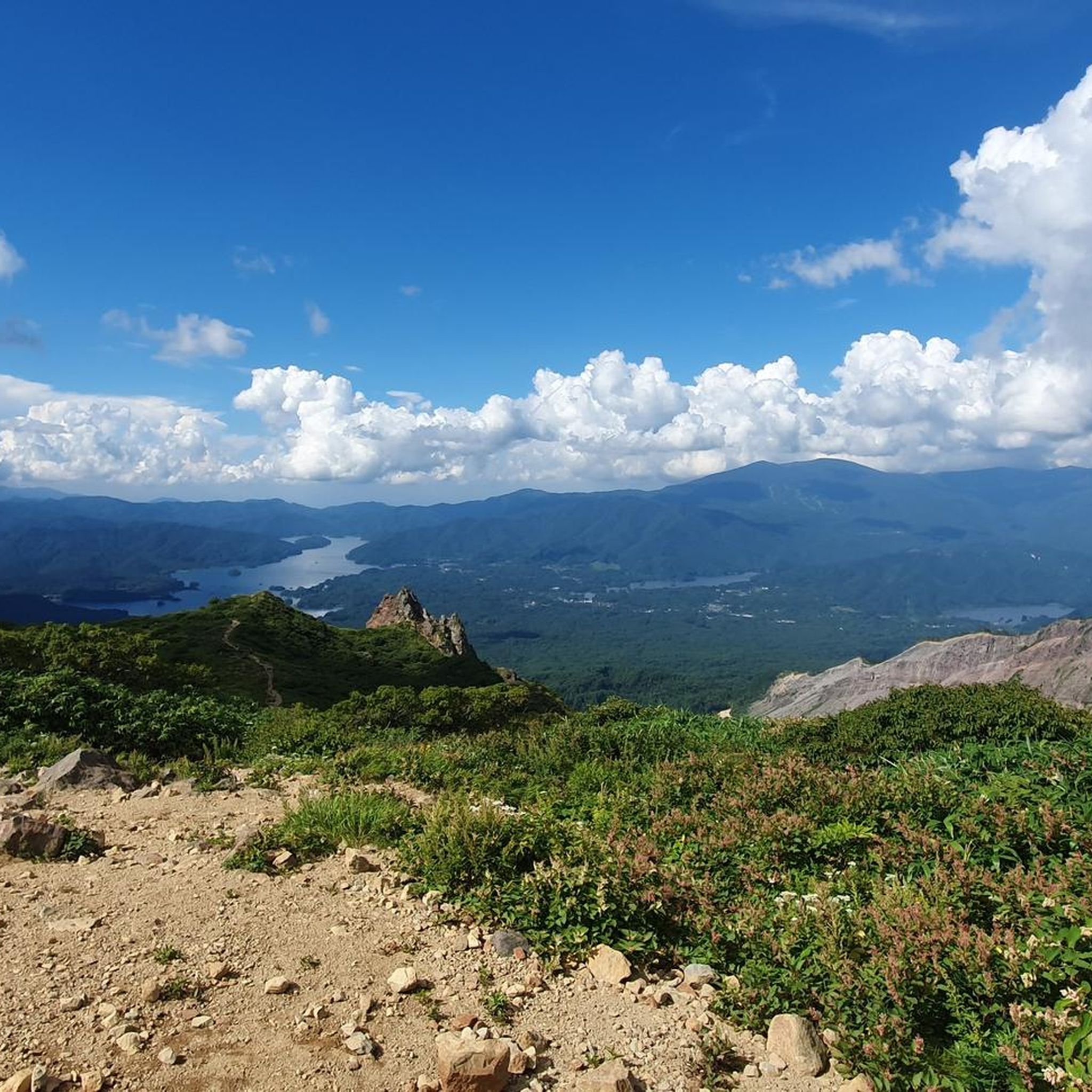
This viewpoint along the "sky road" is a nice reward, after climbing >1000m from ground level. My recommendation is, from the parking lot, continue additional 100~200m to the west and you'll get a much better view on the lake Hibara.
0
0

Very nice way along several ponds along, which shine in different colors. Really worth seeing!
2
0
Frequently Asked Questions
What makes the lakes in the Ōu Mountains unique?
The lakes in the Ōu Mountains are largely unique due to the region's active volcanic history. Many are caldera or crater lakes, or were formed by volcanic eruptions, resulting in distinct geological formations. For example, Akanuma Pond gets its reddish color from iron hydroxide deposits, while Goshikinuma Ponds are known for their varying colors.
Are there any family-friendly lakes to visit in the Ōu Mountains?
Yes, Goshikinuma Ponds are considered family-friendly. The area offers a very nice way to explore along several ponds that shine in different colors, making it an engaging experience for all ages.
What kind of natural features can I expect to see around the lakes?
Beyond the lakes themselves, you can expect to see dense temperate forests, which are part of the Towada-Hachimantai National Park. These areas offer diverse flora and fauna. Many lakes also feature viewpoints, such as Goshiki-numa marshes (the Witch's Eye), which is famous for its flower species like Rhododendron.
What outdoor activities can I do near the lakes in the Ōu Mountains?
The Ōu Mountains offer various outdoor activities. You can find cycling routes, such as the 'Lakeside Campsite loop' or '桧原湖 – 柳沼 loop', which are part of the Cycling in the Ou Mountains guide. There are also running trails, including the '潟頭の霊泉 loop', detailed in the Running Trails in the Ou Mountains guide.
Are there hiking trails around the lakes?
Yes, many lakes are surrounded by hiking opportunities. For example, Goshikinuma Ponds features a trail. The Mt. Hachimantai Traverse, which leads to Kagaminuma Pond, is recommended for experienced hikers due to its varied terrain including marshlands and alpine meadows. The nearby Oirase Gorge also offers a 14 km path with waterfalls near Lake Towada.
What is the best time to visit the lakes in the Ōu Mountains?
The Ōu Mountains are beautiful year-round. For vibrant colors, spring offers cherry blossoms around lakes like Towada, while autumn brings stunning foliage. Summer is ideal for hiking and outdoor activities. Winter transforms the landscape into a snowy wonderland, though some areas might be less accessible.
Can I find viewpoints overlooking the lakes?
Absolutely. Many lakes offer excellent viewpoints. Goshiki-numa marshes (the Witch's Eye) and Goshikinuma (the "Witch's Eye") are both known for their scenic views. Additionally, the Nishi Azuma Sky Valley Viewpoint provides a great perspective, especially of Lake Hibara, after a climb along the 'sky road'.
What is special about Akanuma Pond?
Akanuma Pond is a natural monument known for its distinctive reddish color. This hue comes from extensive deposits of iron hydroxide in the pond's bed, a result of erosion from surrounding rocks after volcanic eruptions. Its water is also notably acidic and rich in sulfur, iron, manganese, and aluminum.
What is the 'Witch's Eye' in the Ōu Mountains?
The 'Witch's Eye' refers to Goshiki-numa marshes, also known as Majo no Hitomi. This beautiful caldera is famous for its round shape, dark blue color, and the variety of flower species, such as Rhododendron, that bloom around the marsh.
Are there any lakes formed by specific historical events?
Yes, the eruption of Mount Bandai in 1888 dramatically altered the local landscape, leading to the formation of numerous lakes on its northern flank. These lakes collectively showcase the significant impact of volcanic activity on the region's geography and offer unique natural beauty.
What do visitors enjoy most about the lakes in the Ōu Mountains?
Visitors particularly appreciate the unique geological formations and the vibrant colors of the lakes, such as the different hues seen at Goshikinuma Ponds. The scenic beauty, often enhanced by dense temperate forests and opportunities for hiking, also contributes to their appeal.
How can I explore the Oirase Gorge near Lake Towada?
The Oirase Gorge, located near Lake Towada, offers a 14 km (8.6 mi) path that follows the Oirase River. This path allows visitors to experience fast-flowing rapids and cascading waterfalls, including the impressive Choshi Otaki, which plunges about 20 meters (65 ft).
Most popular attractions in the Ou Mountains

Get inspired with the komoot mobile app


Explore more
Still not found your perfect lake in the Ou Mountains? Check out the guides of these regions to see even more beautiful places.
