Top 12 Gorges in the Esh Shara
Best canyons in the Esh Shara region of Jordan's Ma'an Governorate are notable for their geological formations and historical significance. The area features dramatic landscapes, vibrant rock colors, and ancient remnants, particularly around Petra and Wadi Rum. These natural formations offer opportunities for exploration and provide insights into the region's past. Esh Shara is recognized for its unique blend of natural beauty and cultural heritage.
Best canyons in the Esh Shara
- The most popular canyons is Little Petra (Siq al-Barid)…
Last updated: June 27, 2026
Little Petra (Siq al-Barid)
Highlight • Historical Site
Translated by Google •
Tip by

Ancient Water Channel System in the Siq, Petra
Highlight • Monument
Translated by Google •
Tip by

Sign up now to discover places like this
Get recommendations on the best single tracks, peaks, & plenty of other exciting outdoor places.
Sign up for free
Entrance to the Siq
Highlight • Gorge
Translated by Google •
Tip by

Street of Facades, Petra
Highlight (Segment) • Historical Site
Translated by Google •
Tip by
Narrow Sections of the Siq, Petra
Highlight • Canyon
Translated by Google •
Tip by

Hanging Gardens
Highlight • Gorge
Translated by Google •
Tip by

Viewpoint of the Wadi Rock Formations
Highlight • Viewpoint
Translated by Google •
Tip by
Small Waterfall in Wadi Ibn Hammad
Highlight • Waterfall
Translated by Google •
Tip by

Wadi Feid
Highlight • Gorge
Tip by

View
Highlight • Viewpoint
Translated by Google •
Tip by

Sign up for free to discover even more gorges in the Esh Shara.
Sign up for free
Already have an account?
Start today with a free account
Your next adventure awaits.
Login or Signup
Other adventures in the Esh Shara


Tips from the Community

Previously, a stone arch spanned the entrance
1
0
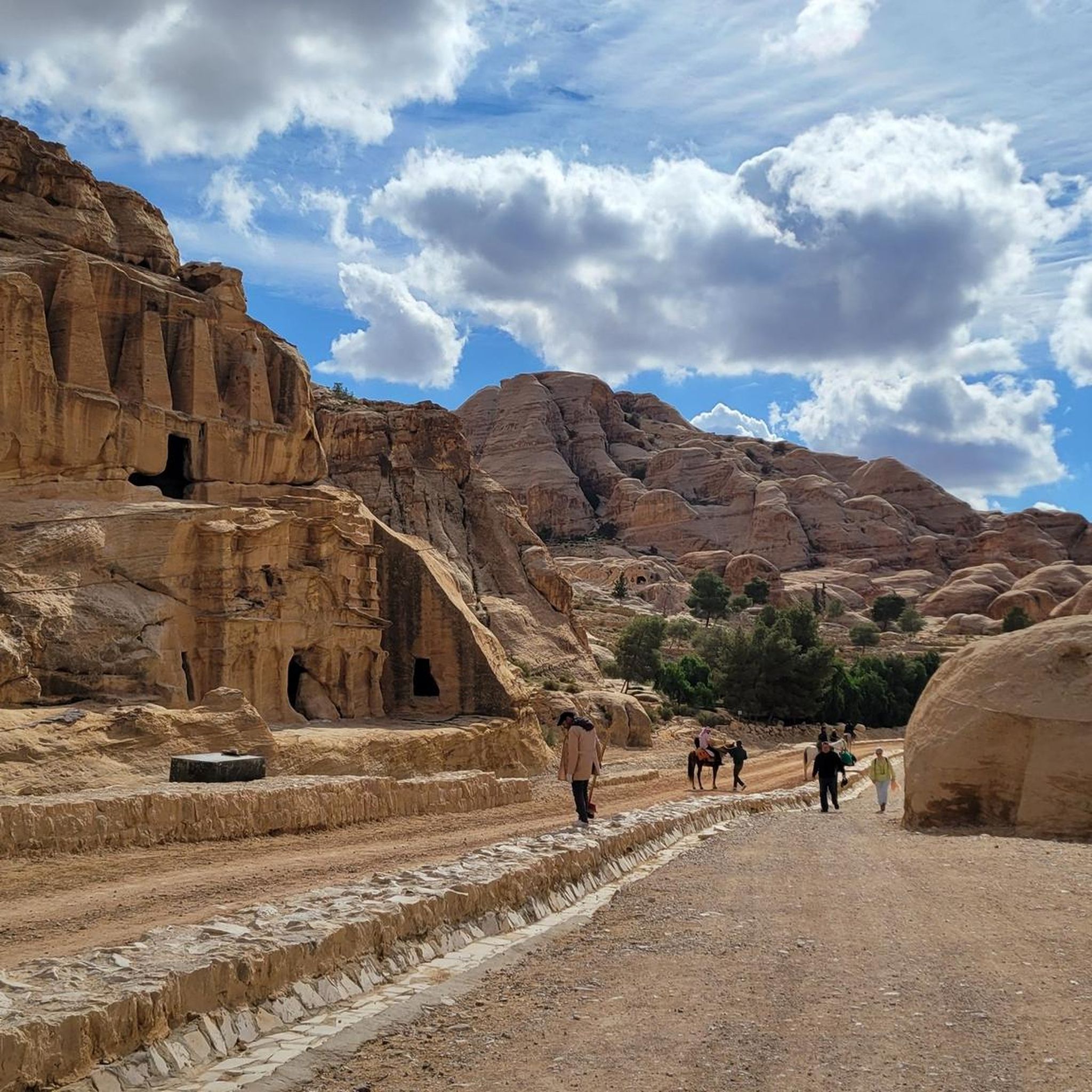
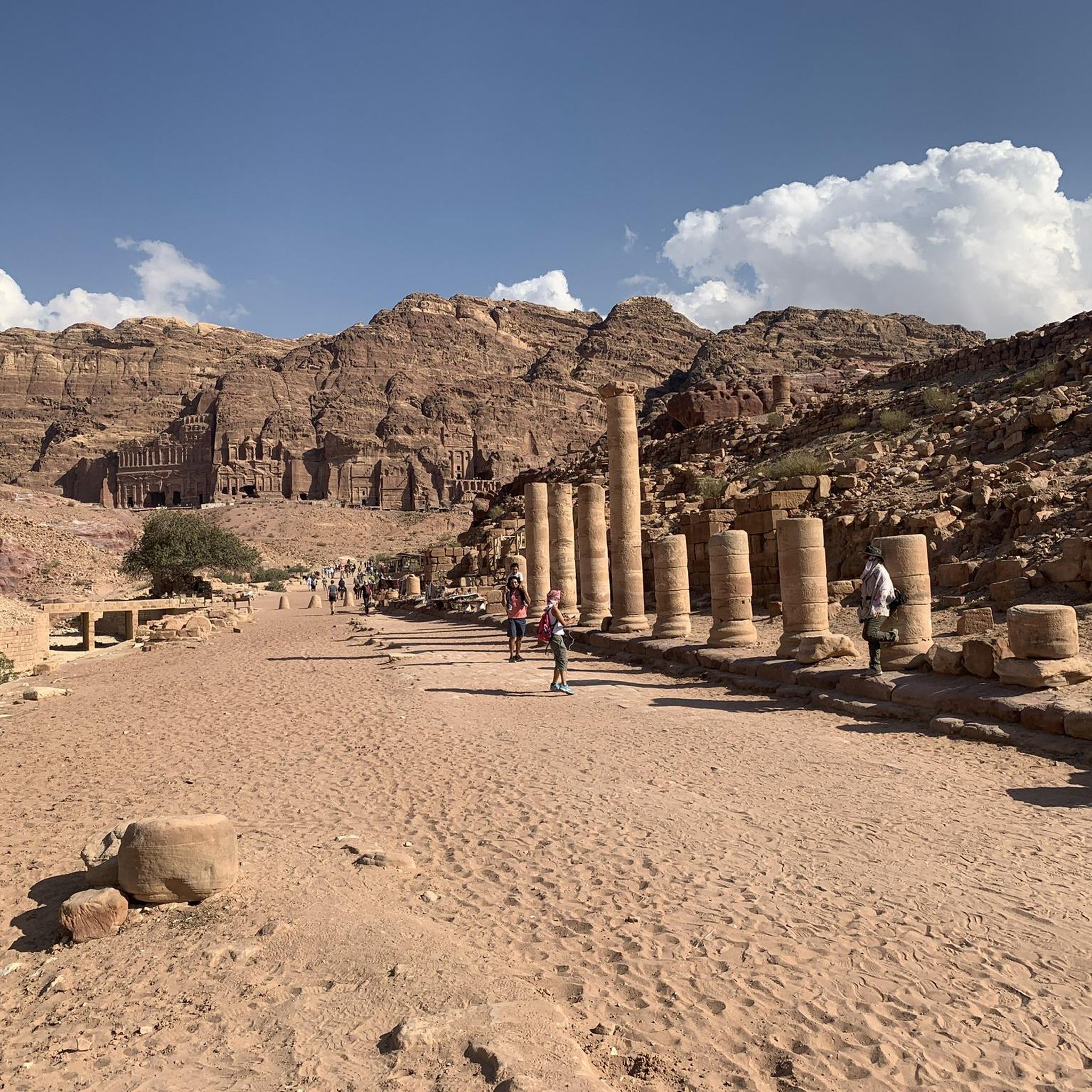
To the right and left of the gorge you can still see the water channels, partly also the ceramic pipes that were here once
0
0

The Wadi Feid is a picturesque gorge known for its steep rock faces and natural waterfalls. The rushing river is a good source of water along the Jordan Trail. It is also the last reliable source until Petra in about 24 kilometers. As with all natural water sources along the trail, purification is necessary. There are some good spots for wild camping around the waterfall.
1
0

We only saw on the way back (the path downstream of the path taken on the way out) that it was obligatory to follow this path with a guide. There is a sign indicating that “illegal” tourism is prohibited but we didn’t understand what that was. However, the beginning of this path can be done alone.
0
0
Little Petra is really worth the visit. You can take a free shuttle from Petra main entrance (in the bus area) to go there. From there you can also take the trail heading to the monastry.
0
0

A steep stone staircase in the narrow gorge takes you to a viewing point with a view of the rocks in the wadi. There is a coffee and tea house with seating here.
1
0
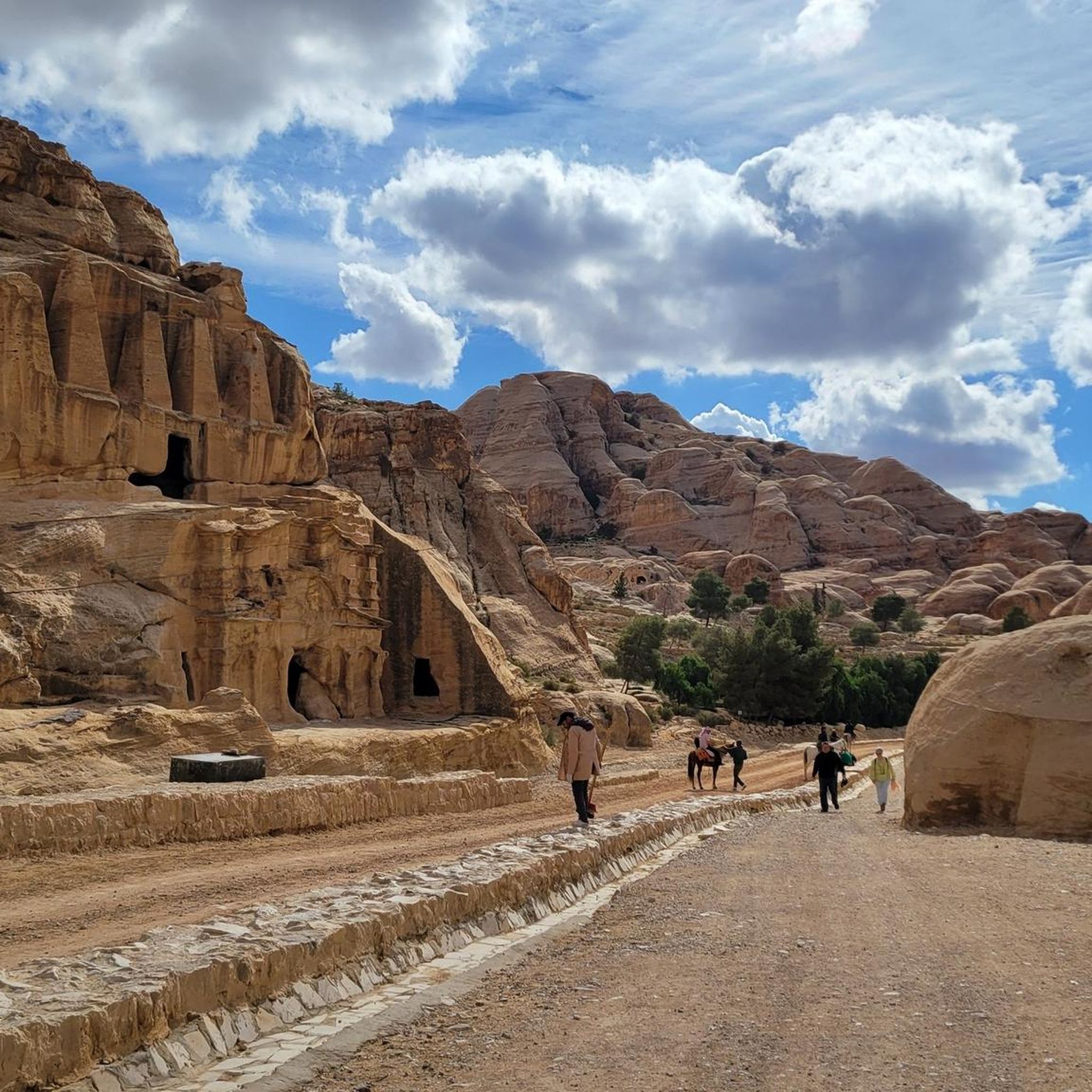
The 'Painted House' is located on the main street in 'Siq al-Barid'. It is a rock-cut dining room (biclinium) with well-preserved murals. The paintings are evidence of the importance of the Dionysian religious cult of the Nabataeans. https://en.wikipedia.org/wiki/Little_Petra
2
0
'Siq al-Barid' (Cold Gorge), also known as 'Little Petra', is located approximately 6 km north of ancient Petra. The buildings, carved into rocks, were probably built at the height of the Nabataean Empire in the 1st century. AD The gorge is approximately 350 m long and consists of three “open” areas where the buildings are located. 'Little Petra' was probably a suburb of the Nabataean capital and a base for trade on the Silk Road. After the Nabataean Empire fell, the place was used by nomads for many centuries and only in the late 20th century. rediscovered and excavated. https://en.wikipedia.org/wiki/Little_Petra
2
0
Frequently Asked Questions
What unique geological features can I expect to see in Esh Shara's canyons?
The canyons in Esh Shara, particularly around Petra and Wadi Rum, are known for their dramatic sandstone formations, vibrant rock colors, and intricate patterns. For example, The Siq (Petra) features towering walls up to 182 meters high, while Wadi Mujib boasts dramatic elevation changes and continuous year-round water flow. Wadi Rum's canyons, like Khazali and Um Ishrin, are famous for their unique rock formations and striking hues.
Are there any historical or archaeological sites within the canyons of Esh Shara?
Yes, many canyons in Esh Shara are rich in history. The Siq (Petra), for instance, is the ancient entrance to Petra, featuring Nabatean carvings and water channels. Nearby, Little Petra (Siq al-Barid) offers a glimpse into Nabatean life with its rock-cut buildings. In Wadi Rum, canyons like Khazali are adorned with ancient Thamudic and Nabatean inscriptions and petroglyphs.
Which canyons in Esh Shara are suitable for families or beginners?
For families and beginners, exploring the initial sections of The Siq (Petra) is a popular and relatively easy option, offering a paved path and stunning views. Little Petra (Siq al-Barid) also provides a less crowded and accessible experience of Nabatean architecture within a canyon setting. These sites offer a good balance of natural beauty and historical interest without requiring advanced hiking skills.
What are some challenging canyon experiences for advanced hikers in Esh Shara?
For advanced hikers, Wadi Mujib offers exhilarating canyoning and wet hiking experiences, including navigating through fast-flowing water, swimming in natural pools, and rappelling down waterfalls. Another challenging option is Wadi Feid, which is categorized as challenging and involves navigating through a gorge with waterfalls and rivers. Wadi Ghuweir, within the Dana Biosphere Reserve, also presents an adventurous trek through rocky paths and water streams.
What is the best time of year to visit the canyons in Esh Shara?
The best time to visit the canyons in Esh Shara is typically during the spring (March to May) and autumn (September to November) months. During these periods, the weather is milder and more pleasant for hiking and exploration, avoiding the extreme heat of summer and the potential for flash floods in winter, especially in areas like The Siq.
What kind of outdoor activities are available near the canyons in Esh Shara?
Beyond canyon exploration, the Esh Shara region offers a variety of outdoor activities. You can find numerous running trails, such as the "Dana view point loop from Dana" or "Running loop from Alamelh Camp," which are detailed in the Running Trails in the Esh Shara guide. There are also easy hikes like the "Bab al‑Siq Tombs – The Siq (Petra) loop from Petra" in the Easy hikes in the Esh Shara guide, and challenging mountain biking routes, including the "View of Shaharut Ridge loop from חוות ע'רנדל," available in the MTB Trails in the Esh Shara guide.
Are there any 'hidden gem' canyons in Esh Shara that are less crowded?
Wadi Ghuweir, located within the Dana Biosphere Reserve, is often considered a hidden gem. It offers a breathtaking transition from arid landscapes to a lush desert oasis with 'hanging gardens' and trickling waterfalls, providing an immersive experience away from the more frequented sites. Another less crowded option for a more intimate historical experience is Little Petra (Siq al-Barid).
What should I wear or bring when exploring the canyons in Esh Shara?
When exploring the canyons, it's advisable to wear comfortable, sturdy hiking shoes, especially for uneven terrain. For wet canyoning experiences like in Wadi Mujib, water shoes and quick-drying clothing are essential. Always bring plenty of water, sun protection (hat, sunscreen), and snacks. For historical sites, a camera is a must. Depending on the season, layers of clothing are recommended as temperatures can vary.
Are permits required to visit any of the canyons in Esh Shara?
Access to major sites like Petra, which includes The Siq and Little Petra, requires an entrance ticket. For protected areas like Wadi Mujib Nature Reserve and Dana Biosphere Reserve (where Wadi Ghuweir is located), specific permits or entrance fees are required, often including guided tours for certain trails. It's best to check the specific requirements for each canyon you plan to visit.
Where can I find viewpoints to admire the canyon landscapes in Esh Shara?
Many canyons offer spectacular viewpoints. In Petra, the dramatic reveal of Al-Khazneh (the Treasury) at the end of The Siq is an iconic view. Wadi Rum is dotted with numerous viewpoints, such as those near Um Ishrin Canyon, offering panoramic vistas of the desert and its unique rock formations. The Viewpoint of the Wadi Rock Formations is also a notable spot.
How long does it typically take to explore the main canyons in Esh Shara?
The time required varies greatly by canyon. Walking through The Siq (Petra) to the Treasury takes about 30-45 minutes one way, but exploring Petra itself can take a full day or more. Little Petra can be explored in 1-2 hours. Canyoning trails in Wadi Mujib can range from 2-4 hours for shorter routes to full-day excursions for more challenging ones. Exploring the vast canyons of Wadi Rum often involves multi-hour jeep tours or guided hikes.
Can I find food or drink options near the canyon entrances?
Near major tourist attractions like Petra, you will find various food and drink options, including cafes and restaurants, especially around the visitor center and within the ancient city itself. For more remote canyons like those in Wadi Rum or Wadi Ghuweir, options are limited, and it's recommended to bring your own provisions. Some viewpoints, such as the Viewpoint of the Wadi Rock Formations, may have small cafes.
What is the significance of the ancient water management systems found in some Esh Shara canyons?
The ancient water management systems, particularly those developed by the Nabataeans in Petra, demonstrate remarkable engineering ingenuity. The Ancient Water Channel System in the Siq, Petra, for example, involved diverting the Wadi Musa river and constructing intricate channels and settling tanks to supply water to the city and protect it from flash floods. These systems were crucial for sustaining life in the arid region and highlight the advanced civilization of the Nabataeans.
Most popular attractions in the Esh Shara

Get inspired with the komoot mobile app


