Top 7 Caves in the Esh Shara
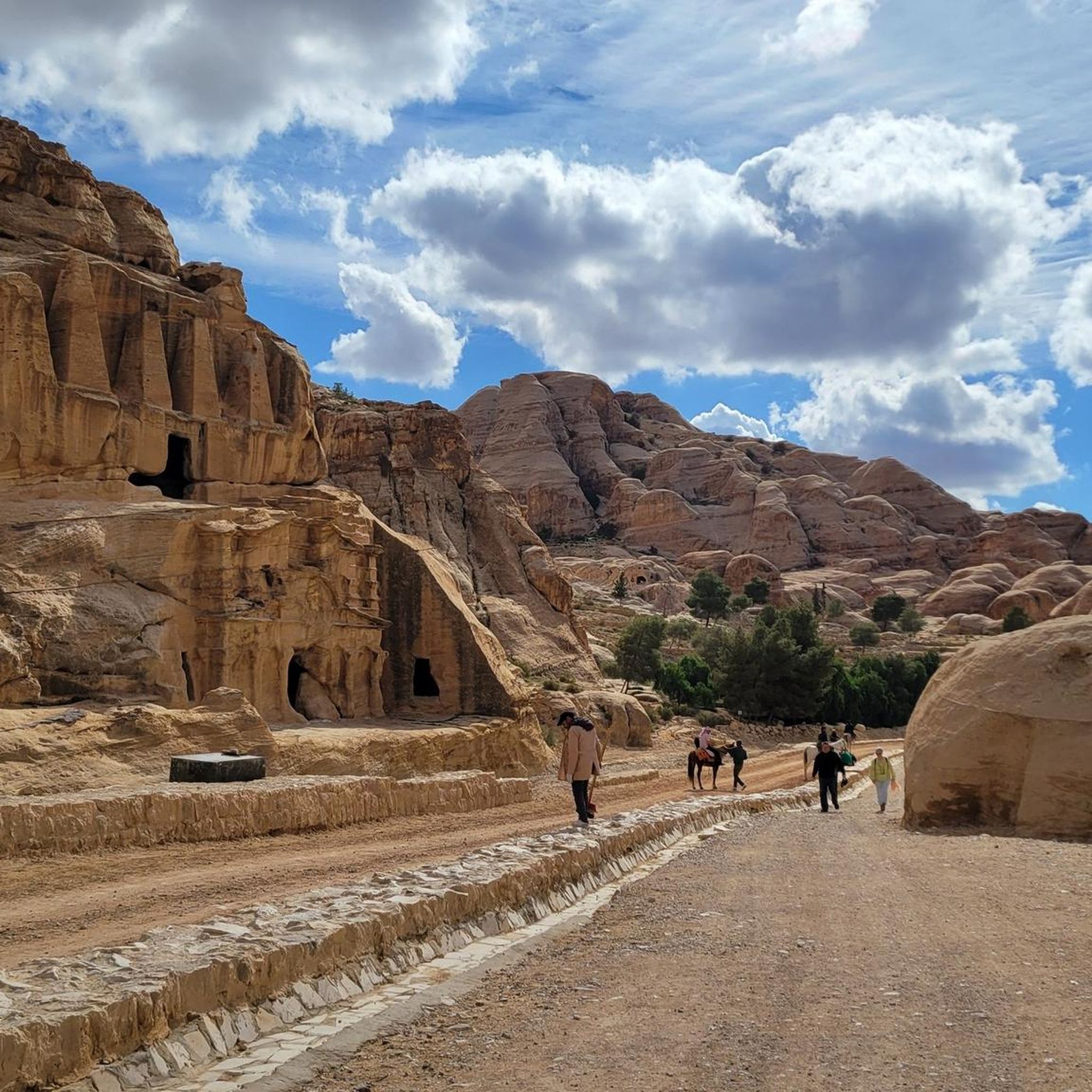
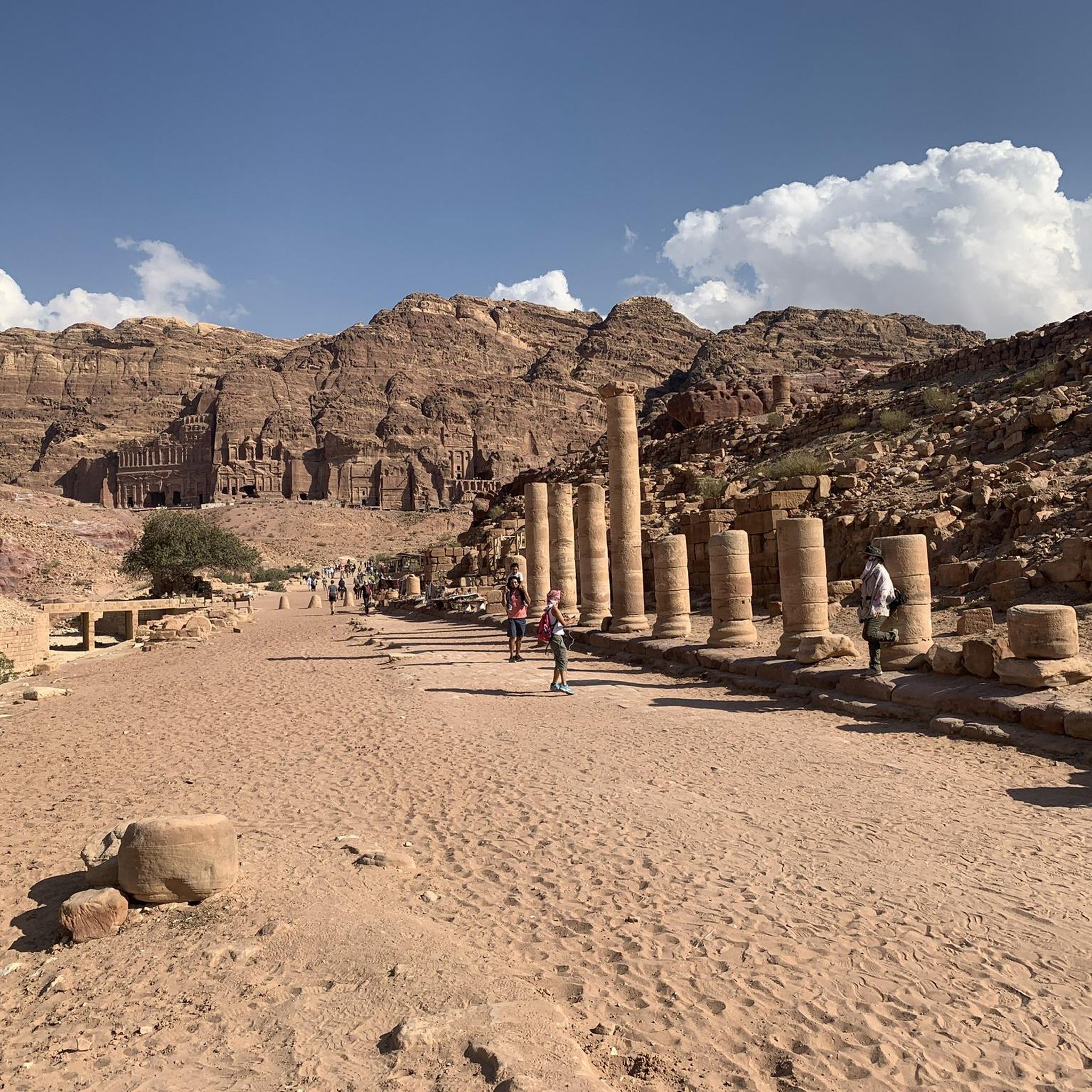
Caves in the Esh Shara are predominantly ancient, rock-cut structures located in the Ma'an Governorate of Jordan. These sites offer insights into the history and architectural methods of past civilizations, particularly the Nabataeans. The region features structures carved directly into rock faces, serving various purposes from tombs to dwellings. These formations are significant for their historical importance and intricate craftsmanship within a desert landscape.
Best caves in the Esh Shara
- The most popular caves is Royal Tombs of Petra,…
Last updated: June 27, 2026
Royal Tombs of Petra
Highlight • Historical Site
Translated by Google •
Tip by

Little Petra (Siq al-Barid)
Highlight • Historical Site
Translated by Google •
Tip by

Sign up now to discover places like this
Get recommendations on the best single tracks, peaks, & plenty of other exciting outdoor places.
Sign up for free
Tomb of the Roman Soldier
Highlight • Historical Site
Translated by Google •
Tip by
Corinthian Tomb
Highlight • Historical Site
The upper part of this tomb resembles the treasury but is badly damaged …
Translated by Google •
Tip by

Silk Tomb (Petra)
Highlight • Historical Site
This tomb is notable for the different colored layers of rock.
Translated by Google •
Tip by
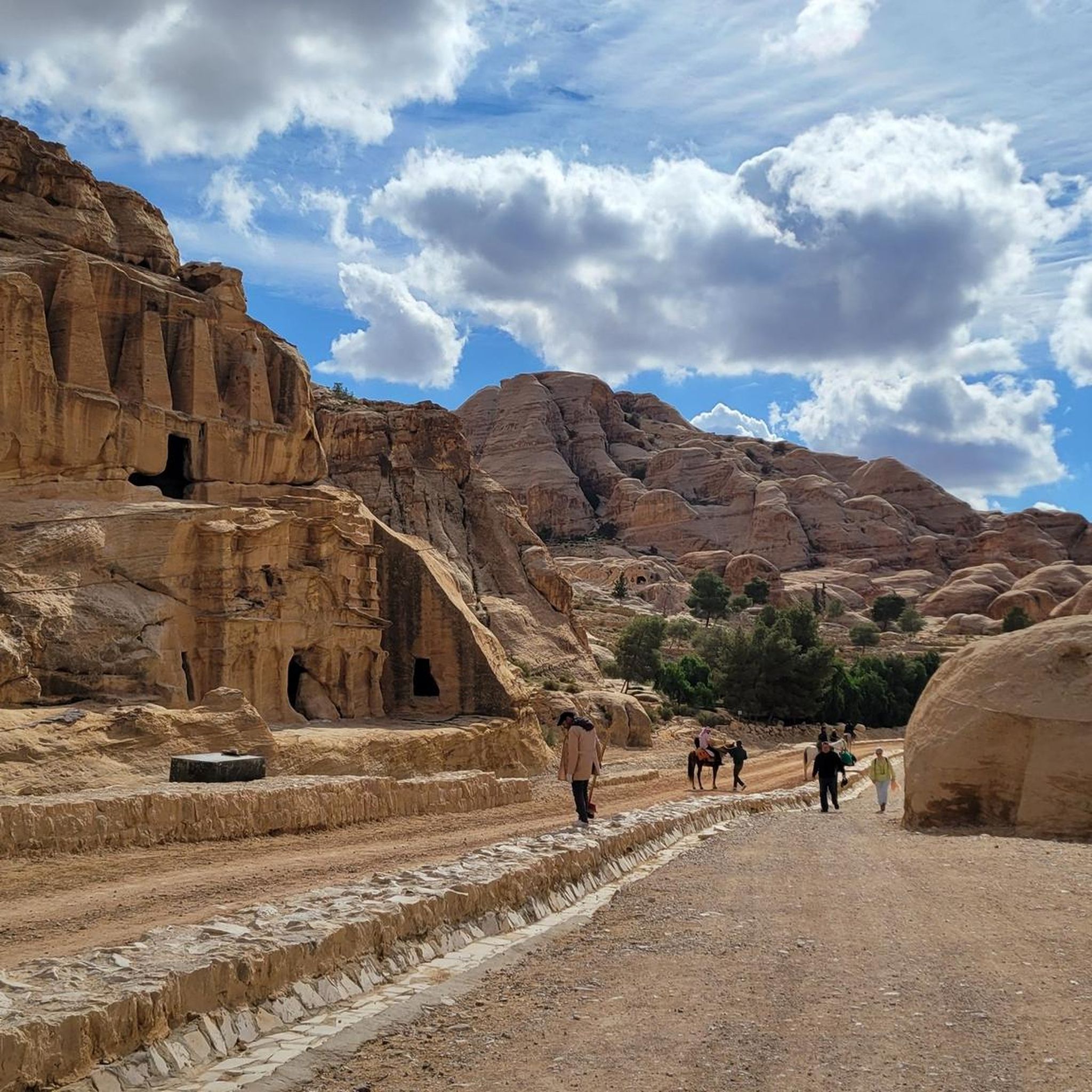
Urn Tomb, Petra
Highlight • Historical Site
Translated by Google •
Tip by
Start today with a free account
Your next adventure awaits.
Login or Signup
Other adventures in the Esh Shara


Tips from the Community

the detour to the royal tombs is definitely worth it
0
0

Hike to the High Place of Sacrifice Trail
0
0

Little Petra is really worth the visit. You can take a free shuttle from Petra main entrance (in the bus area) to go there. From there you can also take the trail heading to the monastry.
0
0

It is impressive what earlier civilizations were able to achieve. You should also go inside and marvel at the size and acoustics.
0
0

The 'Painted House' is located on the main street in 'Siq al-Barid'. It is a rock-cut dining room (biclinium) with well-preserved murals. The paintings are evidence of the importance of the Dionysian religious cult of the Nabataeans. https://en.wikipedia.org/wiki/Little_Petra
2
0
The “Temple Above the Cave Rooms” was carved out of the sandstone rock and is probably a temple or a chapel. The two free-standing columns and corner pillars are remarkable. On the “ground floor” there is a “cave dwelling” with three rooms.
1
0
'Siq al-Barid' (Cold Gorge), also known as 'Little Petra', is located approximately 6 km north of ancient Petra. The buildings, carved into rocks, were probably built at the height of the Nabataean Empire in the 1st century. AD The gorge is approximately 350 m long and consists of three “open” areas where the buildings are located. 'Little Petra' was probably a suburb of the Nabataean capital and a base for trade on the Silk Road. After the Nabataean Empire fell, the place was used by nomads for many centuries and only in the late 20th century. rediscovered and excavated. https://en.wikipedia.org/wiki/Little_Petra
2
0
The name of the Silk Tomb comes from the colors of its eroded sandstone facade. The Silk Tomb suffered extensive environmental damage, destroying the entire façade surface and exposing the underlying pink, white and yellow veined sandstone. https://madainproject.com/royal_tombs_(petra)#silk-tomb
1
0
Frequently Asked Questions
What kind of "caves" can I expect to find in the Esh Shara region?
The "caves" in the Esh Shara region are predominantly ancient, rock-cut constructions rather than natural geological caves. These sites, particularly around Petra, offer a glimpse into the rich history and architectural prowess of past civilizations, especially the Nabataeans. You'll find structures carved directly into rock faces, serving various purposes from tombs to dwellings.
What are some of the most historically significant rock-cut structures in Esh Shara?
The region is rich in historical rock-cut sites. Notable examples include the Royal Tombs of Petra, monumental graves carved by the Nabataeans over 2,300 years ago. Another significant site is Little Petra (Siq al-Barid), a probable suburb of the Nabataean capital with buildings carved into rocks, and the Bab al‑Siq Tombs, featuring massive blocks hewn out of stone.
Are there any lesser-known or "hidden gem" rock-cut sites to explore in Esh Shara?
While many sites are well-known, the Tomb of the Roman Soldier is freely accessible and surprisingly well-preserved, offering a direct encounter with ancient Nabataean funerary architecture. The Corinthian Tomb, one of the 'Tombs of the Kings,' also showcases a unique blend of Nabataean and classical styles, though it has suffered some erosion.
What is the architectural style of the rock-cut structures in Esh Shara?
The architectural style is predominantly Nabataean, characterized by intricate carvings directly into sandstone rock faces. These structures often blend local Nabataean traditions with Hellenistic and Roman influences, as seen in the elaborate facades of tombs like the Corinthian Tomb and the Urn Tomb, Petra.
Can I combine exploring the rock-cut sites with hiking in the Esh Shara region?
Yes, the Esh Shara region is excellent for combining historical exploration with hiking. Many of the rock-cut sites are integrated into hiking trails. For example, you can find difficult routes like the Petra Theater – Al-Deir (The Monastery) loop or the Bab al‑Siq Tombs – Royal Tombs of Petra loop. You can find more details on these and other routes in the Hiking in the Esh Shara guide.
Are there any easy hiking routes that pass by these ancient sites?
Yes, there are several easy hiking options. For instance, the Bab al‑Siq Tombs – Al-Khazneh (The Treasury) loop from Petra is an easy 6.25 km route. Another easy option is the Royal Tombs of Petra – Urn Tomb (Petra) loop from The Treasury (Al-Khazneh). Explore more easy routes in the Easy hikes in the Esh Shara guide.
What other outdoor activities are available near the Esh Shara caves?
Beyond exploring the rock-cut sites and hiking, the Esh Shara region also offers opportunities for running. There are various running trails, including moderate loops from Beidha Archaeological Site or more challenging ones like the Dana view point loop. You can find detailed running routes in the Running Trails in the Esh Shara guide.
What is the best time of year to visit the rock-cut sites in Esh Shara?
The best time to visit the Esh Shara region, including its rock-cut sites, is typically during the spring (March to May) and autumn (September to November). During these seasons, the weather is milder and more pleasant for outdoor exploration and hiking, avoiding the extreme heat of summer and the cooler, sometimes rainy, winter months.
How much time should I allocate to explore the main rock-cut sites in Esh Shara?
To thoroughly explore the main rock-cut sites, especially those within Petra and Little Petra, it's recommended to allocate at least one to two full days. Many sites involve significant walking, and you'll want time to appreciate the intricate details and historical context without rushing.
Are the rock-cut sites in Esh Shara suitable for families with children?
Many of the rock-cut sites are suitable for families, especially those with older children who can manage walking distances. Sites like Little Petra (Siq al-Barid) offer fascinating historical insights in a more compact area. It's advisable to consider the walking involved and bring plenty of water and sun protection for younger visitors.
What should I bring when visiting the rock-cut structures in Esh Shara?
When visiting the rock-cut structures in Esh Shara, it's essential to bring comfortable walking shoes, plenty of water, sun protection (hat, sunscreen), and appropriate clothing for the desert climate. A flashlight can also be useful for exploring darker interior sections of some tombs, such as the second room of the Tomb of the Roman Soldier.
What do visitors enjoy most about the rock-cut sites in Esh Shara?
Visitors consistently praise the impressive scale and intricate craftsmanship of the Nabataean architecture. The monumental size of the Royal Tombs of Petra and the unique historical significance of Little Petra (Siq al-Barid) are frequently highlighted. The overall experience of exploring ancient civilizations within a stunning desert landscape is also a major draw.
Most popular attractions in the Esh Shara

Get inspired with the komoot mobile app


