Top 7 Caves in the Troodos Mountains
Best caves in the Troodos Mountains are primarily cave-like attractions with historical and religious significance, along with some smaller, utilitarian structures. The Troodos range is an ophiolite complex, making extensive natural limestone karst caves less common. However, the region offers unique experiences through its historic cave churches and sites related to the island's geological and mining past. These sites provide insight into the area's rich cultural heritage and natural landscapes.
Best caves in the Troodos Mountains
- The most popular caves…
Last updated: May 15, 2026
Aphrodite's Baths
Highlight • Cave
Translated by Google •
Tip by

Agios Neophytos Monastery
Highlight • Religious Site
Translated by Google •
Tip by

Sign up now to discover places like this
Get recommendations on the best single tracks, peaks, & plenty of other exciting outdoor places.
Sign up for free
Aphrodite's Baths
Highlight (Segment) • Cave
Translated by Google •
Tip by
Manolis Bay Sea Cave
Highlight • Cave
Tip by

Agios Dimitrianos Village Tavern
Highlight • Restaurant
Beside the church there is the entry to the cave of Agios Dimitrianos.
Tip by

Cave of Athasias (Spilia tis Athasias)
Highlight • Cave
Translated by Google •
Tip by

Bench With Mountain View and Cave
Highlight • Viewpoint
Tip by

"Gallery 247" tunnel entrance Petra Mine
Highlight • Structure
Translated by Google •
Tip by

Start today with a free account
Your next adventure awaits.
Login or Signup
Popular around Troodos Mountains
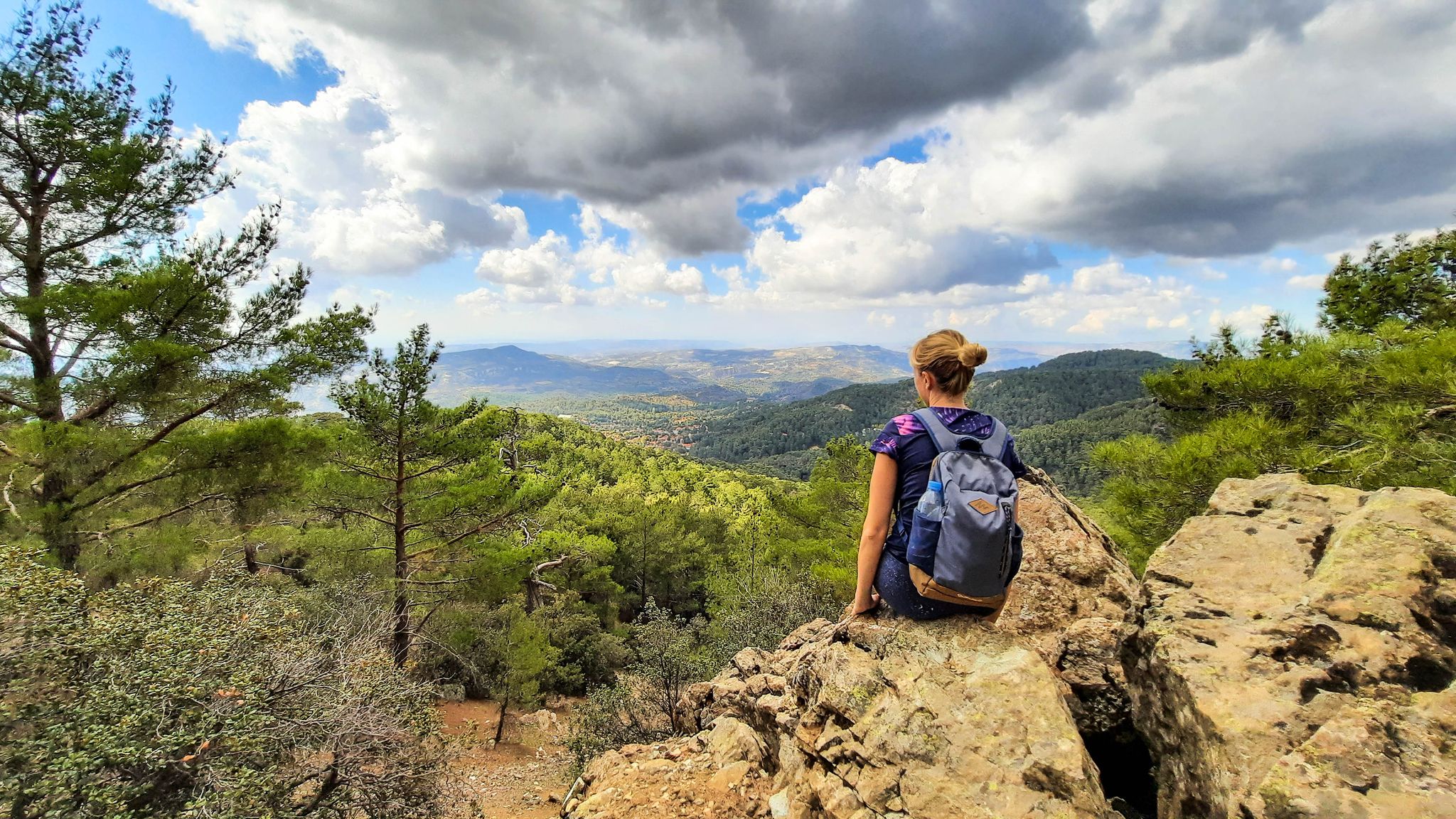
E4 across Cyprus – Water, forests and panoramic views

Troodos Mountains and dream beaches — hiking in Cyprus
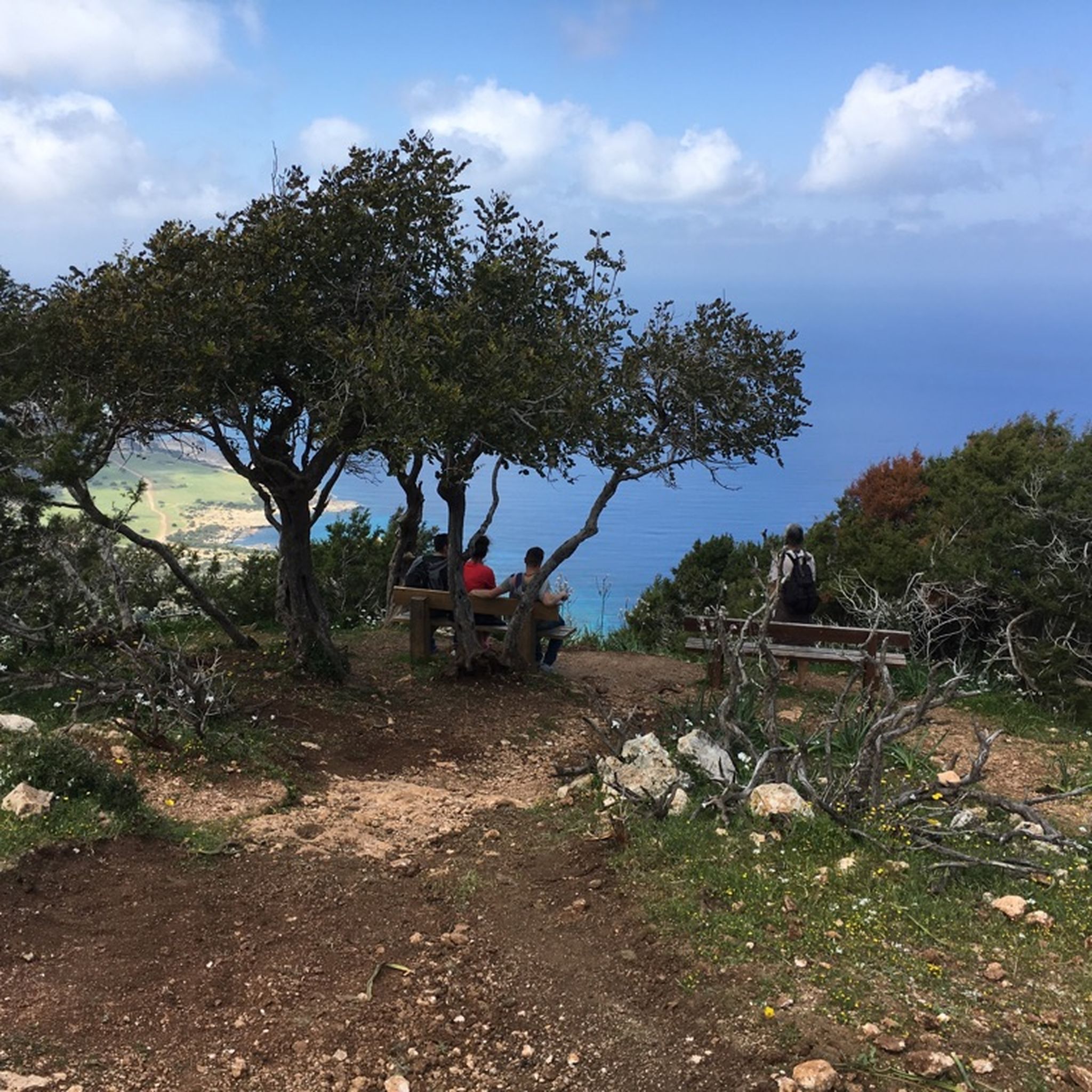
Hiking in the Troodos Mountains
Road Cycling Routes in the Troodos Mountains
Running Trails in the Troodos Mountains
MTB Trails in the Troodos Mountains
Cycling in the Troodos Mountains

Gravel biking in the Troodos Mountains

Tips from the Community

One of the most impressive spiritual places in the Paphos region. The monastery is situated on a slight rise, surrounded by rocks and pine trees, and exudes an almost timeless tranquility.
0
0

The large accumulation of rust in the area testifies to the intensive mining activity in ancient times. The reservoir had a volume of 250,000 tons and contained 1% copper and 30% sulfur. Modern mining took place from 1955 to 1965, with 45,000 tons of metal extracted from the mine.
0
0

A bath there promises eternal beauty😇
0
0

The Bath of Aphrodite is a small natural grotto under an old fig tree. Water flows steadily down the rock face and splashes into the wonderful, shady Bath of Aphrodite. A beautiful place. There is nothing going on before 10 a.m....the size of the parking lot suggests that it will be busier later.
7
0
The Bath of Aphrodite is a small natural grotto under an old fig tree. Water flows steadily down the rock face and splashes into the wonderful, shady Bath of Aphrodite. A beautiful place. There is nothing going on before 10 a.m....the size of the parking lot suggests that it will be busier later.
7
1

This is a very good way to imagine a divine bath. Who knows which water nymphs still inhabit this spring?
0
0
A real nymph grotto, true to mythology, the bath of Aphodite.
0
0
Natural grotto and botanical garden. According to legend, the ancient Greek goddess Aphrodite bathed in the water in the shade of an old fig tree amidst lush greenery. According to Greek mythology, Aphrodite met her lover Adonis in this beautiful place when he stopped for a drink while hunting and fell in love the moment he drank the water.
0
0
Frequently Asked Questions
What kind of "caves" can I expect to find in the Troodos Mountains?
The Troodos Mountains primarily feature cave-like attractions with historical and religious significance, along with some smaller, utilitarian structures. You'll find historic cave churches, natural grottoes, and sites related to the region's mining past. The geological makeup of the Troodos range, an ophiolite complex, means extensive natural limestone karst caves are less common here.
Are there any historical or religious cave sites to visit in the Troodos Mountains?
Yes, the region is rich in historical and religious cave sites. A notable example is Agios Neophytos Monastery, a 12th-century religious building featuring a painted hermitage in the rock with frescoes. Another significant site is Panagia Chrysospiliotissa, a church built inside a natural cave near Kato Deftera, known for its unique blend of natural geology and religious history. The Monastery of the Holy Cross in Omodos also has its origins in a sacred cave.
Which cave-like attractions are suitable for families?
Several cave-like attractions are family-friendly. Agios Neophytos Monastery is listed as family-friendly. Aphrodite's Baths, a natural grotto, is also a pleasant spot for families to visit, offering a shady resting place. The Panagia Chrysospiliotissa church, built inside a cave, is even accessible for people with disabilities via a lift, making it suitable for various family needs.
What is the geological background of the Troodos Mountains regarding cave formation?
The Troodos Mountains are primarily an ophiolite complex, formed from ancient oceanic crust. This geological composition makes the formation of typical limestone karst caves with large stalactites and stalagmites less common compared to other regions. Instead, you'll find formations related to historical mining activities and natural grottoes.
Can I explore actual natural caves with stalactites and stalagmites in Troodos?
Due to the Troodos Mountains' geological makeup as an ophiolite complex, extensive natural cave systems with stalactites and stalagmites are not common. The region's 'caves' are more often historical, religious, or mining-related structures, or smaller natural grottoes like Aphrodite's Baths.
What outdoor activities or hiking trails are available near the cave sites?
Many cave sites are integrated into or near hiking trails. For instance, the Cave of Athasias (Spilia tis Athasias) is located at the end of a beautiful natural hiking trail. You can find various hiking opportunities in the region, including easy hikes and waterfall hikes. Explore more options on the Waterfall hikes in the Troodos Mountains guide or the Easy hikes in the Troodos Mountains guide.
What do visitors typically enjoy most about the cave attractions in the Troodos Mountains?
Visitors appreciate the unique blend of natural beauty and historical significance. Many enjoy the peaceful atmosphere of sites like Agios Neophytos Monastery and the scenic walks to locations like Aphrodite's Baths. The historical insights provided by former mining sites and cave churches are also highly valued.
Is there a best time of year to visit the cave sites in Troodos?
The Troodos Mountains offer pleasant conditions for exploring most of the year. Spring and autumn generally provide mild temperatures, ideal for hiking and outdoor exploration. Summer can be warm, but the mountain air is often cooler than the coast, making it a good escape. Winter brings snow to higher elevations, which can limit access to some trails but offers a different kind of beauty.
Are there any former mining caves or tunnels to explore?
Yes, the region has a history of mining. The Cave of Athasias (Spilia tis Athasias) is believed to have been constructed for mineral extraction. Additionally, the "Gallery 247" tunnel entrance at Petra Mine is another example of a historical mining site, offering a glimpse into the region's industrial past.
Where can I find refreshments or places to eat near the cave sites?
The Troodos Mountains region has various villages and towns where you can find cafes and restaurants. For example, the Agios Dimitrianos Village Tavern is a listed highlight, indicating dining options are available. Villages like Omodos, near the Monastery of the Holy Cross, are also known for their traditional architecture and local eateries.
How do the Troodos mountain "caves" differ from coastal sea caves in Cyprus?
The "caves" in the Troodos Mountains are primarily historical, religious, or mining-related structures, or small natural grottoes formed by geological processes within the ophiolite complex. In contrast, the popular sea caves along the coast of Cyprus (e.g., Ayia Napa, Cape Greco) are formed by wave action and are known for snorkeling, diving, and boat tours. They are geographically distinct and offer different types of experiences.
Are there any less-known or 'hidden gem' cave spots worth discovering?
While not extensively documented as 'hidden gems' in the traditional sense, the region offers unique, less-frequented spots like the Bench With Mountain View and Cave, which provides a quiet spot for contemplation and a small cave to investigate. Exploring the trails around the Cave of Athasias can also lead to a sense of discovery, even if the cave itself is primarily historical.
Most popular routes in the Troodos Mountains
Most popular attractions in the Troodos Mountains

Get inspired with the komoot mobile app


Explore more
Extend your search for the best caves by checking out these guides of the top ones in the Troodos Mountains:
