The 7 Most Amazing Peaks in the Pirin Mountains
Best mountain peaks in the Pirin Mountains, a UNESCO World Heritage site in southwestern Bulgaria, are known for their rugged alpine landscapes and challenging summits. The range features distinctive geological formations, including peaks composed of hard, erosion-resistant marble bedrock and others with a granite composition. These mountains offer diverse experiences for hikers and mountaineers, from high-altitude traverses to more accessible routes. The region provides panoramic views and a deep connection with the natural environment.
Best mountain peaks in the Pirin Mountains
- The most popular mountain peak is Vihren Peak, a summit that stands at 2,914 meters and is the highest peak in the Pirin Mountains. It boasts a distinctive pyramidal form and offers far-reaching views on clear days.
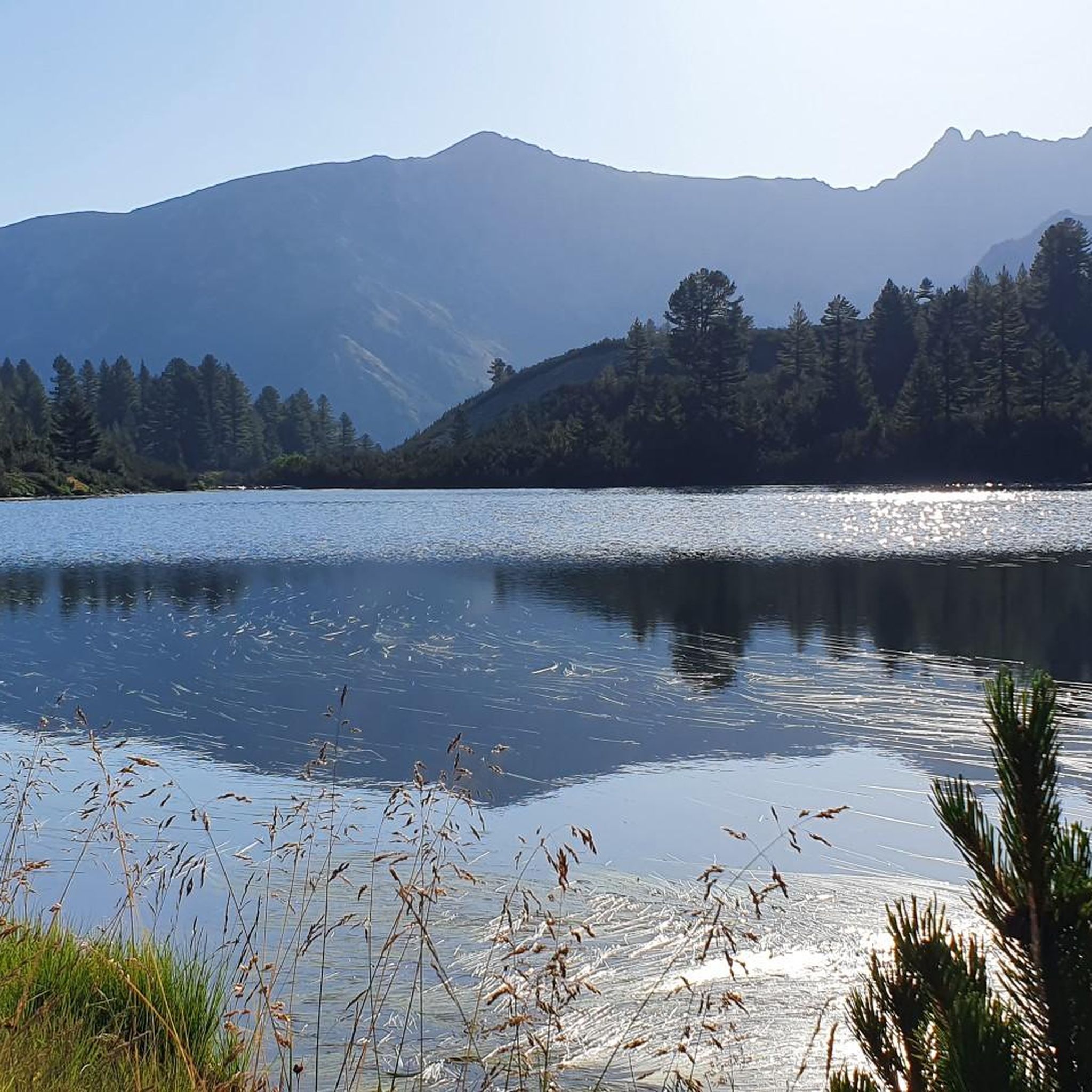
- Another must-see spot is Polezhan Peak, a summit known for its almost perfect cone shape and location in the granite section of Pirin. The ascent offers expansive alpine views, including Vihren and Popovo Lake.
- Visitors also love Jangal Peak (2730 m), a challenging summit that can be reached from Tevno Lake shelter. This peak provides panoramic viewpoints of the surrounding Pirin landscape.
- Pirin Mountains is known for its rugged, marble, and granite peaks. The area offers a variety of mountain peaks to see and explore, ranging from challenging climbs to more straightforward ascents.
- The mountain peaks in the Pirin Mountains are appreciated by the komoot community, with 93 upvotes and 51 photos across 7 highlights.
Last updated: May 15, 2026
Vihren Peak
Highlight • Summit
I suggest to climb it from Kazanite and the return back to Vihren hut throught Kabata
There are number of reasons for that:
1) If you climb in reverse order than you can skip Koncheto because of exhaustion and I think that Koncheto is a place that you should visit!
2) The way through Kazanite is steeper and is more inconvenient for descent (the knees!)
3) I'm sure I'm missing some reasons
Be sure that in the summer you have at least 2 liters of water because there is no water on the road and the sun shines.
Warning: Be aware that the weather can change dramatically in seconds!
You can find Edelweiss in Kazanite.
You should park you car next to Vihren hut early in the morning (7a.m.). Later in the day the parking is full and the police will close the road (next to Baikusheva mura).
Tip by

Vihren Peak and Glacier Base
Highlight • Summit
Tip by

Sign up now to discover places like this
Get recommendations on the best single tracks, peaks, & plenty of other exciting outdoor places.
Sign up for free
Polezhan Peak
Highlight • Summit
On windy weather or when walking on the rocks there is sound very similar to the sound from coins.
During the winter it is popular for back-country skiing (keep in mind the avalanche danger!).
Tip by
Sivria Peak
Highlight • Summit
Tip by

Jangal Peak (2730 m)
Highlight • Summit
Tip by

Kamenitsa Peak
Highlight • Summit
Tip by
Sredonosa Peak
Highlight (Segment) • Summit
Tip by
Start today with a free account
Your next adventure awaits.
Login or Signup
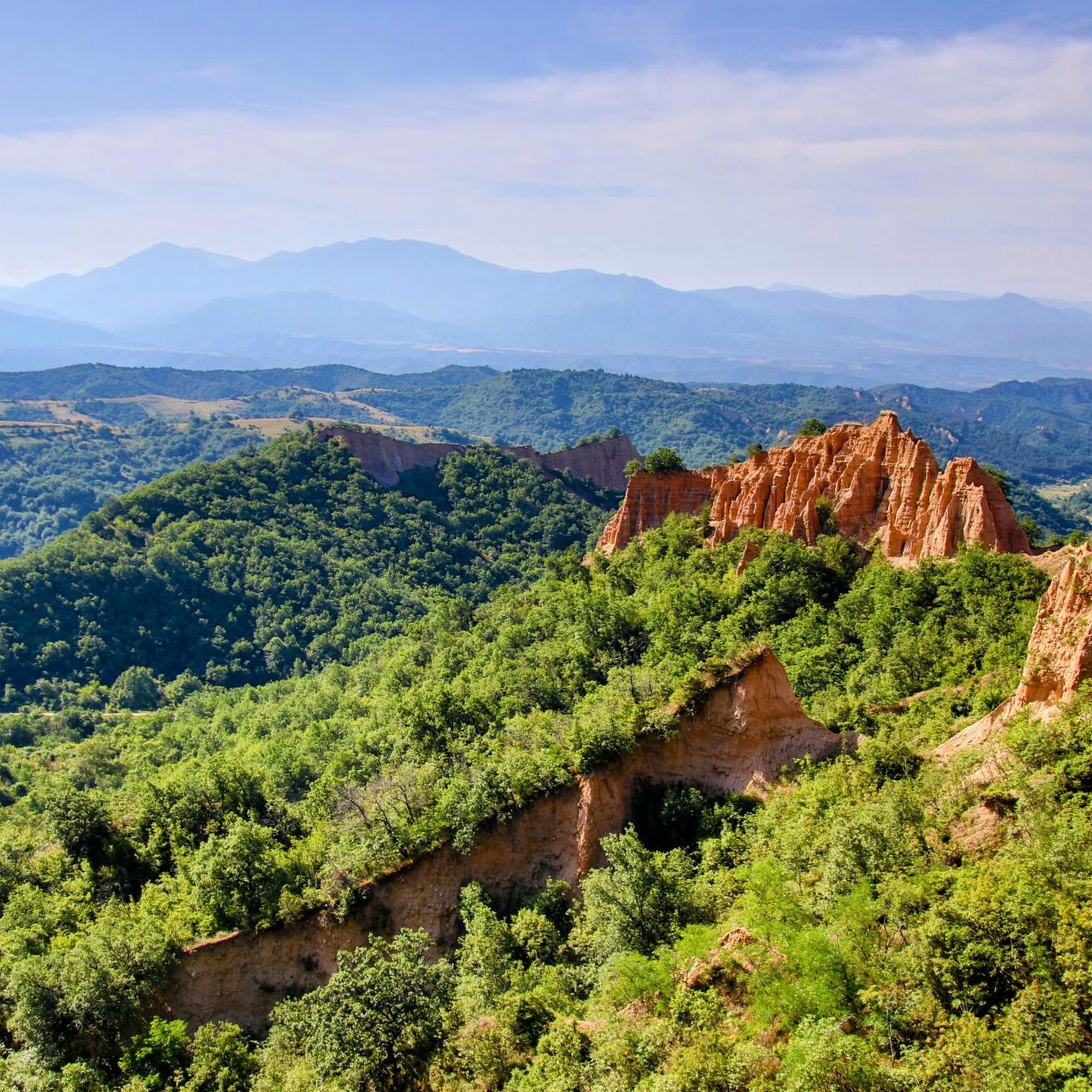
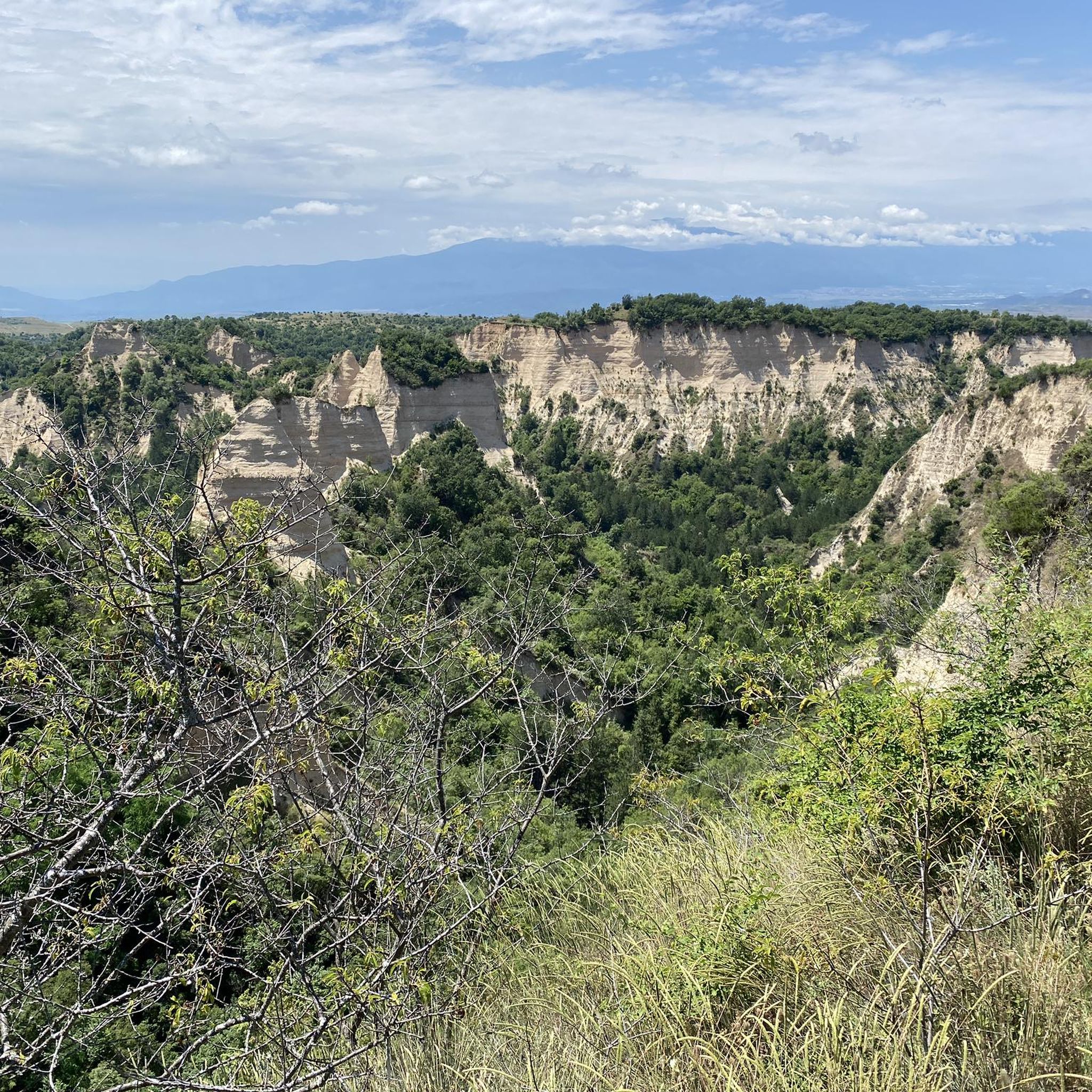
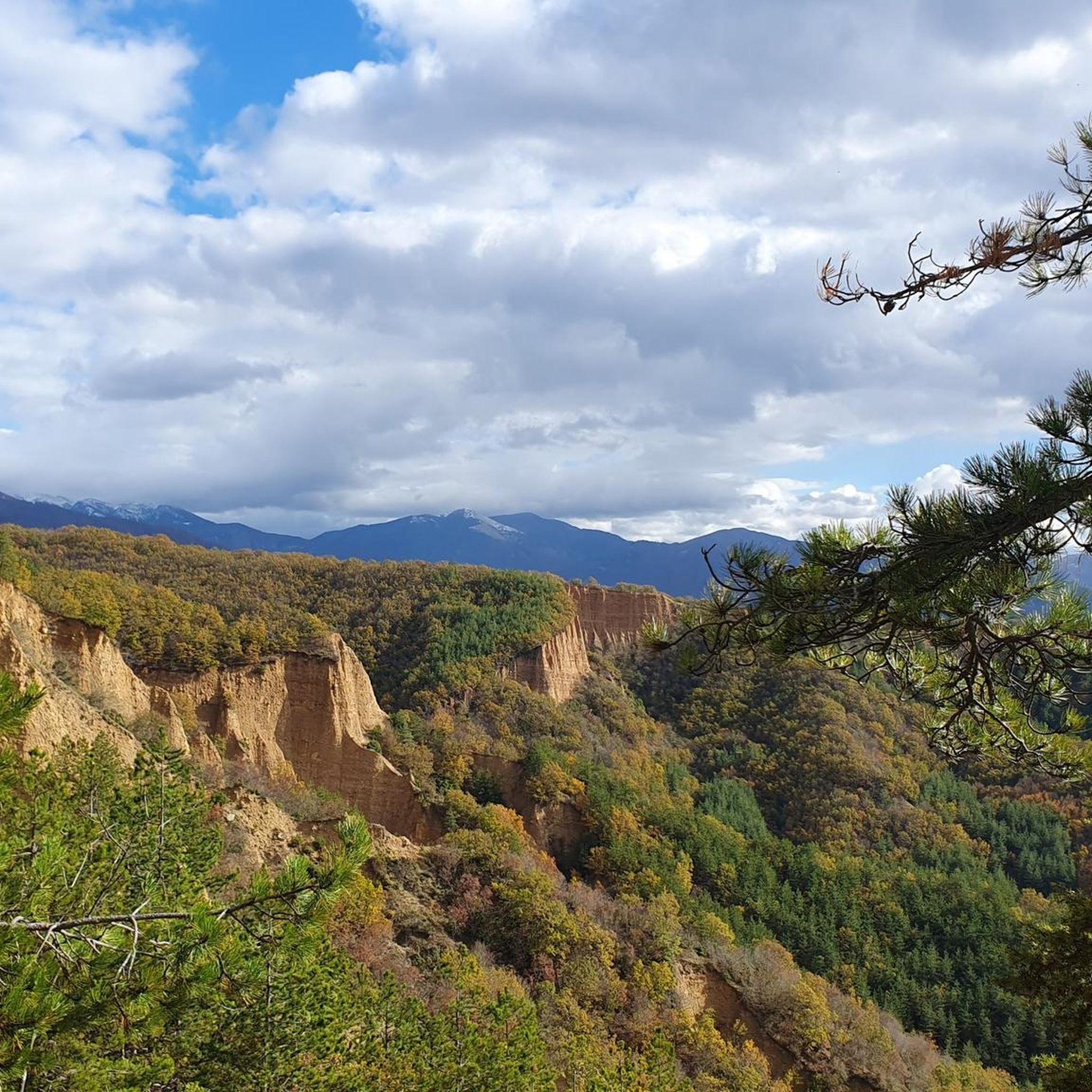
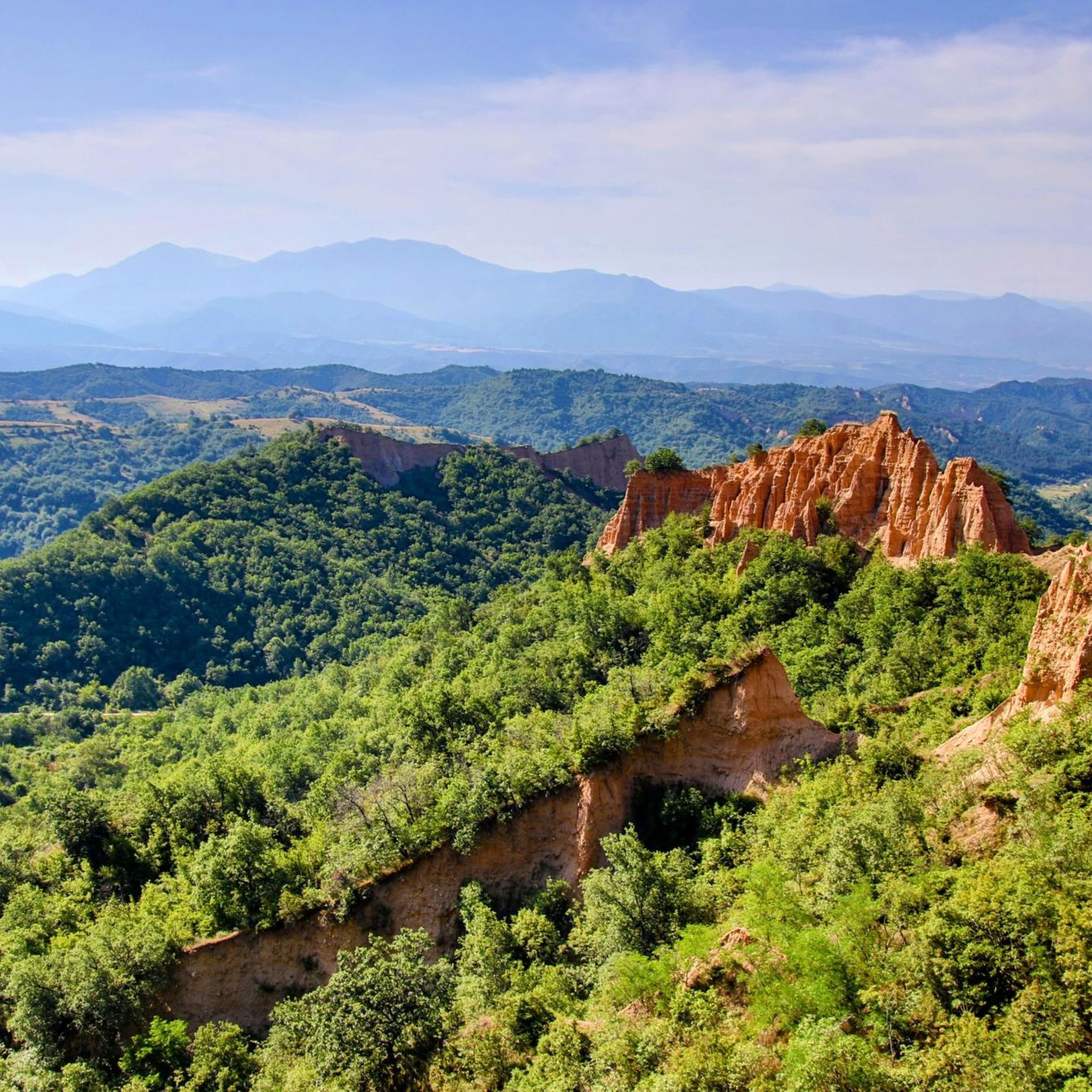
Tips from the Community

You should definitely not attempt this hike if you are not an expert hiker. The hike is very dangerous and the photos are from another era. The summit is full of extremely complicated and unstable rocks. I do trail running and hiking regularly and I definitely had trouble on this route. You should definitely not bring a non-expert.
0
0

Polezhan Peak. Panoramic. Medium difficulty.
0
0


The ridge is very difficult to cross. Only for tourists with great experience and no fear of heights.
0
0

Second highest mountain in Bulgaria, so when the weather is good you can enjoy a very far-reaching view. The section of road between the Banderitsa campsite and the Vihren hut is closed from 8 a.m. to 4 p.m. (one-way street, controlled by the police), so start as early as possible. It is also worth being at the summit around 9 a.m. to 10 a.m., otherwise, depending on the weather, clouds can cover the summit.
1
0
The decline once you reach the peak is dangerous. The path is not labeled and there is no clear way to defend safely due to the loose rocks. My friend and I reached the peak and turned around rather than attempt it. I would say this is an expert hike, with a lot of technical skills and equipment needed.
0
0

I do not recommend to climb this peak at all. Too dangerous. The view is not so good. A much better view is from Dzhano peak. The path from Sivria to Dzhano is too hard and dangerous.
1
0

From the top you have a great view of the rest of the Pirin Mountains. Definitely worth going all the way up. It takes about two and a half to three hours.
0
0
Frequently Asked Questions
What are some of the most challenging mountain peaks to climb in the Pirin Mountains?
For experienced hikers seeking a challenge, Vihren Peak is the highest in the range and offers a demanding ascent with breathtaking panoramic views. The Vihren Peak highlight is rated as challenging. Another notable challenge is Kutelo Peak, often climbed in conjunction with the famous Koncheto Ridge, which is a narrow, knife-sharp marble ridge requiring a steel safety cable for aid. Jangal Peak (2730 m) is also considered a challenging summit, accessible from Tevno Lake shelter.
Which peak is the highest in the Pirin Mountains?
The highest peak in the Pirin Mountains is Vihren Peak, standing at 2,914 meters (9,560 feet). It is also the second-highest peak in Bulgaria and is known for its distinctive pyramidal form and far-reaching views.
Are there any beginner-friendly mountain peaks in the Pirin Mountains?
Yes, Polezhan Peak is considered quite easy and straightforward, making it suitable for beginners looking for imposing, sweeping views without extreme difficulty. The ascent to Polezhan Peak offers fantastic alpine terrain and views of Vihren and Popovo Lake.
What is the Koncheto Ridge and what makes it unique?
Koncheto Ridge, meaning "The Foal," is a narrow, knife-sharp marble ridge connecting Kutelo with Banski Suhodol peak. At times, it is only half a meter wide with sheer drops on both sides. A steel safety cable is installed along the top to aid hikers, making it one of the most classic and challenging, yet incredibly aesthetic, hikes in the Pirin range.
Which peaks offer the best panoramic views in the Pirin Mountains?
Many peaks in the Pirin Mountains offer spectacular views. Vihren Peak provides breathtaking panoramic views of the entire Pirin range and beyond, even to mountains in northern Greece on clear days. Todorka Peak also offers stunning vistas of the Pirin Mountains, including Vihren, and the surrounding valleys and Bansko. From Polezhan Peak, you can enjoy beautiful alpine views of Vihren, other ridges, and Popovo Lake.
What natural features can I expect to see around the Pirin mountain peaks?
The Pirin Mountains are a UNESCO World Heritage site, known for their rugged beauty and alpine landscapes. You'll encounter distinctive geological formations, such as Vihren's pyramidal form carved by glacial erosion and its marble bedrock, giving it a white appearance. Polezhan, in contrast, is in the granite section of Pirin. Hikers may also encounter diverse alpine flora and fauna, including Balkan chamois and golden eagles, especially around Vihren. The area around Todorka Peak is known for numerous lakes, including the legendary Todorini Ochi (Todorka's Eyes) lakes.
What outdoor activities can I do near these mountain peaks?
The Pirin Mountains offer a variety of outdoor activities. You can find numerous running trails, such as the "Yavorov Hut loop from Pirin golf and country" or "Running loop from Pirin golf and country." For more challenging adventures, there are mountain hikes like the "Vihren Hut – Vihren Peak loop from Pirin National Park" and the "Безбог – Полежан loop from Bezbog Lake." Road cycling routes are also available, including the "Melnik Monastery loop from Polenitsa." You can explore more options on the Running Trails in the Pirin Mountains, Mountain Hikes in the Pirin Mountains, and Road Cycling Routes in the Pirin Mountains guide pages.
What is the best time of year to hike in the Pirin Mountains?
The Pirin Mountains are best visited for hiking during the summer months, typically from June to September, when the weather is generally stable and the trails are clear of snow. However, conditions can change dramatically, so always be prepared for sudden weather shifts. Some peaks, like Polezhan, are also popular for backcountry skiing in winter, but this requires specific expertise due to avalanche danger.
Are there any specific tips for climbing Vihren Peak?
When climbing Vihren Peak, it's advisable to start early; park your car near Vihren Hut by 7 a.m. in summer, as the road may close later. Carry at least 2 liters of water as there are no water sources on the way. The weather can change rapidly, so be prepared. Some recommend ascending via Kazanite and descending through Kabata, as Kazanite is steeper and less convenient for descent. The north side descent is partially secured with a steel cable. Aim to be at the summit around 9-10 a.m. for the best views before clouds might cover it.
What do visitors enjoy most about the Pirin Mountains?
Visitors consistently praise the Pirin Mountains for their unforgettable experiences, from the stunning alpine views to the sense of accomplishment after a challenging climb. The diverse landscapes, unique geological formations, and the opportunity to encounter wildlife like Balkan chamois and golden eagles are highly valued. The region offers a deep connection with wild nature, with many trails allowing for hours of hiking without meeting a soul, fostering a sense of peace and adventure.
Are there any circular hiking routes available around the Pirin peaks?
Yes, there are circular routes available. For instance, a popular mountain hike is the "Vihren Hut – Vihren Peak loop from Pirin National Park," which is an 8.2 km difficult route. Another option is the "Vihren Hut – Ribno Banderishko Lake loop from Pirin National Park," a 4.9 km moderate hike. You can find more details on the Mountain Hikes in the Pirin Mountains guide page.
What should I know about permits for hiking in Pirin National Park?
The Pirin Mountains are part of Pirin National Park, a UNESCO World Heritage site. While specific permits for hiking individual trails are generally not required for day hikes, it's always advisable to check the latest regulations from the park authorities, especially if planning multi-day treks or camping. Information regarding park rules and any potential fees can often be found at visitor centers or official park websites.
Most popular routes in the Pirin Mountains
Most popular attractions in the Pirin Mountains

Get inspired with the komoot mobile app


Explore more
See even more amazing summits in the Pirin Mountains with these guides:
