Top 4 Gorges in the Teton Range
Best canyons in the Teton Range are defined by their dramatic, glacially carved formations. This region, primarily within Grand Teton National Park, features U-shaped valleys and often includes pristine lakes at their outlets. These canyons provide access into the Teton backcountry, offering diverse terrain for exploration.
Best canyons in the Teton Range
- The most popular canyons is Death Canyon Trail, a trail that offers challenging hiking and views of Phelps Lake. It is known for rocky slopes, waterfalls, and…
Last updated: June 27, 2026
Cascade Creek
Highlight • River
Translated by Google •
Tip by

Death Canyon Trail
Highlight (Segment) • Trail
Tip by

Sign up now to discover places like this
Get recommendations on the best single tracks, peaks, & plenty of other exciting outdoor places.
Sign up for free
Along Palisades Creek
Highlight • River
Tip by

Philips Canyon Trail Wildflowers
Highlight (Segment) • Trail
Tip by

Start today with a free account
Your next adventure awaits.
Login or Signup
Popular around Teton Range


Tips from the Community

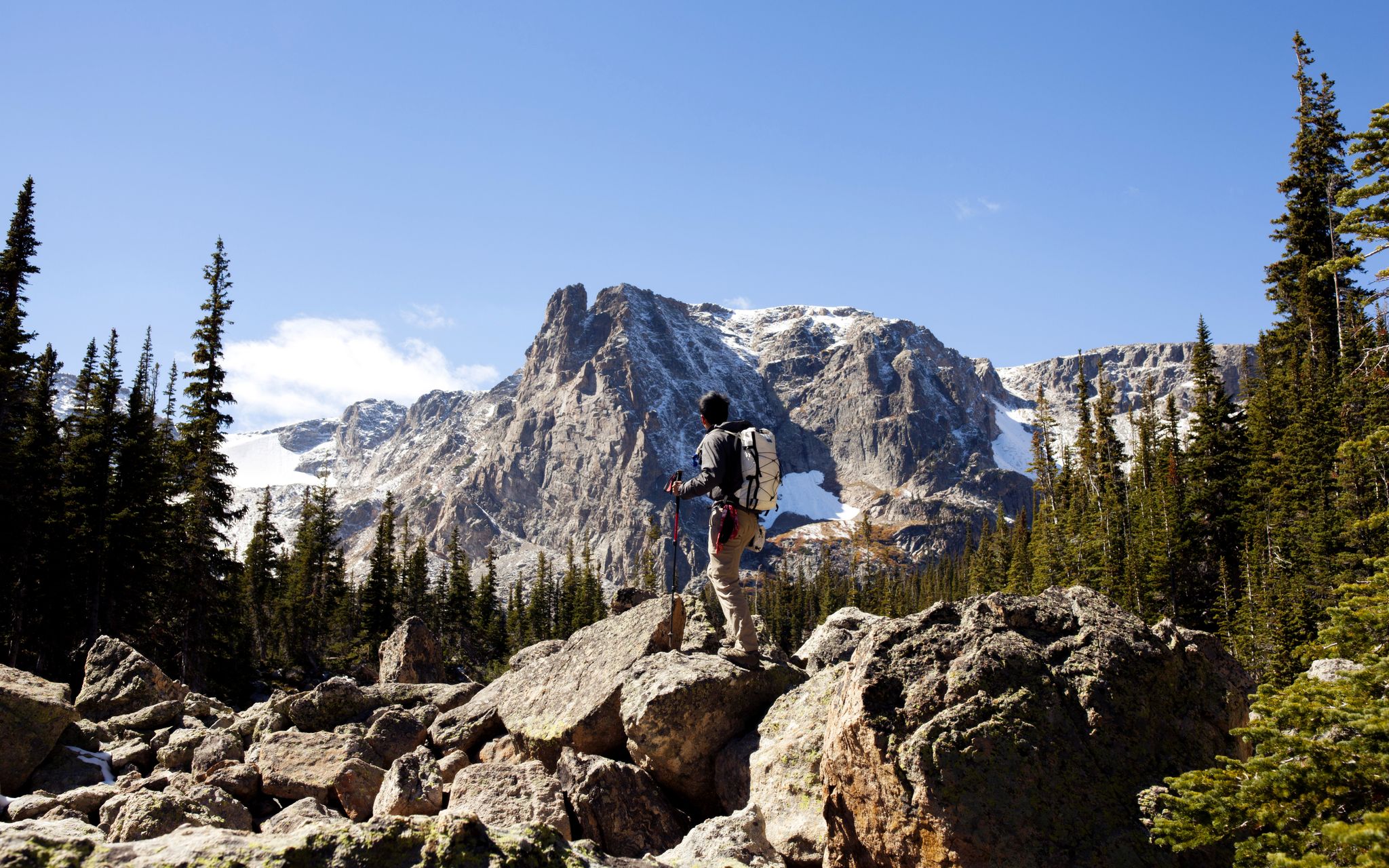
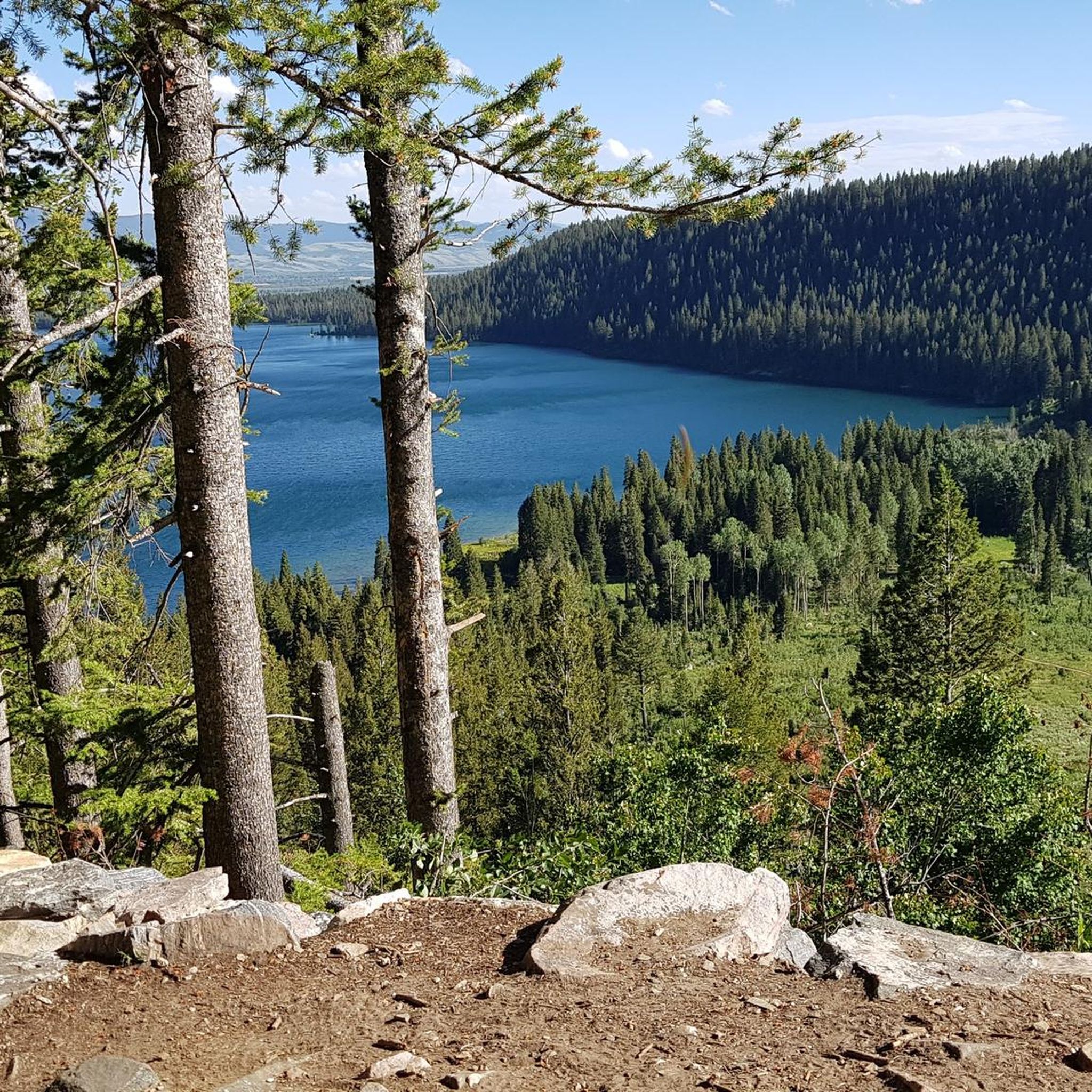
Palisades Creek rushes out of Upper and Lower Palisades Creek and is home for several species of trout. The Palisades Creek Trail runs along and takes you the two scenic alpine lakes nestled in the Palisades Creek Canyon.
2
0

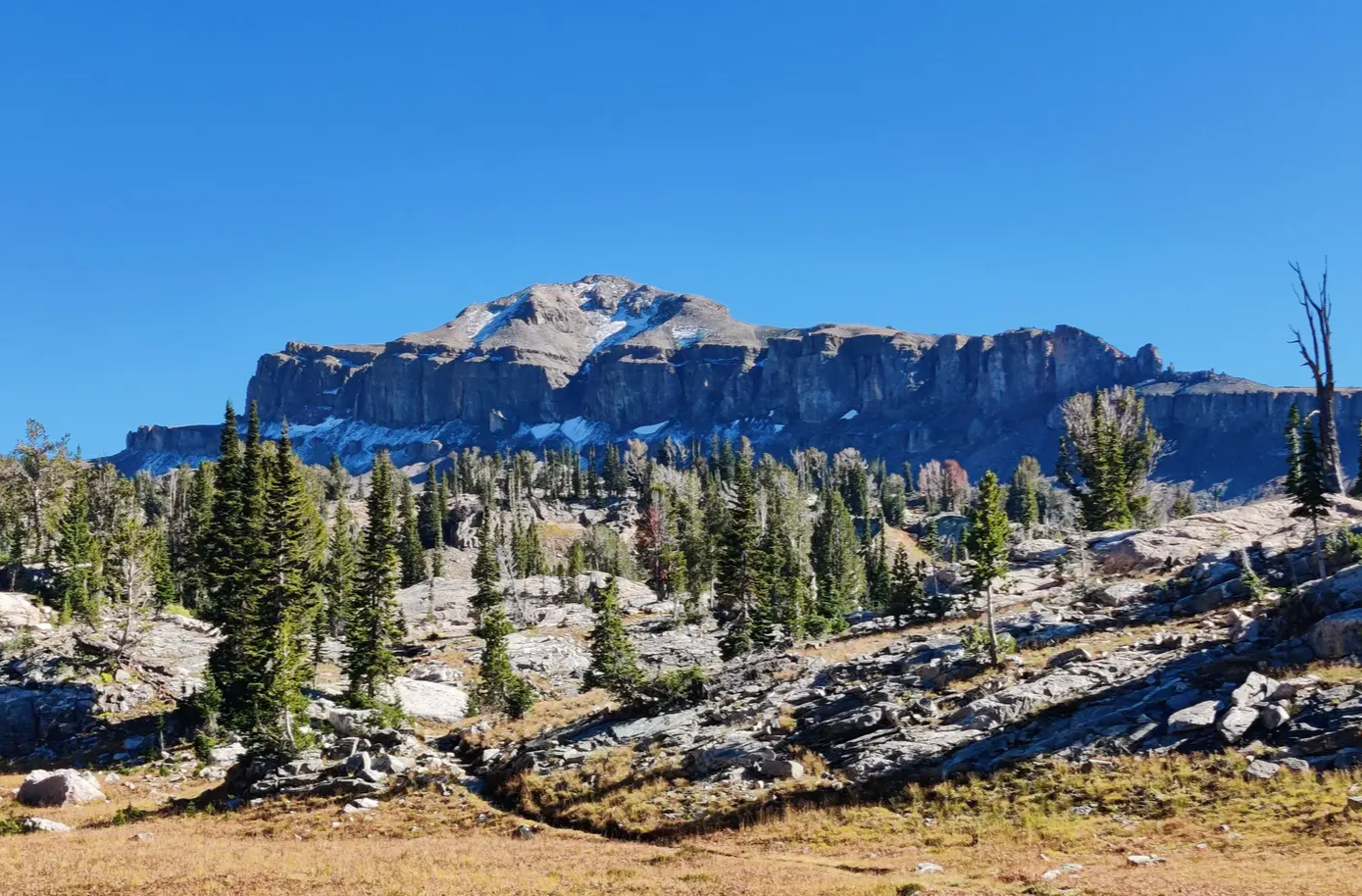
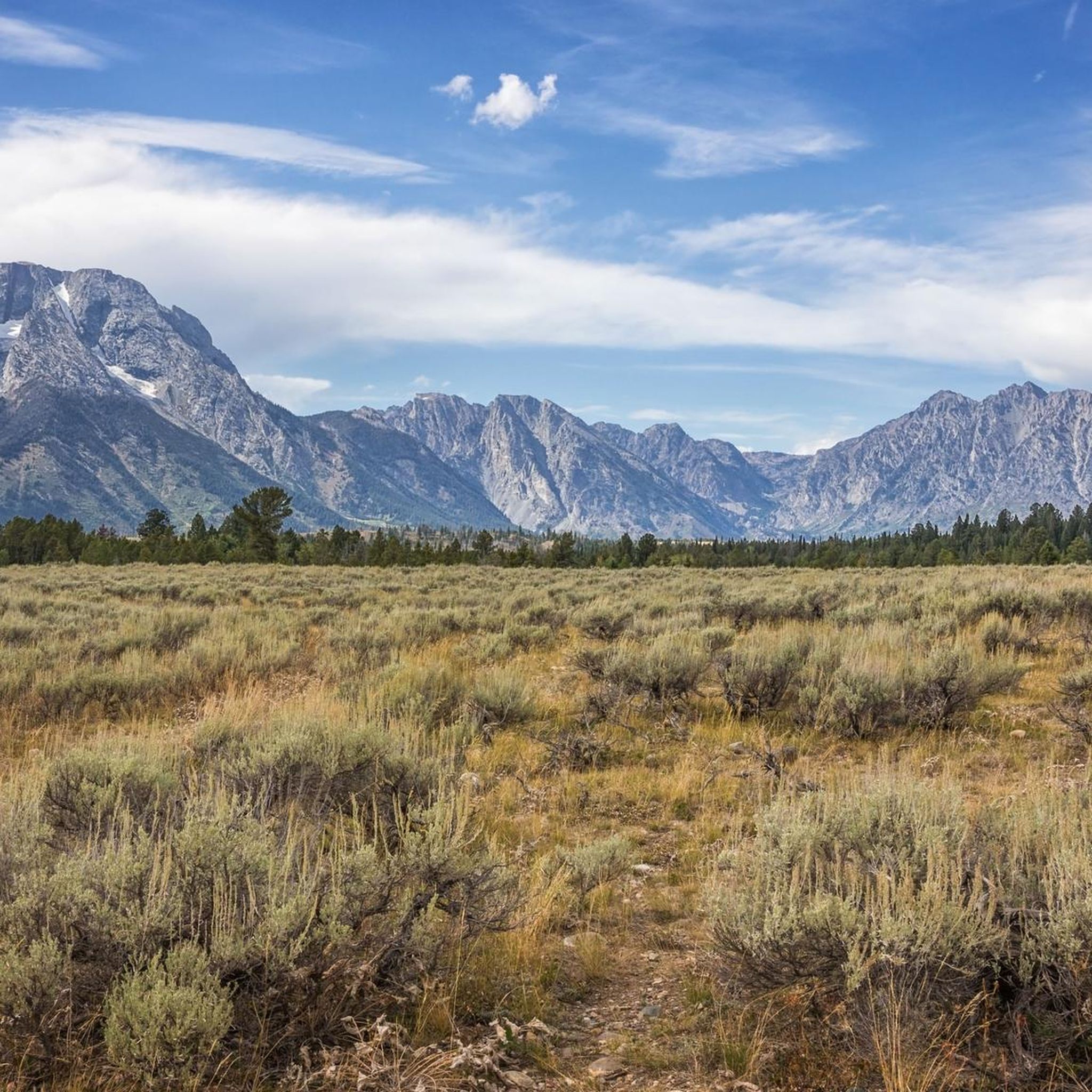
This route is roughly a 4 mile climb through forest, then for the last mile or so, it opens up to hillsides. Once open up, you have meadows of wildflowers and a great spot to view wildlife. The trail surface is pretty hardpacked with the right amount of grip while in the trees. It does get a bit more loose towards the top.
0
0

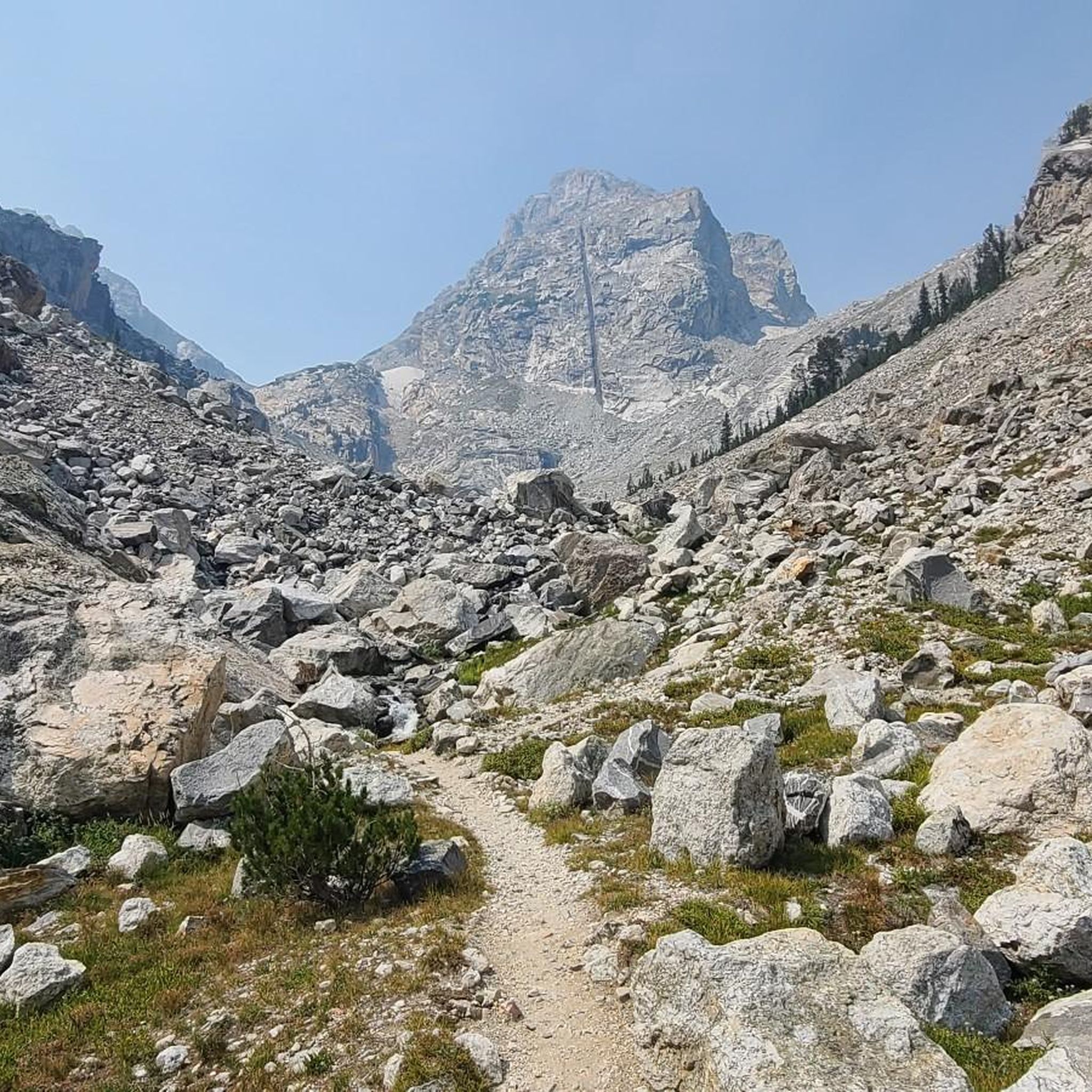
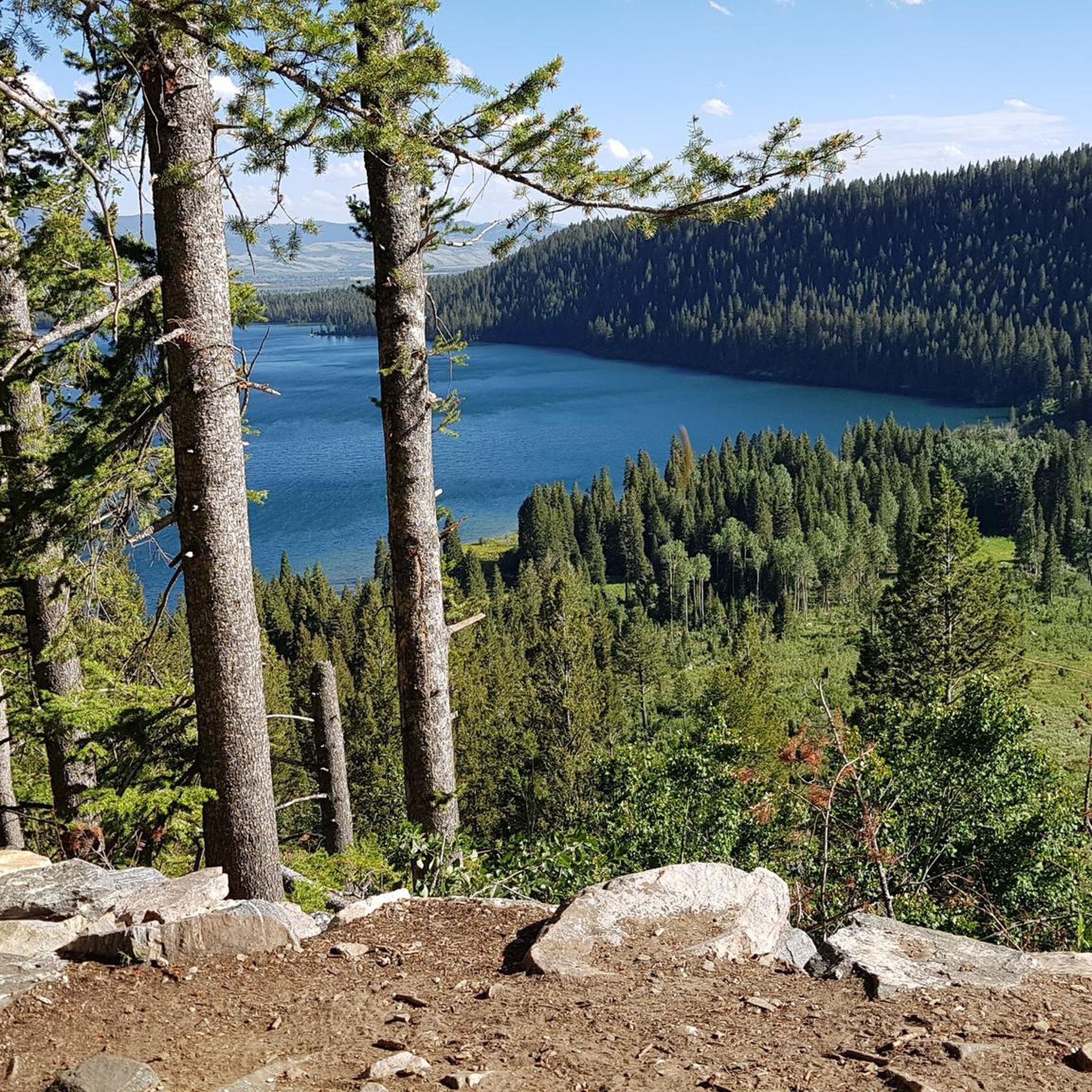
Death Canyon offers beautiful, challenging hiking, and fantastic views of Phelps Lake and the surrounding peaks. After leaving the forest above the lake, you pass through rocky slopes beneath towering cliff sides. As you switchback up the open canyon keep an eye out for waterfalls, wildflowers, and wildlife like marmots and pikas. Be aware that in spring and early summer the trail is often covered with snow and might require specialized equipment; be sure to check in about conditions with a ranger at a visitor center before attempting the trail early in the season.
0
0

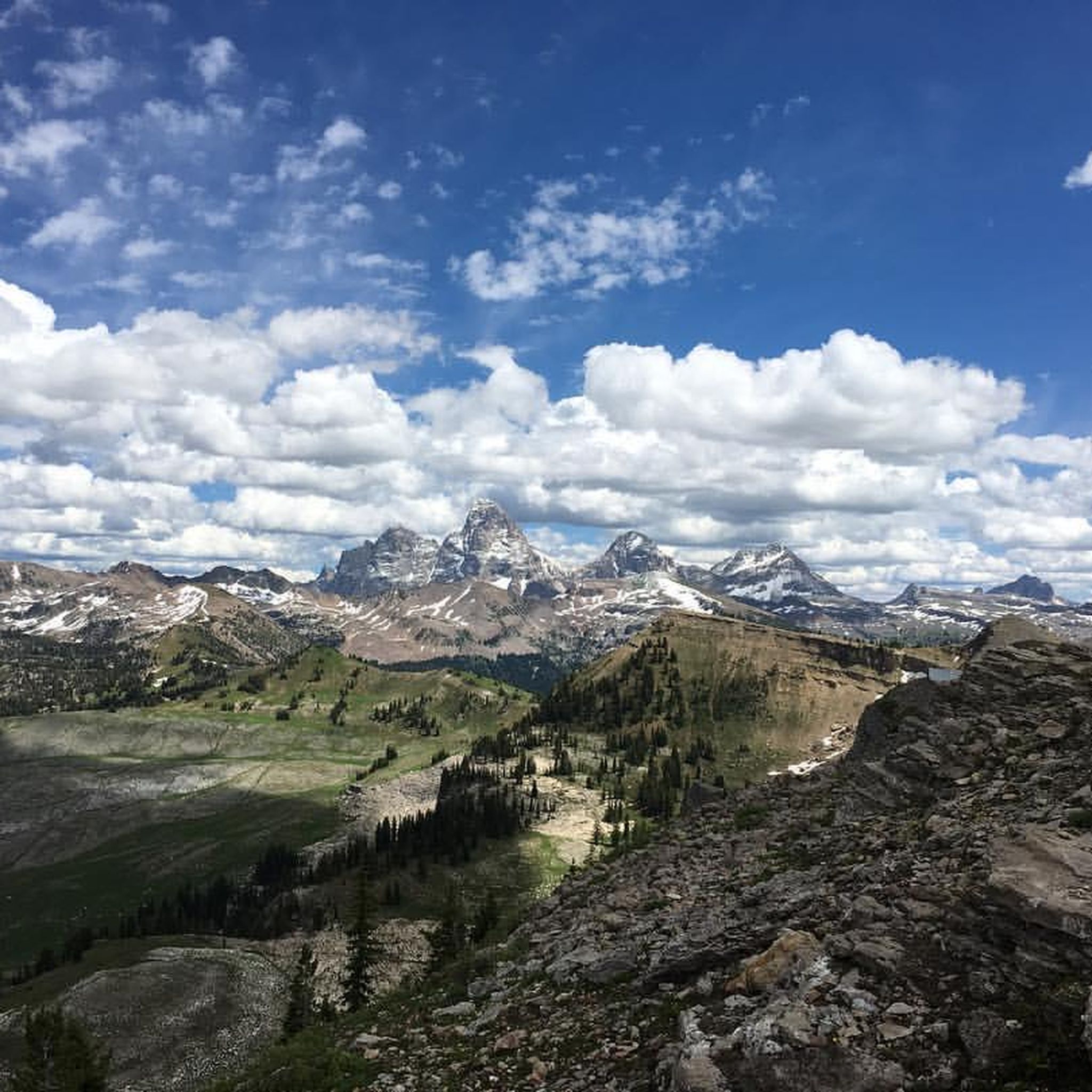
The path to Hidden Falls leads through Cascade Creek with views of the small waterfall and Cascade Canyon. There are several places where you can take a break. The path is steeply uphill in places, but is easy to walk and is popular with many hikers.
0
0
Frequently Asked Questions
What are the most scenic canyons to explore in the Teton Range?
The Teton Range is home to many dramatic, glacially carved canyons. For breathtaking views, consider Death Canyon Trail, which offers challenging hiking and stunning vistas of Phelps Lake. Another highly scenic option is Cascade Canyon, known for its deep, U-shaped valley, rushing streams, and towering granite walls, accessible from Jenny Lake. Paintbrush Canyon also provides stunning alpine views, especially with its vibrant fall foliage.
Are there any family-friendly canyon trails in the Teton Range?
While many canyon trails in the Teton Range can be challenging, some sections or nearby areas offer more accessible options. For instance, the initial parts of Cascade Canyon, particularly up to Hidden Falls and Inspiration Point from Jenny Lake, are popular and can be enjoyed by families. Always check trail conditions and difficulty before heading out.
What kind of wildlife can I expect to see in the Teton Range canyons?
The canyons are rich in wildlife. In Death Canyon Trail, you might spot marmots and pikas. Cascade Canyon is known for frequent sightings of moose and marmots. Generally, the more remote canyons offer opportunities to see a wider variety of animals in a quieter setting.
What is the best time of year to visit the canyons in the Teton Range?
The best time to visit the Teton Range canyons is typically from late spring through early fall. Spring and early summer can still have snow cover on higher elevation trails, especially in canyons like Death Canyon Trail, potentially requiring specialized equipment. Fall offers vibrant foliage, particularly in Paintbrush Canyon, and generally cooler temperatures. Always check current conditions with a ranger before your trip.
What are the typical terrain features of canyons in the Teton Range?
Canyons in the Teton Range are characterized by their dramatic, glacially carved formations. They typically feature U-shaped valleys, often with pristine lakes at their outlets formed by terminal moraines. You'll encounter rushing streams, hanging waterfalls, and towering granite walls, with trails ranging from relatively flat valley floors to rocky slopes and significant elevation gains.
Are there any challenging hikes for experienced adventurers in the Teton Range canyons?
Yes, the Teton Range offers several challenging routes. The Paintbrush Canyon-Cascade Canyon Loop is a strenuous 20-mile hike that showcases numerous highlights and offers spectacular panoramic views from Paintbrush Divide. Death Canyon Trail also provides a challenging experience with rocky slopes and significant elevation changes. Garnet Canyon is primarily a destination for experienced mountaineers aiming to ascend Teton peaks.
What outdoor activities can I do near the canyons in the Teton Range?
Beyond canyon exploration, the Teton Range offers a wide array of outdoor activities. You can find excellent hiking opportunities, including routes like the Jenny Lake Loop Trail or the challenging Surprise, Amphitheater, and Delta Lakes hike. For cyclists, there are road cycling routes such as the Grand Teton National Park – Moose Junction loop. Mountain biking enthusiasts can explore trails like the Quakie Ridge Loop. You can find more details on these activities in the Hiking in the Teton Range, Road Cycling Routes in the Teton Range, and MTB Trails in the Teton Range guides.
Where can I find unique natural features like waterfalls or alpine lakes in the Teton Range canyons?
Many canyons boast stunning natural features. Cascade Canyon features impressive hanging waterfalls and leads to the formation of Cascade Creek at The Forks of Cascade Canyon, which flows into Jenny Lake. Along Palisades Creek, you can follow a trail to two scenic alpine lakes nestled within Palisades Creek Canyon. Garnet Canyon is notable for Bradley Lake at its outlet.
Are there any less crowded canyons for a more solitary experience?
Yes, if you're seeking solitude, Death Canyon Trail is often described as a less busy but equally beautiful option compared to some of the more popular northern canyons. Webb Canyon, originating at alpine lakes near the park's western boundary, also suggests a more remote and pristine backcountry experience.
What do visitors appreciate most about the Teton Range canyons?
Visitors consistently praise the dramatic, glacially carved landscapes and the exceptional recreational opportunities. The chance to experience challenging hikes, witness stunning alpine views, and spot diverse wildlife like moose, marmots, and pikas are frequently highlighted. The accessibility to the Teton backcountry and the pristine natural environment are also highly valued.
Can I see wildflowers in the Teton Range canyons?
Yes, wildflowers are a beautiful sight in the Teton Range canyons, especially during late spring and summer. The Philips Canyon Trail Wildflowers highlight specifically mentions meadows of wildflowers on its hillsides, offering a great spot to view them.
What is the geological history behind the Teton Range canyons?
The canyons of the Teton Range were primarily sculpted by glaciers over the past 250,000 years. This glacial activity is responsible for their characteristic U-shaped valleys, steep walls, and the formation of lakes at their mouths, often impounded by terminal moraines. This geological history contributes to their dramatic and unique appearance.
Most popular routes in the Teton Range
Most popular attractions in the Teton Range

Get inspired with the komoot mobile app


