Top 5 Huts and Cabins in the Alaska Range
Huts in the Alaska Range provide essential shelter and unique destinations within a vast and rugged mountain chain. These structures range from rustic, historic cabins to well-equipped alpine huts, each offering distinct features. They are crucial for accessing remote wilderness, offering protection from harsh conditions, and serving as base camps for exploration. The region's huts enable longer trips and provide a sense of wilderness isolation.
Best huts in the Alaska Range
- The most popular huts is Caribou Creek Cabin, a hut that is a rustic cabin at the end of Caribou Creek Trail. Reservations are required and must be made at least six months in advance.
- Another must-see spot is Denali, Advance Basecamp (4350m, 14,300ft), a challenging hut and settlement. This high-altitude camp serves as a critical point for acclimatization for climbers ascending the West Buttress route.
- Visitors also love Richard Proenneke Cabin, a historical hut. This cabin was built using only hand tools and was home to Richard Proenneke for about 30 years.
- Alaska Range is known for rustic cabins, historic sites, and high-altitude camps. Visitors can find a variety of huts to explore, from those requiring advance reservations to critical shelters for mountaineering.
- The huts in the Alaska Range are appreciated by the komoot community, with 5 upvotes and 3 photos shared across the highlights.
Last updated: October 1, 2026
Caribou Creek Cabin
Highlight • Mountain Hut
Tip by

Denali, Advance Basecamp (4350m, 14,300ft)
Highlight • Mountain Hut
However Advance Base Camp, known also as "ABC" and "Basin Camp", is a haven of relative safety. Multiday storms can rage all-about, but a well-entrenched tent with snow walls is generally OK there. It is here that expeditions plan several days of acclimatization prior to tackling the upper route.
Advance Base Camp is at-times sufficiently peopled to be termed a "village" - and the highest in North America. There is no governing authority apart from the nearby stationed park rangers. It is essentially a disorganized conglomeration of snow walls buttressing brightly colored tents and with perhaps a 100 to 200 yard extent depending on orientation.
As a sewage system is nonexistent one generally "does business" in a pit dug specifically for that purpose and trows the solid waste, bagged within a green CMC (clean mountain can) provided by the National Park Service (NPS), into a deep crevasse.
There is also the medical tent where NPS staff provide advice to climbers. However beware: if treated, even for a minor cut, your climb is finished. They send you down, aligned with the philosophy that all groups be maximally self-sufficient.
cohp.org/personal/McKinley/2013/Advance_Base_Camp.html
Waiting for a good weather window (bring a ham-radio/walkie-talkie to listen to the 2-day weather update at 5pm from Kahiltna base camp) can take a few days/weeks, so bring enough food (or collect food given away by parties returning who don't want to carry back all that extra weight) and something to read. Daily exercise climbs and building an igloo while waiting is highly recommended to stay in shape and protected from the elements.
Tip by

Sign up now to discover places like this
Get recommendations on the best single tracks, peaks, & plenty of other exciting outdoor places.
Joe Thompson Public Use Cabin
Highlight • Mountain Hut
Tip by

Richard Proenneke Cabin
Highlight • Mountain Hut
The cabin is only accessible via backcountry (off-trail) trekking from other parts of Lake Clark National Park or, more commonly, float plane landing on Upper Twin Lake.
Tip by
Savage Cabin Interpretive Trail
Highlight • Trail
Tip by

Start today with a free account
Your next adventure awaits.
Other adventures in the Alaska Range


Tips from the Community

The Savage Cabin is an old patrol cabin that is still used today. Dog sledders utilize the cabin and the information it provides in the winter months. In the summer, there is a really short interpretive trail that circles around the area. A lot of people visit the cabin, but you can find some quiet trail running on the second half of the loop.
0
0
The Joe Thompson Public Use Cabin sits at the trailhead for the Portage Creek Trail. You have to pay a fee and make a reservation to actually stay at the Joe Thompson Public Use Cabin, but you can run the trail and head back to the main part of the island in just a few hours. Note that like many trailheads in Lake Clark National Park, you can only get here by boat or float plane.
0
0

A rustic cabin at the end of Caribou Creek Trail. Reservations are required and must be made at least six months in advance of intended stay. More information can be found here: nps.gov/wrst/planyourvisit/caribou-creek-cabin.htm
0
0

The Joe Thompson Public Use Cabin, located in Lake Clark National Park, is accessible by boat or float plane from the nearby town of Port Alsworth. The cabin must be reserved in advance, for a fee, through https://www.recreation.gov/.
1
0
Alaska wilderness icon Richard Proenneke built this cabin himself, using only hand tools, then lived in it for about thirty years. His story was immortalized in the book "One Man's Wilderness." The cabin is only accessible via backcountry (off-trail) trekking from other parts of Lake Clark National Park or, more commonly, float plane landing on Upper Twin Lake.
1
0
A rustic cabin at the end of Caribou Creek Trail. Reservations are required and must be made at least six months in advance of intended stay. More information can be found here: https://www.nps.gov/wrst/planyourvisit/caribou-creek-cabin.htm
0
0

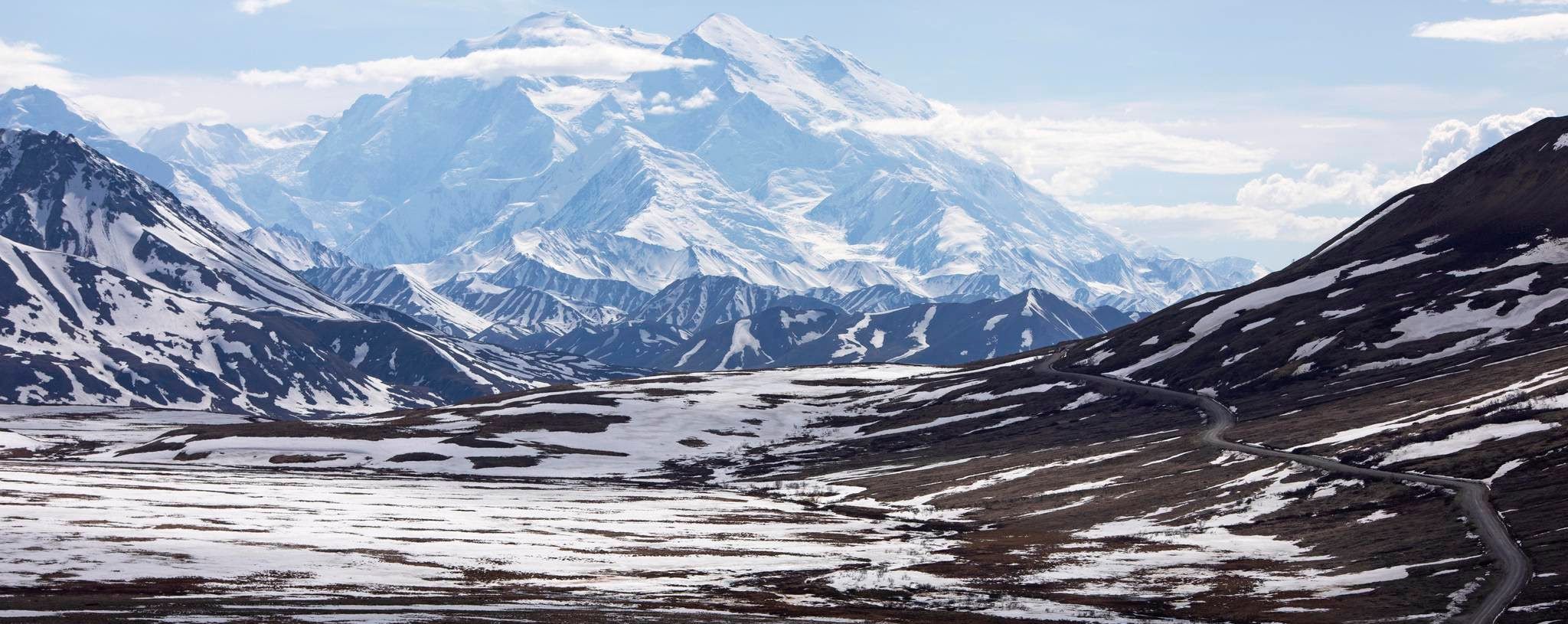
Denali's Advance Base Camp lies a few days' climb above the Kahiltna Glacier Basecamp where the small planes drop off climbers, marking the interface of lower and upper mountain at some 14,300 feet elevation. The lower portion of the West Buttress route features, with a few exceptions, relatively shallow terrain and sufficiently benign temperatures that one can often travel during spells of bad weather. The upper route, by contrast, is at-times steep and unforgivingly cold - even in June and early July. Traveling there demands caution and much planning so as not to be caught in the open with high winds and a seriously low wind chill factor. One can then freeze to death without a tent or sleeping bag. However Advance Base Camp, known also as "ABC" and "Basin Camp", is a haven of relative safety. Multiday storms can rage all-about, but a well-entrenched tent with snow walls is generally OK there. It is here that expeditions plan several days of acclimatization prior to tackling the upper route. Advance Base Camp is at-times sufficiently peopled to be termed a "village" - and the highest in North America. There is no governing authority apart from the nearby stationed park rangers. It is essentially a disorganized conglomeration of snow walls buttressing brightly colored tents and with perhaps a 100 to 200 yard extent depending on orientation. As a sewage system is nonexistent one generally "does business" in a pit dug specifically for that purpose and trows the solid waste, bagged within a green CMC (clean mountain can) provided by the National Park Service (NPS), into a deep crevasse. There is also the medical tent where NPS staff provide advice to climbers. However beware: if treated, even for a minor cut, your climb is finished. They send you down, aligned with the philosophy that all groups be maximally self-sufficient. http://www.cohp.org/personal/McKinley/2013/Advance_Base_Camp.html Waiting for a good weather window (bring a ham-radio/walkie-talkie to listen to the 2-day weather update at 5pm from Kahiltna base camp) can take a few days/weeks, so bring enough food (or collect food given away by parties returning who don't want to carry back all that extra weight) and something to read. Daily exercise climbs and building an igloo while waiting is highly recommended to stay in shape and protected from the elements.
2
0
Frequently Asked Questions
How do I reserve a hut in the Alaska Range?
Reservation requirements vary significantly. For instance, the Caribou Creek Cabin requires reservations at least six months in advance. The Joe Thompson Public Use Cabin also requires advance reservations, which can be made through recreation.gov. Huts maintained by the Alaska Alpine Club in the Delta Range, such as Thayer Hut, Lower Canwell Hut, and MacKeith Hut, are generally available on a first-come, first-served basis.
Are there family-friendly huts or trails in the Alaska Range?
While many huts are in remote or challenging terrain, some areas offer more accessible options. The Savage Cabin Interpretive Trail, for example, is a family-friendly trail that circles an old patrol cabin. When planning a trip, always check the specific access and difficulty for each hut or trail.
What historical huts can I visit in the Alaska Range?
The Alaska Range is home to several historic cabins. The Richard Proenneke Cabin in Lake Clark National Park is a notable historical site, built by hand by Richard Proenneke himself. The Savage Cabin is an old patrol cabin still in use today, particularly by dog sledders in winter, with an interpretive trail available in summer.
What is the best time of year to visit huts in the Alaska Range?
The best time to visit depends on your desired activity. Summer offers more accessible conditions for hiking and general exploration, while winter provides opportunities for dog sledding and snow-based activities, though access to many huts becomes more challenging. High-altitude camps like Denali, Advance Basecamp are typically used during the climbing season, which usually runs from late spring to mid-summer.
What outdoor activities can I do near huts in the Alaska Range?
The Alaska Range offers a wide range of outdoor activities. Near many huts, you can find opportunities for hiking, running, and mountaineering. For example, you can explore various trails for hiking or running, including easy options like the Taiga Loop and Horseshoe Lake Trail, or more challenging routes like the Triple Lakes Trail. Huts like Mint Hut serve as excellent base camps for ascending nearby granite peaks or undertaking traverses like the Bomber Traverse.
Are there huts suitable for mountaineering or advanced expeditions?
Yes, the Alaska Range has huts and camps that serve as critical points for mountaineering. The Denali, Advance Basecamp (4350m, 14,300ft) is a challenging high-altitude camp essential for climbers ascending the West Buttress route of Denali, providing a crucial acclimatization point. The Mint Hut in the Talkeetna Mountains is also a popular base camp for ascending nearby granite peaks.
What amenities can I expect at huts in the Alaska Range?
Amenities vary greatly. Rustic cabins like Caribou Creek Cabin offer basic shelter. The Alaska Alpine Club huts (Thayer, Lower Canwell, MacKeith) are spartanly furnished but typically include a stove, lantern, and pots. MacKeith Hut is noted for being more comfortable with picture windows and kitchen items. Mint Hut is equipped with a two-burner stove, cooking utensils, a lantern, sleeping pads, and an outhouse. Always be prepared for minimal facilities and bring your own essentials.
How do I access huts in remote areas of the Alaska Range?
Access to remote huts often requires specialized transportation or significant backcountry travel. The Richard Proenneke Cabin and Joe Thompson Public Use Cabin in Lake Clark National Park are commonly accessed by float plane or boat. Some huts, like those in the Delta Range, require multi-mile treks, sometimes involving glacier travel, and good visibility or GPS is recommended.
What natural features and viewpoints can I see from Alaska Range huts?
Many huts are strategically located to offer breathtaking views. The MacKeith Hut in the Delta Range features large picture windows with beautiful views of the surrounding mountains and glaciers. The Mint Hut is situated in a spectacular location near the headwaters of the Little Susitna River, offering opportunities to explore the Mint Glacier. These locations provide access to stunning scenery, including glaciers, mountains, and valleys.
Are there any huts that are easily accessible without extensive technical skills?
Yes, some huts are known for their relatively easier access. The Mint Hut in the Talkeetna Mountains is one of the most popular due to its relatively easy access, requiring no technical travel or large elevation gains. It serves as a comfortable rest stop or base camp for exploring the Talkeetna Mountains.
What should I pack for a hut trip in the Alaska Range?
Given the often harsh and unpredictable weather, it's crucial to pack for self-sufficiency. Essentials include appropriate clothing layers, food, water purification, navigation tools (map, compass, GPS), a first-aid kit, and sleeping gear. Even in huts with stoves, bringing your own fuel and cooking supplies is advisable. For high-altitude or glacier travel, specialized mountaineering equipment is necessary.
What makes the Alaska Range huts worth visiting?
Huts in the Alaska Range are invaluable for providing essential shelter in remote wilderness, offering protection from harsh weather and wildlife, and serving as base camps for exploration. They offer unique experiences, from the historic solitude of Proenneke's Cabin to the vibrant climbing community at Denali's Advance Basecamp, all set amidst stunning scenery.
Most popular attractions in the Alaska Range

Get inspired with the komoot mobile app


Explore more
Find more beautiful huts and cabins in the Alaska Range by checking out the top ones in these nearby places:
