Top 6 Caves in West Flanders
Caves in West Flanders are primarily man-made grottoes, often serving as religious sites rather than natural geological formations. The region's geological conditions do not support extensive natural cave systems. West Flanders is characterized by its flat, coastal landscape and historical significance, particularly related to World War I. While natural caves are rare, the area offers unique subterranean experiences through historical sites and constructed grottoes.
Best caves in West Flanders
- The most popular caves is Poelberg Lourdes Grotto, a religious…
Last updated: June 27, 2026
Poelberg Lourdes Grotto
Highlight • Religious Site
Translated by Google •
Tip by

Ginstegrot
Highlight • Religious Site
Showing Translation
Tip by

Sign up now to discover places like this
Get recommendations on the best single tracks, peaks, & plenty of other exciting outdoor places.
Sign up for free
Lourdes Grotto
Highlight • Religious Site
Translated by Google •
Tip by

Our Lady of Lourdes Grotto Emmaüs
Highlight • Religious Site
A grotto with an idyllic stream. But you can't see the grotto from the road. Enter the forest path. There's a …
Translated by Google •
Tip by

Emmaus Grotto
Highlight • Cave
Translated by Google •
Tip by
Start today with a free account
Your next adventure awaits.
Login or Signup
Popular around West Flanders
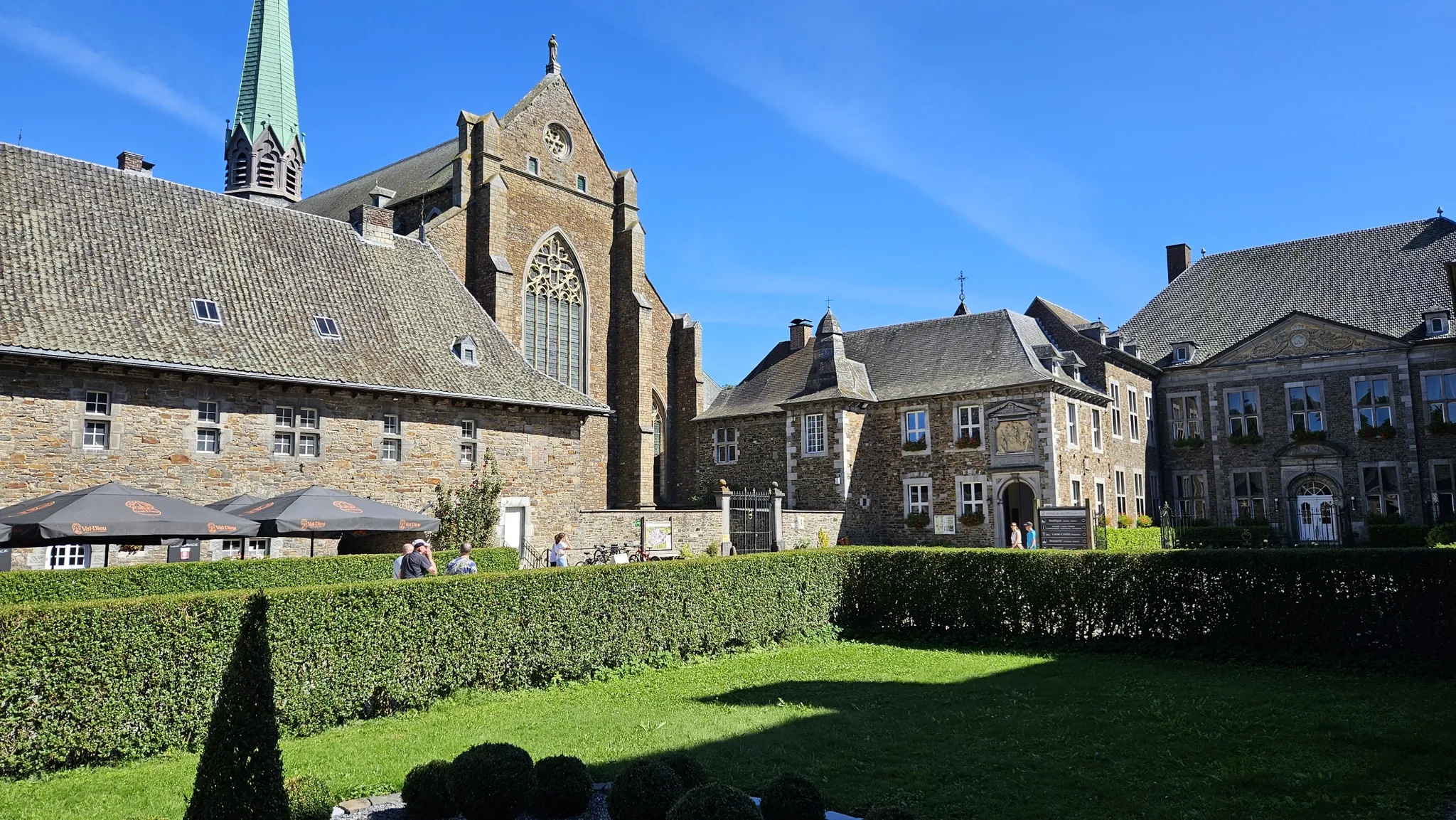
Trappist abbeys cycle route – Between beers and heritage
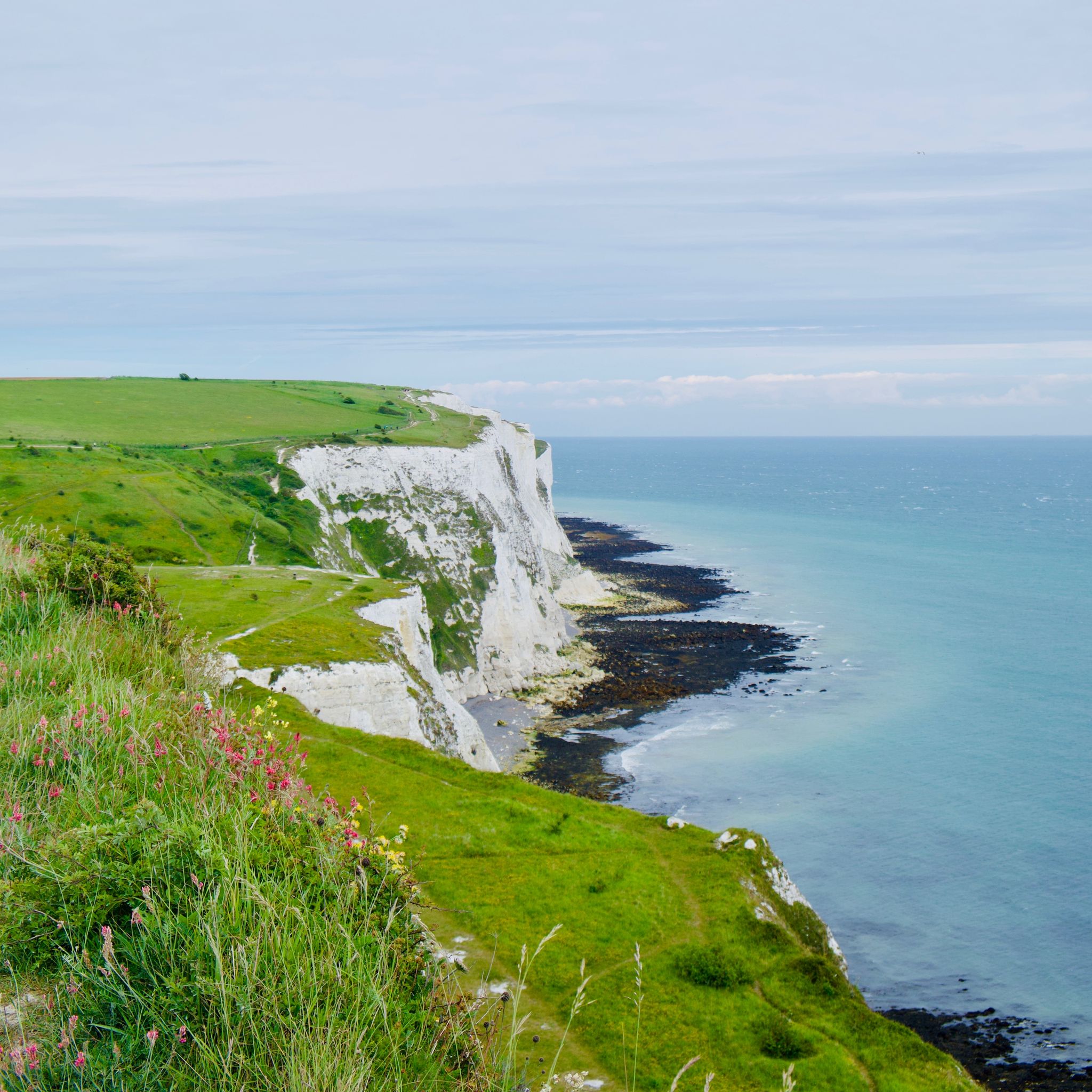
From Amsterdam to London - along the North Sea and across the water
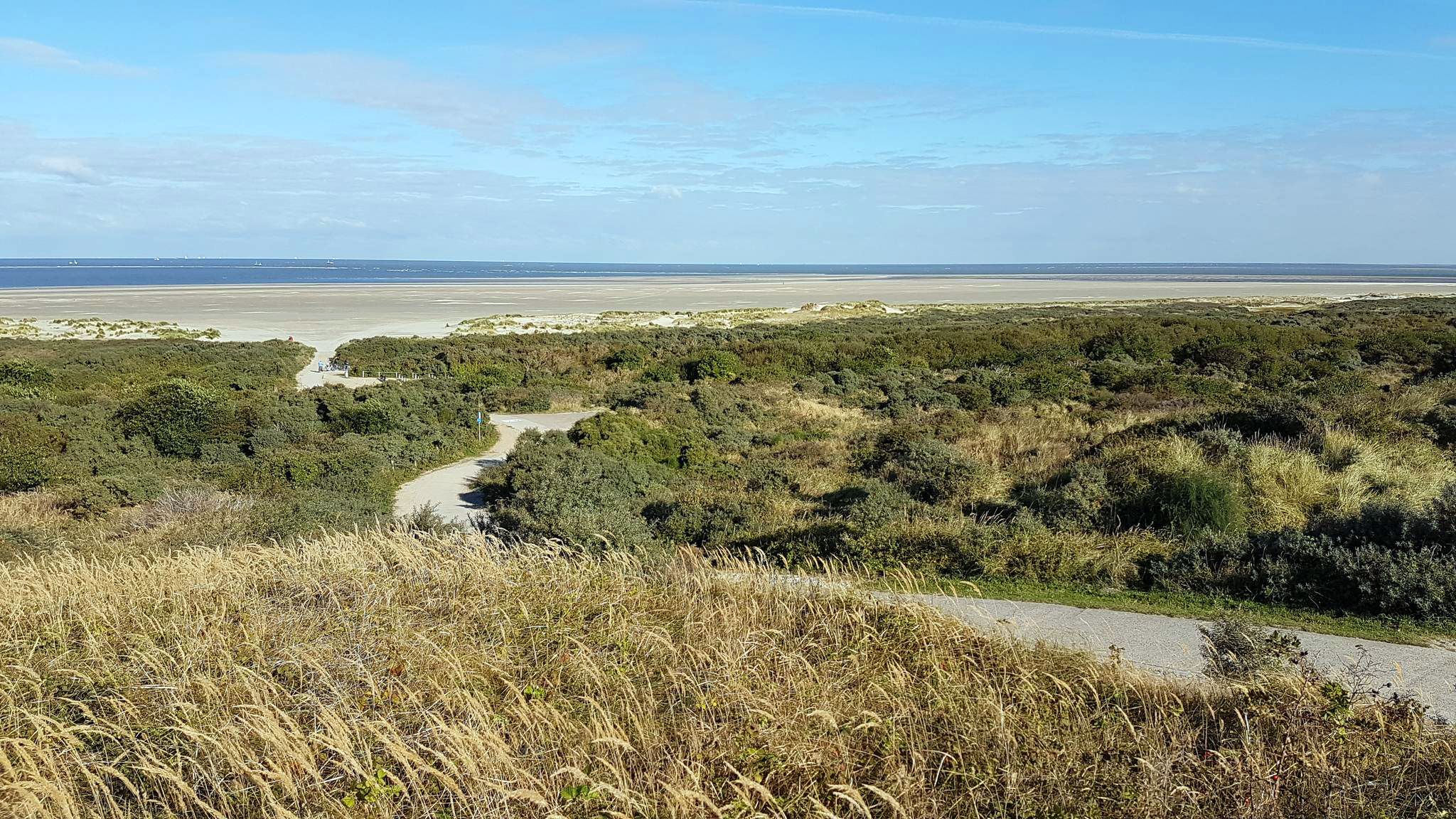
The North Sea Coast Cycle Route — Netherlands and Belgium
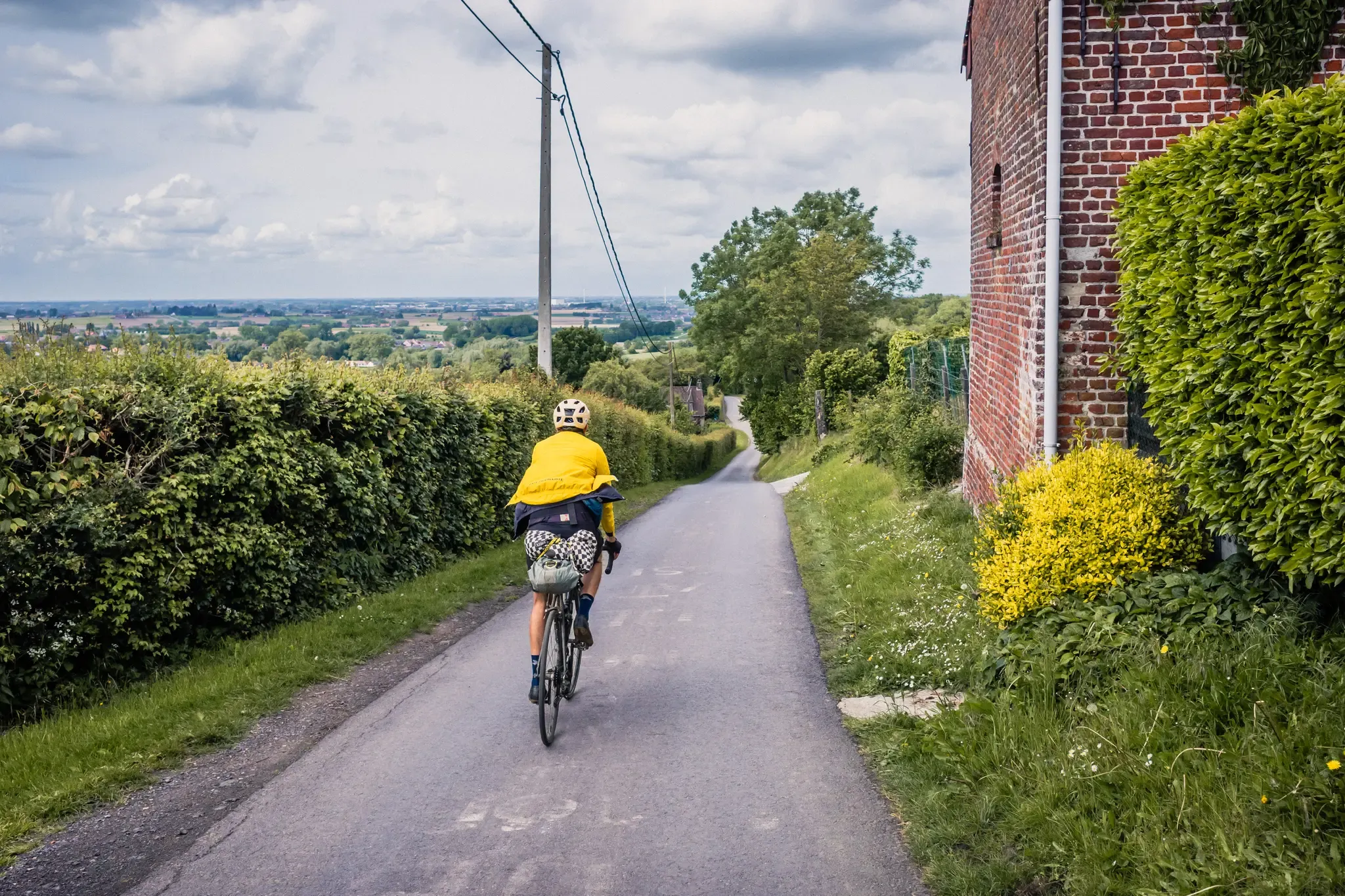
The Hilly Route from Brussels to Poperinge – bikepacking in Flanders
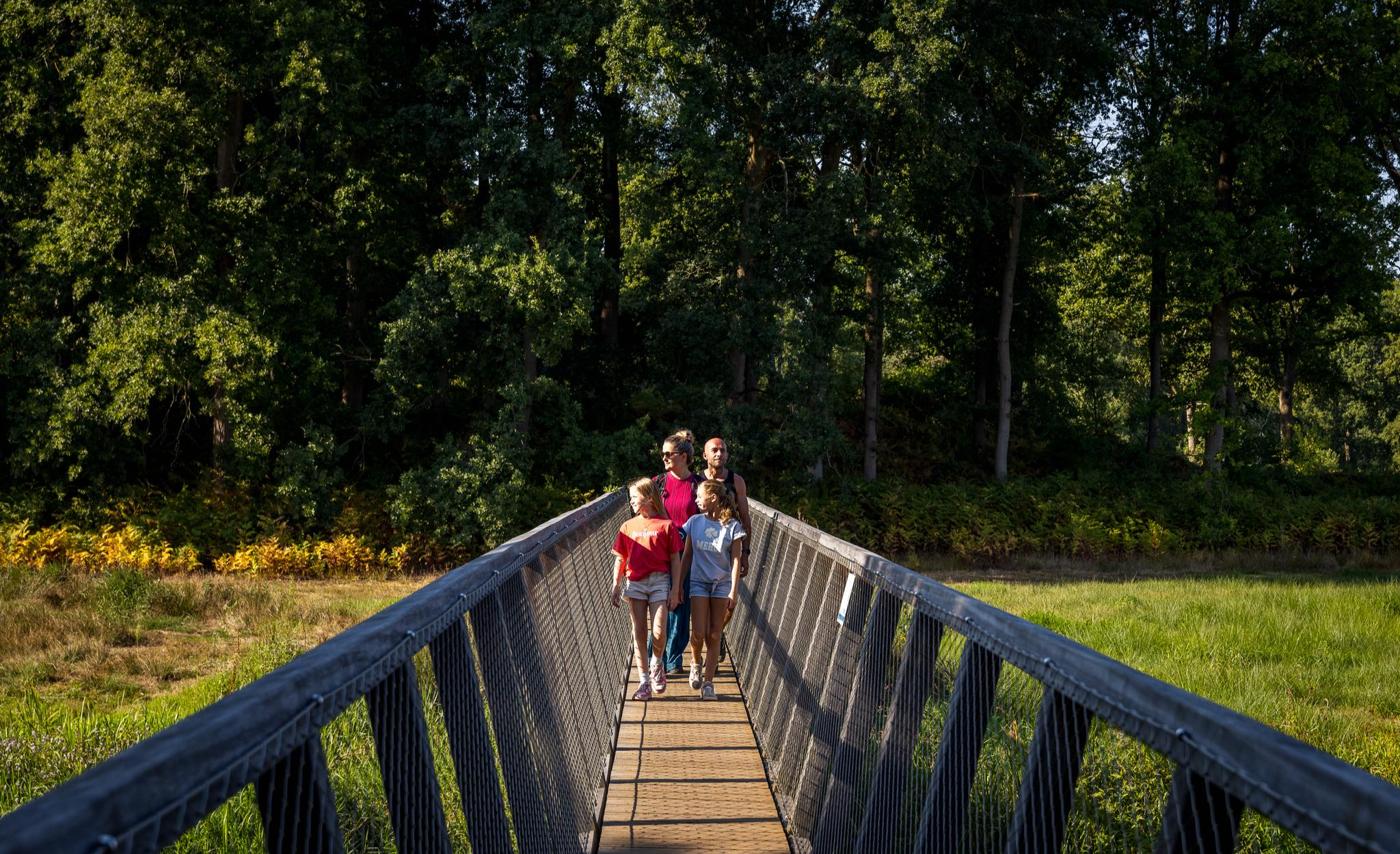
Flanders’ Finest Hiking Routes
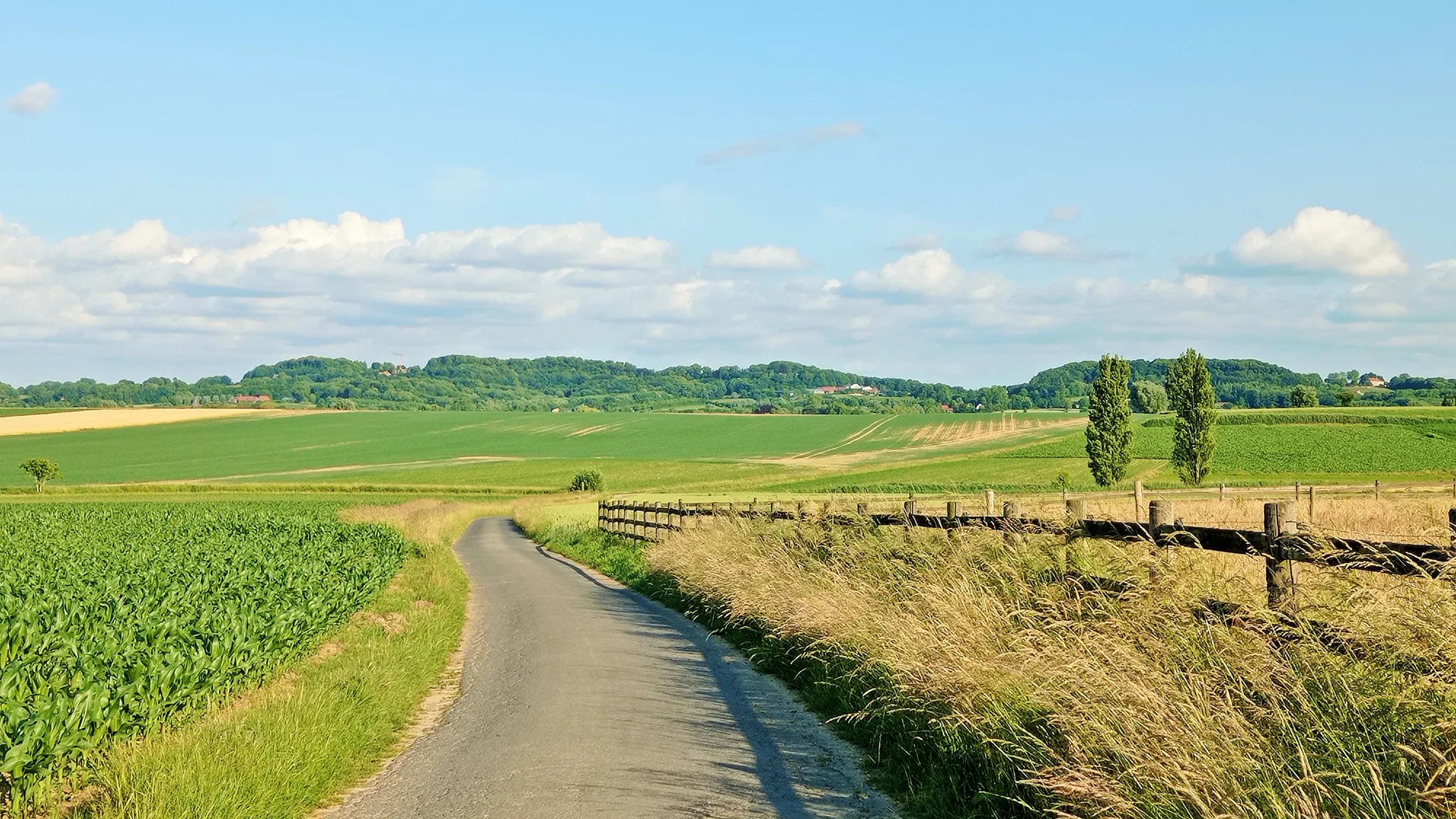
Seven-day Cycling tour through the South-Flemish hills – Hilly Route
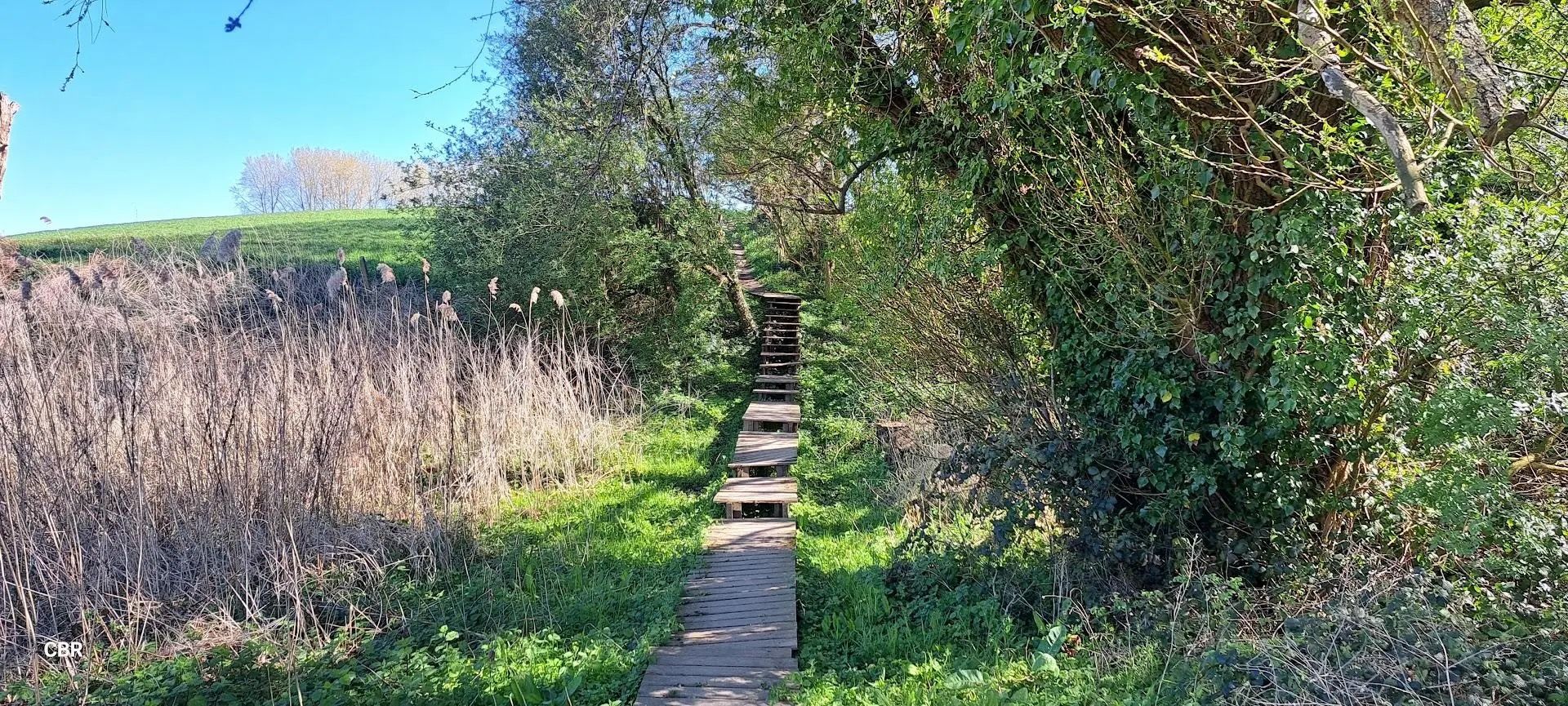
At the pace of the Westhoek - Streek-GR Heuvelland
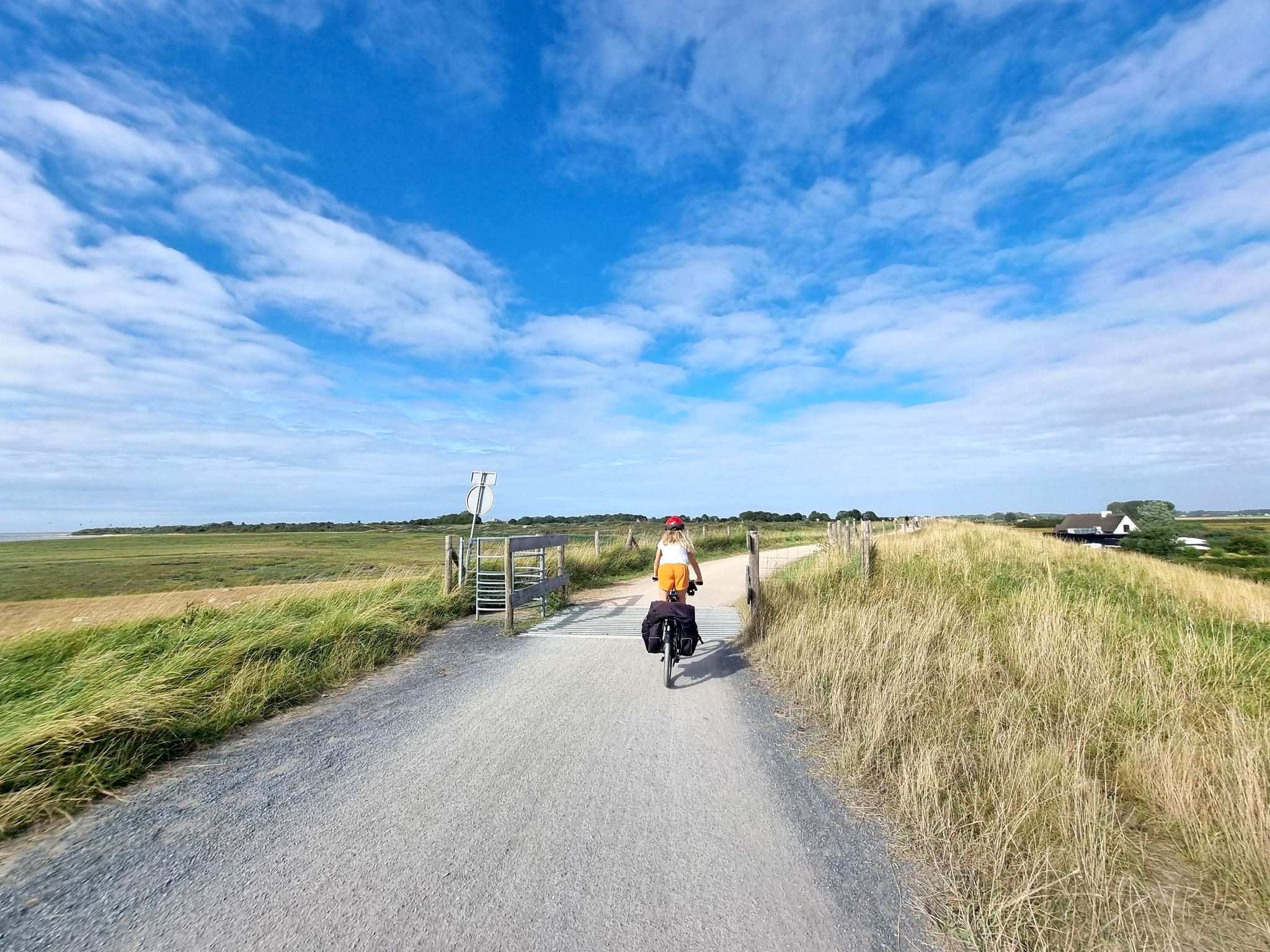
Sea, sand, and saddle – Coastal Route
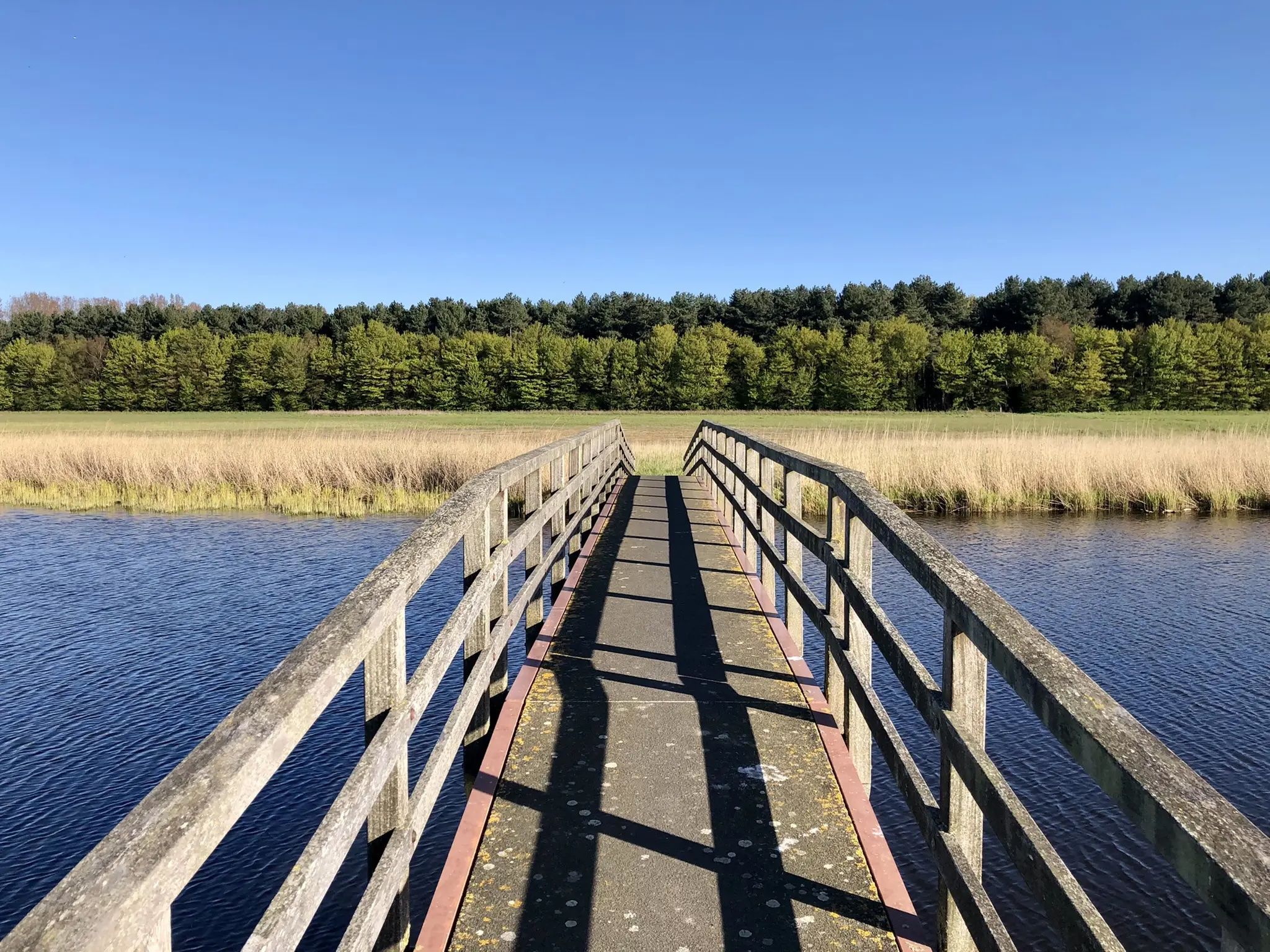
By West, East and Zeeuws-Vlaanderen — GR Uilenspiegel
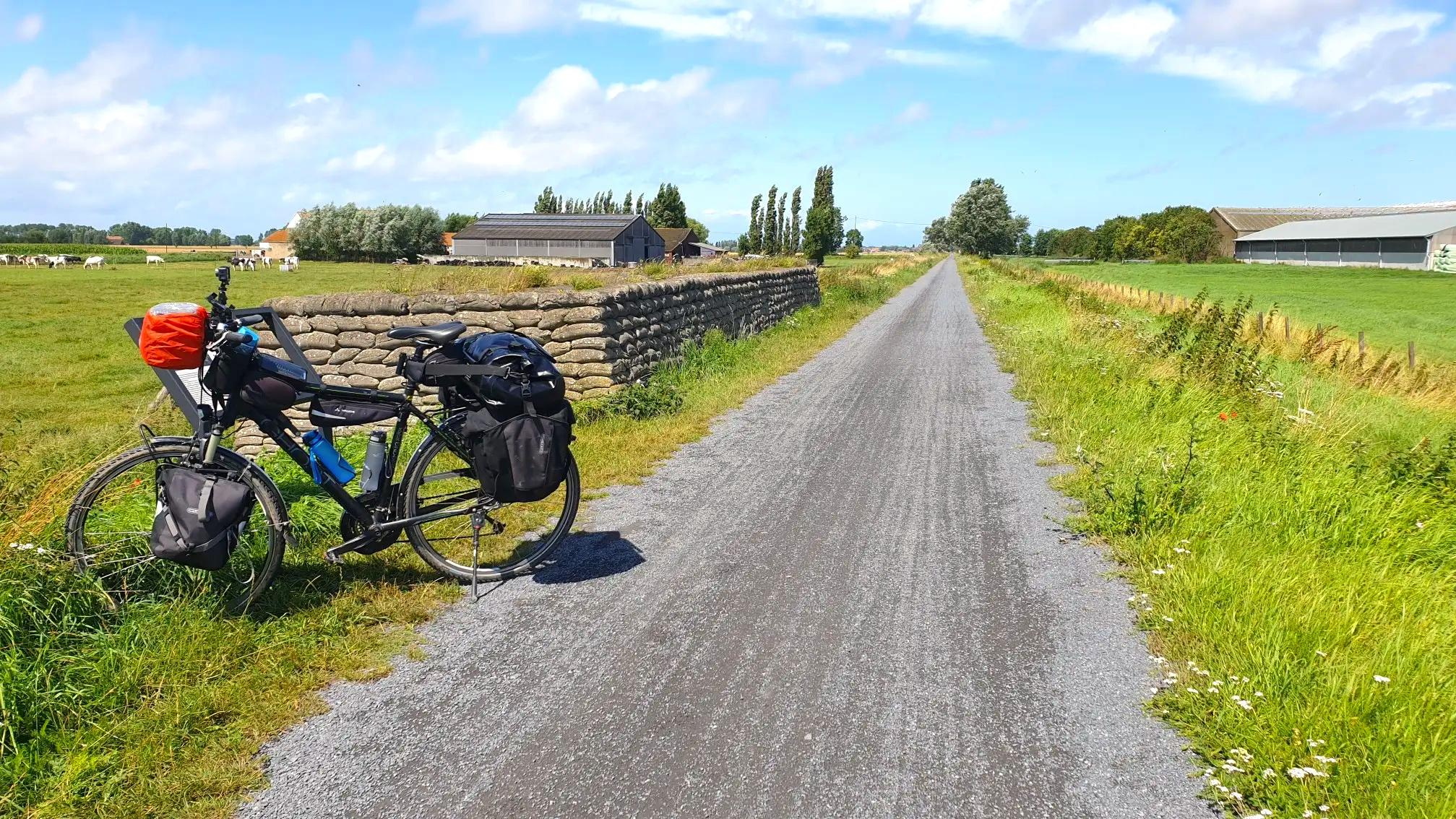
Cycling along the Belgian front - 14-18 Western Front Route
Other adventures in West Flanders


Tips from the Community


The replica Lourdes grotto in Veldstraat was inaugurated on 11 February 1908 by Monsignor Waffelaert, on the occasion of the fiftieth anniversary of the first apparition of Mary in Lourdes.
5
0

If you are religious, you can relax here and light a candle.
0
0

To the left of the Poelberg meeting centre, a small staircase leads to this grotto, which is classically built based on the original in Lourdes, France, where Mary is said to have appeared several times in 1858 to the 11-year-old shepherd girl Bernadette van Soubirous.
5
0


The Mariagrot in De Ginste was built in 1920 as thanks for Oostrozebeke being spared from war destruction during the First World War. The cave was built with rubble from destroyed buildings in Zonnebeke. The cave was rebuilt thirty meters deeper on the enlarged site in April 1946. In the month of May, many pilgrims visit the Ginstegrot. However, things were not always so Catholic in De Ginste for a long time. The neighborhood was known as a refuge for rebels. People regularly gathered there to perform black masses. Pastor Bracke presided over these services and was later removed from his position for this.
2
0
A large Lourdes grotto in fieldstone from 1874 in a wooded area near a babbling brook. The cave is located on the grounds of Castle Emmaus and was built as a thank you for a healing after a pilgrimage to Lourdes. The site is accessible via a path on the Rolleweg.
3
0

The cave is open every day from 9 am to 5 pm.
7
1
Frequently Asked Questions
Are there natural caves in West Flanders?
No, West Flanders does not have significant natural cave systems due to its geological conditions. The underground sites in this region are primarily man-made religious grottoes or historical subterranean structures. For natural caves, you would need to visit the Wallonia region of Belgium.
What kind of underground sites can I explore in West Flanders?
In West Flanders, you'll primarily find man-made religious grottoes, often replicas of the Lourdes Grotto, and historical subterranean sites. These include places like the Poelberg Lourdes Grotto and the Ginstegrot, which are significant for their religious and historical context.
What are some of the most visited grottoes in West Flanders?
Among the most visited grottoes are the Poelberg Lourdes Grotto, known as a significant pilgrimage site in Tielt, and the Emmaus Grotto, a large Lourdes grotto constructed from fieldstone in 1874.
Are the grottoes in West Flanders family-friendly?
Yes, many of the grottoes in West Flanders, such as the Poelberg Lourdes Grotto, Ginstegrot, and Emmaus Grotto, are considered family-friendly. They offer peaceful environments for reflection and a glimpse into local history and religious heritage.
What is the historical significance of these grottoes?
Many grottoes in West Flanders hold historical significance. For example, the Ginstegrot was built in 1920 as a thank you for Oostrozebeke being spared from war destruction during the First World War. Other grottoes, like the Our Lady of Lourdes Grotto Emmaüs, were built in gratitude for healings.
Can I find any World War 1 underground sites in West Flanders?
While the guide focuses on grottoes, West Flanders, particularly the Flanders Fields area, is known for extensive World War 1 tunnel systems and bunkers. These historical subterranean sites offer a glimpse into the underground warfare of the period. One such bunker, capable of housing 300 troops, was found 20 feet underground in Wijtschate.
What is the best time of year to visit the grottoes?
The grottoes are generally accessible year-round. However, visiting during spring or summer allows for more pleasant weather to explore the surrounding areas, which often include wooded paths or gardens. Some grottoes, like the Lourdes Grotto in Veldstraat, are open daily from 9 am to 5 pm.
What outdoor activities can I do near these grottoes?
West Flanders offers various outdoor activities. You can find numerous hiking trails, such as the Duinbossen Trail or the Bulskampveld Hiking Trail. There are also many road cycling routes and running trails to explore the region's diverse landscapes.
Are the grottoes wheelchair accessible?
Accessibility varies by location. While some grottoes might be in open areas, others are accessed via paths or steps, such as the small staircase leading to the Poelberg Lourdes Grotto. It is advisable to check specific site details if accessibility is a concern.
Are dogs allowed at the grottoes?
Policies regarding dogs can vary between individual grottoes and their surrounding grounds. As these are often religious or historical sites, it's best to check local signage or specific site information before visiting with a dog.
What should I wear when visiting the grottoes?
Since most grottoes are open-air or partially covered, dress appropriately for the weather. Comfortable walking shoes are recommended, especially if you plan to explore the surrounding paths or gardens. As many are religious sites, modest attire is generally respectful.
Where can I find other significant grottoes in West Flanders?
Beyond the most popular ones, you can also visit the Lourdes Grotto in Veldstraat, inaugurated in 1908, or the Our Lady of Lourdes Grotto behind Sint-Hilarius Church, offering more opportunities for reflection and historical insight.
Most popular routes in West Flanders
Most popular attractions in West Flanders

Get inspired with the komoot mobile app


Explore more
Extend your search for the best caves by checking out these guides of the top ones in West Flanders:
