Top 5 Castles in Fredericia
Castles in Fredericia are primarily represented by its extensive and well-preserved fortifications, which served as the city's primary defense structures. These include the Fredericia Ramparts, a significant historical landmark encircling the city center with over 18 km of trails. The city was founded in 1650 as a royal fortress town, and its ramparts played a crucial role in Danish history. Today, these fortifications form one of Denmark's largest urban parks, offering a unique blend of nature and history.
Best castles in Fredericia
- The most prominent fortification is the Fredericia Ramparts, recognized as one of Northern Europe's best-preserved rampart systems. It maintains much of its original structure, including moats, cannons, and bastions.
- Another must-see spot is The Citadel (Kastellet), a fortress within a fortress, designed as a last line of defense. The preserved powder magazine from 1857 is used for exhibitions, and an open-air theater hosts events.
- Visitors also love Koldinghus Castle, a historical site that offers an interesting glimpse into the history of the Danish-Schleswig border region. The building itself is particularly worth seeing, showcasing a blend of ruin and new construction.
- Fredericia is known for its unique fortifications and historical sites. Visitors can explore extensive ramparts, bastions, and historical monuments.
- The castles in Fredericia are appreciated by the komoot community, with more than 200 photos and over 190 upvotes.
Last updated: June 27, 2026
Koldinghus Castle
Highlight • Castle
It's well worth seeing.
Translated by Google •
Tip by

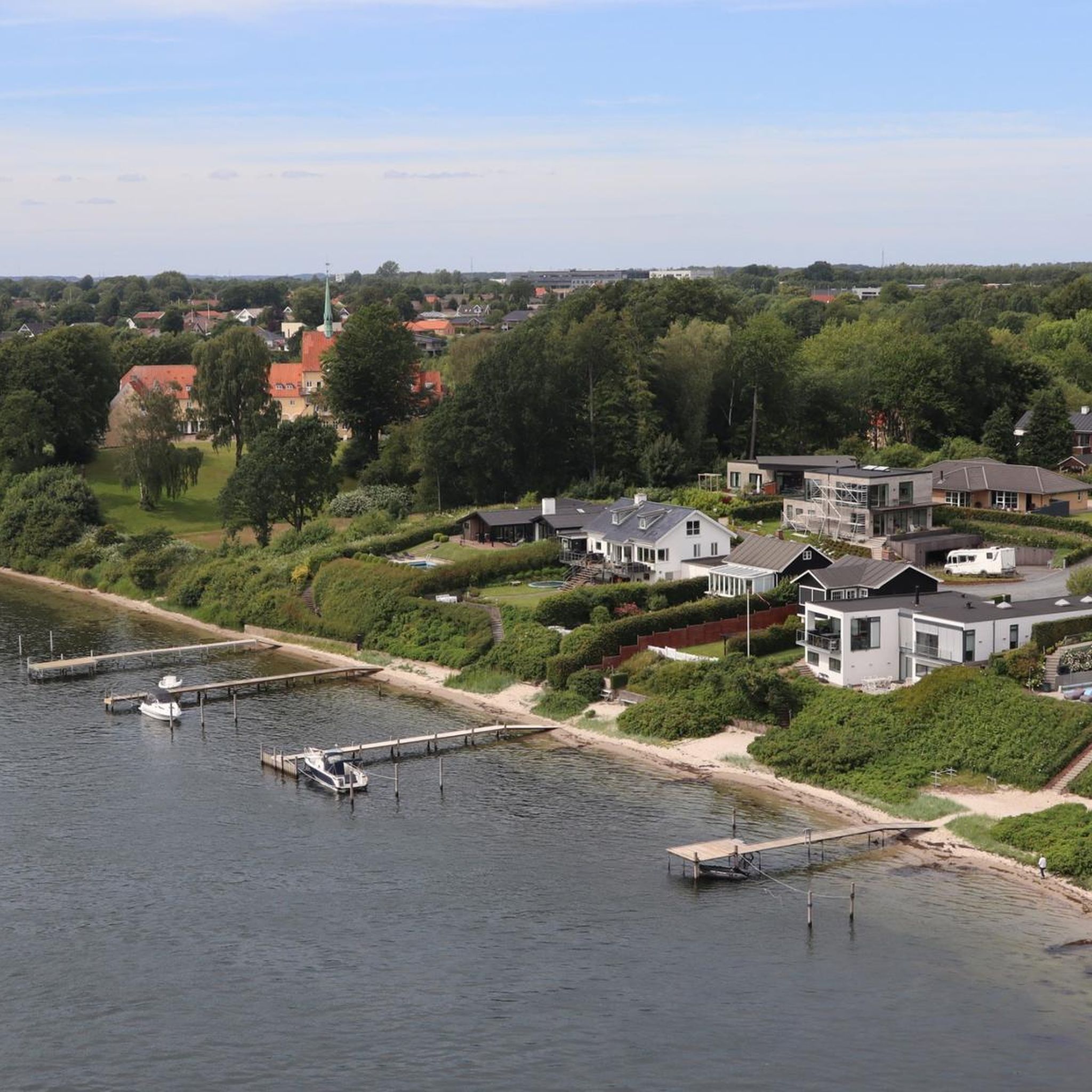
Hindsgavl Castle
Highlight • Castle
Translated by Google •
Tip by

Sign up now to discover places like this
Get recommendations on the best single tracks, peaks, & plenty of other exciting outdoor places.
Sign up for free
Slotssøen (Kolding Castle Lake)
Highlight • Lake
Translated by Google •
Tip by

Koldinghus seen from the bridge over Kolding Å.
Highlight • Castle
Source: Wikipedia
Translated by Google •
Tip by

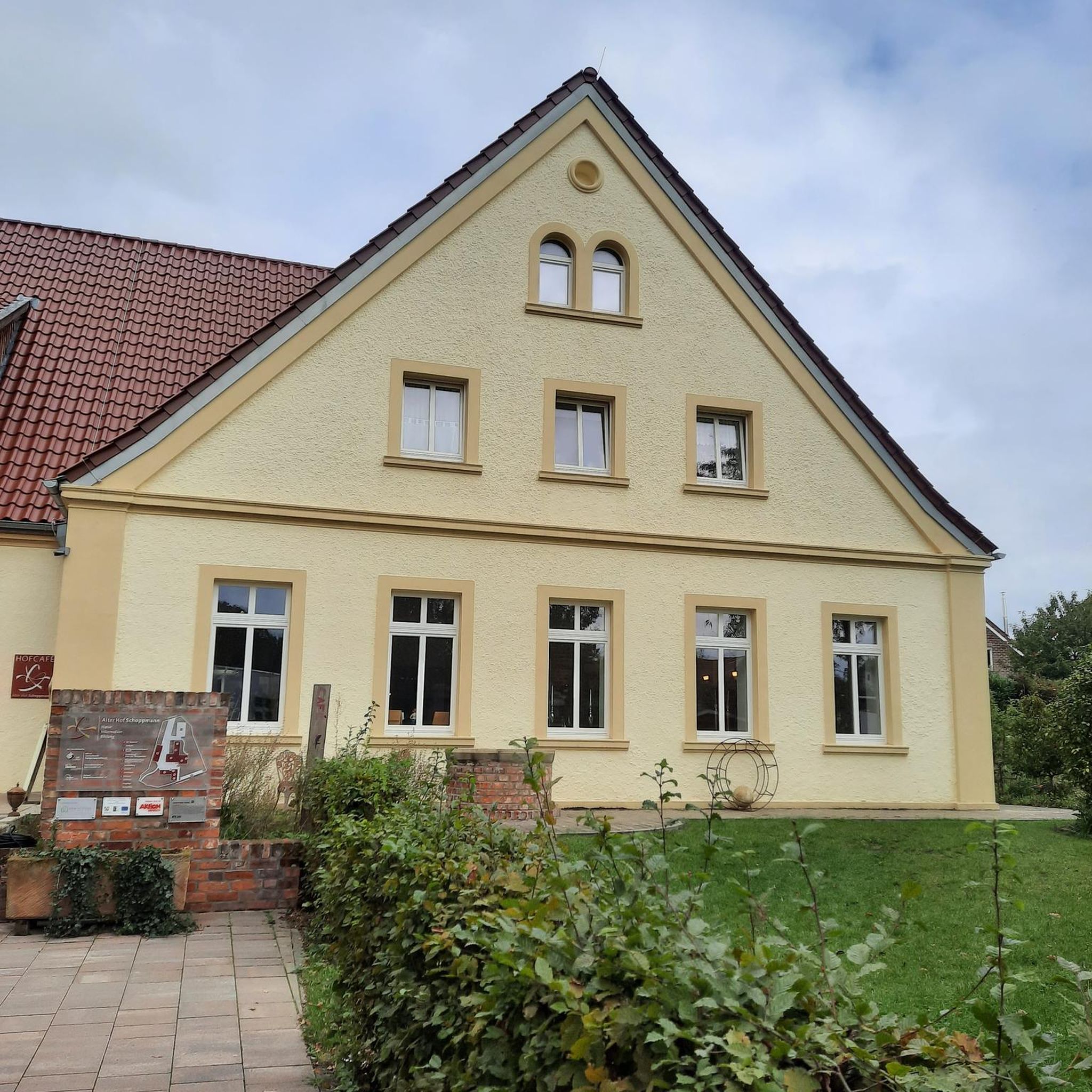
Rosenvold Manor
Highlight • Castle
Translated by Google •
Tip by

Sign up for free to discover even more castles in Fredericia.
Sign up for free
Already have an account?
Start today with a free account
Your next adventure awaits.
Login or Signup
Other adventures in Fredericia

Tips from the Community

Slotssøen is a lake in Kolding, Denmark. It was the millpond for the castle mill, which Queen Dorothea built in 1570[1] or 1566, right next to Koldinghus Castle. The castle island belongs to the monarch, so fishing or sailing on the lake is not permitted. However, there is a rowboat that, according to old regulations, is available for use by royal guests who wish to fish.[2] The old regulation has since been repealed, and nowadays the boat is maintained voluntarily by the St. George's Guild in Kolding.[3] The parking lot in front of the Kolding Library is a reclaimed section of Castle Lake. This occurred when the Castle Sea Road was built as a ring road in 1970.[1] To walk around Castle Lake, you must go to Søgade on the opposite side of Koldinghus Castle. The lake is located on the island. In the 20th century, several water closets were built in the city, but these had to be banned, partly because some of the sewage pipes ended in two open ditches that ran directly from Låsbygade into Castle Lake. The outflow otherwise went directly into the river or fjord. In 1921, following a report prepared by the city engineer in October 1921, the city council decided to launch a comprehensive sewage project for the built-up area of Kolding. By the end of the work in 1923, only a quarter of the city's wastewater had been discharged into Castle Lake. From 1926 onward, the sewage system was extended to the southern part of the city. With the completion of the new sewage system, toilets without septic tanks could be installed.
0
0

For classical music lovers, the chamber music festival, which takes place there every summer, is highly recommended. www.hindsgavlfestival.dk
0
0
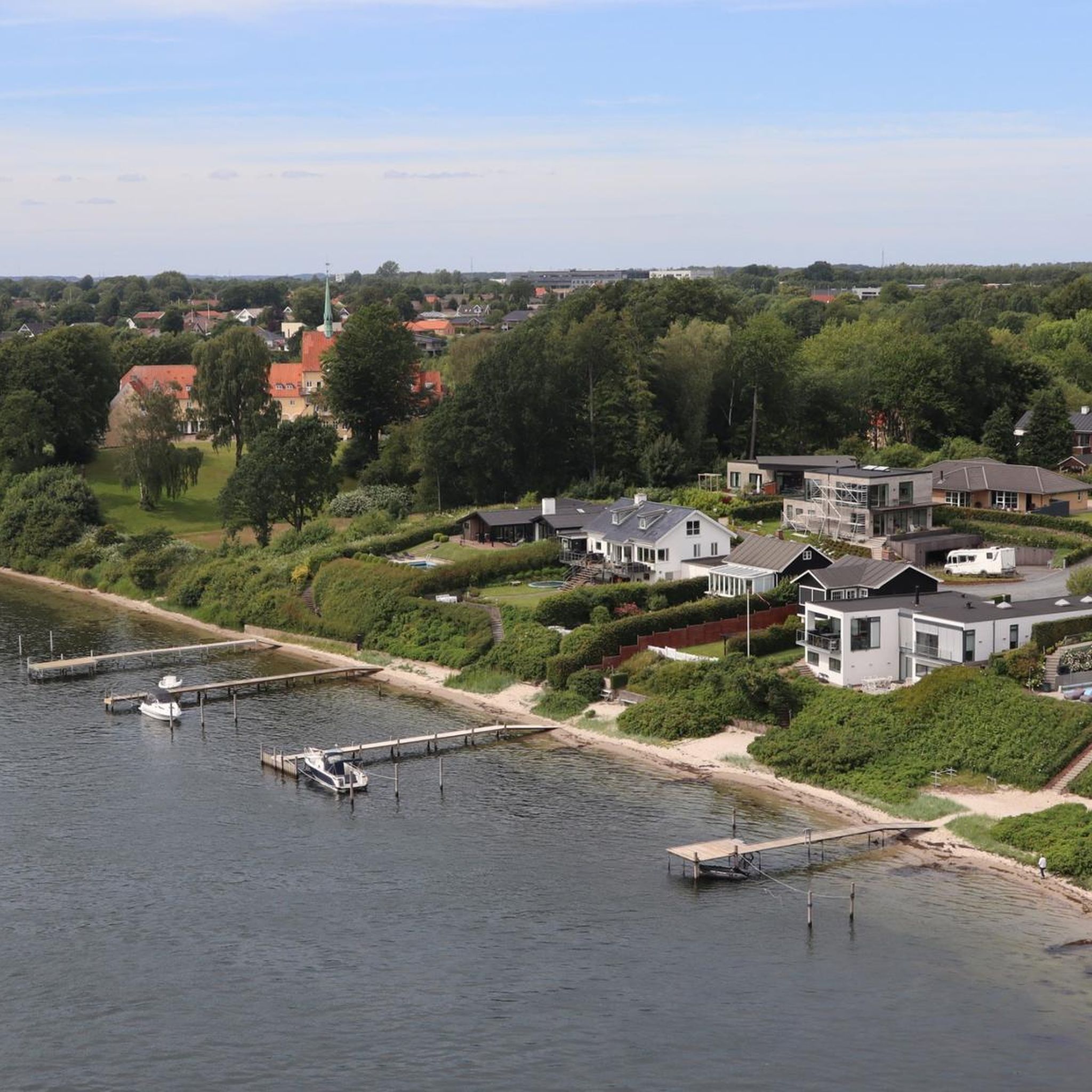
An absolute highlight among Funen's many manor houses and castles. The castle park is a tranquil oasis with mature trees and stunning views of the Little Belt. Also worth seeing is the extensive kitchen garden, which is also used to serve hotel guests. Funen's numerous manor houses are connected by the 660 km long Herregårdsruten (Manor Route). www.herregaardsruten.dk/de/startseite
0
0
Welcome to Hindsgavl Castle. The history of Hindsgavl Castle goes back to the 12th century and the name Hindsgavl first appears in 1231 in King Valdemar II's estate and manor register. Today, Hindsgavl Castle is a modern company that places particular emphasis on high quality in its daily work - on the well-being of its guests and employees. Our aim is to harmoniously fit your wishes and ideas of a pleasant stay or vacation, a successful celebration or a successful seminar into the historical setting of the old stately walls.
0
0

nice place to take a break
0
0

Very beautiful lake with a view of a castle!
1
0
Koldinghus is a Danish royal castle in the town of Kolding in eastern Jutland, built in the mid-12th century. It burned down in 1808 and remained unused as a ruin for a long time, but was then rebuilt as part of a long-term restoration.
2
0

Nice place with a view of the lake and Kolding house.
0
1
Frequently Asked Questions
What are the main historical fortifications to visit in Fredericia?
The primary historical fortification in Fredericia is the extensive Fredericia Ramparts (Fredericia Vold). This system of defenses, established in 1650, is recognized as one of Northern Europe's best-preserved rampart systems. Within the ramparts, you can explore the King's Bastion for views of the fortifications and old cannons, and Landsoldat Square, home to the world's first statue depicting the common soldier.
What is the historical significance of the Fredericia Ramparts?
The Fredericia Ramparts played a crucial role in Danish history, notably as the site of the Battle of Fredericia on July 6, 1849, where Danish forces repelled Prussian invaders. The city itself was founded as Denmark's first "free town," offering religious freedom, which contributed to its rich cultural heritage. The fortifications remained active until 1909.
Can I walk or cycle on the Fredericia Ramparts?
Yes, the Fredericia Ramparts function as a large public park and a green oasis, offering over 18 km of trails ideal for walking and cycling. It's a popular recreational space for locals and visitors alike.
Are there good viewpoints along the Fredericia Ramparts?
Absolutely. The ramparts provide numerous elevated viewpoints with scenic vistas of Fredericia and the Lillebælt strait. You can also climb the White Water Tower for breathtaking panoramic views over the city and the strait.
Is Fredericia Ramparts suitable for families with children?
Yes, the Fredericia Ramparts are very family-friendly. The extensive green spaces and trails offer plenty of room for children to explore and play. The historical context, including old cannons and the Landsoldat statue, can also be engaging for younger visitors.
Are dogs allowed on the Fredericia Ramparts?
The Fredericia Ramparts are generally dog-friendly, offering a large green space for walks. However, it's always recommended to keep dogs on a leash and clean up after them to ensure a pleasant experience for all visitors.
What is the best time of year to visit the Fredericia Ramparts?
The Fredericia Ramparts can be enjoyed year-round. Spring and summer offer lush greenery and pleasant weather for walking and cycling, while autumn brings beautiful foliage. In July, you can experience the annual "6th of July Days" or "Fortress Days," featuring parades and reenactments commemorating the Battle of Fredericia.
How long does it take to explore the Fredericia Ramparts?
With over 18 km of trails, the time it takes to explore depends on your pace and how much you wish to see. A full walk around the main ramparts could take a few hours, but you can easily spend a full day enjoying the various historical points, viewpoints, and recreational areas.
Are there any other notable castles or historical sites near Fredericia?
While the Fredericia Ramparts are the main fortification in Fredericia itself, nearby you can visit Koldinghus Castle, a significant Danish royal castle with a rich history, located in Kolding. Another historical site is Rosenvold Manor, a renaissance house situated on the north side of Vejle Fjord.
What outdoor activities or routes can I find near the Fredericia Ramparts?
The region around Fredericia offers various outdoor activities. You can find numerous MTB trails, gravel biking routes, and running trails. Many of these routes incorporate scenic views of the Lillebælt and other natural areas.
Where can I find parking or public transport options for the Fredericia Ramparts?
The Fredericia Ramparts are easily accessible, located right in the city center. There are various public parking options available within walking distance. Fredericia also has good public transport connections, making it convenient to reach the ramparts.
Are there facilities like cafes or toilets near the Fredericia Ramparts?
Yes, as the ramparts are integrated into the city center, you'll find numerous cafes, restaurants, and public toilets just a short walk away. This allows visitors to combine historical exploration with modern amenities.
What makes the Fredericia Ramparts unique compared to other fortifications?
The Fredericia Ramparts are unique for being one of Northern Europe's most impressive and best-preserved fortification systems. Its strategic star-shaped design, complete with moats, cannons, and bastions, was integral to the city's founding as a royal fortress town and its role in Danish defense.
Most popular attractions in Fredericia

Get inspired with the komoot mobile app


Explore more
Looking for the best castles somewhere else? Discover other guides in Fredericia:
