Top 8 Castles in Sud Sardegna
Castles in Sud Sardegna offer insights into the island's historical and strategic past. The region features a diverse landscape, from volcanic hills to coastal areas, where these fortifications were strategically placed. Many castles provide panoramic views over valleys and coastlines, reflecting their defensive roles. These structures represent centuries of history, including Pisan and Aragonese influences.
Best castles in Sud Sardegna
- The most popular castles is Porto Giunco Tower, a man-made monument that forms the southern end of Porto Giunco…
Last updated: June 27, 2026
Porto Giunco Tower
Highlight • Monument
Translated by Google •
Tip by

Old Fortress of Villasimius
Highlight • Castle
Translated by Google •
Tip by

Sign up now to discover places like this
Get recommendations on the best single tracks, peaks, & plenty of other exciting outdoor places.
Sign up for free
Director's Palace
Highlight • Historical Site
Translated by Google •
Tip by

Forte Santa Teresa
Highlight • Historical Site
Tip by

Castello di Quirra
Highlight • Castle
The castle was then handed over to the House of Aragon after the Spanish and Catalan invasion in 1324. In 1363 the Catalan Berenguer …
Translated by Google •
Tip by

View of Castello di Acquafredda
Highlight • Viewpoint
Translated by Google •
Tip by

The Castle and Casa del Duca Civic Museum of Carloforte
Highlight • Castle
Tip by
Castello di Las Plassas
Highlight • Castle
Translated by Google •
Tip by

Start today with a free account
Your next adventure awaits.
Login or Signup
Popular around Sud Sardegna
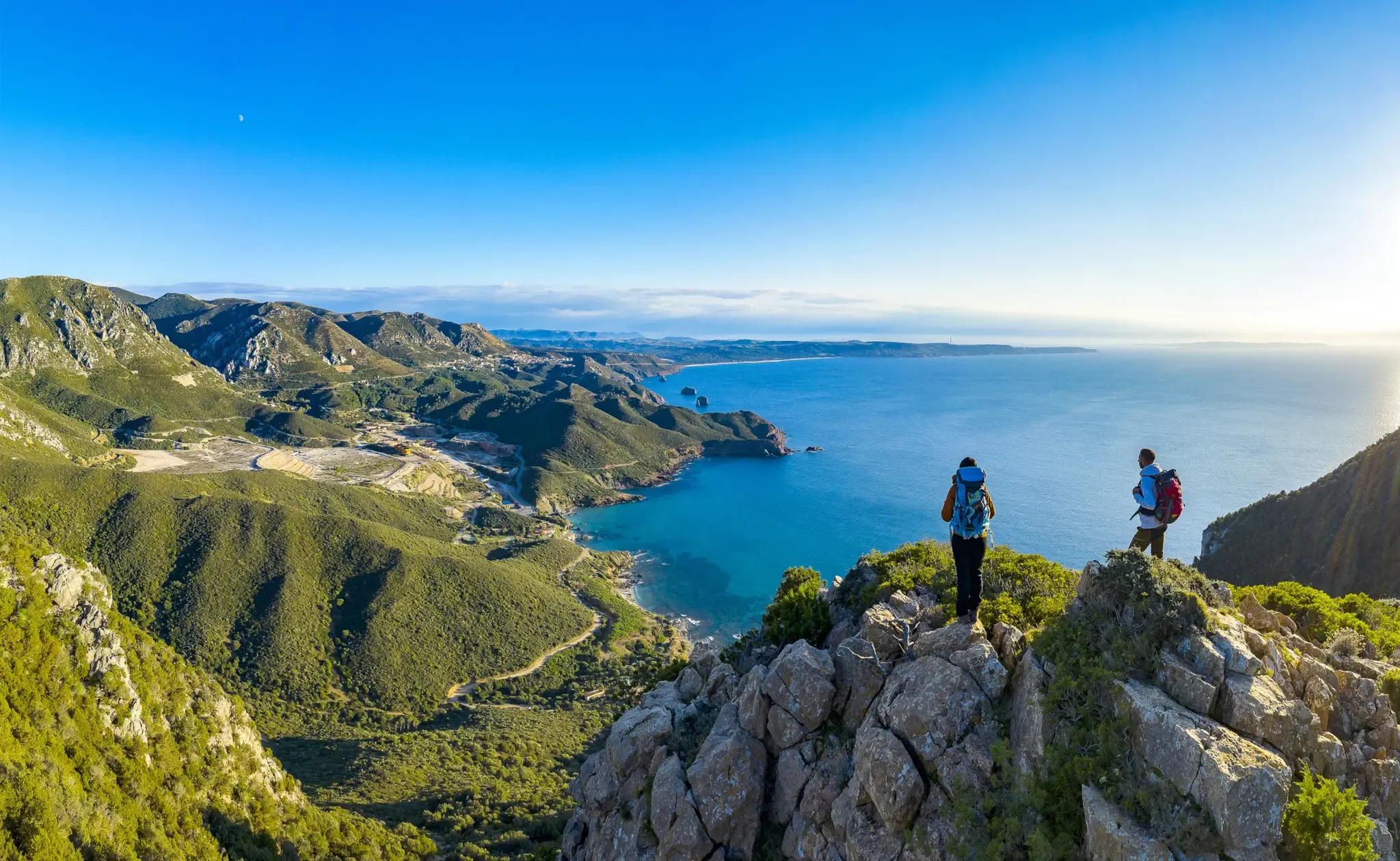
Cammino Minerario di Santa Barbara – memories of ancient Sardinia
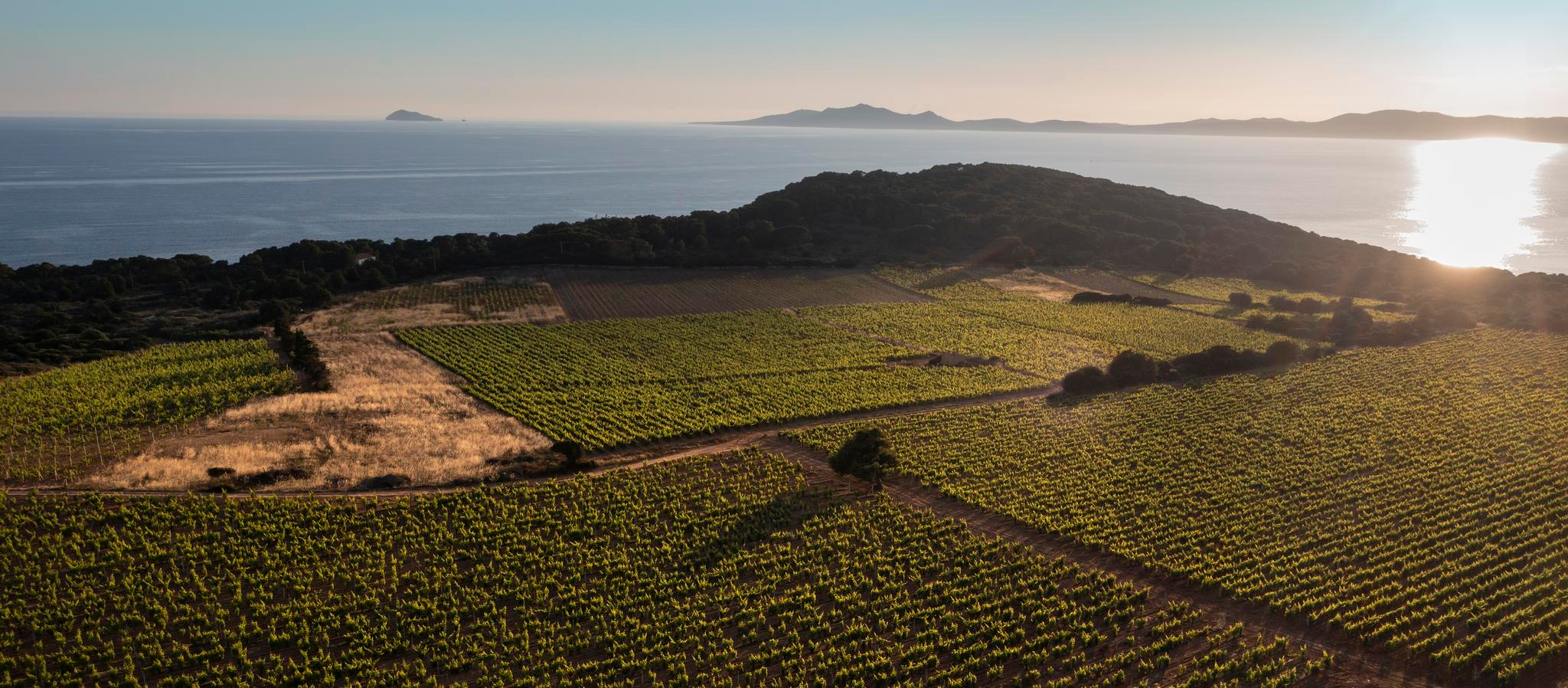
Trails among Carignano's vineyards – Cammino Minerario di Santa Barbara
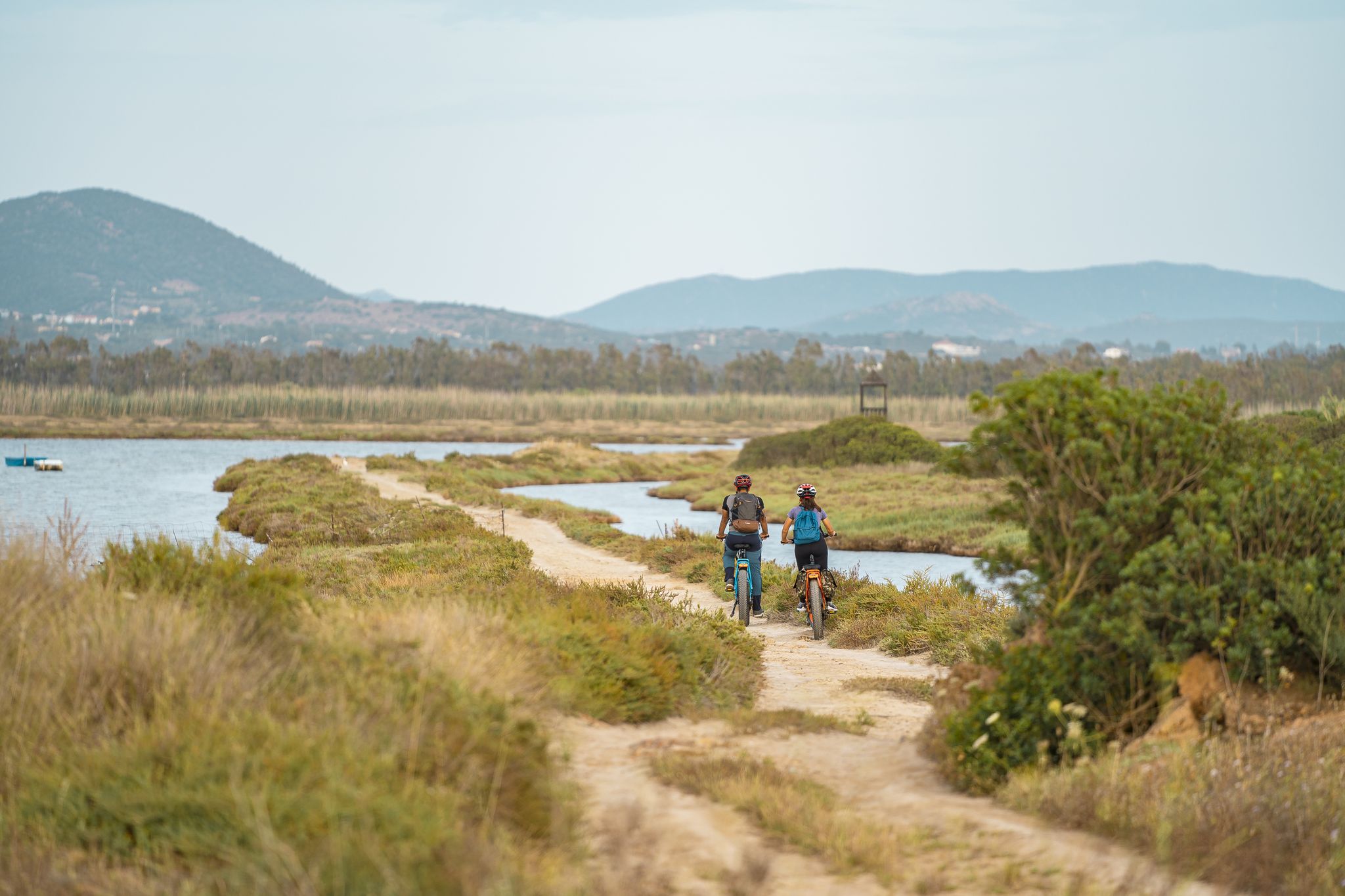
Ciclovia del Cammino Minerario di Santa Barbara
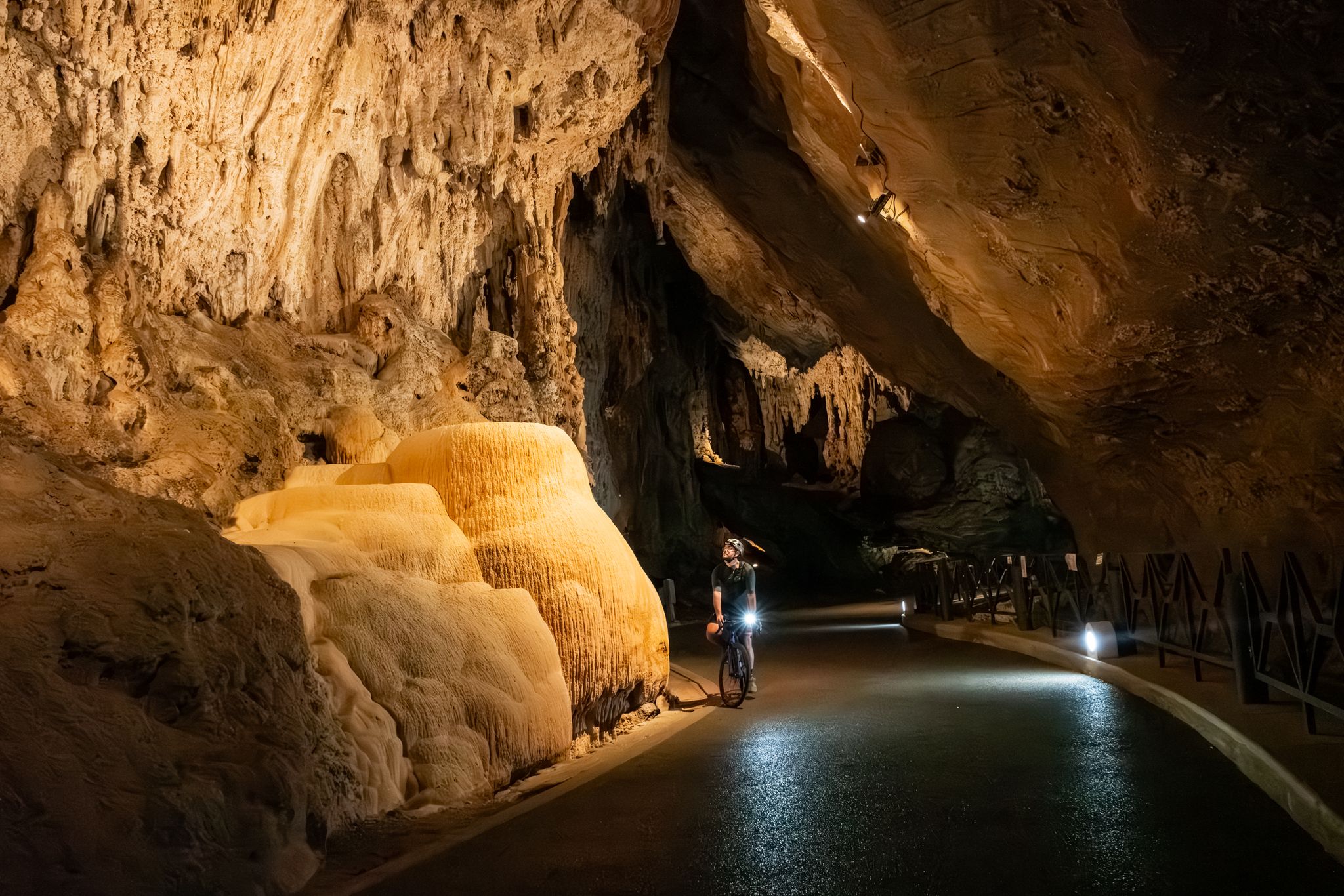
Sardinia by bike – three days in the southwest with Pietro Franzese
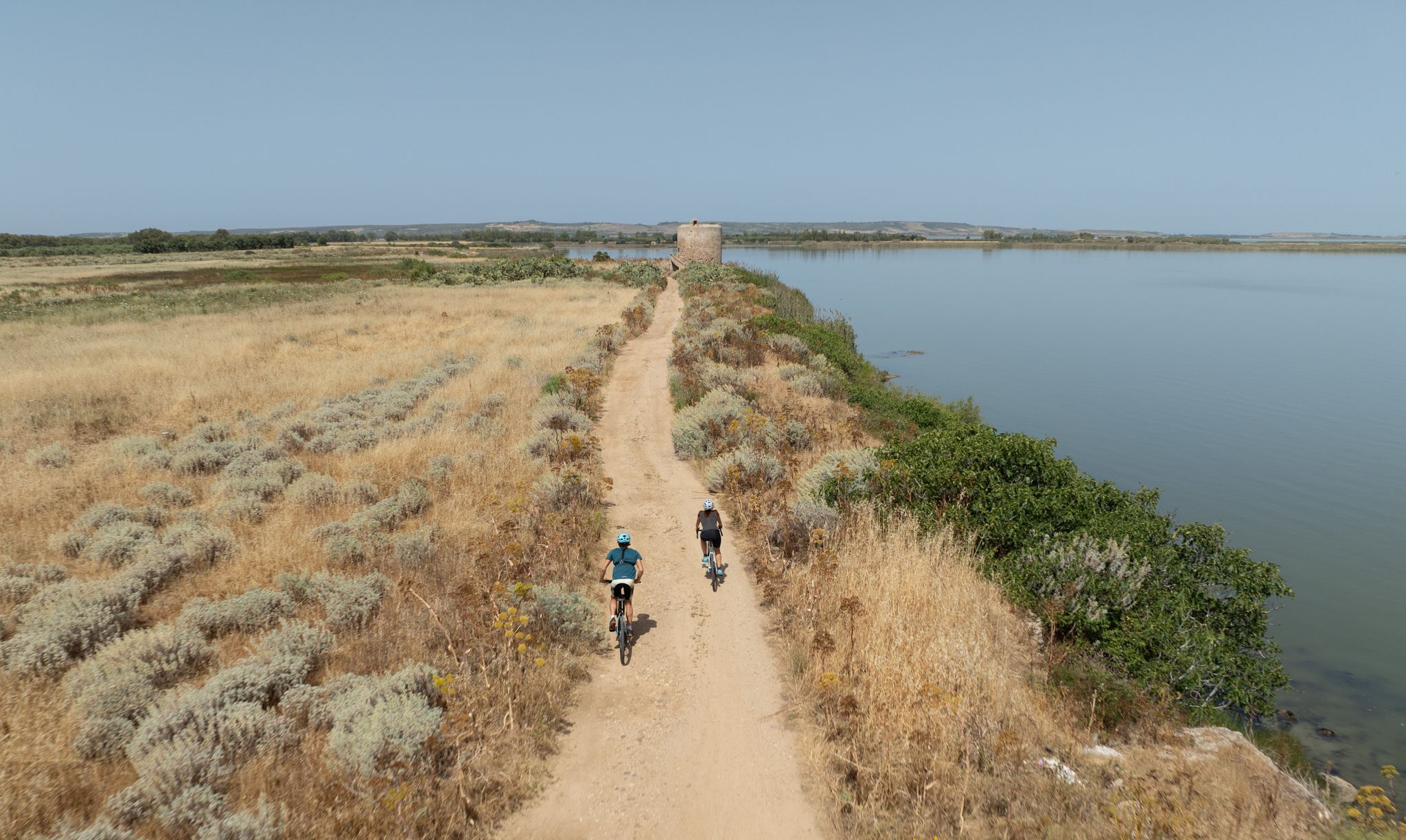
Discover wild Sardinia – 10 superb MTB Tours
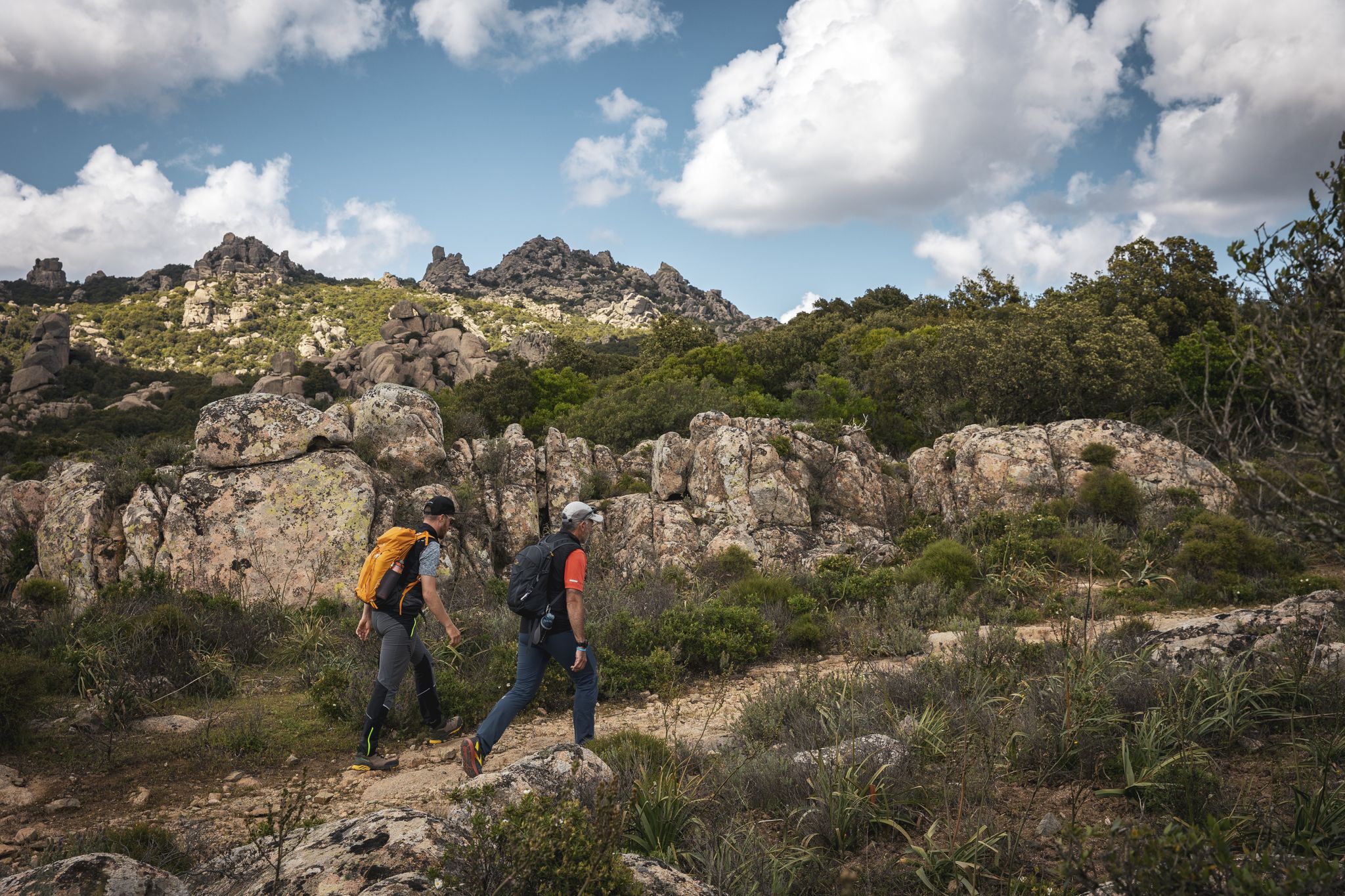
Eternal Sardinia – walks among the wonders of the hinterland
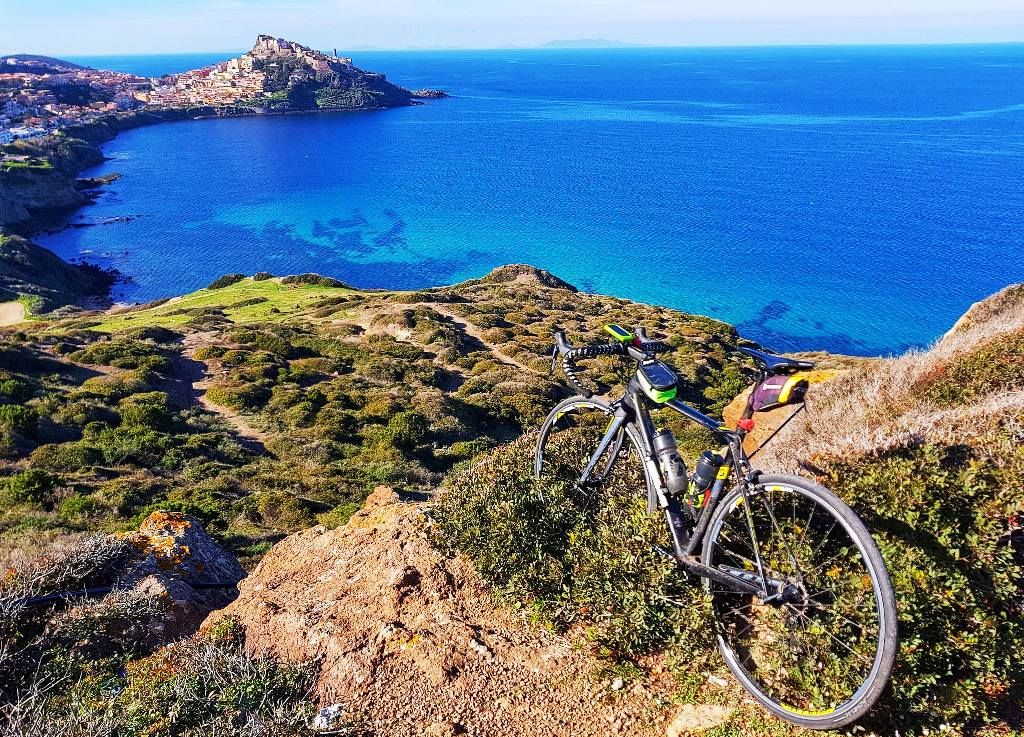
Sardinia by road bike – ten routes to discover the island
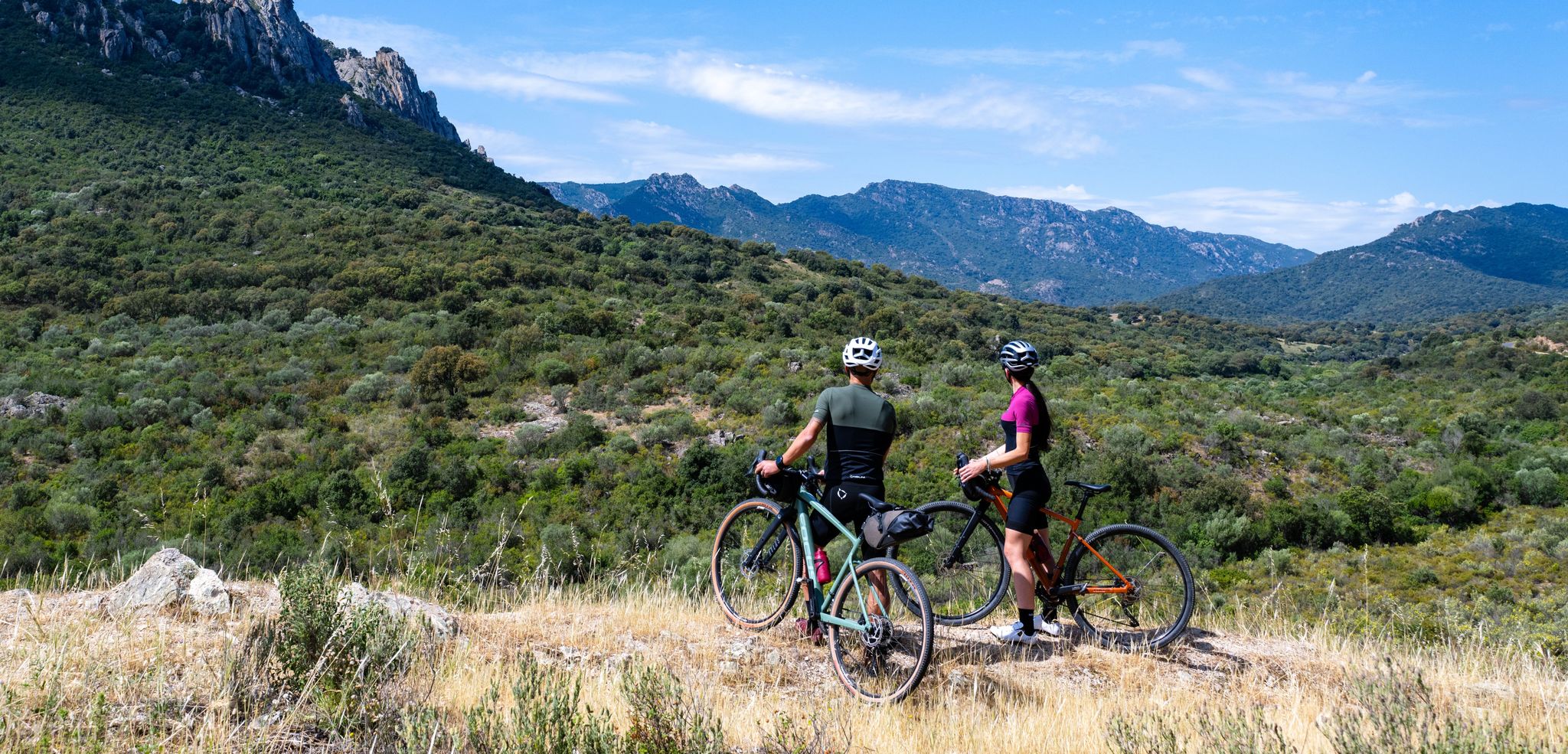
Sardinia by e-bike – enchanting landscapes and ancient culture
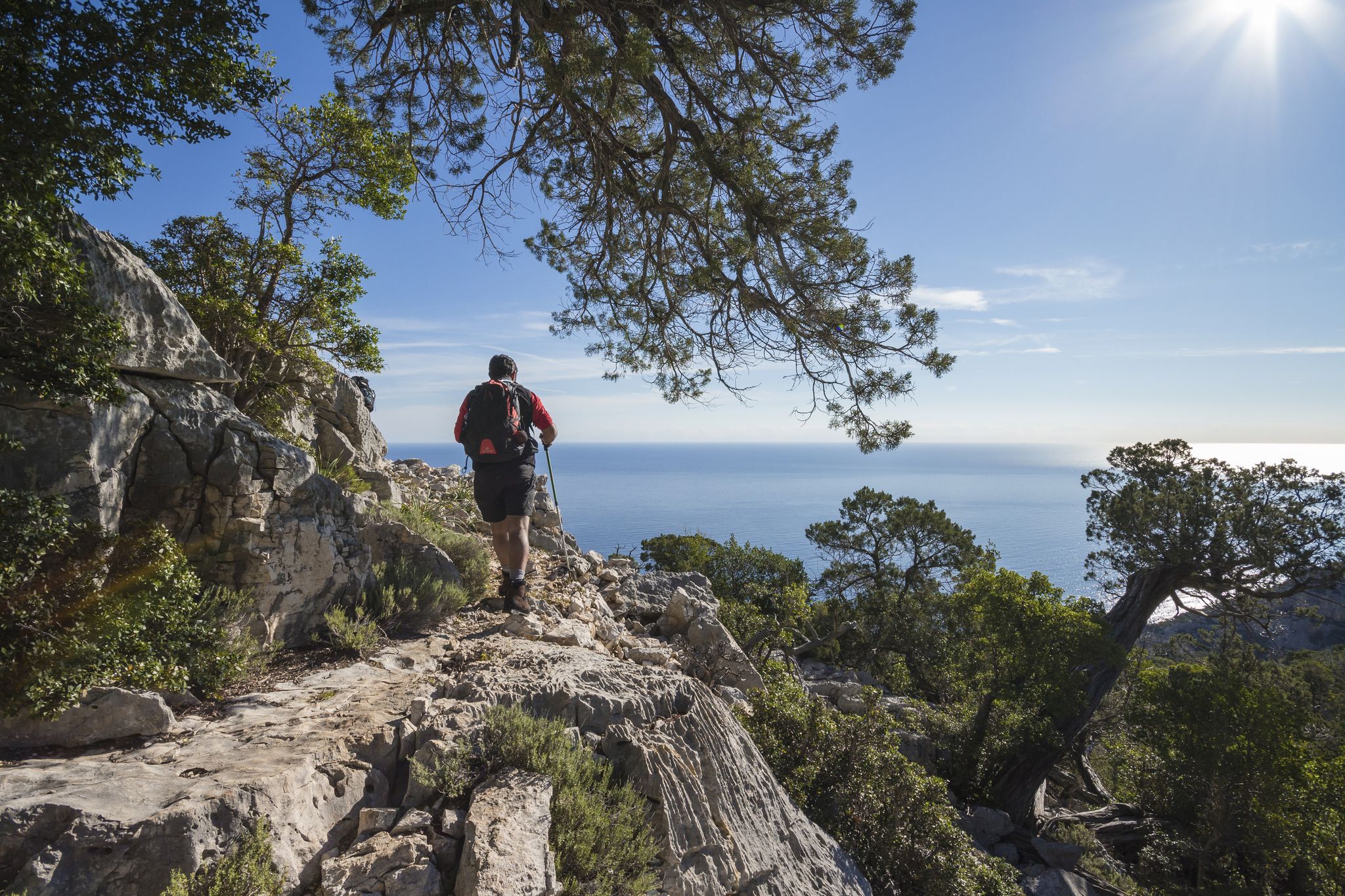
Magnificent Sardinia – day hikes overlooking the sea
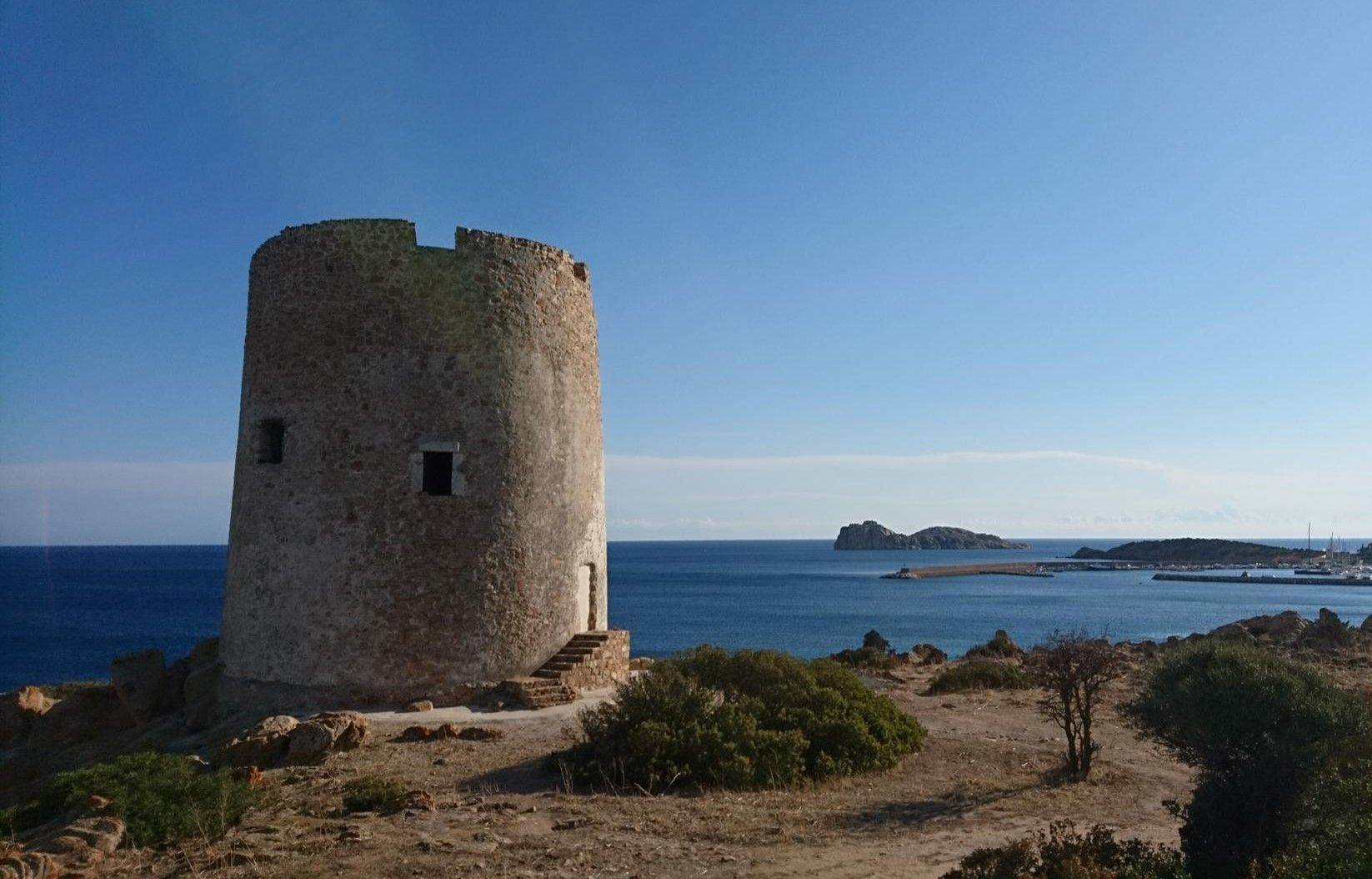
Portoscuso to Cagliari on the Via del Martirio – Cammino 100 Torri
Other adventures in Sud Sardegna


Tips from the Community

The Palazzo della Direzione building stands out in the midst of a now-abandoned village surrounded by nature; it is as contradictory as it is fascinating.
0
0

According to legend, the Acquafredda Castle was built by the Gherardesca family, Counts of Donoratico, when they acquired southeastern Sardinia. In fact, in 1257, the fortress came into the possession of Ugolino of Donoratico, lord of the Cagliarani territory, immortalized by Dante in Canto 23 of the Inferno. However, the castle is older, as it is already mentioned in a papal bull of 1215. After Ugolino's death (1288), it passed into the possession of Pisa, then to the Aragonese (1324), and subsequently to several feudal lords until it was redeemed by Victor Amadeus III (1785). From the top of a mountain, the castle dominates the territory of Siliqua, four kilometers away. Climbing its slopes, the view sweeps from the green valley of the Cixerri to Cagliari, from the Marmilla to the Iglesias area. At dawn and dusk, their shadows extend across the valley.
4
0

The language of the Tabarchians essentially corresponds to the Ligurian language of the 15th century. Through personal and trade connections - both from Tunisia and from the island of San Pietro - it has developed just as much as the actual Ligurian and Genoese languages. Due to its geographical location, the port of Carloforte was of considerable importance in shipping and as a transshipment point for medium tonnage until the beginning of the 19th century. Carlofortine Ligurian preserves some nouns and rare grammatical forms that only occur in the outdated Genoese. It does not contain any Gallicisms that Genoese has adopted in recent centuries; for example, the accent (còccina) is typical of Pegli and not of pure Genoese. Only a few nouns from Sardinian, Arabic and Tuscan can be identified as external influences. More than 80 percent of the population still speak this dialect in everyday life today. The architecture, culture, customs and traditions of Carloforte still correspond to those of Liguria. Because of its historical, economic and cultural ties with the Ligurian capital, and in particular with Pegli, Carloforte was recognized as an honorary municipality of the province of Genoa on 10 November 2004. In 2006, the neighboring municipality of Calasetta received the same honor. Carloforte celebrates twin festivities with Pegli every year.
1
0
The population, also known as Tabarchini because of their origins, united the towns of Carloforte on the island of San Pietro and the neighbouring municipality of Calasetta on the nearby island of Sant'Antioco. A small number of the emigrants from Tabarca headed towards the Spanish coast in Alicante and founded the town of Nueva Tabarca. This colony has retained some of the original surnames, but has been absorbed by the Spanish-speaking community in terms of language and customs. The Tabarchini are scattered all over the world, mainly in Genoa, on the Ligurian coast, in Gibraltar, in Boca near Buenos Aires and in other port cities. They are estimated to number 18,000 people in total.
1
0
In 1542, the inhabitants of Pegli and the neighbouring communities left their home on the Ligurian coast in the wake of the Lomellini, a powerful trading family from Pegli and Genoa, and settled on the island of Tabarca off the coast of Tunisia, where they dived for coral until 1735. When coral mining and thus the tribute to the Lomellini continued to decline and was no longer profitable for all sides, and the conflicts with the Muslims intensified, King Charles Emmanuel III of Savoy, on the initiative of the Piedmontese architect Augusto de la Vallée, made the offer to settle the still uninhabited island of San Pietro. A part of the Tabarchini under the leadership of Agostino Tagliafico accepted the offer and settled on the island off Sardinia in 1738. In honour of the king, they named the new place Carloforte ("Charles the Strong"). Over time, other emigrant families arrived directly from Liguria and helped to strengthen the small, emerging community. In 1798, Carloforte was attacked by pirates and around 900 inhabitants were captured and held as slaves in Tunis; one of them became the mother of Bey Ahmad I al-Husain. After five years, they were finally able to be ransomed. The parts of the old city wall and the fortress that are still preserved today are evidence of this barbarian invasion.
1
0
Carloforte (Ligurian: U Pàize) is an Italian municipality in the province of Sulcis Iglesiente in the Autonomous Region of Sardinia. It essentially comprises the island of San Pietro about 10 km off the southwest coast of Sardinia and some other insignificant islets of the Sulcis archipelago. The small town with 5983 inhabitants (as of December 31, 2022) is the only settlement on the island of San Pietro.
1
0

Great view. You can also visit the ruins (for a small fee).
1
2

Frequently Asked Questions
What historical significance do the castles in Sud Sardegna hold?
The castles in Sud Sardegna are deeply rooted in the island's history, reflecting centuries of Pisan and Aragonese influences. For example, the Porto Giunco Tower and Old Fortress of Villasimius served as coastal defenses against pirate attacks. The Castello di Acquafredda was a fiefdom of Ugolino Della Gherardesca, a figure from Dante's *Divine Comedy*, and controlled access to rich mining areas. The Castello di Sanluri was a key site in the Battle of Sanluri in 1409, marking a significant defeat for Arborean troops.
Are there any castles in Sud Sardegna that are still inhabited or have unique collections?
Yes, the Castello di Sanluri is unique as the only castle in Sardinia that is still inhabited. It houses the Duca d'Aosta Risorgimento Museum, a collection of historic weapons, and over 400 artistic waxworks from the 16th to 18th centuries, offering a rich cultural experience.
Which castles offer the best panoramic views in Sud Sardegna?
Many castles provide stunning views due to their strategic locations. The Porto Giunco Tower offers panoramic views of surrounding beaches and coastline. The Castello di Acquafredda provides expansive views over the Cixerri valley. From the Old Fortress of Villasimius, you can enjoy beautiful sea views, and the Castello di Salvaterra offers a great perspective of Iglesias and its surroundings.
What kind of terrain can I expect when visiting castles in Sud Sardegna?
The terrain varies, but many castles are situated on elevated positions. For instance, the Castello di Acquafredda is on a volcanic hill, and the Castello di Salvaterra is on Salvaterra hill. This often means moderate to challenging ascents to reach them, but the views are rewarding. Coastal fortifications like the Porto Giunco Tower might involve shorter, steeper paths.
What is the best time of year to visit the castles in Sud Sardegna?
Spring (April-May) and autumn (September-October) are generally ideal. The weather is pleasant for exploring, and the natural surroundings are vibrant. Summer can be very hot, making outdoor exploration less comfortable, though coastal castles might benefit from sea breezes.
Are there guided tours available for castles in Sud Sardegna?
Yes, guided tours are available for some castles. For example, the Castello di Acquafredda sometimes offers guided tours, occasionally including aperitifs with local wines. It's advisable to check specific castle websites or local tourist information for current availability and booking details.
Are the castles in Sud Sardegna generally family-friendly?
Many castles can be family-friendly, especially for older children who appreciate history and outdoor exploration. The historical context and panoramic views can be engaging. However, some sites might involve uneven terrain or stairs, so consider the mobility of younger children. The Castello di Sanluri, with its museum and collections, could be particularly interesting for families.
What outdoor activities can I do near these castles?
Sud Sardegna offers various outdoor activities. You can find excellent gravel biking routes, such as the 'Coastal Road to Punta Molentis' or 'Tuerredda Beach loop from Chia Tower,' which can be explored via the Gravel biking in Sud Sardegna guide. For running, trails like 'Capo Carbonara — Ring Tour' are available, detailed in the Running Trails in Sud Sardegna guide. Cycling enthusiasts can enjoy routes like the 'Tour of the island of Sant'Antioco' from the Cycling in Sud Sardegna guide.
Are there any castles with interesting stories or legends in Sud Sardegna?
Absolutely. The Castello di Acquafredda is famously tied to Ugolino Della Gherardesca, mentioned in Dante's *Divine Comedy*. The Castello di Quirra is also associated with centuries of legends following its handover to the House of Aragon. These sites offer a journey through history and local folklore.
What kind of natural features can I see around the castles?
The castles are often set amidst beautiful natural landscapes. The Castello di Acquafredda stands on a volcanic hill designated a Natural Monument, with a spring flowing from its rocks. Coastal castles like the Porto Giunco Tower offer views of pristine beaches and the Mediterranean Sea. The region's diverse landscape includes maccia-covered hills and valleys, providing a scenic backdrop to these historical sites.
How long should I plan for a visit to a castle in Sud Sardegna?
The duration of a visit can vary. For smaller, partially ruined sites like the Castello di Salvaterra, an hour or two might suffice to explore and enjoy the views. Larger, well-preserved castles with museums, such as the Castello di Sanluri, could easily take half a day to fully appreciate their collections and history. Consider additional time for travel to and from the sites, especially if they are in remote locations.
Are there any castles that are particularly good for history buffs?
History buffs will find several castles captivating. The Castello di Acquafredda offers insights into medieval Pisan rule and the story of Count Ugolino. The Castello di Sanluri, with its well-preserved structure and museum detailing the Battle of Sanluri and the Judicates era, is a must-visit. The Castello di Salvaterra in Iglesias also provides a glimpse into Pisan and Aragonese fortifications.
Most popular routes in Sud Sardegna
Most popular attractions in Sud Sardegna

Get inspired with the komoot mobile app


Explore more
Looking for the best castles somewhere else? Discover other guides in Sud Sardegna:
