Top 18 Castles in Bari
Castles in Bari reflect the region's long and varied history, with structures influenced by Roman, Byzantine, Norman, Swabian, Angevin, and Aragonese rulers. Situated along the Adriatic coast, Bari's historic quarter features significant fortresses that once defended its strategic port. These historical sites offer insight into the architectural and cultural evolution of this southern Italian city. The area provides a landscape rich with medieval fortifications and coastal views.
Best castles in Bari
- The most popular castles is Angevin–Aragonese Castle of Mola…
Last updated: October 28, 2026
Bari Swabian Castle
Highlight • Castle
Translated by Google •
Tip by

Historic Center of Monopoli
Highlight • Historical Site
Translated by Google •
Tip by

Sign up now to discover places like this
Get recommendations on the best single tracks, peaks, & plenty of other exciting outdoor places.
Carlo V Castle of Monopoli
Highlight • Castle
Translated by Google •
Tip by

Castello di Conversano
Highlight • Castle
Translated by Google •
Tip by

Rocca del Garagnone
Highlight • Castle
To reach …
Translated by Google •
Tip by
Norman-Swabian Castle of Sannicandro di Bari
Highlight • Castle
Translated by Google •
Tip by
Porto Ghiacciolo
Highlight • Beach
Translated by Google •
Tip by

Historic Center of Bari
Highlight • Historical Site
Showing Translation
Tip by

Angevin–Aragonese Castle of Mola di Bari
Highlight • Castle
Translated by Google •
Tip by

Svevo Castle of Bari
Highlight • Castle
Showing Translation
Tip by
Sign up for free to discover even more castles in Bari.
Already have an account?
Start today with a free account
Your next adventure awaits.
Popular around Bari
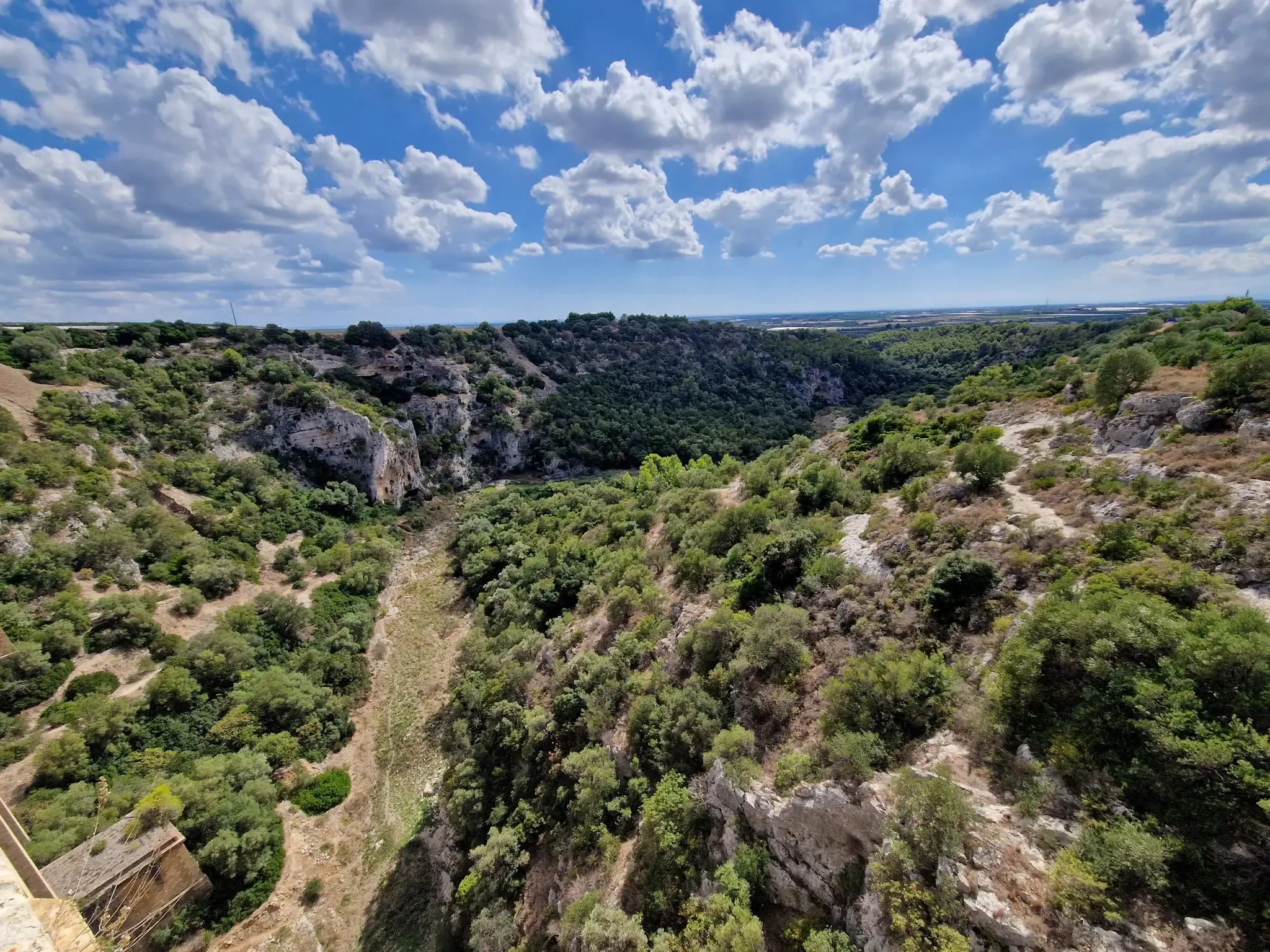
Discovering Puglia by bike – essential rides
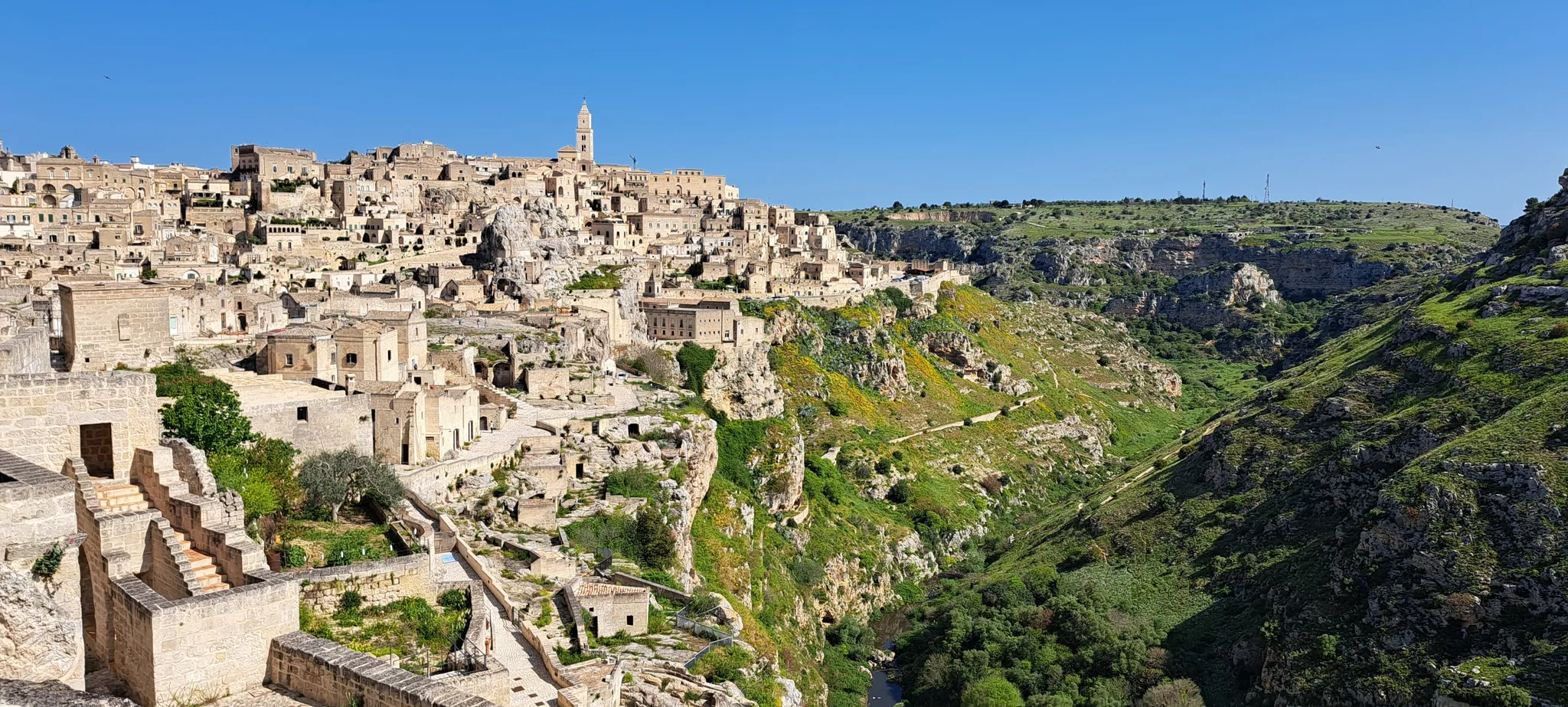
Among olive trees and white stone - Via Peuceta
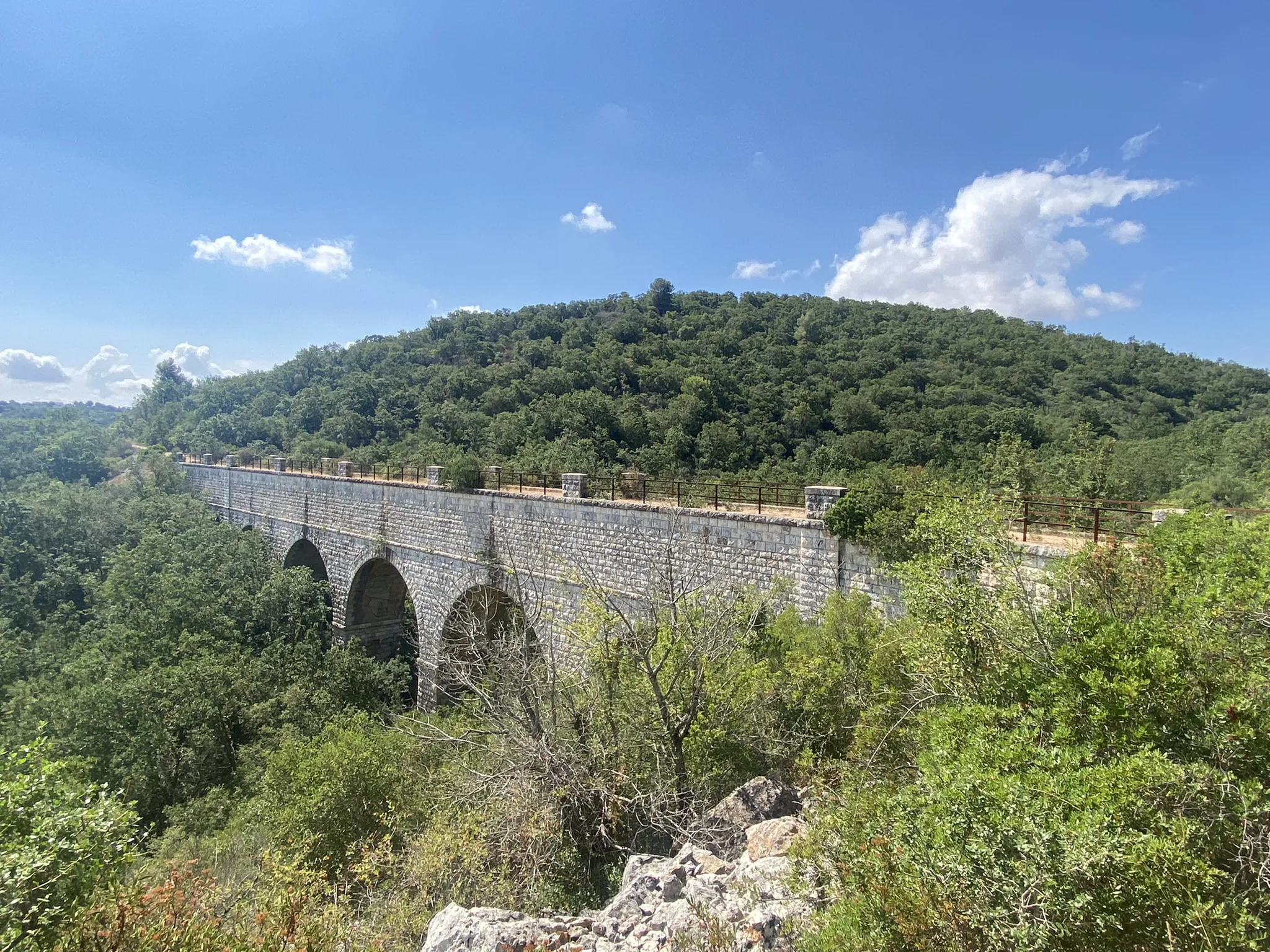
Caposele to Santa Maria di Leuca – Apulian Aqueduct Cycle Route
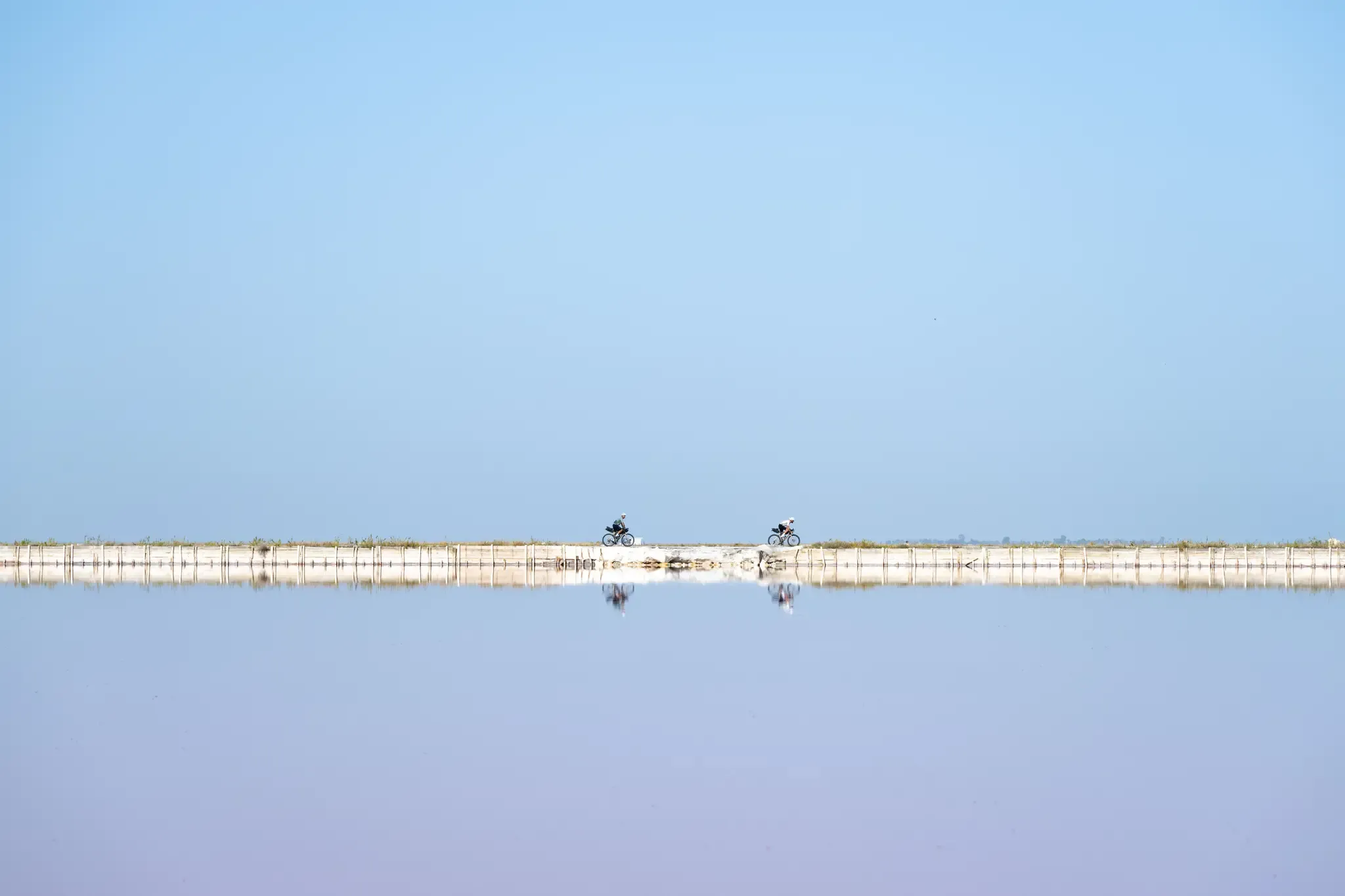
Trieste to Santa Maria di Leuca – the Adriatic Cycle Route
Pedalling in Italy’s far south – Ciclovia dei Borbone
Cycle through the painted blue – a journey of discovery in Puglia
Sea, culture, taste and nature — Italy’s Puglia by bike
Italy’s Puglia from Bari to Santa Maria di Leuca — all the way south
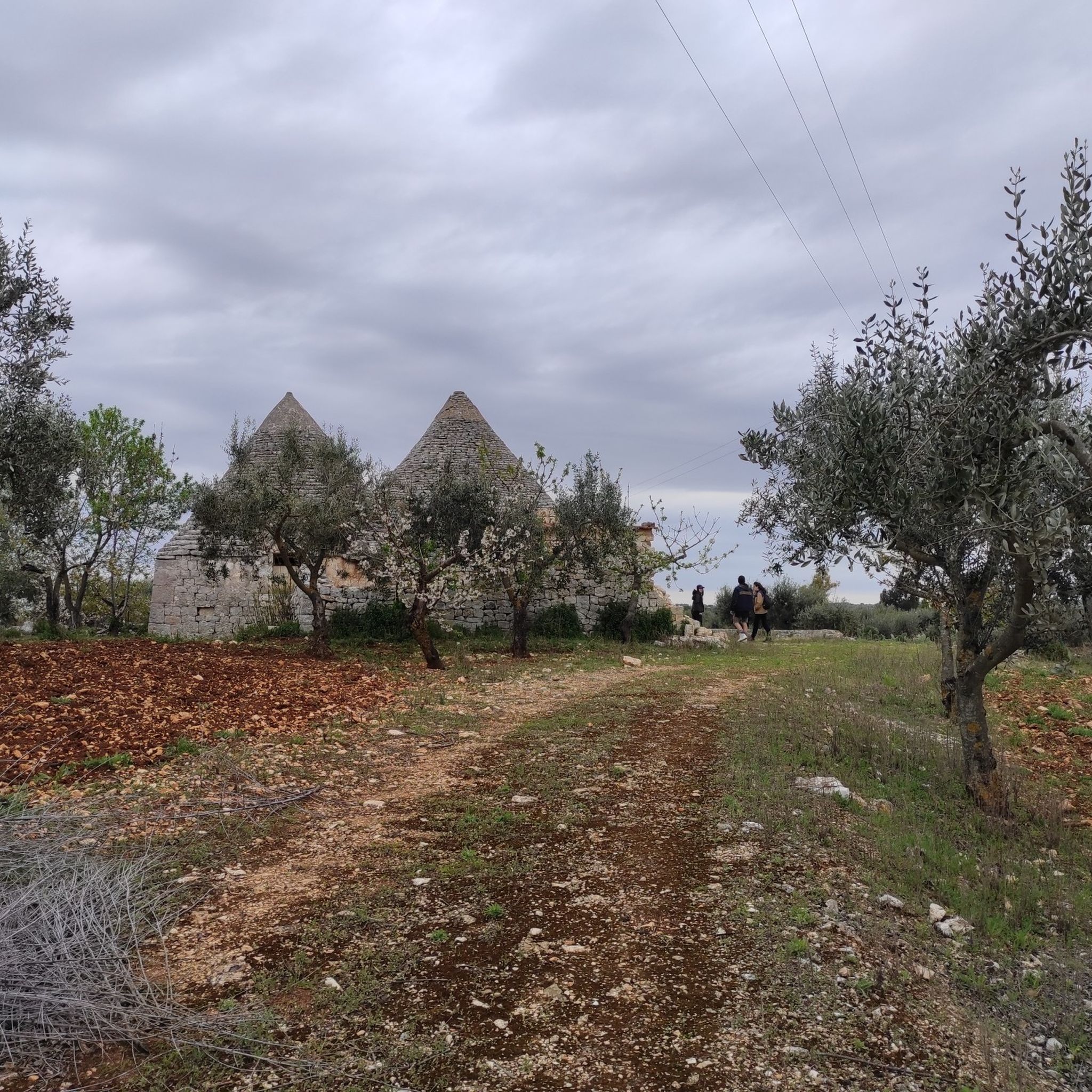
Hiking in Bari
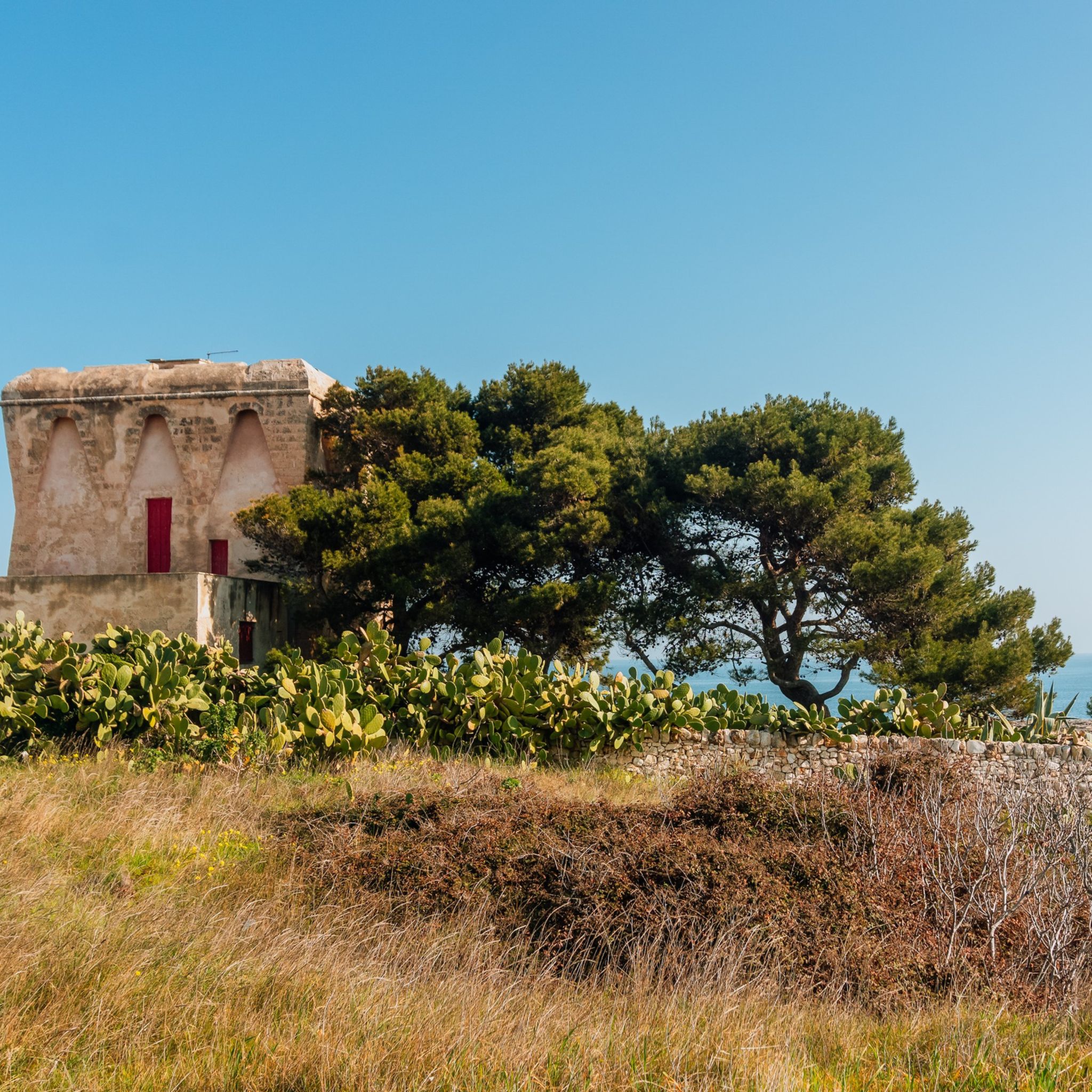
Cycling in Bari
Other adventures in Bari


Tips from the Community

The Swabian Castle of Bari is one of the most imposing and fascinating fortresses in Southern Italy, strategically located between the historic center ("Bari Vecchia") and the sea. Originally founded by the Norman king Roger II around 1131, the castle was partially destroyed and subsequently rebuilt at the behest of Frederick II of Swabia, to whom it owes much of its medieval splendor and its current name. During the 16th century, under the guidance of Isabella of Aragon and her daughter Bona Sforza, the fortress was transformed into a sumptuous Renaissance residence, enriched with scarped bastions designed to withstand early firearms. Today it is a vibrant museum complex managed by the Ministry of Culture.
1
0
The Swabian Castle of Bari is one of the most imposing and fascinating fortresses in Southern Italy, strategically located between the historic center ("Bari Vecchia") and the sea. Originally founded by the Norman king Roger II around 1131, the castle was partially destroyed and subsequently rebuilt at the behest of Frederick II of Swabia, to whom it owes much of its medieval splendor and its current name. During the 16th century, under the guidance of Isabella of Aragon and her daughter Bona Sforza, the fortress was transformed into a sumptuous Renaissance residence, enriched with battered bastions designed to withstand early firearms. Today it is a vibrant museum complex managed by the Ministry of Culture.
1
0

Very nice fortress, you can visit
6
0
Very nice fortress that can be visited
5
0

The castle of the capital, with a rich historical stratification and home to interesting exhibitions
1
0

Porto Ghiacciolo is one of the most charming coves in Monopoli, located south of the city center, at the foot of the Abbey of Santo Stefano. This beach is characterized by fine, light sand, crystalline waters that vary from emerald green to intense blue, and gently sloping seabeds, making it ideal for swimming and snorkeling. The name "Ghiacciolo" comes from the fresh sea currents that cross the area, giving the water a pleasantly refreshing temperature even in the hottest months.
1
0

spectacular medieval city
1
0
Frequently Asked Questions
What is the historical significance of the Norman-Swabian Castle of Bari?
The Norman-Swabian Castle of Bari is a testament to the city's long history, with origins tracing back to a Roman stronghold. It was initially built by Norman King Roger II, then rebuilt and transformed by Holy Roman Emperor Frederick II in the 13th century. Further modifications by the Angevins and Aragonese gave it much of its current appearance. It has served as a ducal residence, prison, and military barracks, and now functions as a museum and cultural center.
Are there family-friendly castles to visit in Bari?
Yes, several castles in the Bari area are considered family-friendly. The Norman-Swabian Castle of Bari, Castello di Conversano, and the Angevin–Aragonese Castle of Mola di Bari are all categorized as family-friendly. These sites often offer engaging historical experiences for all ages.
What outdoor activities can I do near the castles in Bari?
The region around Bari's castles offers various outdoor activities. You can find numerous cycling routes, including gravel biking and road cycling. For example, there are gravel biking routes like the 'Aqueduct Bridge – Masseria Gigante Trail loop from Gioia del Colle' and road cycling routes such as the 'Bari, Conversano, and Polignano a Mare Loop'. You can explore more options on the Gravel biking in Bari and Road Cycling Routes in Bari guide pages.
What is the best time of year to visit castles in Bari?
The best time to visit castles in Bari is typically during the spring (April-June) and autumn (September-October) months. During these periods, the weather is pleasant, avoiding the intense heat of summer and the cooler, potentially rainy days of winter. This allows for comfortable exploration of both indoor and outdoor castle areas.
How far is the Norman-Swabian Castle from Bari city center?
The Norman-Swabian Castle of Bari is located right on the edge of the historic center, near the port area and the Cathedral. It's easily accessible on foot from most parts of Bari's old town, making it a central and convenient attraction.
Are there any castles with unique architectural features in the Bari area?
Yes, the Angevin–Aragonese Castle of Mola di Bari stands out with its singular shape of a starry polygon, imposingly dominating the coast. The Norman-Swabian Castle of Sannicandro di Bari is also notable for its distinct Norman and Swabian parts, showcasing different historical construction phases within one fortification.
Can I find historical sites other than castles in Bari's historic center?
Absolutely. The Historic Center of Bari itself is a significant historical site. It features a labyrinth of narrow alleys, over 30 churches including the Basilica of San Nicola and the Romanesque Basilica of San Gregorio, all within walking distance of the Norman-Swabian Castle.
What kind of views can I expect from castles in the Bari region?
Many castles in the Bari region offer impressive views. The Angevin–Aragonese Castle of Mola di Bari, for instance, provides commanding views of the Mola di Bari coast. The Historic Center of Monopoli, which includes the Castle of Charles V, offers picturesque views of the Adriatic Sea and the whitewashed harbor.
Are there any castles near Bari that are less known but worth visiting?
While not a 'hidden gem' in the traditional sense, the Norman-Swabian Castle of Sannicandro di Bari offers a fascinating visit. It's located in the medieval area of Sannicandro di Bari, surrounded by characteristic houses, and provides a deep dive into Norman and Swabian architectural history, often with fewer crowds than the main Bari castle.
What is the Gipsoteca at the Norman-Swabian Castle of Bari?
The Gipsoteca is a notable feature inside the Norman-Swabian Castle of Bari. Located in the west wing, it houses plaster casts of famous sculptures and ornamental carvings dating from the 11th to the 17th centuries, offering insight into Apulian art and sculpture.
Can I combine a castle visit with a beach experience in Bari?
Yes, you can. The Historic Center of Monopoli, which includes the Castle of Charles V, is a port city with beautiful coastal views and beaches. Additionally, Porto Ghiacciolo is a beach highlight that also features a castle, allowing you to enjoy both historical exploration and seaside relaxation.
Are there running trails near the castles in Bari?
Yes, there are running trails available in the Bari area. For example, you can find the 'Monte San Nicola – loop run in the countryside of Monopoli' or 'The center and the old town of Bari – city loop run' which passes by historical sites. More running options can be found on the Running Trails in Bari guide page.
Most popular routes in Bari
Most popular attractions in Bari

Get inspired with the komoot mobile app


Didn’t find what you were looking for?
Explore Bari’s best castles region by region:
Explore more
Looking for the best castles somewhere else? Discover other guides in Bari:
