Top 4 Caves around Agrigento
Best caves around Agrigento are found in a region rich with historical and geological significance on Sicily's southern coast. The area features a diverse landscape, from ancient valleys to mountainous terrain, shaped by centuries of human activity and natural processes. Agrigento's underground sites, including rock-cut structures and natural caverns, offer insights into prehistoric settlements, ancient burial practices, and strategic defensive positions. These subterranean formations provide a unique perspective on the region's continuous human presence across various civilizations.
Best caves around…
Last updated: October 1, 2026
Petra di Calathansuderj
Highlight • Historical Site
Translated by Google •
Tip by

Byzantine Rock-Cut Tombs
Highlight • Historical Site
Translated by Google •
Tip by

Sign up now to discover places like this
Get recommendations on the best single tracks, peaks, & plenty of other exciting outdoor places.
Saint Rosalia Hermitage at Quisquina
Highlight (Segment) • Religious Site
The story of Santa Rosalia is a mix of evidence and legends, reconstructions and faith. Her life moves between Palermo and Santo Stefano …
Translated by Google •
Tip by

Grotte 👀
Highlight • Settlement
Translated by Google •
Tip by

Sanctuary of Madonna di Porto Salvo and Hermit's Cave, Lampedusa
Highlight • Religious Site
Translated by Google •
Tip by

Monte Saraceno
Highlight • Summit
Translated by Google •
Tip by

Start today with a free account
Your next adventure awaits.
Popular around Agrigento
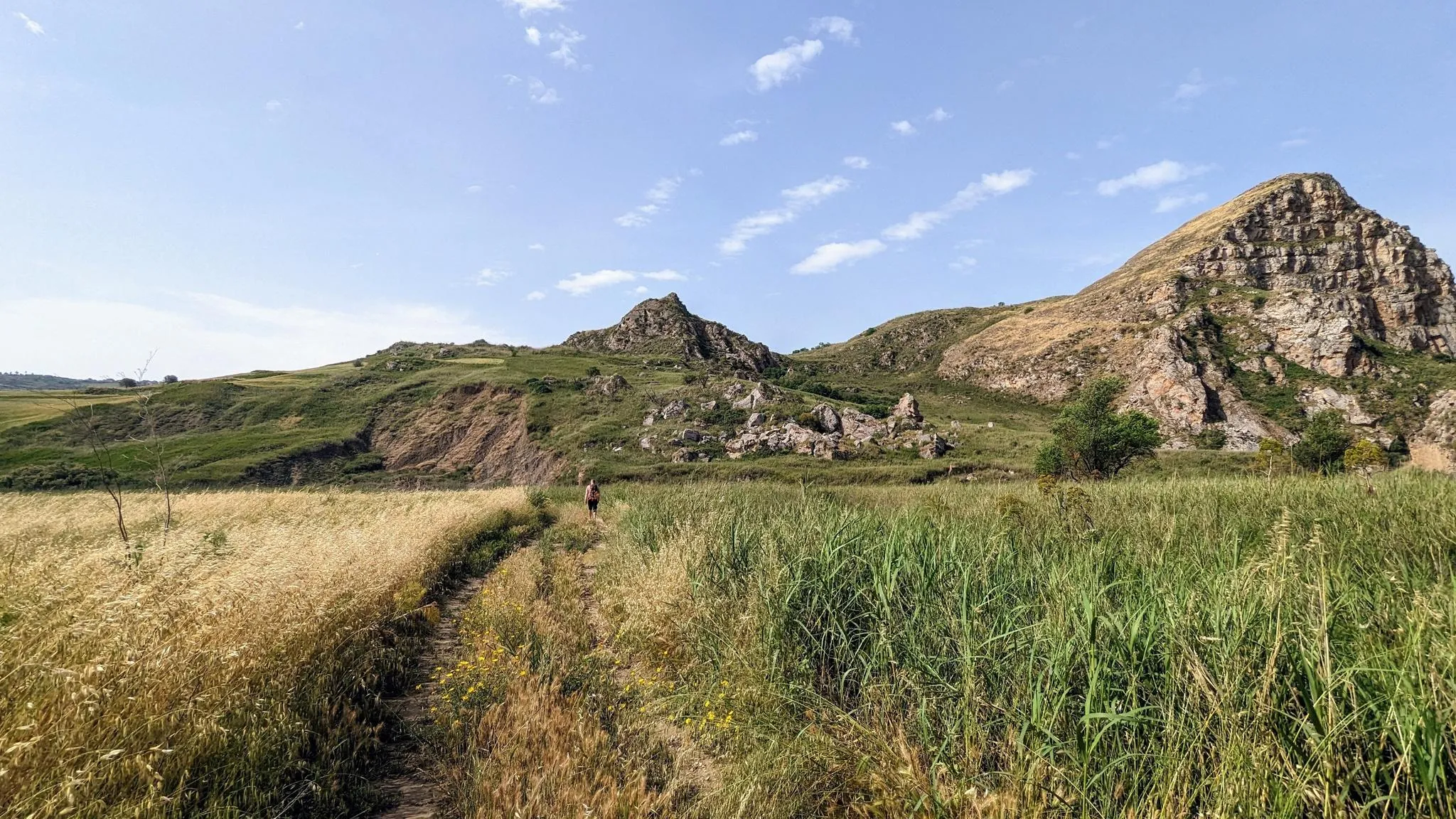
Magna Via Francigena – Sicily between the two seas
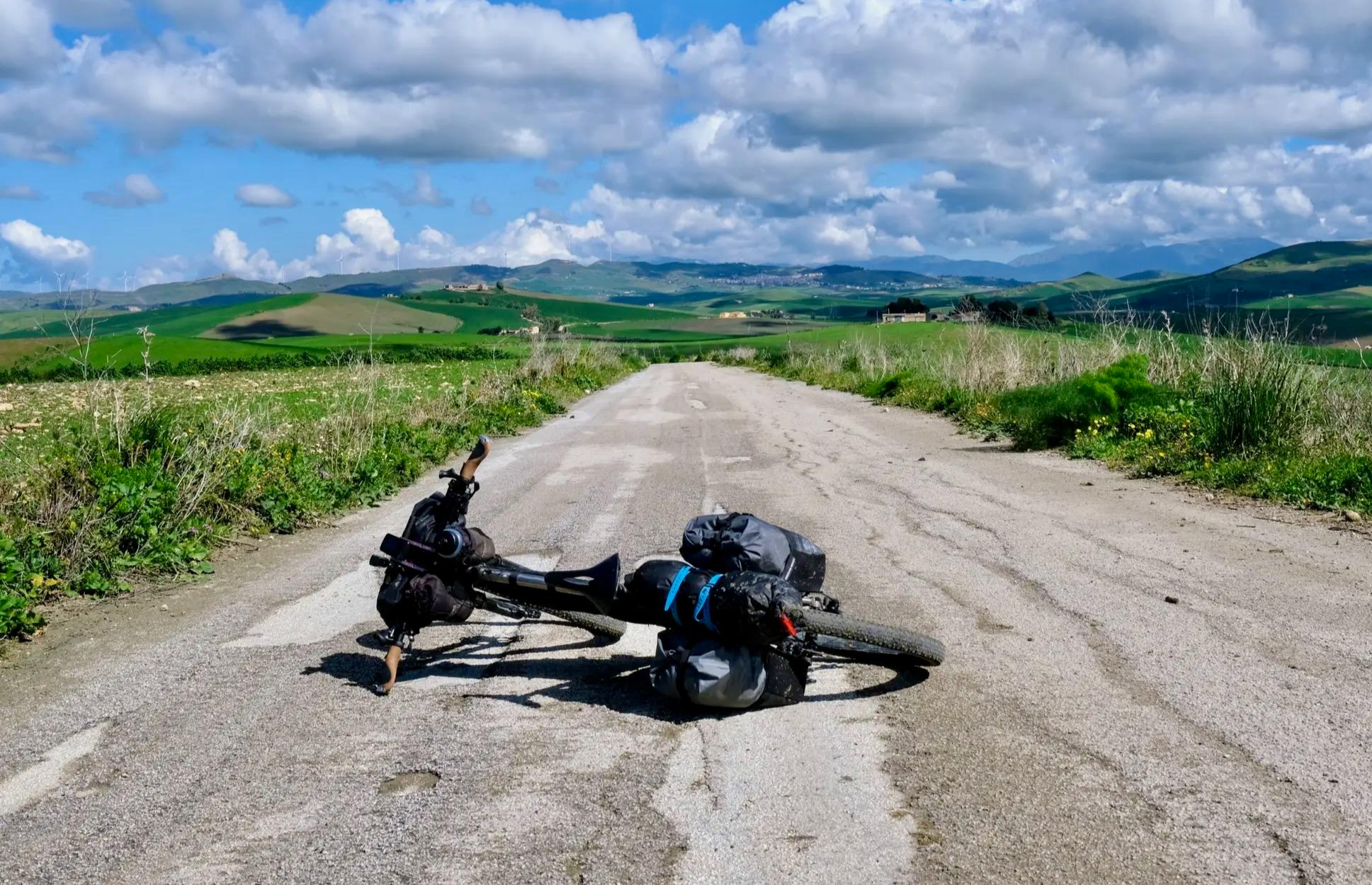
Scent of oranges – Sicily by bike between Agrigento, hinterland and Palermo
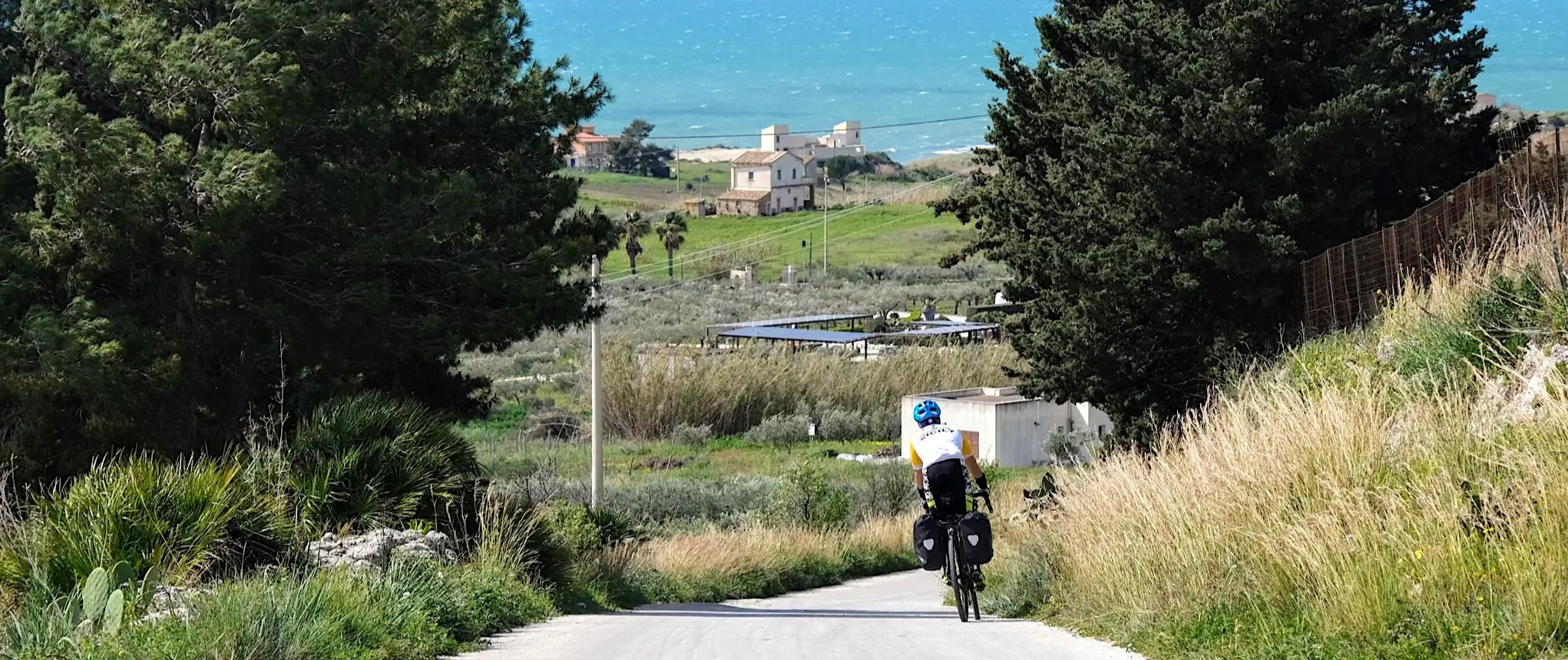
The complete tour of Sicily by road bike
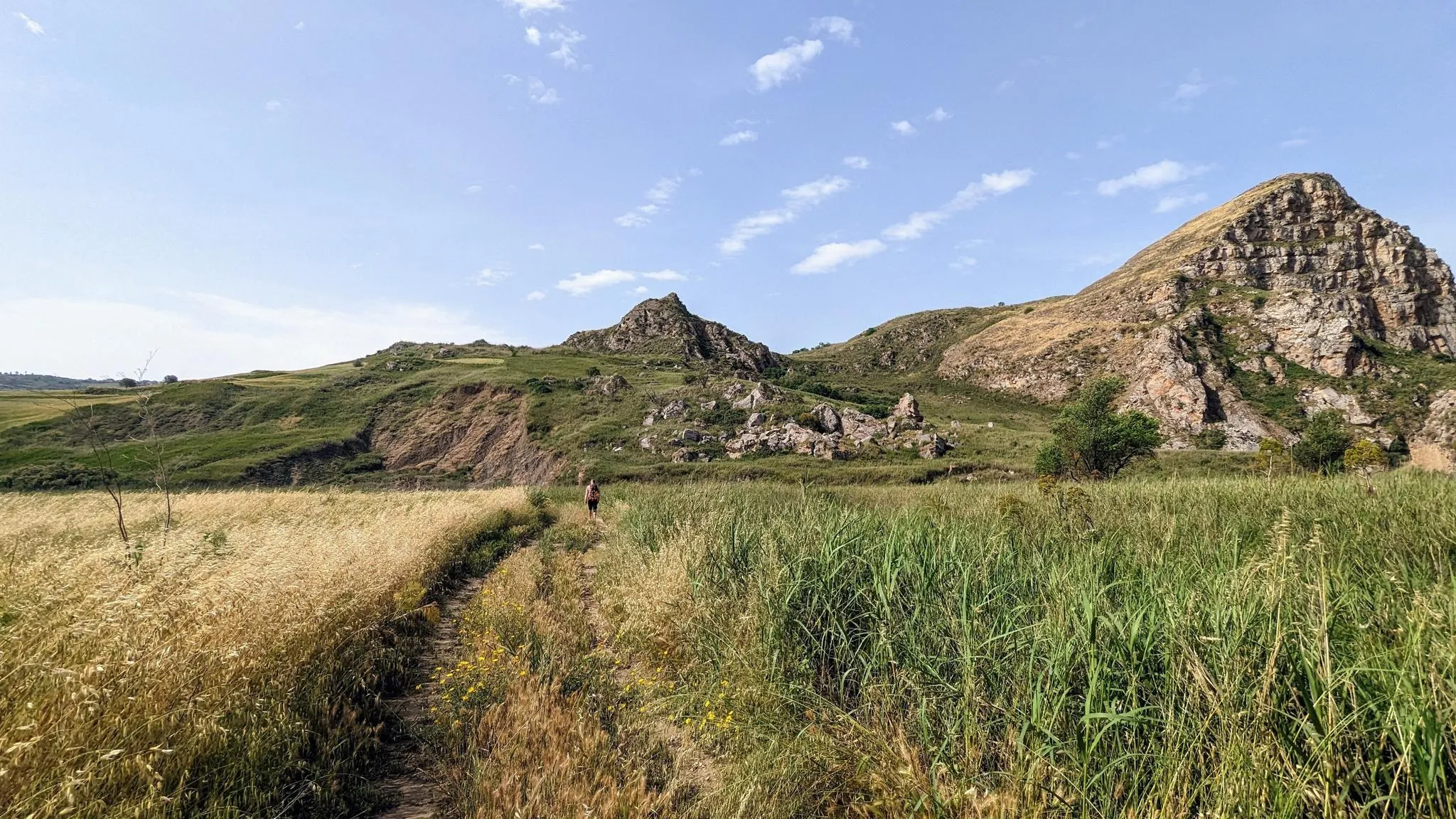
Magna Via Francigena – Palermo to Agrigento
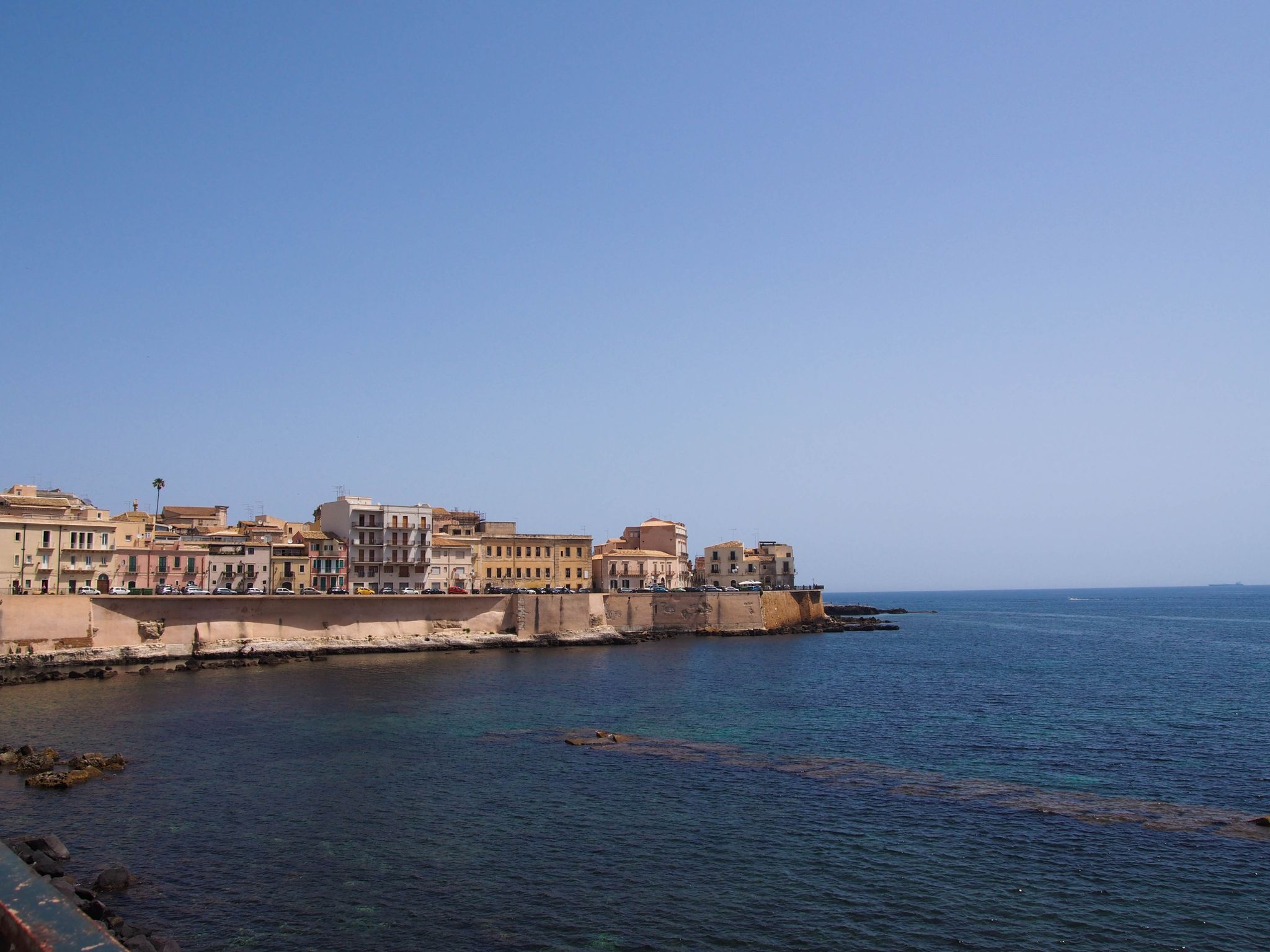
Sicily’s coast from Trapani to Syracuse – SIBIT Bike Route
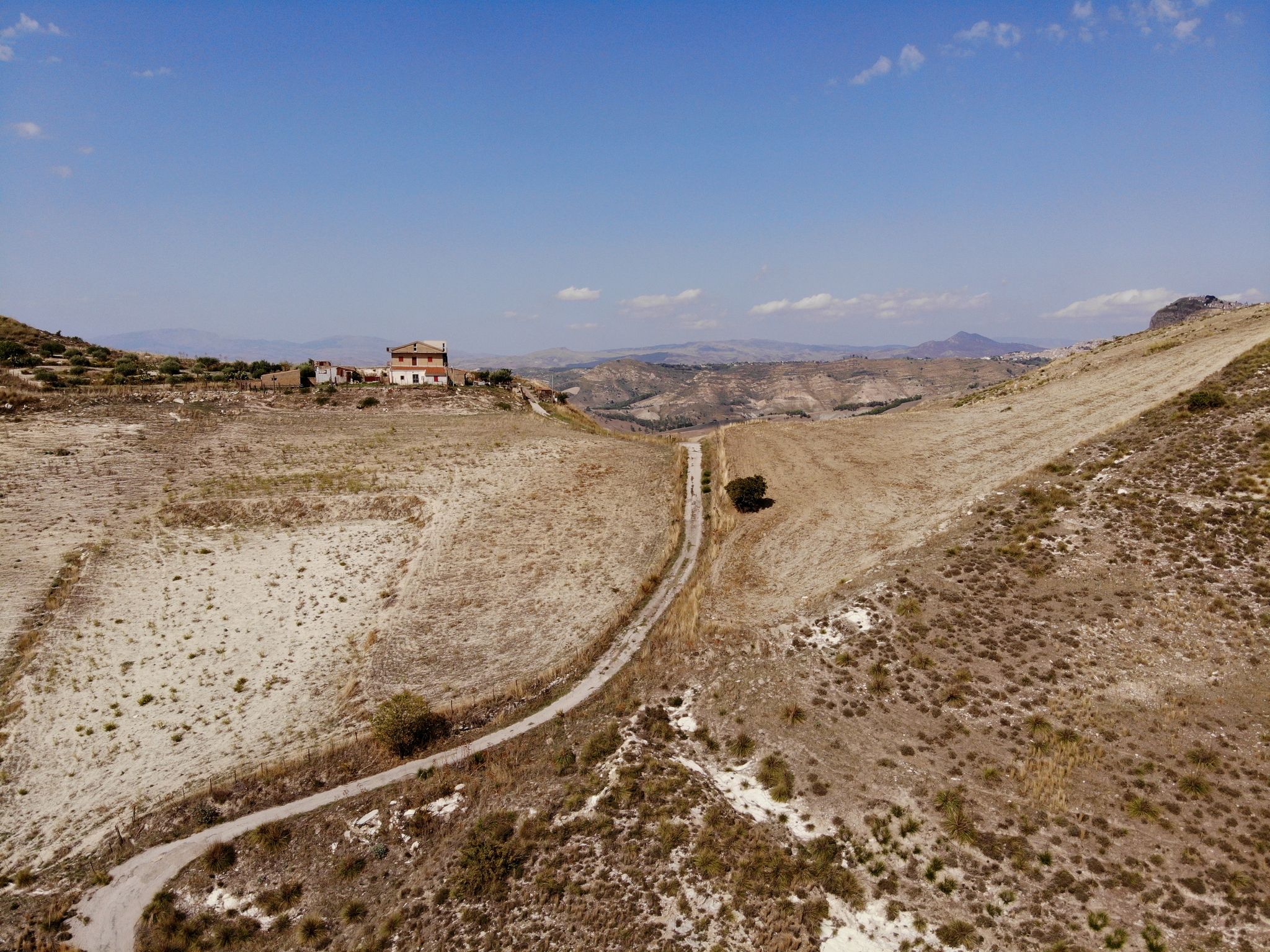
Sicily Divide – an adventure through Sicily
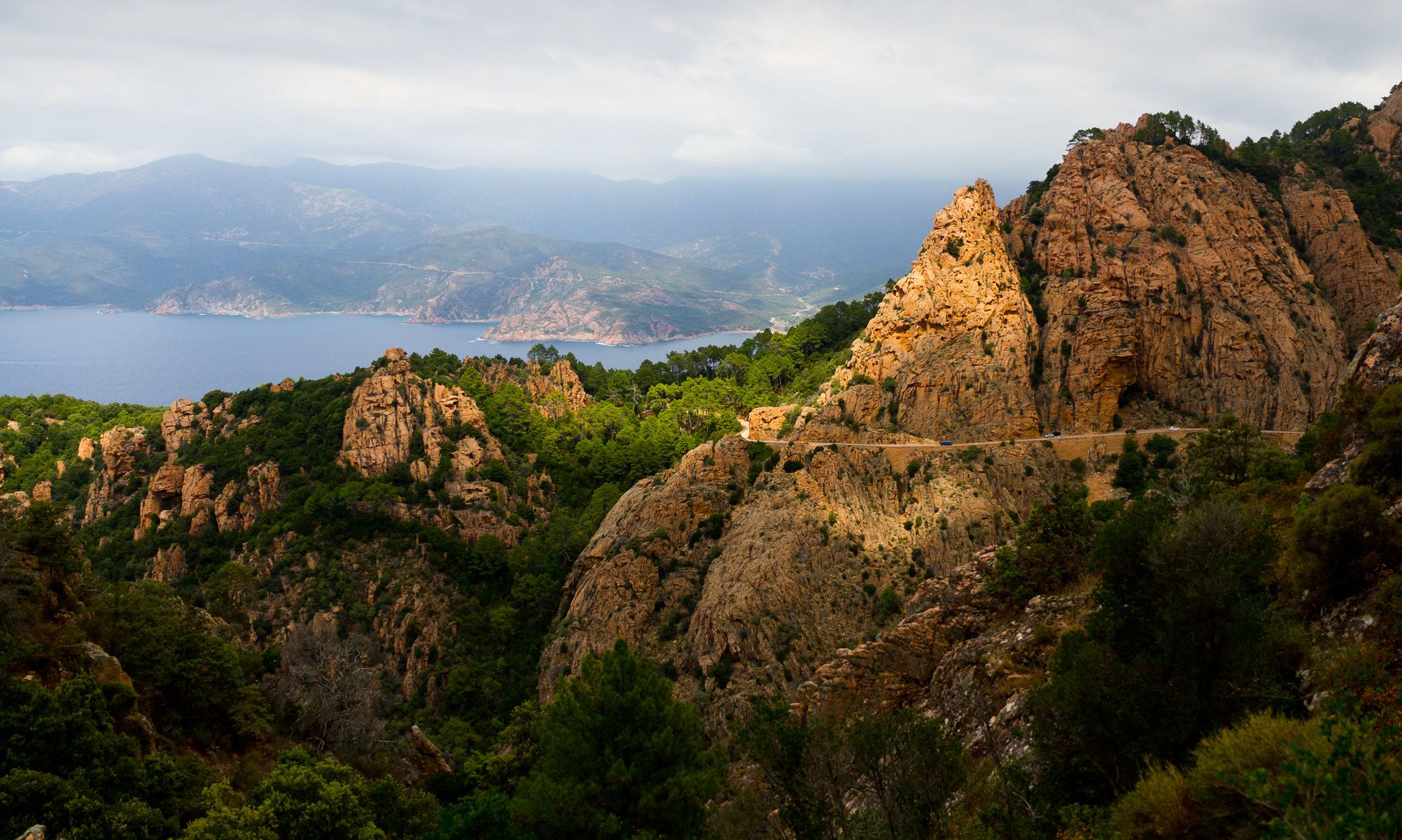
From Cape Corsica to Syracuse — three Mediterranean islands
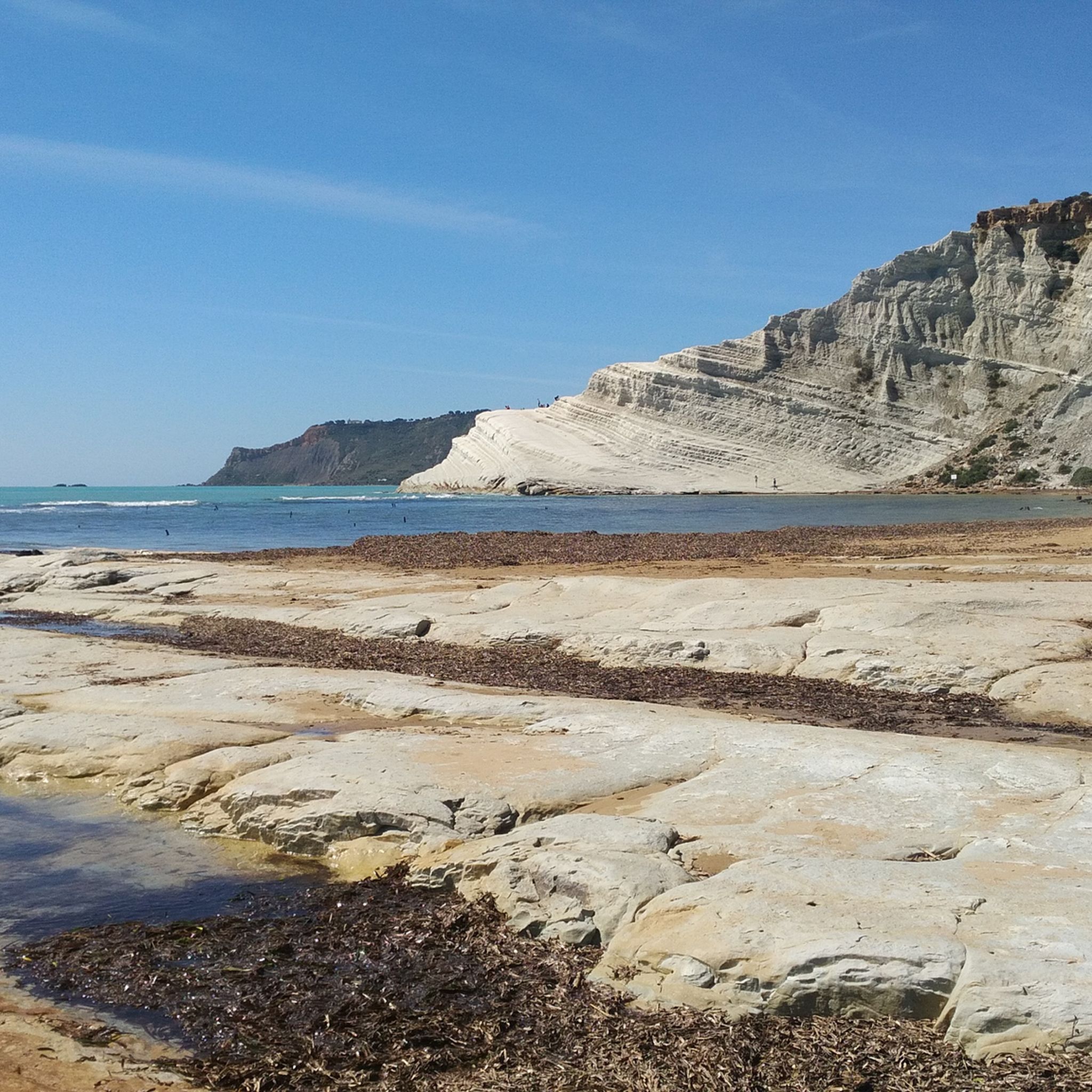
Hiking around Agrigento
MTB Trails around Agrigento
Cycling around Agrigento
Other adventures around Agrigento


Tips from the Community

The Byzantine rock-cut tombs of Agrigento are among the most fascinating testimonies of the late ancient and early Christian phase of the Valley of the Temples. These burials, dating mainly from the period between the 4th and 6th centuries AD, show how the early Christians and Byzantines adapted the grandiose monumental structures of the Greek era for their funerary needs.
0
0

The Hermitage: the story of S. Rosalia The story of Santa Rosalia is a mix of evidence and legends, reconstructions and faith. Her life moves between Palermo and Santo Stefano Quisquina, between princely palaces and small caves protected by mountains, and it is the life of a young woman who dedicates herself to faith by renouncing principles and luxuries. There are few certain things about her short existence: the cave where she spent twelve years, and the one in which she died a few years later. Rosalia lived in the 12th century; born in Palermo to Count Sinibaldo and Maria Guiscarda, her father planned a future for her worthy of her noble origins. She was about twelve or fourteen when she ran away from home to avoid marrying the prince they had chosen for her, and for twelve years (1150 - 1162) she hid in a small cave sheltered by the thick forest of Quisquina, in the province of Agrigento. Don't imagine a young girl walking alone for a hundred kilometers before finding a shelter: the cave in question is a very specific choice, since the Serra Quisquina belongs to her father and she knows well how thick it is and, therefore, suitable for hiding her. It should not be thought that the Saint lived inside this cave in absolute solitude: in those centuries of flourishing hermitism, in fact, those who decided to leave behind comforts and riches to seek God in the sol Tudino and in prayer would retreat to a cave or a cell, but almost always in the vicinity of a church or a convent, both to have religious assistance from the nearby monks and to follow the liturgical functions. And this also applies to Santa Rosalia: we know, in fact, that at the time of the Saint there existed (as early as the year 1000) a convent of Basilian monks, of which there are still remains today in the countryside of Melia. After this period of penance, Rosalia decided to return to Palermo, where she was allowed by Queen Margherita (wife of the King of Sicily William I), moved by the young woman's religious vocation, to move to a cave on Mount Pellegrino where she would continue to live in prayer and solitude until her death. The cult of Santa Rosalia was already widespread in the years immediately following her death, but only after 1624, the year in which the bones of the Saint found on Mount Pellegrino and carried in procession through the streets of Palermo freed the city from the plague, was the sanctity of Rosalia officially recognized. Tradition has it that Rosalia appeared in a dream to a seriously ill woman, Girolamo Gatto, promising her recovery if she went to Mount Pellegrino and indicating the exact point where her bones were buried. The search began, and on July 15, 1624 the bones were found. The commission of theologians and doctors, established by Cardinal Giannettino Doria to examine the remains found, reached an initially disappointing conclusion because the bones seemed to belong to more than one body. But a second miracle occurred: a man, Vincenzo Bonelli, a soap maker, after his wife died of the plague, fled to Mount Pellegrino and there Saint Rosalia appeared to him, who ordered him to tell the cardinal not to doubt the authenticity of the relics and to carry them in procession through the city; only in this way would the plague end. And so it happened. The feast, which is celebrated every year in Palermo around July 15, is nothing other than the historical reenactment of that miraculous event. In the same year 1624, forty days after the discovery of the bones of Saint Rosalia on Mount Pellegrino, an inscription in archaic Latin was found at the entrance to the Quisquina cave, attributed to Saint Rosalia herself: "Ego Rosalia Sinibaldi Quisquinae et Rosarum domini filia amore Domini mei Jesu Christi in hoc antro habitari decrevi" (I Rosalia Sinibaldi, daughter of the Lord of Quisquina and of the Mount of Roses, for the love of my Lord Jesus Christ, have decided to live in this cave.
6
0


The archaeological area of Petra of Calathansuderj hides a unique stronghold, testimony to the Byzantine-Arab-Norman influence, with an imposing structure 30 meters high and 40 meters wide, full of tunnels dug for the defense and control of the roads communication. The discovery of numerous ceramic finds, dated between the 2nd and 14th centuries AD, reveals the strategic importance of this site through the centuries.
4
0

A beautiful archaeological site from which the materials preserved in the Archaeological Museum of Agrigento derive. I recommend a stop to visit it.
0
0

Some Byzantine burial caves can still be seen in the remains of the city wall.
3
1


Frequently Asked Questions
What kind of historical significance do the caves around Agrigento hold?
The caves and rock-cut sites in the Agrigento region are rich in history, showcasing various periods from prehistoric settlements to ancient burial practices and strategic defensive positions. For example, the Byzantine Rock-Cut Tombs are ancient burial caves visible within the remains of the city wall. Petra di Calathansuderj, a unique stronghold carved into rock, reveals Byzantine, Arab, and Norman influences, with tunnels originally for defense.
Are there any family-friendly cave experiences near Agrigento?
Yes, Grotte 👀 is noted as a family-friendly settlement and historical site. It offers a tranquil atmosphere and facilities, making it suitable for visitors of all ages.
What are some notable natural features or geological aspects of the caves in the Agrigento area?
The region features diverse landscapes, including natural caverns and rock formations. The Sicani Mountains, spanning parts of Agrigento province, are home to numerous caves like Cava Grande, which served as prehistoric shelters. The Grotta del Drago, with its intricate systems and potential for panoramic views, also highlights the region's geological diversity and how it was adapted by various civilizations.
What outdoor activities can I do near the caves around Agrigento?
The area around Agrigento offers various outdoor activities. You can find easy hikes like the Sacred Way Trail or explore the Torre Salsa Nature Reserve. For cycling enthusiasts, there are routes around Agrigento, the Valley of the Temples, and Scala dei Turchi. Mountain biking trails are also available, for instance, around Sambuca di Sicilia and Lago Arancio. You can find more details on these activities in the respective guides: Easy hikes around Agrigento, Cycling around Agrigento, and MTB Trails around Agrigento.
Which caves offer insights into ancient burial practices?
The Byzantine Rock-Cut Tombs are a prime example, featuring graves carved directly into rock. Additionally, Grotta Fragapane within the Valley of the Temples is a significant catacomb with an intricate network of burial chambers and a gallery connecting to Paleo-Christian and Roman cemeteries, illustrating ancient burial customs.
Are there any caves that served as defensive strongholds?
Yes, Petra di Calathansuderj is a remarkable example of a stronghold carved into rock. It features an imposing structure with numerous tunnels originally excavated for defensive purposes and to control communication routes, reflecting its strategic importance through various historical periods.
What is the best time to visit the underground sites in Agrigento?
While specific opening hours or seasonal recommendations for all sites are not provided, generally, Sicily's mild climate makes it suitable for visiting historical and natural sites year-round. Spring and autumn offer pleasant temperatures for exploration, avoiding the peak heat of summer. Always check specific site conditions before your visit.
Can I find any religious or spiritual sites associated with caves in the region?
Yes, the Sicani Mountains are home to the Eremo di Santa Rosalia alla Quisquina, which includes a grotto where Saint Rosalia is believed to have taken refuge. Additionally, the Sanctuary of Madonna di Porto Salvo and Hermit's Cave, though on Lampedusa, is a significant religious site featuring a cave and sanctuary overlooking the sea, offering a peaceful and serene atmosphere.
What kind of historical artifacts have been found in the caves of Agrigento?
Archaeological finds, such as ceramics dating from the 2nd to the 14th centuries AD, have been discovered at sites like Petra di Calathansuderj, confirming its long-standing strategic importance. The Grotta Fragapane also retains traces of original decorations, including festoon and floral motifs, providing insight into ancient artwork.
Are there any caves that show evidence of prehistoric human habitation?
Yes, the Cava Grande caves in the Sicani Mountains, near Sambuca di Sicilia, were inhabited by humans as early as the Paleolithic period. These caves provided natural shelters and show evidence of hearths and organized sleeping areas, offering a glimpse into early human settlements and survival strategies in Sicily.
What should I wear when visiting caves in the Agrigento area?
When visiting caves and underground sites, it's advisable to wear comfortable walking shoes suitable for uneven terrain. Layers of clothing are also recommended, as temperatures inside caves can be cooler than outside, even during warmer months.
Are there any facilities or amenities near the cave sites?
Some sites, like Grotte 👀, are noted for having facilities and catering options. However, amenities can vary greatly between sites, especially for more remote or natural caves. It's always a good idea to check specific information for each location you plan to visit.
Most popular routes around Agrigento
Most popular attractions around Agrigento

Get inspired with the komoot mobile app


Didn’t find what you were looking for?
Discover more caves around Agrigento region by region:
Explore more
Extend your search for the best caves by checking out these guides of the top ones around Agrigento:
