Top 20 Castles in Guarda
Castles in Guarda, Portugal, offer insight into the region's historical significance and strategic past. The district is characterized by its mountainous terrain and border location, which led to the construction of numerous fortifications. These structures provide views of the surrounding landscapes and showcase medieval architecture. The Guarda region played a crucial role in the defense of Portugal's eastern border.
Best castles in Guarda
- The most popular castles is Almeida Castle, a castle that is one of the best-preserved fortifications…
Last updated: June 27, 2026
Castelo Rodrigo Discovery Trail
Highlight (Segment) • Historical Site
Translated by Google •
Tip by

Aldeia Histórica de Linhares da Beira
Highlight • Settlement
Translated by Google •
Tip by

Sign up now to discover places like this
Get recommendations on the best single tracks, peaks, & plenty of other exciting outdoor places.
Sign up for free
Almeida Castle
Highlight • Castle
Translated by Google •
Tip by

Historic Village of Sortelha
Highlight • Historical Site
Translated by Google •
Tip by

Sabugal Castle
Highlight • Castle
Translated by Google •
Tip by
Castelo Mendo Historic Village
Highlight • Historical Site
Translated by Google •
Tip by
Castle Walls of Trancoso
Highlight • Castle
Translated by Google •
Tip by

Historic Village of Almeida
Highlight • Historical Site
Translated by Google •
Tip by
Historic Village of Marialva
Highlight • Historical Site
Translated by Google •
Tip by
Historic Village of Trancoso
Highlight • Historical Site
Translated by Google •
Tip by
Sign up for free to discover even more castles in Guarda.
Sign up for free
Already have an account?
Start today with a free account
Your next adventure awaits.
Login or Signup
Popular around Guarda
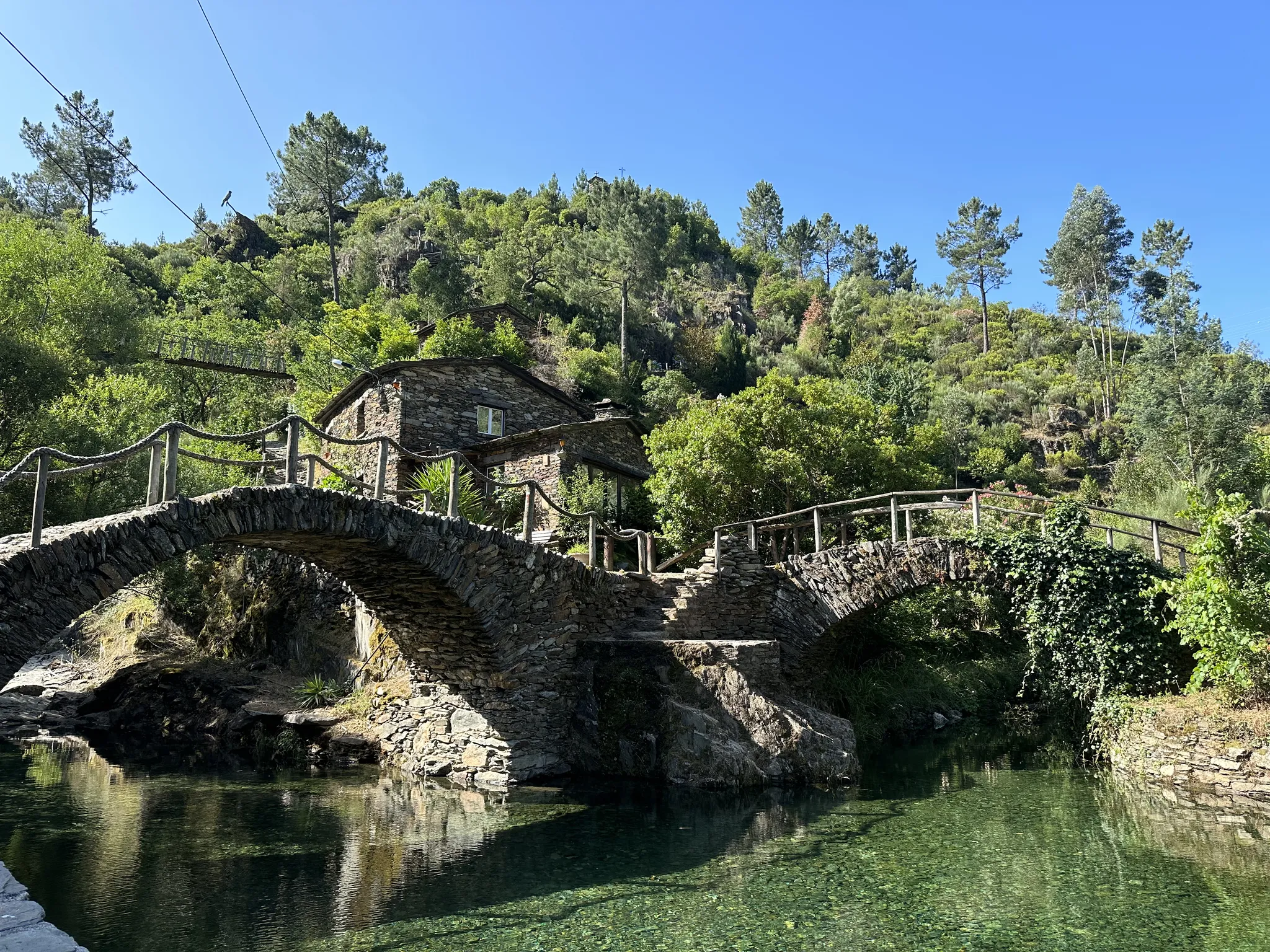
Great Route of Historic Villages (GR 22 south loop) – A nation is born
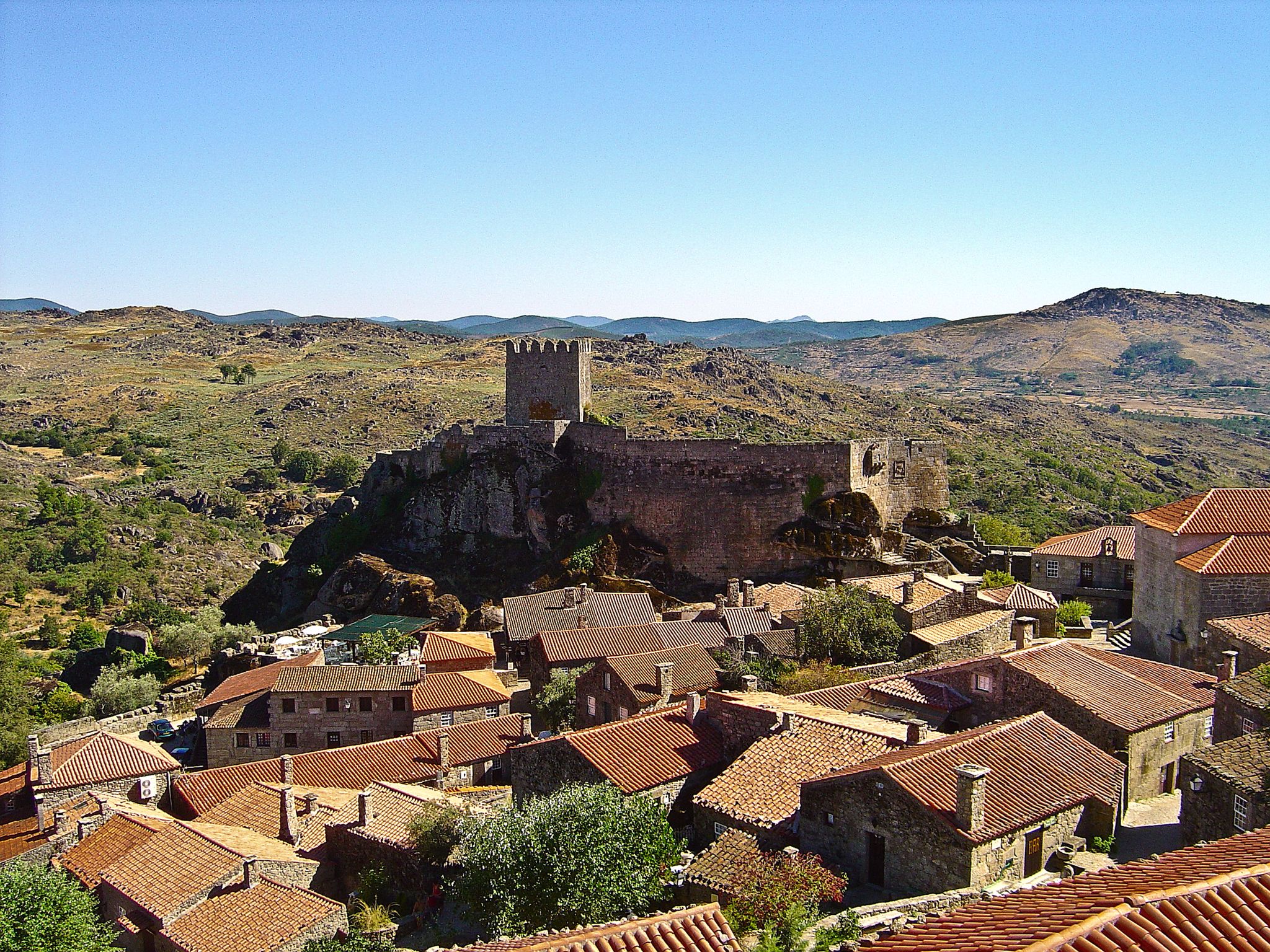
Great Route of Historic Villages (GR 22 north loop) - castles and valleys
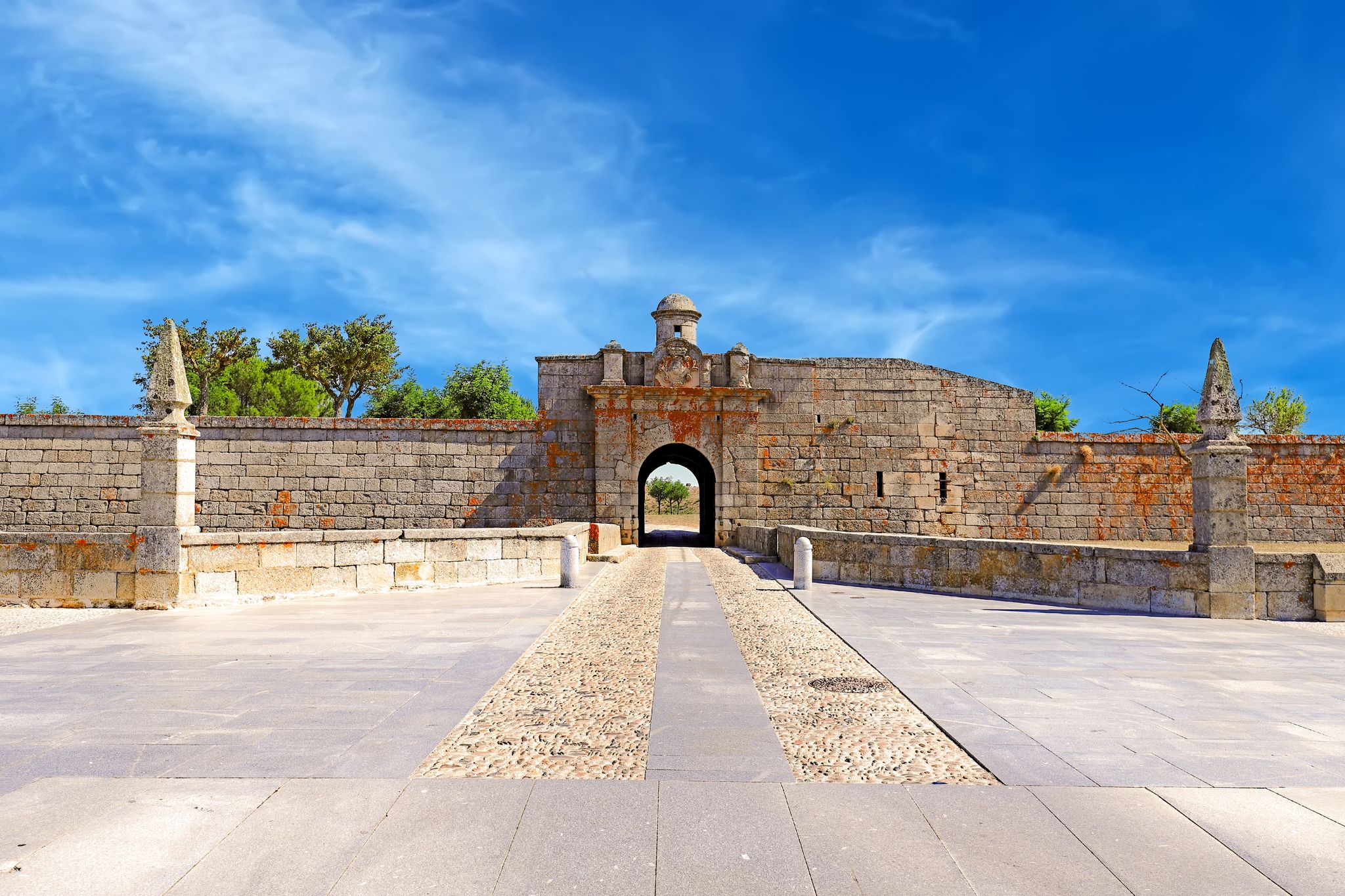
Landscapes and fortresses by bike – Walled Cities Route

Bikepacking across the Portuguese mountains
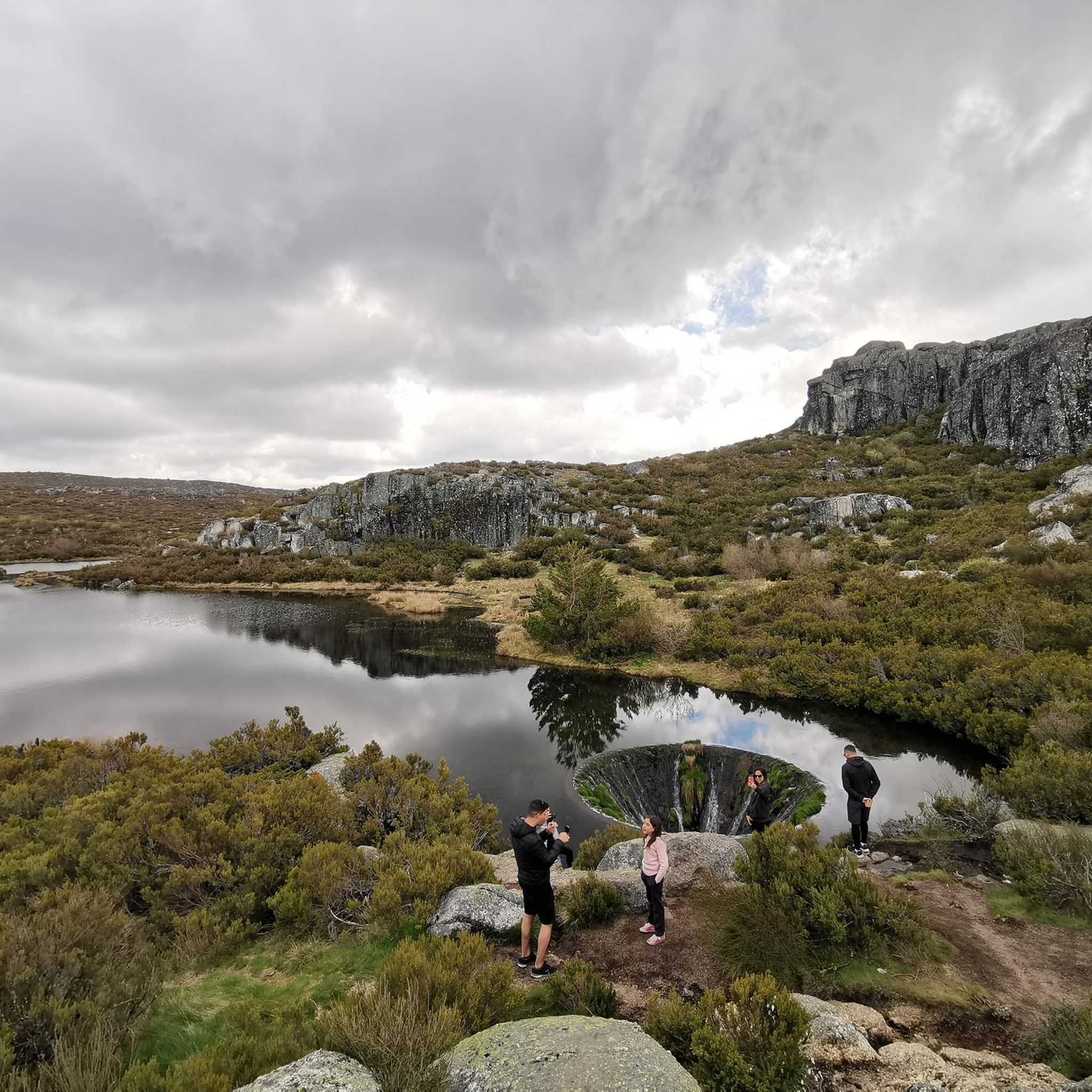
Hiking in Guarda
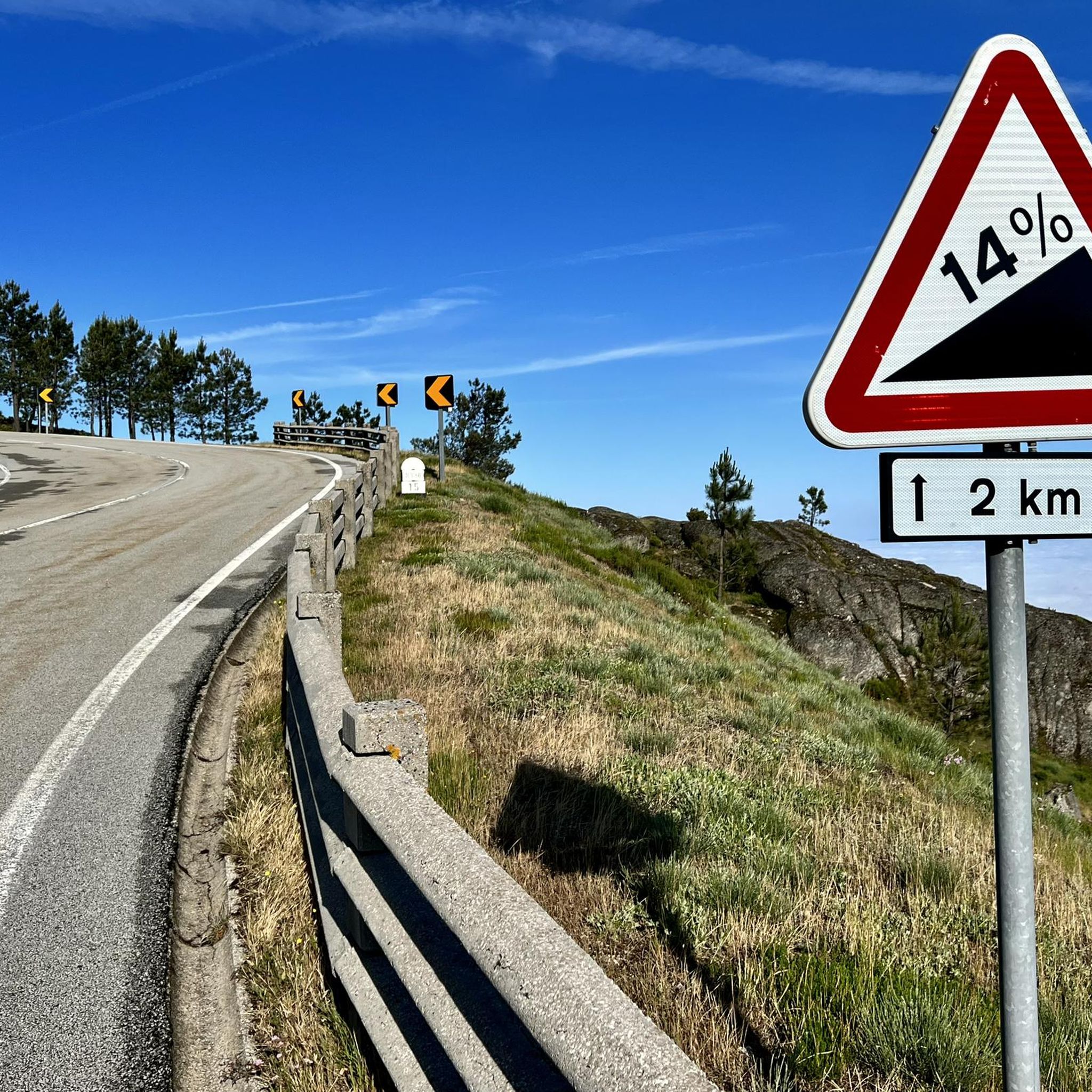
Road Cycling Routes in Guarda
MTB Trails in Guarda
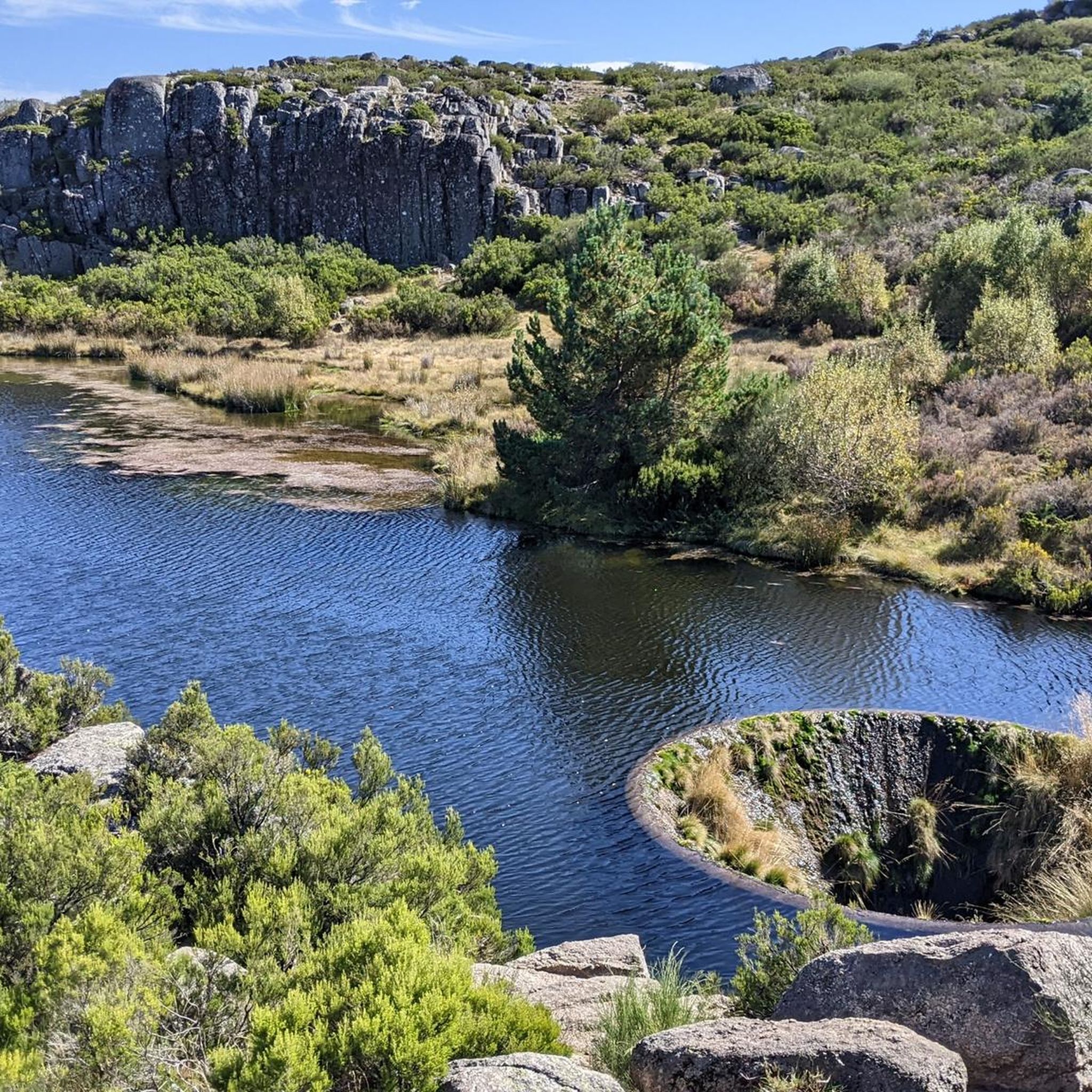
Cycling in Guarda
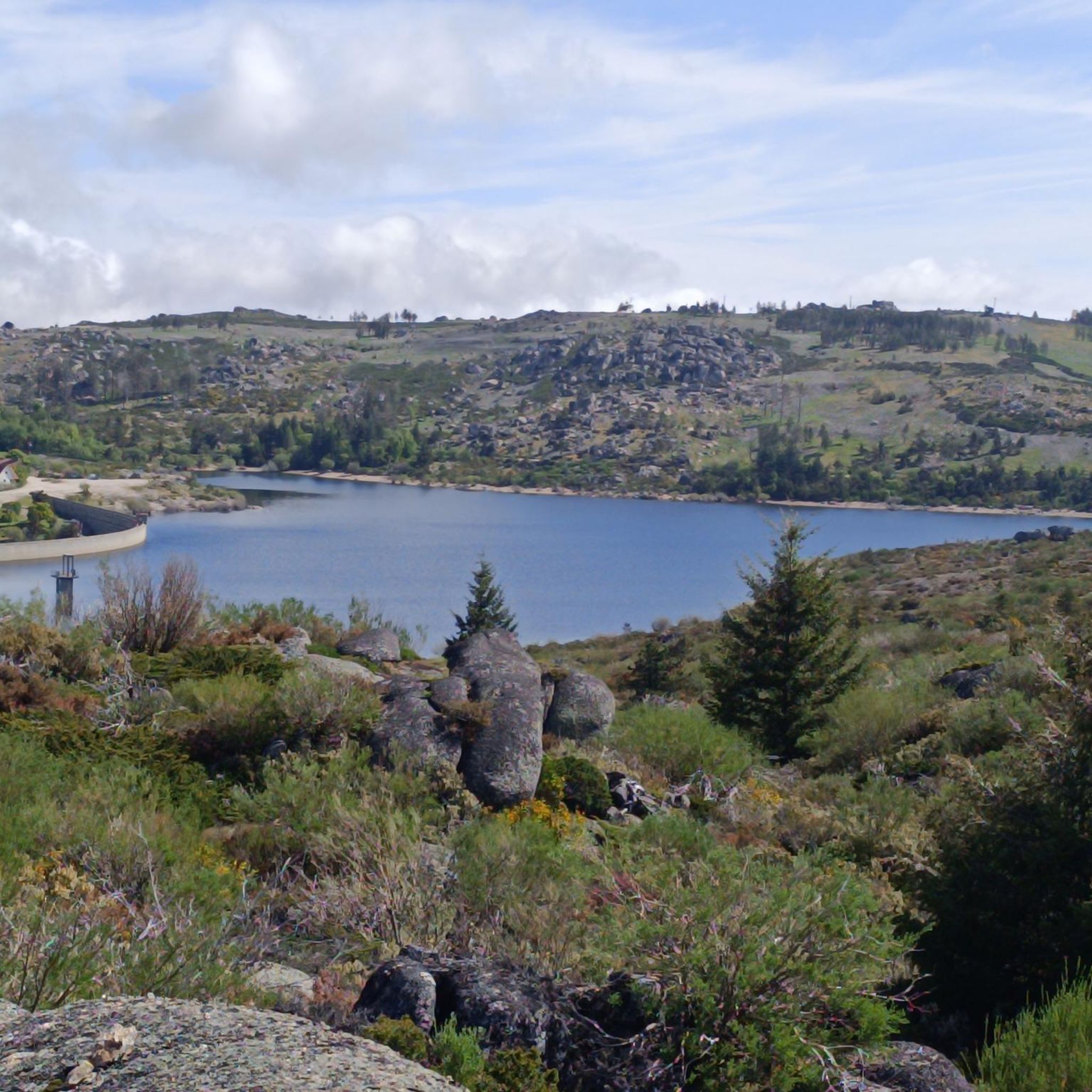
Running Trails in Guarda

Gravel biking in Guarda
Other adventures in Guarda


Tips from the Community

It's been a few years since I walked here with the hiking group from Évora. We loved it and recommend it.👍🥾
1
0

Sabugal Castle is one of the most imposing and well-preserved medieval fortifications in Portugal. It is known as the "Castle of the Five Corners" due to the unusual shape of its impressive pentagonal keep, the castle's most iconic feature. Its pentagonal (five-cornered) plan is considered unique in Portuguese military architecture. It is approximately 30 meters high and offers incredible views. The castle has a double ring of walls. You can walk along the ramparts on top of the walls for a panoramic view over the city and the Côa River. From the top, you can see the Côa River winding its way through the city and the natural landscape of the Serra da Malcata mountain range.
1
0
A historic village of undeniable beauty. Thank you for sharing the photos.👍🥾🚲
0
0

Linhares da Beira is steeped in centuries of history. Founded, apparently, in the 6th century BC by the Turduli, it saw the passage of the Lusitanians, Romans, and Visigoths, who made it the seat of their diocese. It was the scene of Moorish legends, recovered by the kings of León and later by Afonso Henriques, who granted it a charter in 1169 and integrated it into the region's defensive line. Over time, it welcomed Jews, resisted invasions, and lost its municipality in 1842, but never its soul. Today, it is proud to be one of the 12 Historic Villages of Portugal, where every stone tells a piece of the past.
3
0

Among the municipality's 37 listed, predominantly granite buildings are churches, manor houses, fountains, and former public buildings. Of particular note are the castle complex and city walls dating back to the 13th century.
3
0
Marialva is a jewel among Portugal's Historic Villages. High above, the castle watches over centuries of conquests and legends, while within the walls still echo the memory of kings, fairs, and battles. Strolling its cobblestone streets is like traveling back in time: from the keep to the Church of Santiago, every detail tells a story. Outside the walls, vineyards and flavors of Beira Alta complete the landscape: roast kid, sheep's cheese, and sweets that preserve the taste of tradition. Here, the village is experienced as much on foot as at the table.
3
0
Almeida stands on the plateau like a table set for history: "Al-Mêda" was the name given to it by the Arabs. Previously, it had been a Lusitanian, Roman, and then Christian fort, conquered in 1190 and definitively Portuguese in 1297. Around the medieval castle grew the town, still marked by the Puerta do Sol. After the Restoration, the town transformed into a veritable war machine: the six-pointed star-shaped fortress, with bastions, ravelins, and underground galleries that served as both shelter and prison. It was the scene of decisive battles, devastated by the explosion of 1810 and contested in the liberal wars, always rising from the ruins.
3
0
Castelo Mendo is a historic village with medieval roots, marked by two walls: the oldest, dating from the 12th century, surrounds the old town with its castle and the church of Santa Maria; the second, built by King Dinis in the 14th century, protected the Gothic suburb. The site was a living border between Portugal and León until the Treaty of Alcanices (1297), guarding strategic passages over the Côa River. At the entrance, two Vetón bellows, stone figures in the shape of wild boars, recall even more remote origins. Classified as a Property of Public Interest since 1984, Castelo Mendo today stands as a rare testament to the border region's history and Portuguese medieval splendor.
2
0
Frequently Asked Questions
Which castles in the Guarda region offer the best panoramic views?
For breathtaking panoramic views, the Torre de Menagem (Homage Tower) at Guarda Castle is highly recommended. It offers vistas extending as far as Spain and the Serra da Estrela mountain range. Additionally, the Castle Walls of Trancoso and the Historic Village of Sortelha also provide excellent viewpoints over the surrounding landscapes.
Are there family-friendly castles to visit in the Guarda district?
Yes, several castles and historic villages in the Guarda district are suitable for families. The Castelo Rodrigo Discovery Trail is listed as family-friendly, offering an engaging walk through a historic village with a castle. The Historic Village of Almeida, with its star-shaped fortress, also welcomes families.
What is the best time of year to visit the castles in Guarda?
The Guarda region experiences varied weather. While specific castle opening times vary, generally, spring (April-June) and autumn (September-October) offer pleasant temperatures for exploring the castles and their surroundings. Summers can be hot, and winters can be cold, especially in higher elevations like near Serra da Estrela.
What kind of historical significance do the castles in Guarda hold?
The castles in Guarda reflect the region's strategic importance throughout Portuguese history, particularly in defending the eastern border. Sites like Guarda Castle and Sortelha Castle played crucial roles in medieval defense. The Almeida Castle, for instance, was vital during the Napoleonic Wars, while Castelo Rodrigo preserves marks of territorial disputes dating back centuries.
Are there hiking opportunities near the castles in Guarda?
Yes, the Guarda region offers various hiking opportunities. While not directly adjacent to every castle, you can find routes nearby. For example, the Hiking in Guarda guide lists trails like the 'Covão dos Conchos Trail' and 'Mondego Walkways Trail' which are moderate to difficult. Exploring the historic villages themselves, such as Aldeia Histórica de Linhares da Beira, also involves walking through picturesque settings.
Can I visit castles in Guarda using public transport?
While some larger towns with castles, like Guarda city, are accessible by public transport, reaching smaller, more remote historic villages and their castles (such as Sortelha or Castelo Mendo) might require a combination of public transport and local taxis, or a private vehicle. It's advisable to check specific routes and schedules for your chosen destination.
Which castle offers the most complete medieval village experience?
The Historic Village of Sortelha provides an exceptional medieval experience. The castle is perfectly integrated with a well-preserved fortified village, allowing visitors to explore stone houses and narrow streets, immersing themselves in a complete medieval atmosphere.
Are there any castles in the Guarda district that are particularly well-preserved?
The Almeida Castle is noted as one of the best-preserved fortifications in Portugal, known for its star-shaped design, bastions, and deep moats. Sortelha Castle is also considered an excellent example of 13th-century military architecture.
What amenities are available near the castles in Guarda?
Amenities vary by location. Larger towns like Guarda city or Almeida offer cafes, restaurants, and shops. Smaller historic villages such as Castelo Rodrigo might have a craft shop, a café, and a gourmet shop selling local specialties. It's best to check for specific amenities in the village or town closest to the castle you plan to visit.
Are there any castles in the Guarda region with unique architectural features?
Yes, the Guarda region boasts castles with distinct architectural styles. Almeida Castle is famous for its unique six-pointed star-shaped fortress design. Guarda Castle features the imposing Gothic-style Torre dos Ferreiros and remnants of Romanesque and Gothic walls. Sortelha Castle is notable for its construction directly on a granite outcrop, giving it a robust appearance.
What do visitors enjoy most about the castles in Guarda?
Visitors frequently appreciate the historical significance and the stunning views offered by the castles. The opportunity to explore well-preserved medieval villages like Sortelha and Linhares da Beira, and to walk through ancient fortifications, is also highly valued. Many enjoy the sense of discovery and the picturesque settings for photography.
Can I find any castles that were once Knights Templar strongholds in the Guarda district?
Yes, the Guarda district has historical ties to the Knights Templar. Longroiva Castle, though now in ruins, is mentioned as a 12th-century Knights Templar castle, offering a glimpse into this powerful order's presence in the region.
Most popular routes in Guarda
Most popular attractions in Guarda

Get inspired with the komoot mobile app


Didn’t find what you were looking for?
Explore Guarda’s best castles region by region:
Explore more
Looking for the best castles somewhere else? Discover other guides in Guarda:
