Top 5 Lakes in Split-Dalmatia
Best lakes in Split-Dalmatia are found within a region characterized by diverse natural landscapes, from the Dalmatian hinterland to coastal areas. The county features a mix of artificial lakes, unique karstic phenomena, and interconnected freshwater systems. These bodies of water provide opportunities for recreation and exploration amidst varied geological formations. The area is known for its clear waters and distinct natural features.
Best lakes in Split-Dalmatia
- The most popular lakes is Swimming spot at Modro Jezero (Blue Lake), a lake that offers the opportunity to bathe in crystal clear water. Its water level varies significantly, sometimes drying up completely.
- Another must-see spot is Red Lake (Crveno Jezero), a lake and natural monument. It is the deepest lake in Croatia and one of the deepest karst lakes globally, featuring dramatic reddish rock cliffs.
- Visitors also love Beach and Swimming Area, a family-friendly beach. This area provides amenities and opportunities for relaxation by the water, with pubs and shops nearby.
- Split-Dalmatia is known for its artificial lakes, karstic lakes, and freshwater systems. These include large reservoirs and unique geological formations, offering varied natural experiences.
- The lakes in Split-Dalmatia are appreciated by the komoot community, with 61 upvotes and 38 photos shared across 9 highlights.
Last updated: October 1, 2026
Red Lake (Crveno Jezero)
Highlight • Lake
Translated by Google •
Tip by

Blue Lake (Modro Jezero)
Highlight • Lake
Swimming is supposedly possible in the lake, but we didn't because of an approaching thunderstorm.
Entry costs 40 Kuna and includes the Blue Lake, the Red Lake, and the Topana Fortress; it's valid for several days.
Translated by Google •
Tip by

Sign up now to discover places like this
Get recommendations on the best single tracks, peaks, & plenty of other exciting outdoor places.
Milna Bay
Highlight • Beach
Showing Translation
Tip by

Red Lake
Highlight • Lake
Showing Translation
Tip by

Beach and Swimming Area
Highlight (Segment) • Beach
Translated by Google •
Tip by

Sandy Beach on Lake in Croatia
Highlight • Beach
Tip by

Gray Lake (Suho Jezero)
Highlight • Lake
Translated by Google •
Tip by

Rest area with views of Trogir Bay
Highlight • Viewpoint
Translated by Google •
Tip by

View of Sćedro Island
Highlight • Viewpoint
Translated by Google •
Tip by

Maslinica Bay
Highlight • Beach
Translated by Google •
Tip by

Sign up for free to discover even more lakes in Split-Dalmatia.
Already have an account?
Start today with a free account
Your next adventure awaits.
Popular around Split-Dalmatia

Triathlon 360 – my journey around the world
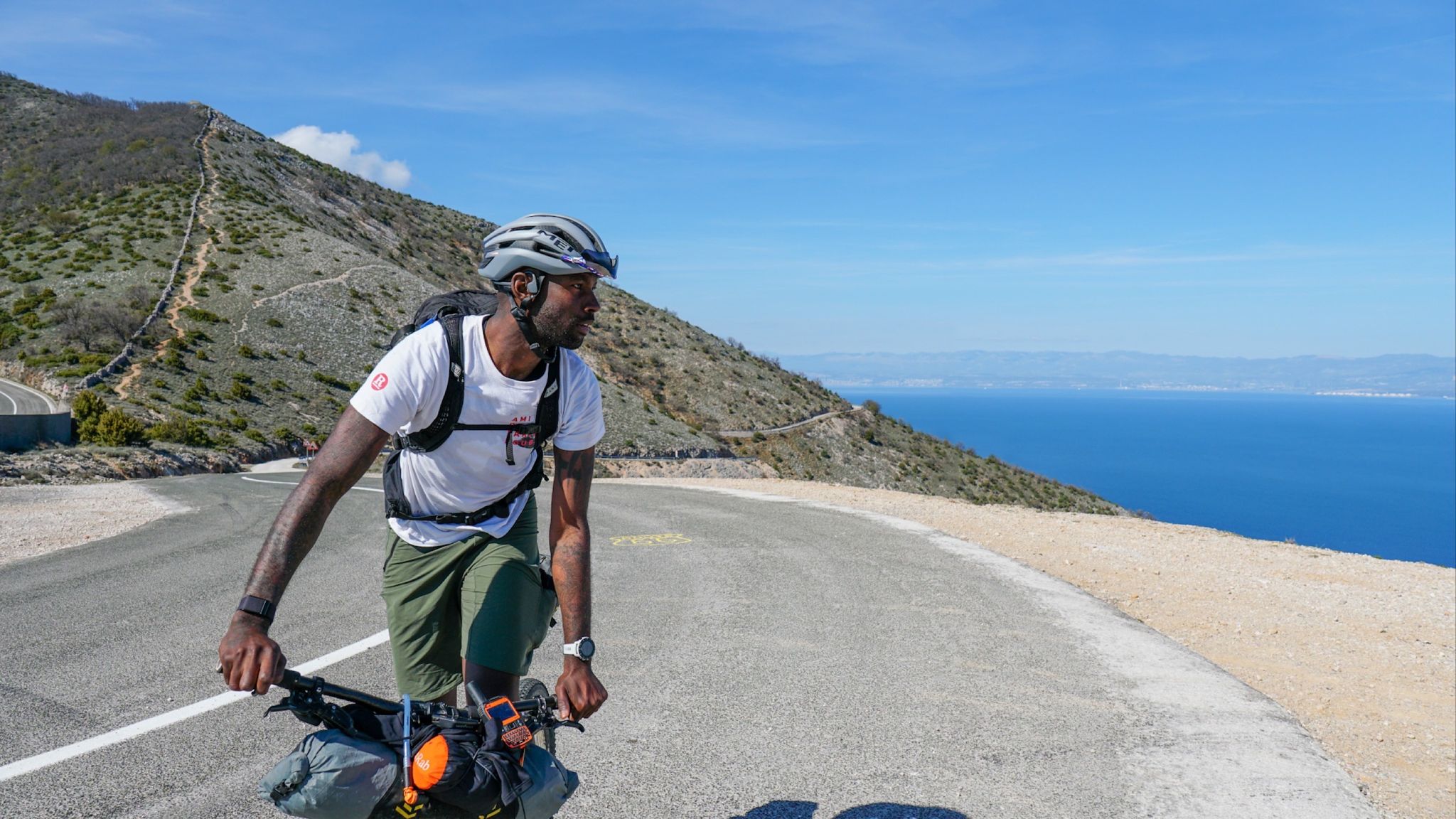
Slovenian mountains to island hopping around the Adriatic Crest
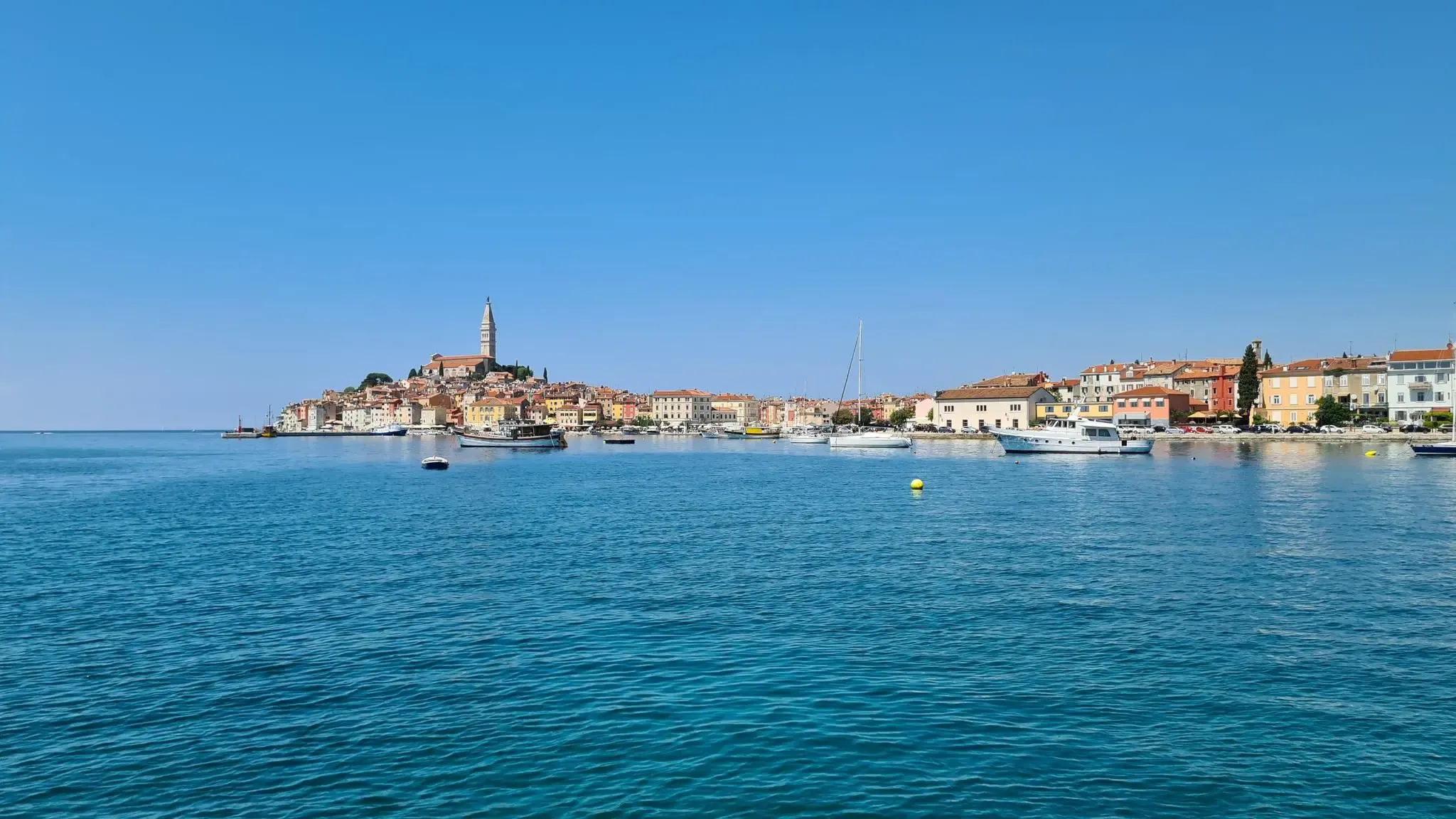
From Istria to Dubrovnik – Experience Croatia's Adriatic Coast from the Saddle
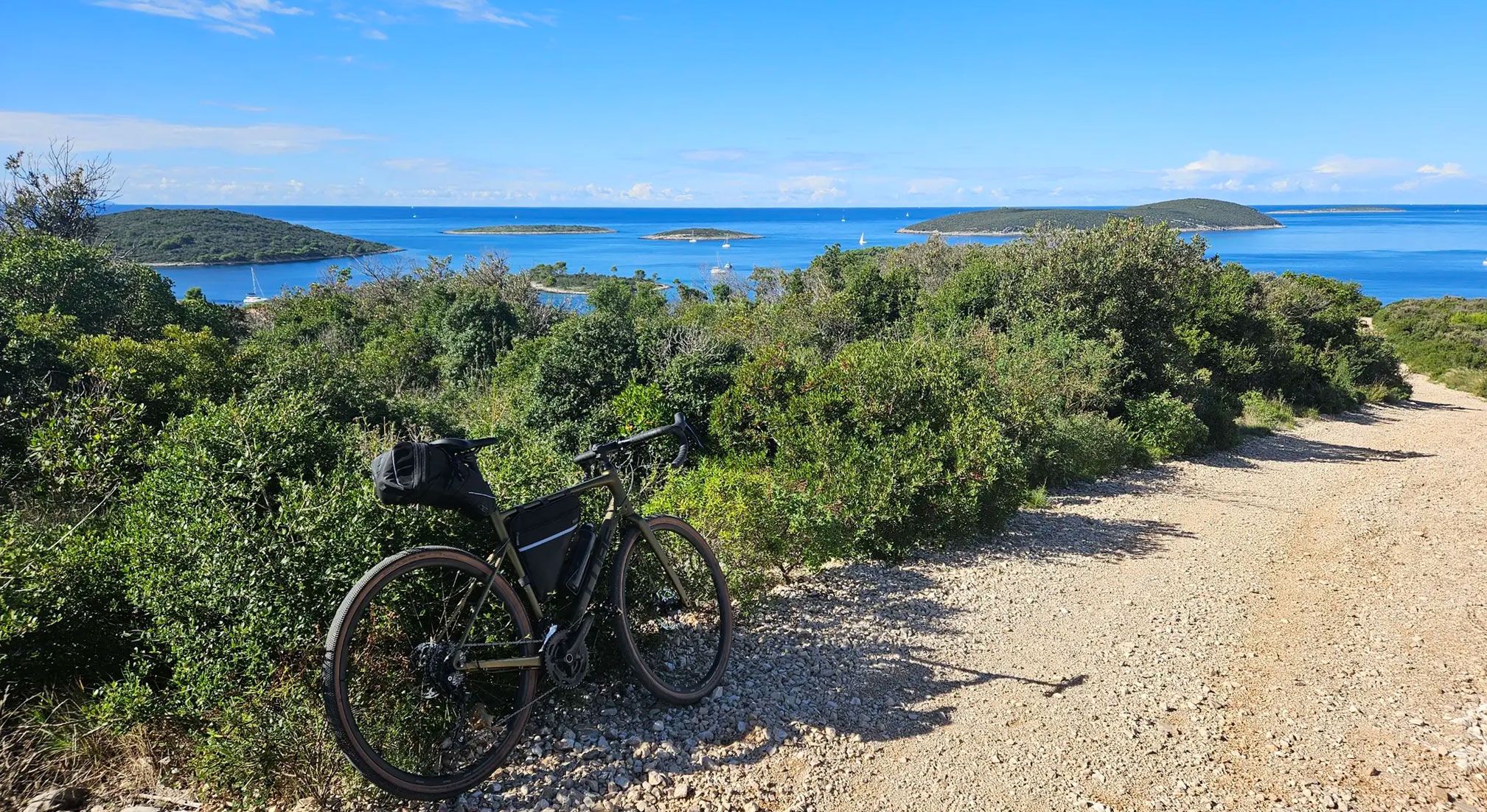
Between Coastal Panoramas and Dream Beaches: Island Bike Tours in Croatia
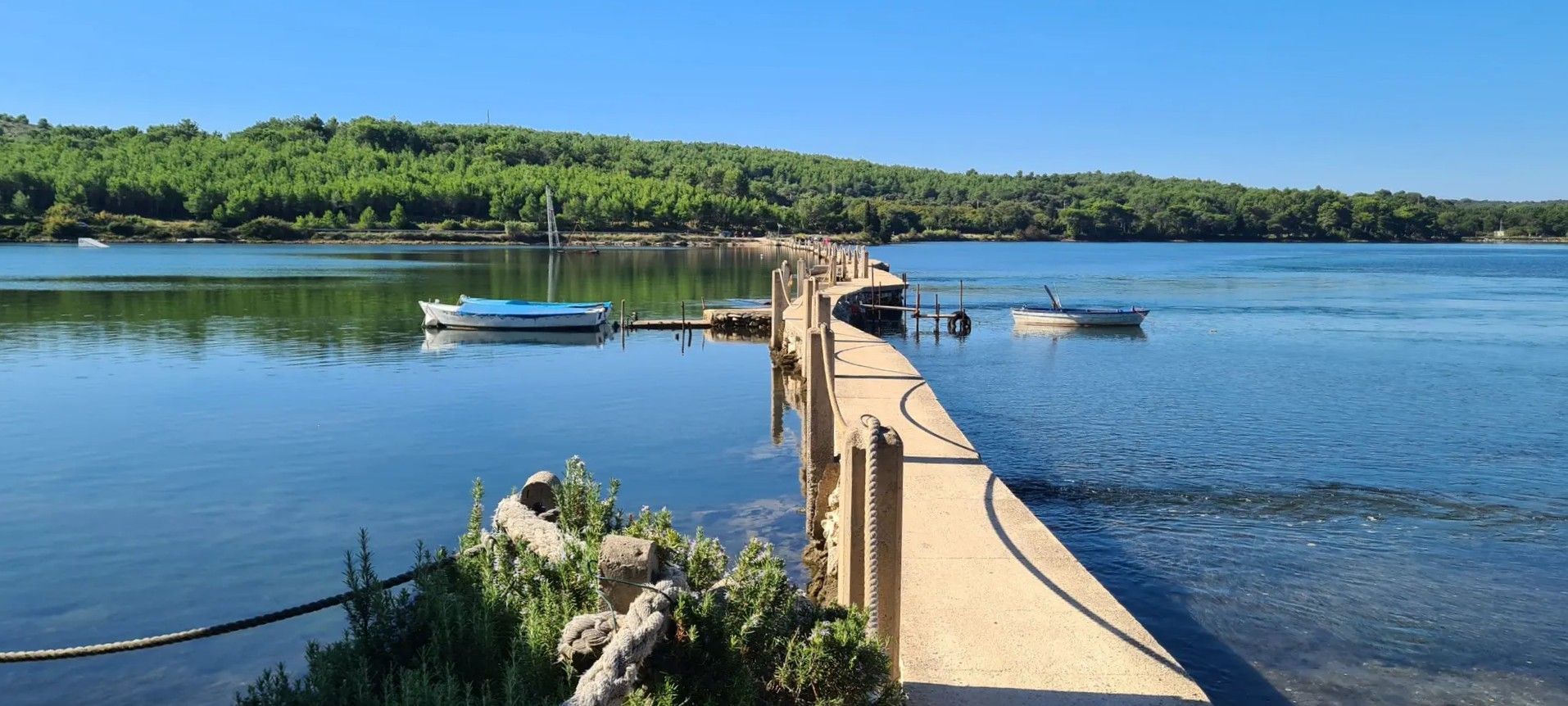
Gravel Roads to the Sea: Gravel Biking in Croatia
From Sea to Summit: Trail Running in Croatia
Balkan Escape – Croatia and Bosnia and Herzegovina
A weekend by Lake Buško – cycling the border between Croatia and Bosnia-Herzegovina
Hiking in Split-Dalmatia
Cycling in Split-Dalmatia
Other adventures in Split-Dalmatia


Tips from the Community

The Blue Lake (Croatian Modro Jezero or Plavo Jezero) lies at the bottom of a sinkhole on the edge of the town. It owes its name to its intensely blue shimmering color. The water level fluctuates considerably depending on the amount of precipitation. When well-filled, the lake is about 100 meters deep. However, in dry summer months, it can also happen that it dries up completely.
0
0
The "Crveno Jezero" ("Red Lake" editor's note) is located approximately 1.5 km west of Imotski. Numerous myths and legends surround the red lake, such as the legend of Gavan and his palace. An international expedition of about 50 renowned speleologists explored the lake in 1998. However, they could not definitively determine the final depth of Europe's deepest abyss during the exploration.
0
0
The "Crveno Jezero" ("Red Lake" ed. note) is located approximately 1.5 km west of Imotski. Numerous myths and legends surround the Red Lake, such as the legend of Gavan and his palace. An international expedition of about 50 renowned speleologists explored the lake in 1998. However, they could not definitively determine the final depth of Europe's deepest abyss during the exploration.
1
0

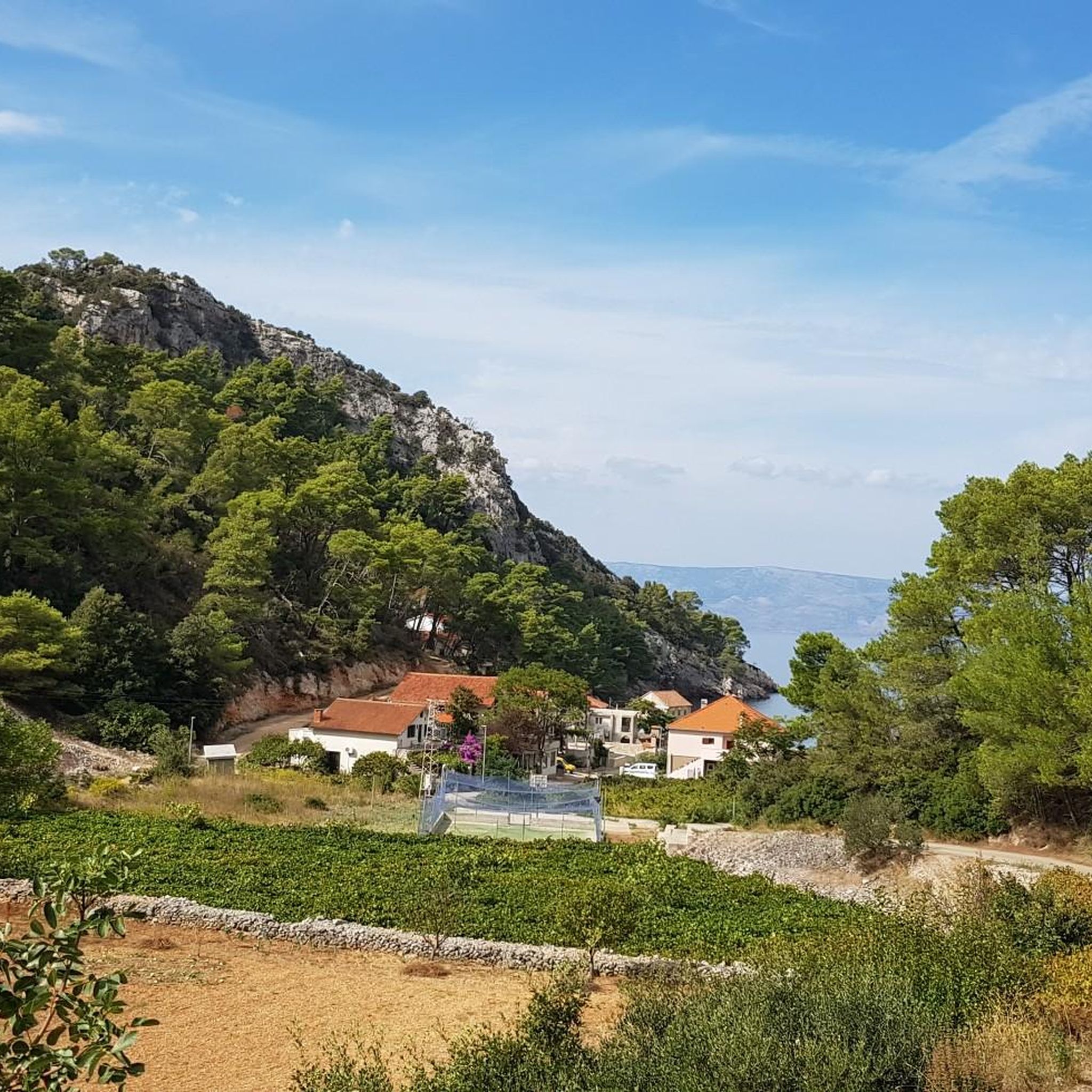
Milna is a small coastal village on the south coast of the Croatian island of Hvar. It is surrounded by pine forests and captivates with its many small bays with crystal-clear sea. During an excursion from Hvar, it can be planned as an intermediate stop with catering facilities.
0
0

The lake is the Mediterranean Sea and the sandy beach consists exclusively of pebbles.
0
0

This "lake" is the Mediterranean Sea 😁- you can see the island of Brac opposite.
0
0

Deepest lake in Croatia 🇭🇷 and one of the deepest karst lakes in the world.
23
0

Frequently Asked Questions
What are the most popular lakes for visitors in Split-Dalmatia?
Among the most visited lakes in Split-Dalmatia are the extraordinary Blue Lake (Modro Jezero), known for its crystal-clear waters and swimming opportunities, and the dramatic Red Lake (Crveno Jezero), one of the deepest karst lakes globally. Visitors also appreciate the tranquil Beach and Swimming Area, which is family-friendly and has amenities nearby.
What unique natural features can I expect to see at the lakes in Split-Dalmatia?
The region is home to remarkable geological formations. The Red Lake (Crveno Jezero) is a colossal sinkhole with dramatic reddish cliffs, while the Blue Lake (Modro Jezero) is known for its fluctuating depth and vibrant blue hues. The Baćina Lakes are a unique system of seven interconnected freshwater and brackish lakes, ecologically significant and largely untouched. Lake Peruća, an artificial lake, offers a picturesque setting between the Svilaja and Dinara mountains.
Are there family-friendly lakes in Split-Dalmatia?
Yes, several lakes and areas are great for families. The Blue Lake (Modro Jezero) is a popular swimming spot, especially in summer. The Beach and Swimming Area is also noted as family-friendly with nearby pubs and shops. The Baćina Lakes offer calm waters for swimming and traditional boat tours, suitable for all ages. Mljet Lakes, though outside Split-Dalmatia County, are also very family-friendly with warm, calm waters for swimming and cycling paths.
What kind of outdoor activities can I do around the lakes?
Many lakes offer opportunities for recreation. Lake Peruća is ideal for swimming, kayaking, paddleboarding, and cycling on surrounding trails. The Baćina Lakes are perfect for traditional 'lađa tours,' kayaking, paddleboarding, and cycling on a 15-kilometer trail. The Blue Lake (Modro Jezero) is a popular swimming spot. For more extensive outdoor adventures, you can explore nearby routes like those found in the Mountain Hikes in Split-Dalmatia guide or the Gravel biking in Split-Dalmatia guide.
Are there hiking or cycling trails around the lakes in Split-Dalmatia?
Yes, there are several options for hiking and cycling. Lake Peruća has surrounding trails suitable for both. The Baćina Lakes feature a 15-kilometer trail perfect for cycling and hiking. While the Red Lake (Crveno Jezero) is primarily for viewing, the Blue Lake (Modro Jezero) has ancient serpentine paths allowing descent to the water. For more structured routes, consider exploring the Easy hikes in Split-Dalmatia guide or the Gravel biking in Split-Dalmatia guide for trails in the wider region.
What is the best time to visit the lakes in Split-Dalmatia?
The best time to visit generally depends on your preferred activities. For swimming and water sports, the warmer months from late spring to early autumn (May to September) are ideal. The Baćina Lakes, for instance, have water warmer than the Adriatic, making them pleasant even in cooler seasons. For hiking and cycling, spring and autumn offer milder temperatures and beautiful scenery. The Blue Lake (Modro Jezero)'s water level varies greatly, sometimes drying up completely in autumn, which can be a unique sight.
Are there any historical or cultural sites near the lakes?
Yes, the region around the lakes has historical significance. Near Lake Peruća, the town of Vrlika offers local culture. The Baćina Lakes have ancient Roman ruins submerged within them. The town of Imotski, near the Red and Blue Lakes, features traditional Dalmatian architecture, historical sites, and local wineries. Mljet Lakes, part of Mljet National Park, include St. Mary's Islet with a 12th-century Benedictine monastery.
Can I find amenities like cafes or accommodation near the lakes?
Yes, amenities are available, especially near more developed lake areas. The Beach and Swimming Area has pubs and shops nearby. The town of Imotski, close to the Red and Blue Lakes, offers cafes, restaurants, and accommodation options. For Lake Peruća, the nearby town of Vrlika provides access and local services. The Baćina Lakes are more serene, but the nearby town of Ploče offers amenities.
What do visitors enjoy most about the lakes in Split-Dalmatia?
Visitors frequently highlight the crystal-clear waters and the opportunity to swim, especially at the Blue Lake (Modro Jezero). The dramatic natural beauty of sites like the Red Lake (Crveno Jezero) and the tranquil atmosphere of places like Lake Peruća are also highly appreciated. The unique geological formations and the chance for peaceful outdoor activities like kayaking and cycling are often mentioned as key attractions.
Are there any viewpoints offering panoramic views of the lakes?
Absolutely. The Red Lake (Crveno Jezero) is best admired from viewpoints above its dramatic cliffs. Similarly, the Blue Lake (Modro Jezero) offers excellent views from lookout points on trails above the bathing area. There are also general viewpoints like the Rest area with views of Trogir Bay, which, while not directly a lake, provides scenic vistas in the broader region.
How accessible are the lakes in Split-Dalmatia by public transport or car?
Most major lakes are accessible by car, with parking often available. For instance, the Imotski lakes (Red and Blue) are easily reached by car from Imotski. Public transport options might be more limited for some of the more remote lakes, making a car the most convenient way to explore. However, some areas, like the Mljet National Park (Mljet Lakes), are car-free, requiring alternative transport within the park.
Are there any hidden gem lakes in Split-Dalmatia that are less crowded?
While the Red and Blue Lakes are popular, the Baćina Lakes offer a serene escape from crowds with their largely untouched nature. Lake Peruća also provides a peaceful atmosphere away from the busiest tourist spots. The Gray Lake (Suho Jezero) is another less-known natural monument that offers a more secluded experience.
Most popular routes in Split-Dalmatia
Most popular attractions in Split-Dalmatia

Get inspired with the komoot mobile app


Didn’t find what you were looking for?
Find the best lakes in Split-Dalmatia per region:
Explore more
Still not found your perfect lake in Split-Dalmatia? Check out the guides of these regions to see even more beautiful places.
