Top 13 Caves in Southwest
Best caves in Southwest offers a diverse range of subterranean experiences, primarily featuring historical and natural formations. This region includes a variety of cave types, from ancient mining adits to religious grottoes and historical underground cellars. Visitors can explore sites with significant cultural heritage, geological interest, and unique natural features. The caves provide insights into past human activities and natural processes.
Best caves in Southwest
- The most popular caves is Marian Grotto Am Spitzwold, a religious_building that offers a…
Last updated: May 15, 2026
Marian Grotto Am Spitzwold
Highlight • Religious Site
Recover the Spirit
Translated by Google •
Tip by

Crypt of Waldheim Castle
Highlight • Castle
The tomb was opened violently by unknown and then no longer closed. The …
Translated by Google •
Tip by

Sign up now to discover places like this
Get recommendations on the best single tracks, peaks, & plenty of other exciting outdoor places.
Sign up for free
Old Uranium Mine Tunnel (CHKO Český les)
Highlight • Cave
Translated by Google •
Tip by

Pilsen Historical Underground Cellars
Highlight • Historical Site
Showing Translation
Tip by

Klatovy Catacombs
Highlight • Historical Site
Translated by Google •
Tip by

Poustevna Hermit's Cave
Highlight • Cave
Translated by Google •
Tip by

Haunted Underground Tábor
Highlight • Cave
Translated by Google •
Tip by

Slate Adit at Salka
Highlight • Cave
Translated by Google •
Tip by
Lourdes Grotto
Highlight • Cave
Madonna statue erected, which should remind of the cave of Lourdes. …
Translated by Google •
Tip by

Lísková u Nemanic Mining Adit (Štola Š1)
Highlight • Cave
Translated by Google •
Tip by

Sign up for free to discover even more caves in Southwest.
Sign up for free
Already have an account?
Start today with a free account
Your next adventure awaits.
Login or Signup
Popular around Southwest
Triathlon around Germany
Bavaria-Bohemia long-distance cycling trail – Crossing borders
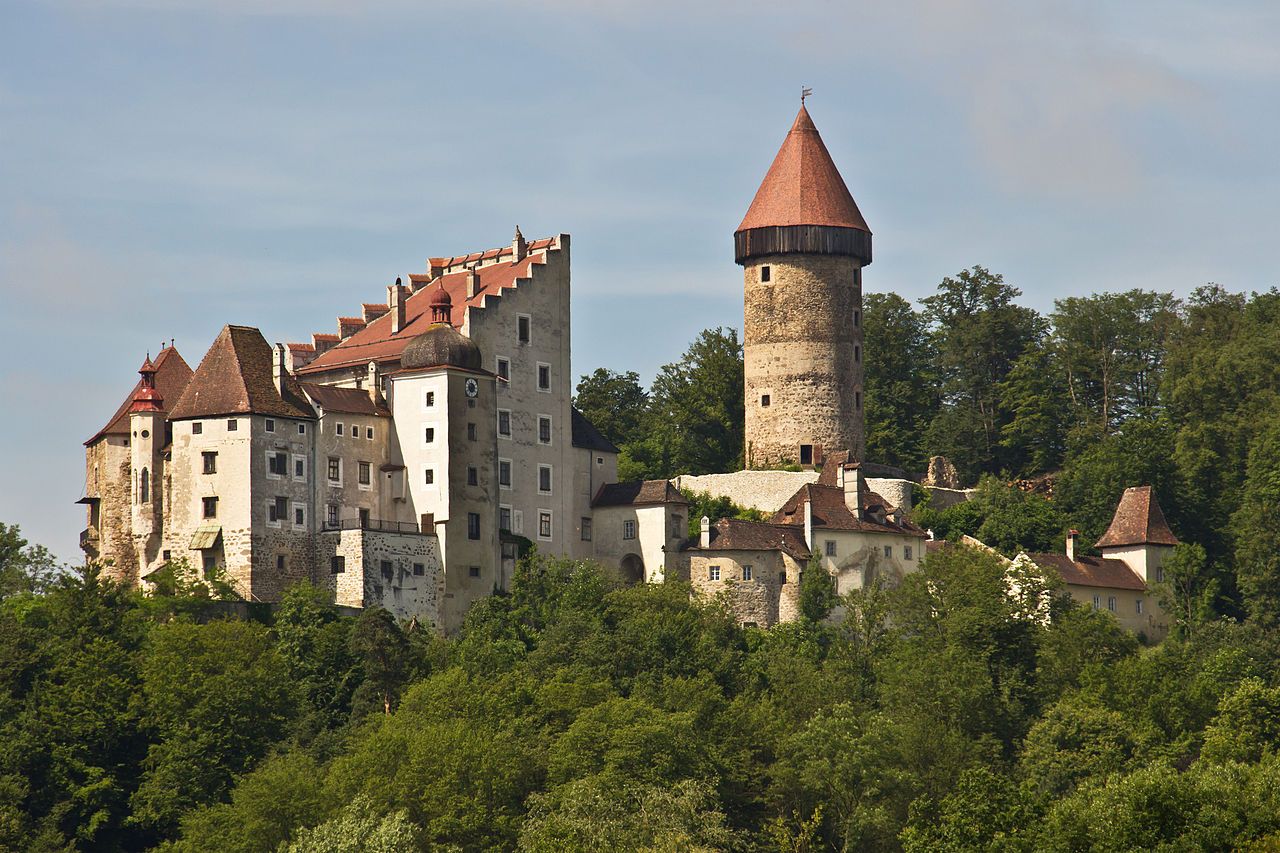
Castles & Palaces Trail – Discover the mystical Mühlviertel in Austria
Nordwaldkamm trail – Hiking between the Czech Republic and Austria
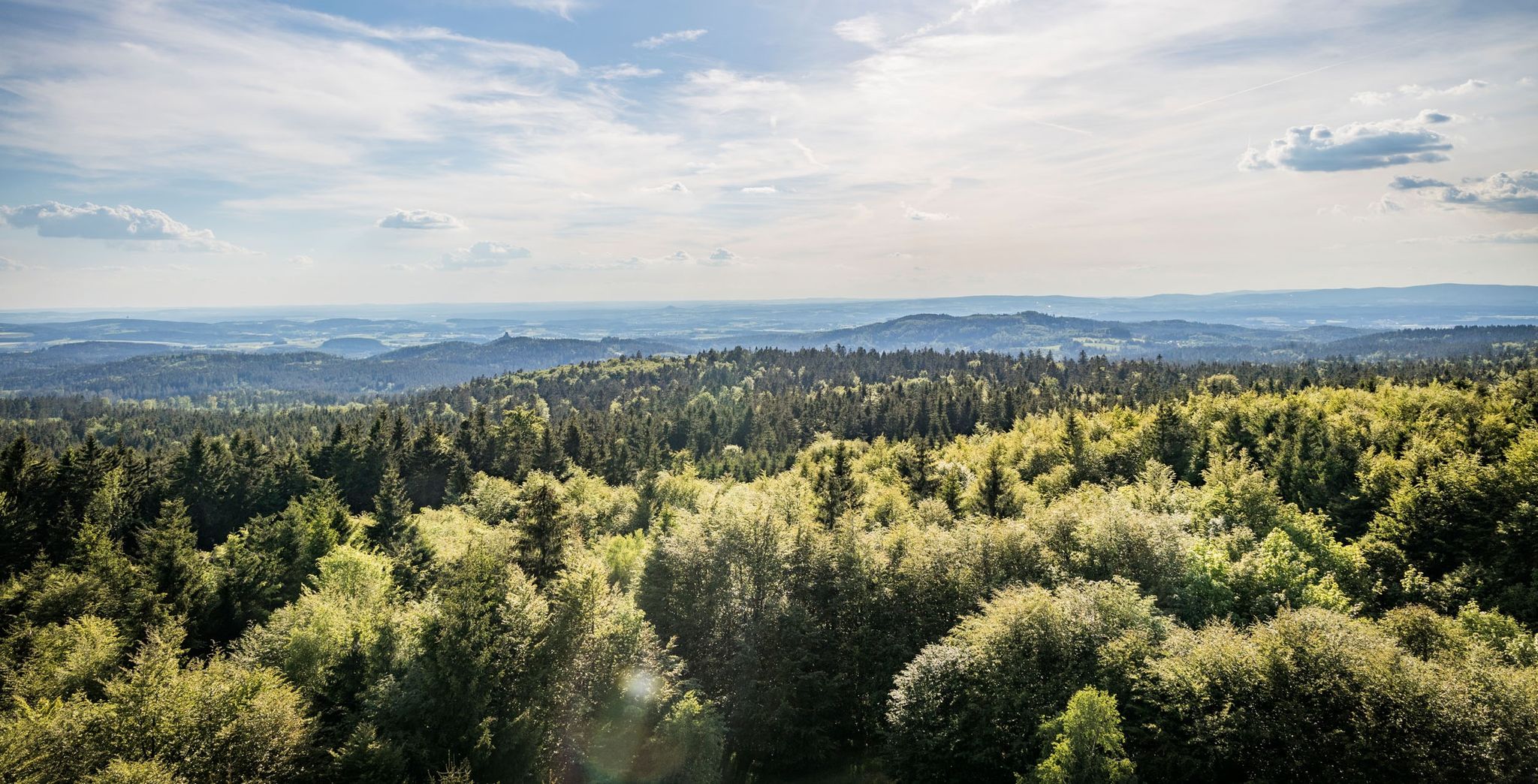
Nurtschweg – Hiking along the German-Czech border
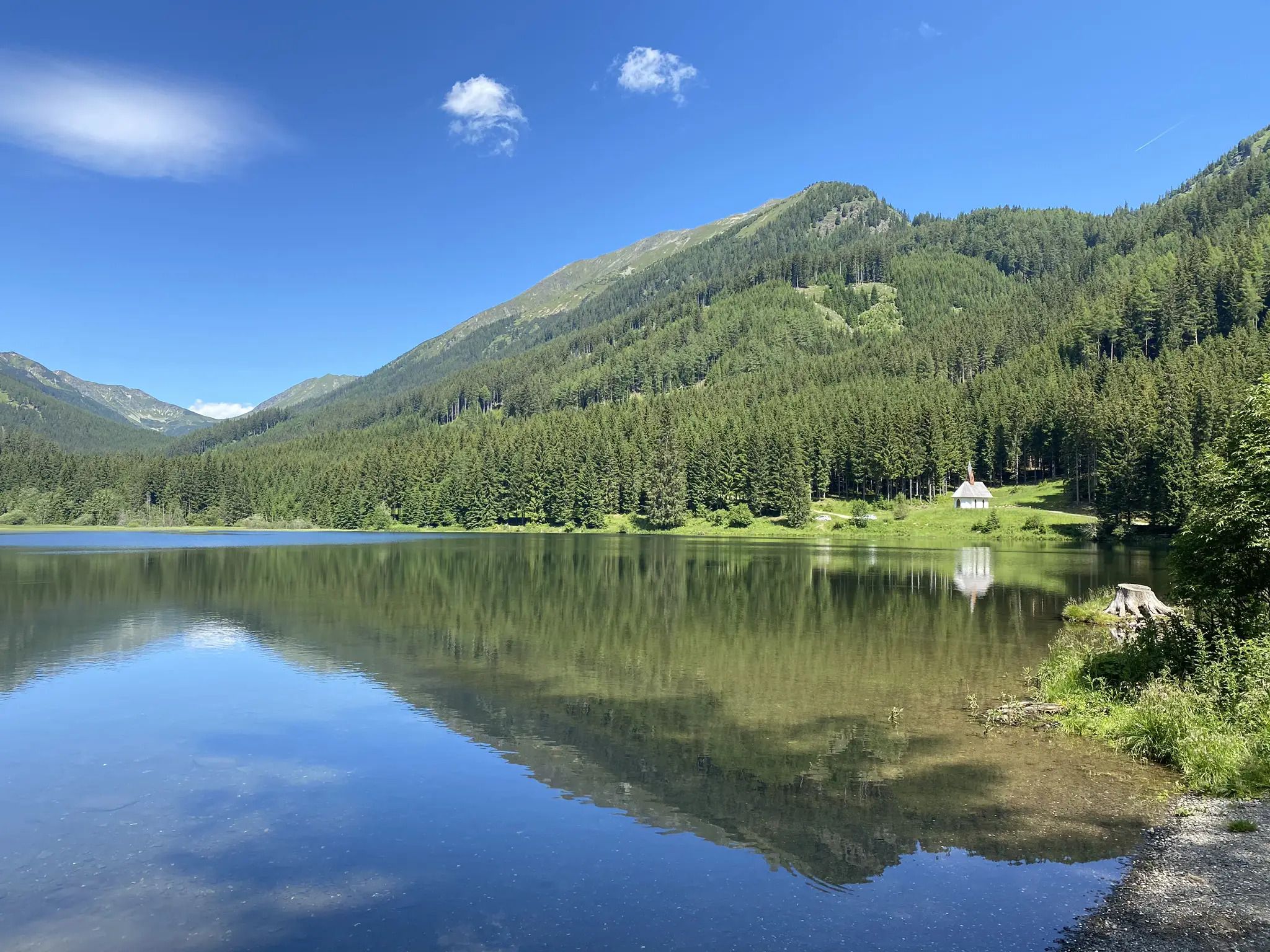
Eisenwurzen Trail – Hiking through Austria from north to south
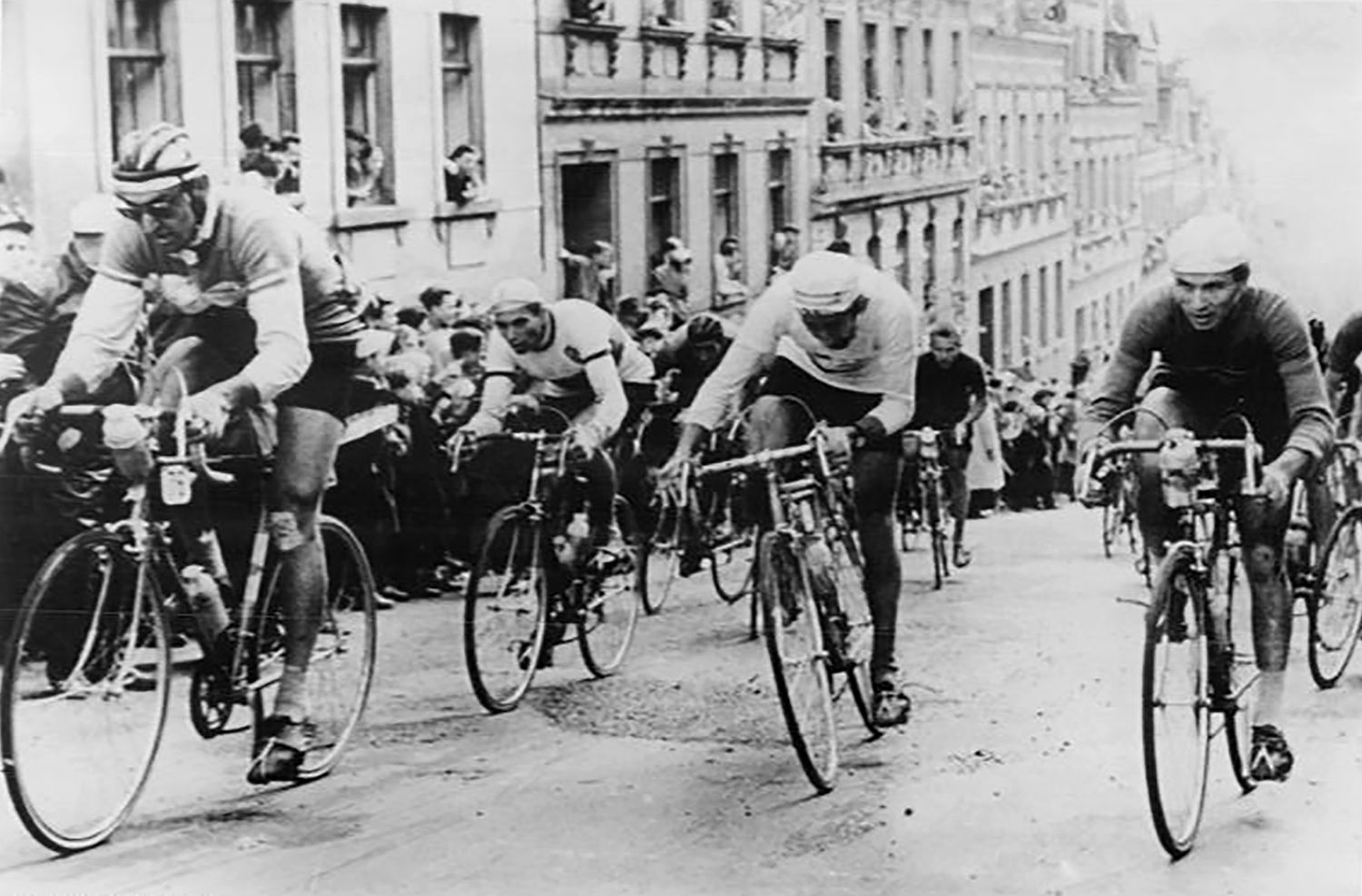
From Berlin to Prague — in the footsteps of the Peace Race part 2
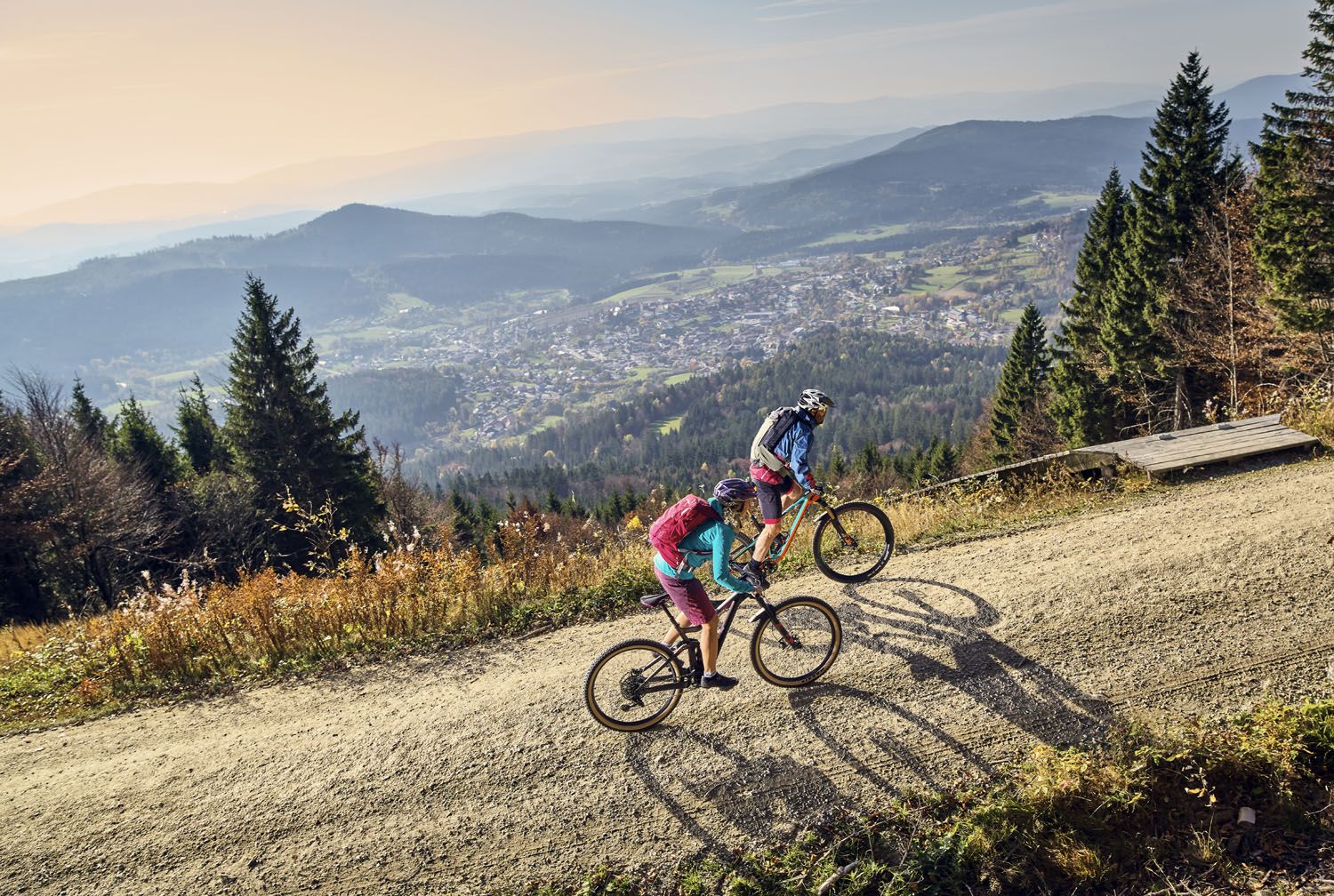
Exciting cycle and (e)-mountain bike Tours in the Bavarian Forest
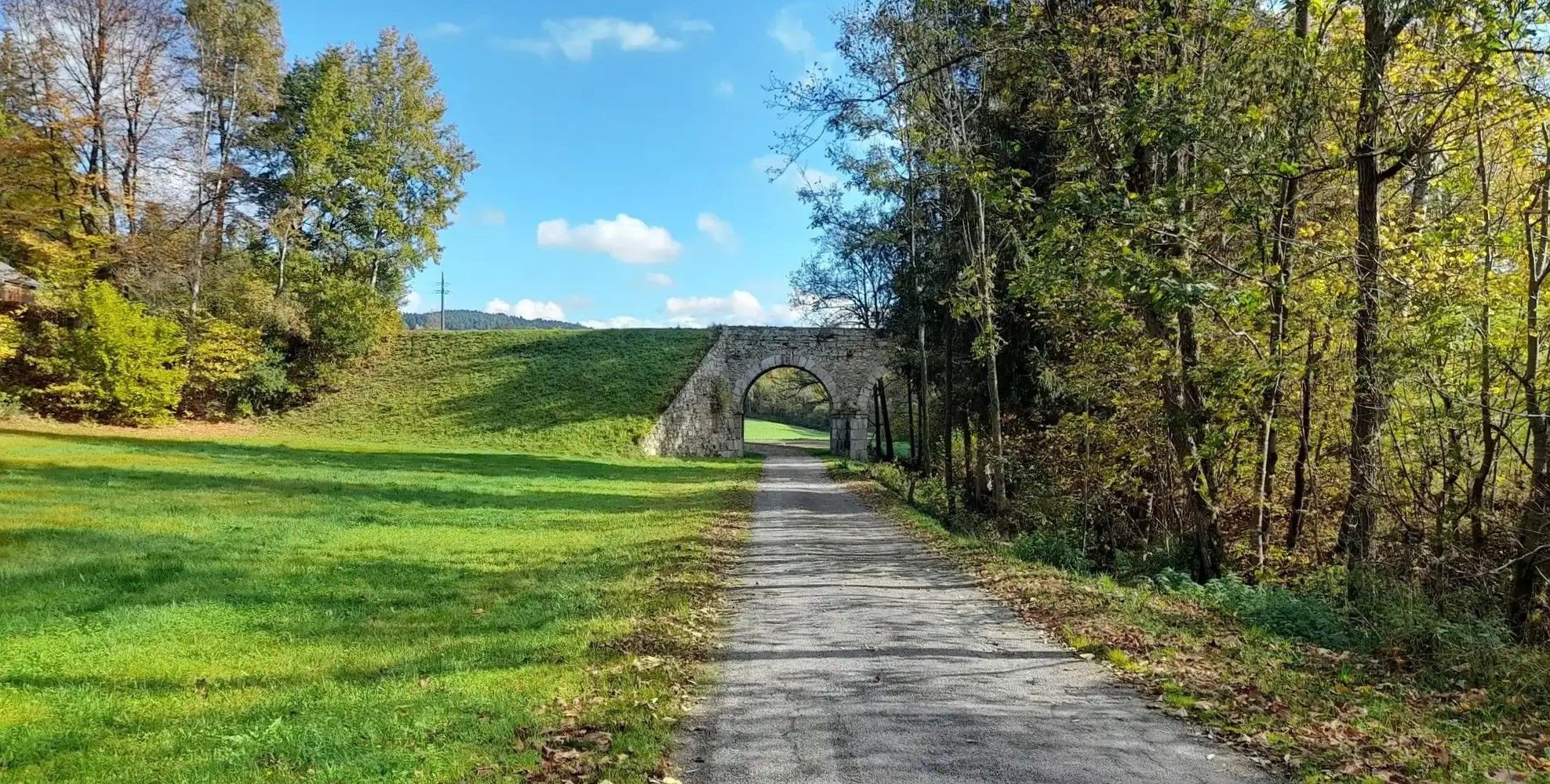
Experience history on the Pferdeeisenbahn hiking trail
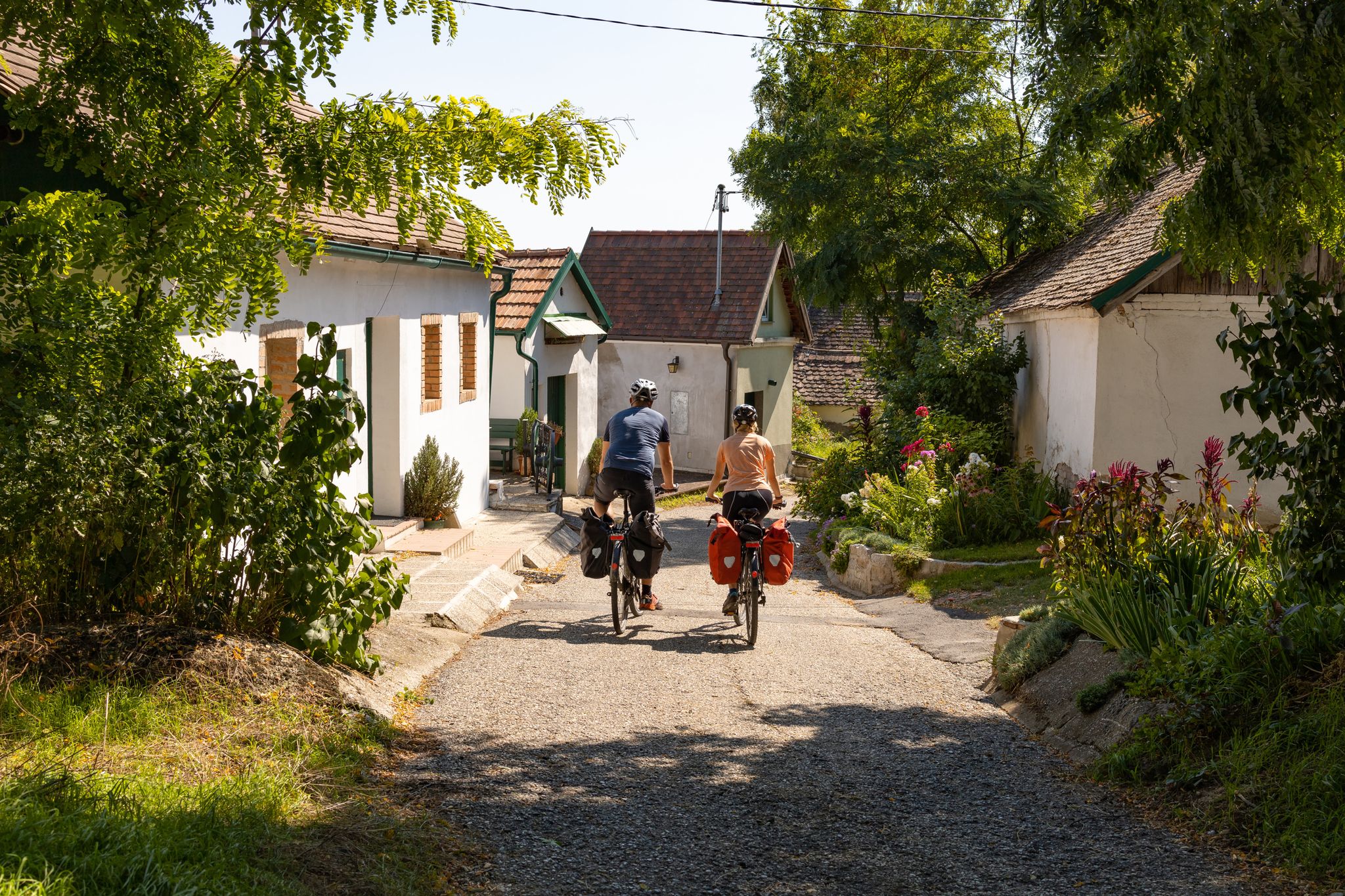
The most beautiful bike discovery Tours in Lower Austria
Other adventures in Southwest


Tips from the Community

Pilsen's historic underground system consists of a complex system of corridors, two- to three-story cellars, and hundreds of wells under the historic city center. It was built under the city from the end of the 13th to the 18th century. With its thirteen kilometers of corridors, it is one of the largest historic underground systems in Central Europe. The visitor tour is operated today by Plzeňský Prazdroj, with access at the Pilsen Brewery Museum. The almost 800-meter-long tour begins in the "cooler," from which meltwater flowed into the cellars and cooled them. Food was stored in the cellars, and beer was fermented and matured. During wars, the underground served as a refuge for the people of Pilsen, and its corridors enabled communication. In addition to the labyrinth of corridors and cellars with numerous wells and cisterns, the tour also includes a historic 16th-century waterworks on the park wall with a replica of a water wheel.
8
0

Very unusual and worth seeing rock formation. The path there is also a lot of fun, a great narrow trail over roots and rocks.
0
0

This guided tour of approximately 800 meters was well worth the experience.
0
0

Relatively inconspicuous, you could easily drive right past it...
0
0

Uranium was once mined in this tunnel, but it was not profitable.
0
0

Here, a clearing in the forest was used to create a small "sacred area" in the middle of nature, one that cyclists shouldn't pass by unnoticed. A small hill constructed of natural stone—one could also call it a grotto—rises in the middle of the forest clearing. It is crowned by a cross with the Corpus Christi. The centerpiece of this small sacred monument, however, is a depiction of the Virgin Mary, with a votive tablet on either side of her image. Seating and tables complete the ensemble.
0
0

Beneath the center of Pilsen lies a labyrinth of cellars and passageways dating back to the 13th century, nearly 13 kilometers long. The entrance is at the Beer Museum/Brewery Museum. In these cellars, beer (with ice!) and other foodstuffs were stored. These were connected (one level below!), springs and streams were incorporated, and thus this invisible network of passageways beneath the city was created.
0
0

Even inexperienced people can master it and be rewarded with a great view
0
0
Frequently Asked Questions
What types of caves can I explore in the Southwest region?
The Southwest region offers a diverse range of subterranean experiences, including historical mining adits like the Old Uranium Mine Tunnel (CHKO Český les) and the Slate Adit at Salka. You can also visit religious grottoes such as Marian Grotto Am Spitzwold, historical crypts like the Crypt of Waldheim Castle, and extensive underground cellars like the Pilsen Historical Underground Cellars.
Are there any historical caves or underground sites to visit?
Yes, the Southwest is rich in historical underground sites. You can explore the Old Uranium Mine Tunnel (CHKO Český les), which was used for uranium rock extraction during the communist era. The Klatovy Catacombs offer a fascinating look into 18th-century burial practices, where bodies were naturally mummified. Additionally, the Crypt of Waldheim Castle provides insight into the castle's history and its decay.
Which caves are suitable for families?
For families, the Poustevna Hermit's Cave is a great option, offering a natural monument experience within a forest setting. The Slate Adit at Salka is also considered family-friendly, providing a historical site amidst a light deciduous forest, though the adit itself is flooded and cannot be entered.
What natural features can I expect to see in the caves of this region?
While many caves in the Southwest are historical or man-made, some offer natural beauty. The Poustevna Hermit's Cave is a natural monument set in a forest with viewpoints. The Slate Adit at Salka is a rock cave in a forest. Even in historical sites like the Old Uranium Mine Tunnel, dripping water can form interesting structures in winter.
Are there any religious or spiritual cave sites in the Southwest?
Yes, the region features several religious cave sites. The Marian Grotto Am Spitzwold is a peaceful Marian grotto in a forest, offering a place for rest and reflection. The Lourdes Grotto is another notable religious building and natural monument.
What kind of historical context do the caves in Southwest offer?
The caves provide deep historical context, ranging from ancient mining operations to medieval burials. The Old Uranium Mine Tunnel reveals a chapter of 20th-century industrial history. The Klatovy Catacombs showcase 18th-century burial customs and the unique mummification process. The Pilsen Historical Underground Cellars offer a glimpse into the city's past, likely related to storage or defense.
What do visitors enjoy most about the caves in the Southwest?
Visitors appreciate the unique historical insights and the serene atmosphere of many sites. For instance, the Klatovy Catacombs are praised for their well-designed, multilingual exhibitions and interesting history. The Marian Grotto Am Spitzwold is valued as a peaceful spot to rest and recover. The historical mining sites like the Old Uranium Mine Tunnel are noted for their intriguing stories.
Are there any challenging cave explorations in the Southwest?
Yes, some cave sites are categorized as challenging. The Old Uranium Mine Tunnel (CHKO Český les) and the Lísková u Nemanic Mining Adit (Štola Š1) are both listed as challenging historical cave sites, often requiring a spirit of discovery due to their undeveloped nature or depth.
What outdoor activities can I do near the caves in the Southwest?
Near many of the cave sites, you can find various outdoor activities. For example, you can enjoy waterfall hikes, with routes ranging from easy to difficult. There are also extensive options for gravel biking and MTB trails, offering diverse terrain and distances for cyclists.
Can I find hiking trails near the caves?
Absolutely. The region surrounding these caves offers numerous hiking opportunities. You can explore waterfall hikes, with options like the Great Arber Lake loop or challenging routes around Saint Wolfgang Waterfalls. Many cave highlights, such as the Slate Adit at Salka, are accessible via well-signposted trails through forests, making them pleasant hiking destinations.
Are there any underground sites with unique stories or legends?
Yes, the region has sites with intriguing narratives. The Haunted Underground Tábor suggests a place with local folklore or historical events that have led to its evocative name. The Crypt of Waldheim Castle has a story of its own, including its violent opening and the reburial of mortal remains, as detailed on information boards at the site.
Most popular routes in Southwest
Most popular attractions in Southwest

Get inspired with the komoot mobile app


Didn’t find what you were looking for?
Discover more caves in Southwest region by region:
Explore more
Extend your search for the best caves by checking out these guides of the top ones in Southwest:
