Top 20 Caves in New Aquitaine
Best caves in New Aquitaine are concentrated in regions like the Dordogne, known for their extensive subterranean networks. This area features significant prehistoric art and diverse geological formations. The landscape offers a unique blend of natural wonders and ancient human history. Visitors can explore a variety of cave types, from those showcasing Paleolithic art to impressive natural grottoes.
Best caves in New Aquitaine
- The most popular caves is La Roque-Gageac, a settlement located at the foot of a towering,…
Last updated: August 21, 2026
La Roque-Gageac
Highlight • Settlement
Translated by Google •
Tip by

La Roque Saint-Christophe
Highlight • Historical Site
Translated by Google •
Tip by
Sign up now to discover places like this
Get recommendations on the best single tracks, peaks, & plenty of other exciting outdoor places.
Sign up for free
Les Eyzies-de-Tayac
Highlight • Historical Site
Translated by Google •
Tip by
Grottes de Matata
Highlight • Cave
Translated by Google •
Tip by

Angles-sur-l'Anglin Castle and the Roc-aux-Sorciers
Highlight • Castle
Translated by Google •
Tip by

Lascaux International Centre for Cave Art
Highlight • Historical Site
Translated by Google •
Tip by

Abri de La Madeleine
Highlight • Cave
Translated by Google •
Tip by

Maison Forte de Reignac
Highlight • Castle
Source Wikipedia en.m.wikipedia.org/wiki/Tursac
Translated by Google •
Tip by

La Madeleine Prehistoric Site
Highlight • Historical Site
Translated by Google •
Tip by

Commarque Castle
Highlight • Cave
Translated by Google •
Tip by

Sign up for free to discover even more caves in New Aquitaine.
Sign up for free
Already have an account?
Start today with a free account
Your next adventure awaits.
Login or Signup
Popular around New Aquitaine

Camino Francés and Camino Finisterre – Cycling pilgrimages in Spain
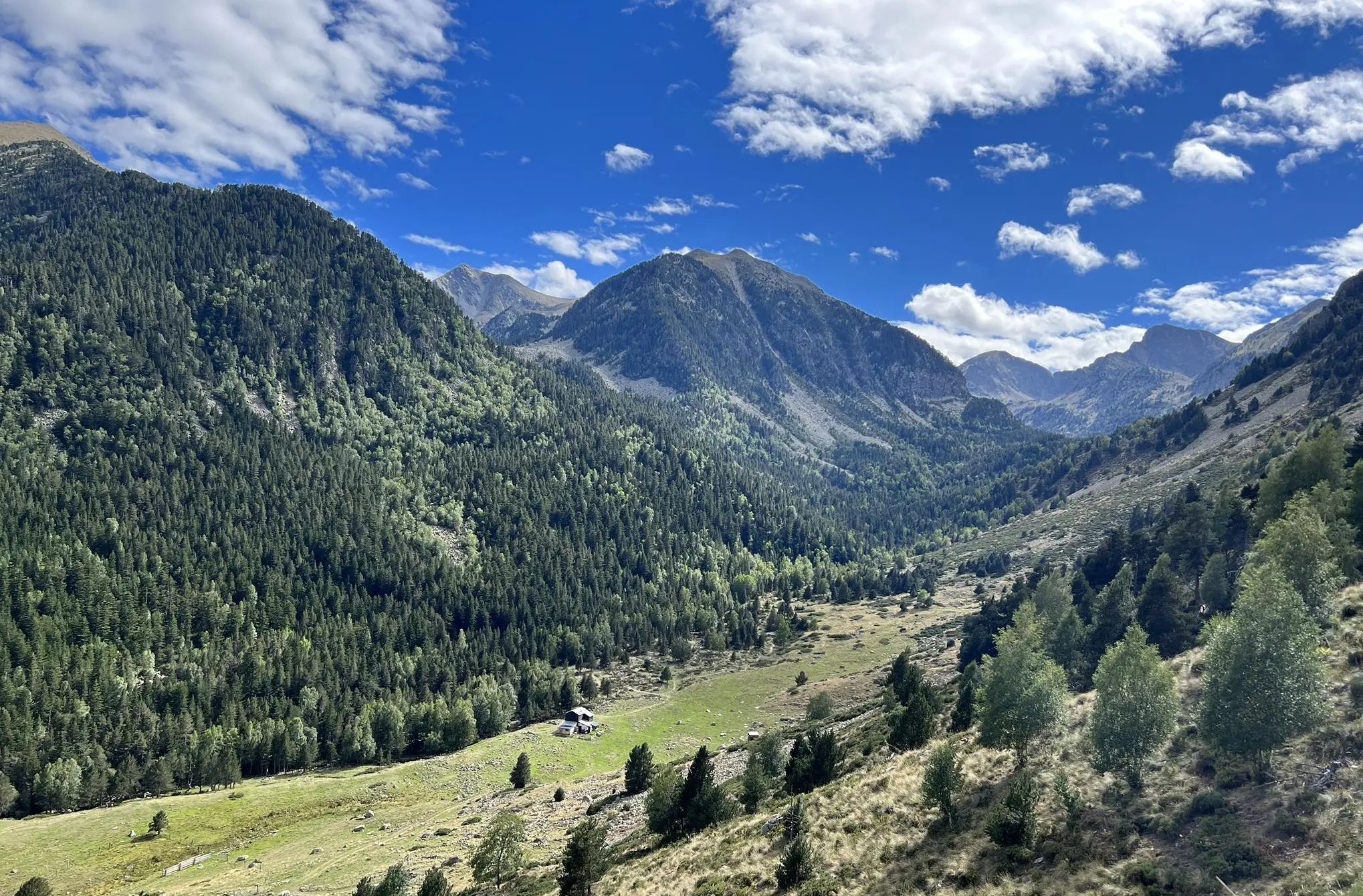
GR 36 long-distance footpath – Cross France from the Channel to the Pyrenees
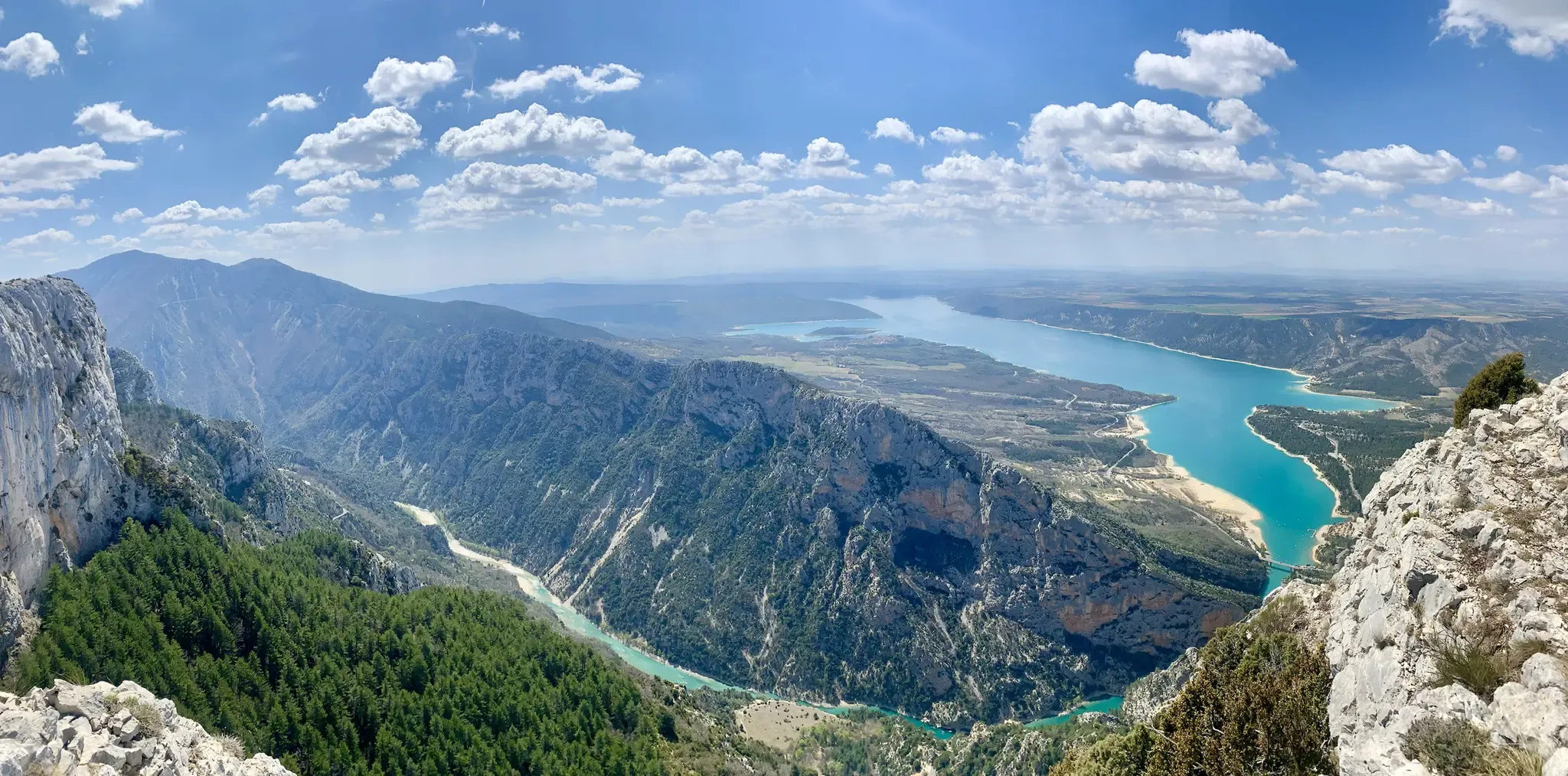
GR 4 – Crossing the south of France from Atlantic Coast to Provence
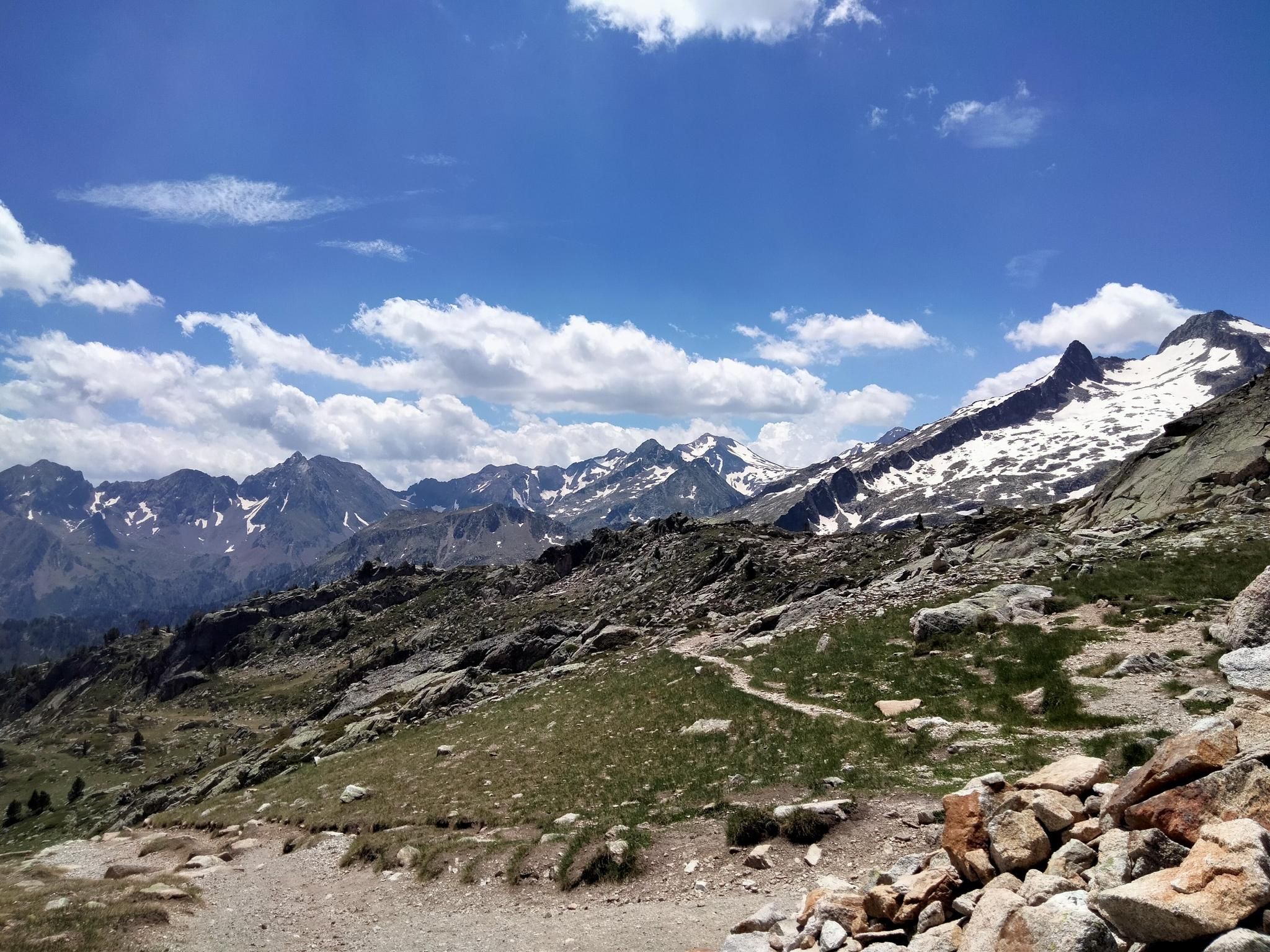
Hexatrek, the western and central Pyrenees – Between mountains and the ocean
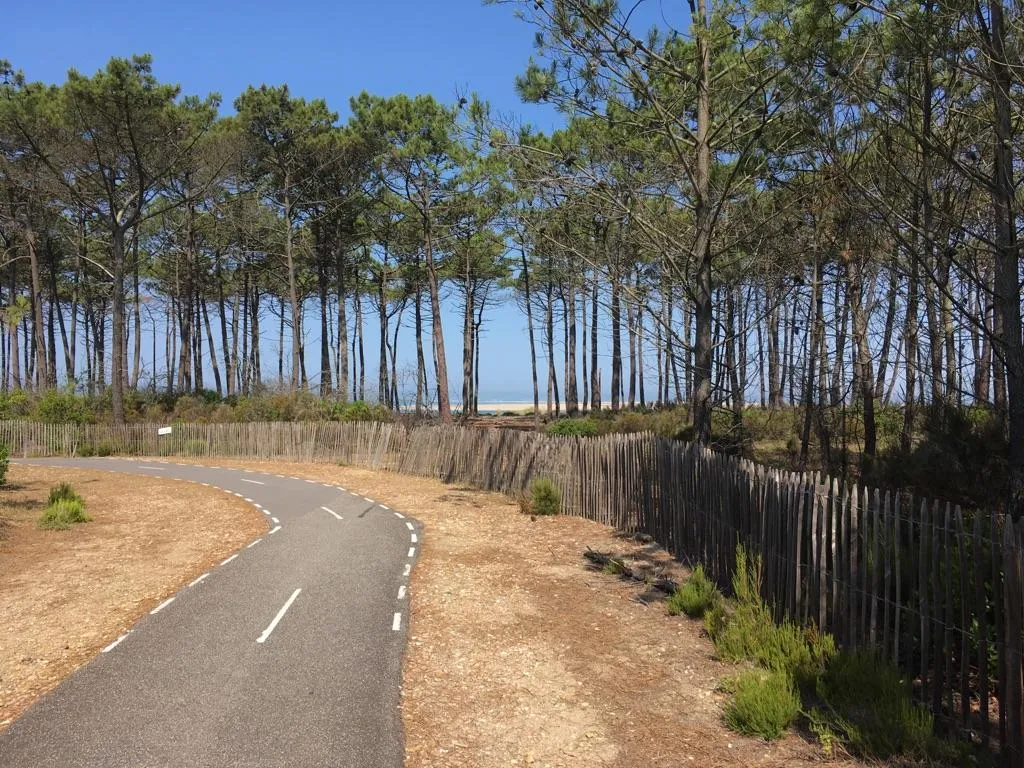
Tour des Landes by bike – From forest to ocean
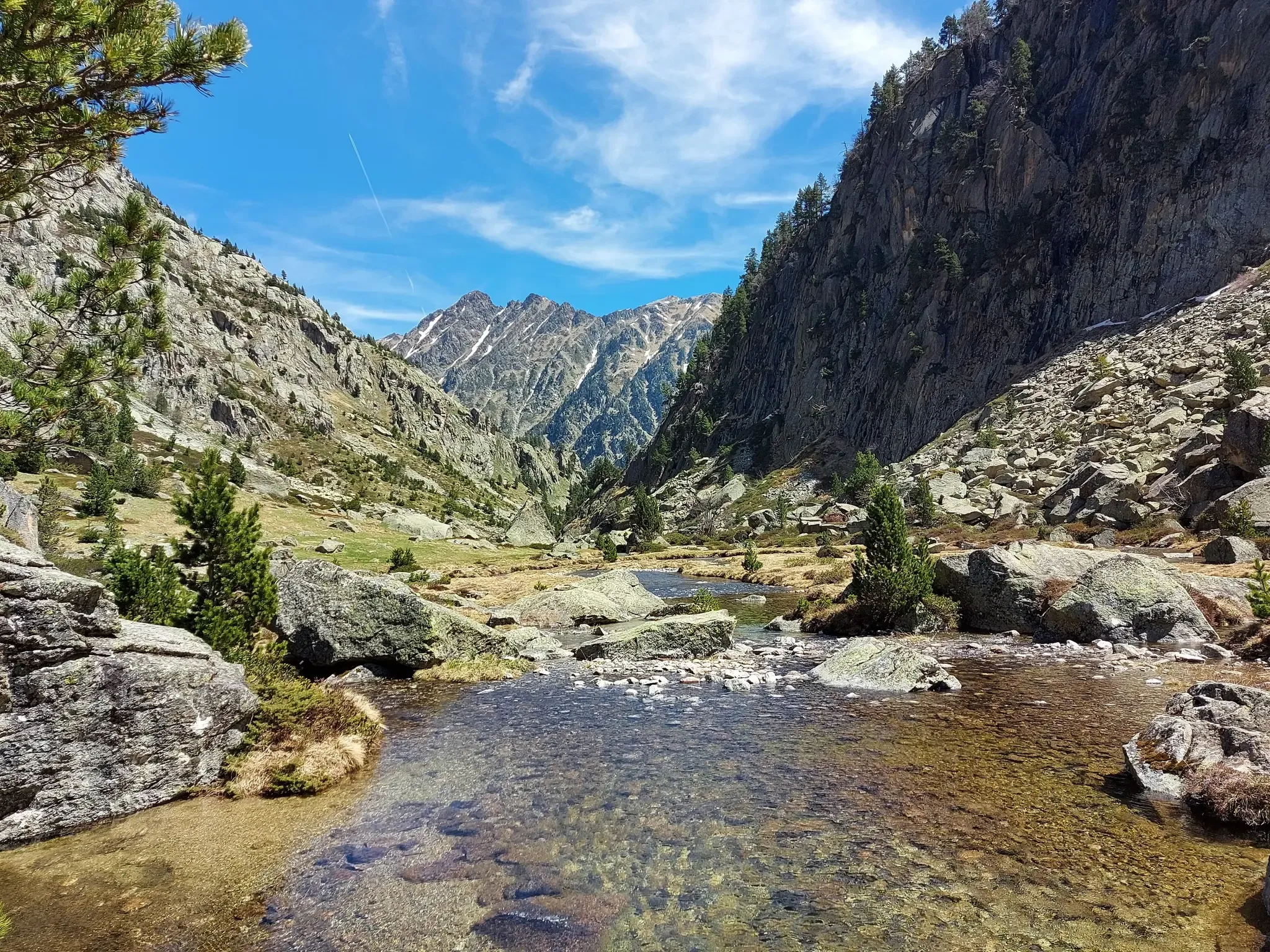
Tour of the Balaïtous – From passes to lakes

Basque Country mountain passes – Panorama rides
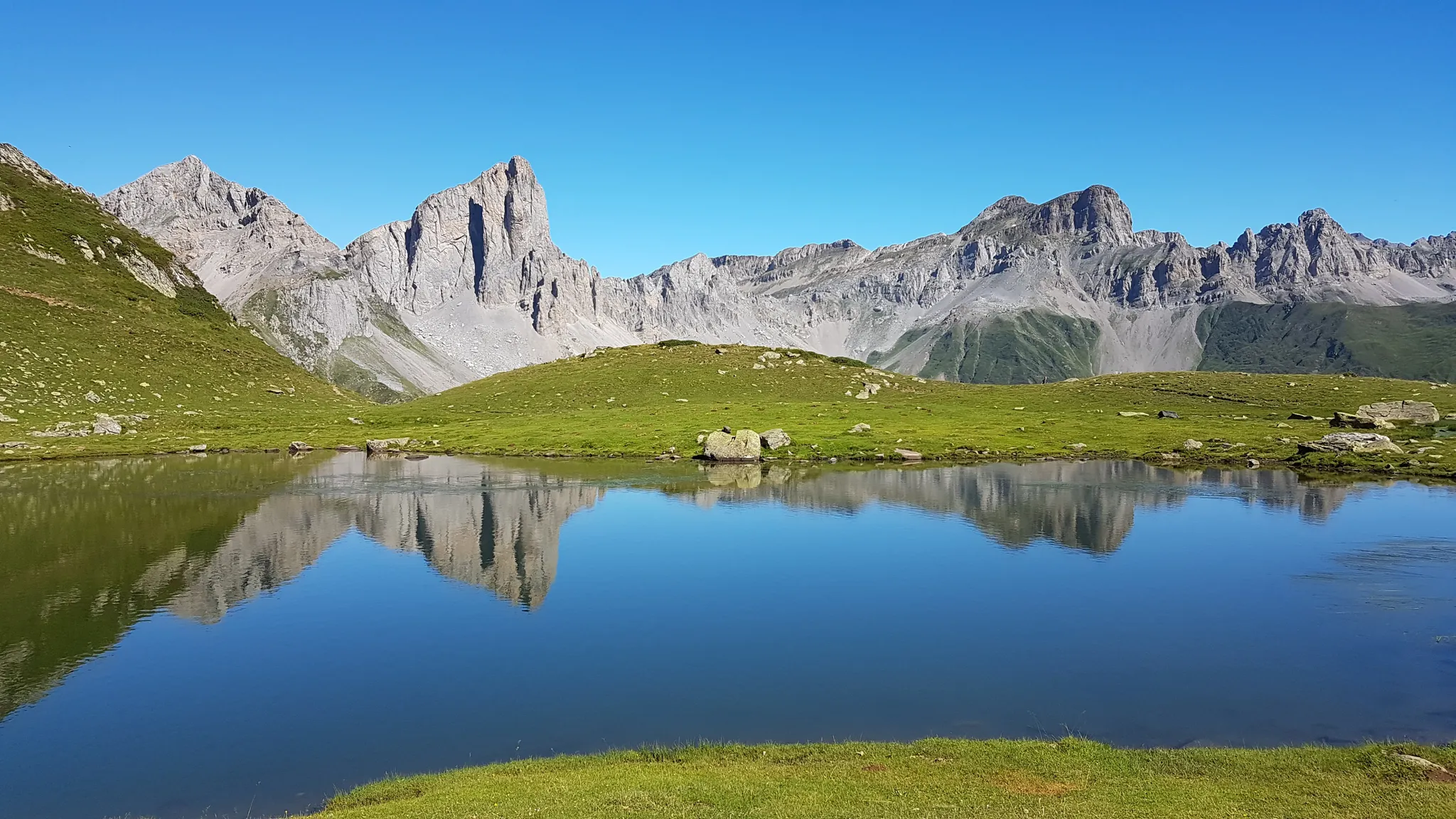
Hike the Aspe Valley – a jewel in the Pyrenees
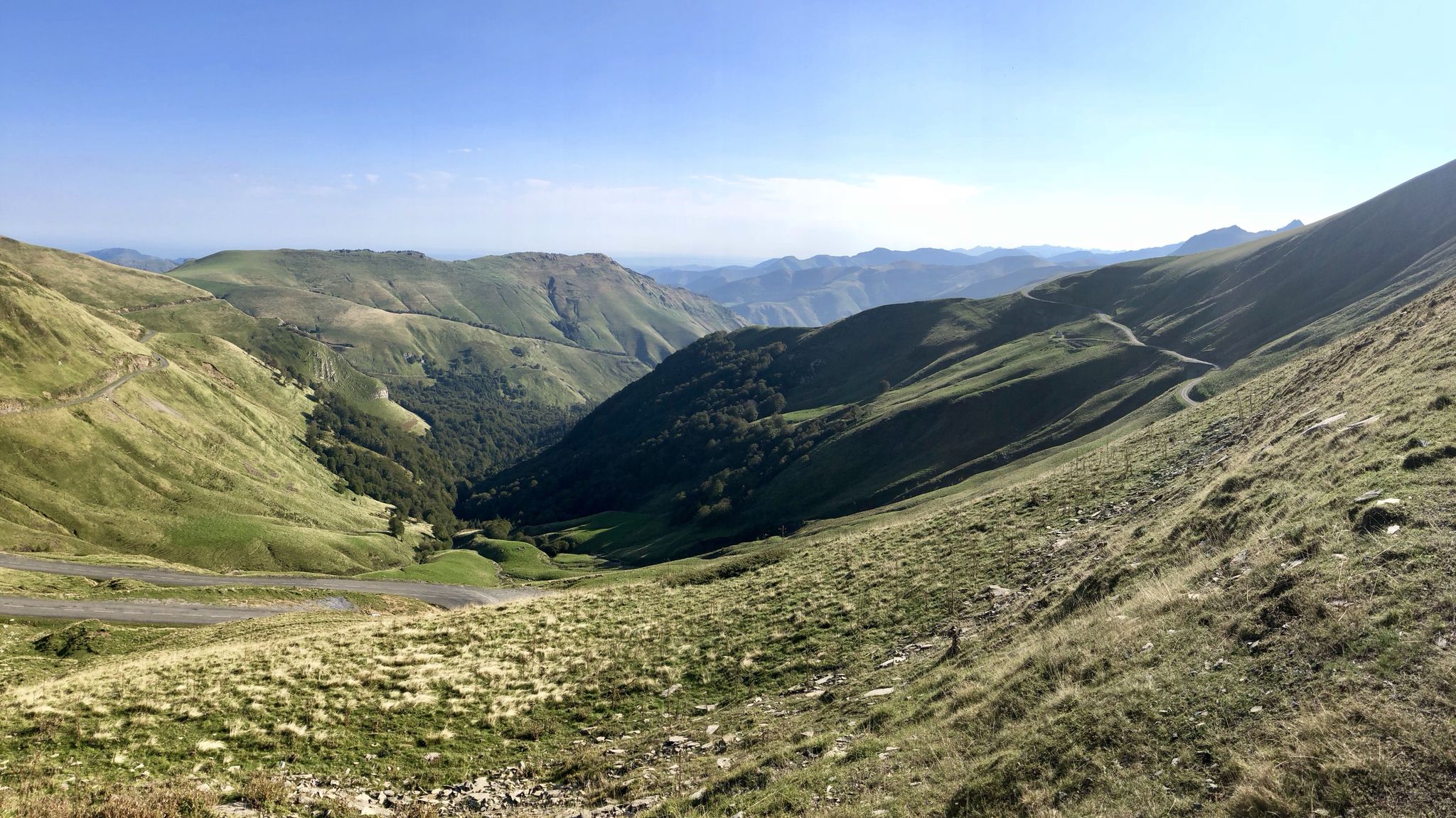
Euskal Herria footpath (GR 12) – The infinite mountain range
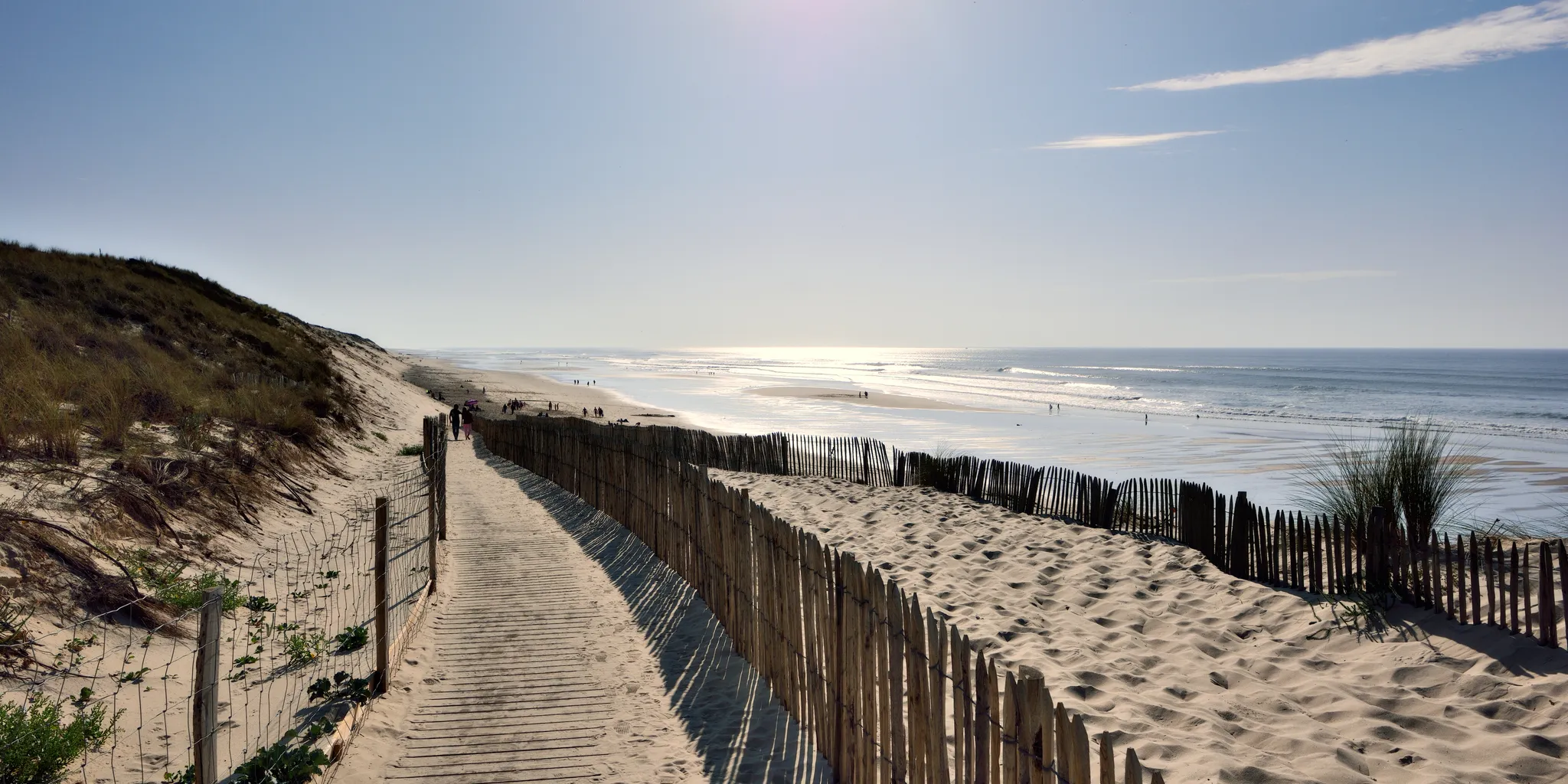
GR 8 from Hourtin to Arcachon – Beaches, dunes and forest
Other adventures in New Aquitaine


Tips from the Community


A worthwhile visit, even if it's not the original cave. But the replica is very well done, and the self-guided tour with the audio guide, also in German, explains everything in a very interesting way.
1
0

This museum is certainly interesting, unfortunately we didn't have enough time
0
0
Impressive are the dwellings in the rocks and the houses from the rocks
0
0

Here we have the situation – previously completely unknown to me and therefore surprising – that MADELEINE, a Christian saint (the name is derived from the biblical "Mary Magdalene"), has become the namesake of an era from the proverbial "dim prehistory" (one to one and a half dozen millennia before the beginning of our era). To paraphrase it from Wikipedia, which can explain it better than I can: "The Magdalenian is an archaeological cultural stage in the younger part of the Upper Paleolithic in Central and Western Europe at the end of the last Ice Age. The Magdalenian was named in 1869 by Gabriel de Mortillet after the semi-cave La Madeleine in the Dordogne department. It spanned an approximate period from approximately 18,000 to 12,000 BC."
2
0

Angles-sur-l'Anglin is a charming medieval village located in the Vienne department of Nouvelle-Aquitaine, classified among the "Most Beautiful Villages of France." Dominated by the imposing ruins of its 11th century fortified castle, the village overlooks the Anglin River, offering picturesque views. Angles-sur-l'Anglin is also renowned for its historical heritage, including the Roc-aux-Sorciers, a prehistoric site decorated with rock sculptures dating back 15,000 years. Its cobbled streets, old houses, and bucolic landscapes make this village a unique place for walking and discovery. Visiting Angles-sur-l'Anglin offers a unique experience combining history, heritage, and nature. This medieval village, classified among the "Most Beautiful Villages of France," seduces with its picturesque charm with its cobbled streets, old houses, and abundant flowers. The majestic ruins of the 11th century fortified castle overlook the Anglin River, offering breathtaking panoramas. The prehistoric site of Roc-aux-Sorciers, famous for its rock sculptures, allows a fascinating dive into parietal art. In addition, the surrounding bucolic landscapes are perfect for hiking and outdoor activities.
1
0

The forgotten fortress: a millefeuille of stones where dungeons and fortified castles, troglodytes and prehistoric caves overlap in a preserved landscape
0
0
Here we have the situation – previously completely unknown to me and therefore surprising – that MADELEINE, a Christian saint (the name is derived from the biblical "Mary Magdalene"), has become the namesake of an era from the proverbial "dim prehistory" (one to one and a half dozen millennia before the beginning of our era). To paraphrase it from Wikipedia, which can explain it better than I can: "The Magdalenian is an archaeological cultural stage in the younger part of the Upper Paleolithic in Central and Western Europe at the end of the last Ice Age. The Magdalenian was named in 1869 by Gabriel de Mortillet after the semi-cave La Madeleine in the Dordogne department. It spanned an approximate period from approximately 18,000 to 12,000 BC."
2
0
Frequently Asked Questions
What types of caves can I explore in New Aquitaine?
New Aquitaine offers a diverse range of subterranean experiences. You can explore caves with significant prehistoric art, impressive geological formations like stalactites and stalagmites, and even unique medieval cave churches carved into rock. The region is particularly renowned for its Paleolithic sites.
Are there caves in New Aquitaine with prehistoric art?
Yes, New Aquitaine is famous for its prehistoric art caves. While the original Lascaux cave is closed, Lascaux International Centre for Cave Art offers a complete replica of its Paleolithic paintings. Other notable sites include Grotte de Rouffignac, known for its 'Cave of 1000 Mammoths,' and Les Combarelles, which features over 600 carved animal outlines. The Roc-aux-Sorciers also features rock sculptures dating back 15,000 years.
Which caves showcase impressive geological formations?
Many caves in New Aquitaine feature stunning geological formations. Oxocelhaya is particularly noted for its impressive natural structures. The Grotte de Villars is unique in the region for combining both original prehistoric paintings and remarkable concretions like stalactites and stalagmites. Padirac Cave, though closer to the Lot department, is also famous for its vast chambers filled with these formations and an underground river.
Are there family-friendly cave experiences in New Aquitaine?
Several caves in New Aquitaine are suitable for families. Grottes de Matata offers a museum within its caves, reconstructing troglodyte habitats from prehistory to the present, which can be engaging for children. The replica at Lascaux International Centre for Cave Art is also designed to be accessible and educational for all ages.
Can I visit medieval cave churches in the region?
Yes, New Aquitaine features unique medieval cave churches. The Monolithic Church of Saint-Jean in Aubeterre-sur-Dronne is a notable example, carved directly from solid rock. The monolithic church of Saint-Emilion is also Europe's largest underground place of worship, offering a historical and spiritual perspective.
What are some unique historical sites related to caves in New Aquitaine?
Beyond art caves, you can explore sites like La Roque Saint-Christophe, where natural cavities were inhabited in prehistoric times and later converted into a medieval fortress. The Maison Forte de Reignac is a unique medieval cave mansion built into a cliff, with parts inhabited by Cro-Magnon families 15,000 years ago.
What is the best time of year to visit caves in New Aquitaine?
Caves generally maintain a stable temperature year-round, making them a good option in various seasons. However, visiting during the spring or autumn can offer pleasant weather for exploring the surrounding areas of New Aquitaine, avoiding the peak summer crowds and heat.
Are there any caves that offer a unique exploration experience, like an underground boat trip?
Yes, Padirac Cave offers a unique experience where you descend into a massive chasm and then take a boat trip on an underground river to explore vast chambers filled with impressive stalactites and stalagmites. This provides a distinct perspective on the subterranean world.
What outdoor activities can I do near the caves in New Aquitaine?
New Aquitaine offers a variety of outdoor activities near its cave sites. You can find numerous hiking trails, including options for different difficulty levels, as well as cycling routes. For more detailed information on routes, explore the Hiking in New Aquitaine and Cycling in New Aquitaine guides.
Are there any caves that are particularly well-preserved or offer an intimate prehistoric art experience?
Les Combarelles, located near Les Eyzies-de-Tayac, is considered one of the best in the world for its variety and quality of carved animal outlines. Due to its fragility, visitor numbers are limited, providing a more exclusive and intimate prehistoric art experience.
What makes the Vézère Valley significant for cave exploration?
The Vézère Valley, often called the 'Valley of Man,' is a UNESCO World Heritage site due to its exceptional concentration of Paleolithic sites. It's home to many significant caves like Grotte de Rouffignac and Les Combarelles, offering a deep dive into prehistoric human history and art.
Can I find caves that combine both natural beauty and prehistoric art?
The Grotte de Villars in Périgord is a prime example, being the only cave in the region to contain both original prehistoric paintings and remarkable natural concretions. Similarly, Grottes de Cougnac offers a unique combination of 'superb mineral vegetation' and authentic cave paintings.
Most popular routes in New Aquitaine
Most popular attractions in New Aquitaine

Get inspired with the komoot mobile app


Didn’t find what you were looking for?
Discover more caves in New Aquitaine region by region:
Explore more
Extend your search for the best caves by checking out these guides of the top ones in New Aquitaine:
