Top 4 Caves in Luxembourg Canton
Best caves in Luxembourg Canton include a mix of natural geological formations and historical man-made structures. The region features extensive underground networks, from ancient defensive fortifications to natural sandstone caves. These sites offer insights into the area's military history, quarrying past, and natural rock formations. Luxembourg Canton's terrain provides varied opportunities to explore these subterranean features.
Best caves in Luxembourg Canton
- The most popular caves is Bock Casemates, a historical site that comprises a vast network of underground tunnels, galleries, and chambers carved into the Bock promontory. These impressive defensive structures provide insight into Luxembourg's sophisticated fortress architecture and served as shelter during conflicts.
- Another must-see spot is Schetzel Grotto, a cave with historical significance as the hermitage of Blessed Schetzel in the 12th century. Visitors can explore the cave where the hermit lived in seclusion.
- Visitors also love Kimmerchen Cave, a small cave located within a forest. This natural monument is considered a worthwhile stop for those exploring the area.
- Luxembourg Canton is known for historical casemates, natural sandstone caves, and hermit grottos. The region offers a variety of underground experiences, from extensive defensive networks to smaller natural rock shelters.
- The caves in Luxembourg Canton are appreciated by the komoot community. The highlights have received 622 upvotes and 661 photos from users.
Last updated: June 27, 2026
Bock Casemates
Highlight • Historical Site
Source: luxembourg-city.com/fr/que-faire/sites/underground/casemates-du-bock
Translated by Google •
Tip by

Schetzel Grotto
Highlight • Cave
Blessed Schetzel was probably a Cistercian monk and probably came from the Orval monastery; he was a hermit, a man who had chosen seclusion and solitude to live and pray as a strict penitent and be close to the Lord. He was an advisor to many people. He chose a cave as accommodation, in which he slept on the bare stone floor - the plants of the forest served him as food. He quenched his thirst at the source of the White Ernz, today called "Schetzelbur", about 200 m from his cave.
Translated by Google •
Tip by

Sign up now to discover places like this
Get recommendations on the best single tracks, peaks, & plenty of other exciting outdoor places.
Sign up for free
Saint Quirin's Chapel
Highlight • Religious Site
Source: luxembourg-city.com/fr/adresse/church/chapelle-saint-quirin
Translated by Google •
Tip by
Kimmerchen Cave
Highlight • Cave
Translated by Google •
Tip by

Start today with a free account
Your next adventure awaits.
Login or Signup
Popular around Luxembourg Canton
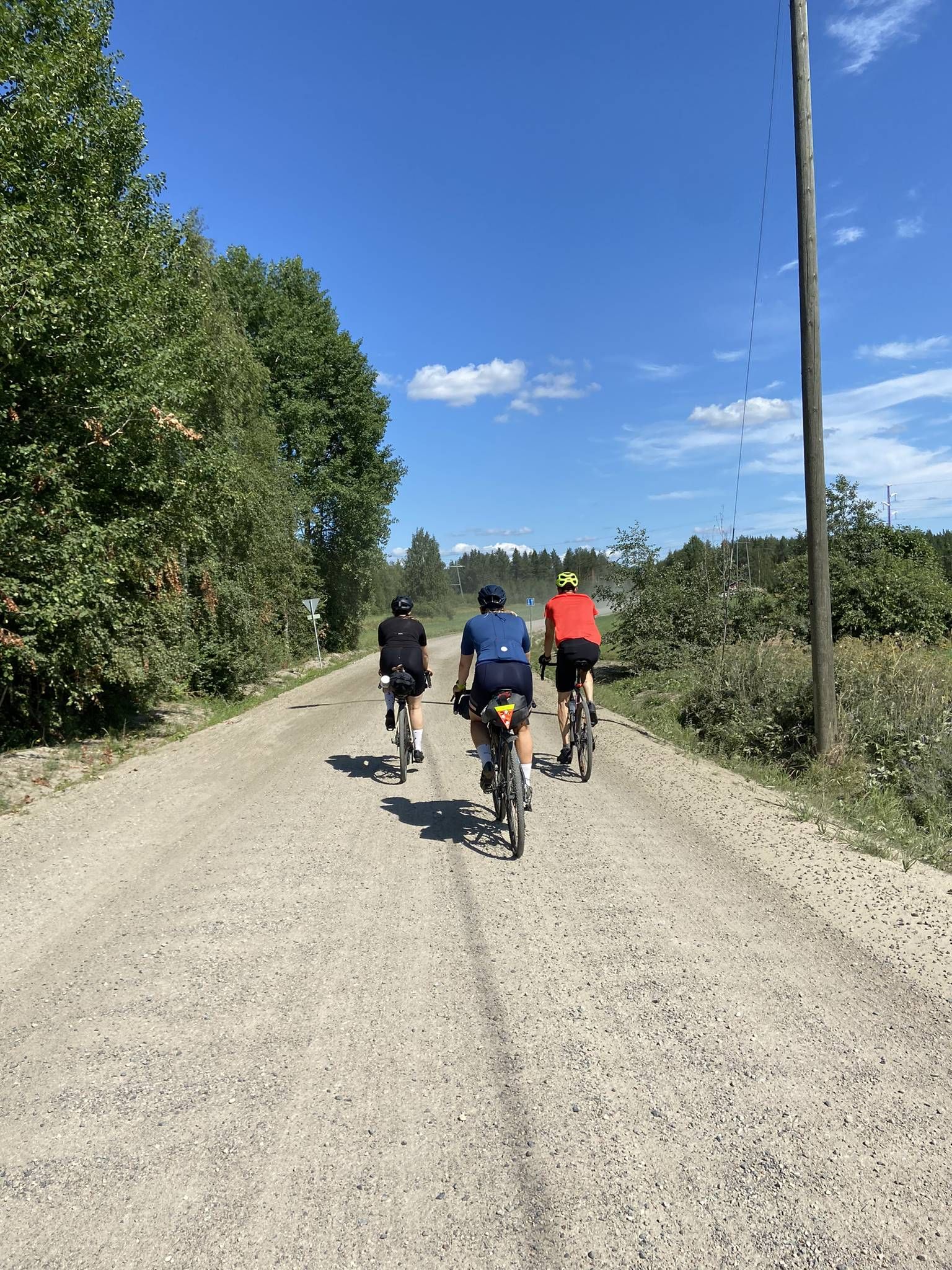
Naples to North Cape — Two friends, one purpose and many scoops of ice-cream

RedRock Mountainbike Trails – Fahrspaß durch rote Erde
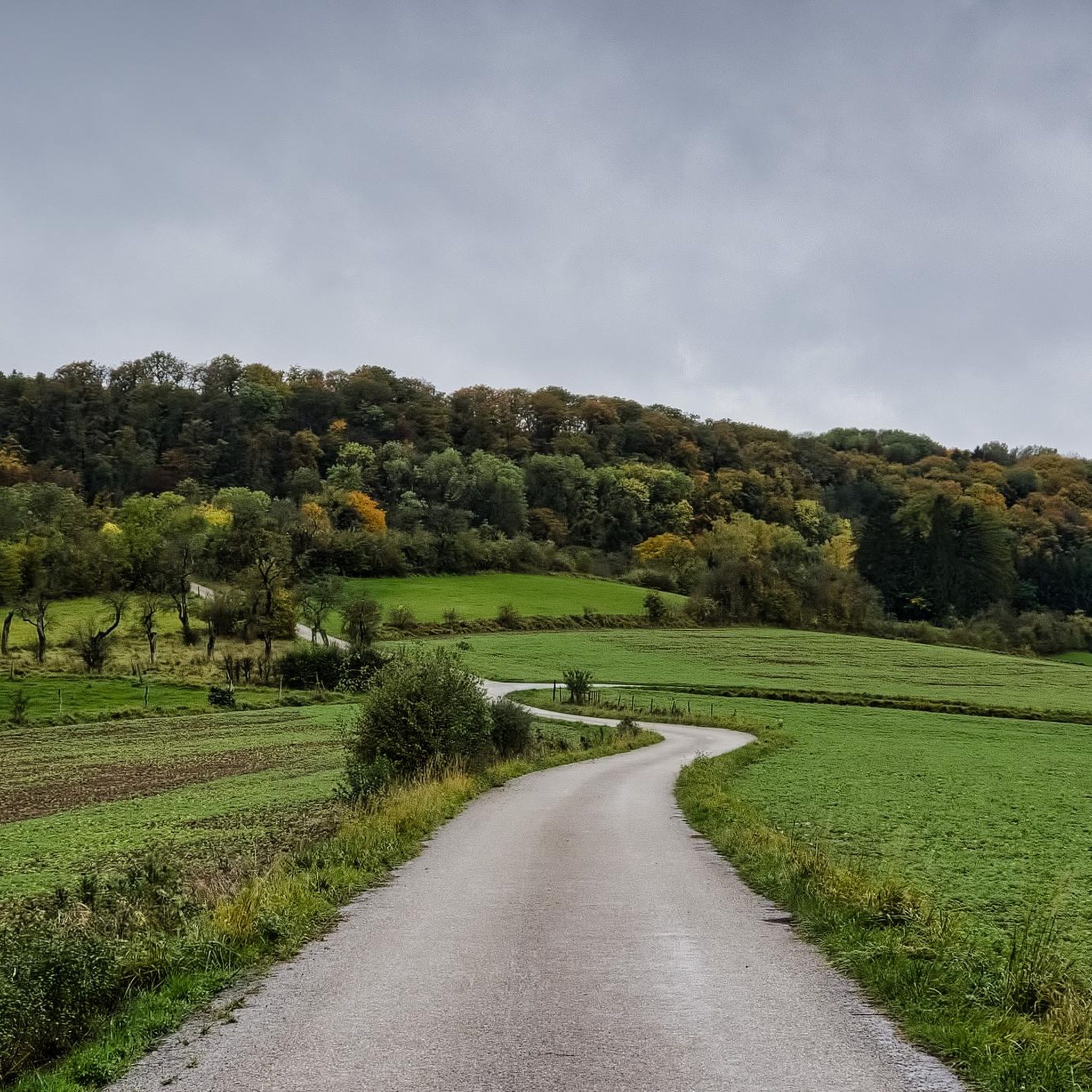
Running Trails in Luxembourg Canton
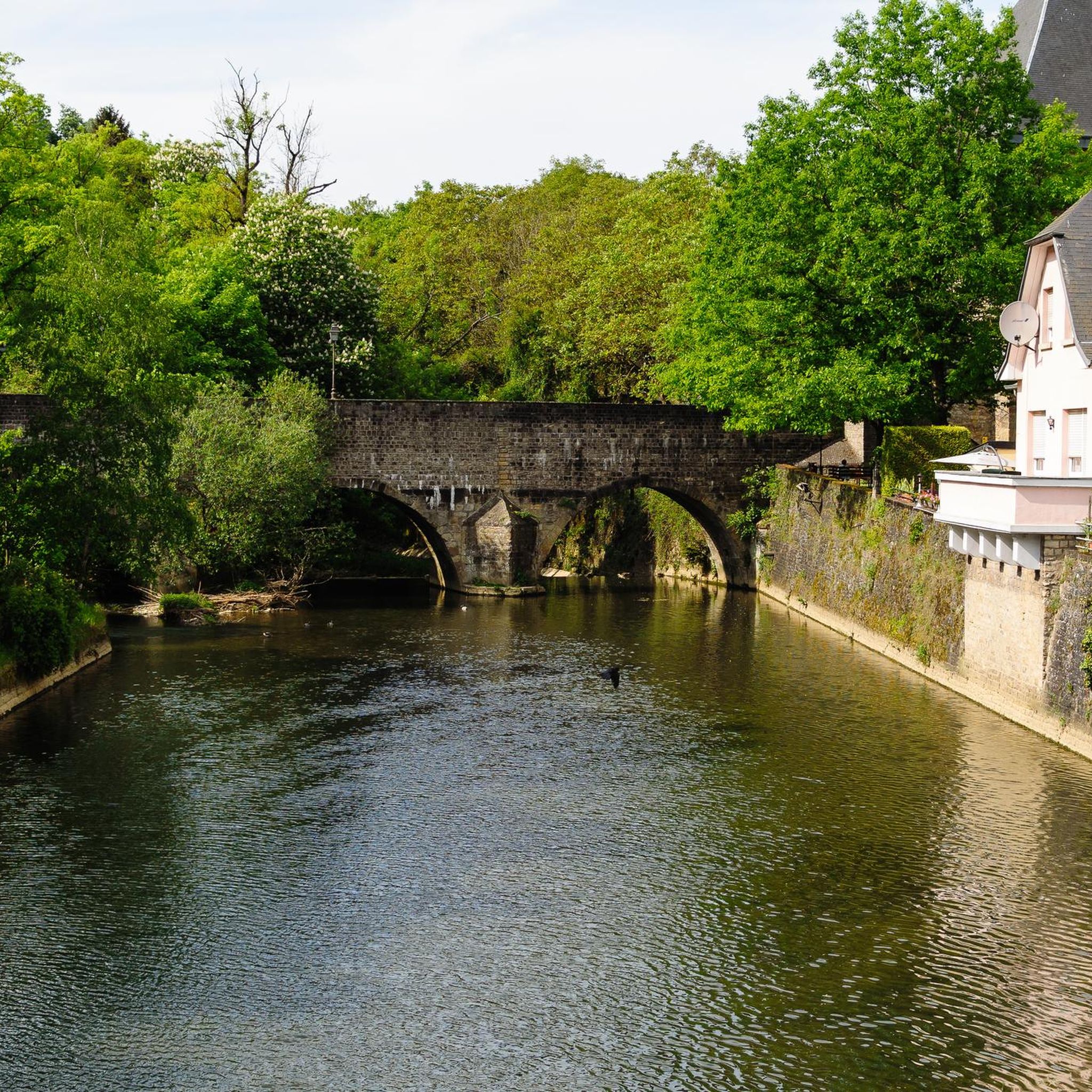
Road Cycling Routes in Luxembourg Canton
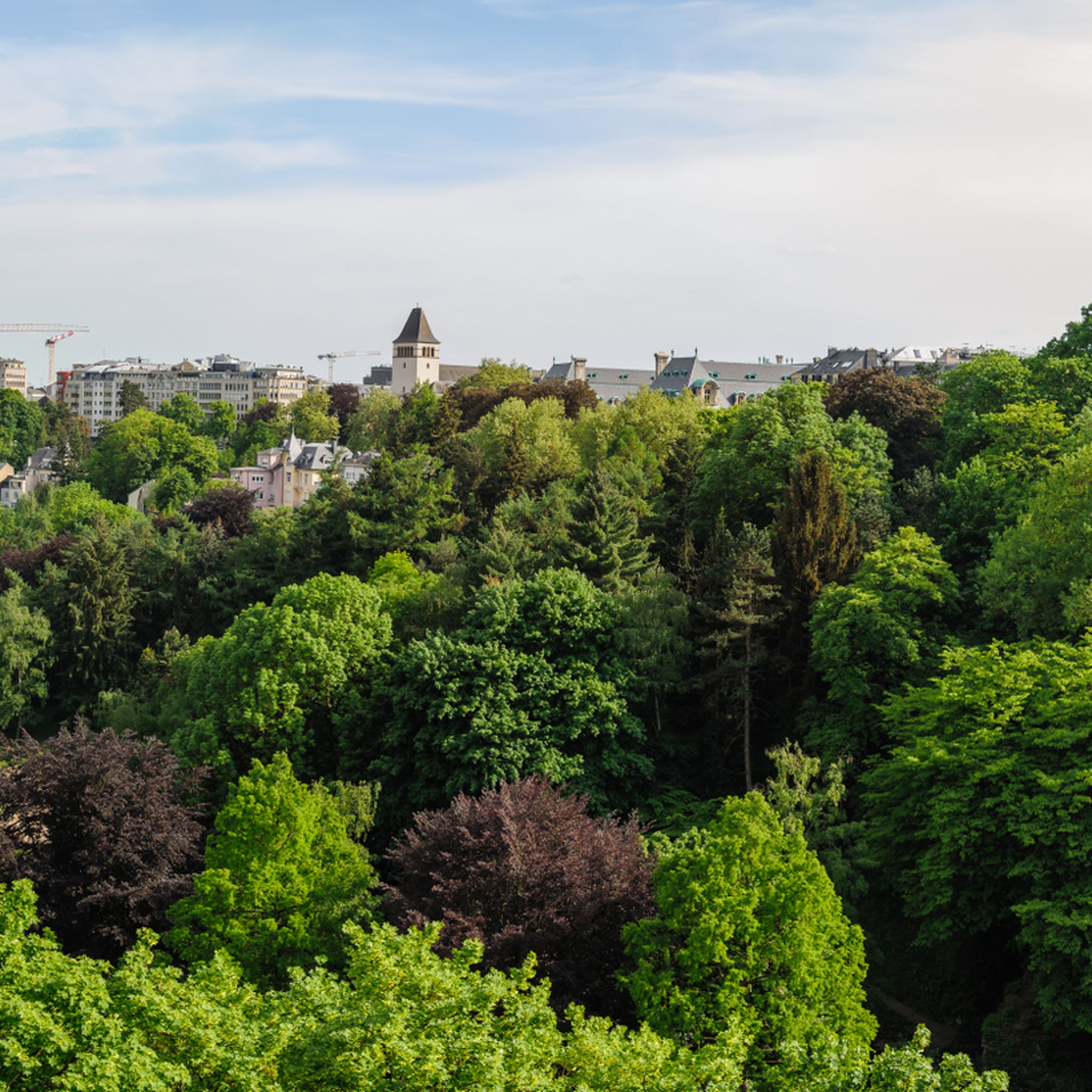
Hiking in Luxembourg Canton
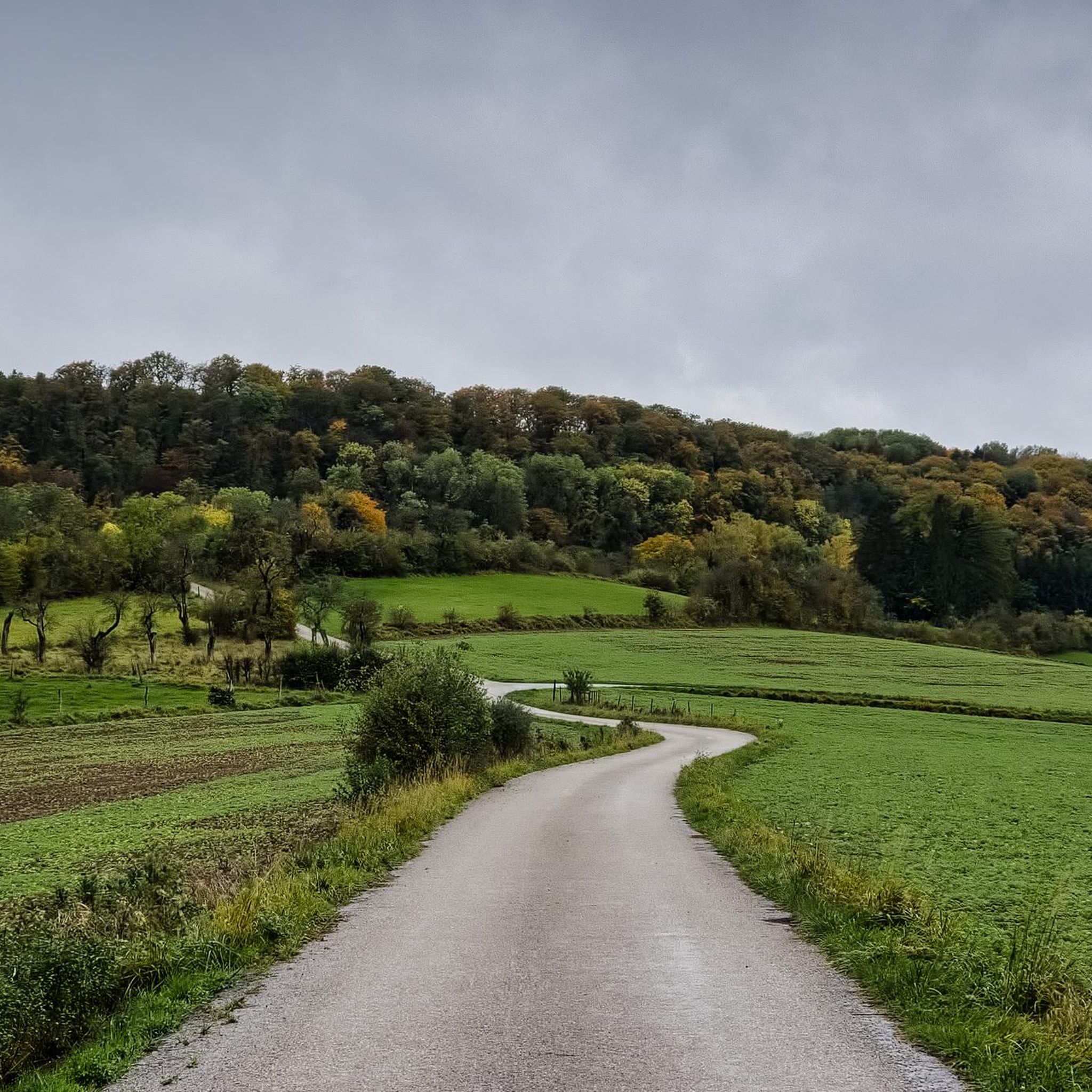
Cycling in Luxembourg Canton
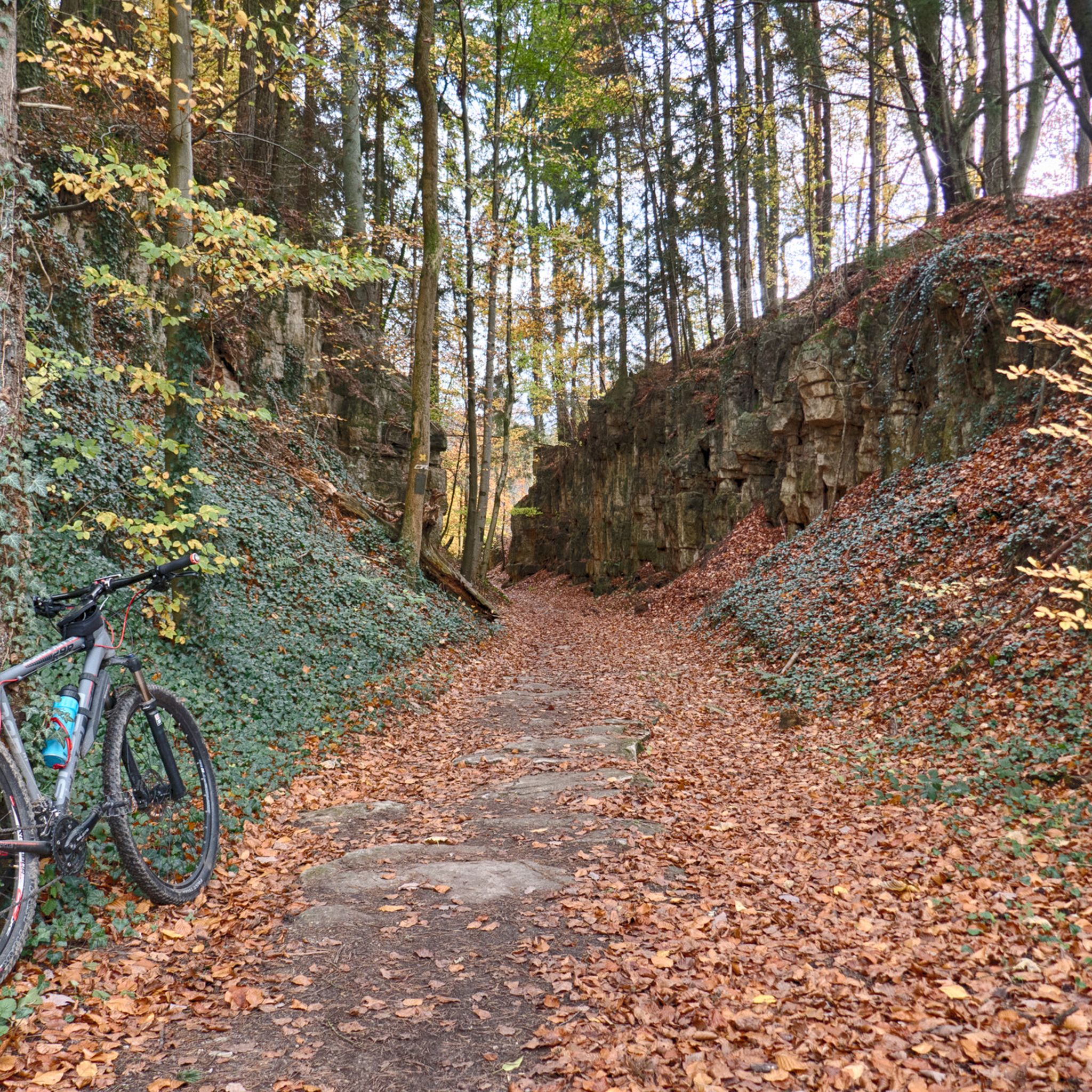
MTB Trails in Luxembourg Canton

Gravel biking in Luxembourg Canton


Tips from the Community

Every year on the second Sunday in August, the “Schetzelfeier” is held here in memory of the hermit with an open-air mass and blessing of the forest.
0
0

The fortifications and the historic old town were added to the UNESCO World Heritage List in 1994. Source: https://www.luxembourg-city.com/fr/que-faire/sites/underground/casemates-du-bock
40
0
In 963, Count Sigefroi had a castle built on the Bock rock, which laid the foundation for what would later become the city of Luxembourg. In the mid-18th century, the Austrians began to expand the casemates of the Bock rock. These impressive defensive structures provide a fascinating insight into the sophisticated fortress architecture that earned Luxembourg the nickname "Gibraltar of the North". Source: https://www.luxembourg-city.com/fr/que-faire/sites/underground/casemates-du-bock
48
0
On the site of this chapel there once stood a pagan place of worship, which was later venerated as a sanctuary by the Romans from the beginning of Christianity onwards. The chapel is located near a rocky spring whose waters appear to have miraculous properties, especially for eye diseases. The site has been dedicated to Saint Quirin since the 11th century, and services have been held in the chapel's two caves since the beginning of the 13th century. The Gothic pilgrimage chapel, carved into the rock, dates back to 1355; the roof and small bell tower were added at the end of the 19th century. Source: https://www.luxembourg-city.com/fr/adresse/church/chapelle-saint-quirin
45
0


Unfortunately not open to visitors at the moment… Fences in front of the stairs
16
0
In order to be able to visit the early medieval complex properly, you should plan enough time and arrange admission in good time
12
0

The casemates were part of the fortifications built by the Spaniards, Austrians, French and Prussians over the centuries before they were razed in 1867.
8
0
Frequently Asked Questions
What historical caves can I explore in Luxembourg Canton?
Luxembourg Canton offers several historically significant underground sites. The Bock Casemates are a UNESCO World Heritage site, featuring a vast network of defensive tunnels and chambers carved into the Bock promontory, offering insights into the city's military past. You can also visit the Schetzel Grotto, a 12th-century hermit's dwelling, or the unique Saint Quirin's Chapel, which is integrated into a rock face and has been a place of worship since the 13th century.
Are there any family-friendly caves in Luxembourg Canton?
Yes, the Kimmerchen Cave is considered family-friendly and is a small, worthwhile stop located within a forest, perfect for those exploring the area with children.
What are the Pétrusse Casemates and how do they compare to the Bock Casemates?
The Pétrusse Casemates are historical fortifications similar to the Bock Casemates, forming part of Luxembourg City's extensive defense system. They also served as shelters during wartime and are recognized as a UNESCO World Heritage site. While both offer a glimpse into the city's past, the Bock Casemates are generally larger and more widely known for their extensive network and views.
Can I find natural caves or rock formations in the region?
Beyond the historical casemates, you can explore natural rock formations. The Hohllay Cave (Huel Lee) in the Mullerthal region is notable for its distinctive tunnels and rock formations, bearing traces of its past as a quarry. The Mamerleeën Caves, between Mersch and Keispelt, also offer an extensive network of natural sandstone caves combined with artificial tunnels.
What kind of unique geological features can I expect to see?
The Hohllay Cave (Huel Lee) is particularly unique, with walls showing visible tool marks from its history as a quarry, creating a 'cathedral feel' due to supporting pillars. The Kohlscheuer in the Mullerthal region is another unique feature, described as a spectacular, very narrow, and dark rock crevice that offers an adventurous experience for hikers.
Are there any adventurous cave experiences in Luxembourg Canton?
For an adventurous experience, consider traversing the Kohlscheuer in the Mullerthal region. It's a very narrow and dark rock crevice, making a flashlight highly recommended. There's usually an option to walk around it if you prefer a less challenging path.
What outdoor activities can I do near the caves in Luxembourg Canton?
Many caves are integrated into scenic landscapes, offering opportunities for outdoor activities. You can find numerous easy hikes, running trails, and gravel biking routes throughout Luxembourg Canton that pass by or near these underground attractions.
Is there a good time of year to visit the caves?
The historical casemates like the Bock and Pétrusse are generally accessible year-round. For natural caves and outdoor rock formations, spring and autumn offer pleasant weather for hiking and exploration. During winter, some natural paths might be slippery, but the underground sites remain a good option.
Are there any caves related to wine production?
While not a natural cave, the Caves St Martin in Remich are a prestigious winery featuring nearly a kilometer of underground tunnels carved into solid limestone rock. These tunnels are used for wine storage and tasting, offering a unique experience for visitors interested in viticulture.
What should I bring when visiting caves or rock formations?
For historical casemates, comfortable walking shoes are recommended. If you plan to explore natural rock formations or crevices like the Kohlscheuer, a flashlight is highly advisable due to dark passages. Always check local conditions and wear appropriate clothing for the weather, especially if combining your visit with hiking.
Where can I learn more about the history of the Bock Casemates?
The Bock Casemates are a UNESCO World Heritage site. You can find more information about their history as defensive structures and their role in Luxembourg's past, including their use as shelters during conflicts, on the official Visit Luxembourg website: visitluxembourg.com.
Are there any hidden or less-known caves worth exploring?
The Wëllkeschkummer Cave is mentioned as being a bit hidden but worth the effort to visit for those looking for a less-trafficked spot. Additionally, the Mamerleeën Caves offer an extensive and less-explored network of natural and artificial tunnels.
Most popular routes in Luxembourg Canton
Most popular attractions in Luxembourg Canton

Get inspired with the komoot mobile app


Explore more
Extend your search for the best caves by checking out these guides of the top ones in Luxembourg Canton:
