Top 9 Huts and Cabins in La Rioja
Huts in La Rioja offer essential shelter for exploring the region's picturesque landscapes and hiking trails. This area is known for its natural beauty, including extensive forests and mountainous terrain, with the highest peak being Pico San Lorenzo. La Rioja also holds cultural significance, particularly its connection to the Way of St. James, which has shaped its history and traditions. The region provides a variety of basic, unstaffed mountain shelters and recreational areas for outdoor enthusiasts.
Best huts in La…
Last updated: July 11, 2026
San Saturnino Pilgrims' Hostel
Highlight • Mountain Hut
Translated by Google •
Tip by

Bonicaparra Shelter
Highlight • Mountain Hut
Translated by Google •
Tip by

Sign up now to discover places like this
Get recommendations on the best single tracks, peaks, & plenty of other exciting outdoor places.
Sign up for free
Bonicaparra Recreation Area
Highlight • Rest Area
Translated by Google •
Tip by
Municipal Pilgrims' Hostel of Azofra
Highlight • Rest Area
Tip by

La Rioja Viewpoint
Highlight • Viewpoint
Translated by Google •
Tip by

Peña El Collao Mountain Hut
Highlight • Mountain Hut
Translated by Google •
Tip by

Refugio Prao Tajo
Highlight • Mountain Hut
Translated by Google •
Tip by

LasNeveras
Highlight • Viewpoint
Translated by Google •
Tip by
Tacudia Mountain Refuge
Highlight • Mountain Hut
Translated by Google •
Tip by

Start today with a free account
Your next adventure awaits.
Login or Signup
Popular around La Rioja
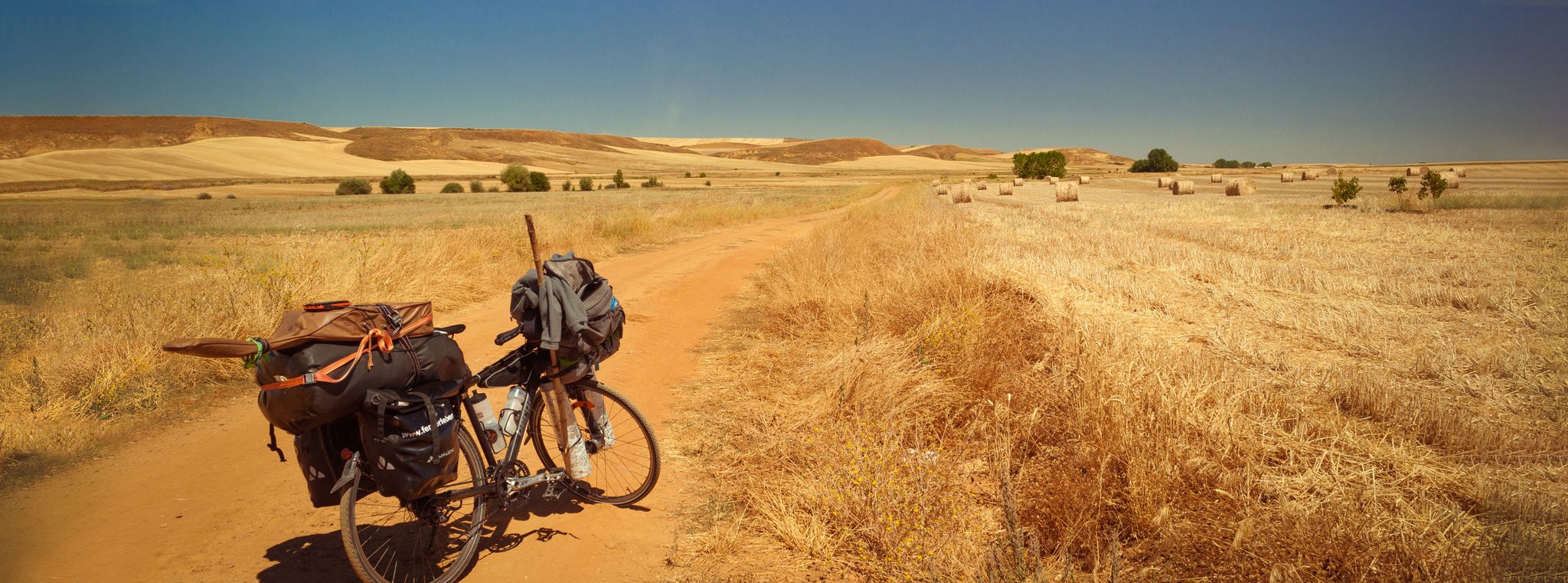
Camino Francés and Camino Finisterre – Cycling pilgrimages in Spain
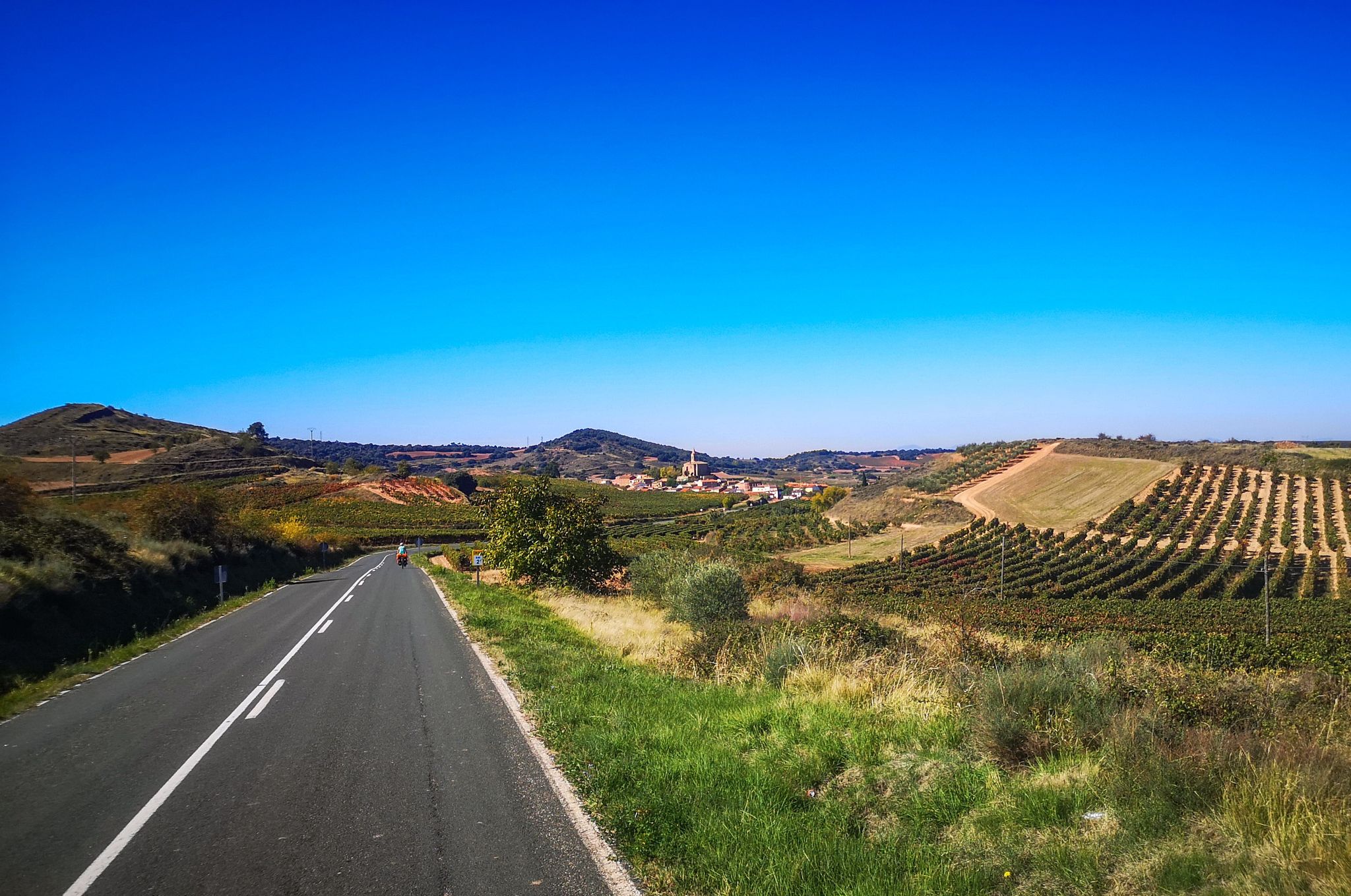
Santiago de Compostela – A journey through northern Spain (10 days)
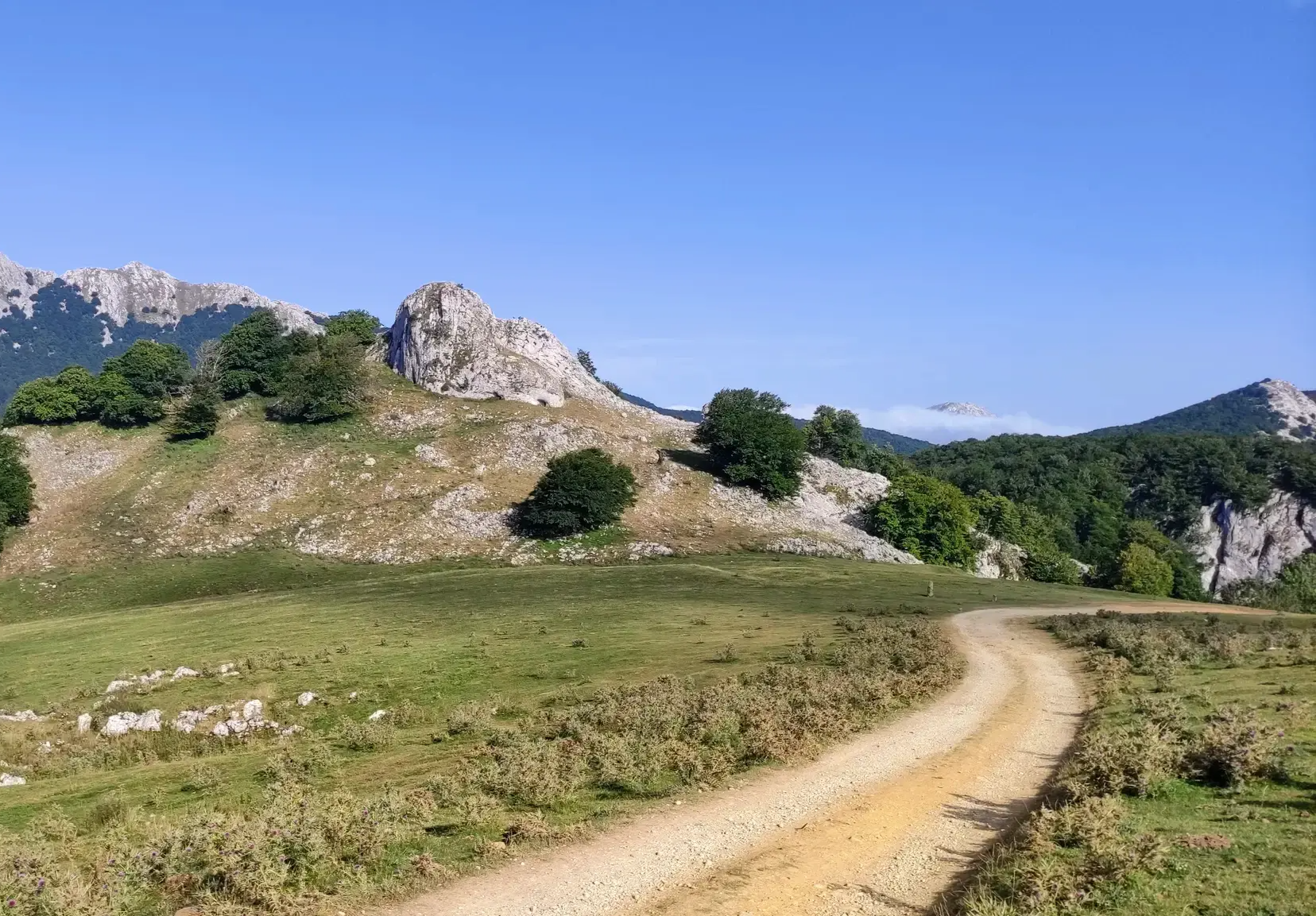
The Ignatian Way - In the footsteps of Ignatius of Loyola
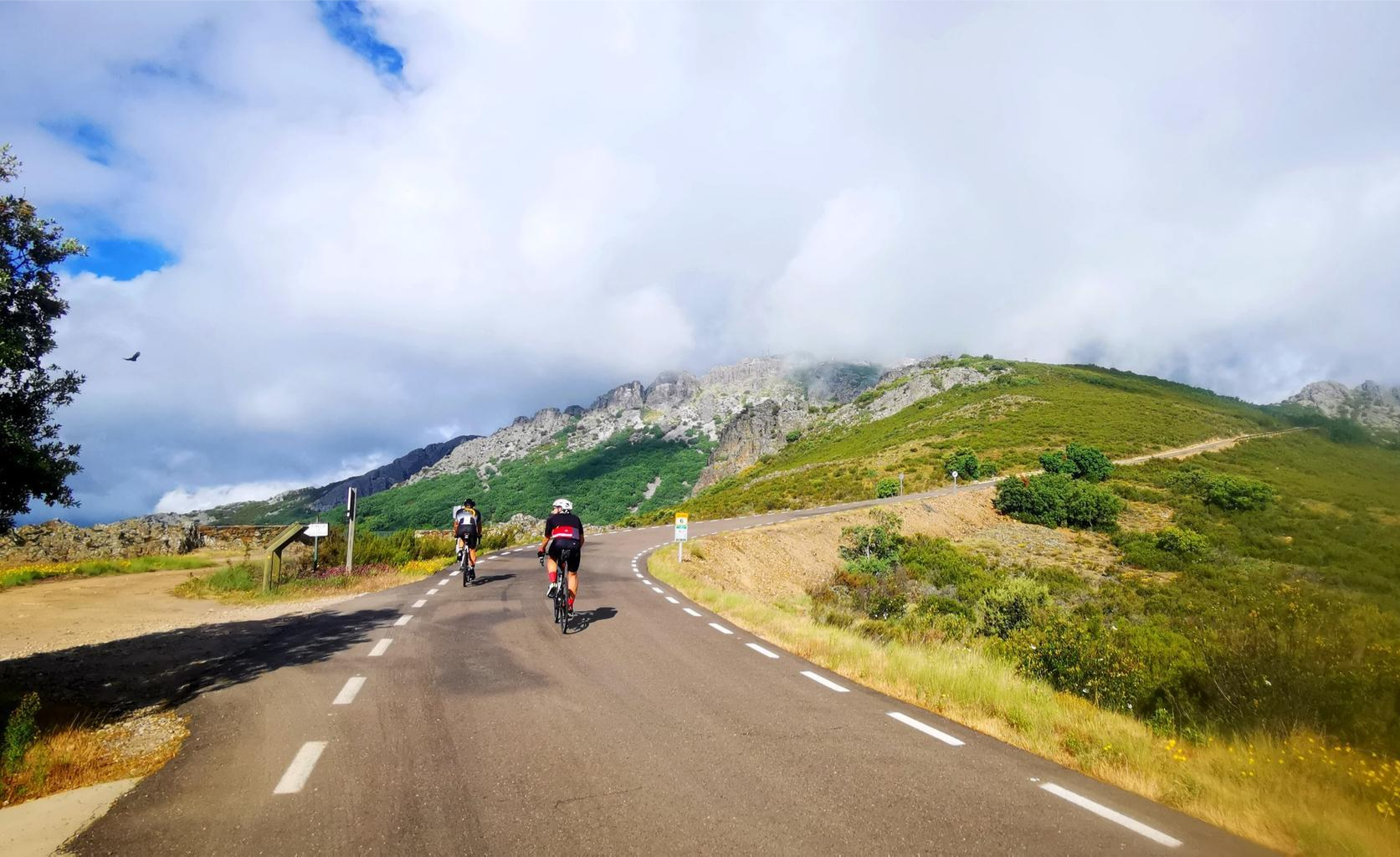
Legendary climbs - Ports of La Vuelta a España

Zazpiak Bat Packing – a cycling adventure in the Basque Country
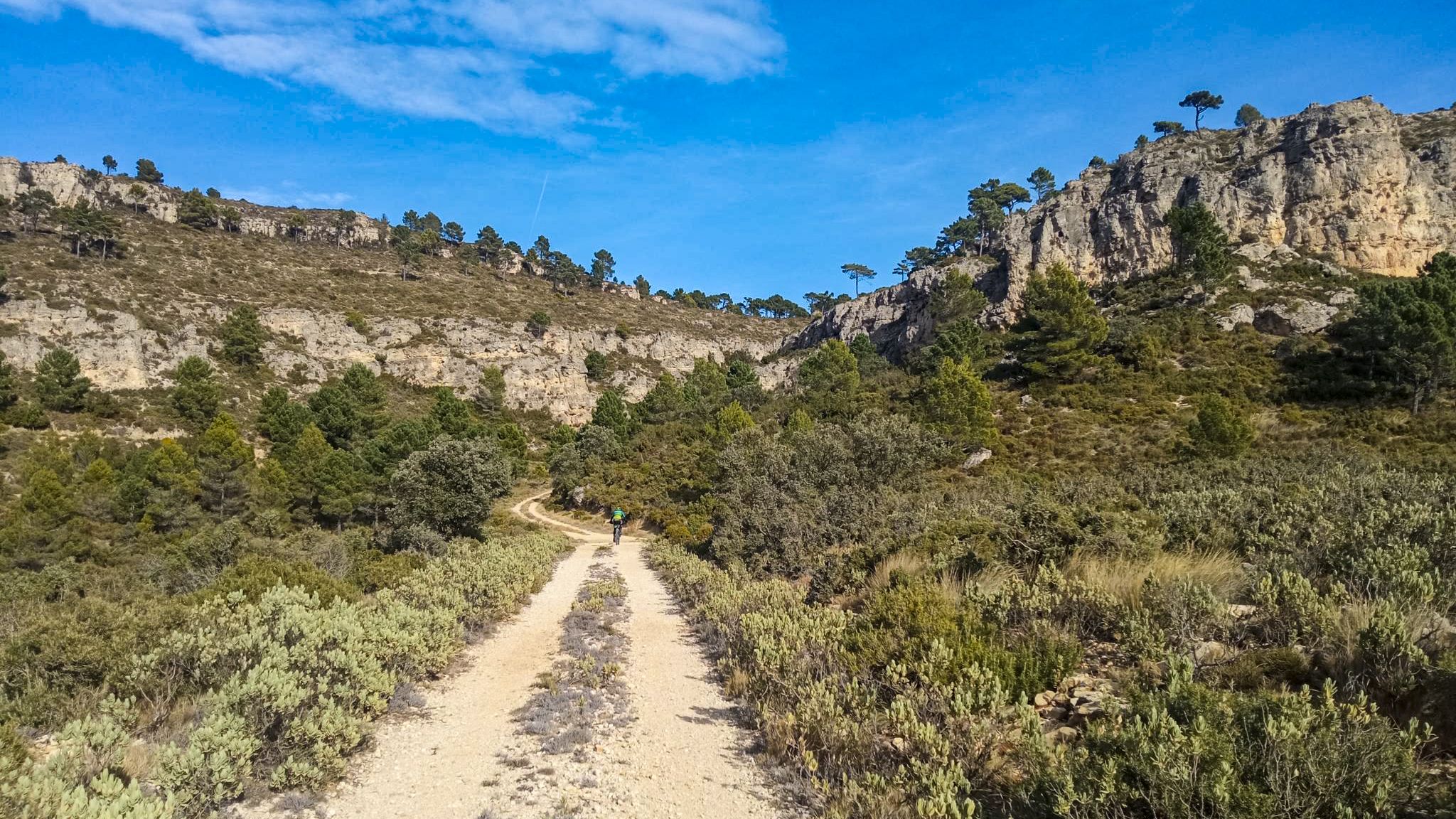
10 gravel routes to discover hidden gems in Spain
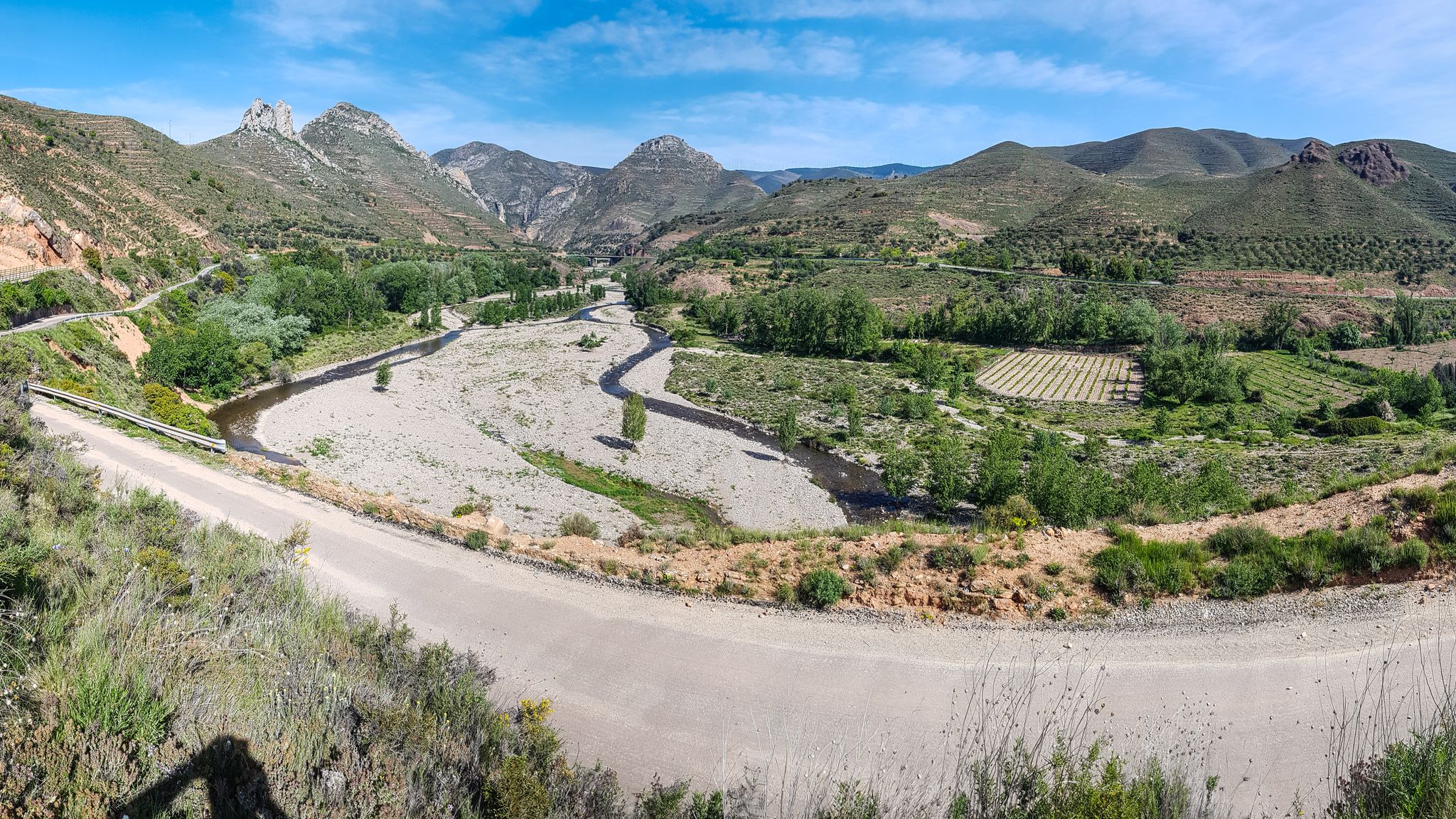
Orchards and karst peaks in La Rioja – Cidacos Greenway
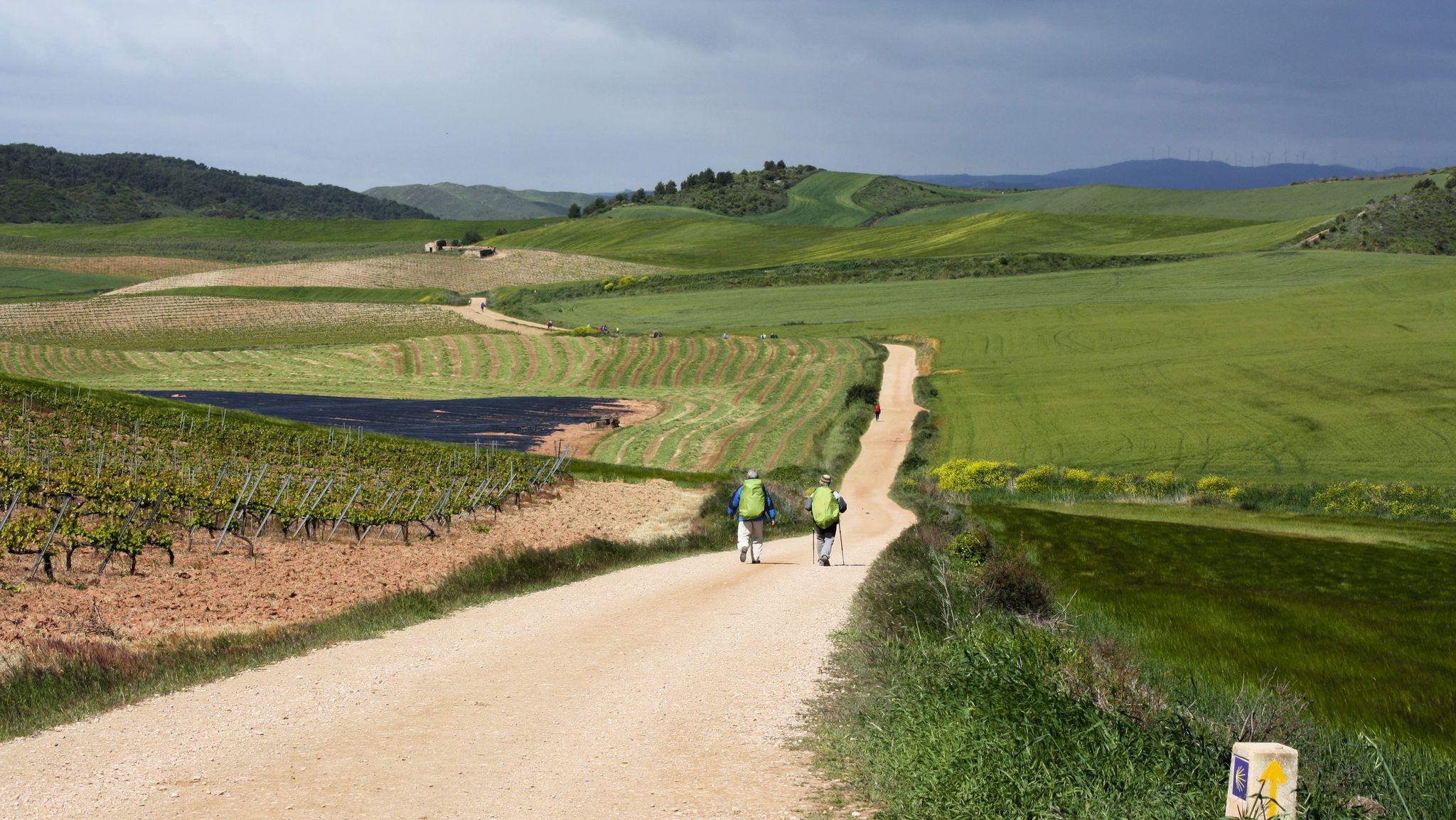
An Iberian pilgrimage – French Way of Saint James
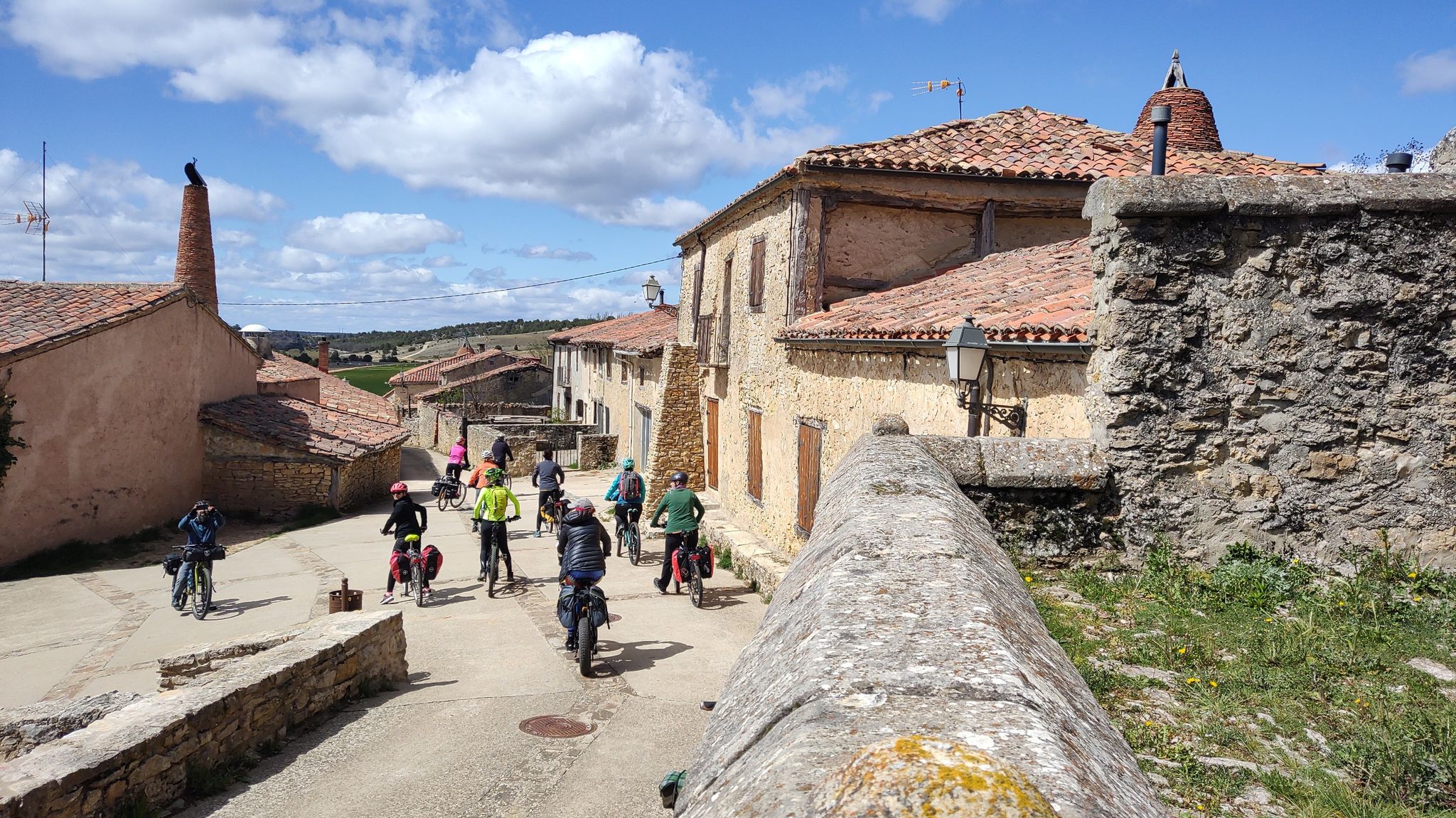
Millennial treasures on pedals – Romanesque art of Soria by MTB
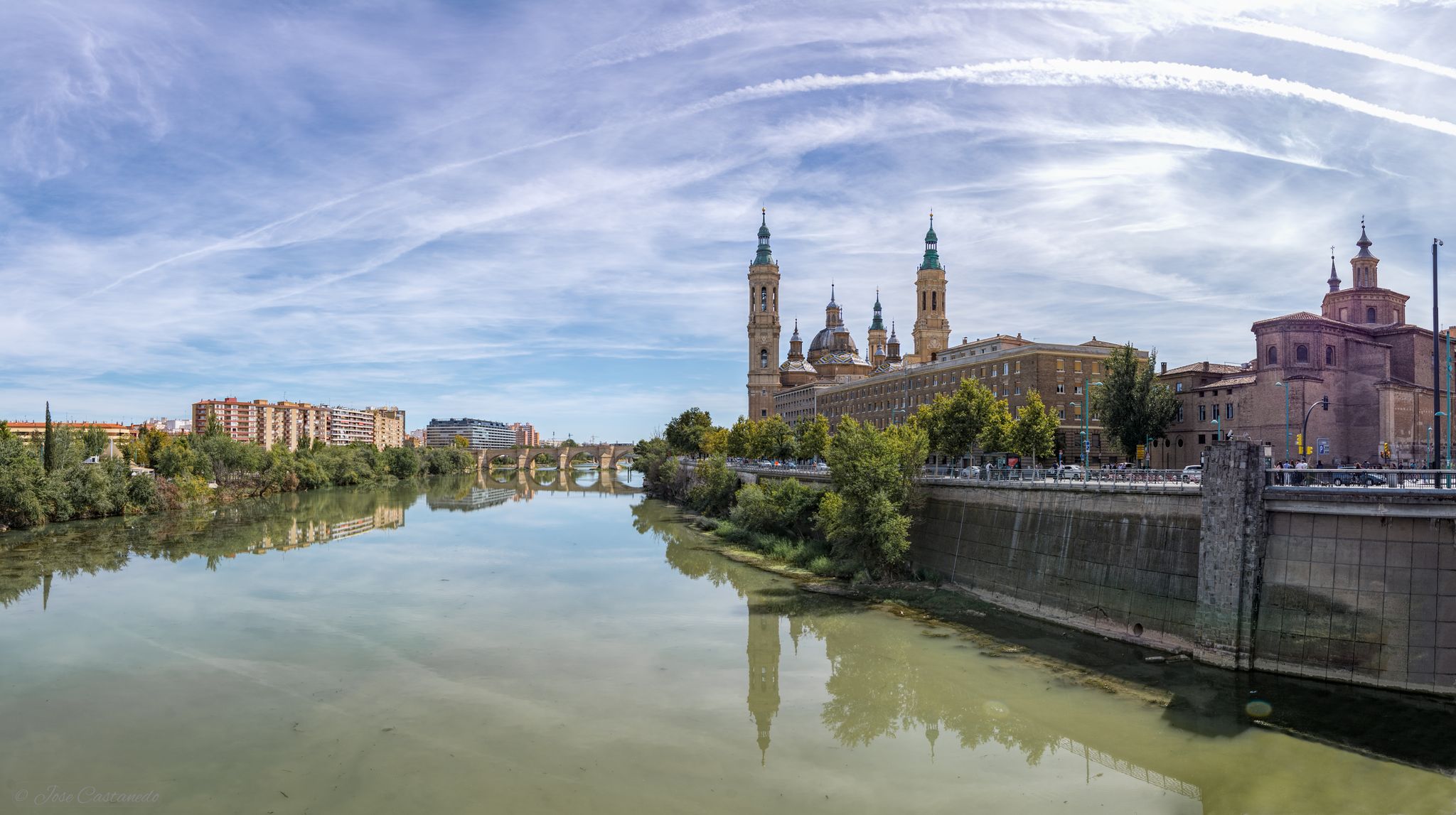
A river getaway – Ebro Natural Trail (GR 99)
Other adventures in La Rioja


Tips from the Community

Well maintained, where Sergio, the lonely eagle, has lived for 20 years. It's worth chatting with him.
0
0

Asphalt forest track to the Bonicaparra refuge. A very nice climb, especially recommended in autumn when the beech forest is bursting with colour.
0
0

A lovely old city on the Río Ebro which is a must stay, with lots to see and explore
1
0

Logroño, the capital of La Rioja, is a city rich in history and traditions that have been preserved since the Middle Ages. The Way of St. James made this city one of the most important stops on the way and laid the foundations for a remarkable ensemble that is closely linked to the traditional pilgrimage route. The history of Logroño is inextricably linked to the Way of St. James. It was only with the advent of the Way of St. James in the 11th century that the city gained importance. Logroño is already mentioned in the Codex Calixtinus (12th century), the first travel guide on the Way of St. James. The passage of traders, artists and pilgrims through the cobbled streets of the capital of La Rioja has made the city a crossroads of great cultural importance over the centuries. https://www.spain.info/de/reiseziel/logrono/ ...and not to mention Wikipedia & co. For me, Logroño is one of the most wonderful cities on the Way of St. James. In retrospect, I should have planned more time for this great city!
2
0

Very nice hostel on the Way of St. James. 30 rooms with two beds each (12 euros per bed). Kitchen, yard, lounge. Basin with cold water for the feet.
0
0

The refuge is already recovered, a wapo wapo site
0
0

"Peña El Collao" is the name of a refuge that is located on an esplanade in the border area between San Millán de la Cogolla, Lugar del Río and Estollo. It can be accessed both on foot and by car through a track, in which there is a beautiful area where the Cárdenas river even makes a small waterfall. It is a beautiful place to get lost or spend a good day on a Sunday with friends.
0
0

Frequently Asked Questions
What types of huts and shelters can I expect in La Rioja?
In La Rioja, the 'huts' are generally basic, unstaffed mountain shelters, often referred to as refugios. These facilities provide essential shelter and resting points for hikers and explorers in natural environments, rather than elaborate, catered mountain huts. They are integral to experiencing the mountainous terrain and hiking routes of the region.
Which are some popular shelters or recreational areas in La Rioja?
Some popular spots include the Bonicaparra Shelter, known for its easy access and recent improvements, and the Bonicaparra Recreation Area, which offers grills, tables, and a small free shelter. Another notable shelter is Refugio Prao Tajo, a hunting refuge often used as a starting point for ascents to Pico San Lorenzo.
Are there family-friendly huts or recreational areas in La Rioja?
Yes, several shelters and recreational areas are suitable for families. The Bonicaparra Recreation Area is particularly family-friendly, offering grills, tables, and a fountain. The Bonicaparra Shelter and Peña El Collao Mountain Hut are also noted as family-friendly options, providing basic amenities for a comfortable stop.
What facilities do these mountain shelters typically offer?
Most mountain shelters in La Rioja are rustic and unstaffed. Common facilities include a fireplace, a table, and sometimes drinking water. For example, Bonicaparra Shelter and Refugio Prao Tajo are known to have these basic amenities. Recreational areas like Bonicaparra Recreation Area may also offer grills and additional tables.
Are there huts or viewpoints with good scenic views in La Rioja?
Absolutely. The La Rioja Viewpoint is highly recommended for its extensive views of the region and includes a shelter with a fireplace and a table. The area around Refugio Prao Tajo also offers beautiful natural surroundings, including an extensive beech forest and views of the Cárdenas River.
Can I find shelters near historical or cultural sites in La Rioja?
Yes, La Rioja has a rich history, particularly linked to the Way of St. James. While not traditional mountain huts, pilgrims' hostels like San Saturnino Pilgrims' Hostel in Logroño and Municipal Pilgrims' Hostel of Azofra are important historical stops along the route. These offer facilities for travelers exploring the region's cultural heritage.
What outdoor activities can I do near the huts in La Rioja?
The huts and shelters in La Rioja are excellent bases for various outdoor activities. You can enjoy mountain hikes, such as the Monte San Lorenzo loop, or explore waterfall hikes like 'The Island in Soto de Cameros'. Cycling is also popular, with routes like 'The vineyards and villages of the Ebro River Bank'. For more details, explore the Mountain Hikes in La Rioja, Waterfall hikes in La Rioja, and Cycling in La Rioja guides.
Are there easy-to-access shelters for short walks in La Rioja?
Yes, some shelters are relatively easy to access. The Bonicaparra Shelter is noted for its easy access, and the Bonicaparra Recreation Area is also easily reachable, making it suitable for day trips and shorter excursions. These spots are great for those looking for a less strenuous outdoor experience.
Do I need a permit to use the mountain shelters in La Rioja?
Generally, the mountain shelters (refugios) in La Rioja are free to use and do not require a permit. They are unstaffed and operate on a self-sufficiency basis. However, it's always advisable to check local regulations or specific shelter information before your visit, especially for any potential changes or specific rules.
When is the best time to visit the huts and shelters in La Rioja?
The best time to visit the huts and shelters in La Rioja largely depends on your planned activities. Spring and autumn offer pleasant temperatures for hiking and exploring the natural beauty, with vibrant foliage or blooming landscapes. Summer can be warm, but the forested areas around shelters like Refugio Prao Tajo provide shade. Winter conditions can be challenging, especially at higher altitudes, requiring appropriate gear and experience.
What should I pack for a trip to a mountain shelter in La Rioja?
Given that most shelters are basic and unstaffed, you should be self-sufficient. Essential items include a sleeping bag, food, water (even if a fountain is present, it's good to have a backup), a headlamp, first-aid kit, and appropriate clothing for varying weather conditions. A map and compass or GPS device are also crucial for navigation.
Are there any shelters located along long-distance hiking trails?
Yes, Peña El Collao Mountain Hut is conveniently located along the GR93 long-distance hiking trail, specifically on the stage between San Millán de la Cogolla and Anguiano. This makes it a strategic and useful stop for trekkers undertaking longer routes in the region.
Most popular routes in La Rioja
Most popular attractions in La Rioja

Get inspired with the komoot mobile app


Didn’t find what you were looking for?
See even more amazing huts in La Rioja with these guides per region:
Explore more
Find more beautiful huts and cabins in La Rioja by checking out the top ones in these nearby places:
