Top 3 Castles in Izmir
Best castles in Izmir and its surrounding areas offer a glimpse into the region's diverse past, shaped by Hellenistic, Roman, Byzantine, Seljuk, and Ottoman influences. These historical sites provide architectural marvels and a deep sense of history. The region features a variety of fortified structures, from hilltop citadels to seaside fortresses. Izmir's strategic location on the Aegean coast has led to the construction of numerous defensive strongholds over centuries.
Best castles in Izmir
- The most popular castles is Çeşme Castle…
Last updated: May 15, 2026
Çeşme Castle
Highlight • Castle
Translated by Google •
Tip by

Basilica of St. John and Ayasuluk Castle in Selçuk
Highlight (Segment) • Historical Site
Translated by Google •
Tip by

Sign up now to discover places like this
Get recommendations on the best single tracks, peaks, & plenty of other exciting outdoor places.
Sign up for free
Çeşme Castle
Highlight • Castle
Tip by

Ayasuluk Castle
Highlight • Castle
Architecture: It consists of an imposing ring wall with battlements, reinforced …
Showing Translation
Tip by

View of Keçikalesi
Highlight • Viewpoint
Translated by Google •
Tip by

View of Keçi Kalesi
Highlight • Viewpoint
Translated by Google •
Tip by
Start today with a free account
Your next adventure awaits.
Login or Signup



Tips from the Community

Opening hours: From April to October: 08:00 to 19:00. From November to March: 08:00 to 18:00. Other sources mention 08:00 to 18:30. Entrance fees: Some sources state that admission to the citadel is free. Other sources report an entrance fee of 15 Turkish Lira (TL), which also includes access to the Basilica of St. John.
1
0
History: The origins of the fortress date back to the 6th century, when it was built by the Byzantines. Architecture: It consists of an imposing ring wall with battlements, reinforced by 15 towers. Significance: Within the walls are the remains of ancient structures, including cisterns, a chapel, and a mosque. UNESCO World Heritage: The castle is part of the protected area of the ancient city of Ephesus.
1
0

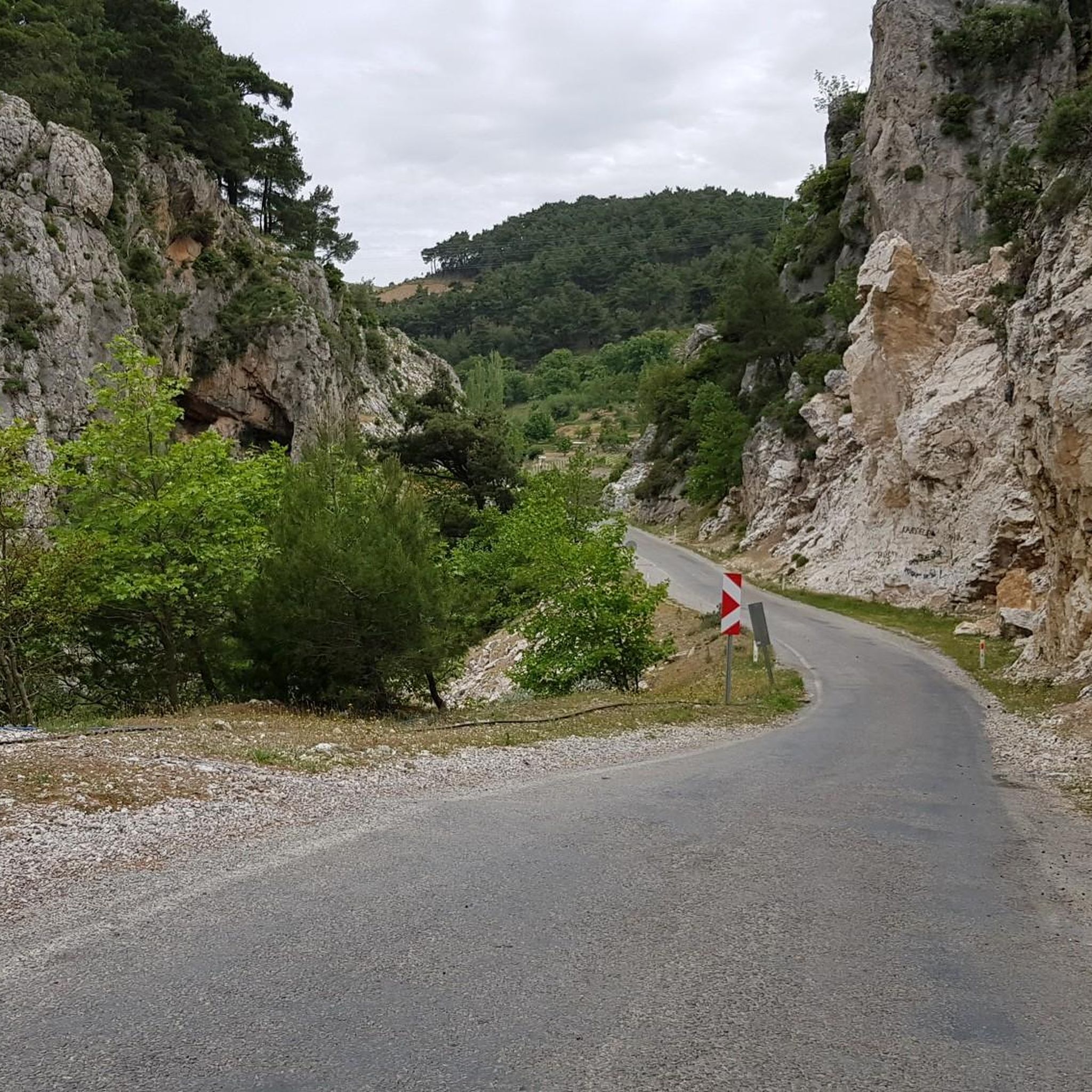
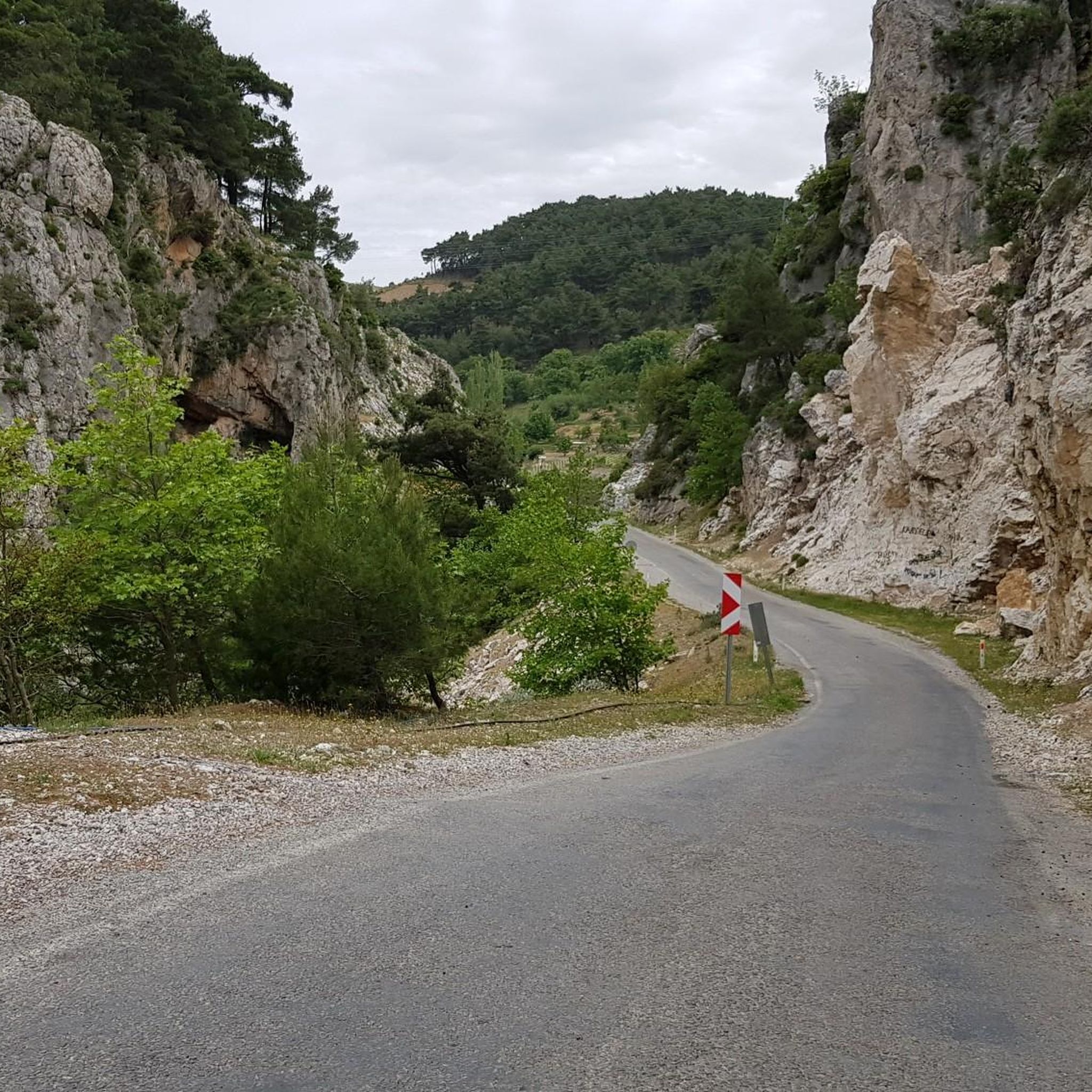
The Goat Castle (keçi kalesi). This “bike path” is very nice to ride. One side is the view of the river the other is the view of the steep mountains. You drive through tangerine plantations.
0
0
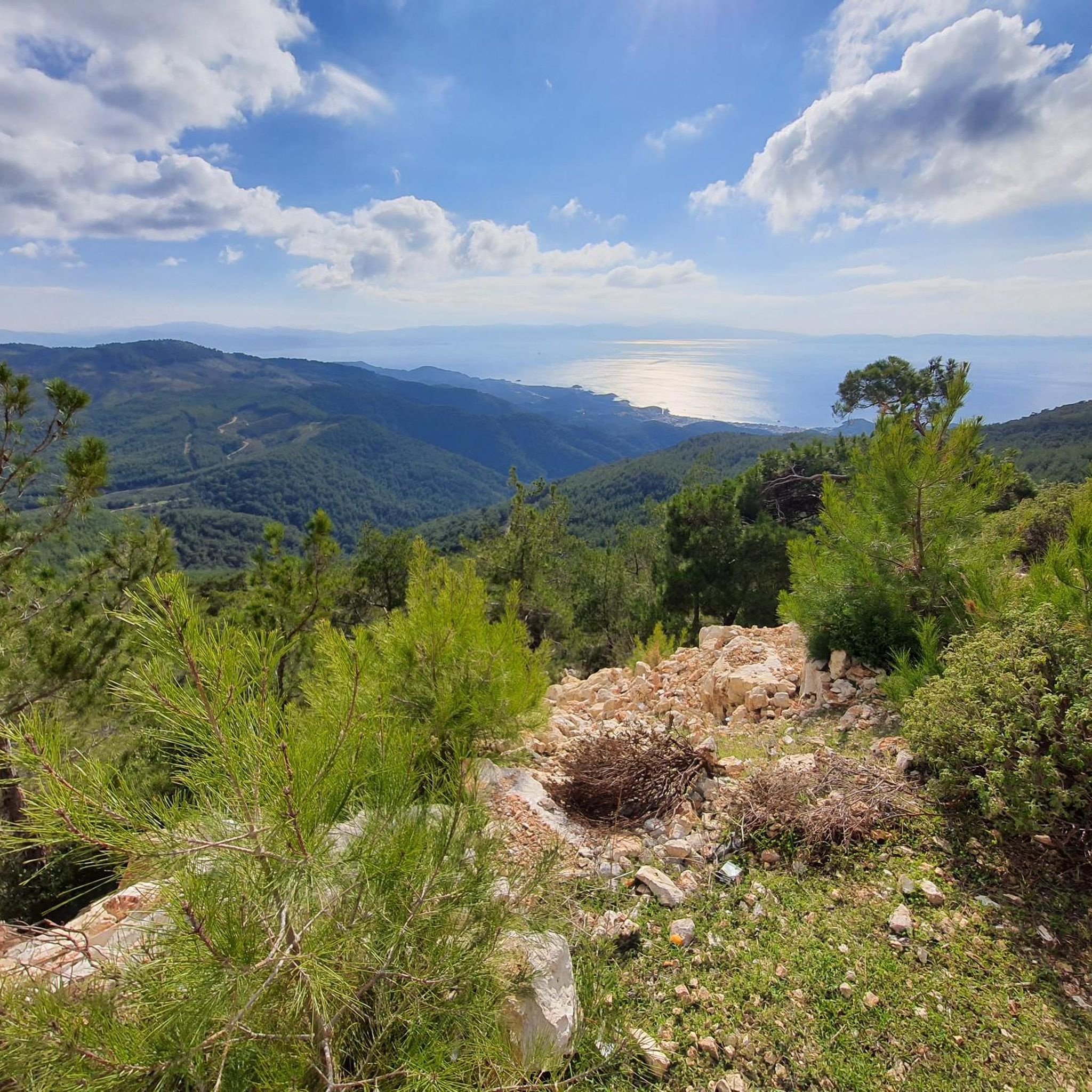
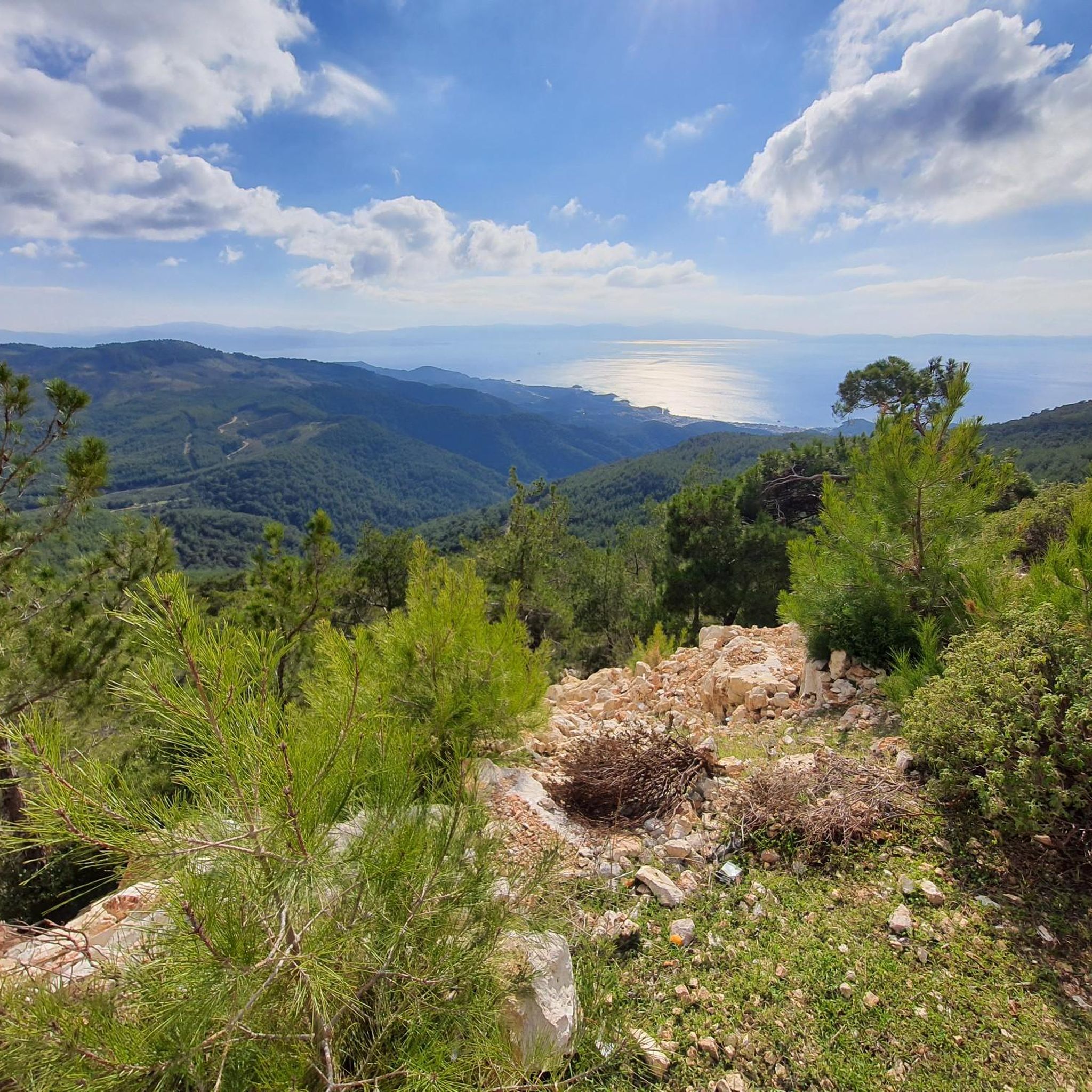
The path is nice to drive. In some places the asphalt is very smooth. The view of the Goat Castle (keçi kalesi) is a dream.
0
0

Çeşme Castle was built in 1508, during the reign of Sultan Bayezid II, by the Governor of Aydın, Mir Haydar, to the architect Ahmet son Mehmet. The castle, which was built with 4 bastions made of cut stone, was on the seaside when it was first built, but as a result of the filling of the sea, its present location has remained far from the sea. Evliya Çelebi gives information about the physical condition, size, architecture and houses in the castle. Destroyed in the 17th century during naval battles and restored in the 18th century, the construction inscription of Çeşme Castle has survived to the present day. Çeşme Archeology Museum is located inside the restored castle. The museum was opened for the first time in 1965 as a weapon museum with weapons brought from the Topkapi Museum in Istanbul and continued as such until 1984. Since the weapons in the museum started to oxidize and deteriorate due to the excessive humidity in the hall, they were transferred to Izmir Archeology Museum and Ödemiş Museum. In the same exhibition hall, artifacts from the rescue excavations in the ancient city of Erythrai in Ildırı, which have been ongoing since 1964, are exhibited. Çeşme Castle was included on the Tentative List of World Heritage Sites by UNECSO in 2020.
0
0

Access via the Johanneskirche (entrance fee)
0
0

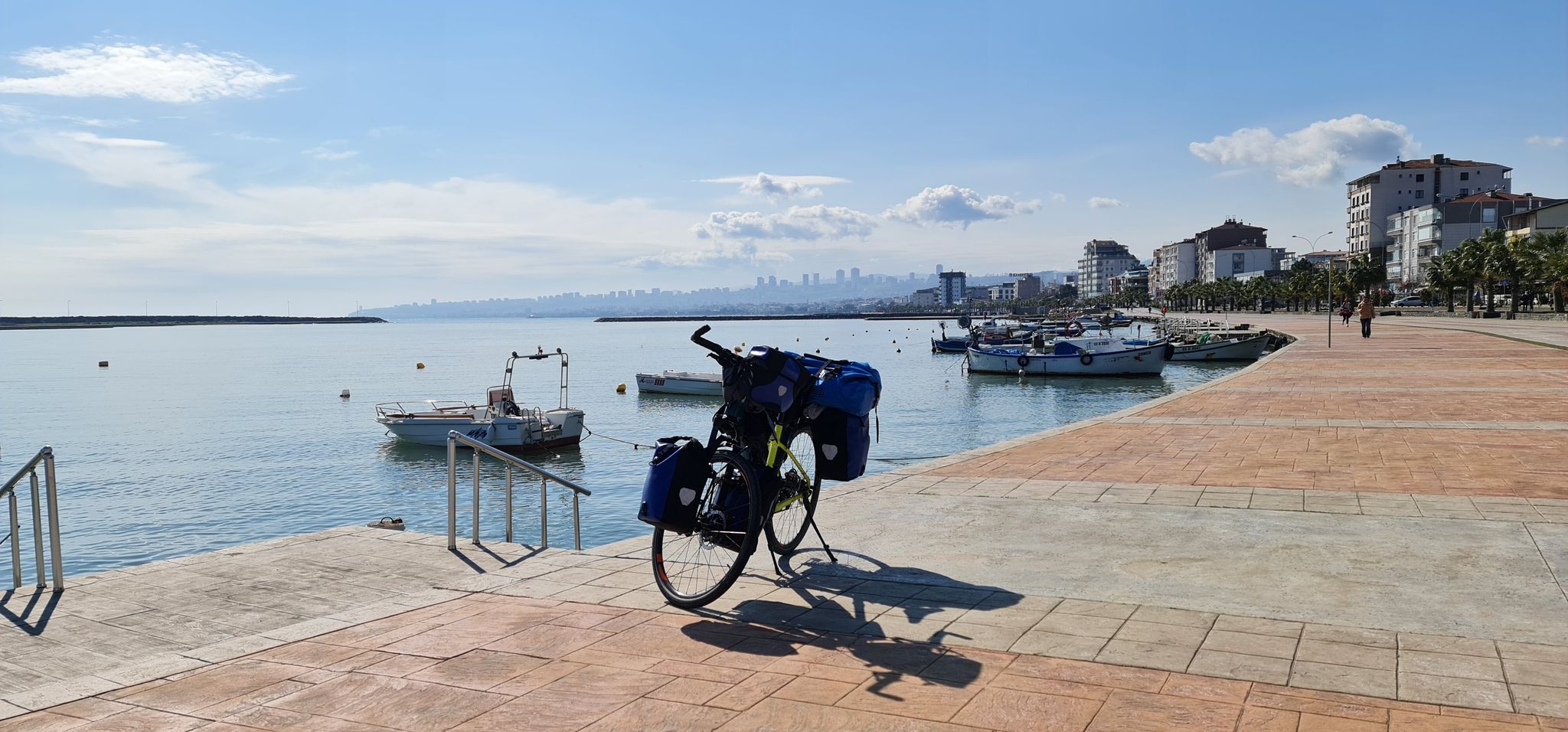
During the growth of the Ottoman Empire, Çeşme was attacked twice by the Venetians in 1472 and 1501. The castle was built as a precaution against further attacks. It was built in 1508 during the reign of the Ottoman Sultan Bayezit II. Their commissioner was Mir Haydar, the governor of Aidin Vilayet. It was originally a seaside castle, but it is now slightly inland due to the alluvial deposits. Today you can see the archaeological exhibitions for 18 Lira and above all enjoy the wonderful view over the harbor.
2
0

Just below the citadel Emperor Justinian (6th century) built this basilica in honor of St. John. After returning from exile in Patmos, the apostle wrote his gospel there before he died. He meets him at every turn, from frescoes from the 11th century, where he is depicted together with Jesus, to his burial chamber in the crypt. The St. John's Church with its three naves and the transept terminating apse is a typical example of early Byzantine church buildings. As a forward-looking innovation, however, it was overgrown with six domes. Source: https://www.viamichelin.de/web/Touristische-Attraktion/Selcuk-_-Johanneskirche_von_Ephesos_Selcuk-a5r5z3sh
2
0
Frequently Asked Questions
Which castles offer the best panoramic views of Izmir and the Aegean coast?
For breathtaking panoramic views, Kadifekale (Velvet Castle) in Izmir is an excellent choice, offering sweeping vistas of the city and the Gulf of Izmir. Further north, Çeşme Castle provides commanding views of the Aegean coast and its harbor. Another great option is Keçikalesi, known for its scenic outlooks.
Are there family-friendly castles to visit in the Izmir region?
Yes, several castles in the Izmir region are suitable for families. Çeşme Castle is listed as family-friendly and includes an archaeology museum, which can be engaging for children. While not explicitly listed, the open grounds and historical significance of sites like Kadifekale and Ayasuluk Castle can also be interesting for families, allowing for exploration and imaginative play.
What is the best time of year to visit castles in Izmir?
The best time to visit castles in the Izmir region is generally during the spring (April-May) and autumn (September-October) months. During these periods, the weather is pleasant, with mild temperatures ideal for exploring outdoor historical sites. Summers can be very hot, especially at exposed locations like Kadifekale or Sardis Acropolis, while winters can bring rain, making some paths slippery.
Which castles offer a deep dive into the region's diverse history?
The Izmir region's castles showcase a rich tapestry of history. Kadifekale, originally built by a general of Alexander the Great, features layers of Hellenistic, Roman, Byzantine, and Ottoman influences. Ayasuluk Castle in Selçuk is another excellent example, with Byzantine, Seljuk, and Ottoman additions, and is located near the ancient city of Ephesus. Çandarlı Castle is considered one of Turkey's best-preserved castles, reflecting Greek, Genoese, and Ottoman periods.
Are there any less crowded or hidden gem castles to explore near Izmir?
While popular sites like Kadifekale and Çeşme Castle attract many visitors, you might find Çandarlı Castle to be a less crowded option, offering a well-preserved historical experience in a charming seaside town. The Sardis Acropolis, though not a traditional castle, provides a unique historical perspective as a fortified ancient capital and might offer a more tranquil exploration experience compared to the bustling city sites.
What kind of outdoor activities can I do near these castles?
Many castles in the Izmir region are situated in areas perfect for outdoor activities. Near historical sites like Ayasuluk Castle, you can find easy hiking routes such as the "Arcadian Street – Great Theatre of Ephesus loop" or the "Arcadian Street – Celsus Library loop." For cycling enthusiasts, the wider Izmir area offers routes like the "Konak Ferry Terminal – Izmir Clock Tower loop." You can explore more options in the easy hikes in Izmir or cycling in Izmir guides.
Are there any castles or historical sites in Izmir that are wheelchair accessible?
While many ancient castles and historical sites in the Izmir region feature uneven terrain, stairs, and ruins, making full wheelchair accessibility challenging, some areas might be partially accessible. For specific accessibility information, it's always recommended to check directly with the site management or local tourism offices before your visit, as conditions can vary and change.
Can I bring my dog to the castles in Izmir?
Policies regarding dogs can vary significantly between historical sites and castles. Generally, while outdoor areas around some castles might be dog-friendly, access inside historical buildings, museums, or protected archaeological zones is often restricted for pets. It's advisable to check the specific rules for each castle you plan to visit, such as Kadifekale or Çeşme Castle, beforehand.
What are the opening hours and entrance fees for Izmir's castles?
Opening hours and entrance fees vary by castle. For example, Ayasuluk Castle generally operates from 08:00 to 19:00 from April to October, and 08:00 to 18:00 from November to March, with an entrance fee that sometimes includes access to the Basilica of St. John. Kadifekale is generally free to enter. Çeşme Castle, which houses an archaeology museum, charges an entrance fee. It's best to verify the latest information for each specific site before your visit.
Are there other significant historical sites near the castles worth visiting?
Absolutely. The Izmir region is rich in history beyond its castles. Near Ayasuluk Castle, you'll find the ancient city of Ephesus and the Basilica of St. John. The Sardis Acropolis is part of a larger archaeological site that includes a Roman gymnasium and the Temple of Artemis. Additionally, the charming historic village of Birgi, home to the Çakırağa Mansion, offers a glimpse into Ottoman civil architecture and is a UNESCO World Heritage Tentative Site.
How long should I allocate for visiting a castle in the Izmir region?
The time needed to visit a castle depends on its size and what it offers. For a site like Kadifekale, you might spend 1-2 hours exploring the ruins and enjoying the views. Çeşme Castle, with its museum, could take 2-3 hours. For larger complexes like Ayasuluk Castle and its surrounding historical area (Ephesus, Basilica of St. John), you could easily spend half a day or more.
Most popular attractions in Izmir

Get inspired with the komoot mobile app


Explore more
Looking for the best castles somewhere else? Discover other guides in Izmir:
