Top 5 Caves around Brunnhartshausen
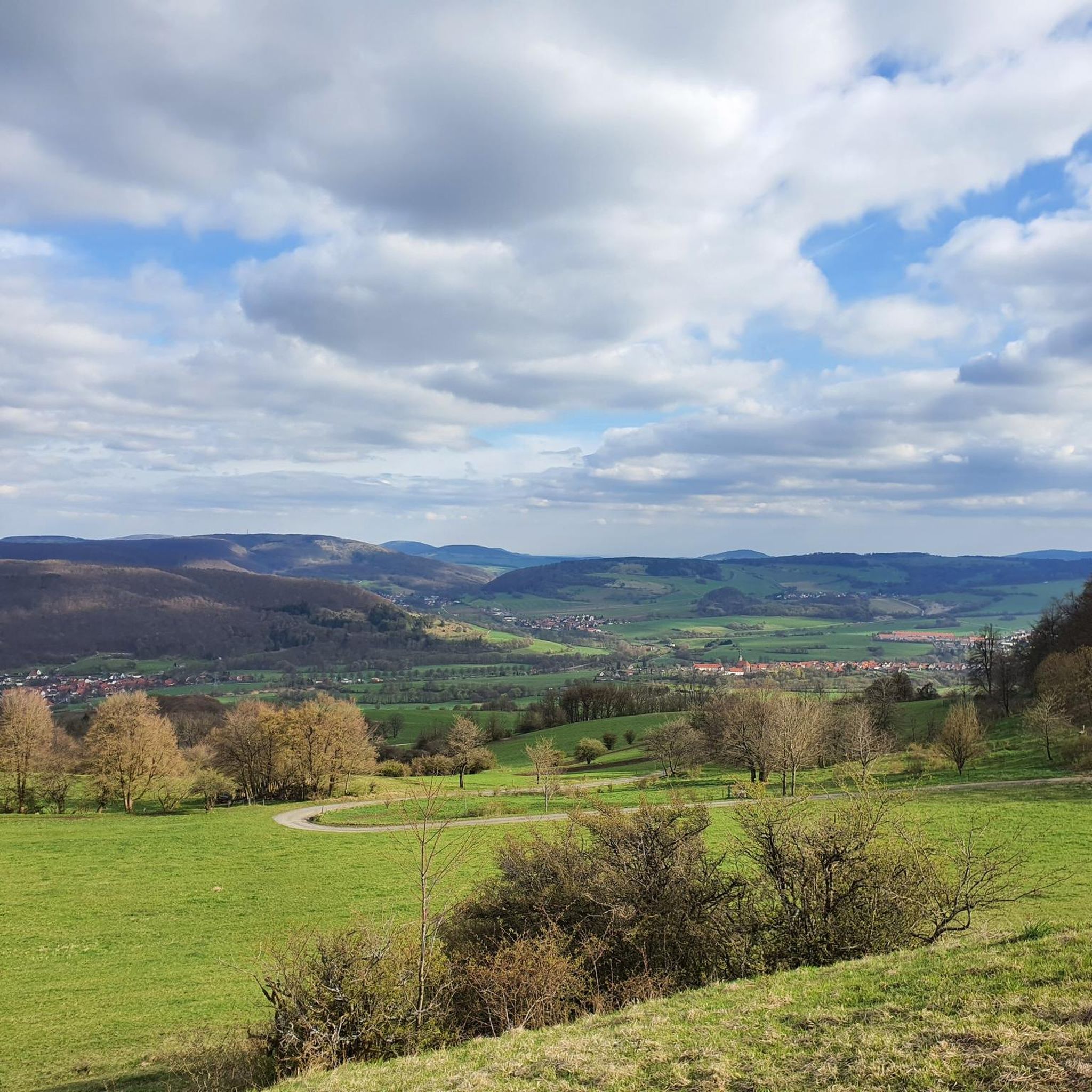
Best caves around Brunnhartshausen are primarily found within the Rhön Biosphere Reserve, an area characterized by diverse topography and significant basalt formations resulting from volcanic activity. While extensive limestone karst cave systems are not typical here, the region offers smaller, cave-like structures such as rock shelters and natural niches formed by erosion or tectonic processes. These geological features contribute to the unique landscape, making Brunnhartshausen a destination for exploring natural formations and engaging in Brunnhartshausen hiking trails.
Best caves around…
Last updated: June 27, 2026
Paulus Cave (Paulus Höhle) in the Ibengarten
Highlight (Segment) • Cave
Translated by Google •
Tip by

Rhönpaulus Cave (Baier Cave)
Highlight • Cave
Translated by Google •
Tip by

Sign up now to discover places like this
Get recommendations on the best single tracks, peaks, & plenty of other exciting outdoor places.
Sign up for free
Paulushöhle (Rhönpaulus' Hideout)
Highlight • Cave
Translated by Google •
Tip by

Remains of a dripstone cave
Highlight • Cave
Translated by Google •
Tip by

Baier Cave
Highlight • Cave
Translated by Google •
Tip by

Start today with a free account
Your next adventure awaits.
Login or Signup
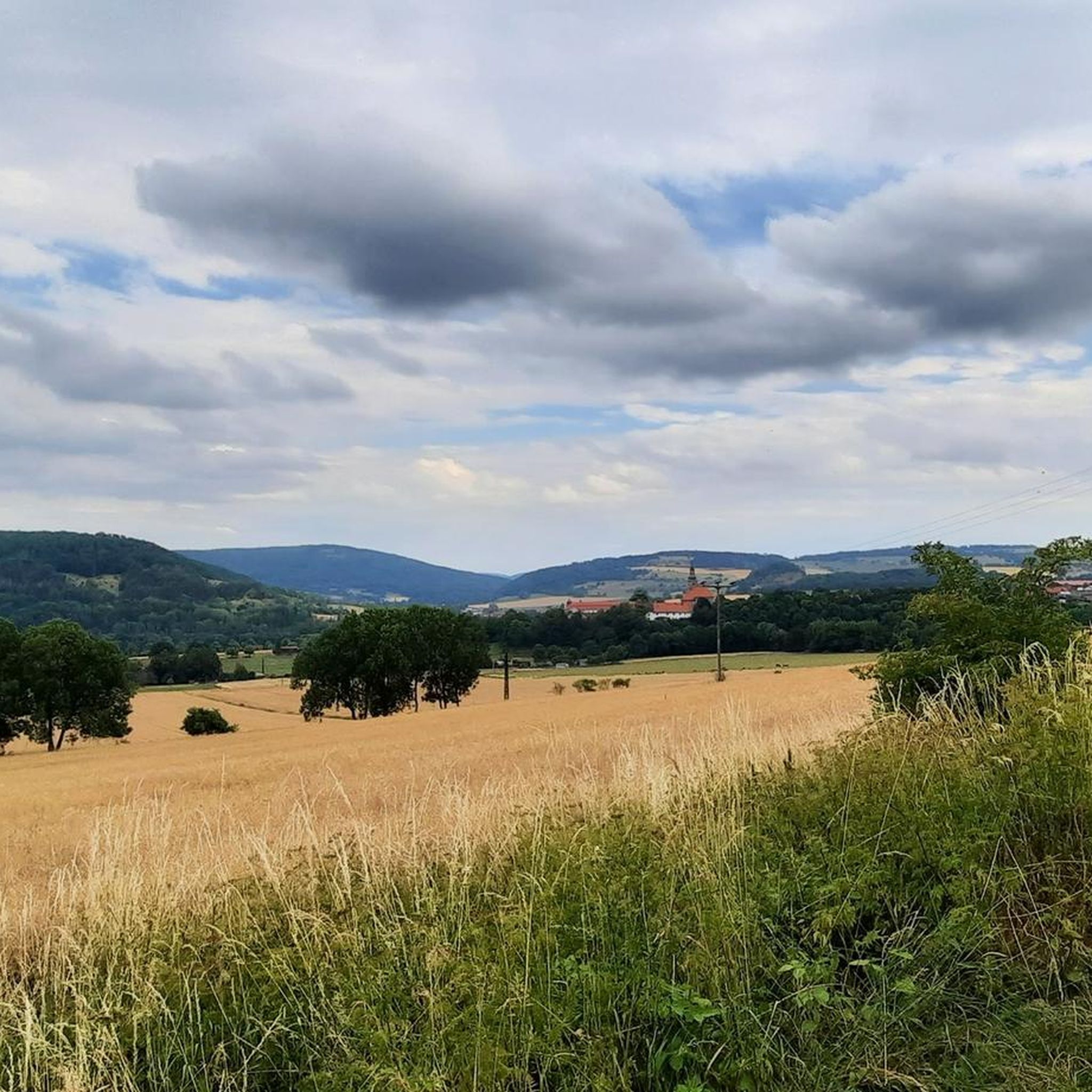
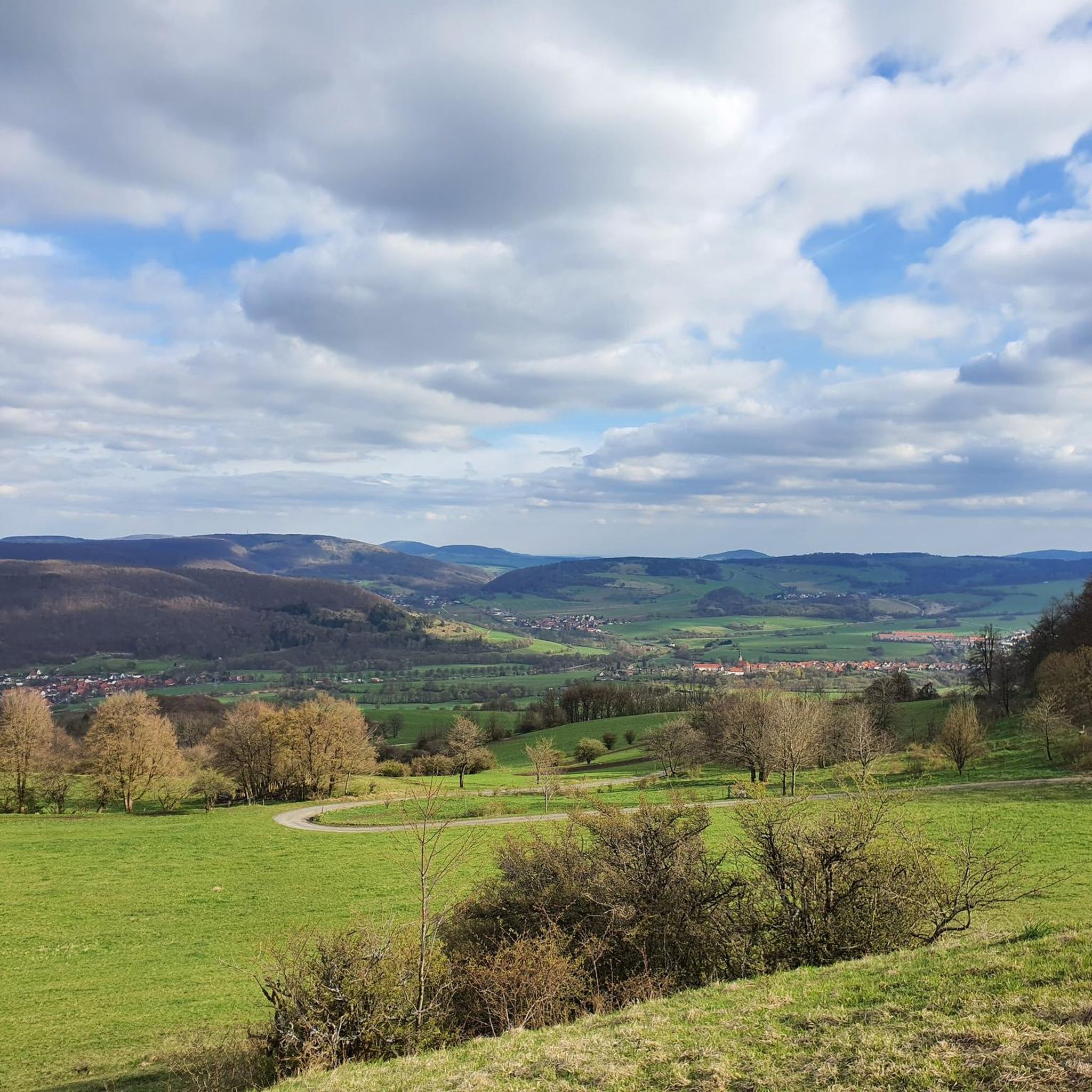
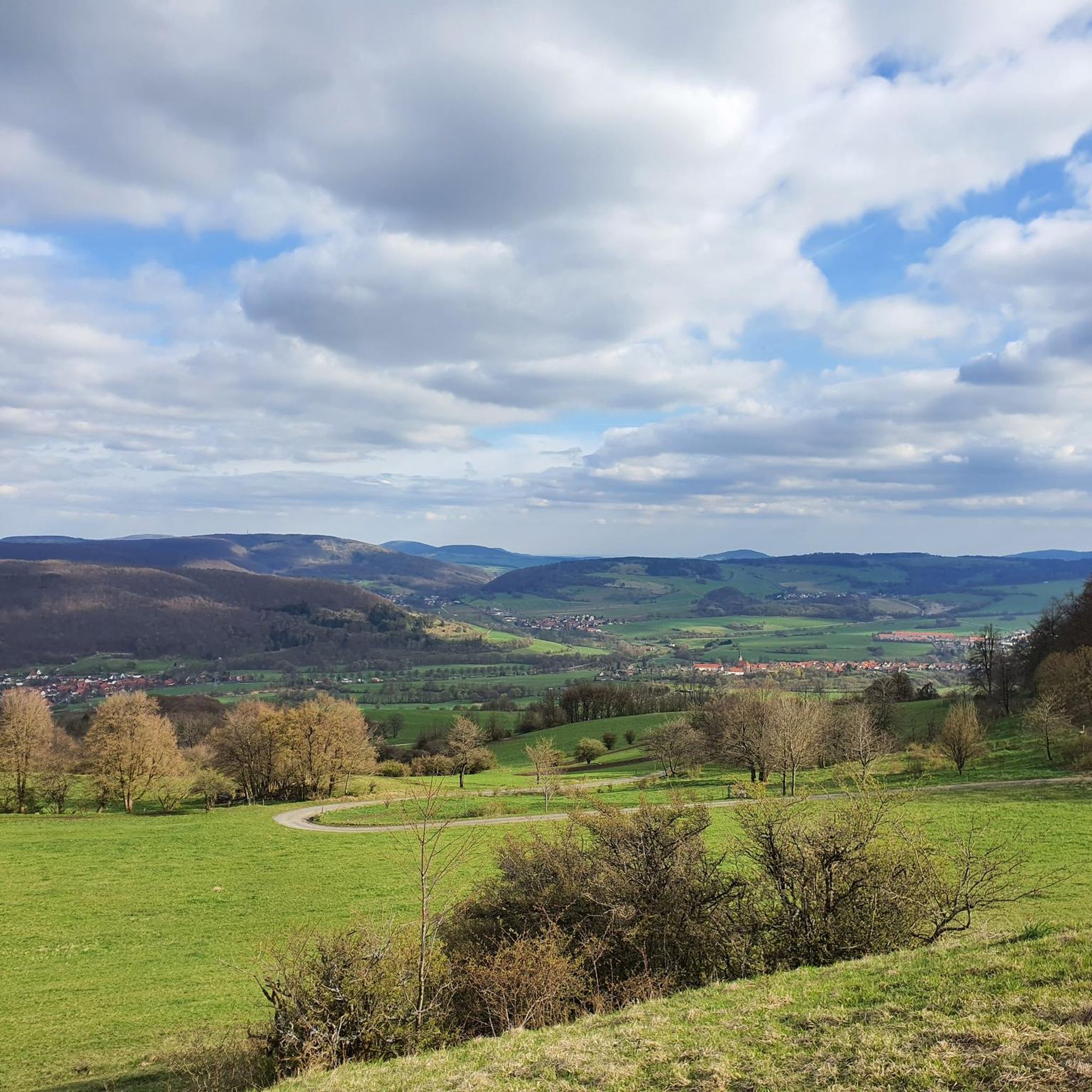
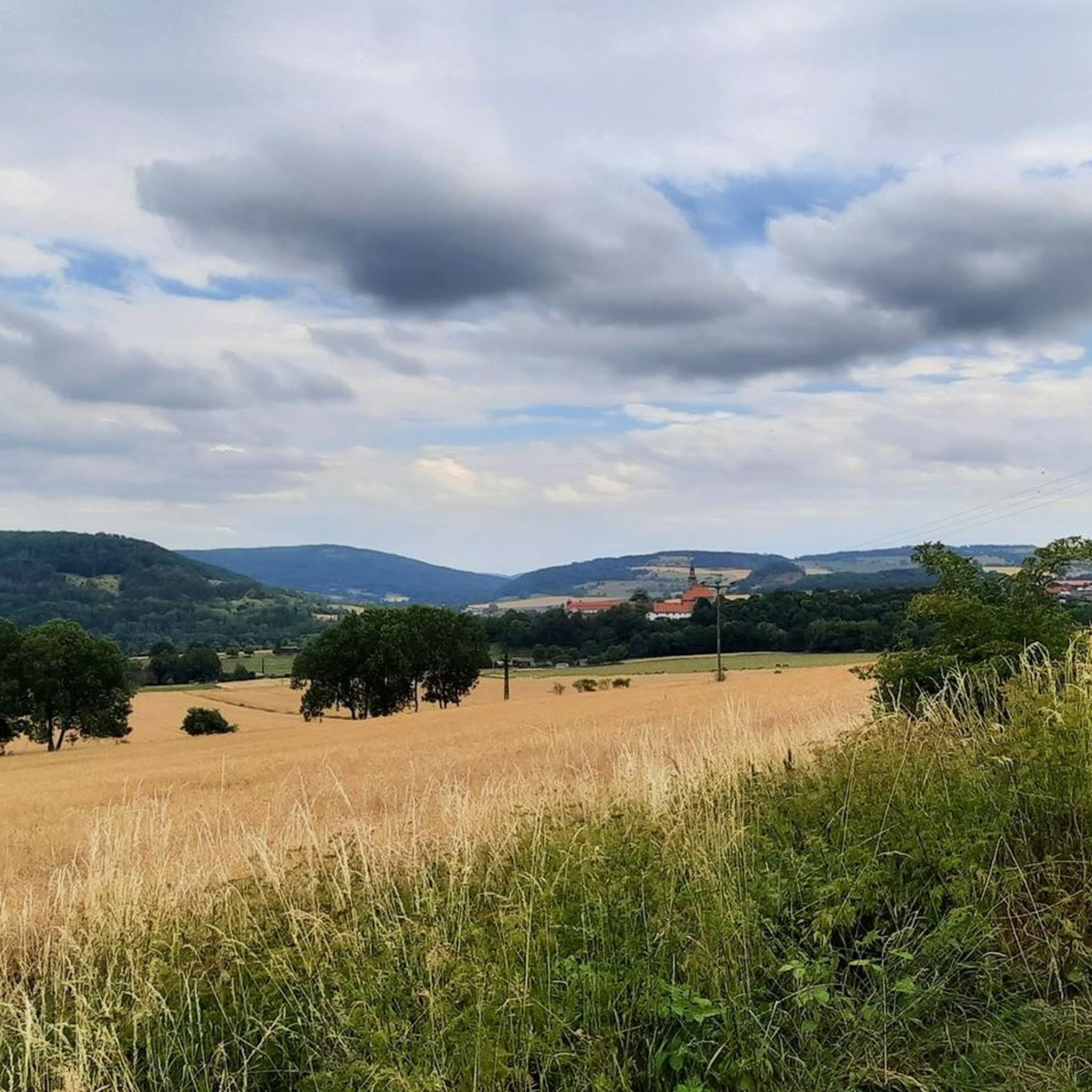

Tips from the Community

If the sign did not point to the remains of a stalactite cave, you would have no idea what you were looking at here... very inconspicuous
1
0

Unfortunately, it has now dried up. Only fragments of the stalactites can be found.
0
1

the path to the cave is steep, slippery and dangerous. Caution!
1
0


Ancient yew trees, nice and shady in summer
2
0
The yew stock was placed under protection on June 26, 1935. It is the oldest nature reserve in the Rhön and one of the oldest in Thuringia. The forest manager at the time, Otto Staudt (1920–1936), had pushed this through. The strongest specimens have trunk circumferences of approx. 2.5 m. The Ibenwald can be hiked through on a circular route.
6
0

Supposedly there used to be a stalactite cave here, but only the hint of an entrance remained
1
0
Frequently Asked Questions
What kind of caves can I expect to find around Brunnhartshausen?
The Brunnhartshausen area, part of the Rhön Biosphere Reserve, is characterized by basalt formations rather than extensive limestone karst cave systems. You will find smaller, cave-like structures such as rock shelters and natural niches, formed by erosion or tectonic processes. These are often integrated into the natural landscape and local history.
Are there any family-friendly caves to visit near Brunnhartshausen?
Yes, the region offers family-friendly options. For instance, the Rhönpaulus Cave in the Ibengarten is a historical site suitable for families. Another great option is Paulushöhle (Rhönpaulus' Hideout), which offers an interactive experience for children, including a treasure hunt.
What historical significance do the caves around Brunnhartshausen hold?
Many cave-like structures in the area are linked to local legends and history. The Rhönpaulus Cave in the Ibengarten and Paulushöhle (Rhönpaulus' Hideout) are associated with Johann Heinrich Valentin Paul, a legendary figure known as the Rhönpaulus. The Rhönpaulus Cave (Baier Cave) is also believed to have been a hideout for this historical robber.
Are there any caves that are also natural monuments?
Yes, several cave-like formations in the region are recognized as natural monuments. The Paulus Cave (Paulus Höhle) in the Ibengarten is located within a nature reserve known for its ancient yew trees. The Rhönpaulus Cave in the Ibengarten and Paulushöhle (Rhönpaulus' Hideout) are also designated natural monuments, as are the Remains of a dripstone cave.
What other outdoor activities can I do near the caves around Brunnhartshausen?
The Rhön Biosphere Reserve offers a variety of outdoor activities. You can explore numerous hiking trails, such as the 'View of Gläser Hill – Chapel Near Steinberg loop from Brunnhartshausen' or the 'Hirtentränke Picnic Area – Dermbacher Cliffs loop from Brunnhartshausen'. For more options, check out the Hiking around Brunnhartshausen guide. There are also road cycling and running routes available in the wider area.
What should I know about visiting the Rhönpaulus Cave (Baier Cave)?
The Rhönpaulus Cave (Baier Cave) is a historical site believed to be a hideout of the Rhönpaulus. Be aware that the path leading to this cave can be steep, slippery, and challenging, so caution is advised during your visit.
Are there any caves with unique natural features, like ancient trees?
Yes, the Paulus Cave (Paulus Höhle) in the Ibengarten is situated within the Ibengarten nature reserve, which is famous for its graceful stock of yew trees, some of which are up to 800 years old. This makes it a unique combination of geological interest and ancient forestry.
What is the general geological landscape like around Brunnhartshausen?
The region around Brunnhartshausen is part of the Rhön Biosphere Reserve, known for its diverse topography and significant basalt formations. These formations are a result of past volcanic activity, which has shaped the landscape and led to the creation of the smaller, cave-like structures found here.
Can I find any remnants of traditional stalactite caves in the area?
While extensive stalactite caves are not typical for this basalt-dominated region, you can visit the Remains of a dripstone cave. However, it's important to note that this cave has largely dried up, and only fragments of stalactites remain, making it quite inconspicuous.
What do visitors generally appreciate about the caves and natural sites near Brunnhartshausen?
Visitors appreciate the blend of geological interest with local legends and the unique natural environment. The sites often offer a variety of experiences, from exploring historical hideouts to enjoying the ancient yew trees in the Ibengarten. The komoot community has shared over 60 photos and given more than 80 upvotes for these locations.
Are there any specific hiking trails that include these cave-like structures?
Many of the cave-like structures are integrated into the local hiking network. For example, the caves in the Ibengarten are accessible via circular routes within the nature reserve. You can find various hiking options in the Hiking around Brunnhartshausen guide, which can help you plan routes that pass by these natural and historical sites.
Most popular routes around Brunnhartshausen
Most popular attractions around Brunnhartshausen

Get inspired with the komoot mobile app


Explore more
Extend your search for the best caves by checking out these guides of the top ones around Brunnhartshausen:
