Top 12 Caves around Berka vor dem Hainich
Caves near Berka vor dem Hainich are situated at the foot of the Hainich National Park, a region recognized for its natural monuments and extensive hiking opportunities. While the immediate vicinity of Berka vor dem Hainich is primarily known for its forest landscapes, the broader area features various natural caves and grottoes. These geological formations offer insights into the region's natural history and provide unique exploration opportunities. The area's natural caves are often integrated into hiking trails, allowing visitors to…
Last updated: June 27, 2026
Ludwigsklamm and Ludwig Grotto Waterfall
Highlight (Segment) • Gorge
Translated by Google •
Tip by

Path to Elias Cave
Highlight • Trail
Translated by Google •
Tip by

Sign up now to discover places like this
Get recommendations on the best single tracks, peaks, & plenty of other exciting outdoor places.
Sign up for free
Venus Cave
Highlight • Cave
Translated by Google •
Tip by

Elias Cave
Highlight • Cave
Translated by Google •
Tip by

Tannhäuser Cave
Highlight • Cave
Translated by Google •
Tip by
Sign up for free to discover even more caves around Berka vor dem Hainich.
Sign up for free
Already have an account?
Start today with a free account
Your next adventure awaits.
Login or Signup
Popular around Berka vor dem Hainich
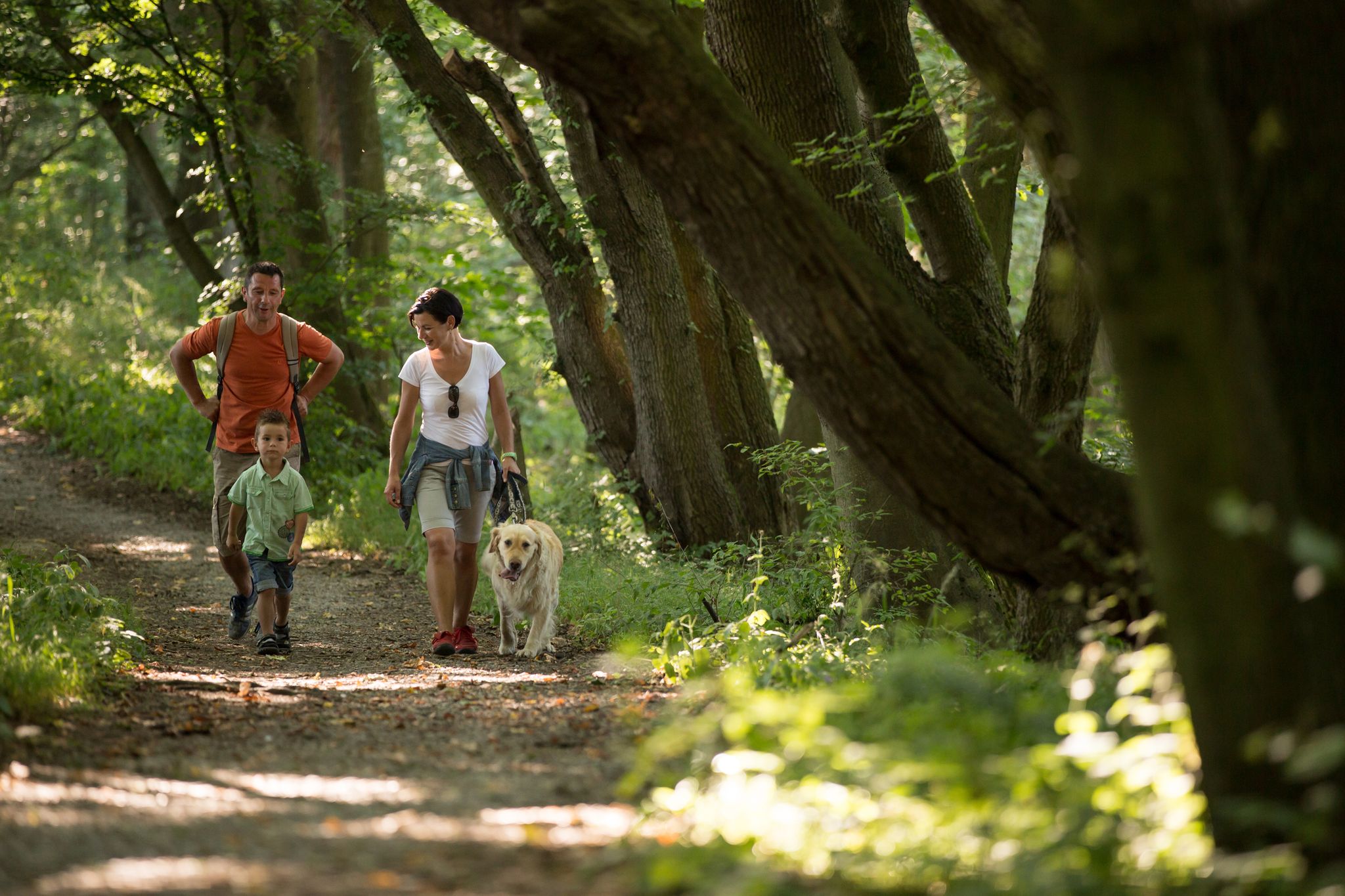
Hiking tips for Hainich National Park
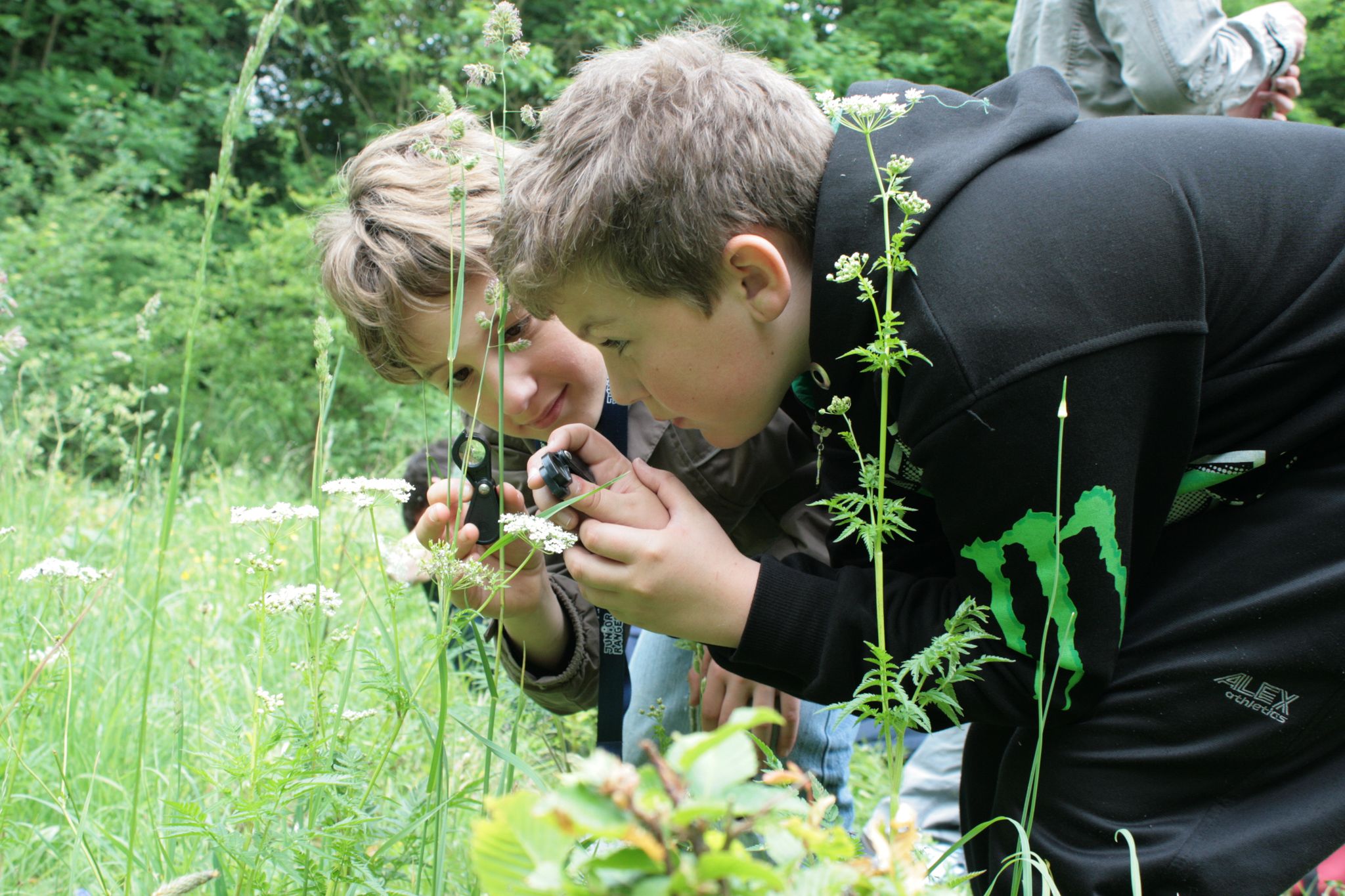
Events in Hainich National Park
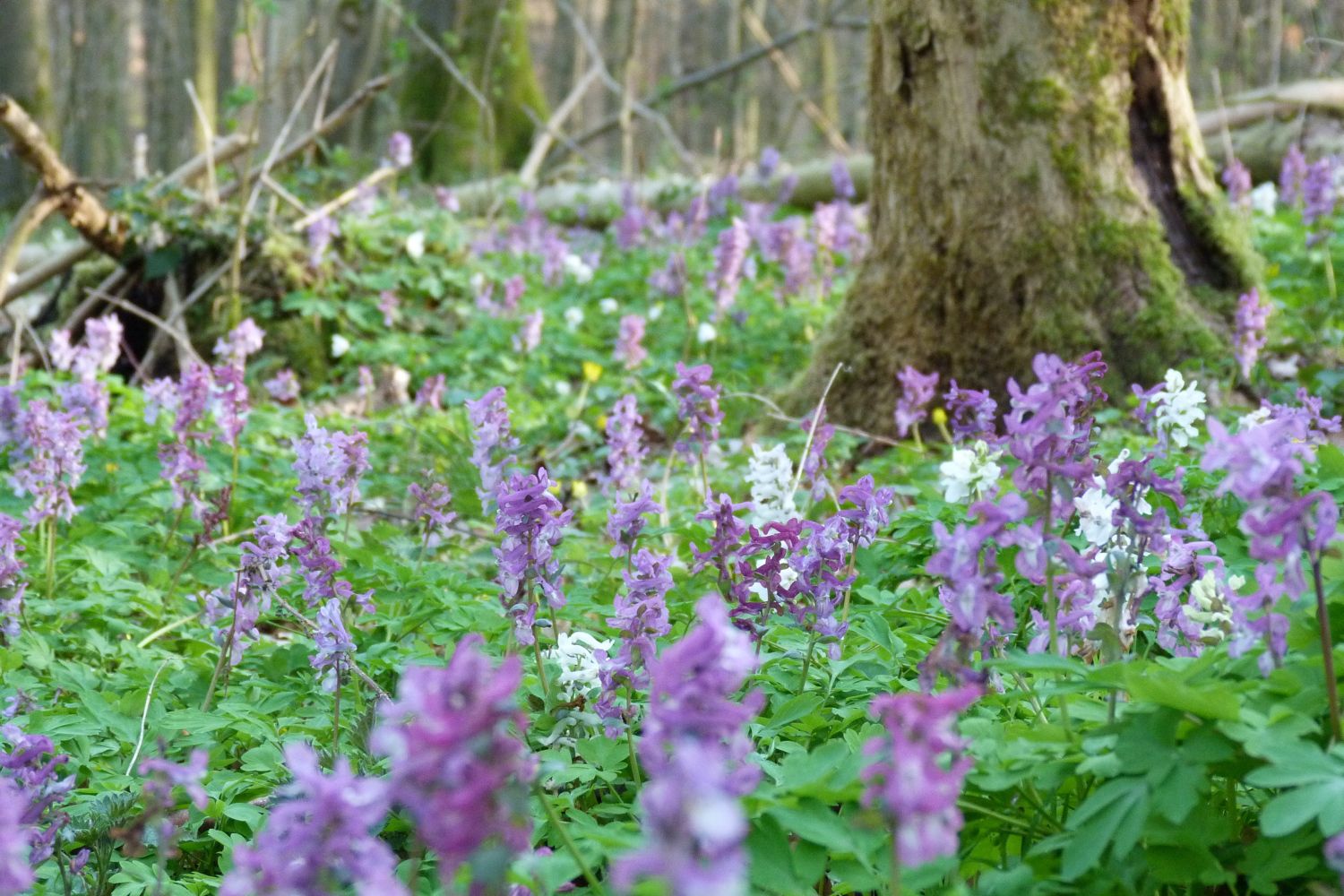
Spring in the Primeval Forest - on the trail of the flower carpet
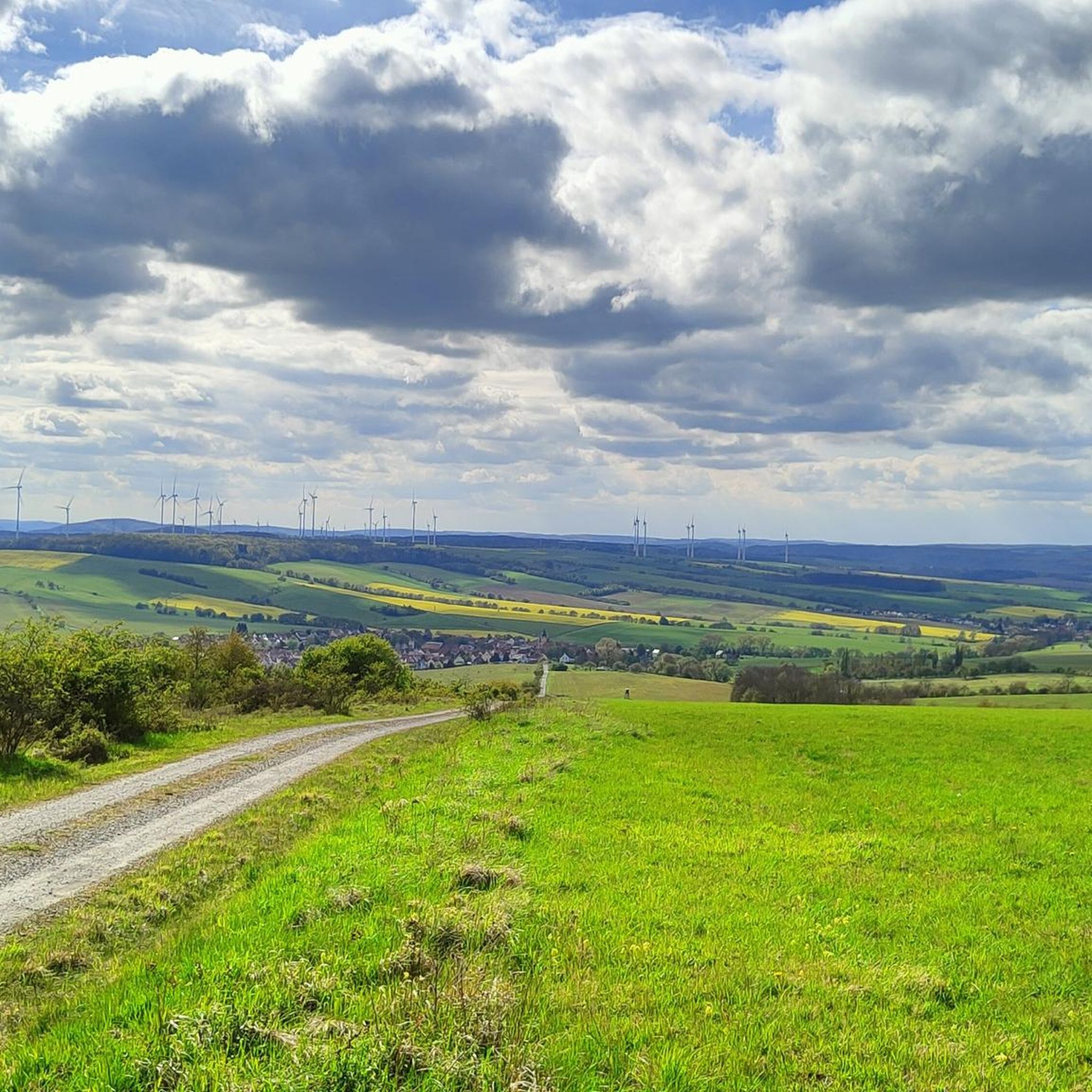
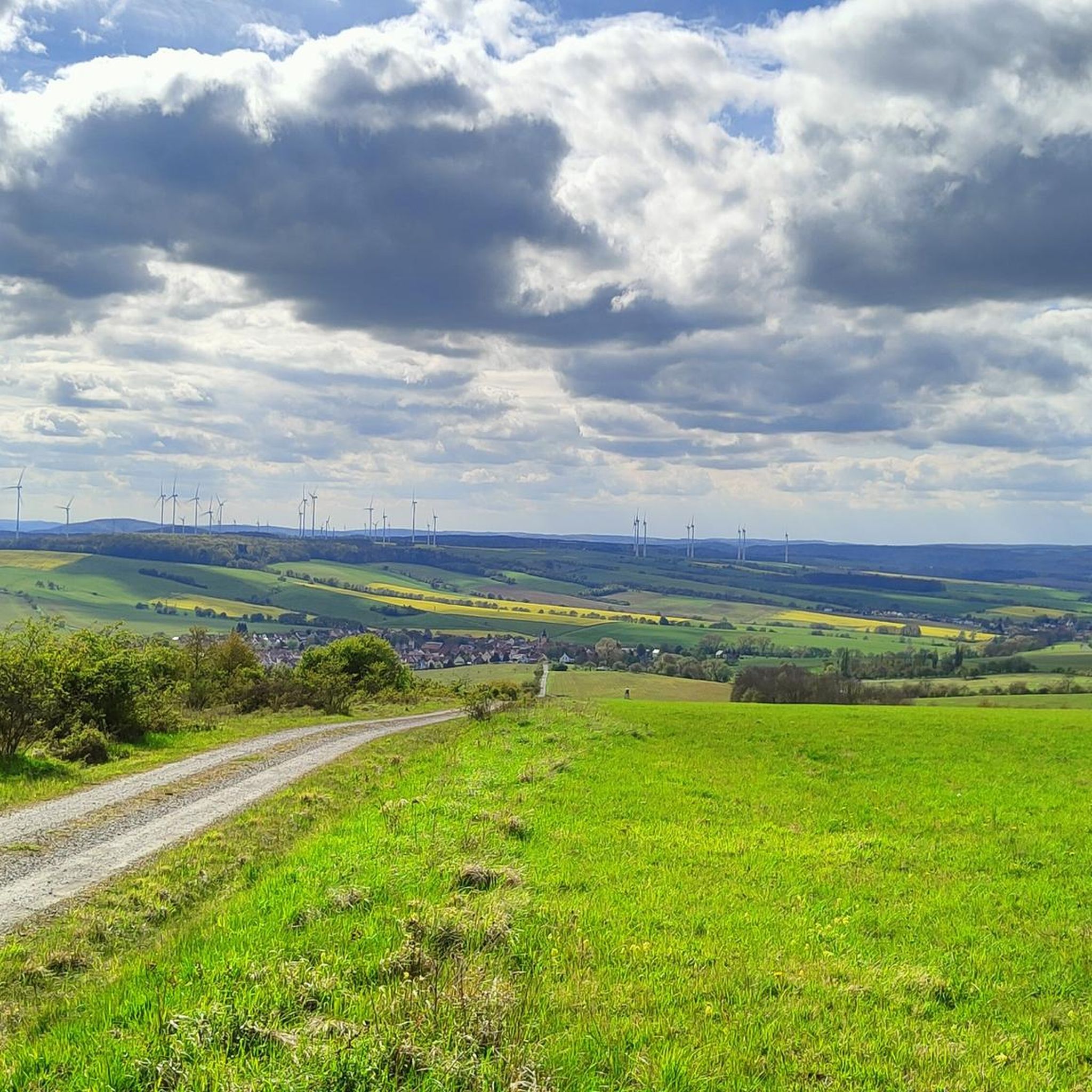
Hiking around Berka vor dem Hainich
MTB Trails around Berka vor dem Hainich
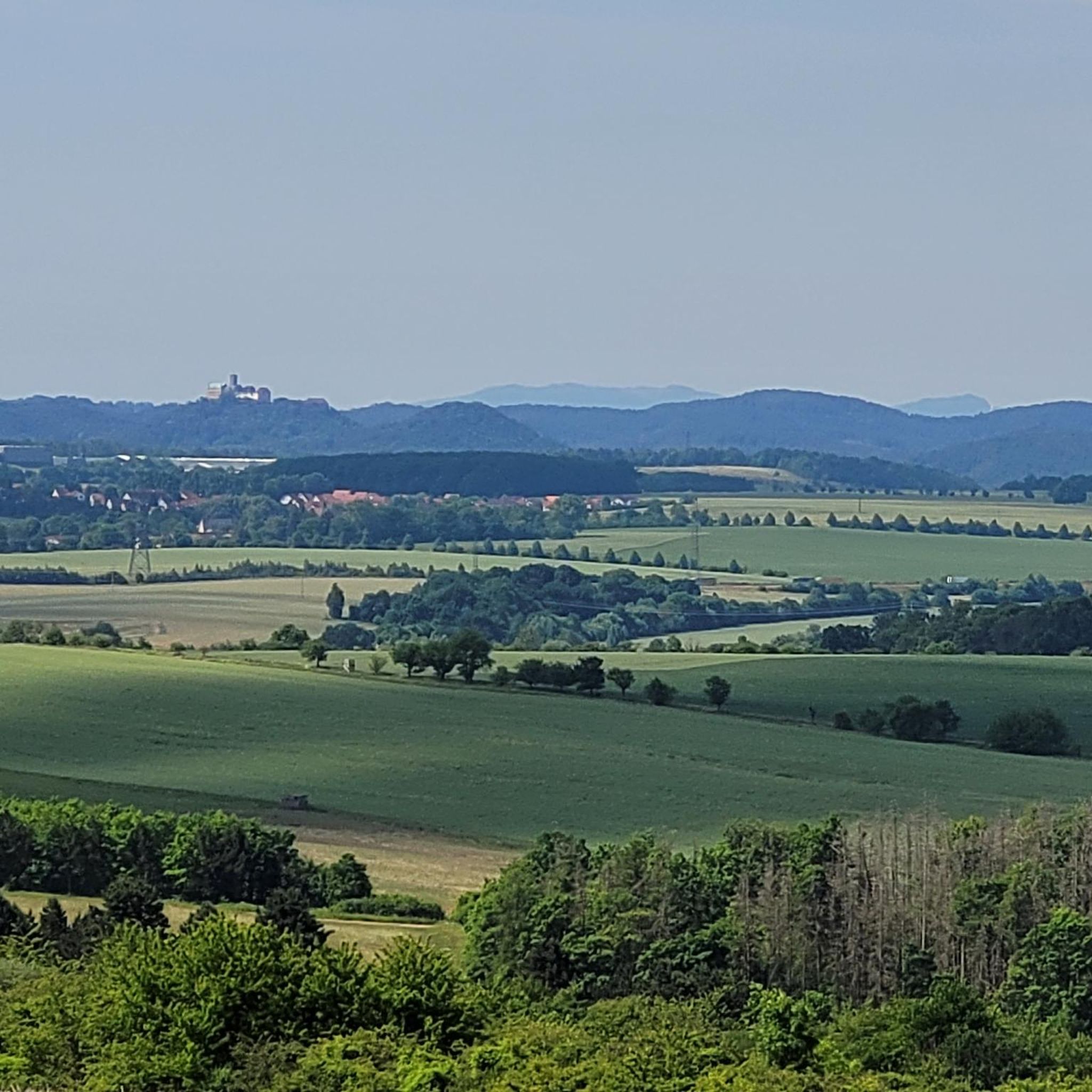
Cycling around Berka vor dem Hainich
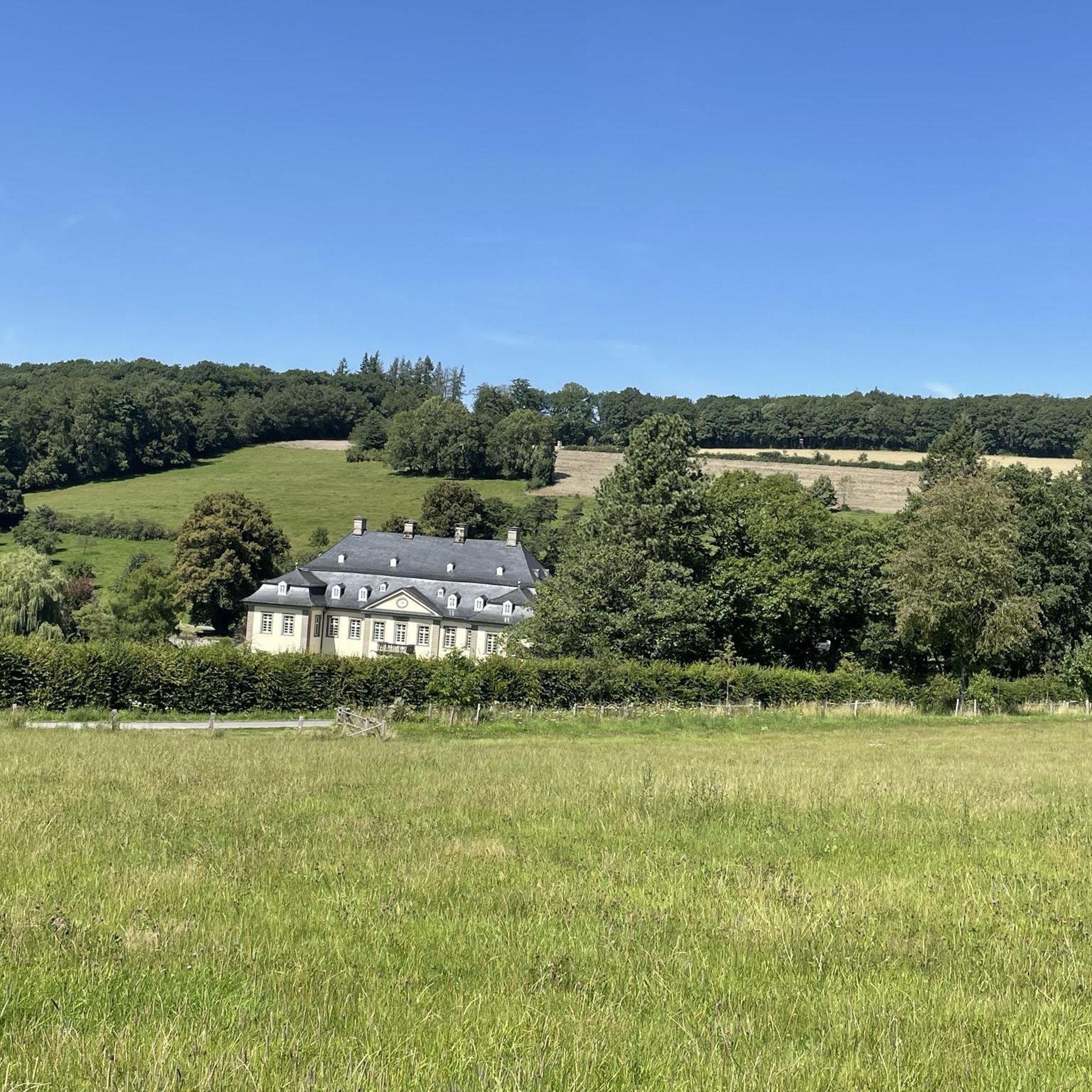
Gravel biking around Berka vor dem Hainich
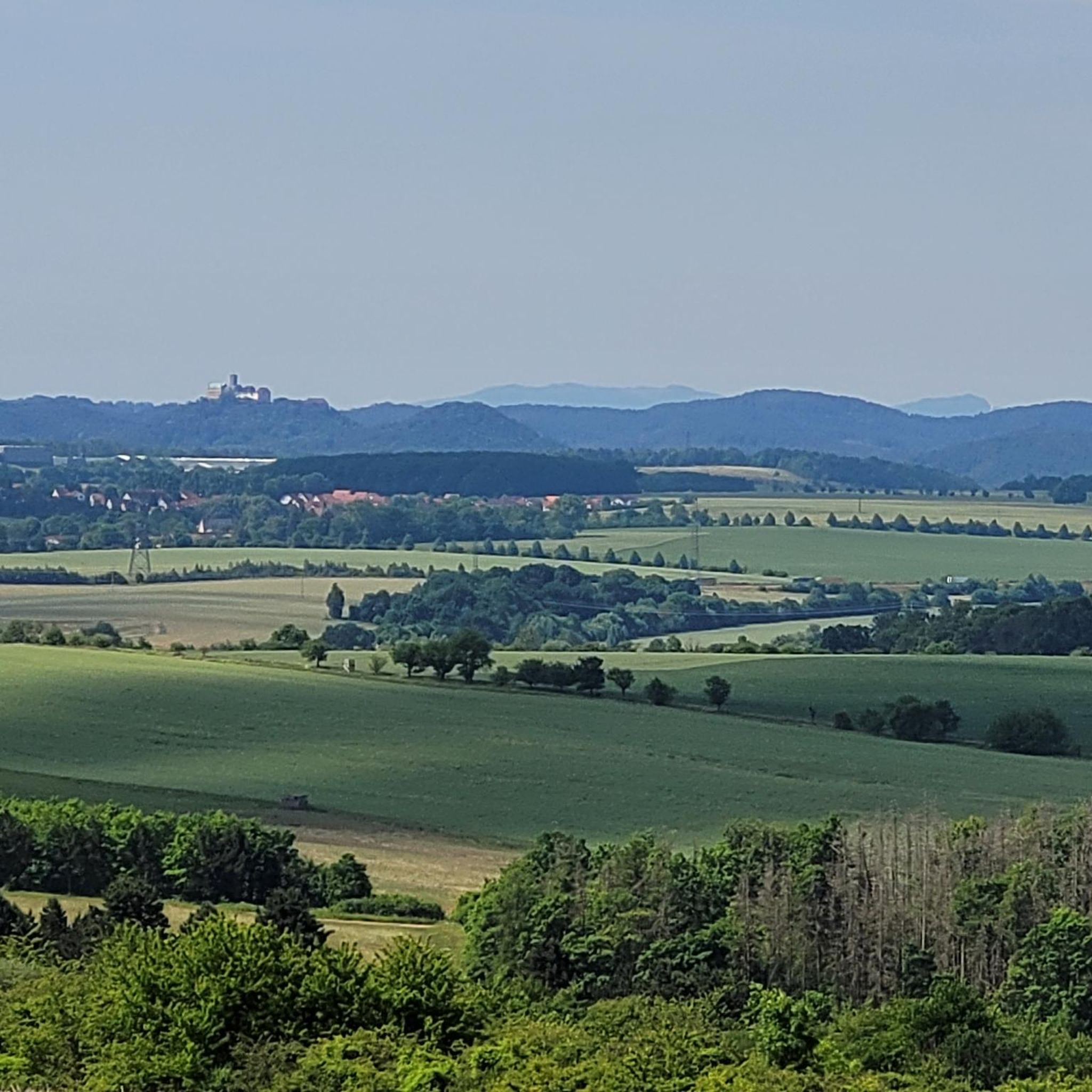
Road Cycling Routes around Berka vor dem Hainich
Running Trails around Berka vor dem Hainich

Tips from the Community

The cave is no longer a high rock crevice, which also does not go deep into the rock. The descent there is the most exciting. Technically, any child can do this, but a slip could have fatal consequences. Not for the politically correct and the timid.
2
0

A great adventure, about 15 meters into the shell limestone.
5
0

The easiest way is directly above the cave, descending a few steps, some of which are artificially constructed. The cave is a ravine, and no lamp is needed.
10
1
It's good that hikers can visit the cave. You do need a lamp even though the cave isn't very big.
10
1

Without rain it is a gentle trickle, with heavy rain it also becomes a waterfall.
0
0

Access is only easy for experienced mountain climbers. The descent is easy to miss. The Tannhäuser Cave is significantly larger and deeper than the Venus Cave
4
0

Simply beautiful, nothing more can be said.
2
0

Beautiful green lung of Eisenach
3
0
Frequently Asked Questions
What are the most popular caves and grottoes around Berka vor dem Hainich?
The most popular spots include Ludwigsklamm and Ludwig Grotto Waterfall, known for its quiet atmosphere and a cave-like widening with a small waterfall. Other favorites are Venus Cave, a natural monument approximately 15 to 20 meters deep, and Elias Cave, a small fissure cave part of an adventurous hiking trail.
Are there family-friendly caves to visit near Berka vor dem Hainich?
Yes, the Venus Cave is considered family-friendly. While it's about 15 to 20 meters deep, a lamp is recommended for exploration. The Ludwigsklamm gorge, which includes the Ludwig Grotto Waterfall, is also generally accessible for families looking for a scenic walk with a cave-like feature.
What natural features can I expect to see in the caves near Berka vor dem Hainich?
The region's caves and grottoes, like the Ludwigsklamm and Ludwig Grotto Waterfall, feature moss-covered rock formations and small waterfalls. The Venus Cave and Elias Cave are natural fissure caves, offering insights into the region's geological history. For more extensive formations, the Baumannshöhle and Hermannshöhle in the Harz mountains, though further away, boast impressive stalactites, stalagmites, and vast caverns.
What historical or cultural significance do the caves in this region have?
The Venus Cave is steeped in local folklore, with legends of Frau Venus or Hulda, a pagan goddess. The Tannhäuser Cave, discovered in 1928, is said to have inspired Richard Wagner's opera “Tannhäuser and the Singers' War on the Wartburg.” Further afield, the Baumannshöhle in Rübeland is Germany's oldest show cave, with organized tours dating back to 1646, and its 'Goethesaal' has hosted cultural events for centuries.
Where are the major show caves located in the broader region, and what makes them unique?
The most significant show caves in the broader region are the Baumannshöhle and Hermannshöhle, both located in Rübeland in the Harz mountains. The Baumannshöhle is famous for its diverse stalactite and stalagmite formations, including the 'Goethesaal' where concerts are held. It is Germany's oldest show cave. The Hermannshöhle is a river cave known for its vast caverns, the sparkling 'Kristallkammer,' and the 'Olmensee,' which is home to Germany's only native olms. You can find more information about Baumannshöhle on Wikipedia and Hermannshöhle on Wikipedia.
What outdoor activities can I combine with visiting caves near Berka vor dem Hainich?
The caves around Berka vor dem Hainich are often integrated into hiking trails. For example, the Elias Cave is part of an adventurous hiking trail. You can find numerous hiking routes in the area, such as the 'Visit to the Forest Oracle' or the 'Craulaer Kreuz' loop. Explore more options on the Hiking around Berka vor dem Hainich guide. There are also gravel biking and cycling routes available, like the 'Werra Cliffs' loop, detailed in the Gravel biking around Berka vor dem Hainich guide and Cycling around Berka vor dem Hainich guide.
How accessible are the caves near Berka vor dem Hainich?
Many of the natural caves and grottoes in the immediate vicinity, such as the Ludwigsklamm and Venus Cave, are accessible via hiking trails. However, some, like the Tannhäuser Cave, may require surefootedness or are only easily accessible for experienced hikers due to steps or narrow passages. The show caves in the Harz, Baumannshöhle and Hermannshöhle, involve descending approximately 300 steps during their guided tours.
What should I know about visiting the Venus Cave?
The Venus Cave is approximately 15 to 20 meters deep, and a lamp is recommended for exploration. During the winter months, it serves as a bat sanctuary and is closed to visitors to protect the animals. It's also known for its local legends of Frau Venus.
Is it possible to visit caves in the winter around Berka vor dem Hainich?
Some natural caves, like the Venus Cave, are closed during winter months to protect hibernating bats. For other natural grottoes and cave-like formations integrated into hiking trails, accessibility might depend on weather conditions, such as snow or ice. Show caves like Baumannshöhle and Hermannshöhle in the Harz typically operate year-round, but it's always best to check their specific opening hours before planning a winter visit.
What do visitors enjoy most about the caves around Berka vor dem Hainich?
Visitors appreciate the unique exploration opportunities and the integration of these geological features into scenic hiking trails. The Ludwigsklamm is praised for its quiet atmosphere and beautiful waterfall. The adventurous trails leading to caves like Elias Cave, with gigantic beeches and impressive rock formations, are also highly rated. The community has shared over 480 photos and given more than 530 upvotes for the caves in the region.
Are there any hidden or less-known caves worth exploring?
While the guide highlights popular spots, the region around Berka vor dem Hainich, being at the foot of the Hainich National Park, features various natural caves and grottoes. The Ludwigsklamm, for instance, is described as more familiar to locals and quieter than other gorges, offering a more secluded experience with its grotto.
What kind of geological formations can be found in the caves of the wider region?
The natural caves around Berka vor dem Hainich are primarily fissure caves and grottoes within rock formations. In the broader region, particularly in the Harz mountains, the Baumannshöhle is renowned for its immense wealth of diverse stalactite and stalagmite formations. The Hermannshöhle, a river cave, features vast caverns, unique dripstone formations, and the sparkling 'Kristallkammer'.
Most popular routes around Berka vor dem Hainich
Most popular attractions around Berka vor dem Hainich

Get inspired with the komoot mobile app


Explore more
Extend your search for the best caves by checking out these guides of the top ones around Berka vor dem Hainich:
