Top 9 Castles around Biberach an der Riß
Castles around Biberach an der Riß offer a journey through the region's rich history, with several notable examples in the surrounding district. The area features a mix of reconstructed medieval fortifications, historically significant family seats, and cultural centers. These sites provide insights into past eras, from daily medieval life to centuries of aristocratic heritage. The landscape around Biberach an der Riß provides a setting for exploring these historical structures.
Best castles around Biberach an der Riß
- The most popular castles…
Last updated: May 15, 2026
Bachritterburg Kanzach Open-Air Museum
Highlight • Historical Site
The history of the Bach Knights can probably be described in close unity with the genealogy of the Lords of Pflummern but also with the ruling situation in …
Translated by Google •
Tip by

Monastery Church of Bad Buchau
Highlight • Religious Site
774 - 1776 converted from a Gothic church in the style of French classicism for the noble canonesses. Josef Christian from …
Translated by Google •
Tip by
Sign up now to discover places like this
Get recommendations on the best single tracks, peaks, & plenty of other exciting outdoor places.
Sign up for free
Schlössle Alberweiler
Highlight • Castle
Translated by Google •
Tip by

Stadion Castle
Highlight • Castle
Rectangular building with mansard roof, horseshoe-shaped tower construction erected on the obverse, in the castle courtyard former domain chancellery with corner pilasters.
Translated by Google •
Tip by

Schenkenburg Castle Ruins
Highlight • Castle
Translated by Google •
Tip by

Sign up for free to discover even more castles around Biberach an der Riß.
Sign up for free
Already have an account?
Start today with a free account
Your next adventure awaits.
Login or Signup
Popular around Biberach an der Riß
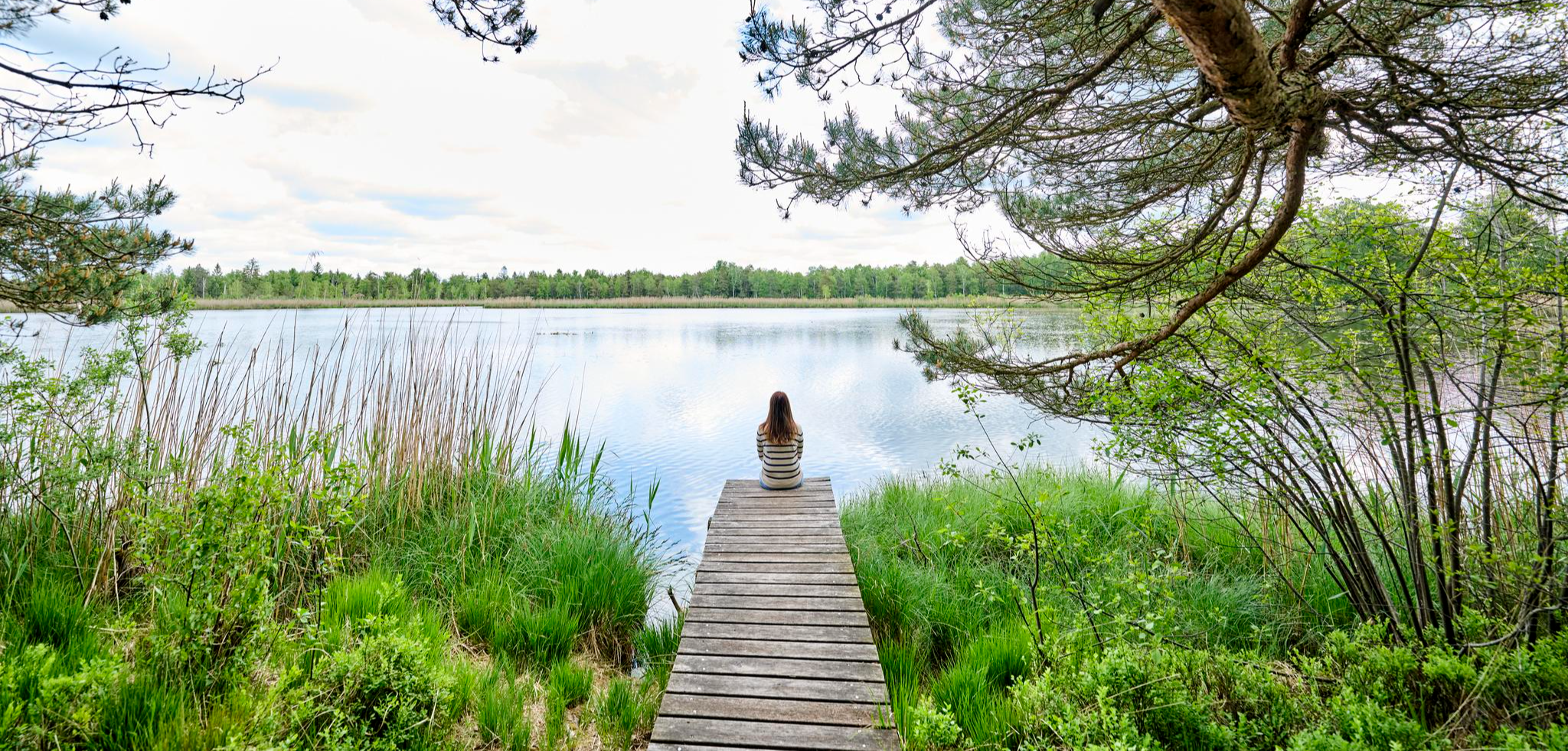
Nature, city, Baroque – short breaks in Upper Swabia-Allgäu
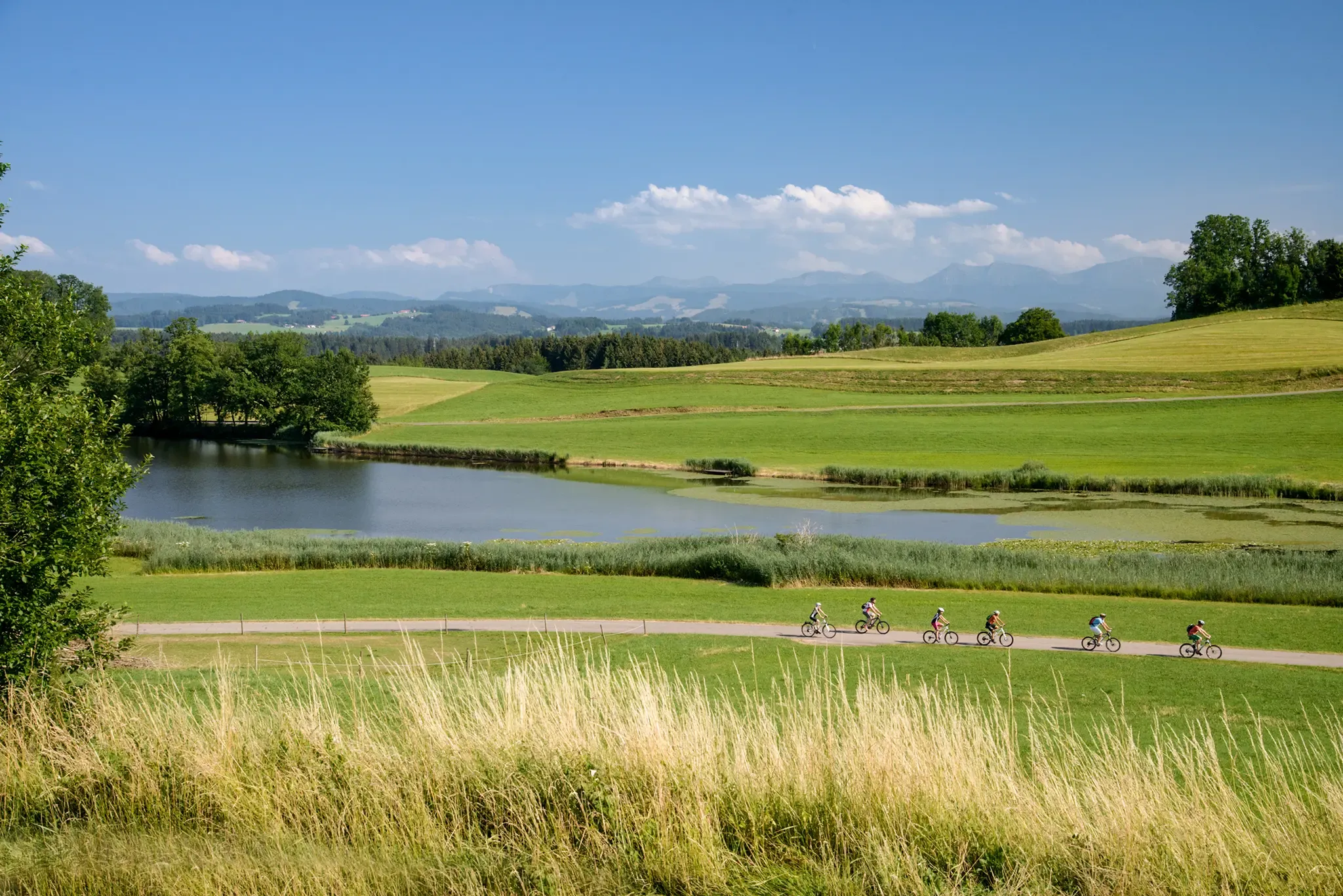
Water as a constant companion: the DONAU-BODENSEE cycle path
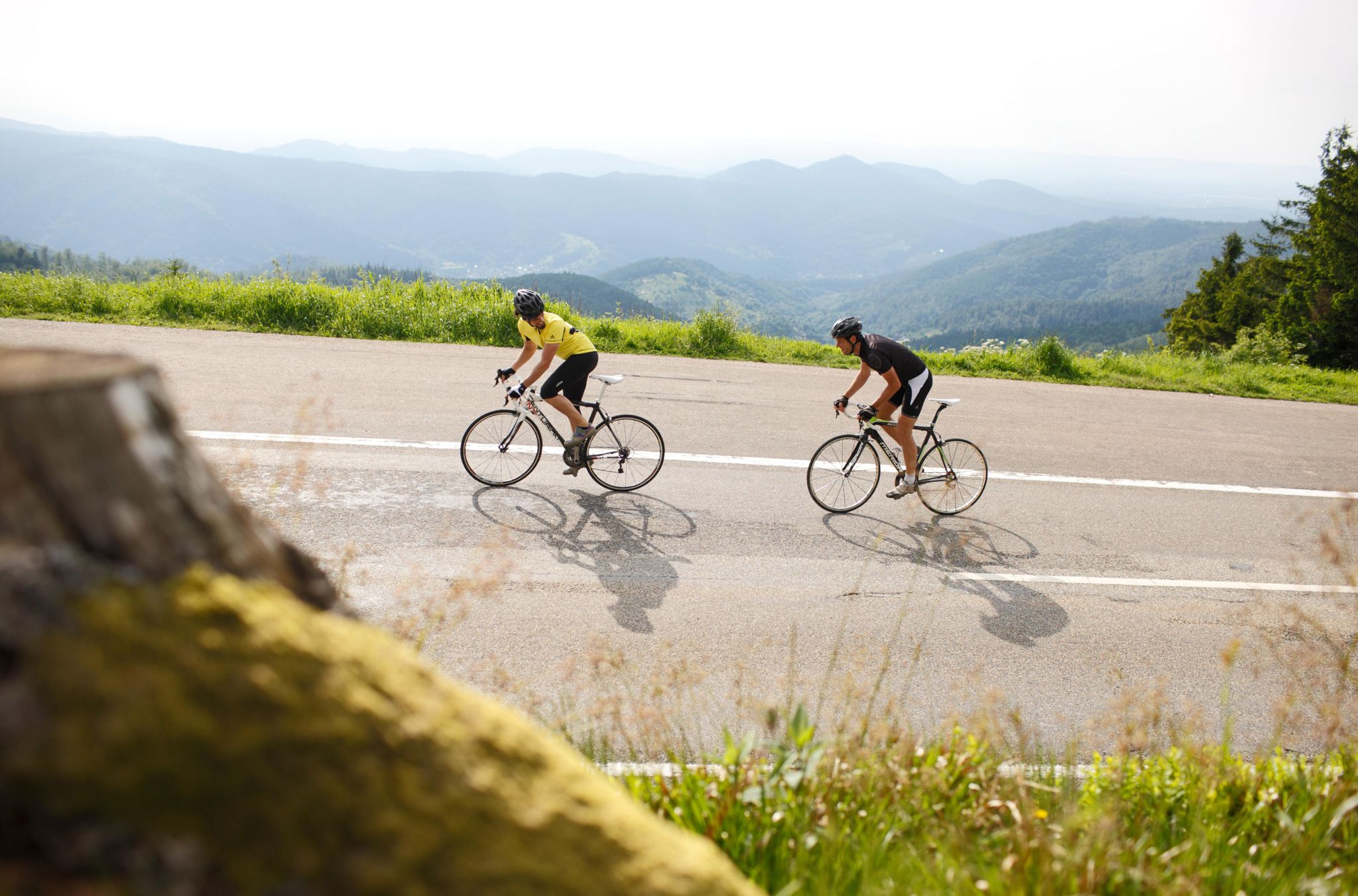
Discover Germany’s Baden-Württemberg by road bike
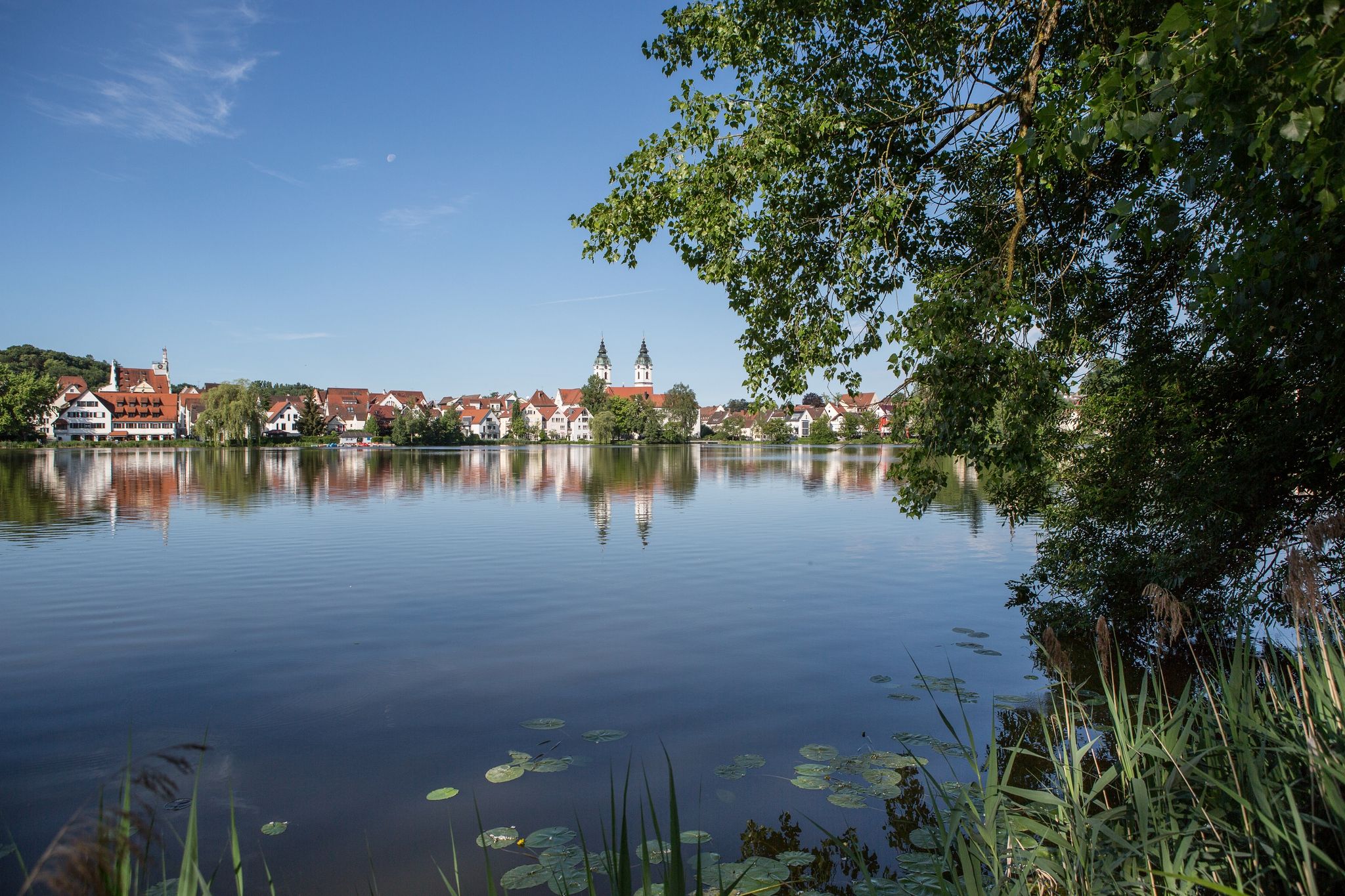
Discover Upper Swabia — Donau-Bodensee Cycle Route in 4 stages
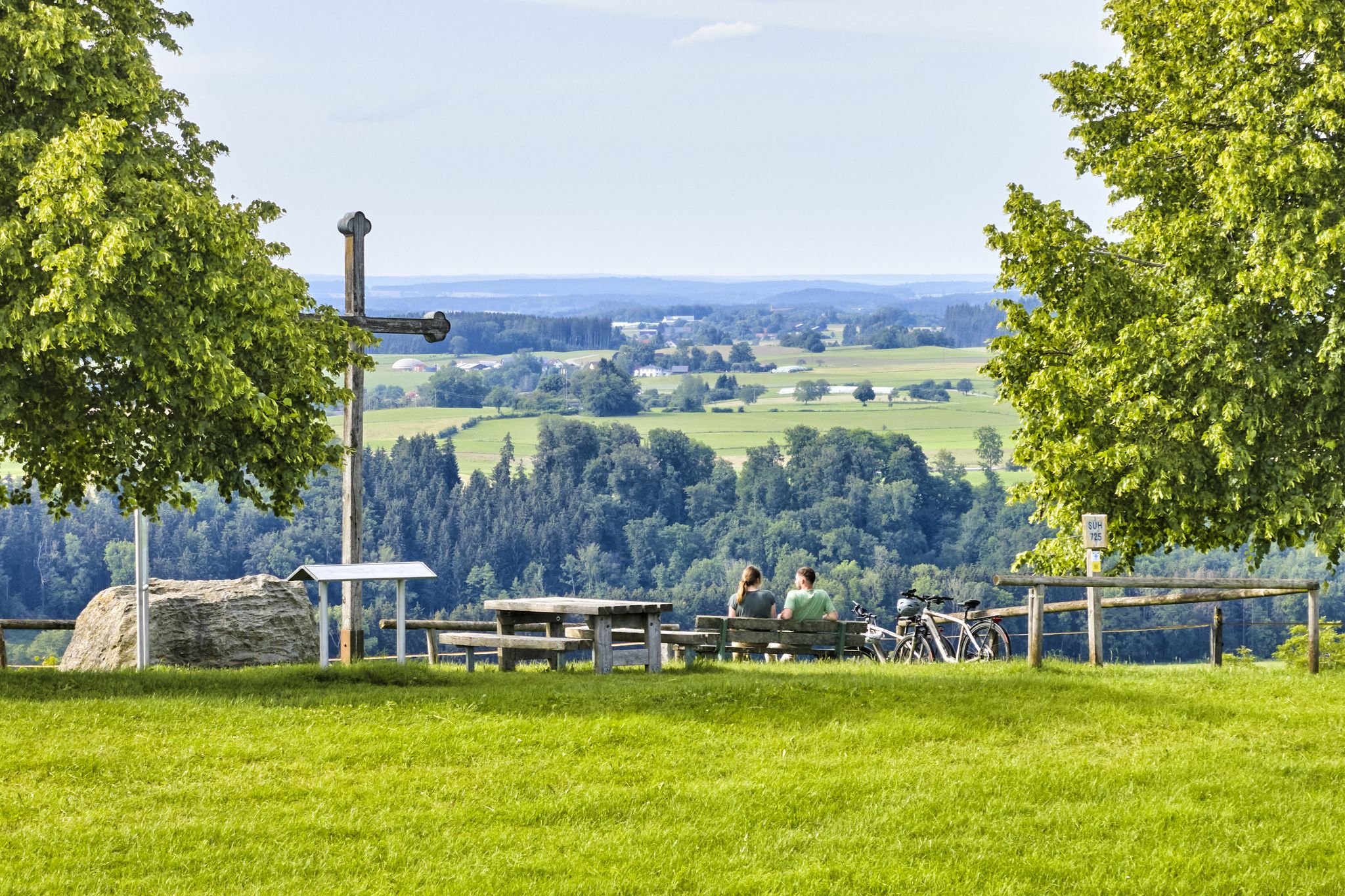
Cycling through Upper Swabia in Germany – beautiful paths & landscapes
Cycling around Biberach an der Riß
Road Cycling Routes around Biberach an der Riß
Hiking around Biberach an der Riß
Running Trails around Biberach an der Riß
MTB Trails around Biberach an der Riß
Other adventures around Biberach an der Riß


Tips from the Community

The castle ruins were the Schenkenburg and belonged to the former imperial city of Winterstetten.
1
0

Great church, which belongs to the castle
2
0

It is a beautiful place, also good for a rest. It is easier to drive to the castle via the Stadelhof
0
0

Collegiate Church of St. Cornelius and Cyprian", Bad Buchau 774 - 1776 converted from a Gothic church in the style of French classicism for the noble canonesses. Josef Christian from Riedlingen created the sculptures in the church, and Andreas Brugger painted the ceiling paintings in the choir and central nave. The church patrons Cornelius and Cyprianus still refer to the Carolingian tradition today. Adelindis, revered as a Swabian folk saint, rests with her three sons in the crypt of the collegiate church. Text / Source: Upper Swabia's sights https://www.oberschwaben-tourismus.de/attractions/stiftskirche-st.-cornelius-und-cyprian-b4c91cc6ec#:~:text=The%20Stiftskirche%20was%20not%20as%20Pfarrkirche%20built%2C%20but, and%20Cyprianus%20refer%20to%20the%20time%20of the%20Carolingians.
12
0
Bachritterburg, Kanzach The history of the Bach Knights can probably be described in close unity with the genealogy of the Lords of Pflummern but also with the ruling situation in Kanzach. “Lords of Kanzach” are mentioned several times in documents from the 12th to 14th centuries. First it is Bernardus and his son Ortolfus who are named as witnesses in documents from Bishop Otto of Constance and Duke Henry of Bavaria and Saxony for the Salem monastery in 1169 and 1171. With the next mention in 1227, the Kanzach local nobility probably moved to Pflummern. Kanzach is subsequently a branch of the Pflummer family castle. In the document from 1227, Bilgerinum de Pphlumnar and his son Ortolfum de Cantza are named as witnesses. Bilgerinum (vulgo) Peregrinus, the knight from and to Pflummern (from the Chronicle of the Lords of Pflummern, Aloys von Pflummern 1795) is considered the progenitor of the Lords of Pflummern. This knight's seat was donated to the Reichenau Monastery by the then Swabian Duke Berchthold, who had his seat on the Bussen. He was later freed from this and given his own nobility. In 1180 Peregrinus was steward to Emperor Philip, the Duke of Swabia. Peregrinus is considered a co-founder of the monasteries of Salem, St. Gallen and Heiligkreuztal (written down by Father Bucelini, a well-known historian and Benedictine monk from Weingarten Abbey). After his father's death (1227), his son Ortolph also became steward (to Emperor Friedrich II). Text / Source: Municipality of Kanzach, Rathausweg 6, 88422 Kanzach https://www.bachritterburg.de/die-burg/die-bachritter/
13
4

This is really worth seeing. Too bad the tavern was closed.
1
0

Very magnificent baroque church - huge
1
0

Frequently Asked Questions
What types of castles can I explore around Biberach an der Riß?
The region around Biberach an der Riß offers a diverse range of castles. You can find meticulously reconstructed medieval fortifications like the Bachritterburg Kanzach Open-Air Museum, historically significant family seats such as Schloss Wilflingen, and cultural centers like Schloss Großlaupheim. There are also castle ruins, like the Schenkenburg Castle Ruins, which offer a glimpse into past eras.
Which castles are particularly good for families with children?
The Bachritterburg Kanzach Open-Air Museum is highly recommended for families. It's a reconstructed 13th-century wooden castle that allows visitors to immerse themselves in medieval daily life through hands-on displays and activities. Regular events often feature craftspeople and performers, making history engaging for all ages. Koenig’s Arboretum and Sommershausen Castle Park also offers a beautiful, freely accessible park that families can enjoy.
Can I visit a castle that is still inhabited or offers a glimpse into aristocratic family history?
Yes, Schloss Wilflingen has been continuously owned by the Schenken von Stauffenberg family since 1464. It offers a unique glimpse into 525 years of family history, art, and culture. Visitors can often experience a guided tour by the current owner, sharing stories from the Middle Ages to the present.
Are there castles that also serve as cultural centers or museums?
Schloss Großlaupheim is a prominent cultural hub. It houses the Museum of the History of Christians and Jews, a cultural center, city archives, and a castle café. The museum provides a unique perspective on local history and intercultural relations, including a section dedicated to Carl Laemmle, the founder of Universal Pictures.
What are the opening hours and best time to visit the Bachritterburg Kanzach?
The Bachritterburg Kanzach Open-Air Museum is generally open from April 1st to September 30th, daily from 10:00 to 18:00 (closed Mondays, but open Easter Monday and Whit Monday). From October 1st to November 5th, it's open Tuesday to Friday from 13:00 to 17:00, and Saturday/Sunday from 10:00 to 18:00. Groups can arrange visits outside these hours. It's part of the ArchäoPark Federsee, making spring and autumn pleasant times to visit for comfortable outdoor exploration.
Are there any castles with notable parks or natural features?
Yes, Koenig’s Arboretum and Sommershausen Castle Park features a small castle and a beautiful, freely accessible castle park with a pond. The arboretum itself holds 27 exotic tree species. Schloss Großlaupheim also boasts a rose garden, which is particularly enchanting during blooming season.
What kind of outdoor activities can I do near these castles?
The area around Biberach an der Riß offers various outdoor activities. You can find numerous routes for gravel biking, running, and road cycling. For example, you could try the 'Wolfental Stream – Motscha Viewpoint loop' for gravel biking or the 'Biberach–Ummendorf Cycle Path – Trail along the Riß River loop' for running. You can explore more options in the Gravel biking around Biberach an der Riß, Running Trails around Biberach an der Riß, or Road Cycling Routes around Biberach an der Riß guides.
Are there any lesser-known or 'hidden gem' castles worth visiting?
While not a hidden gem in the traditional sense, Schlössle Alberweiler is a charming castle with a rich history, first mentioned in 1488. It features beautiful half-timbered construction and old beamed ceilings. It's a delightful detour, especially when combined with a visit to the nearby rectory and church.
What is the historical significance of the Bachritterburg Kanzach?
The Bachritterburg Kanzach Open-Air Museum is a meticulously reconstructed 13th-century wooden motte-and-bailey castle. It's significant because it provides a tangible and educational representation of medieval life, based on archaeological findings and written sources. It allows visitors to understand how people lived and worked in such fortified residences during the Middle Ages.
What can I expect to see at the Schenkenburg Castle Ruins?
The Schenkenburg Castle Ruins mark the site of a once mighty castle that was demolished in the 18th century. Today, you will find only a few wall remains, a display board, and a memorial stone. It's a beautiful spot for a rest and to imagine the former grandeur of the complex.
Is there a castle in the area with a connection to a famous historical family?
Schloss Wilflingen is the oldest family seat of the Schenken von Stauffenberg family, who have owned it since 1464. This family is historically significant, and the castle offers a direct connection to their centuries-long heritage, including the period when Prince-Bishop Johann Franz Schenk von Stauffenberg converted it into a hunting lodge in the 18th century.
Are there any castles that offer good viewpoints or scenic overlooks?
The Schenkenburg Castle Ruins are situated in a beautiful location that offers good views, making it a pleasant spot for a rest. Koenig’s Arboretum and Sommershausen Castle Park also provides scenic views within its freely accessible park.
Most popular routes around Biberach an der Riß
Most popular attractions around Biberach an der Riß

Get inspired with the komoot mobile app


Explore more
Looking for the best castles somewhere else? Discover other guides around Biberach an der Riß:
