Top 12 Gorges around Köngen
Best canyons around Köngen are characterized by scenic diversity, including gentle hills, forests, and river valleys. The area, situated near the Neckar Valley and on the edge of the Swabian Alb foothills, offers numerous opportunities for outdoor exploration. While traditional canyons are not prominent, the region features several gorges and notched valleys, locally known as "Klingen." These natural formations provide varied hiking trails through picturesque landscapes.
Best canyons around Köngen
- The most popular canyons is Föllbach Gorge, a gorge…
Last updated: September 30, 2026
Föllbach Gorge
Highlight (Segment) • Gorge
Translated by Google •
Tip by

Lower Bombach Valley
Highlight • Gorge
Translated by Google •
Tip by

Sign up now to discover places like this
Get recommendations on the best single tracks, peaks, & plenty of other exciting outdoor places.
Tiefklinge (Mittlerer Schurwald)
Highlight • Gorge
the deep blade, like every blade, …
Translated by Google •
Tip by

Rappenloch Nature Reserve
Highlight • Forest
The …
Translated by Google •
Tip by
Katzenbachtal
Highlight • Gorge
Translated by Google •
Tip by

Sign up for free to discover even more gorges around Köngen.
Already have an account?
Start today with a free account
Your next adventure awaits.
Popular around Köngen
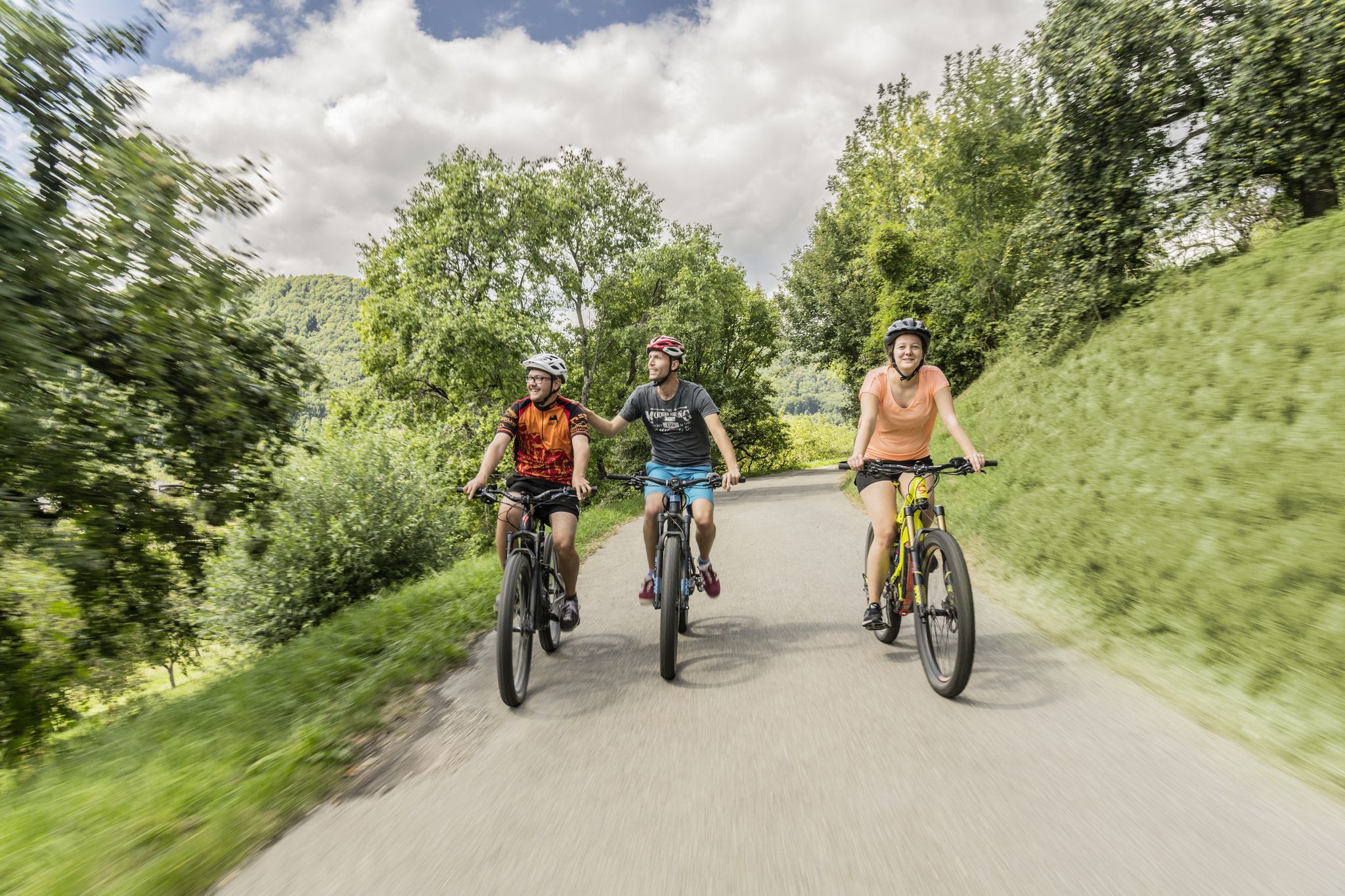
Between river, forest and alb – cycling tours in the Esslingen district
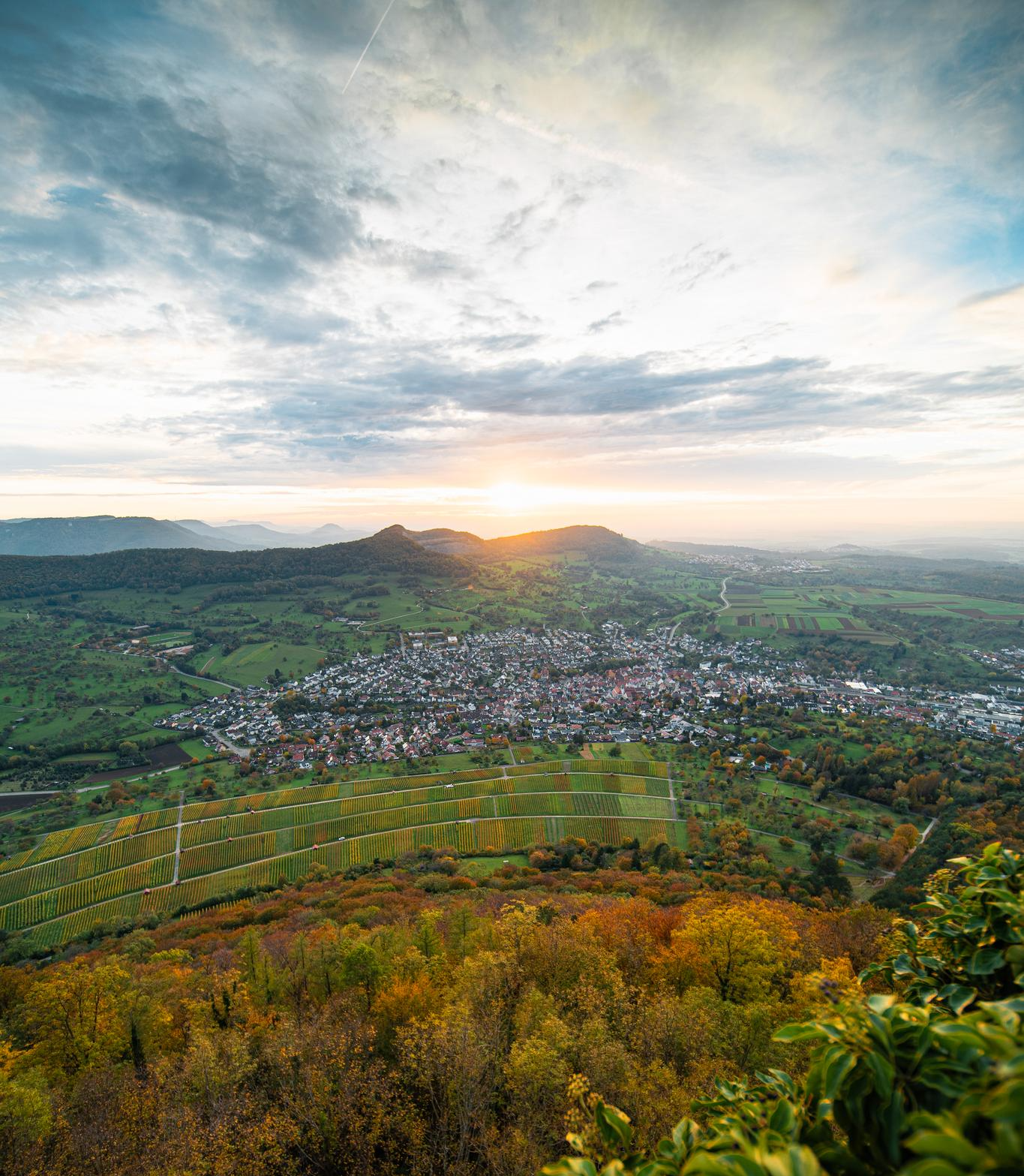
E-bike pleasure rides in the Swabian Alb
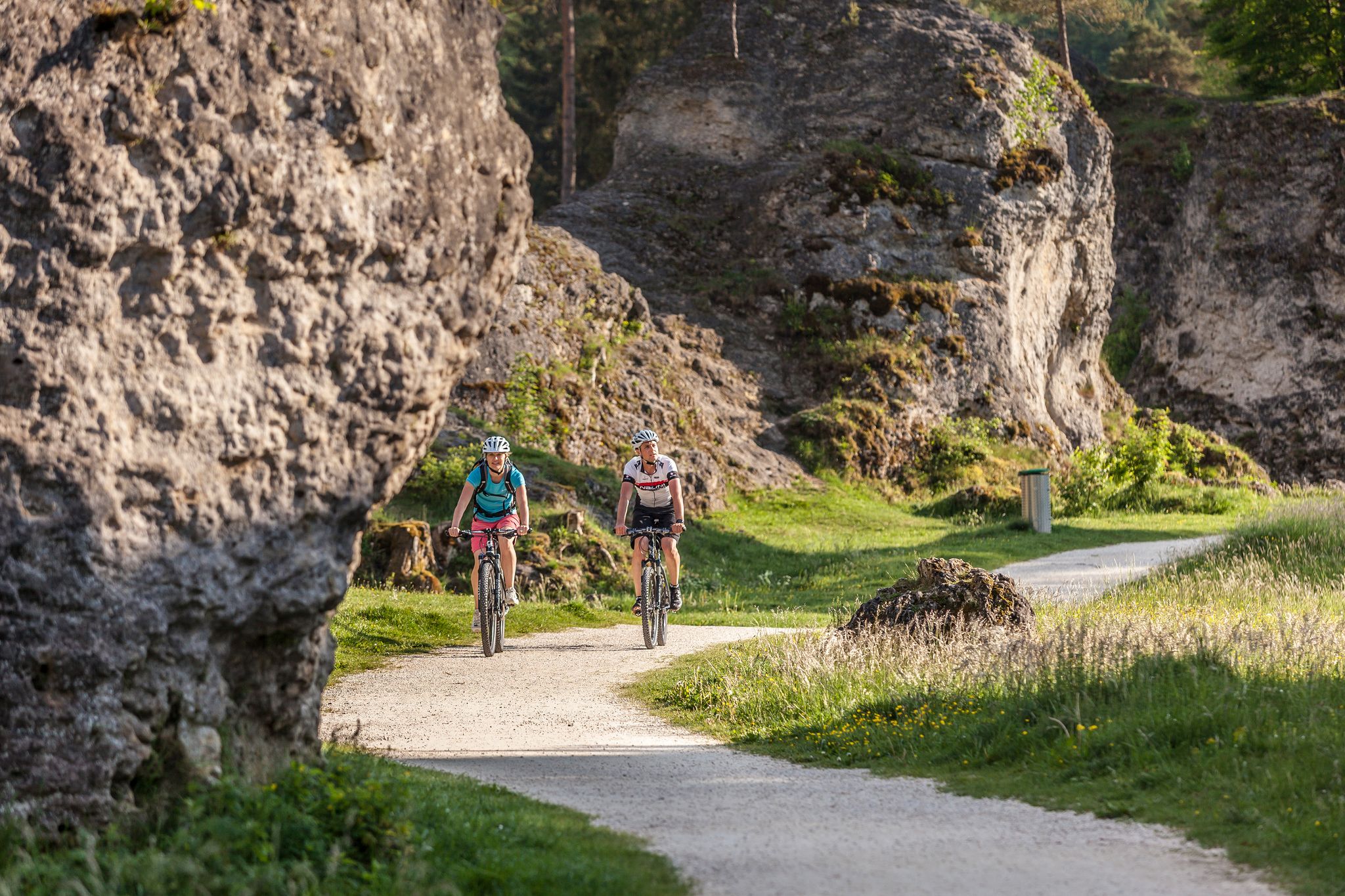
Experience nature by bike in the Swabian Jura
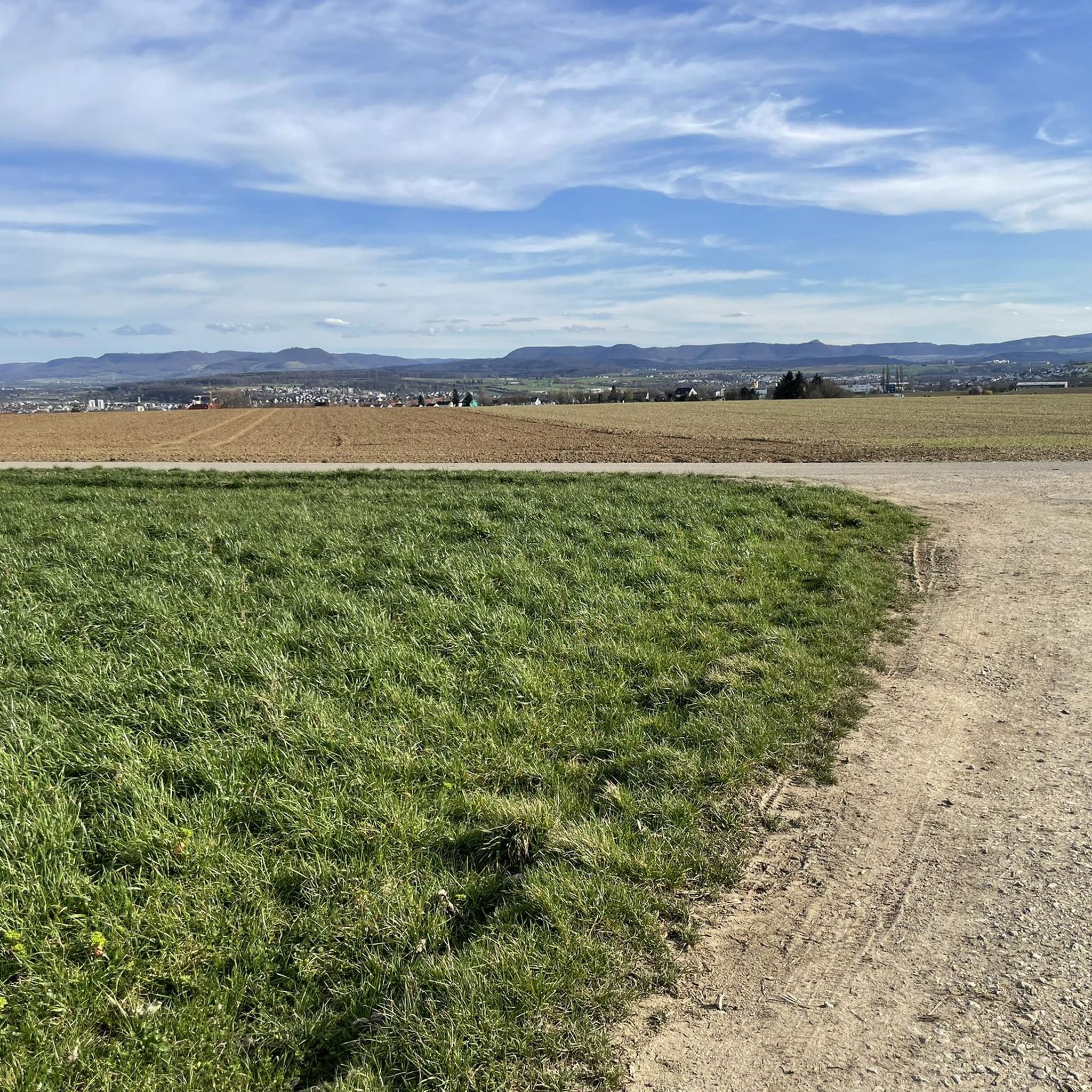
Road Cycling Routes around Köngen
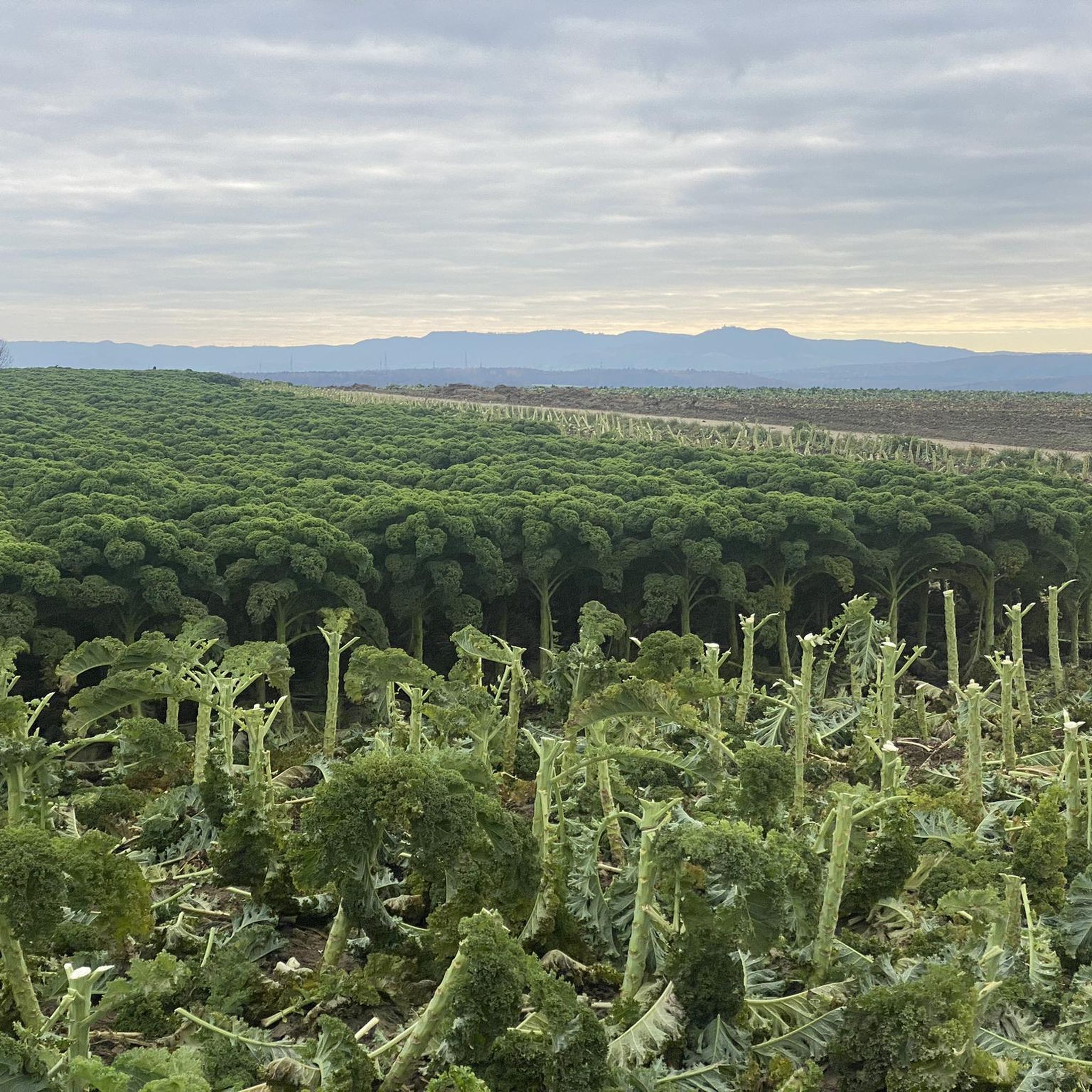
MTB Trails around Köngen
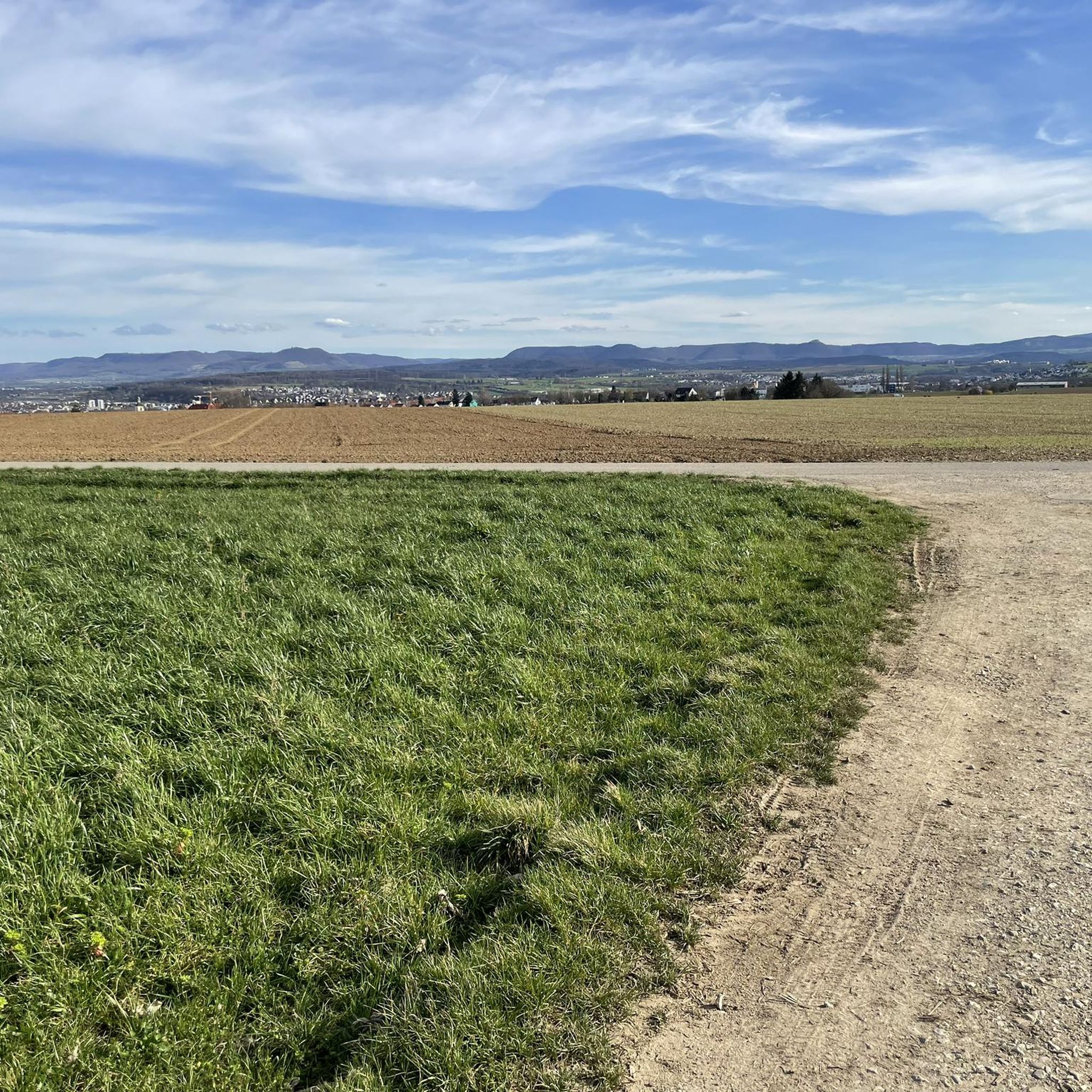
Cycling around Köngen
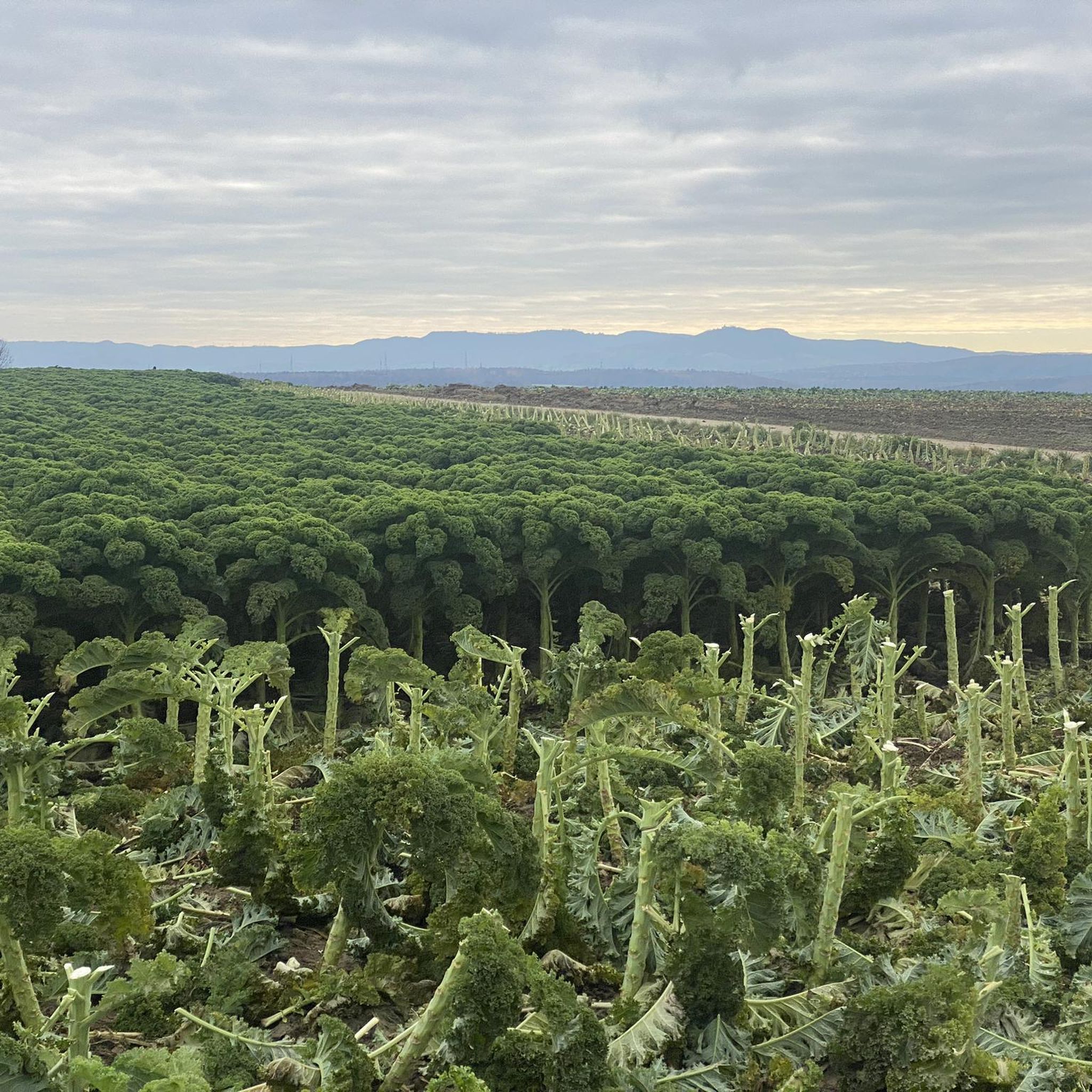
Running Trails around Köngen
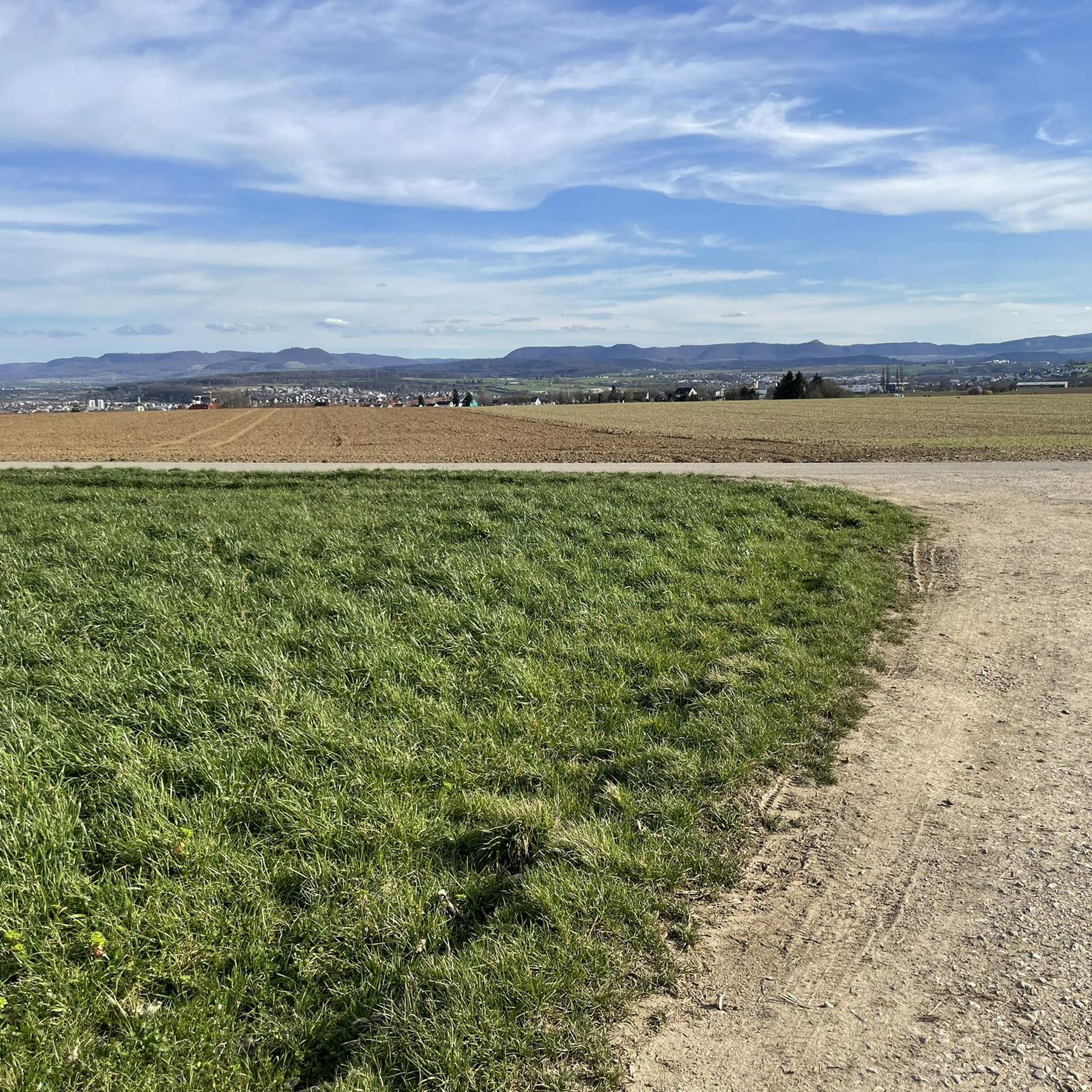
Hiking around Köngen
Gravel biking around Köngen


Tips from the Community

Beautiful gorge that was hardly expected here.
11
0

The Katzenbachtal is also very nice for an extensive hike.
2
0

Beautiful route that is easy to drive. Unfortunately, I couldn't enjoy the landscape as much as it was already quite dark.
1
0

A beautiful valley with beautiful paths.
3
0

Location and history: The Tiefklinge is located about 600 m -700 m west of Lichtenwald-Hegenlohe, at the intersection of the Seeteichweg and the Tiefklingenweg. the deep blade, like every blade, has a small notched valley caused by water and debris erosion and usually side valleys of larger valleys. They form short, narrow, but steep valleys without a valley floor. The further deepening through erosion and receding erosion is mainly caused by the water from rivulets and streams and their gradient and can still be observed today. Erosion, sedimentation and transport are mutually dependent. The name "Klinge" for small notched valleys is said to come from the noise of the streams during high water. Another interpretation says that the valleys were struck as if by blades. In the whole of south-west Germany, including the Swabian and Franconian Jura, small notched valleys are known as the Klinge, Tobel and Klammen. As the name suggests, the deep blade is a deeper blade. The Deep Blade is also the habitat of the midwife toad. Source: partly Wikipedia
2
1
Location and history: The Katzenbachtal is located between the towns of Hohengehren and Lichtenwald in the conservation area of middle Schurwald. But it is not as you might think, that the Katzenbach also flows there. No, the upper part of the Reichenbach flows there in the Katzenbachtal. The Katzenbach valley begins where the Riedwiesenbach flows into the Reichenbach and ends where the Eitisbach also flows into the Reichenbach. The Katzenbachtal is an idyllic valley along the upper Reichenbach and has a length of about 1.87 km In the vernacular, this upper part of the Reichenbach is still called Katzenbach today. Unfortunately, it is not known why he is called Katzenbach.
2
1

The Bombachtal is always nice to drive
2
0

Seldom along the water but wonderful colors in autumn
7
0
Frequently Asked Questions
What kind of natural formations can I expect to find around Köngen?
Around Köngen, you'll discover scenic diversity, including gentle hills, forests, and river valleys. While traditional canyons are not prominent, the region features several gorges and notched valleys, locally known as "Klingen." These formations offer varied hiking trails through picturesque landscapes.
What are some popular gorges to visit near Köngen?
Among the most popular gorges are Föllbach Gorge, known for its varied path past meadows and wild garlic fields, and Strümpfelbach Valley, which offers quaint paths along a stream, ideal for a relaxing walk. Another favorite is Lower Bombach Valley, an idyllic spot with an easily navigable route.
Are there family-friendly gorges or trails around Köngen?
Yes, several gorges are suitable for families. The Lower Bombach Valley is particularly noted for its easy-to-navigate route, making it a great option for families. The Strümpfelbach Valley also offers pleasant trails along a stream, which are generally suitable for a relaxing family walk.
What is the typical difficulty level of hiking trails in the gorges near Köngen?
Many trails through the gorges around Köngen are considered easy to intermediate. For example, the route through Lower Bombach Valley is described as easy to navigate and not too steep. Other gorges like Föllbach Gorge and Tiefklinge (Mittlerer Schurwald) offer intermediate trails, providing a good balance for various fitness levels.
What natural features can I observe in the gorges around Köngen?
You can expect to see diverse natural features. Many gorges feature dense forests, such as Föllbach Gorge and Tiefklinge (Mittlerer Schurwald). Rivers and streams are common, like the Aich in Föllbach Gorge and the Bombach in Lower Bombach Valley. The Rappenloch Nature Reserve, which includes a gorge, is known for its cliff-rich sandstone slopes and natural beech and oak forests, serving as a habitat for rare plant and animal species.
What other outdoor activities can I do near the gorges around Köngen?
Beyond exploring the gorges, the Köngen area offers a variety of outdoor activities. You can find numerous hiking routes, including easy and moderate trails. For cyclists, there are options for road cycling and gravel biking, with routes ranging from easy to difficult through the scenic landscape.
What do visitors enjoy most about the gorges around Köngen?
Visitors frequently praise the beautiful and varied paths, the tranquil natural settings, and the opportunity for relaxing walks. Many appreciate the idyllic scenery, the presence of streams, and the lush forests. The scent of wild garlic fields in places like Föllbach Gorge is also a highlight for many.
Are there any specific natural monuments or protected areas among the gorges?
Yes, several gorges are recognized as natural monuments or are part of protected areas. The Tiefklinge (Mittlerer Schurwald) is a natural monument, known for its unique geological formation and as a habitat for species like the midwife toad. The Rappenloch Nature Reserve is a conservation area, protecting a typical Keuper mountain landscape with rich biodiversity.
What is the best time to visit the gorges around Köngen?
The gorges and their surrounding trails are enjoyable throughout much of the year. Spring is particularly beautiful with blooming wild garlic, as noted in Föllbach Gorge. Summer offers lush greenery, while autumn brings vibrant foliage. Weekends can be crowded, especially in popular spots like Strümpfelbach Valley, so consider visiting early morning, during the week, or in the evening for a more peaceful experience.
Are the trails in the gorges suitable for dogs?
While specific dog-friendly designations aren't always listed, the natural, forested trails and river paths found in many of these gorges, such as Föllbach Gorge and Strümpfelbach Valley, are generally suitable for walks with dogs. Always ensure your dog is on a leash and follow local regulations, especially in nature reserve areas like Rappenloch Nature Reserve.
What are 'Klingen' and how do they relate to the gorges around Köngen?
In the region around Köngen and throughout much of south-west Germany, 'Klingen' is the local term for small, notched valleys. These are typically narrow, steep valleys without a broad valley floor, formed by water and debris erosion from rivulets and streams. The gorges mentioned in this guide, such as Tiefklinge, are examples of these 'Klingen'.
Most popular routes around Köngen
Most popular attractions around Köngen

Get inspired with the komoot mobile app


Explore more
Already discovered everything in this region? See additional gorges around Köngen for your next adventure:
