Top 14 Caves around Grenzach-Wyhlen
Best caves around Grenzach-Wyhlen are found within a region characterized by its geological features, including irregular Rhine sediments and former gravel pits. While prominent natural cave systems are not located directly within the municipality, the broader area offers various natural landmarks and historical sites that incorporate cave-like structures. These locations provide opportunities for exploring unique geological formations and historical underground spaces, contributing to the diverse Grenzach-Wyhlen hiking trails and natural attractions.
Best caves around Grenzach-Wyhlen
- The most popular caves is…
Last updated: September 30, 2026
Ermitage Arlesheim Landscape Garden
Highlight • Natural Monument
Translated by Google •
Tip by

Dorneck Castle Ruins
Highlight • Castle
Translated by Google •
Tip by

Sign up now to discover places like this
Get recommendations on the best single tracks, peaks, & plenty of other exciting outdoor places.
Tschamber Cave
Highlight • Cave
Translated by Google •
Tip by
Roniger Rock Cellar in Magden
Highlight • Cave
Translated by Google •
Tip by

Teufelhof Basel: Archaeological Cellar and Inner City Wall
Highlight • Historical Site
Translated by Google •
Tip by

Sign up for free to discover even more caves around Grenzach-Wyhlen.
Already have an account?
Start today with a free account
Your next adventure awaits.
Popular around Grenzach-Wyhlen
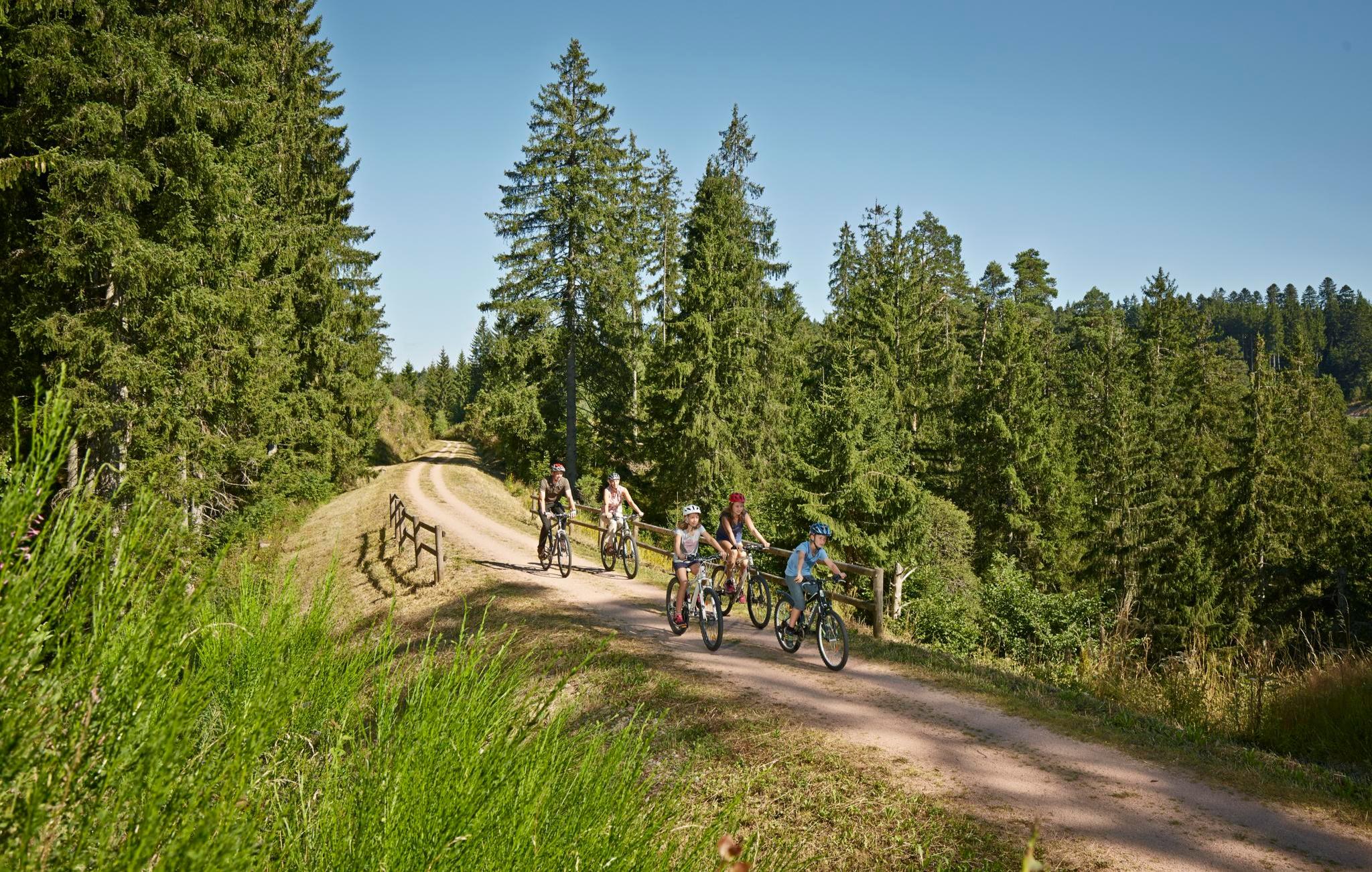
Green firs and valley views – long-distance cycling routes in the Black Forest
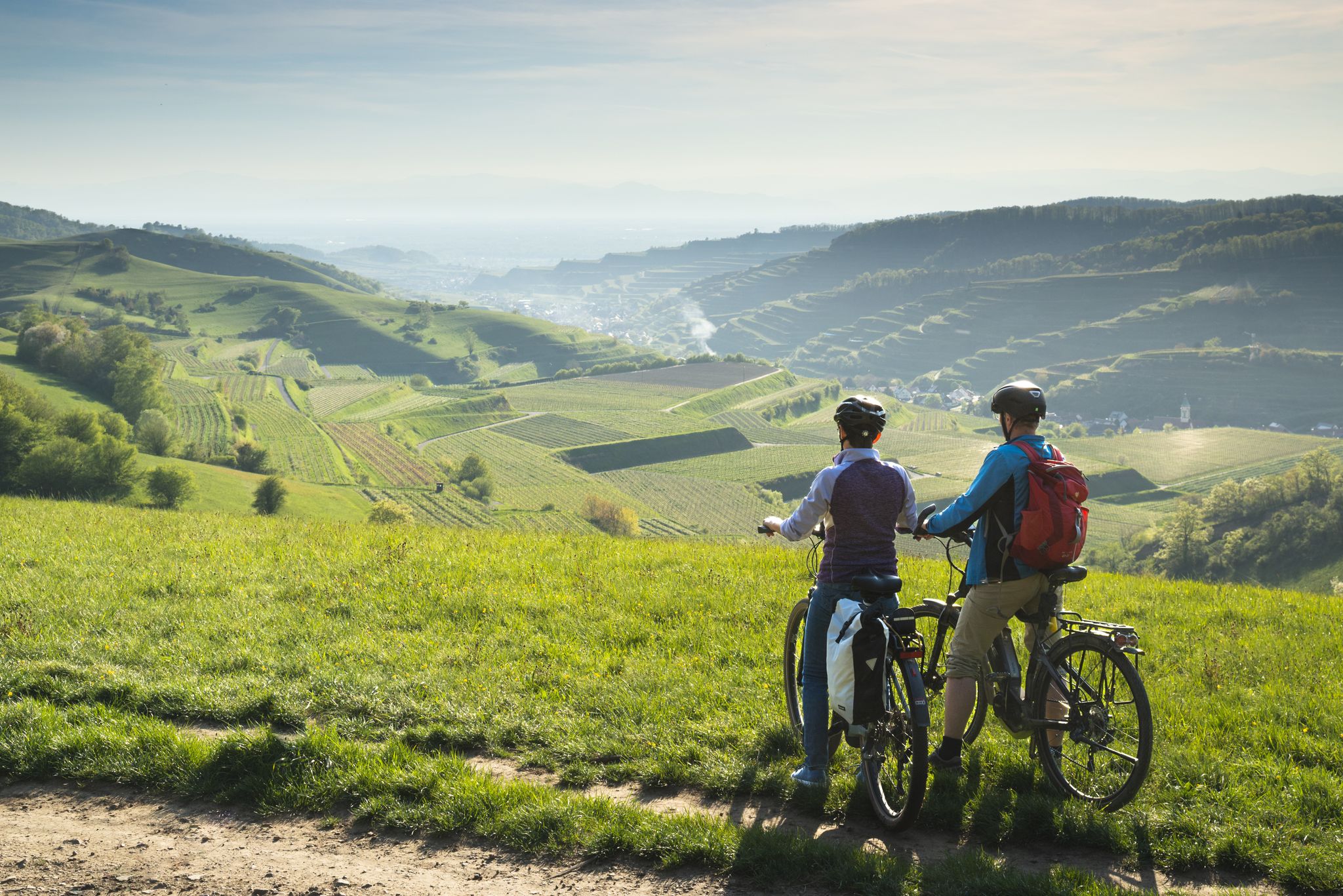
Step on the pedals – discover Saarland and the Black Forest by bike
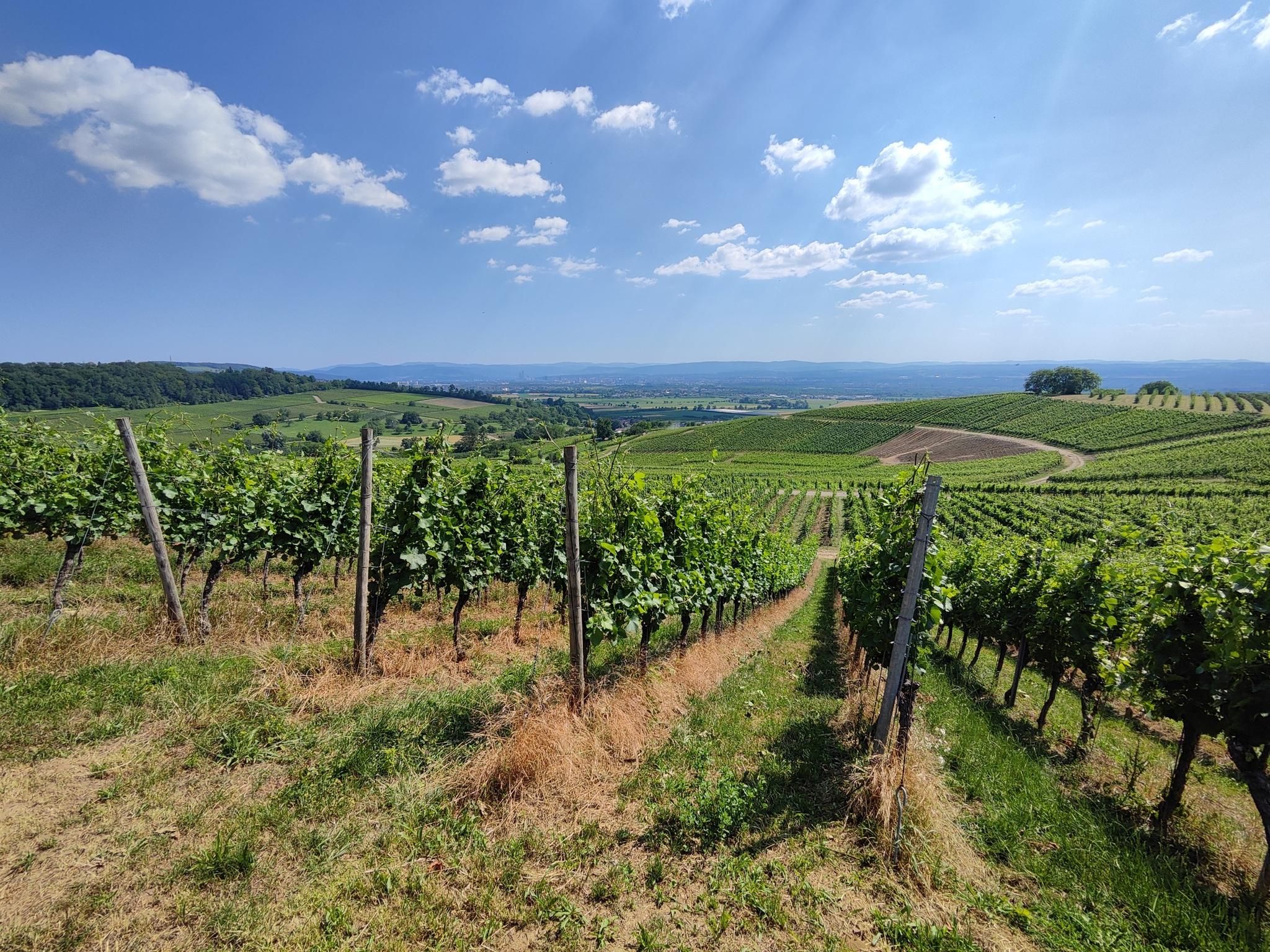
Hike through Germany’s Markgräflerland wine region
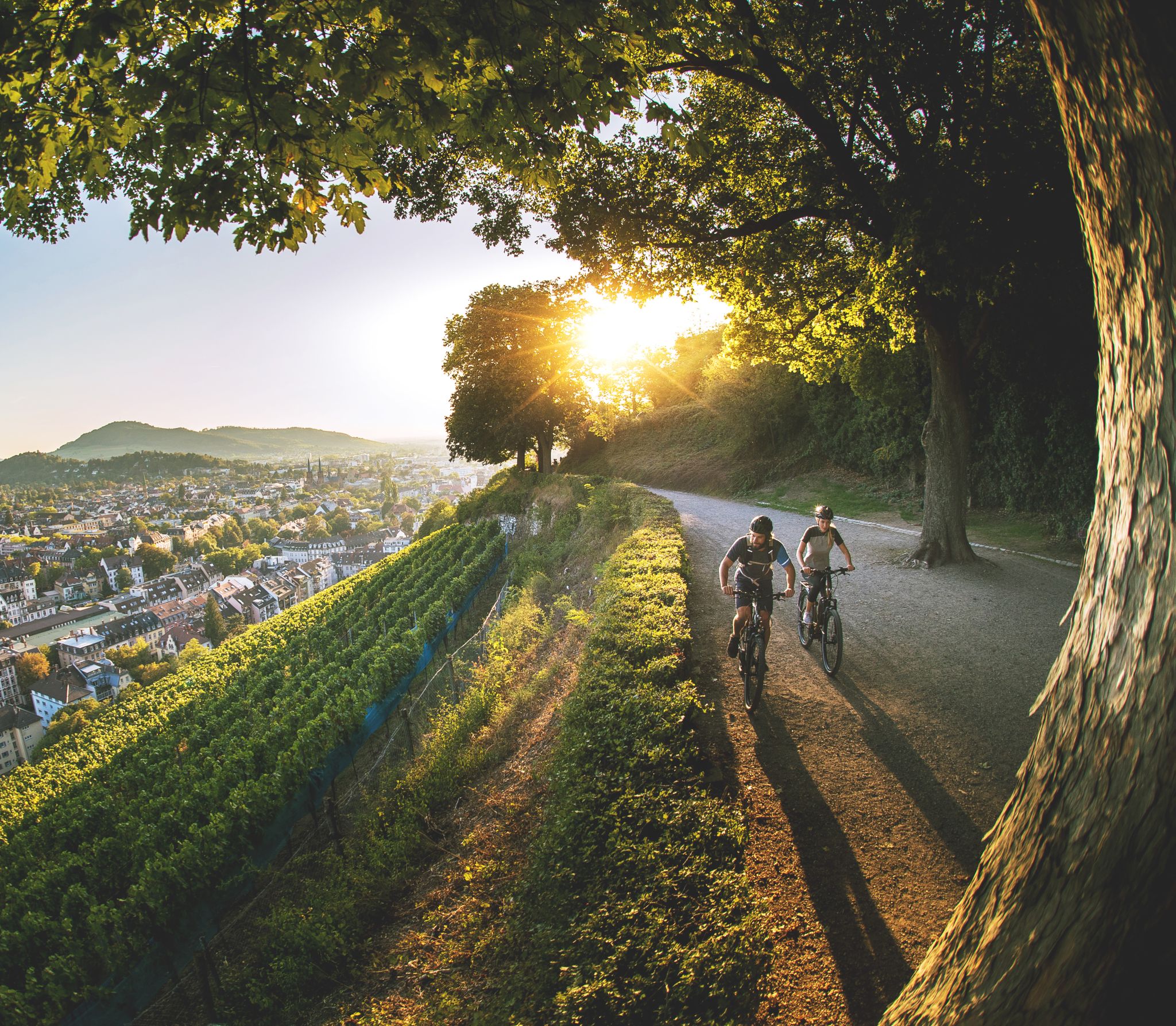
Just get out – long-distance cycle routes in the Black Forest
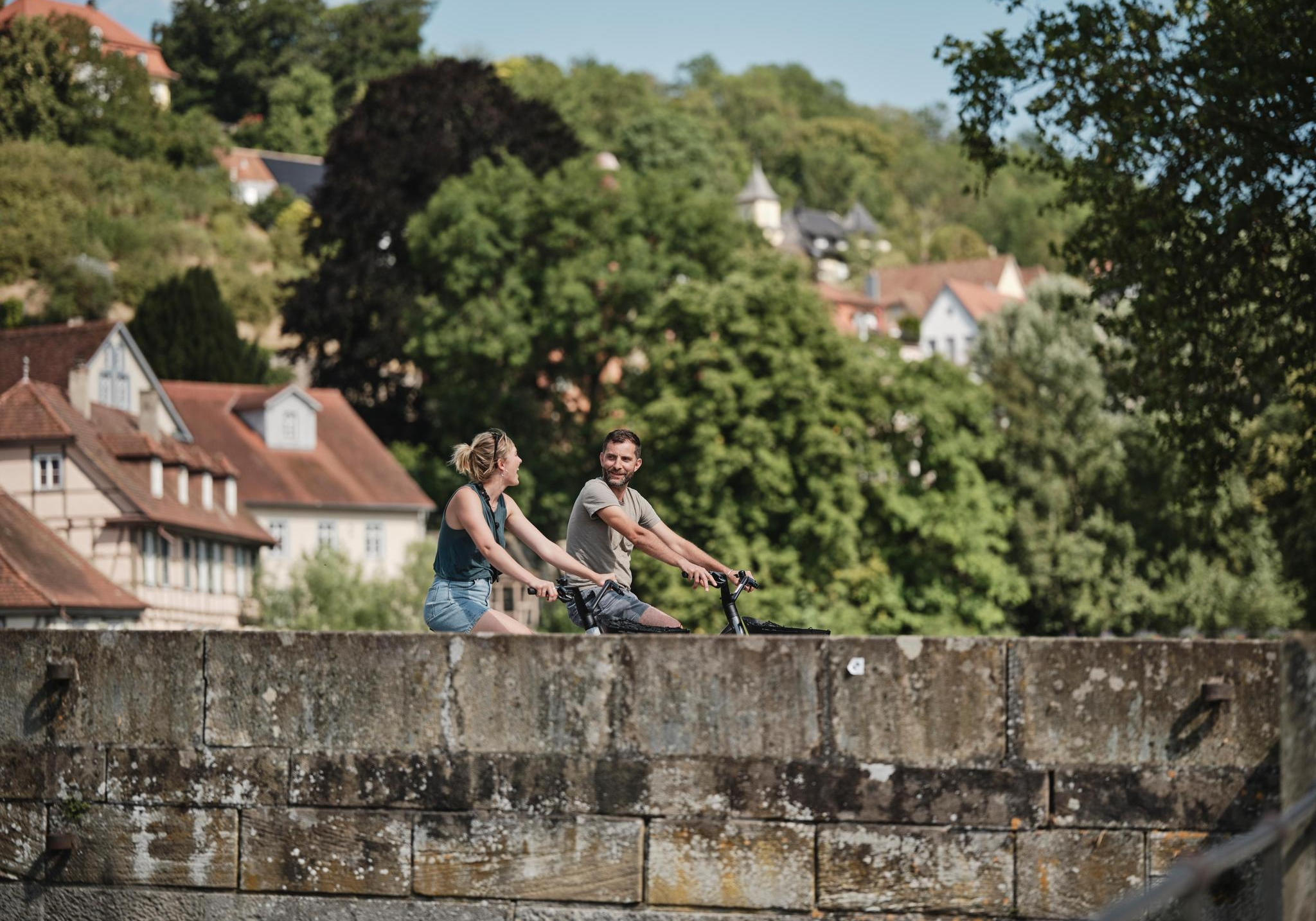
Culinary delights, culture, landscape – long-distance cycling in Baden-Württemberg
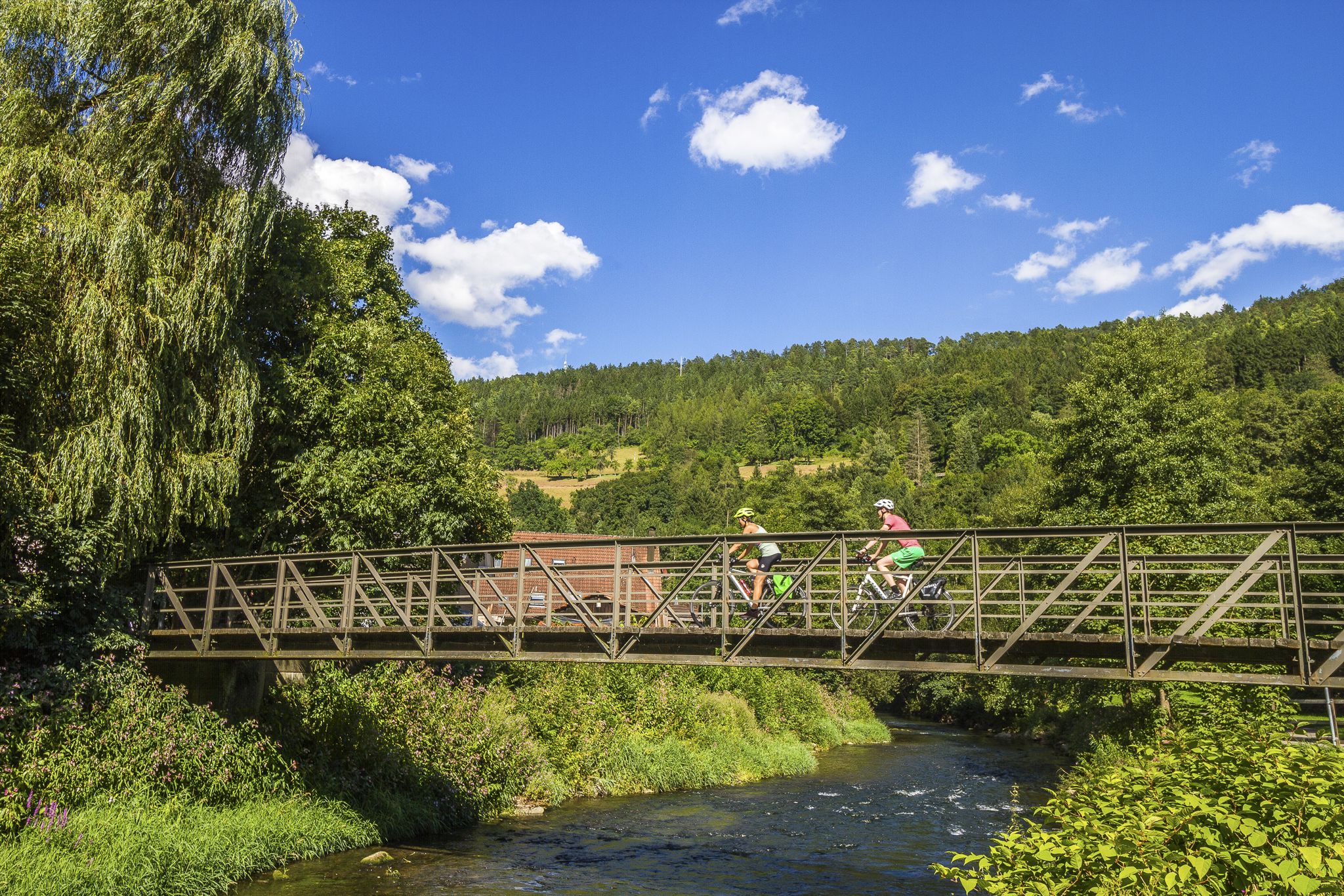
Biking the Black Forest: Our Favorite Long-Distance Rides
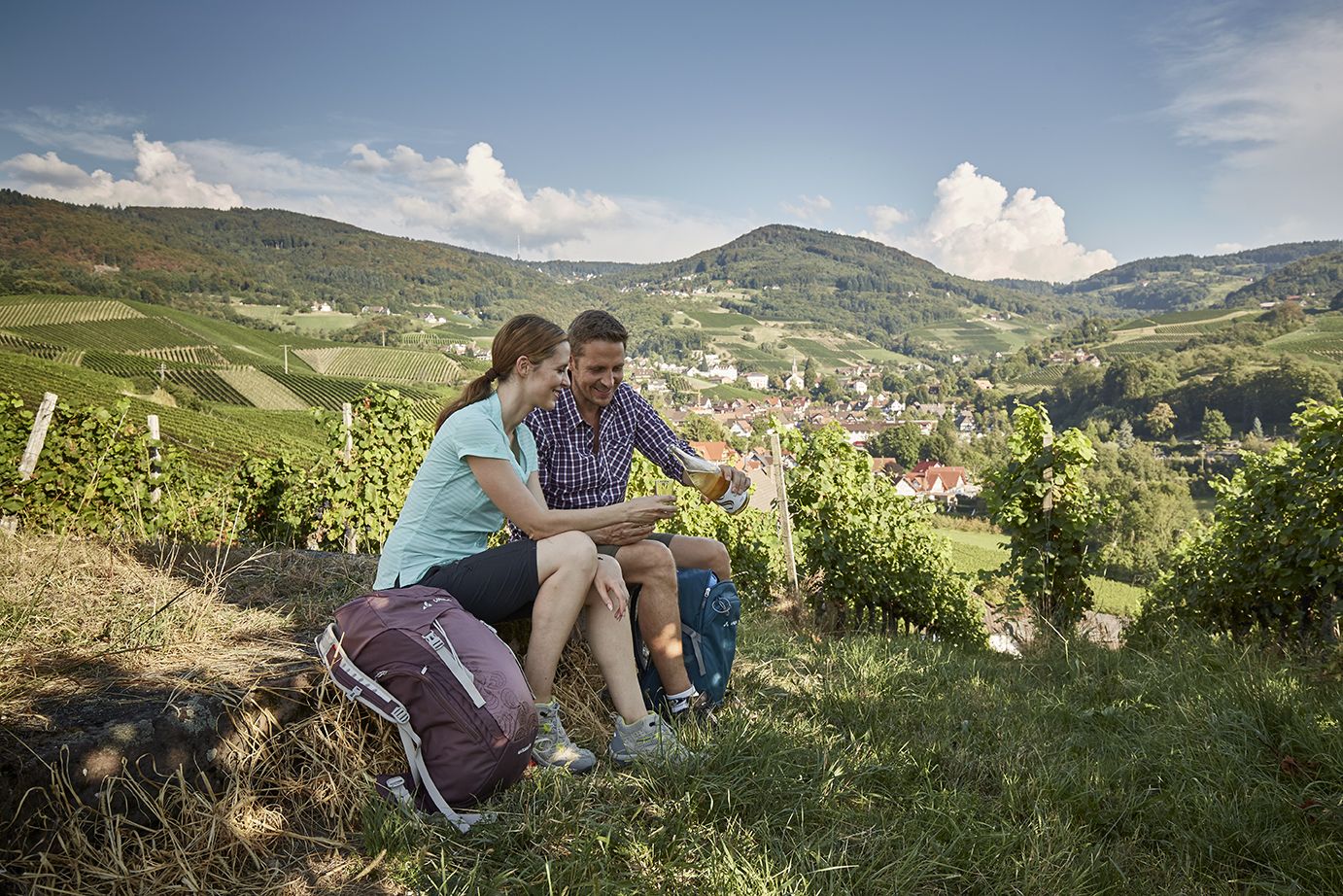
Getting a taste for wine — wine hikes in Germany’s Baden region
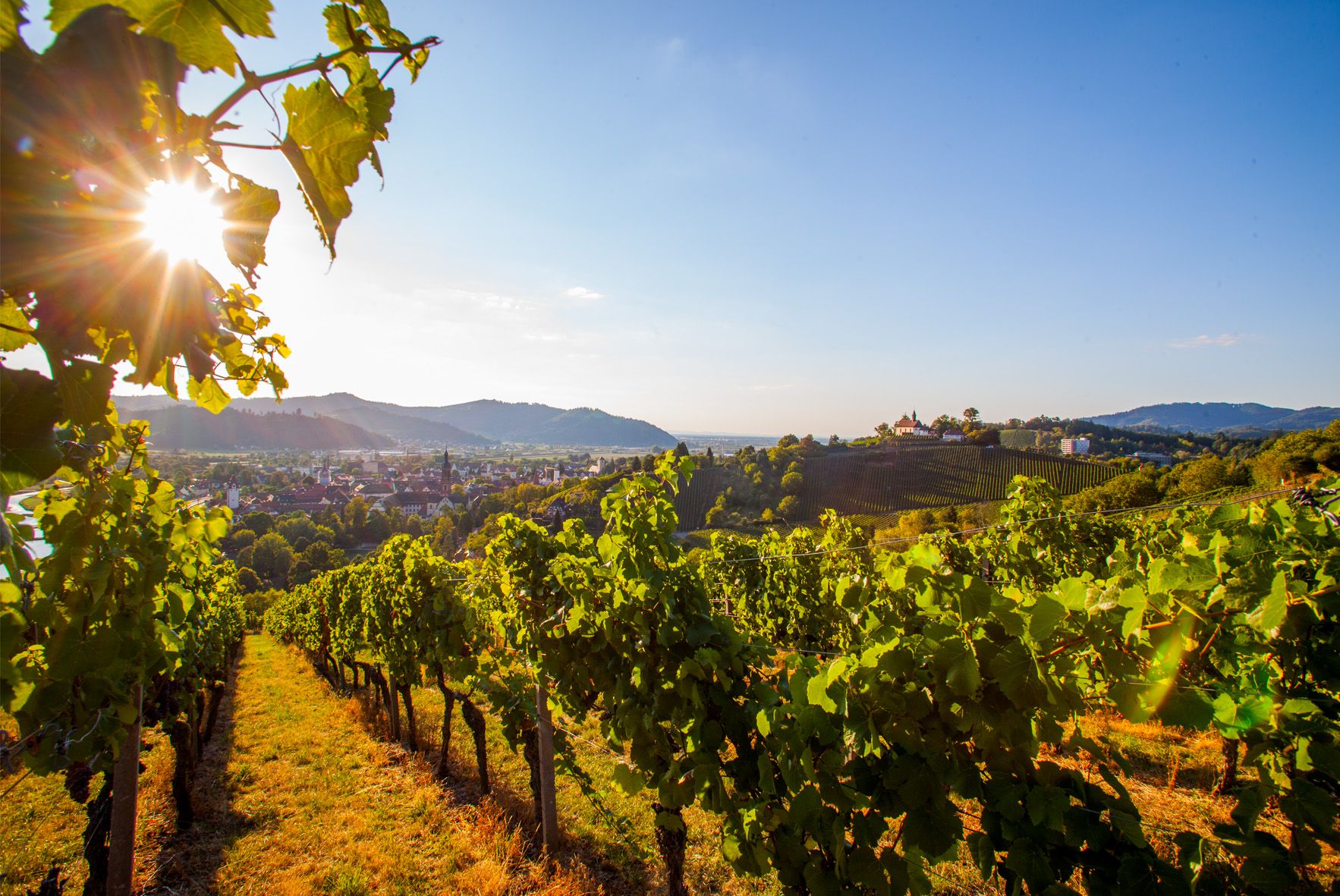
Right the Black Forest, left the Rhine – the Baden Wine Cycle Route
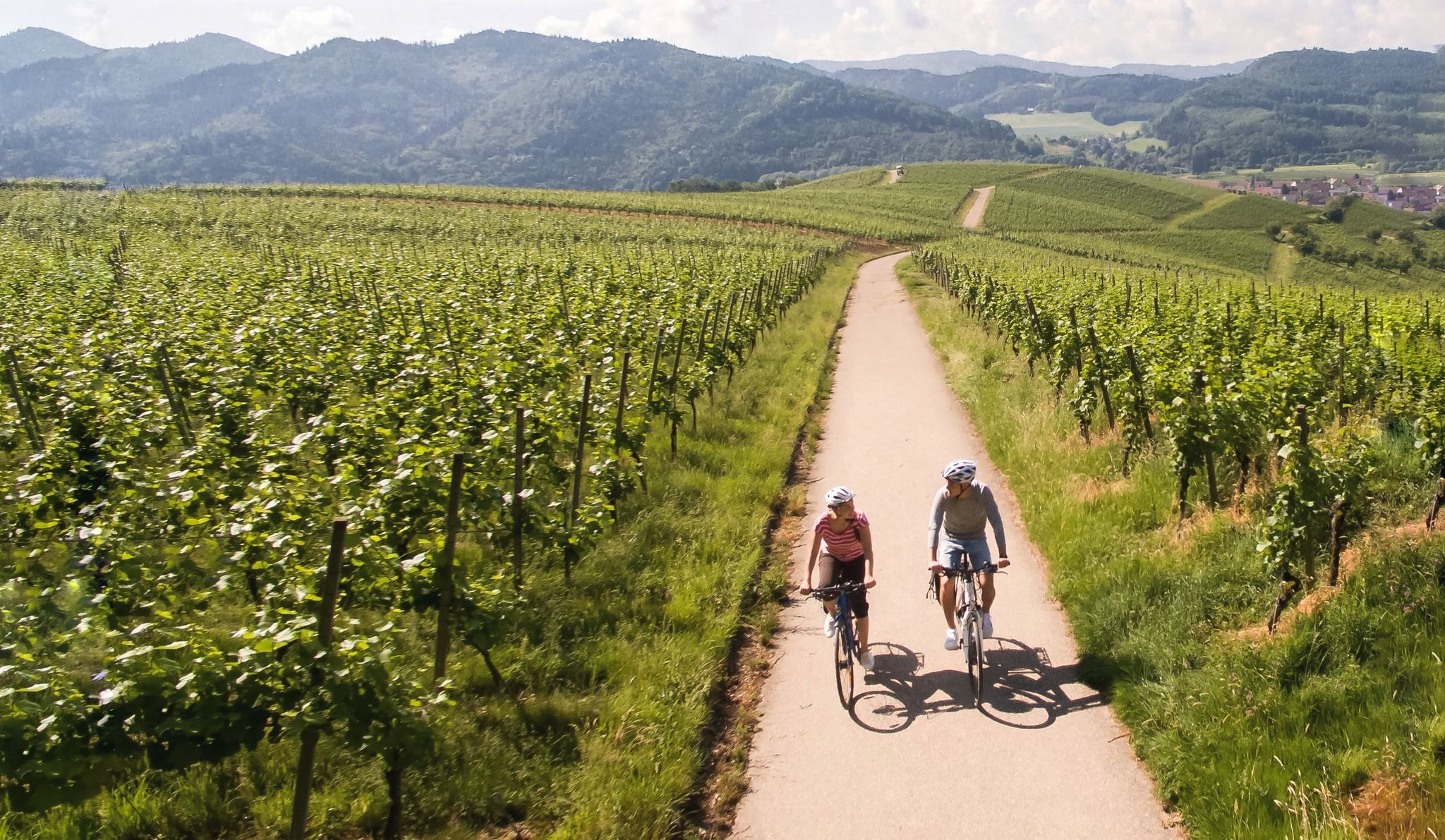
Vineyards and the Rhine Valley – the Baden Wine Cycle Route
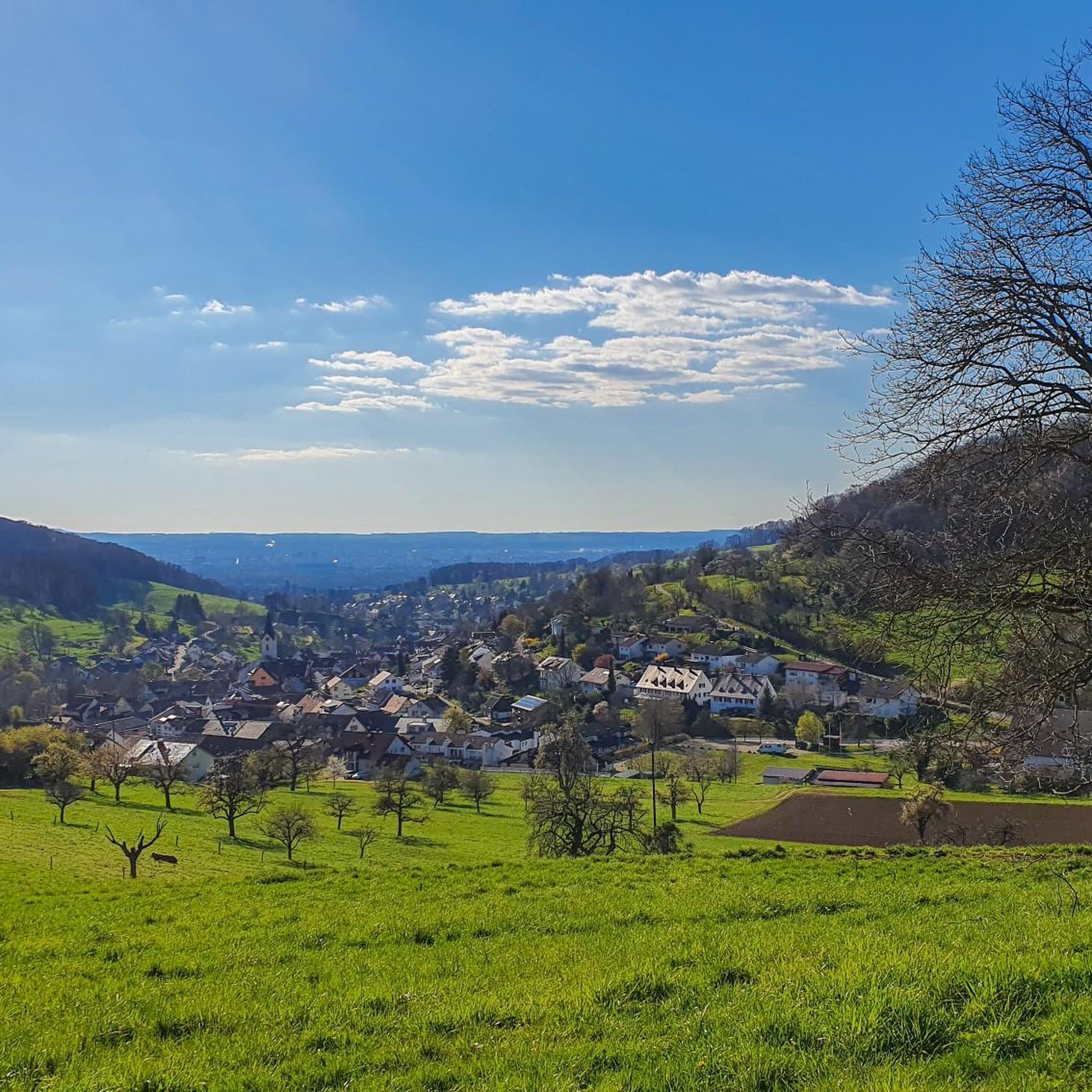
Cycling around Grenzach-Wyhlen
Other adventures around Grenzach-Wyhlen


Tips from the Community

The Tschamberhöhle is a stream cave in the Muschelkalk and one of only three show caves in Germany that are formed as stream caves. An active cave stream flows through it, and at the end of the show cave, there is even a small waterfall. Opening hours 2026: Sundays and public holidays: 10 am-2 pm (last admission 1:15 pm) A guided tour takes place every full hour (10 am, 11 am, 12 pm & 1 pm). Advance booking is recommended. Admission 2026: €6 - well-invested money for a great excursion. Helmet and flashlight are provided free of charge…
0
0

In 1997, the cantonal government decided to undertake the necessary restoration and preservation measures at the castle complex to preserve its historic features. After two years of renovation work, the Dorneck ruins are once again open to visitors. The view from the tower over Basel and Dornach is breathtaking.
5
0

Definitely go to the Tschamberhöhle The visit is worth it, have fun
0
1
The Tschaberhöle is a very beautiful cave definitely a must
0
1

The way under the bridge when pushing is always interesting.
1
1

With a flashlight you can look inside pretty well.
0
0

The path is now heavily overgrown and the railings are loose in many places. So be careful when walking along it!
1
0

The Teufelhof Basel is a hotel in Basel's old town in two historic buildings at Leonhardsgraben 47-49. Parts of the building complex (Leonhardgraben 47) and the cellar (archaeological monument) are listed in the canton of Basel-Stadt's inventory of monuments. The idea behind the operation is to operate independent art and culture as part of a "self-subsidization" of the cultural operation through a parallel hotel and restaurant operation. Due to objections, the permit had to be obtained before the Swiss Federal Court before the opening. After this six-and-a-half-year waiting period, the hotel opened on April 28, 1989. The Teufelhof Basel now employs 70 people. The hotel consists of two buildings, the art hotel and the gallery hotel. The art hotel has eight rooms and one suite, all of which are designed as habitable works of art. The gallery hotel has 20 rooms and four junior suites and is also used as an exhibition space. Nine art rooms were designed by various artists as experiential spatial art. The artists are free to paint directly on the walls or work with materials in the room. The Teufelhof also regularly supports artists with exhibitions or projects of various kinds. The cultural operations include a theater with cabaret performances and satirical programs. The promotion of regional individual artists and groups - from accompanying rehearsals in the in-house theater to premieres in the Teufelhof - also plays an important role in the program planning. The theater is financed by the Teufelhof Basel, but since 2002 has also received a contribution from the two cantons of Basel-Stadt and Basel-Landschaft. In addition to the cultural operations in the sense of the theater and the art hotel, the house also houses two restaurants, the gourmet restaurant "Bel Etage" and the restaurant "Atelier". The house also houses a coffee bar, a gallery hotel with changing exhibitions that is offered as a free platform for the artists, a wine shop "falstaff" and a small archaeological museum, embedded in the historic Basel city walls from the 11th and 13th centuries. Source: https://de.wikipedia.org/wiki/Teufelhof_Basel
0
0
Frequently Asked Questions
What types of 'caves' can I explore around Grenzach-Wyhlen?
The 'caves' around Grenzach-Wyhlen are diverse, ranging from small natural cave features within landscaped gardens like the Ermitage Arlesheim Landscape Garden, to historical man-made structures such as the Roniger Rock Cellar in Magden, and accessible natural caves like Tschamber Cave. The region is not known for large, prominent natural cave systems directly within the municipality, but rather offers unique geological formations and historical underground spaces.
Are there any natural caves to visit near Grenzach-Wyhlen?
Yes, you can visit Tschamber Cave, a natural cave where approximately 600 meters of passages are accessible to visitors. Another natural cave is the Gleichauf Cave, located between Magden and Maisprach, which is associated with local legends.
Are there family-friendly cave experiences in the area?
Absolutely. The Ermitage Arlesheim Landscape Garden offers small caves within its extensive grounds, providing a pleasant outing for families. Tschamber Cave is also considered family-friendly and offers an interesting exploration opportunity for all ages.
What historical 'caves' or underground structures can I explore?
You can explore the Roniger Rock Cellar in Magden, a historical vaulted cellar originally built for a home brewery. Another historical site with underground elements is the Teufelhof Basel: Archaeological Cellar and Inner City Wall, where you can walk through medieval city walls and see archaeological finds.
What other outdoor activities can I do near these cave locations?
The region around Grenzach-Wyhlen offers various outdoor activities. You can find numerous road cycling routes, general cycling tours, and waterfall hikes. These routes often pass through scenic landscapes and natural landmarks.
What is the best time to visit the caves around Grenzach-Wyhlen?
For natural caves like Tschamber Cave, spring to autumn typically offers the most comfortable conditions for exploration. Historical cellars and garden features like the Ermitage Arlesheim Landscape Garden can generally be visited year-round, though the garden's beauty is best appreciated in warmer months.
Are there any specific geological features to look out for in the Grenzach-Wyhlen area?
While not prominent cave systems, the Grenzach-Wyhlen area is known for its 'Geotop,' which showcases irregular Rhine sediments deposited over centuries. This geological site highlights layers of meltwater deposits, offering insight into the region's natural history.
What do visitors enjoy most about the cave-related sites in this region?
Visitors appreciate the unique blend of natural beauty and historical significance. For instance, the Ermitage Arlesheim Landscape Garden is valued for its tranquility and diverse elements, including small caves. Tschamber Cave is praised as an interesting and worthwhile family outing.
Is public transport available to reach these cave locations?
Specific public transport details for each 'cave' vary. For locations like the Ermitage Arlesheim Landscape Garden and Teufelhof Basel, which are in more populated areas, public transport options are generally good. For others, a combination of public transport and a short walk or private vehicle might be necessary.
Are there any cafes or restaurants near these cave sites?
Yes, especially near the more developed sites. The Teufelhof Basel, for example, is a hotel complex that includes restaurants and a coffee bar. In areas like Arlesheim and Magden, you can find local establishments to dine or have a coffee.
Are permits required for visiting any of the caves?
Generally, permits are not required for visiting the publicly accessible parts of the listed 'caves' such as Tschamber Cave or the Ermitage Arlesheim Landscape Garden. However, it's always advisable to check the specific opening hours and any potential entry fees for each location before your visit.
What should I wear when visiting the caves?
For natural caves like Tschamber Cave, wear sturdy shoes with good grip, as surfaces can be uneven and damp. A light jacket is recommended as cave temperatures are consistently cool. For historical cellars or garden features, comfortable walking attire is usually sufficient.
Most popular routes around Grenzach-Wyhlen
Most popular attractions around Grenzach-Wyhlen

Get inspired with the komoot mobile app


Explore more
Extend your search for the best caves by checking out these guides of the top ones around Grenzach-Wyhlen:
