Top 7 Caves around Goseck
Caves around Goseck offer insights into the region's geological formations and historical significance. The area is known for its ancient Goseck Circle, a Neolithic solar observatory, which highlights early astronomical understanding. The landscape features sandstone and shell limestone, contributing to the formation of various grottoes and cave-like structures. These sites provide opportunities for exploration and offer views of the Saale valley.
Best caves around Goseck
- The most popular caves is Goseck Bear Cave, a cave that is an adventure…
Last updated: August 7, 2026
Goseck Bear Cave
Highlight • Cave
2 courses branch off.
One leads 30 meters, the other seems to be much further into the. Sandstone.
Translated by Google •
Tip by

Sandstone Grotto Near Goseck
Highlight • Cave
* unfortunately greasepaints were at work
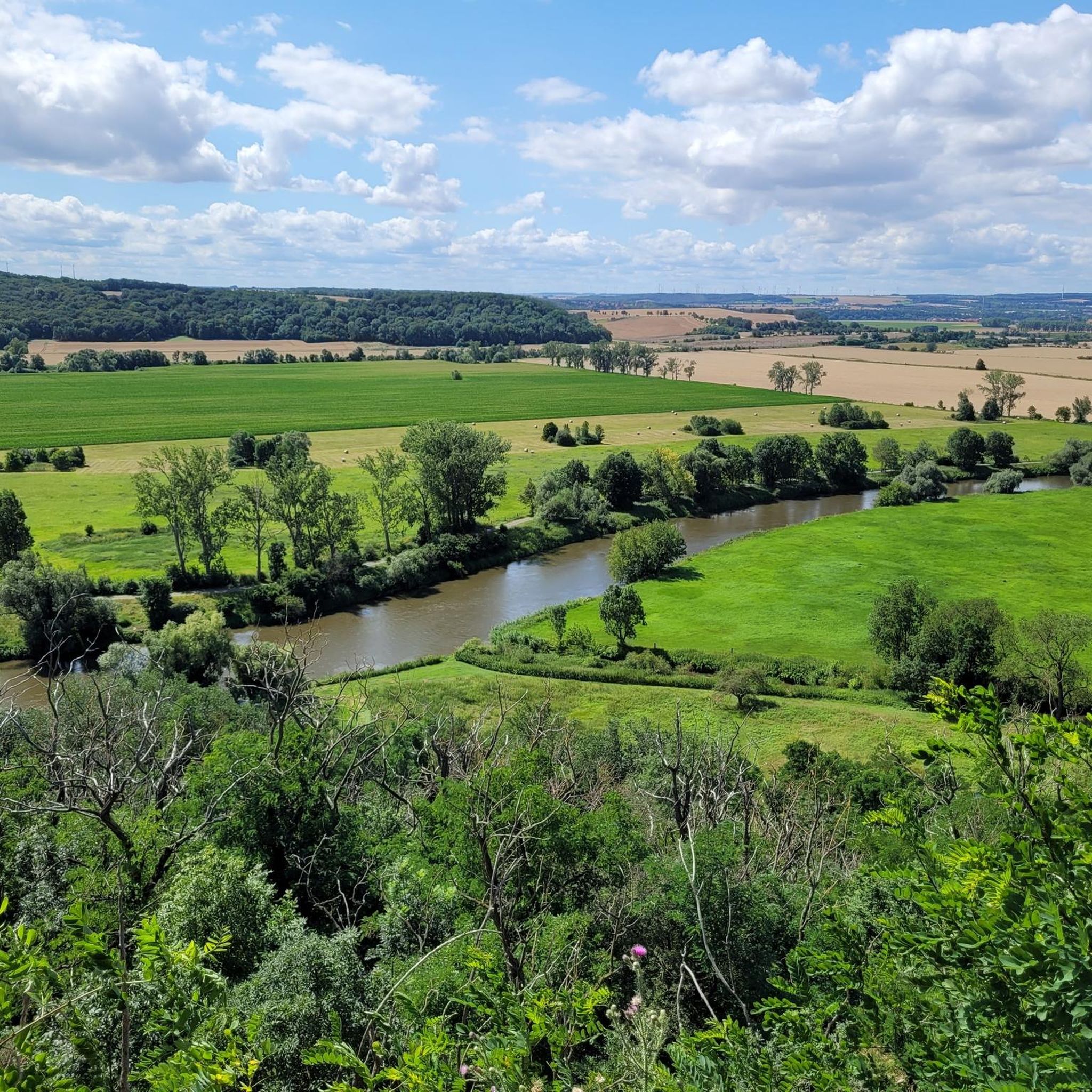
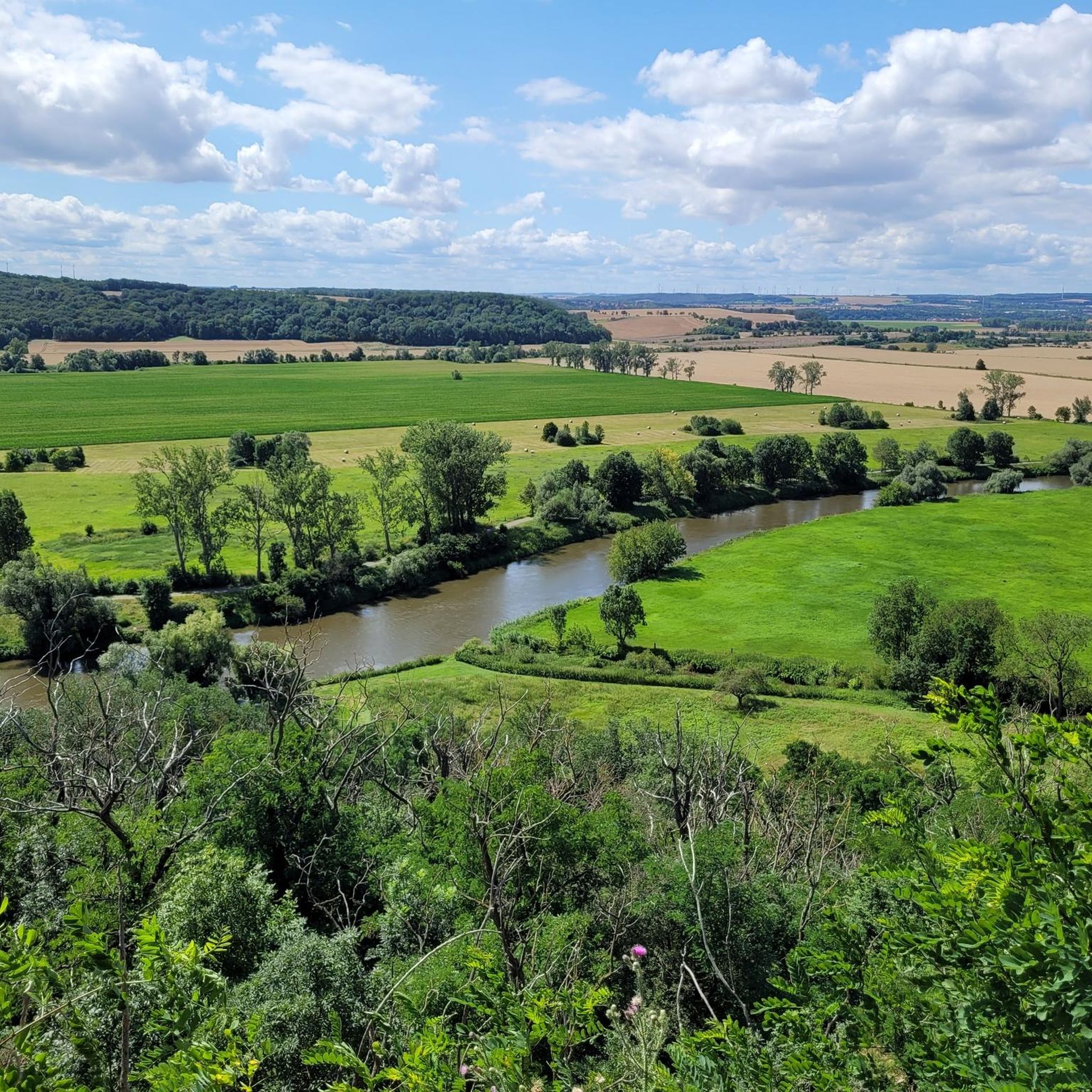
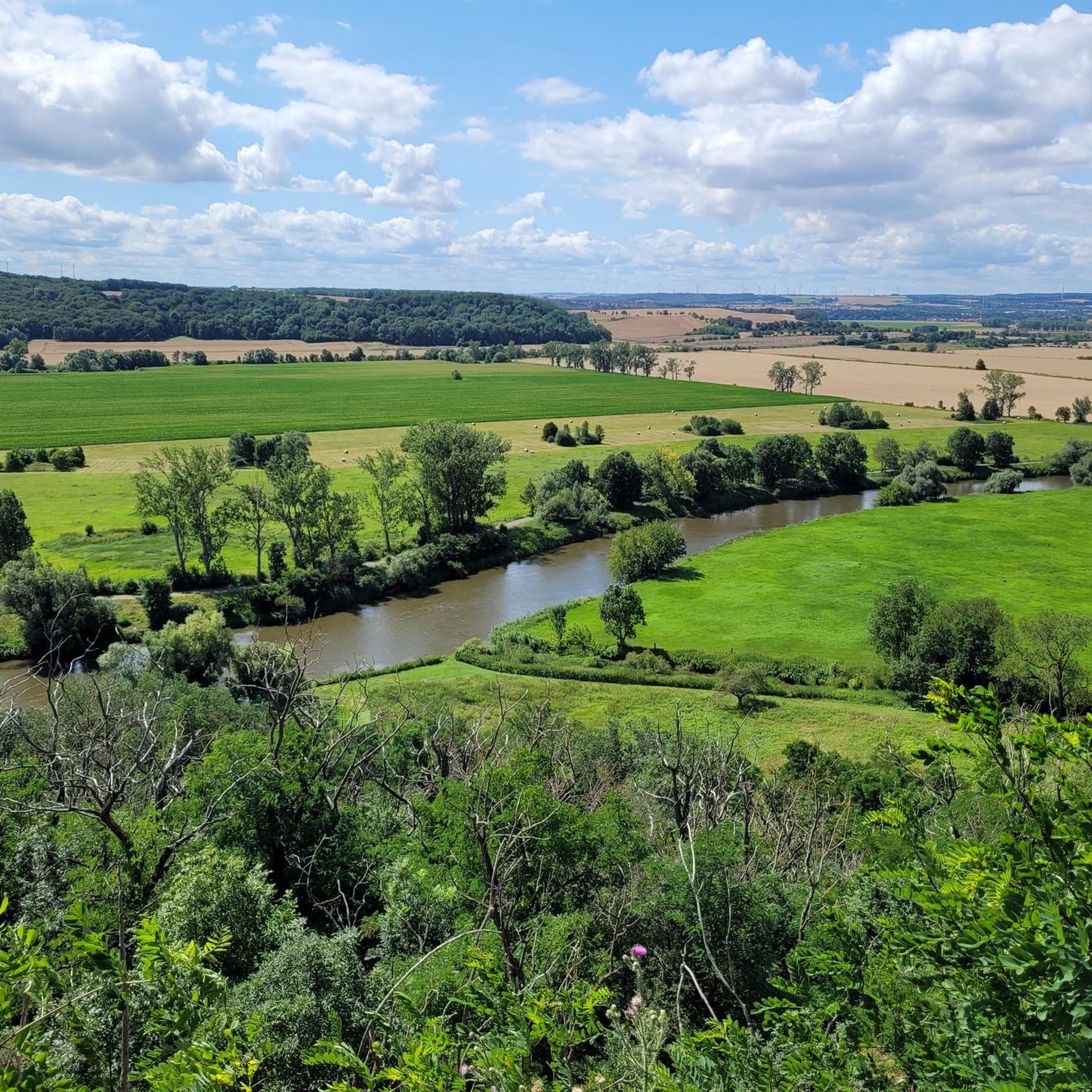
* beautiful view of the Saale valley
Translated by Google •
Tip by

Sign up now to discover places like this
Get recommendations on the best single tracks, peaks, & plenty of other exciting outdoor places.
Sign up for free
Muschelkalk Grotto
Highlight • Cave
The sandstone pillar supports the small grotto,
Translated by Google •
Tip by
Grottenweg Single Trail
Highlight • Trail
Translated by Google •
Tip by
The Galgenberg
Highlight • Historical Site
The old shafts made of shell limestone serve as bat quarters.
A special feature, here the limestone was mined underground.
Translated by Google •
Tip by
Start today with a free account
Your next adventure awaits.
Login or Signup

Tips from the Community

A sandstone arch was built into a depression in the hillside! Unfortunately, the youth left their mark here!
0
0

The supports of the large limestone slabs will probably not last forever…
3
0

Past the bear cave, just before the cemetery is the grotto. You can't get any further at this point. unless you go down the steep path. An alternative to turning back.
0
1

You can get here on the Grottenweg, a highlight that has not been noticed so far, wrongly. The sandstone pillar supports the small grotto,
16
0
A path to melt away, it's not bad in the grotto, the path to the grotto is a must for every hiker, sure-footedness and looking for the dead trees. 👍
15
0
It would be better if it were closed now, for the sake of rest for Batman.🦇🧐
8
0

⚠️ Attention. There really are bats in the bear cave. I have seen them myself. So better not go in and don't disturb the 🦇 bats. Since there was no sign on the cave, we went inside. It is an approx. 40 meter long circular route. quite low at the entrance and again in the middle. If you go around to the left you will come to a junction that leads to another exit, which has been closed. We didn't suspect that there were actually bats in the cave. Otherwise we wouldn't have gone in. So please do not disturb.🦇🦇🦇
6
0
A highlight with an adventure factor. Don't forget your headlamp.
19
0
Frequently Asked Questions
What types of geological formations can I expect to see around Goseck?
The landscape around Goseck is characterized by sandstone and shell limestone. This contributes to the formation of various grottoes and cave-like structures, such as the Muschelkalk Grotto, which is supported by a sandstone pillar, and several sandstone grottoes.
Are there historical sites related to the caves or nearby?
Yes, the area has significant historical interest. While Goseck is famous for the Neolithic Goseck Circle, an ancient solar observatory, some cave-like structures also have historical connections. For example, The Galgenberg features old shell limestone shafts that were once used for mining and now serve as bat quarters.
What is the Goseck Circle, and how is it related to the caves?
The Goseck Circle is a Neolithic circular enclosure, often called the 'German Stonehenge,' and is potentially the world's oldest known solar observatory. It's an archaeological site, not a natural cave, but it's a major historical landmark in the Goseck region, predating Stonehenge. While not a cave itself, it highlights the region's deep historical roots, much like some of the ancient uses of the local grottoes and shafts.
What is the difficulty level for exploring the caves around Goseck?
Exploration difficulty varies. The Goseck Bear Cave is described as an adventure for the daring, with courses leading up to 30 meters into the sandstone. Other grottoes, like the Muschelkalk Grotto, are accessible via trails like the Grottenweg, which may require sure-footedness.
What equipment should I bring for cave exploration in Goseck?
For caves like the Goseck Bear Cave, a headlamp is highly recommended due to its depth and adventurous nature. Generally, sturdy footwear is advisable for navigating uneven terrain and trails leading to the grottoes.
Are the caves around Goseck suitable for families with children?
Some grottoes and the trails leading to them can be suitable for families, especially those with older children who are sure-footed. However, adventurous caves like the Goseck Bear Cave might be more challenging and require supervision. Always assess the specific conditions and difficulty before bringing young children.
Are dogs allowed in or near the caves?
Information on specific dog allowances within the caves is limited. However, many outdoor trails in the Goseck area are generally dog-friendly. It's best to keep dogs on a leash and be mindful of other visitors and wildlife, especially near sensitive areas like bat quarters in The Galgenberg.
When is the best time to visit the caves around Goseck?
The caves and grottoes can be visited year-round, but spring and autumn offer pleasant temperatures for exploring the surrounding trails. During winter, some paths might be slippery, and cave interiors could be colder. Always check local weather conditions before your visit.
What other outdoor activities can I do near the caves?
The Goseck region offers a variety of outdoor activities. You can explore numerous hiking trails, such as those found in the Hiking around Goseck guide, or enjoy cycling routes from the Cycling around Goseck guide. There are also running trails available in the Running Trails around Goseck guide.
Are there viewpoints near the caves that offer scenic views?
Yes, several grottoes and trails provide excellent views. The Sandstone Grotto Near Goseck, for instance, offers beautiful views of the Saale valley. The Grottenweg, which leads to the Muschelkalk Grotto, is also known for its scenic appeal.
Do I need permits or special permissions to visit the caves?
Generally, no specific permits are required for visiting the publicly accessible grottoes and cave-like structures around Goseck. However, always respect local regulations, stay on marked paths, and avoid disturbing natural habitats, especially in areas designated as natural monuments or bat quarters.
What do visitors enjoy most about the caves and grottoes in Goseck?
Visitors appreciate the sense of adventure, especially in places like the Goseck Bear Cave. The scenic views of the Saale valley from spots like the Sandstone Grotto Near Goseck are also highly valued. The unique geological formations and the historical context of the region add to the overall appeal.
Most popular attractions around Goseck

Get inspired with the komoot mobile app


Explore more
Extend your search for the best caves by checking out these guides of the top ones around Goseck:
