Attractions and Places To See in the Ou Mountains - Top 20
Attractions and places to see in the Ou Mountains, Japan's longest mountain range, span approximately 500 km across the Tōhoku region. This area is characterized by its volcanic origins, contributing to a diverse landscape of peaks, geothermal areas, and rich ecosystems. Visitors can explore a variety of natural features, including marshlands, alpine meadows, and dense forests, alongside significant cultural sites. The range offers numerous opportunities for outdoor activities and cultural immersion.
Best attractions and places to see in the Ou…
Last updated: October 9, 2026
Yamadera Temple
Highlight • Religious Site
Tip by

Goshikinuma Ponds
Highlight (Segment) • Lake
Translated by Google •
Tip by

Sign up now to discover places like this
Get recommendations on the best single tracks, peaks, & plenty of other exciting outdoor places.
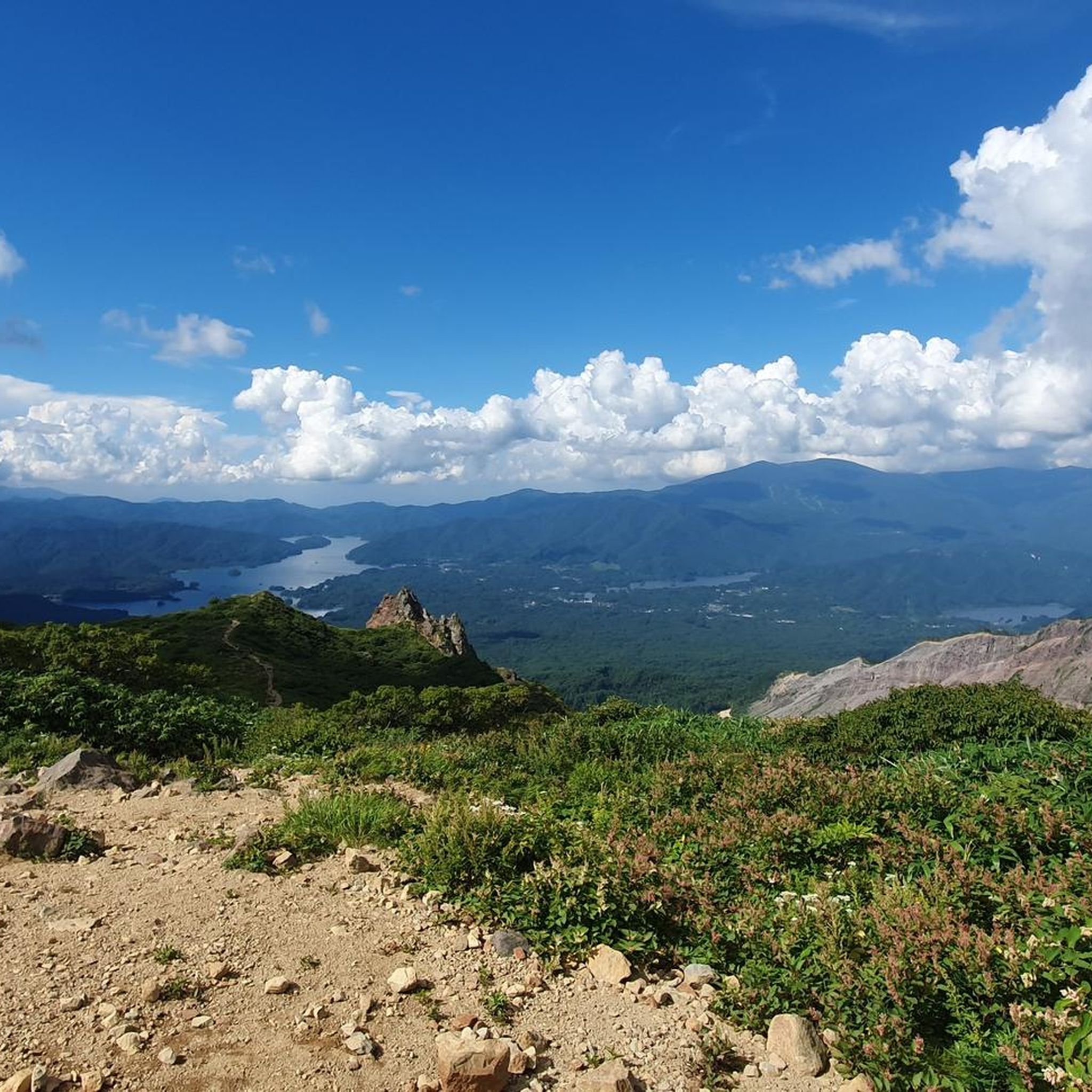
Mt. Bandai's summit
Highlight • Summit
Tip by

Mt. Kushigamine
Highlight • Summit
Tip by
Stone Staircase in Forest
Highlight • Structure
Showing Translation
Tip by

Akanuma Pond
Highlight • Lake
Tip by
Aomori Bay Bridge
Highlight • Bridge
The focus was on the aesthetics of the bridge, so the total cost of …
Translated by Google •
Tip by

Hakkoda Maru Memorial Ship
Highlight • Monument
Translated by Google •
Tip by
A-Factory
Highlight • Structure
Translated by Google •
Tip by
Nebuta Museum Wa Rasse
Highlight • Monument
On …
Translated by Google •
Tip by
Sign up for free to discover even more attractions in the Ou Mountains.
Already have an account?
Start today with a free account
Your next adventure awaits.

Other adventures in the Ou Mountains

Tips from the Community

A staircase that will leave some with a memory as memorable as the temple above.. but the climb is worth it 😄
1
0

City location, interesting museum to the annual festival
0
0

Regarding footwear: hiking boots aren't absolutely necessary here; I was able to complete the temple hike easily in sneakers. The 1,000 steps are daunting at first, but are surprisingly manageable. They're spread out along a very beautiful path that leads uphill. There are plenty of opportunities to pause and enjoy the numerous statues, lanterns, and the scenery.
0
0

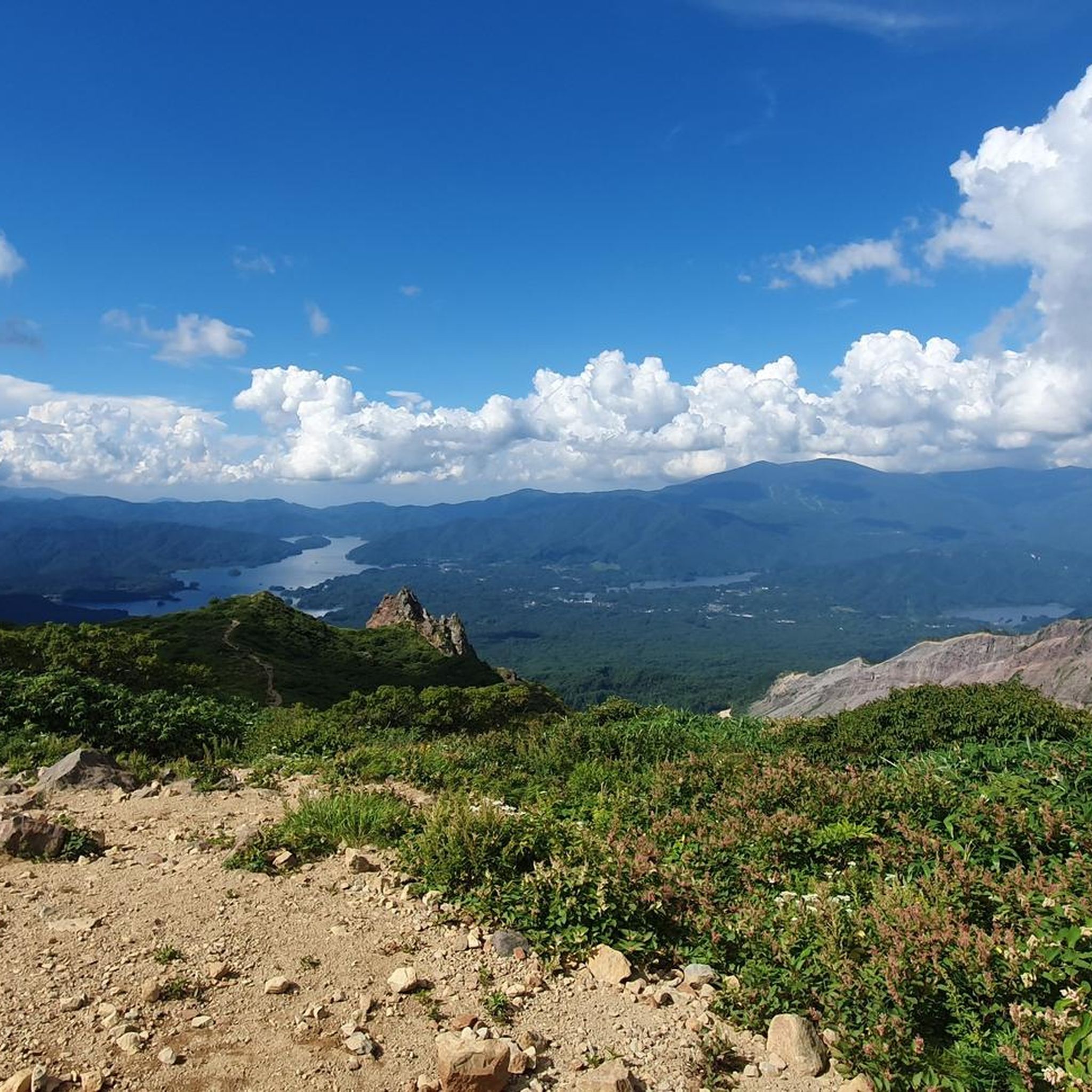
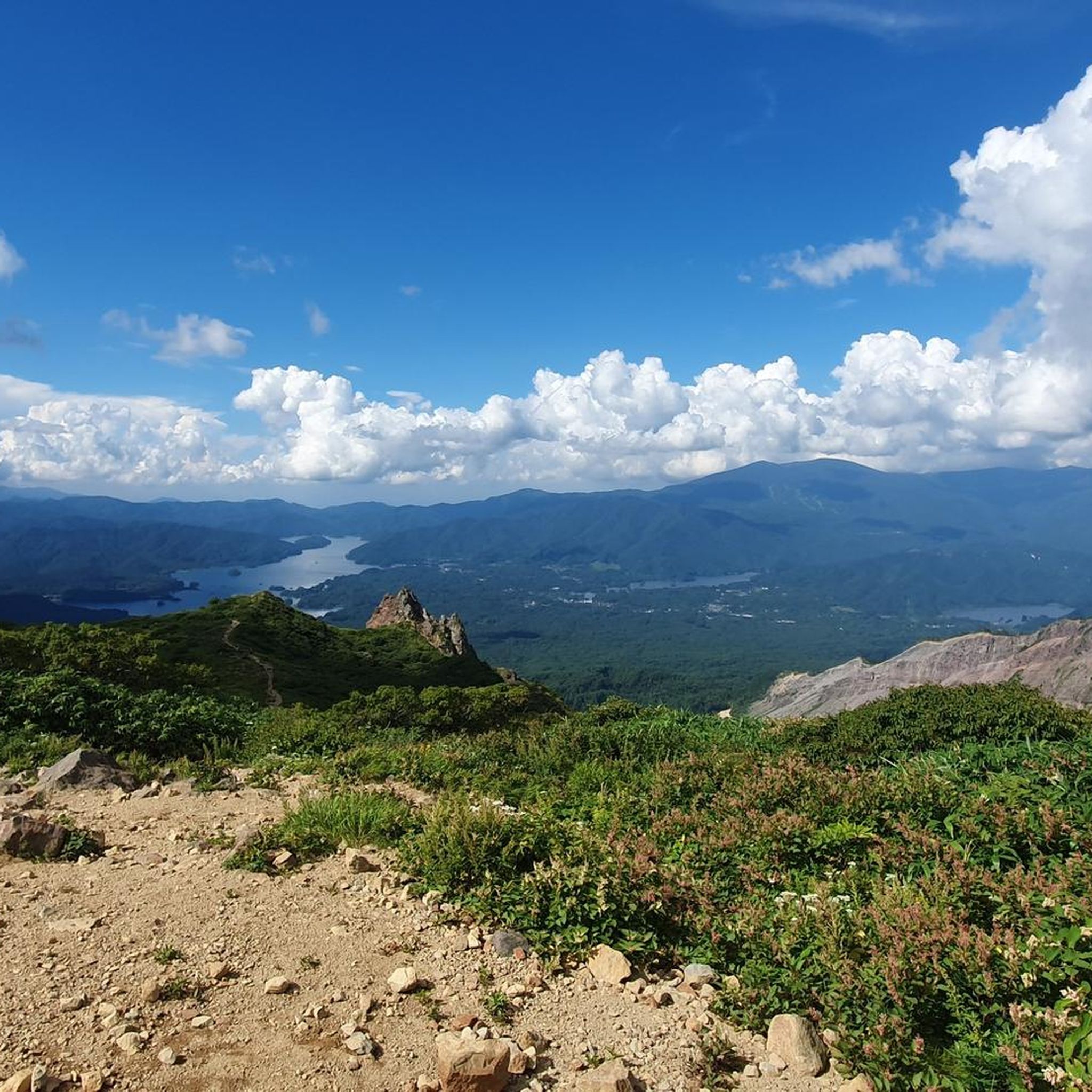
Mt. Bandai (or Bandaisan), is registered as a UNESCO Japanese Geopark since 2011. Mt. Bandai has known two major sector collapses and debris avalanches: one 50,000 years ago and the latest in 1888. The first sector collapse is said to have led to the formation of the famous Inawashiro lake. The second one in 1888 was a phreatic eruption. Unlike the destructive magmatic eruptions in most volcanoes, the explosion in Mt. Bandai consisted of high-temperature steam, preserving a large part of the surrounding flora.
0
0
Mt. Bandai is crossed by three peaks: Mt. Bandai's central peak, Kushigamine's peak, and Mt. Akahani's peak. Kushigamine can be recognized by its reddish/brownish rocky paths. The northeast side suffered a big phreatic explosion in 1888, leaving its landscapes marked by the consequences of landslides and debris avalanches. The mountain's name: "the comb peak," was given for the sharp shape of its southern side that looks like a comb's teeth.
0
0
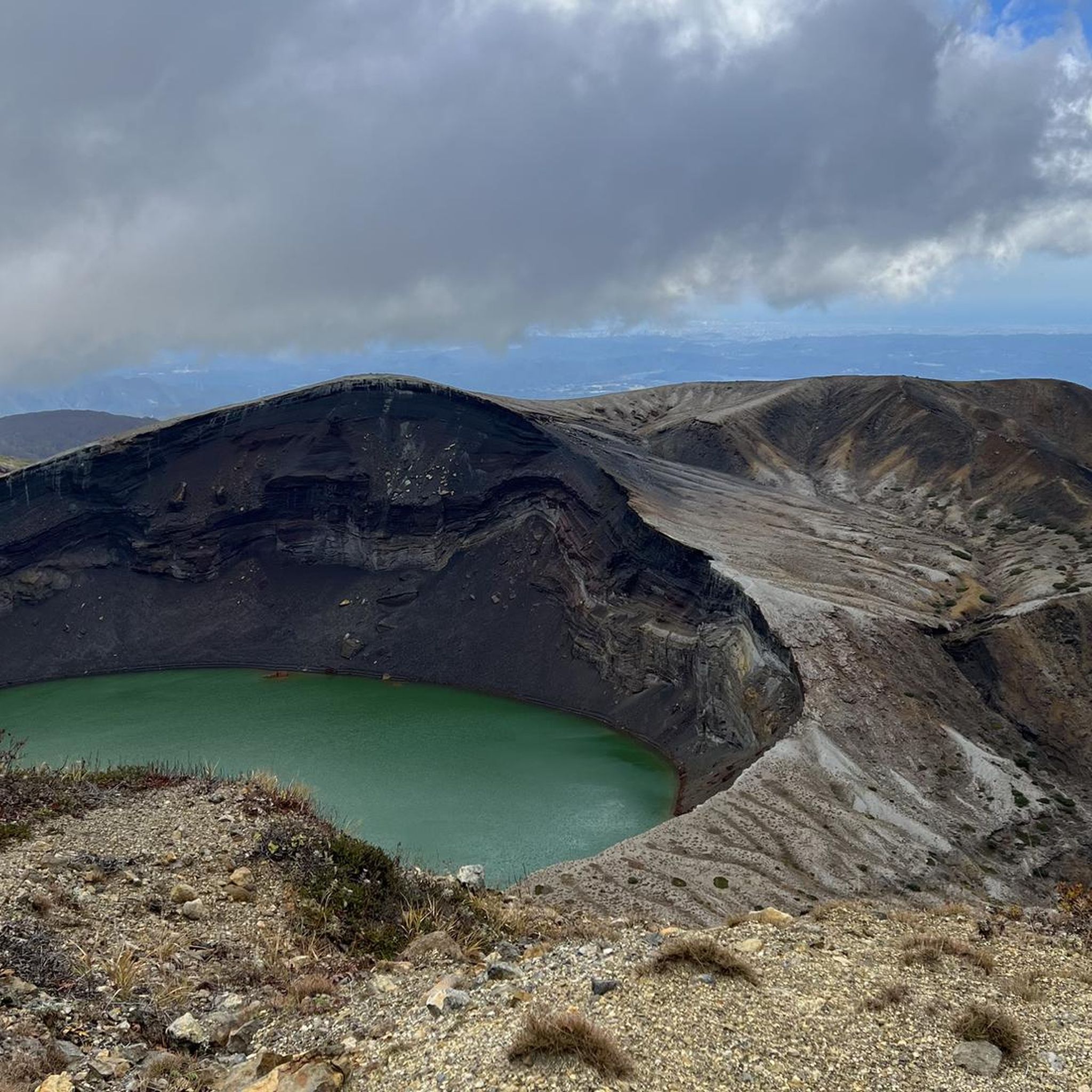
This marsh's (which is actually Mt. Bandai's caldera lake) reddish color is due to the erosion of the surrounding rocks after the many eruptions in Mt. Bandai, leaving extensive deposits of iron hydroxide in the pond's bed. The pond's water is very acidic and rich in sulfur, iron, manganese, and aluminum.
1
0

Frequently Asked Questions
What are some unique natural features to explore in the Ou Mountains?
The Ou Mountains are rich in natural wonders due to their volcanic origins. You can visit the Goshikinuma Ponds, known for their vibrant, changing colors, or the Akanuma Pond. The region also features expansive marshlands, alpine meadows, and numerous hot springs. Mount Hakkōda is notable for its lava plateaus and volcanic rocks, while Mount Hachimantai offers geothermal areas with steam vents and sulfurous fumaroles.
Are there any sacred or historical sites in the Ou Mountains?
Yes, the Ou Mountains are home to significant cultural and historical sites. The most popular is Yamadera Temple, a religious building famous for its 1,000 steps leading uphill, offering scenic views and a path lined with statues and lanterns. Additionally, the Dewa Sanzan (Mount Haguro, Mount Gassan, and Mount Yudono) are sacred mountains with a deep history of mountain worship.
What kind of hiking opportunities are available in the Ou Mountains?
The Ou Mountains offer diverse hiking opportunities for various skill levels. You can find trails ranging from leisurely nature walks to challenging ascents through volcanic terrain. Popular options include the Uwabo Trailhead on Mount Iwate for a shorter climb or the more demanding Nanataki Course. For a comprehensive overview of routes, explore the Hiking in the Ou Mountains guide.
What is the best time to visit the Ou Mountains for outdoor activities?
The Ou Mountains offer distinct experiences throughout the year. Autumn is particularly famous for stunning foliage, attracting many visitors. Winter transforms the mountains into a popular destination for sports like skiing and snowboarding, especially on Mount Zaō, where you can also see the unique 'Snow Monsters' (Juhyō).
Are there family-friendly attractions or activities in the Ou Mountains?
Yes, there are several family-friendly options. The Goshikinuma Ponds offer a scenic and manageable walk suitable for families. The Hakkoda Maru Memorial Ship and the Aomori Bay Area Sculptures and ASPAM Tower are also noted as family-friendly attractions. For dining, A-Factory provides cafes and restaurants with a view of the Aomori Bay Bridge.
Where can I find food and accommodation in the Ou Mountains region?
The volcanic nature of the Ou Mountains means there are many natural thermal hot springs (Onsen) throughout the range, often with associated traditional Japanese accommodations (Ryokan). An example is Tsuta Onsen Ryokan. For dining and shopping, A-Factory in Aomori is a popular spot with a market, cafes, and restaurants.
What are the highest peaks in the Ou Mountains?
Mount Iwate, standing at 2,038 meters (6,686 ft), is the highest peak in the Ou Mountains, offering panoramic views. Other notable peaks include Mount Hakkōda and Mount Hachimantai, both part of volcanic complexes known for their unique landscapes.
Can I find challenging hikes for experienced trekkers?
Absolutely. For experienced hikers, the Hachimantai Traverse connects Mount Hachimantai with Mount Akita-Komagatake and Mount Iwate, featuring geothermal areas and crater lakes. The summits of Mt. Bandai and Mt. Kushigamine are also categorized as challenging, offering rugged volcanic terrain.
What kind of wildlife and plant life can be observed in the Ou Mountains?
The dense woodlands of the Ou Mountains are home to diverse flora and fauna. You might spot the Japanese green pheasant and the black woodpecker. The forests feature an abundance of spruce and fir species, Japanese beech, and indigenous perennials like Komakusa, especially in protected areas like Towada-Hachimantai National Park.
Are there any cycling routes available in the Ou Mountains?
Yes, the Ou Mountains region offers various cycling routes. You can find road cycling options, such as the Lake Inawashiro Cycle Route loop. For more details and specific routes, refer to the Road Cycling Routes in the Ou Mountains guide.
What do visitors particularly enjoy about the Ou Mountains?
Visitors appreciate the diverse natural beauty, from the unique colors of the Goshikinuma Ponds to the panoramic views from Yamadera Temple. Many enjoy the scenic walks and the opportunity to immerse themselves in both the natural landscapes and the rich cultural history of the region. The volcanic features and hot springs are also a significant draw.
Is there anything to see related to volcanic activity?
The entire Ou Mountains range is characterized by its volcanic origins. You can observe distinct geological formations, including fumaroles and volcanic rock formations, particularly around Mount Hakkōda and Mount Hachimantai. Mt. Bandai is registered as a UNESCO Japanese Geopark, showcasing the impact of past volcanic events.
Most popular routes in the Ou Mountains
Most popular attractions in the Ou Mountains

Get inspired with the komoot mobile app


Explore more
Still not found the Highlight you’re looking for? See guides of the top attractions in other regions:
