Top 6 Caves around Röhrig
Best caves around Röhrig are found within a region known for its historical mining industry and natural geological formations. The area features a unique combination of former mining infrastructure and natural cave systems. Visitors can explore underground passages and natural caves, which include gypsum karst formations in the Southern Harz. These sites offer insights into both human activity and natural geological processes.
Best caves around Röhrig
- The most popular caves is Bernterode Grotto, a religious building and cave that…
Last updated: June 27, 2026
Dwarf Cave
Highlight • Cave
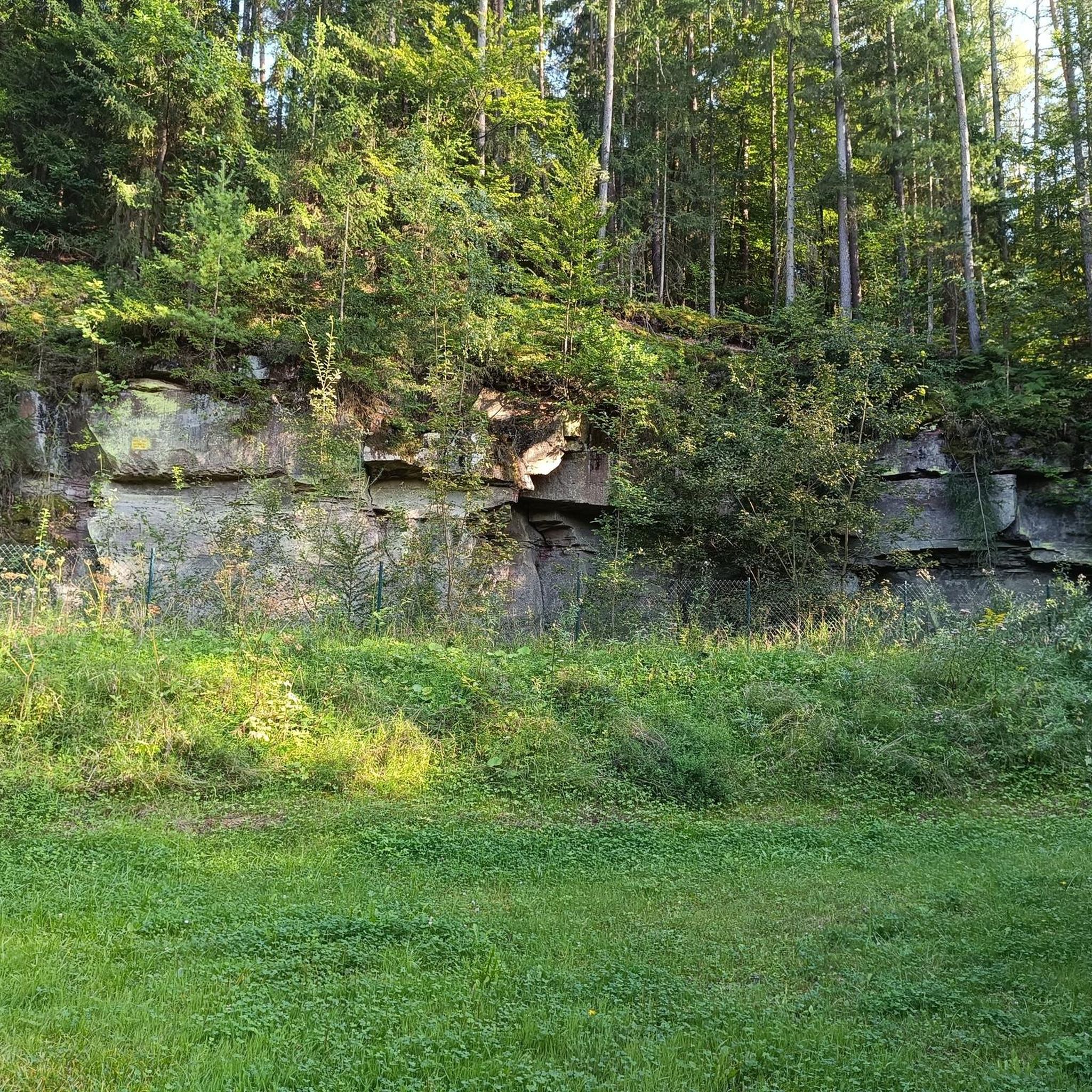
Like a small Elbe sandstone mountain range.
A headlamp is necessary for the tunnel.
An adventure playground for young and old🤠✌️😎
Translated by Google •
Tip by

Bernterode Grotto
Highlight • Religious Site
Translated by Google •
Tip by

Sign up now to discover places like this
Get recommendations on the best single tracks, peaks, & plenty of other exciting outdoor places.
Sign up for free
Abri Walterstein I and Dreilochnadel
Highlight • Natural Monument
Translated by Google •
Tip by

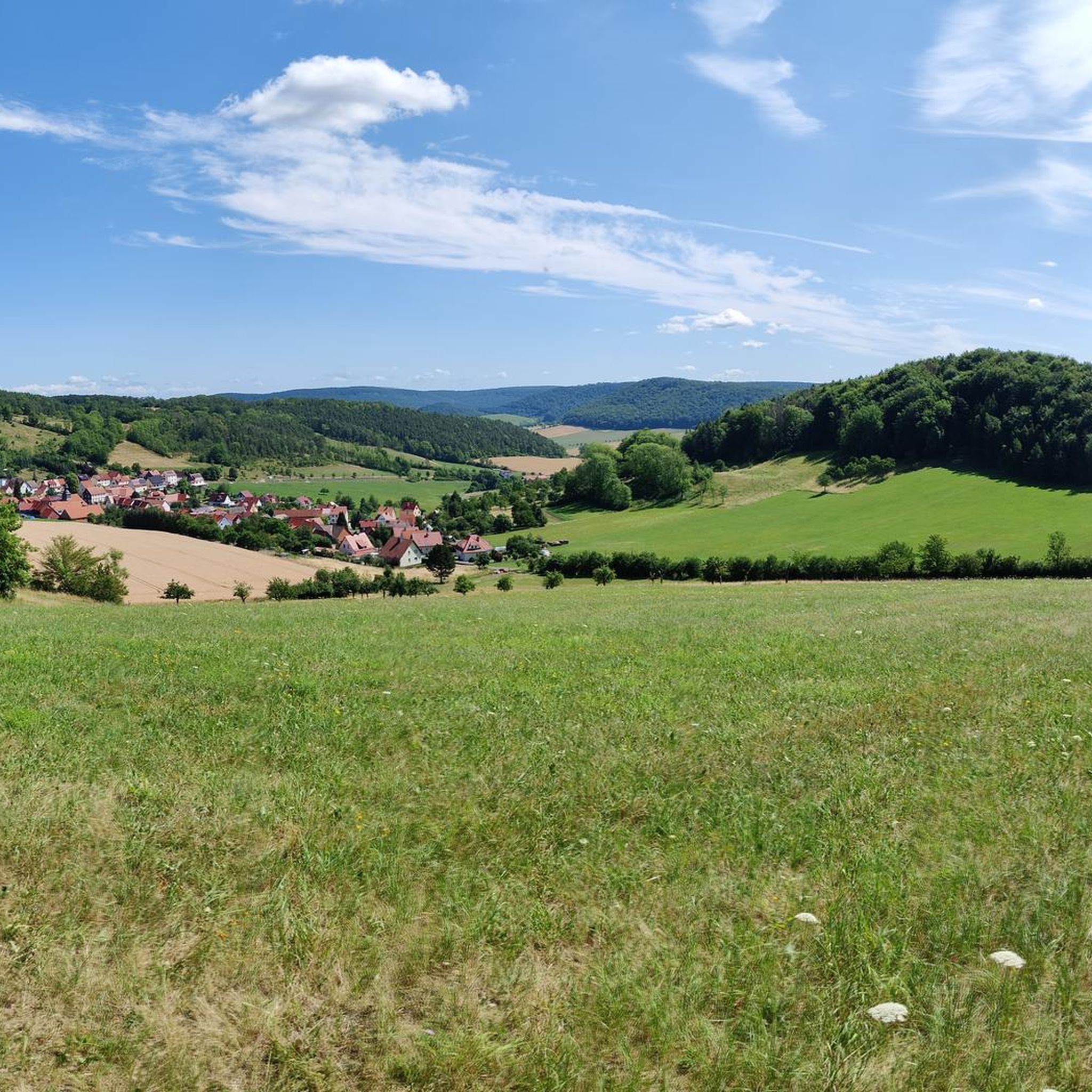
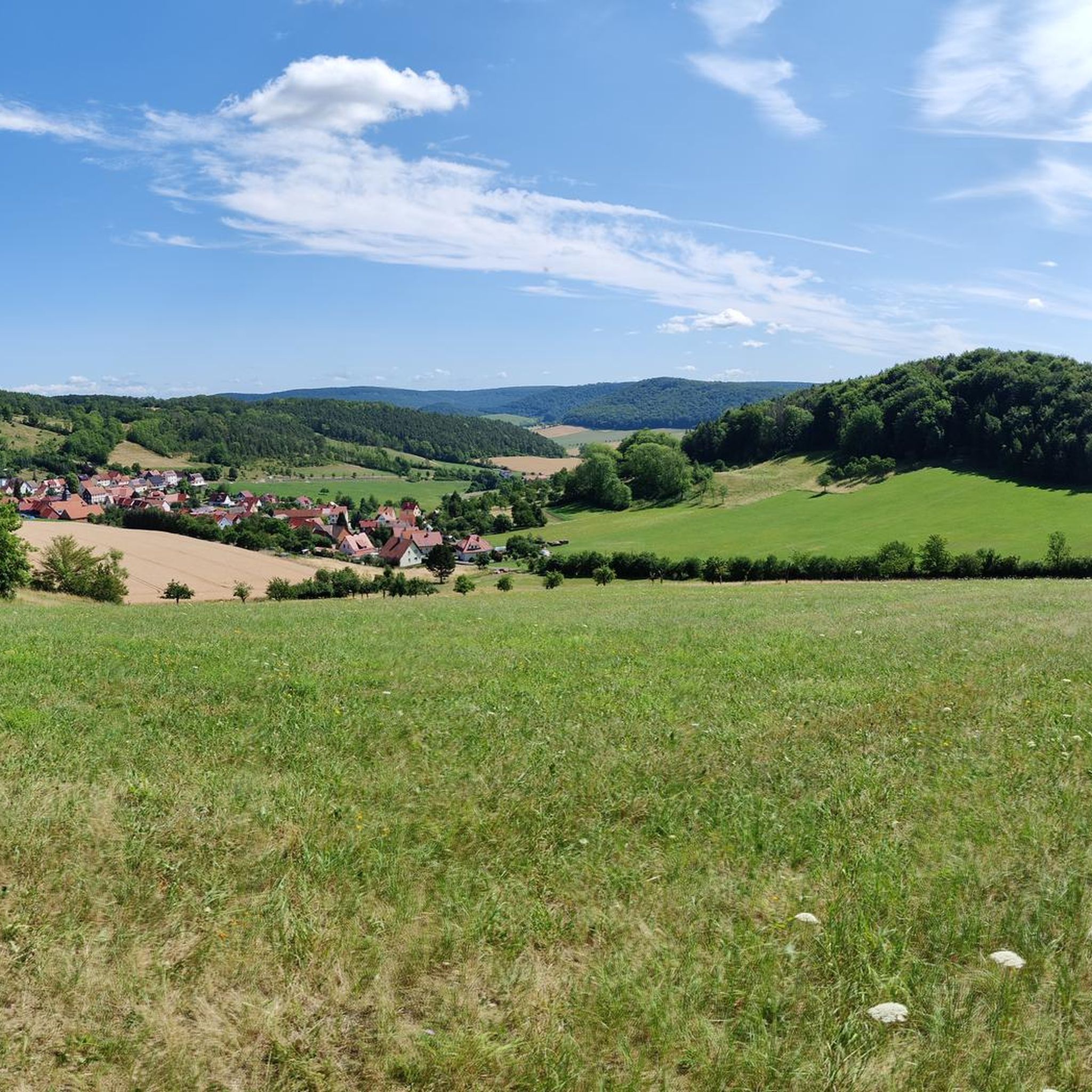
View of Krombach
Highlight • Viewpoint
Translated by Google •
Tip by

Dwarves' Cave
Highlight • Cave
Translated by Google •
Tip by

Sign up for free to discover even more caves around Röhrig.
Sign up for free
Already have an account?
Start today with a free account
Your next adventure awaits.
Login or Signup
Tips from the Community

The dwarf caves are located in the immediate vicinity of Rachelsberg. The caves are just a few meters away from the premium hiking trail. There are several crevices in the rocks with small caves, where the attentive hiker can sometimes see dwarves ;-)
1
0


Fabulous... and healingly mystical... 🧙 a little time machine 😉
1
0
As children we crawled in there, at some point you have to squat down, it gets damn tight. According to stories, a tunnel used to lead from the Heiligenstadt town hall to the dwarf cave. The sandstone cliffs look enormous
0
0
very nice to sit here and enjoy nature
0
0

Beautiful grotto above Bernterode with a view of Bernterode
0
0

With lots of balls to sit down and just pause for a moment
0
0
Frequently Asked Questions
What types of caves can I explore around Röhrig?
The Röhrig area offers a diverse range of underground experiences, from natural geological formations like sandstone and gypsum karst caves to historical mining infrastructure. You can explore natural rock formations, semi-open grottoes, and even former mining tunnels that have integrated natural cave features.
Can I learn about the region's mining history through its caves?
Yes, the region is known for its historical mining industry. The ErlebnisZentrum Bergbau Röhrigschacht Wettelrode, for instance, combines old mining infrastructure with natural cave formations, offering tours that provide insights into the hard work of miners and the geological processes that shaped the area. Expeditions like the Marienglas Fleet and Alabaster Fleet delve into this history.
Are there any unique geological formations to see in the Röhrig caves?
Absolutely. The region features impressive sandstone formations, such as the Dwarf Cave, which is a mighty sandstone rock formation with a tunnel. You can also find gypsum karst formations in the Southern Harz, and rock roofs known as abris, like Abri Walterstein I and Dreilochnadel, which are impressive sandstone formations in the forest.
What do visitors particularly enjoy about the caves in Röhrig?
Visitors appreciate the unique blend of historical mining insights and natural geological wonders. Many find the Dwarf Cave to be an adventure playground for all ages, requiring a headlamp for its tunnel. The Bernterode Grotto is valued as a very quiet place for reflection. The impressive sandstone formations and the opportunity to pause and enjoy nature are also frequently mentioned.
Where can I find a unique religious site with a cave-like atmosphere?
The Bernterode Grotto is a religious building and cave that features a semi-open, cave-like space. It is a Lourdes Grotto, offering a quiet place for visitors to pause and reflect. Another similar site is the View of Krombach, which also includes a Lourdes Grotto.
Are there any caves that offer an adventurous exploration experience?
Yes, for those seeking adventure, the Dwarf Cave is a natural monument with a tunnel that requires a headlamp for exploration, described as an 'adventure playground'. The ErlebnisZentrum Bergbau Röhrigschacht Wettelrode also offers physically challenging and adventurous expeditions, such as the Alabaster Fleet, which involves navigating challenging terrain and potentially wading through water.
Are the caves around Röhrig suitable for families with children?
Many options are family-friendly. The Dwarf Cave is noted as an 'adventure playground for young and old'. The ErlebnisZentrum Bergbau Röhrigschacht Wettelrode offers diverse tours, including family-friendly options accessible by mine train, catering to various interests and fitness levels.
What are the difficulty levels for exploring caves in Röhrig?
The difficulty varies. Some sites like the Dwarf Cave and Abri Walterstein I and Dreilochnadel are rated as intermediate. More strenuous expeditions, such as the Alabaster Fleet at ErlebnisZentrum Bergbau Röhrigschacht Wettelrode, are described as physically challenging, potentially involving wading through water or scrambling over obstacles due to storm damage.
What should I bring for a cave exploration trip in Röhrig?
For caves like the Dwarf Cave, a headlamp is necessary for exploring the tunnel. For more adventurous tours, be prepared for physically challenging terrain, which might include wading through water or navigating around fallen trees, so appropriate footwear and clothing are recommended.
What outdoor activities can I combine with a visit to the caves?
The Röhrig area is excellent for combining cave exploration with other outdoor activities. You can find numerous hiking trails around Röhrig, with options ranging from easy to moderate. There are also extensive cycling routes and road cycling routes available, allowing you to explore the scenic surroundings.
Are there hiking trails near the caves in Röhrig?
Yes, there are several hiking opportunities nearby. For example, the Dwarves' Cave is located just a few meters from a premium hiking trail. You can find a variety of hiking trails around Röhrig, including easy loops like the 'Crested Coral Fungus – Bench at Röhrigsberg loop' and moderate options such as the 'Schönhagen Shelter – Röhrsberg Quarry loop'.
What are the "Abri Walterstein I and Dreilochnadel"?
The Abri Walterstein I and Dreilochnadel are impressive sandstone rock roofs, also known as abris or half caves, located in the forest. These natural monuments are significant for their geological formations and have archaeological importance, with settlement remains from the Young Bronze Age to the Early Iron Age found in the subsurface.
Most popular attractions around Röhrig

Get inspired with the komoot mobile app


Explore more
Extend your search for the best caves by checking out these guides of the top ones around Röhrig:
