Top 20 Caves around Wurzbach
Best caves around Wurzbach offer a glimpse into the region's geological and industrial past. The area features a mix of natural cave formations and historical mine entrances. These sites provide opportunities to explore underground environments and learn about local heritage. Wurzbach's landscape is characterized by its forested hills and valleys, where these subterranean features are often found.
Best caves around Wurzbach
- The most popular caves is Blauer Löw Mine Entrance, a cave and historical site that is an 18th-century ore mine tunnel. Visitors can walk approximately 25 meters into the tunnel, but a flashlight is recommended.
- Another must-see spot is Dürrenwaid Drinks Cave, a cave with facilities. This site offers chilled drinks, making it a unique stop during a hike.
- Visitors also love Old Slate Mine Entrance, an old slate tunnel. Lamps and appropriate footwear are necessary for exploration, as water can be present.
- Wurzbach is known for historical mine tunnels, natural cave formations, and unique man-made cave facilities. The variety of caves provides diverse exploration opportunities, from historical insights to recreational stops.
- The caves around Wurzbach are appreciated by the komoot community, with more than 100 upvotes and over 90 photos shared by users.
Last updated: November 24, 2026
Blauer Löw Mine Entrance
Highlight • Cave
Translated by Google •
Tip by

Dürrenwaid Drinks Cave
Highlight • Cave
Translated by Google •
Tip by

Sign up now to discover places like this
Get recommendations on the best single tracks, peaks, & plenty of other exciting outdoor places.
Rentschenbruch Slate Quarry
Highlight • Cave
Translated by Google •
Tip by

Old Slate Mine Entrance
Highlight • Cave
Translated by Google •
Tip by

Liebengrün Frassmulk Cave
Highlight • Cave
Translated by Google •
Tip by

Sign up for free to discover even more caves around Wurzbach.
Already have an account?
Start today with a free account
Your next adventure awaits.
Popular around Wurzbach
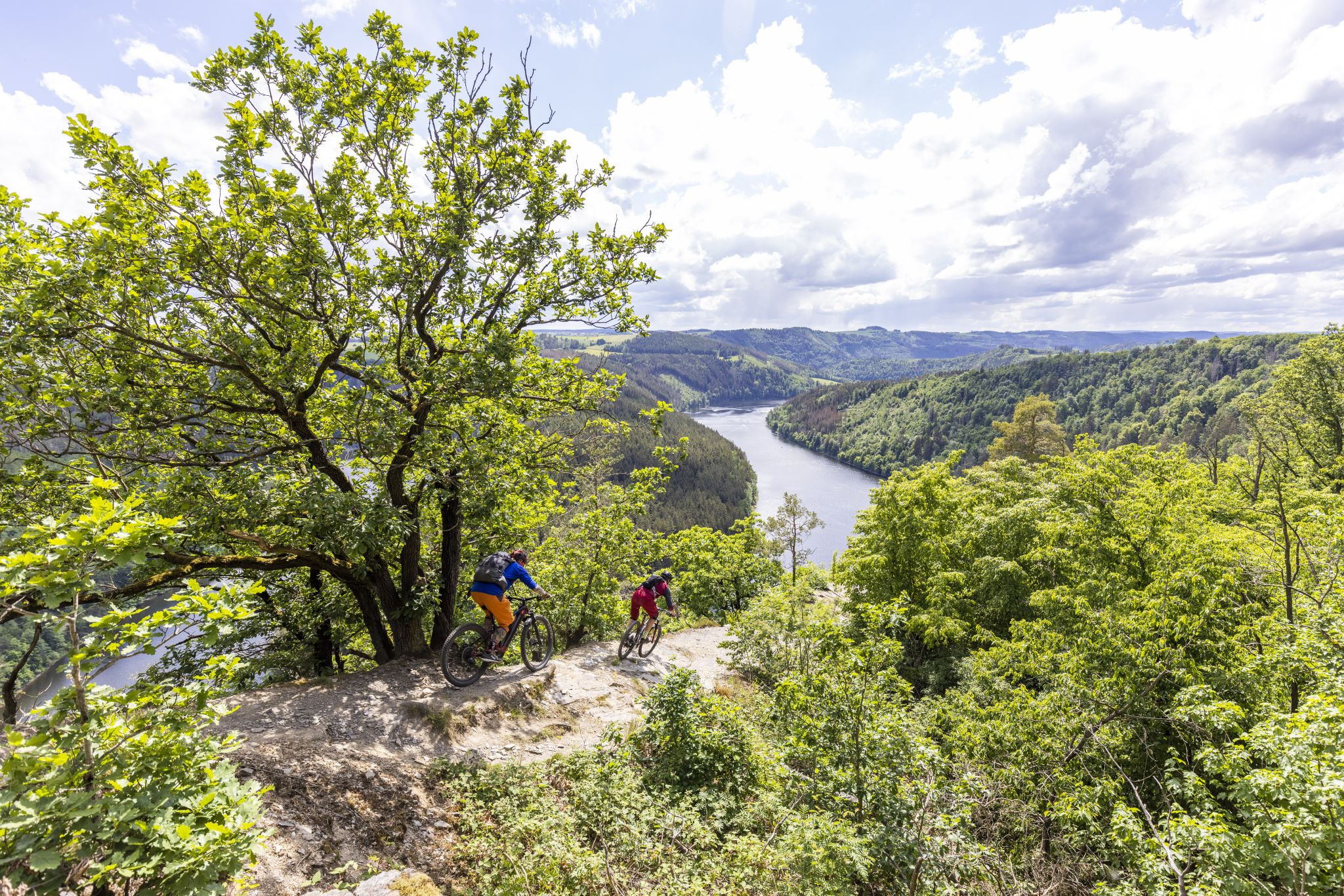
In the land of blue gold – Trail guide Thuringian Slate Mountains
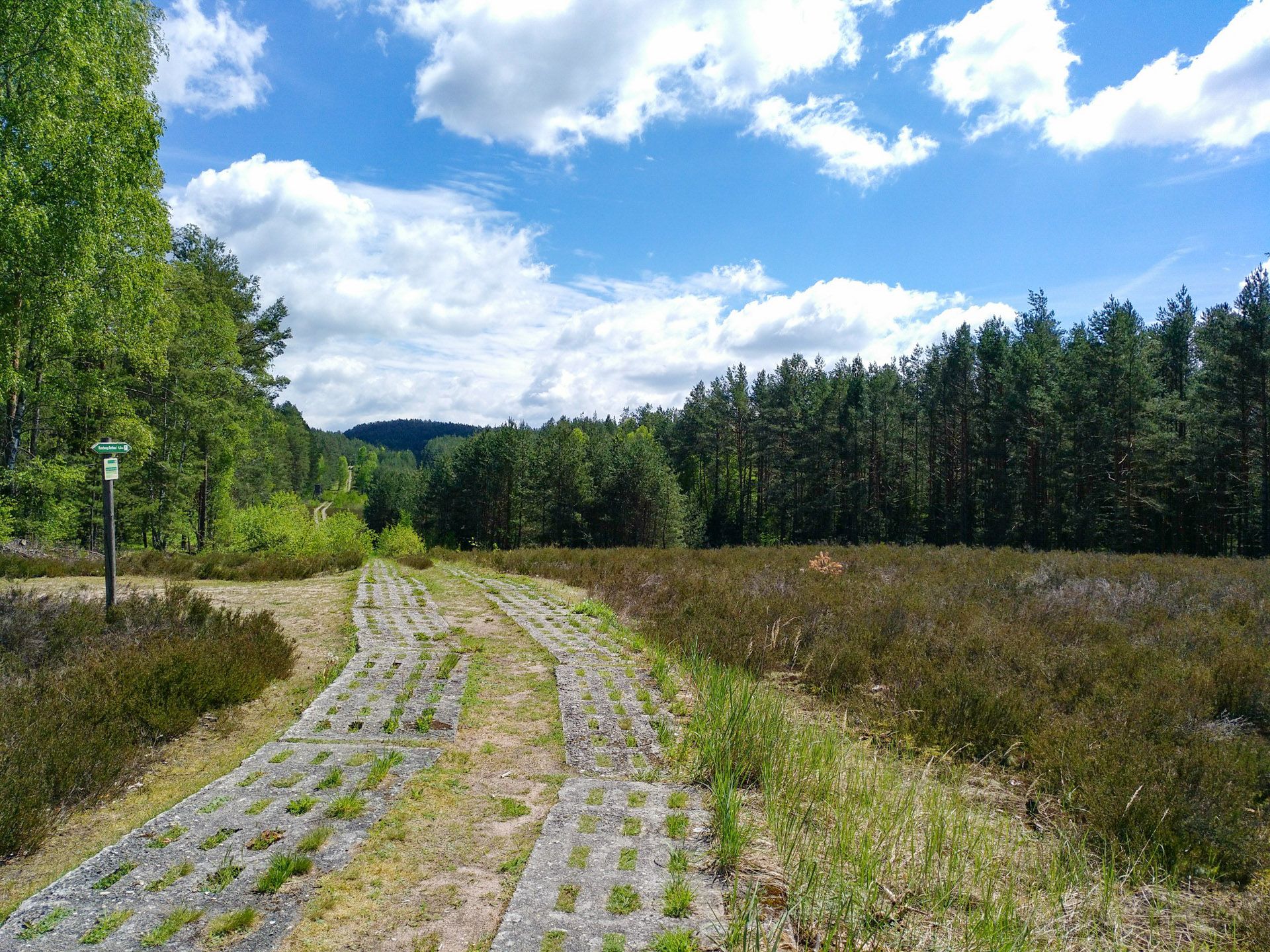
Discover the Green Belt in Germany’s Thuringian Slate Mountains with BUND
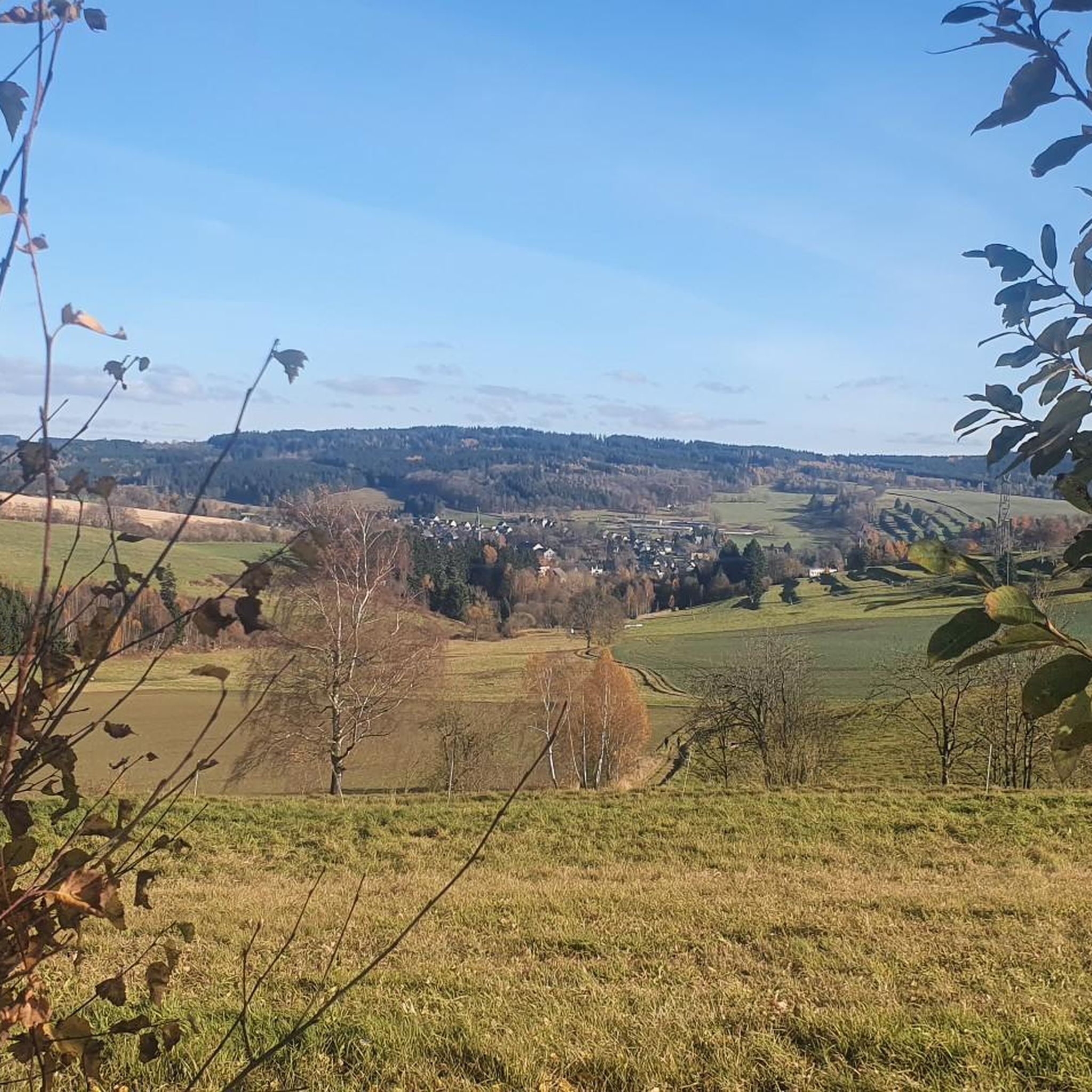
Hiking around Wurzbach
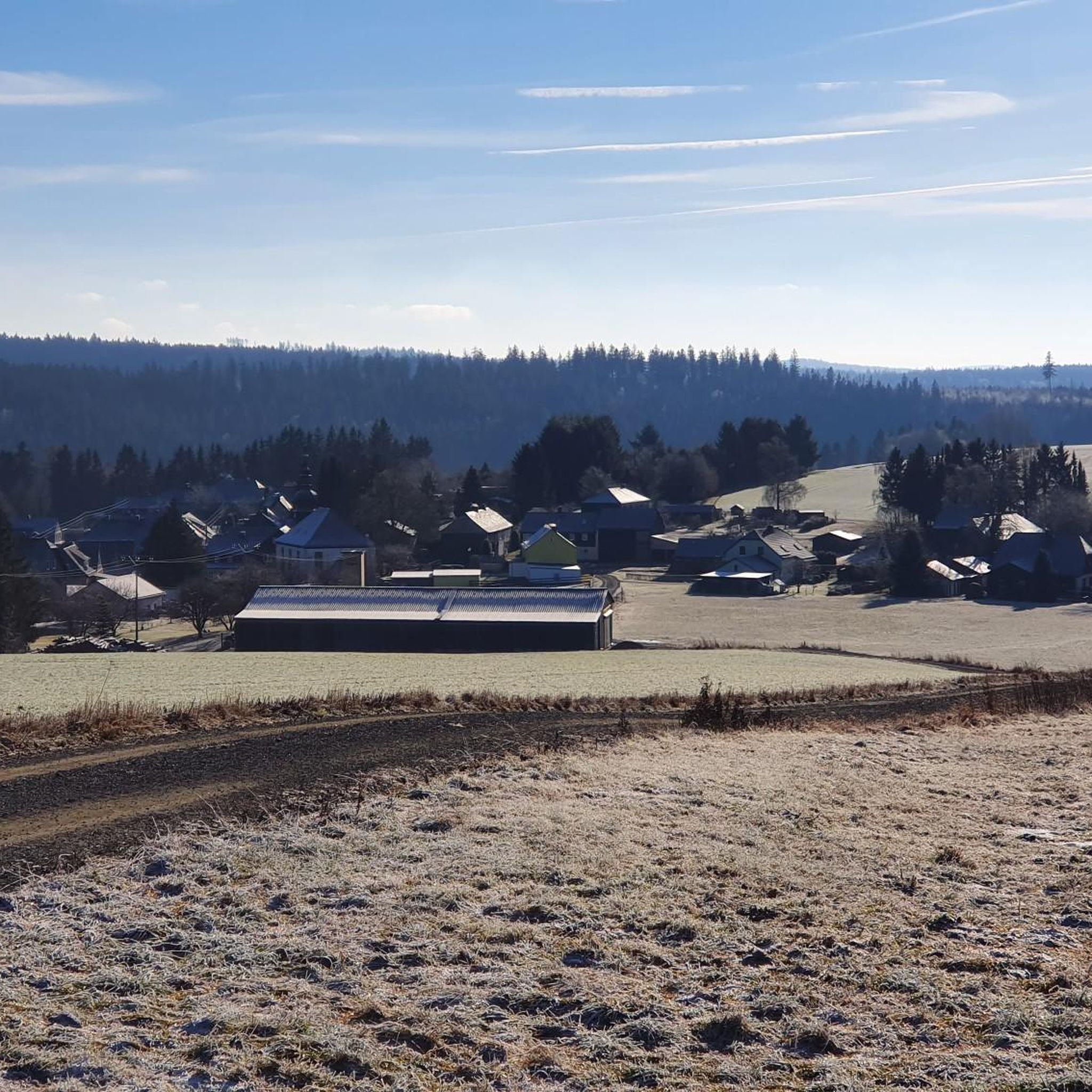
Cycling around Wurzbach
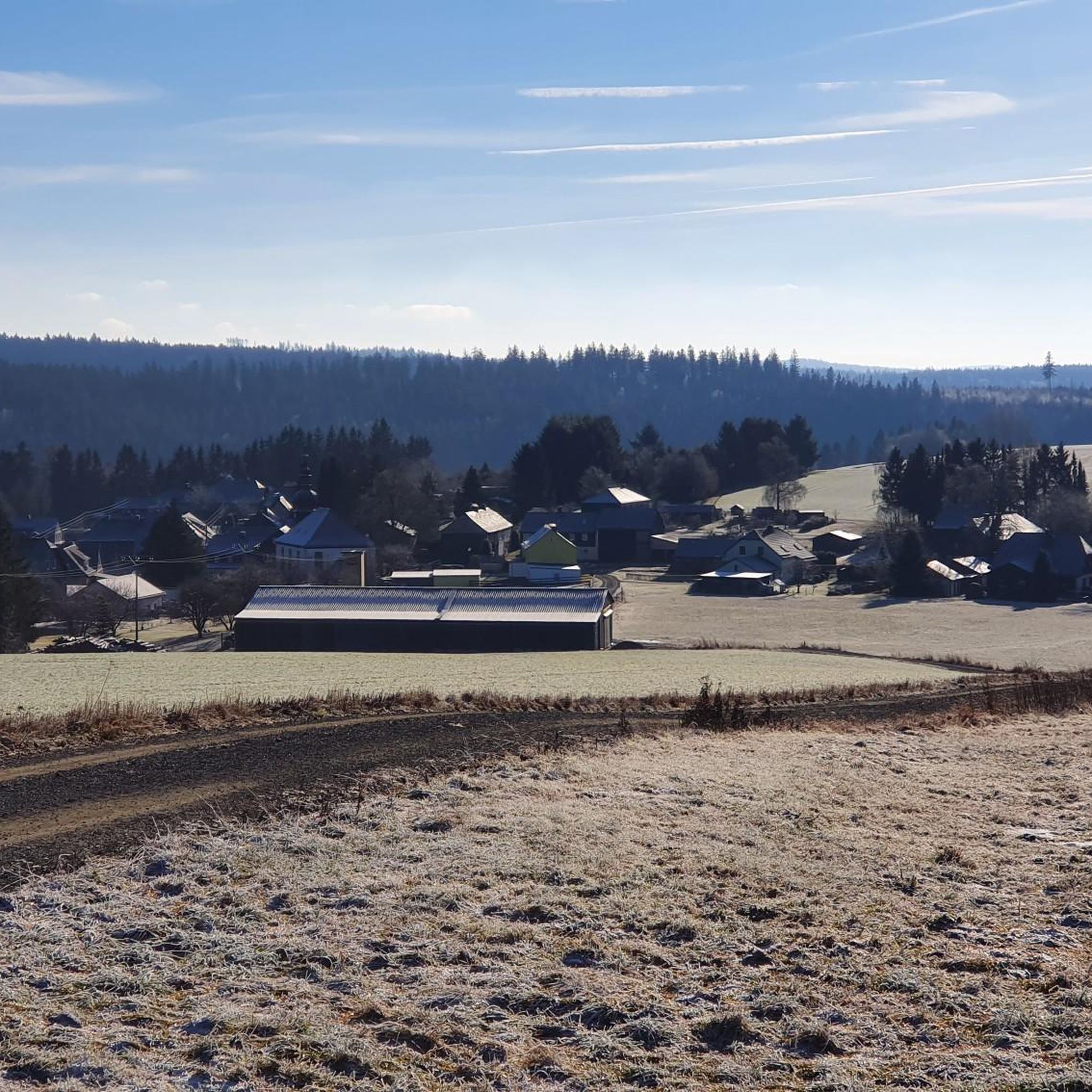
MTB Trails around Wurzbach
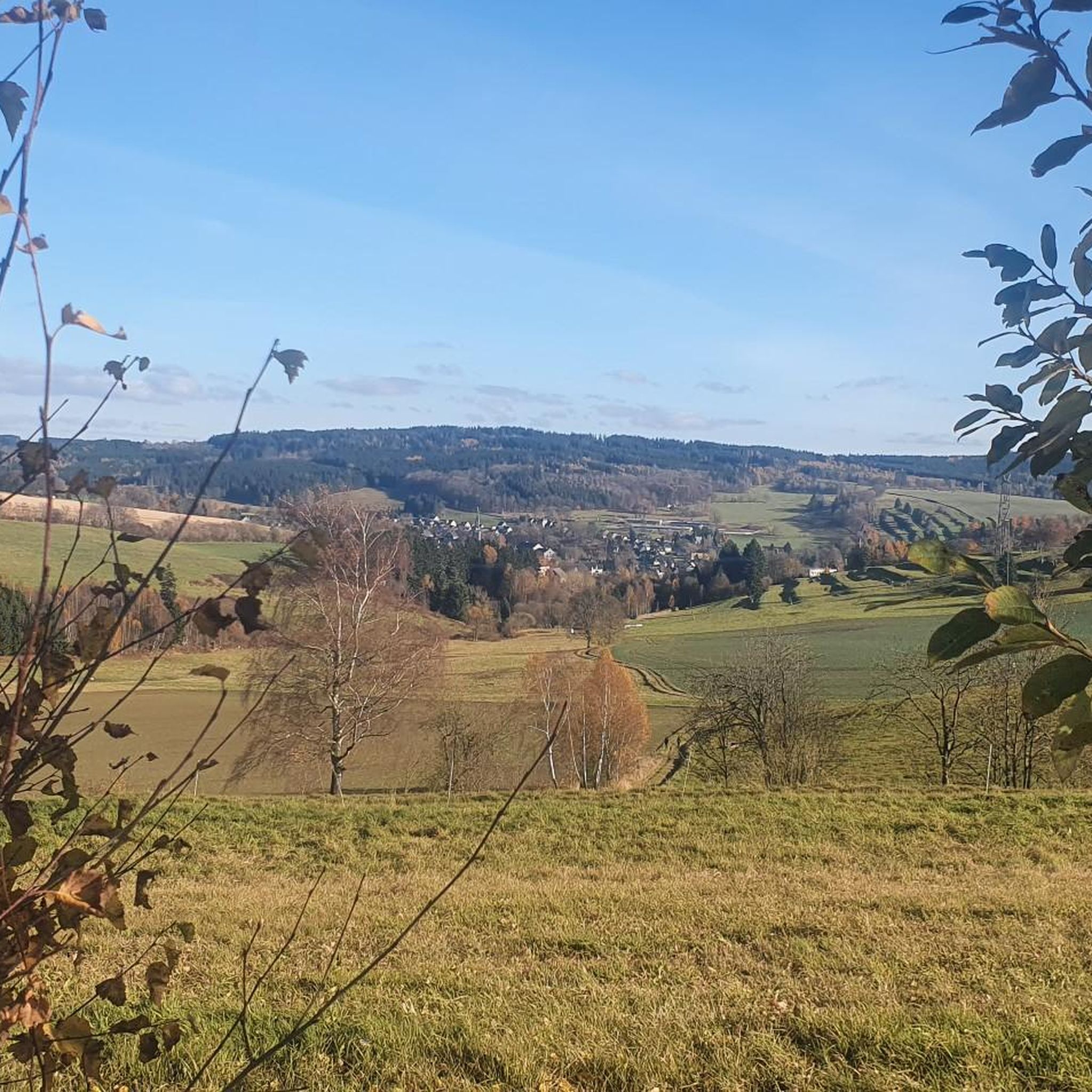
Running Trails around Wurzbach
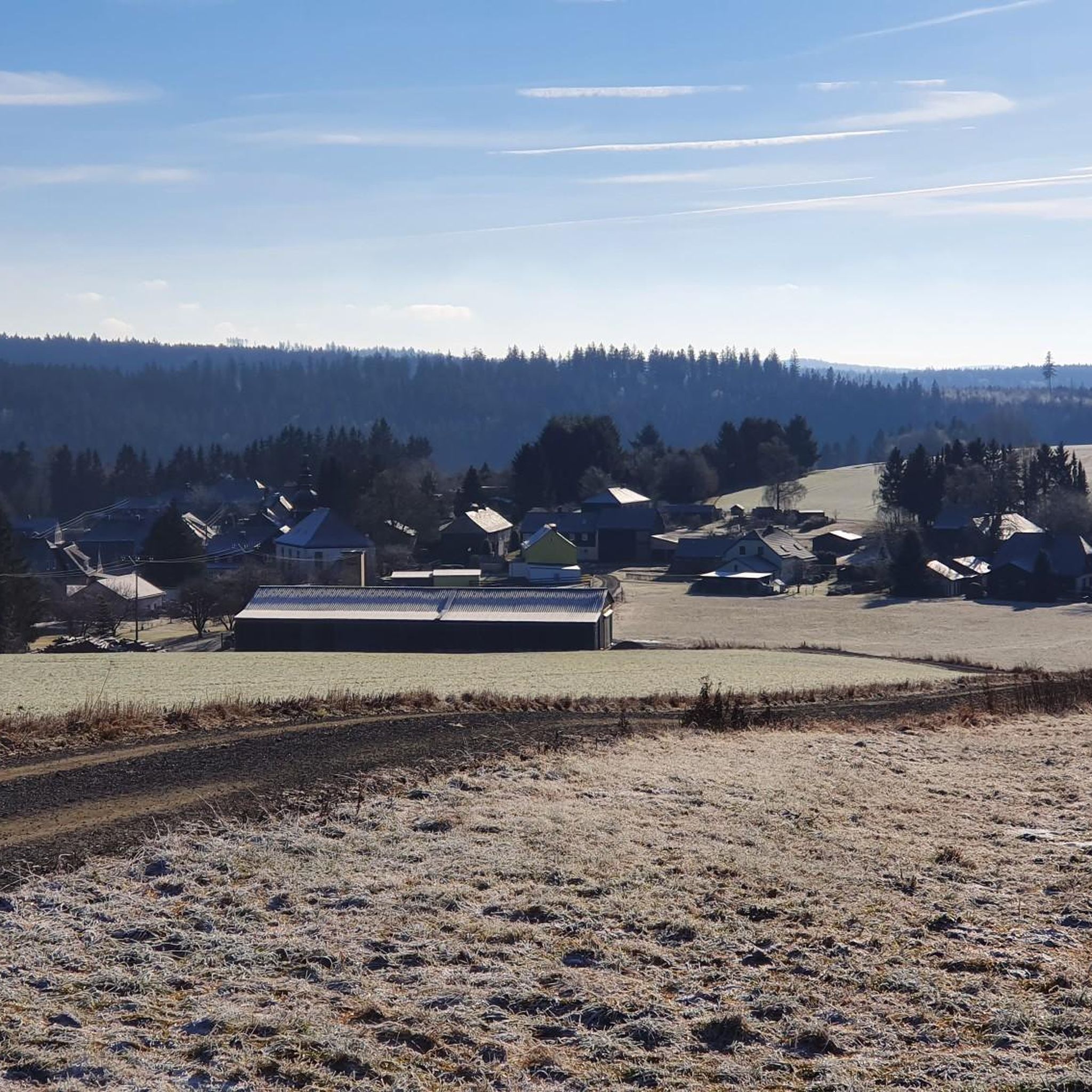
Road Cycling Routes around Wurzbach

Gravel biking around Wurzbach


Tips from the Community

About 30cm of water during my visit. Are we talking about the manhole with the "100" spray marking? There are a few in the vicinity.
0
0

The first hall can also be viewed from the second opening and the first hall (back right). I don't dare go to the front because of my fear of heights. There's supposed to be a lake/waterfall at the bottom.
4
0

What a great idea with the cash register! The drinks are wonderfully chilled. I was happy to take advantage of the offer. You can leave a message on the slate stones!🤩
0
0
You don't have to crawl over the elevation. After that, things get spectacular. There are several large halls. Unfortunately, they're empty. Be careful, the first one drops at least 10 meters.
4
0
Unfortunately, there was water here today. Without rubber boots, no chance.
7
0
Back again today and walked all the way to the end. There are still rails at the end. Very interesting area.
4
0

After the German armaments factories in Peenemünde on Usedom were severely damaged by the British Operation Hydra, the Nazi government decided to relocate war-critical factories underground. The factories found space primarily in old mines, railway tunnels, or newly constructed galleries. The Rentschen quarry, which had been used for slate mining and closed in 1925, was also designated for the "underground relocation." It was codenamed "Rutte." The Chemnitz-based company Reinecker was supposed to produce armaments on a 3,000-square-meter site. But this never happened. Reinecker found a home in another nearby slate mine. In total, around two dozen underground relocations were occupied or at least planned around Probstzella.
18
0
Frequently Asked Questions
What types of caves can I explore around Wurzbach?
The Wurzbach area offers a mix of historical mine entrances and natural cave formations. You can visit sites like the Blauer Löw Mine Entrance, an 18th-century ore mine tunnel, or the Old Slate Mine Entrance, which provides a glimpse into the region's industrial past.
Are there any unique or unusual cave experiences in the Wurzbach region?
Yes, the Dürrenwaid Drinks Cave offers a unique stop. It's a cave with facilities providing chilled drinks, making it a refreshing break during a hike.
What should I bring when visiting the historical mine entrances?
For historical mine entrances like the Blauer Löw Mine Entrance, a flashlight or mobile phone light is recommended as you can walk about 25 meters into the tunnel. For the Old Slate Mine Entrance, good lamps and appropriate footwear are essential, as water can often be present.
Are there any challenging caving opportunities near Wurzbach?
The Rentschenbruch Slate Quarry is categorized as challenging. This historical site, once a slate mine, has a complex history related to planned underground armaments production during WWII, offering a deeper, more demanding exploration.
Can I find any natural caves or formations in the area?
Yes, the Liebengrün Frassmulk Cave is an example of a natural cave formation in the region, located near a railway line and a popular singletrail.
What historical significance do the caves around Wurzbach hold?
Many caves in the Wurzbach area are former mine entrances, reflecting the region's rich industrial and mining history. The Blauer Löw Mine Entrance dates back to the 18th century, showcasing early ore mining, while the Rentschenbruch Slate Quarry has connections to WWII-era industrial planning.
What outdoor activities can I combine with a visit to the caves?
The Wurzbach region offers various outdoor activities. You can find easy hikes, road cycling routes, and running trails nearby. For example, the Liebengrün Frassmulk Cave is a short detour from the Oberlandbahn Singletrail #2.
Are there any caves around Wurzbach that are particularly good for nature observation?
While the Wurzbach Bat Cave in San Antonio, Texas, is known for its bat colony and unique cave-dwelling species, the caves directly around Wurzbach in Germany are primarily historical mine entrances. However, the Blauer Löw Mine Entrance has been noted to have bats hanging around or flying inside.
What are some general tips for exploring caves in this region?
Always be prepared with appropriate footwear and lighting, especially for mine entrances where conditions can be dark and wet. Some areas may require more challenging navigation. Always respect the natural environment and historical significance of these sites.
What do visitors appreciate most about the caves around Wurzbach?
Visitors appreciate the opportunity to explore the region's geological and industrial past. The variety of sites, from historical mine tunnels to unique facilities like the Dürrenwaid Drinks Cave, offers diverse exploration opportunities and insights into local heritage.
Most popular routes around Wurzbach
Most popular attractions around Wurzbach

Get inspired with the komoot mobile app


Explore more
Extend your search for the best caves by checking out these guides of the top ones around Wurzbach:
