Attractions and Places To See in the Sobaek Mountains - Top 20
Best attractions and places to see in the Sobaek Mountains include majestic peaks, significant cultural sites, and diverse natural features. This mountain range, often called the "backbone of Korea," offers a variety of experiences for visitors. Sobaeksan National Park is a central feature, providing access to many of the region's natural and historical points of interest. The area is known for its varied hiking experiences and rich historical connections.
Best attractions and places to see in the Sobaek Mountains
- The…
Last updated: October 11, 2026
Daemihwajeong Pass
Highlight (Segment) • Mountain Pass
Tip by

Jebibong Peak
Highlight (Segment) • Summit
Translated by Google •
Tip by

Sign up now to discover places like this
Get recommendations on the best single tracks, peaks, & plenty of other exciting outdoor places.
Birobong Peak (1,288 m) – Chiaksan National Park
Highlight (Segment) • Summit
Tip by

Juheulgwan (Yeongnam Gateway No. 1)
Highlight • Historical Site
Yeongnam Gateway No. 1 (or Juheulgwan) was built in 1708, the 34th year of the reign of King Sukjong, to defend against …
Tip by

Munjangdae Summit
Highlight • Summit
Translated by Google •
Tip by

Baekdudaegan Pass
Highlight • Mountain Pass
Translated by Google •
Tip by

Ihwaryeong Pass Certification Center
Highlight • Rest Area
- I'm not afraid of Lee Hwa-ri, road condition
Translated by Google •
Tip by

Joryeonggwan Gate (Yeongnam Gateway No. 3)
Highlight • Historical Site
Gateway No. 3 is located at the top of the Saejae hill. It was built to defend against enemy attacks from the …
Tip by
Mudeungsan Tunnel
Highlight • Structure
Translated by Google •
Tip by

Yeomti Pass (R.T.C. Route)
Highlight • Mountain Pass
- It is nice to visit Cheongnamdae ("Cheongnamdae"), and go to Seongnam-ke near Cheongnamdae.
Translated by Google •
Tip by
Sign up for free to discover even more attractions in the Sobaek Mountains.
Already have an account?
Start today with a free account
Your next adventure awaits.
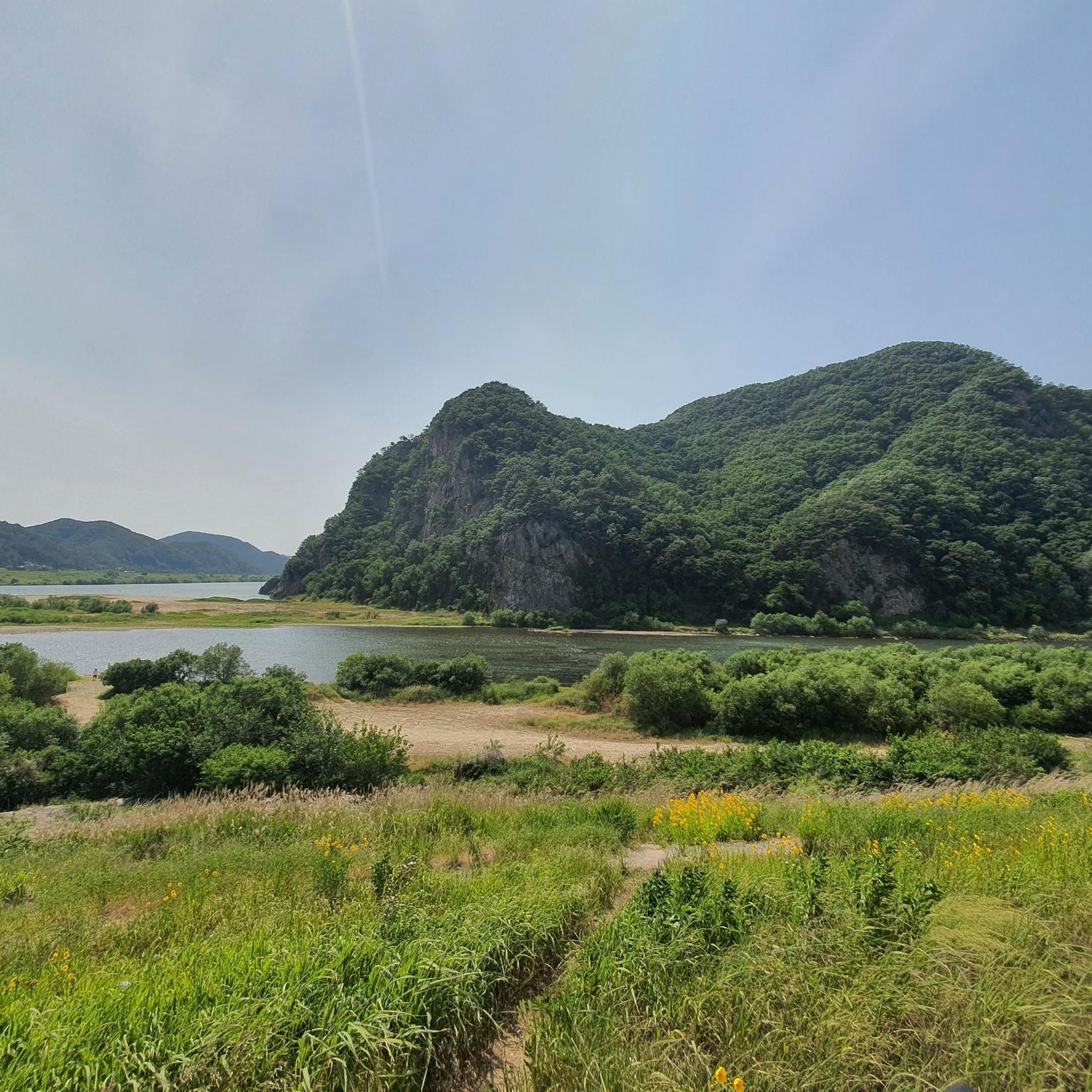
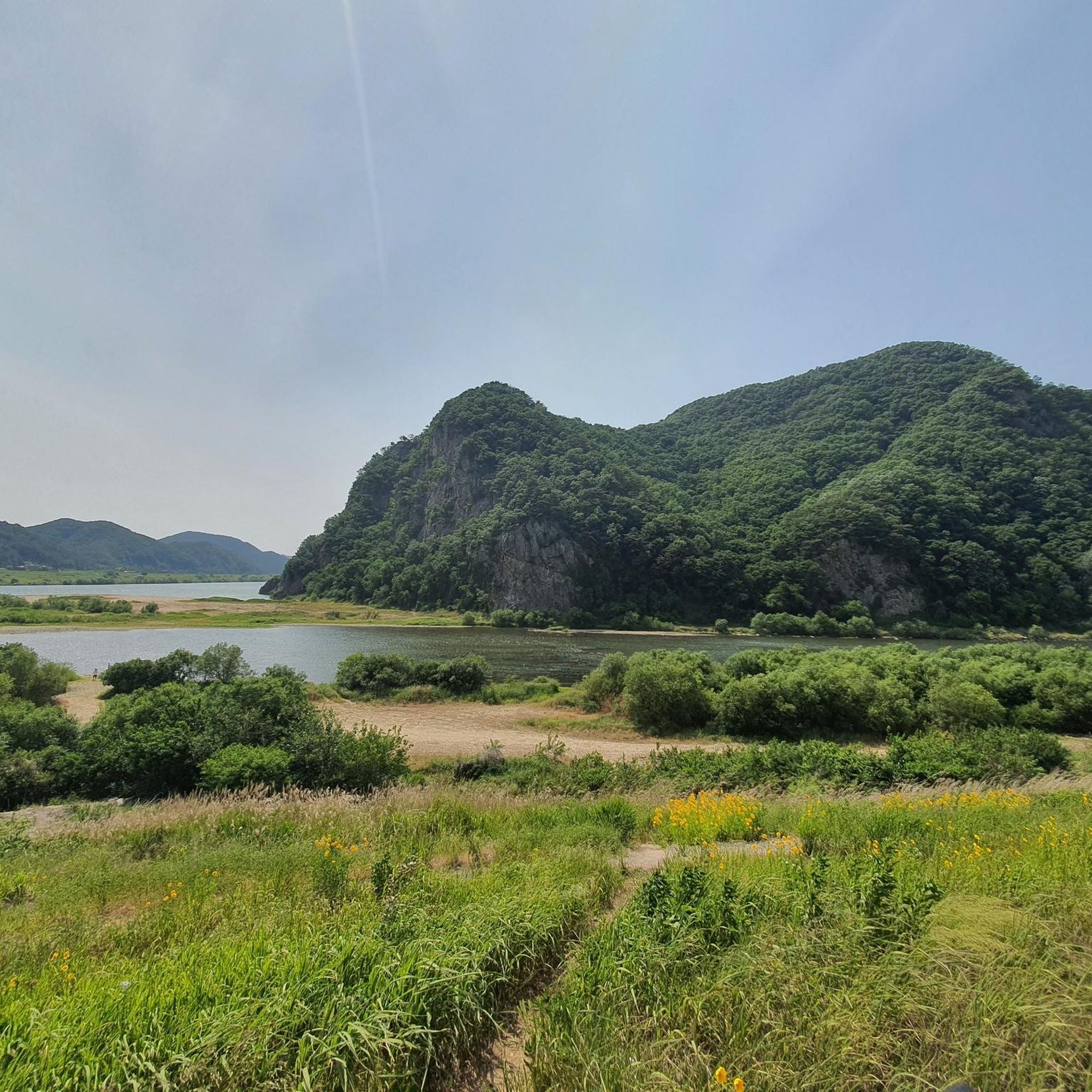
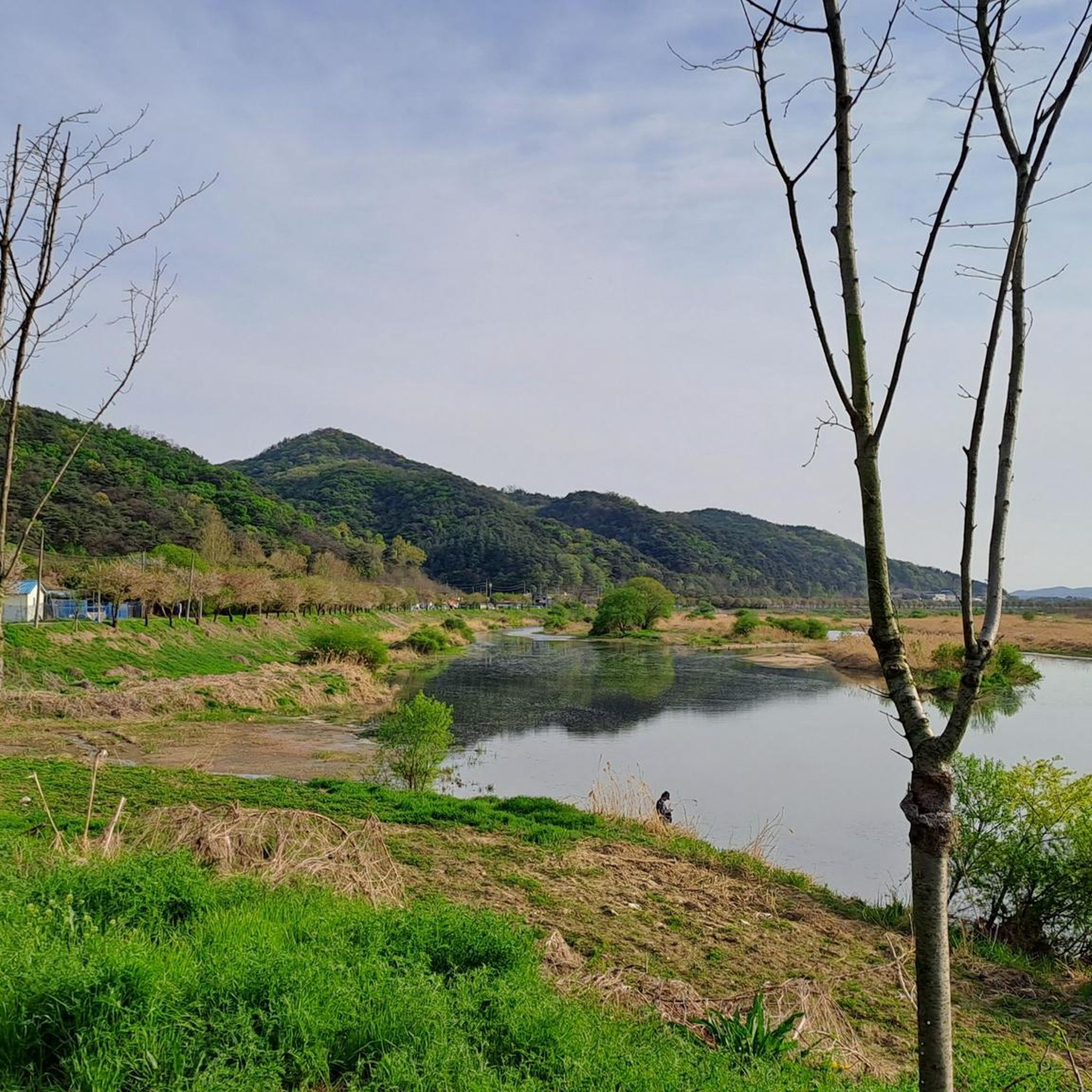
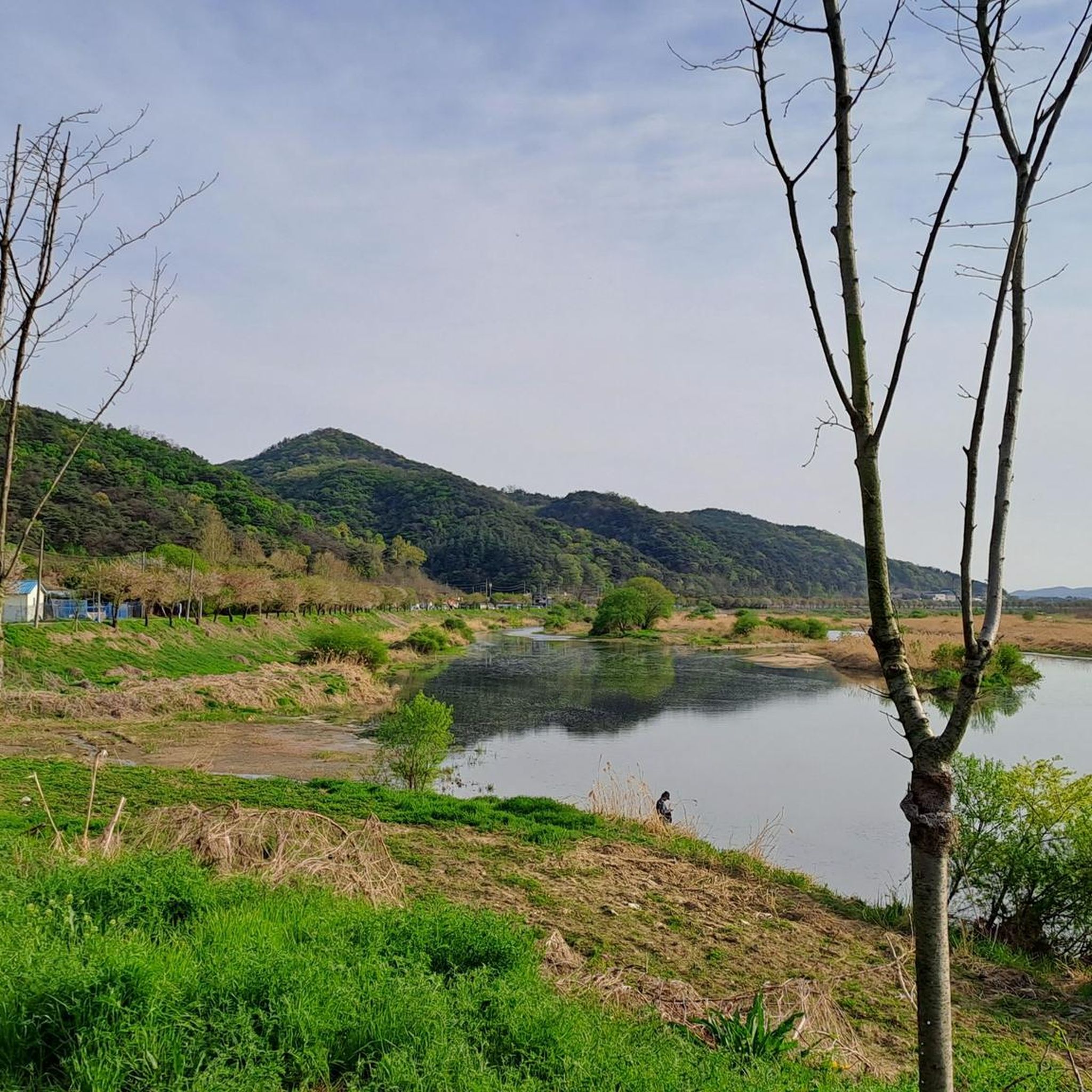

Tips from the Community


The most unforgettable checkpoint in the Seoul to Busan ride.
1
0

Mudeungsan is a mountain in Jeollanam-do Province, South Korea. It is known for its breathtaking landscapes and rich flora and fauna. The mountain is a popular destination for hikers and cyclists who want to experience the beauty of Korea's nature. The tunnel on Mudeungsan is an interesting feature of the mountain. It offers cyclists and hikers the opportunity to cross the mountain without climbing to the summit. The tunnel is located at an altitude of approximately 530 m and offers breathtaking views of the surrounding landscape. Mudeungsan is a great place for cyclists and hikers who want to experience the beauty of Korea's nature. The tunnel on the mountain is an interesting feature that makes the mountain a popular destination. If you are near Gakseo-ri, you should definitely visit Mudeungsan.
0
0
Mudeungsan is a mountain in Jeollanam-do Province, South Korea. It is known for its breathtaking landscapes and rich flora and fauna. The mountain is a popular destination for hikers and cyclists who want to experience the beauty of Korea's nature. The tunnel on Mudeungsan is an interesting feature of the mountain. It offers cyclists and hikers the opportunity to cross the mountain without climbing to the summit. The tunnel is located at an altitude of approximately 530 m and offers breathtaking views of the surrounding landscape. Mudeungsan is a great place for cyclists and hikers who want to experience the beauty of Korea's nature. The tunnel on the mountain is an interesting feature that makes the mountain a popular destination. If you are near Gakseo-ri, you should definitely visit Mudeungsan.
0
0

If you climb up to the top of the pedestal, the view is truly spectacular. It is very windy, so bring windbreaker.
0
0

The way up is strenuous, but it's worth it.
2
0

@roland segginger - I think the comment doesn't apply to this place?
1
0
Frequently Asked Questions
What natural features can I explore in the Sobaek Mountains?
The Sobaek Mountains are rich in natural beauty. You can discover majestic peaks like Birobong (1,439 meters) and Yeonhwabong (1,349 meters), which offer stunning views. The region is also known for its vibrant wildflowers, especially royal azaleas in spring, picturesque snowy landscapes in winter, and several beautiful waterfalls, including one accessible via the Heuibangsa trail. Additionally, fascinating limestone caves like Gosu-donggul and Cheongdong-donggul are worth exploring.
Are there any historical or cultural sites to visit in the Sobaek Mountains?
Yes, the Sobaek Mountains are home to significant historical and cultural sites. You can visit Juheulgwan (Yeongnam Gateway No. 1), a well-preserved historical gateway built in 1708. Another notable site is Joryeonggwan Gate (Yeongnam Gateway No. 3), part of the historic Mungyeong Saejae pass. The region also features Heuibangsa Temple, Sosuseowon Confucian Academy (a UNESCO World Heritage site), and Seonbichon Village, which offers a glimpse into traditional Korean culture.
What are some popular hiking trails in the Sobaek Mountains?
The Sobaek Mountains offer diverse hiking experiences. For challenging ascents with spectacular views, consider trails leading to Munjangdae Summit or Jebibong Peak, known for its steep path alternating between granite rocks and stairs. The Mungyeong Saejae Trail: Gate 1 to Gate 3 offers a historical walk with viewpoints. For more options, you can explore various routes in the Hiking in the Sobaek Mountains guide.
What is the best time of year to visit the Sobaek Mountains?
The Sobaek Mountains offer unique experiences throughout the year. Spring is ideal for witnessing the vibrant royal azaleas in bloom. Autumn brings spectacular foliage. In winter, the mountains transform into a picturesque snow-covered landscape, attracting visitors for its serene beauty. Summer offers lush greenery and pleasant temperatures for hiking.
Are there family-friendly attractions or activities in the Sobaek Mountains?
Yes, there are family-friendly options. The historical site of Juheulgwan (Yeongnam Gateway No. 1) is suitable for families. Additionally, some trails in Sobaeksan National Park, such as the one passing through Heuibangsa and its accompanying waterfall, are popular for families. You can also find easy hiking routes in the Easy hikes in the Sobaek Mountains guide.
What kind of views can I expect from the peaks in the Sobaek Mountains?
The peaks in the Sobaek Mountains offer diverse and spectacular views. From Munjangdae Summit, you can enjoy truly spectacular panoramic vistas. Jebibong Peak provides superb views of the lake and surrounding mountains. Birobong Peak (1,439 meters) is known for its open grass fields resembling the Swiss Alps, while Birobong Peak (1,288 m) in Chiaksan National Park also offers rewarding viewpoints.
Where can I find information about the park's ecology and environment?
The Sobaeksan National Park Nature Center provides educational resources and information about the park's ecology and environment. It's a great place to learn more about the diverse flora and fauna of the region.
Are there any challenging hikes for experienced climbers?
Yes, the Sobaek Mountains offer challenging routes for experienced climbers. Peaks like Munjangdae Summit and Jebibong Peak are categorized as challenging. You can find more difficult routes in the Mountain Hikes in the Sobaek Mountains guide, such as the 치악산(비로봉) loop or the Gumsusan Peak loops.
What are some unique natural phenomena in the Sobaek Mountains?
Beyond its peaks, the Sobaek Mountains are famous for their seasonal transformations. In spring, the royal azaleas create a beautiful natural forest tunnel. During winter, the entire range is covered in snow, earning Birobong Peak the nickname 'Alps of Korea' due to its resemblance to the Swiss Alps. The region also features several limestone caves, offering a unique underground experience.
What do visitors enjoy most about the Sobaek Mountains?
Visitors frequently praise the spectacular views from summits like Munjangdae Summit and the rewarding, albeit strenuous, climbs. The unique path of Jebibong Peak, with its alternating granite rocks and stairs, is also a favorite. Many appreciate the historical significance of sites like Juheulgwan (Yeongnam Gateway No. 1) and the overall diversity of natural and cultural attractions.
Are there any specific passes or viewpoints that are particularly scenic?
Yes, several passes and viewpoints offer magnificent scenery. Daemihwajeong Pass and Baekdudaegan Pass are known for their magnificent views. Additionally, Yeomti Pass (R.T.C. Route) offers scenic vistas, especially for cyclists.
Most popular routes in the Sobaek Mountains
Most popular attractions in the Sobaek Mountains

Get inspired with the komoot mobile app


Explore more
Still not found the Highlight you’re looking for? See guides of the top attractions in other regions:
