Top 9 Lakes around Langeneß
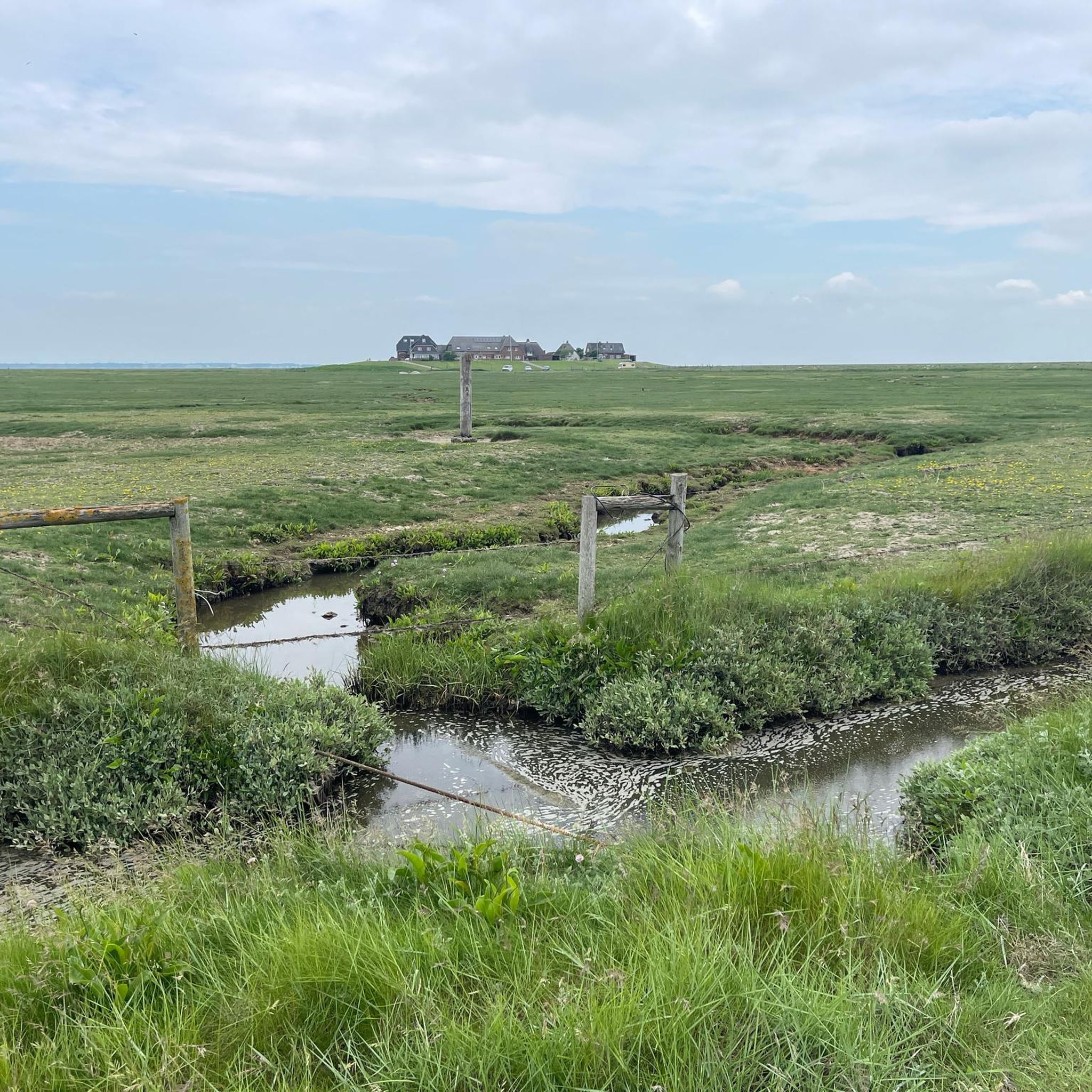
Best lakes around Langeneß are found in the unique coastal landscape surrounding this Hallig in the German Wadden Sea. Langeneß is characterized by tidal flats, salt marshes, and wetlands, rather than traditional inland lakes. The island's low elevation and Hallig character define its natural features. This environment provides important habitats for various birds and marine life, offering a distinct natural experience.
Best lakes around Langeneß
- The most popular lakes is De Meere Pond in Nieblum, a lake that invites…
Last updated: August 21, 2026
De Meere Pond in Nieblum
Highlight • Lake
Translated by Google •
Tip by

Fething Rainwater Pond
Highlight • Monument
Translated by Google •
Tip by

Sign up now to discover places like this
Get recommendations on the best single tracks, peaks, & plenty of other exciting outdoor places.
Sign up for free
Bottschlotter Lake
Highlight • Lake
Translated by Google •
Tip by

Wild Goose Observation at the North Sea Coast
Highlight • Natural
Translated by Google •
Tip by
Birdwatching Hide Jader-Haien-Koog
Highlight • Viewpoint
Translated by Google •
Tip by
Sign up for free to discover even more lakes around Langeneß.
Sign up for free
Already have an account?
Start today with a free account
Your next adventure awaits.
Login or Signup
Tips from the Community

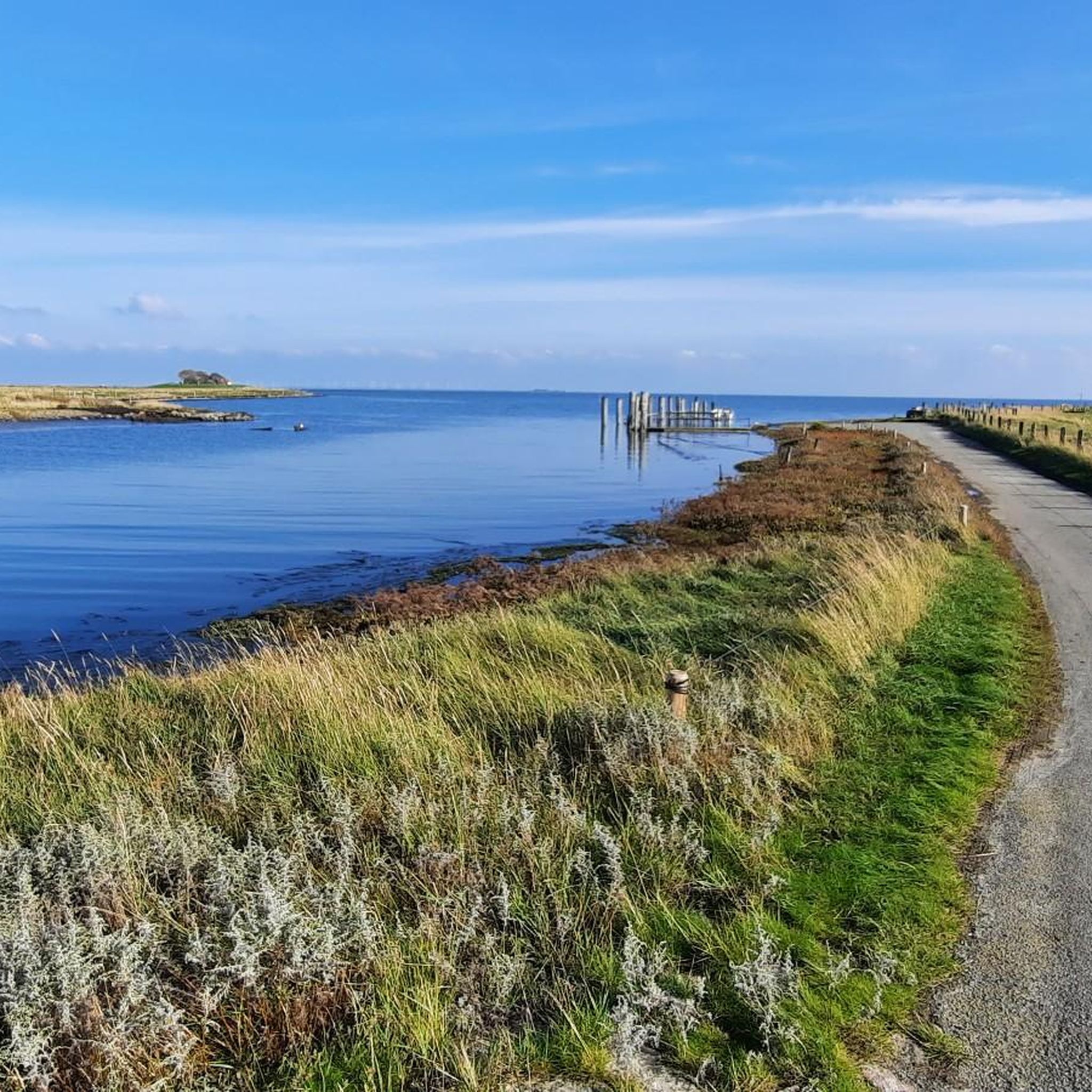
It is only a few kilometers from Dagebüll harbor and you reach a district of Dagebüll: Fahretoft. A lovely place with lots of little thatched-roof houses on mounds. Lots of nature awaits you and if you drive a little further you will reach the Bottschloter Lake. This little spot on earth is wonderfully recommended for hikes and bike tours. https://www.dagebuell-tourismus.de/vor-ort-umgebung/orte/fahretoft
3
0

Small duck pond in the middle of the nice village of Nieblum. More information: https://de.m.wikipedia.org/wiki/Nieblum
8
0

The Hamburger Hallig peninsula is located in the middle of the Wadden Sea National Park. Visitors can discover the beautiful coastal landscape from a viewing platform or by bike and watch birds with borrowed binoculars and spotting scopes.
16
0
Geese can be seen all year round. Barnacle geese can be found in January as well as in July. Brent geese can be seen in mid-April and greylag geese all year round.
23
1
Pretty little lake in town. Well cared for, it invites you to linger.
29
1

Beach chairs invite you to take a break. And the sheep from the neighboring property just got their Easter lambs 🐑 - they are very happy about juicy tufts of grass. At the guest's house there are often fresh eggs 🥚 for a donation.
13
0

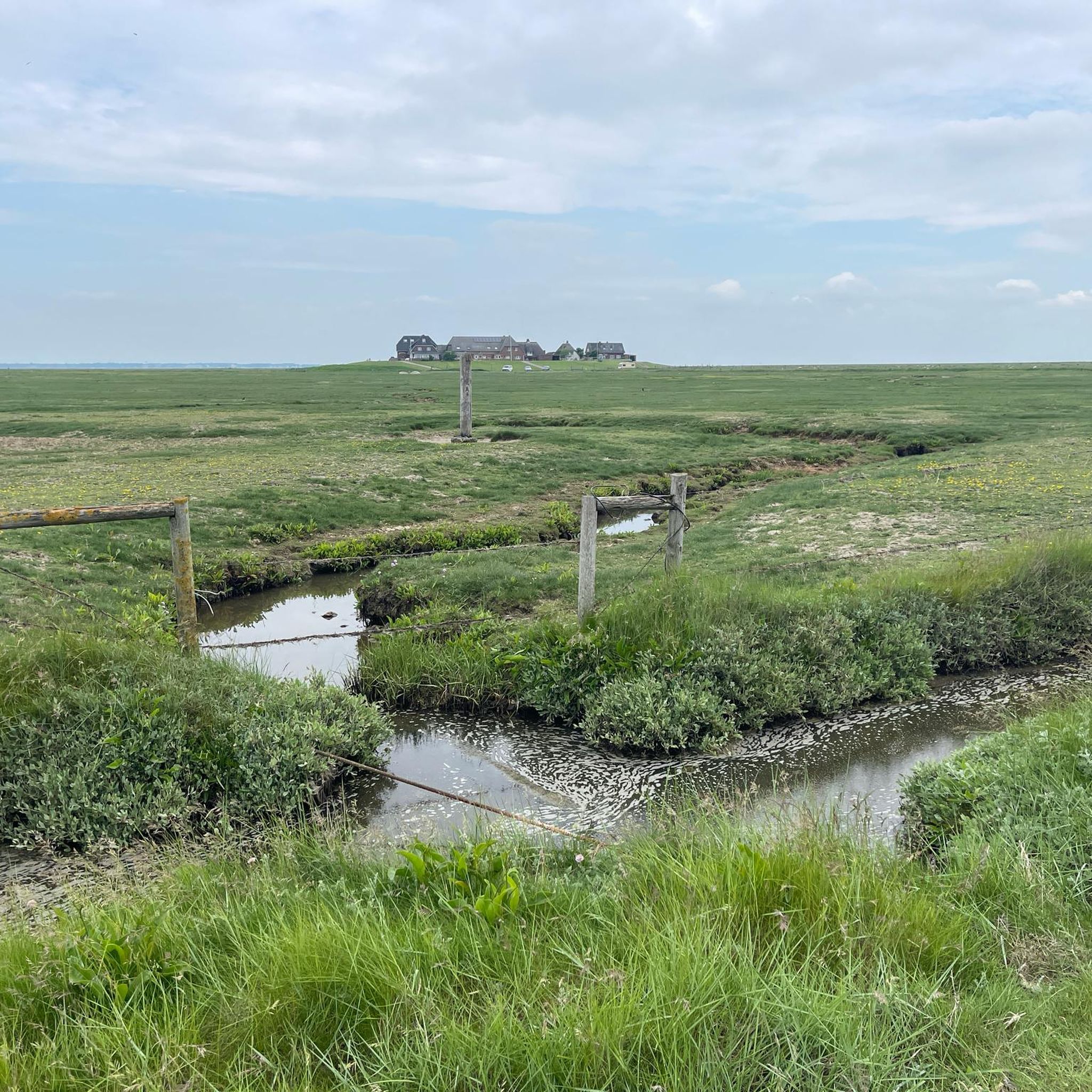
Fething (North Frisian: di / jü Feeding) is a special water storage basin on the Halligen and terps in the marshland on the German and Dutch North Sea coasts. Fethinge are rainwater collecting basins that were usually used as cattle troughs and give the impression of a normal pond. Mostly they were created at the highest point, i.e. in the middle of the Hallig or Terft. Since the surface water of the meadows and thus possibly also dung could get into Fethinge, they were usually not suitable as reservoirs for drinking water. For this purpose, a separate cistern, the so-called Sood, was created, in which the rainwater from the roofs could collect. Drinking water was a precious commodity on the Halligen and in the marshland. Due to the island location and the small size of a Hallig, even the groundwater consists of salt water. The Fethinge only lost its task in the middle of the 20th century when the water supply was gradually expanded. In the meantime, the still existing fethings have been placed under monument protection. Source: Wikipedia
4
0

With a children's playground and large storage space near RAIN 🌧🌧🌧
4
0
Frequently Asked Questions
What kind of 'lakes' can I expect to find around Langeneß?
Langeneß, being a Hallig in the German Wadden Sea, does not feature traditional inland lakes. Instead, the region is characterized by unique coastal water bodies such as tidal flats, salt marshes, and wetlands. You'll also find natural ponds and historical rainwater basins, known as 'Fethinge', which offer distinct natural experiences.
What natural features define the Langeneß region's water landscape?
The water landscape around Langeneß is primarily defined by its interaction with the North Sea tides. This includes extensive wetlands, salt marshes, and tidal flats, which are crucial habitats for diverse bird and marine life. While not conventional lakes, these features create a unique environment for nature observation.
Are there any nature reserves or protected areas with water bodies near Langeneß?
Yes, the Godelniederung Nature Reserve is a significant wetland area that was once a Wadden Sea bay. It's home to various plant and animal species, offering a glimpse into the region's rich biodiversity. While parts are protected for breeding, you can enjoy views of this natural area.
What are some popular water bodies to visit around Langeneß?
Visitors often enjoy De Meere Pond in Nieblum, a well-maintained spot with beach chairs for relaxation. Another popular site is the Fething Rainwater Pond, which is a historical man-made monument. The Godelniederung Nature Reserve is also highly regarded for its natural beauty and wildlife.
Are there family-friendly water bodies or activities around Langeneß?
Many of the water bodies in the region are suitable for families. De Meere Pond in Nieblum is a pleasant spot with seating. The Fething Rainwater Pond offers a historical context that can be interesting for all ages. The Godelniederung Nature Reserve provides opportunities for nature observation, though some areas are restricted for wildlife protection.
What historical water features can be found in the Langeneß area?
The most notable historical water features are the 'Fethinge', such as the Fething Rainwater Pond. These man-made basins were historically used to collect rainwater for cattle on the Halligen and are now protected as monuments, offering a glimpse into the islanders' past resourcefulness.
What outdoor activities can I do near the water bodies around Langeneß?
Beyond observing the unique water bodies, you can explore the broader region through various outdoor activities. Cycling is very popular, with routes like 'View of the Borgsum Windmill – View of Amrum and Sylt' or 'Sheep on the Föhr Dike – Nieblum village centre'. You can find more cycling options in the Cycling around Langeneß guide. For mountain biking, consider routes like 'Wyk Harbour – Goting Cliff Beach loop' from the MTB Trails around Langeneß guide.
Can I go mudflat hiking in the Langeneß area?
Yes, mudflat hiking is a signature activity in the Langeneß area, which is part of the Wadden Sea UNESCO World Heritage Site. The unique high and low tide cycles create vast tidal flats perfect for exploring the rich ecosystem. It's a distinctive experience that highlights the region's coastal geography.
Are there cycling routes that pass by these water bodies?
Yes, several cycling routes in the broader region allow you to experience the diverse water bodies. For instance, the 'Dagebüll Lighthouse – Schlüttsiel Harbor loop' offers views of the coastal landscape. You can explore more options in the Cycling around Langeneß guide, which includes routes near various natural features.
What do visitors enjoy most about the water bodies around Langeneß?
Visitors appreciate the tranquil atmosphere and the unique natural beauty. Many enjoy the opportunity to relax by spots like De Meere Pond, or to observe migratory birds at Bottschlotter Lake. The historical significance of the 'Fethinge' also captivates those interested in the local heritage.
Is there a lake suitable for hiking or biking near Dagebüll?
Yes, Bottschlotter Lake, located a few kilometers from Dagebüll harbor, is highly recommended for hikes and bike tours. It's a lovely spot surrounded by nature, where you might even spot migratory birds.
What is a 'Fething' and where can I see one?
A 'Fething' is a special historical rainwater collecting basin, typically found on the Halligen and terps in the marshland. They were primarily used as cattle troughs. You can visit the Fething Rainwater Pond, which is now a protected monument, to see an example of this unique water storage system.
Most popular attractions around Langeneß

Get inspired with the komoot mobile app


Explore more
Still not found your perfect lake around Langeneß? Check out the guides of these regions to see even more beautiful places.
