Top 11 Caves around Ilsenburg
Best caves around Ilsenburg are found in the wider Harz region, with Ilsenburg serving as a central point for exploration. The area is characterized by its natural beauty, including wooded mountain slopes and the Ilse valley. This region offers a variety of geological formations and historical sites related to mining. The landscape reflects ancient geological processes and human interaction with the environment over centuries.
Best caves around Ilsenburg
- The most popular caves is Zillierbacher Stollen Entrance, an other man-made…
Last updated: June 27, 2026
Steinbergkopf Cave and Shaft
Highlight • Cave
Translated by Google •
Tip by

Entrance to the Aufgeklärtes Glück Mine
Highlight • Historical Site
Translated by Google •
Tip by

Sign up now to discover places like this
Get recommendations on the best single tracks, peaks, & plenty of other exciting outdoor places.
Sign up for free
König Friedrich Mine Adit
Highlight • Historical Site
Translated by Google •
Tip by
Bat Cave on the Holtemme River
Highlight • Cave
Translated by Google •
Tip by

Zillierbacher Stollen Entrance
Highlight • Structure
Translated by Google •
Tip by
Sign up for free to discover even more caves around Ilsenburg.
Sign up for free
Already have an account?
Start today with a free account
Your next adventure awaits.
Login or Signup
Popular around Ilsenburg

Gravel bikepacking from Hamburg to Munich
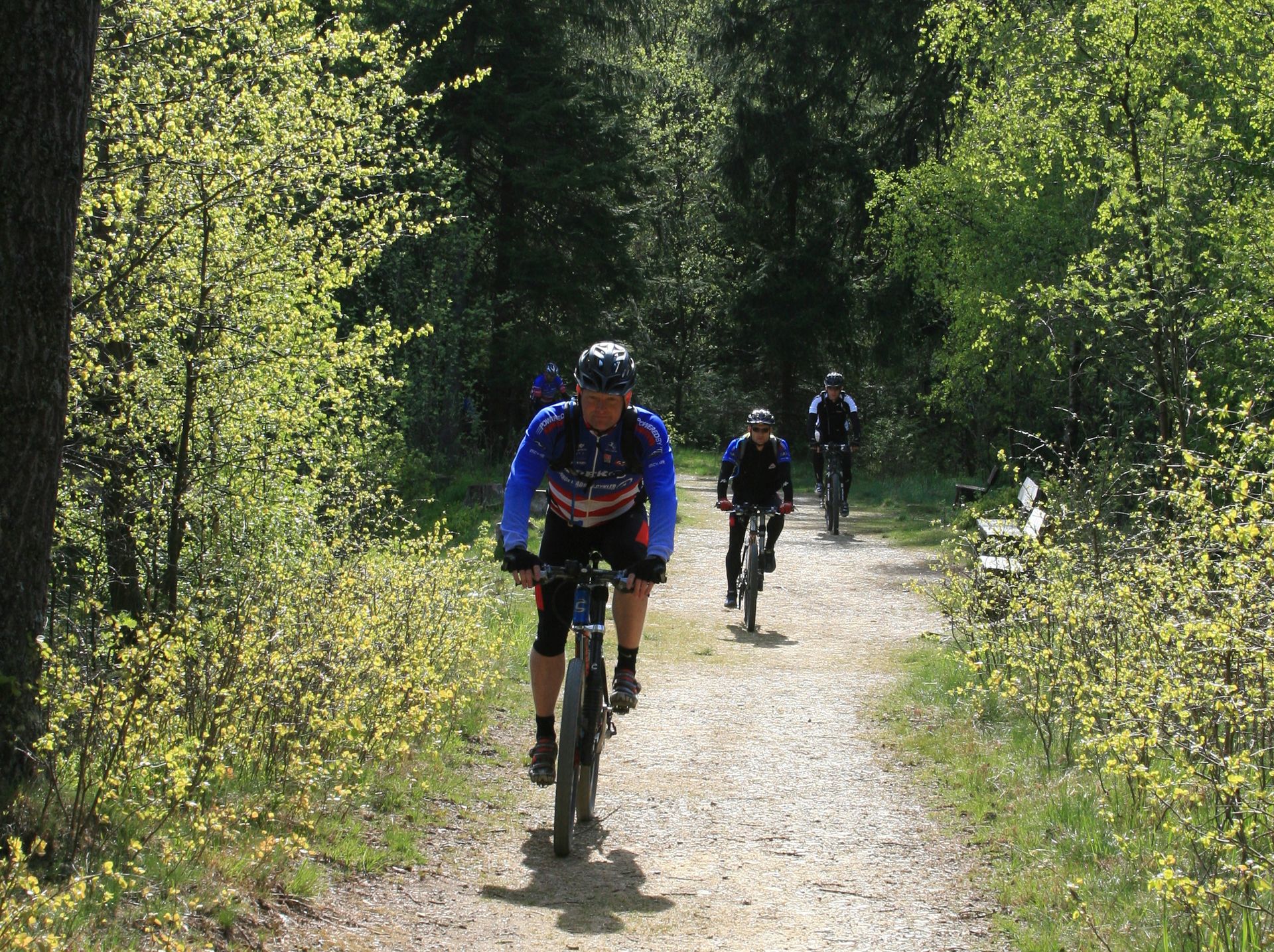
Mountainbike Routes in Nationalpark Harz
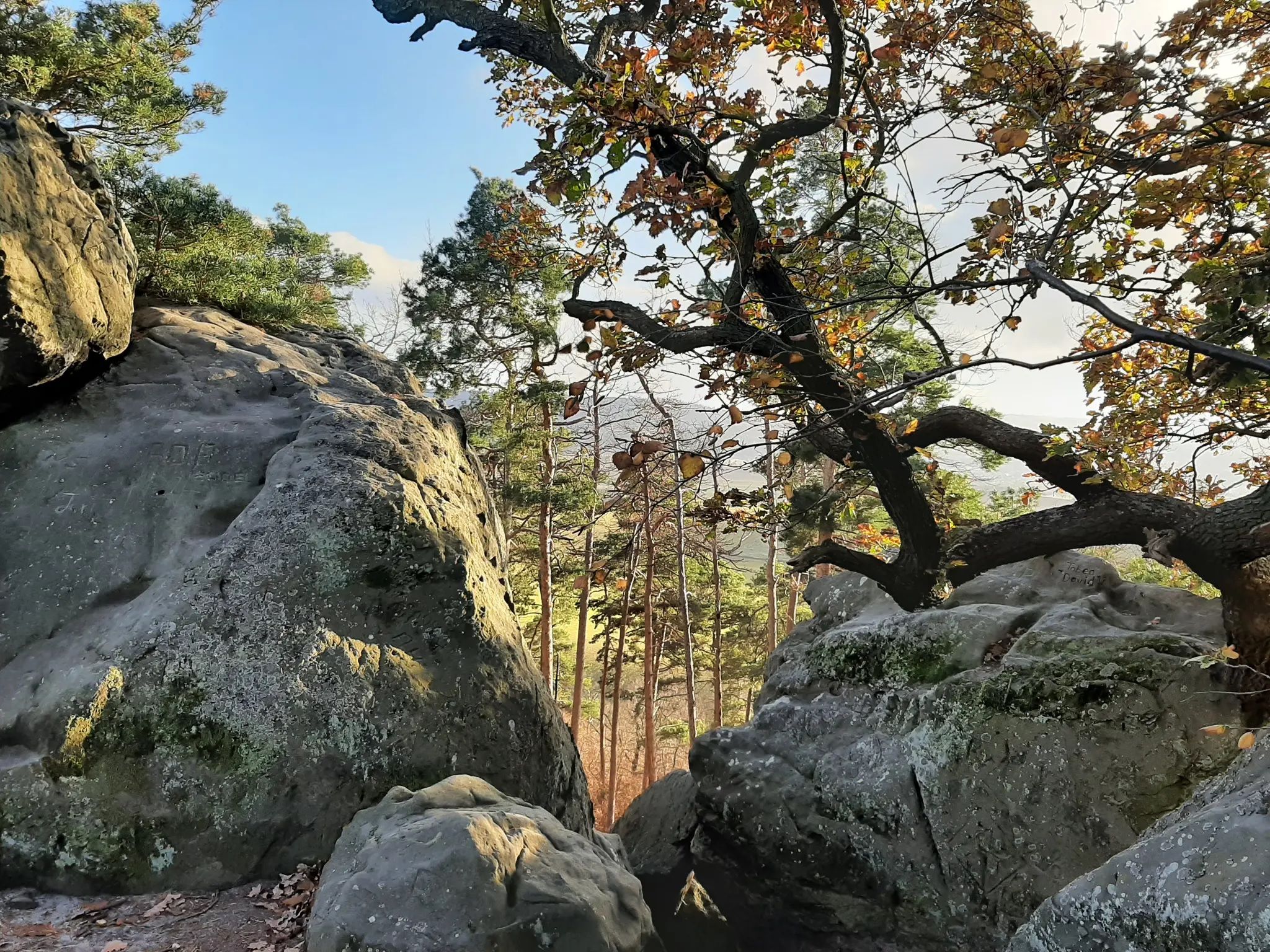
Legendary hikes in the Harz Mountains
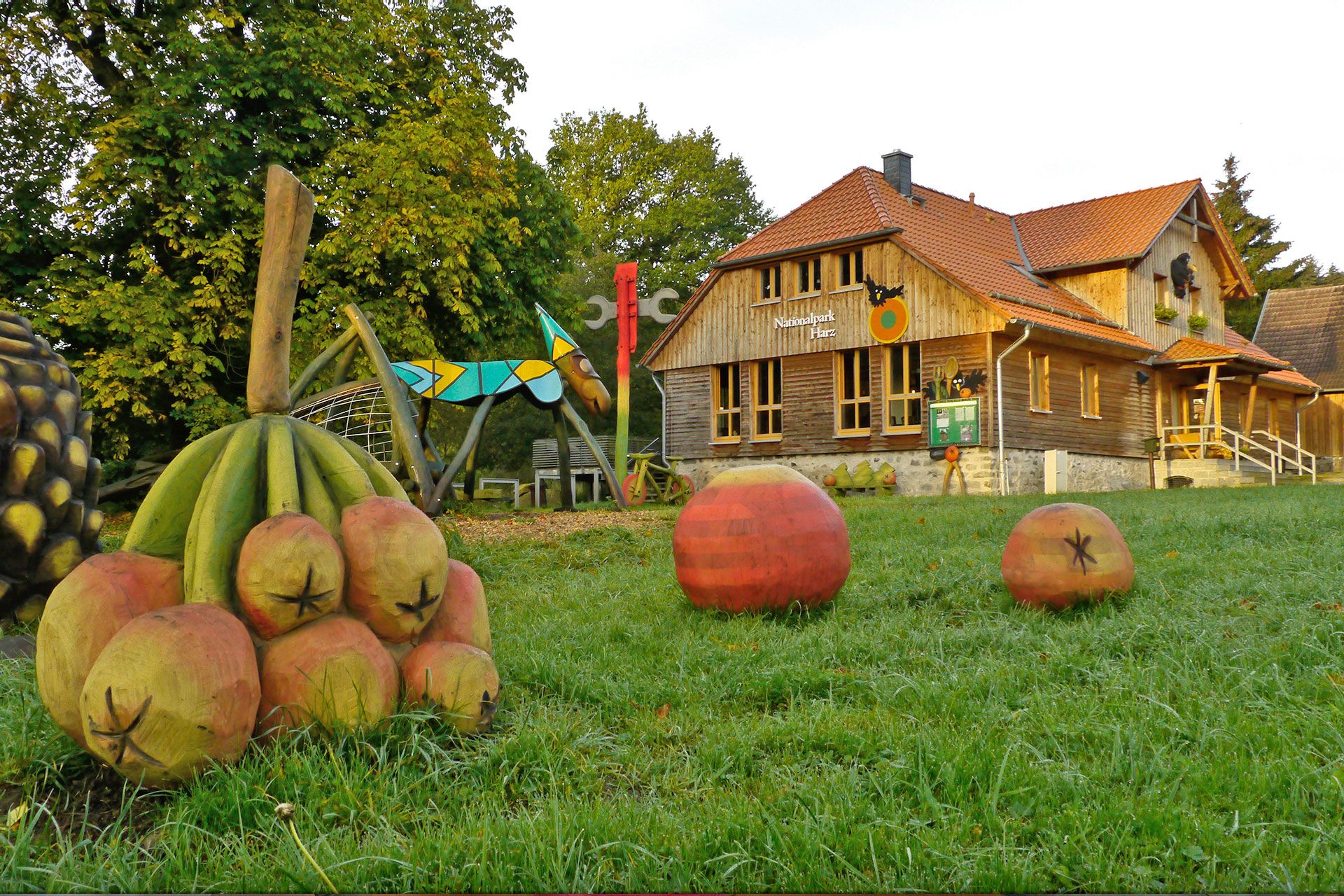
National park facilities in Harz National Park
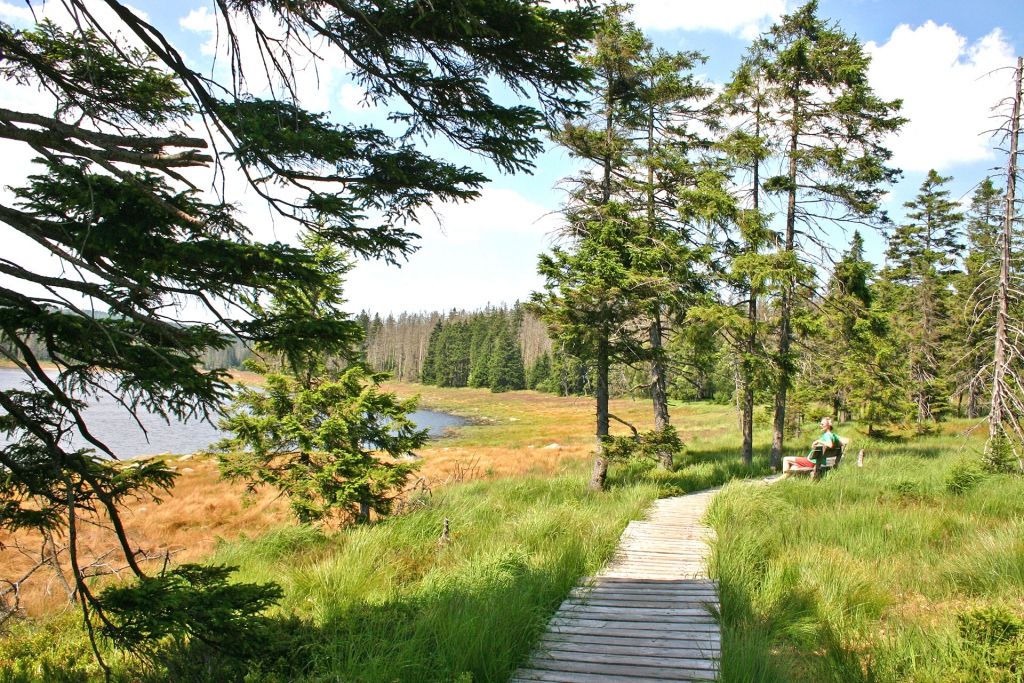
The most beautiful hiking tours in Harz National Park
Discover the Green Belt in the Harz Mountains with BUND
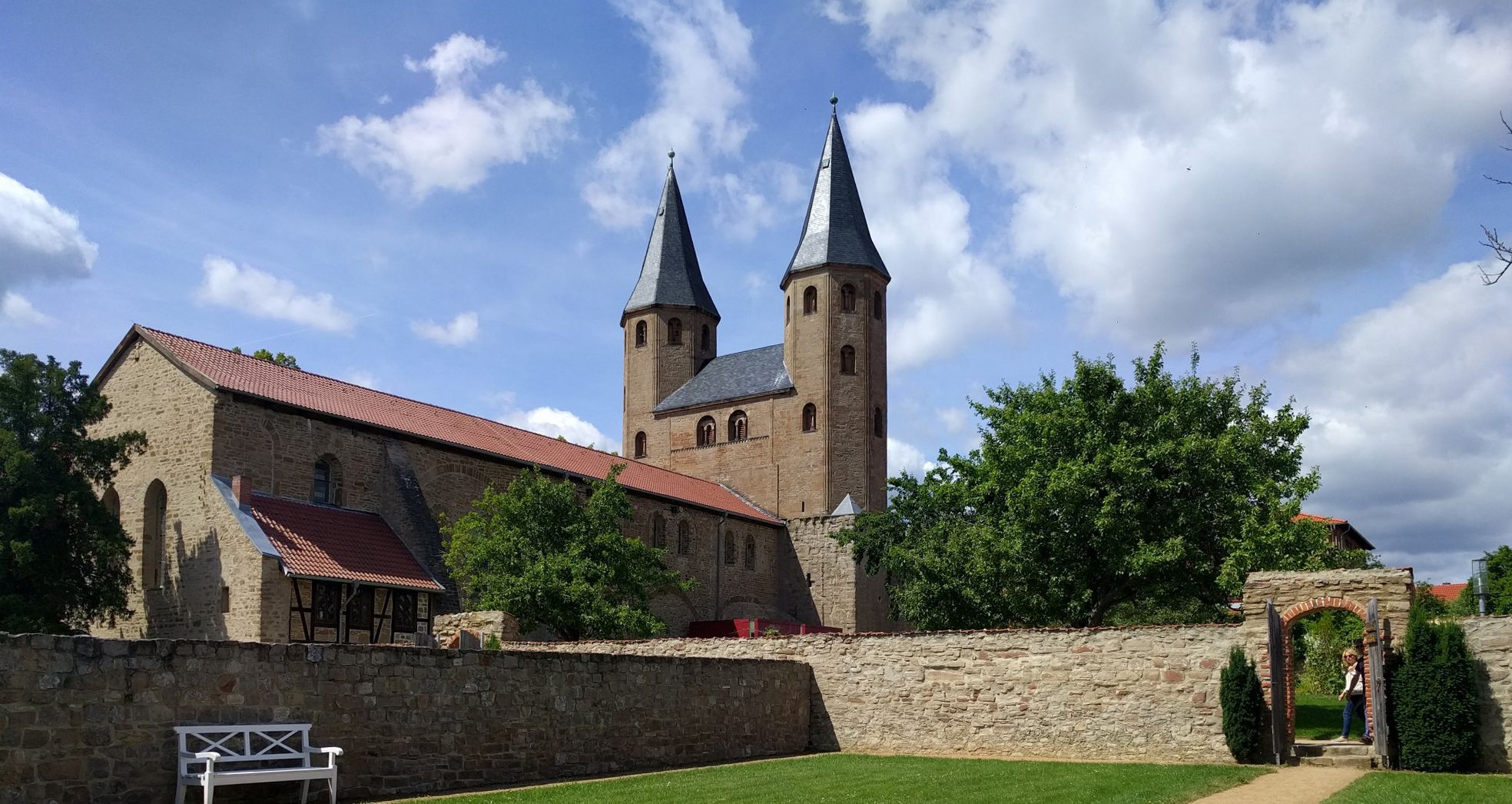
Hike through history in northern Germany – Harz Monastery Trail
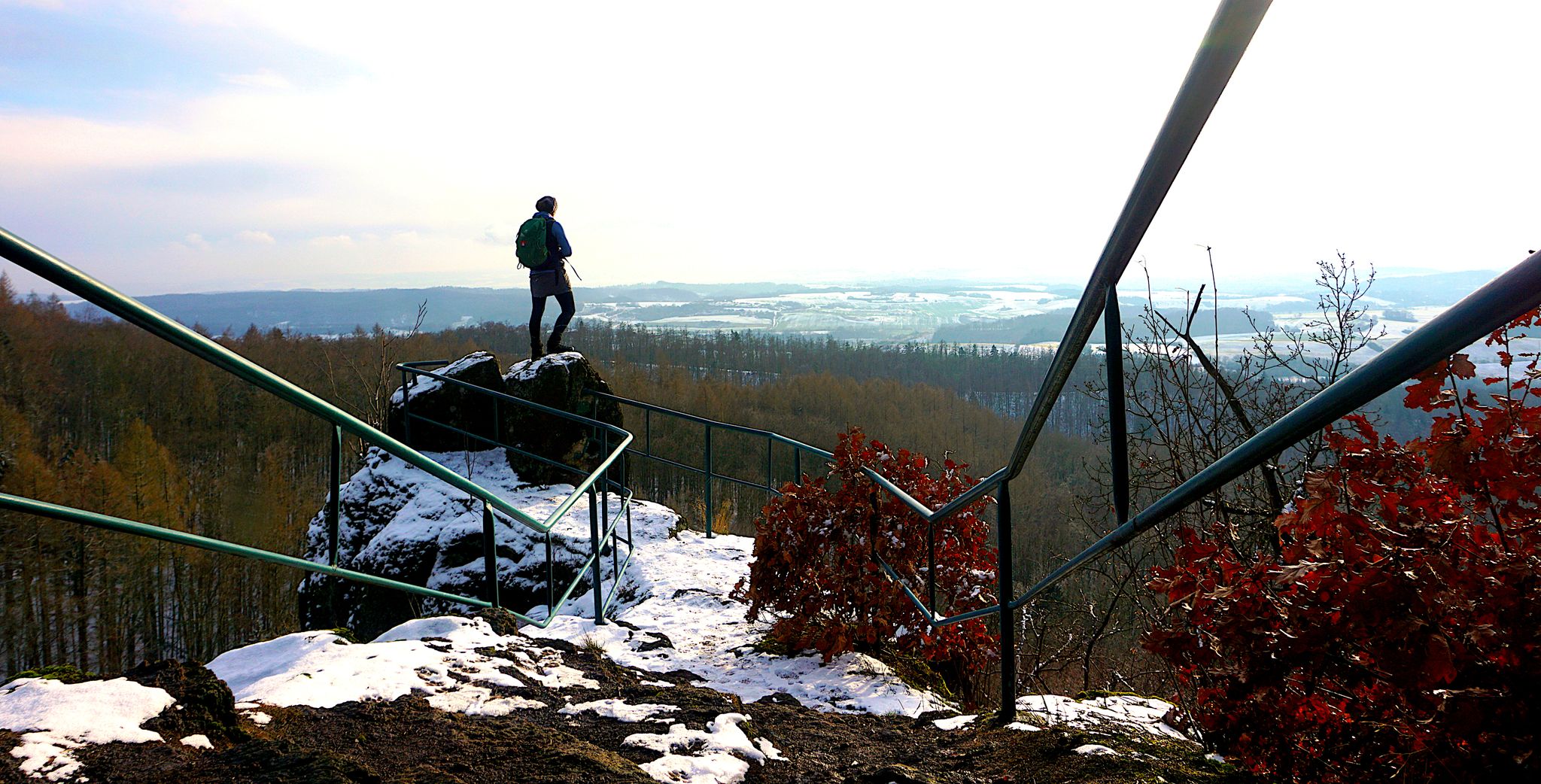
My 25 most beautiful Highlights in the Harz
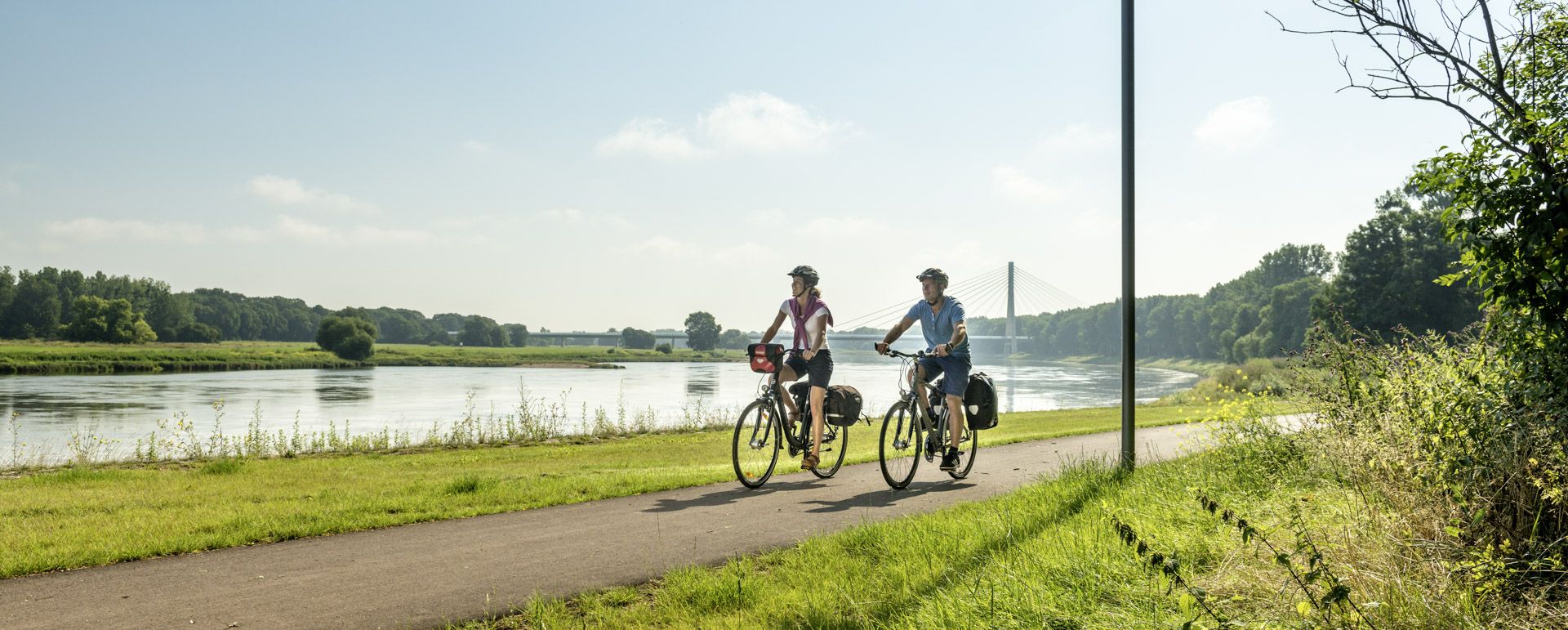
Cycling in Saxony-Anhalt – Where nature and culture combine
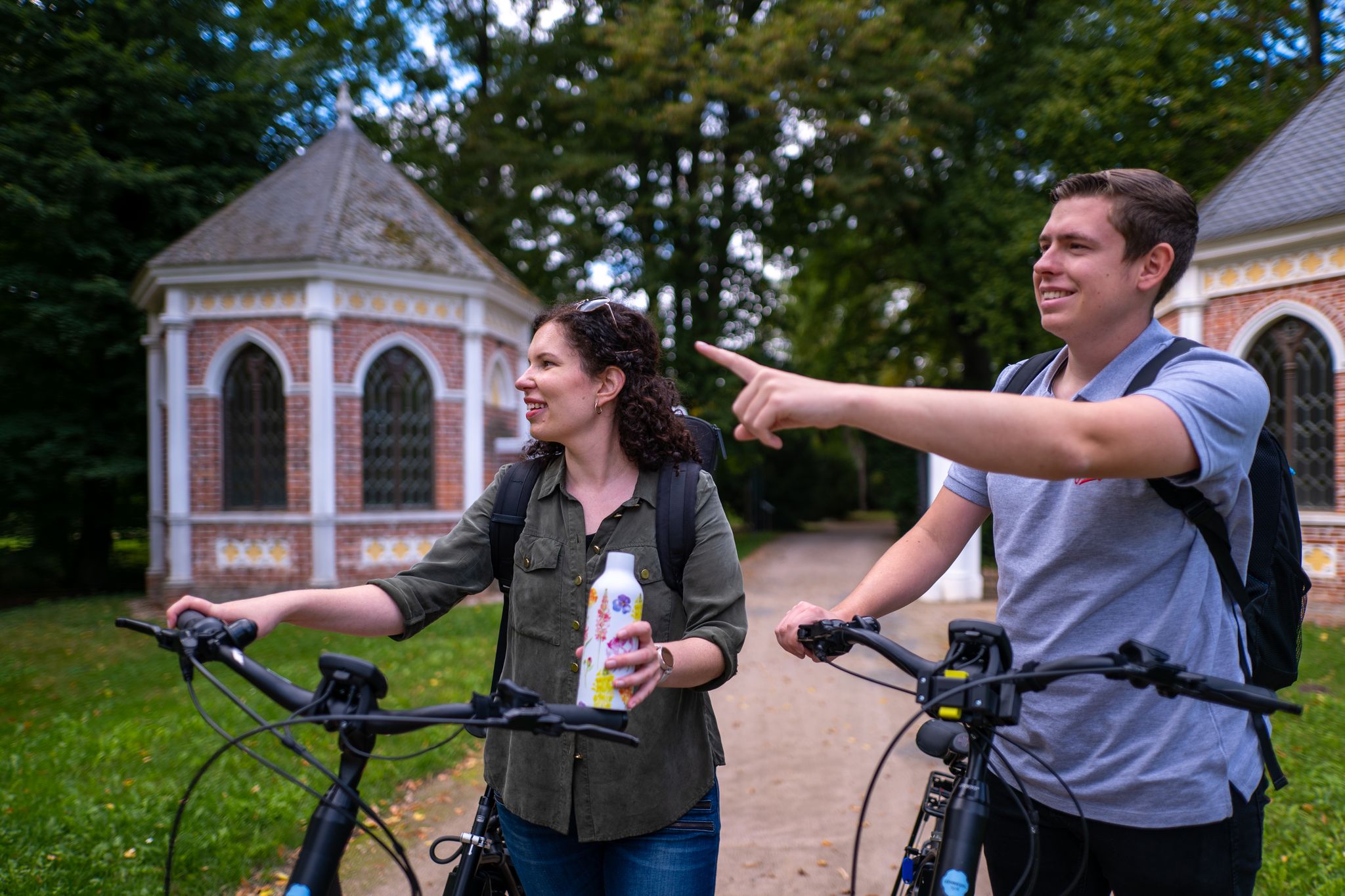
Europaradweg R1 in Sachsen-Anhalt
Other adventures around Ilsenburg


Tips from the Community

The locked gate makes you want more.
1
0

The Holtemme is a 47 km long, orographically left and southwestern tributary of the Bode in the Harz and Börde districts in Saxony-Anhalt (Germany). The name Holtemme is a combination of the word stems Holt (Old Norse for forested hill or originally for a wood) and Emme, which, like the river of the same name, probably goes back to the Gallic-Celtic word ambis (= river, Latin amnis). The etymology shows that alternatives for the former are also Holle (hill, elevation) or Holz (from the Germanic Holta(z)). Albrecht Greule, on the other hand, assumes that the second part of the name is an n-derivation of the Germanic word stem *ami- (= natural watercourse, Amina). (Source: Wikipedia)
0
0
König Friedrich is a disused mining facility in the Harz mining region. It is located on the Beerberg, west of the Hasserode district of Wernigerode in Saxony-Anhalt. The outdoor area now forms part of the natural history and geology trail. The tunnel now serves as a bat roost. (Source: Wikipedia)
0
0

This is a very old mining attempt that ends after just a few meters. A small quartz vein without visible mineralization was examined.
4
0

I had no desire to crawl in there; from what I could see, it was quite a steep drop. 😉 But it did have a certain mystical quality.
4
0

A gem commemorating the mining times of the upper Hasserode.
0
0

It's nice that the old pit now serves as a shelter for bats.
2
0

Frequently Asked Questions
What types of caves can I explore near Ilsenburg?
Near Ilsenburg, you can explore a diverse range of underground formations. These include natural dripstone caves with impressive stalactites and stalagmites, unique sandstone caves formed by erosion and human shaping, and historical mining adits and tunnels that offer insights into the region's industrial past.
Are there any show caves with guided tours accessible from Ilsenburg?
Yes, the wider Harz region, accessible from Ilsenburg, features several notable show caves. The HöhlenErlebnisZentrum Iberg Dripstone Cave near Bad Grund offers guided tours, including audio guides in English. In Rübeland, you can visit Baumanns Cave and Hermanns Cave, both offering guided experiences through their fascinating underground worlds.
Which caves near Ilsenburg are particularly interesting for their geological features?
For geological features, the HöhlenErlebnisZentrum Iberg Dripstone Cave is a significant natural wonder formed from a 385-million-year-old coral reef, showcasing ancient geological processes. Baumanns Cave and Hermanns Cave in Rübeland are renowned for their colorful stalactites and stalagmites, with Hermanns Cave featuring a notable Crystal Chamber. Additionally, the unique sandstone caves in the Harz region, like those near Blankenburg and Oberharz am Brocken, display formations shaped by wind, weather, and ancient shallow seas.
Can I visit historical mining tunnels or adits near Ilsenburg?
Yes, the area around Ilsenburg has several historical mining sites. The Zillierbacher Stollen Entrance is a man-made tunnel still used today as a drainage system for a former mine. You can also find the König Friedrich Mine Adit, a former pit that now serves as a bat roost with an informative display board. Another historical site is the Entrance to the Aufgeklärtes Glück Mine, located in Thumkuhlental.
Are there family-friendly cave experiences near Ilsenburg?
Absolutely. The show caves like HöhlenErlebnisZentrum Iberg Dripstone Cave and Baumanns Cave and Hermanns Cave are ideal for families, offering educational and adventurous journeys into the earth. The sandstone caves, such as those near Blankenburg and Oberharz am Brocken, are also noted as excellent spots for families with children to play and explore in a natural setting.
What kind of historical and archaeological insights can I gain from visiting caves in the region?
The caves in the Harz region offer rich historical and archaeological insights. The HöhlenErlebnisZentrum Iberg Dripstone Cave includes an archaeological museum with findings from the 3,000-year-old Bronze Age Lichtenstein Cave. Many mining adits, like the König Friedrich Mine Adit, showcase the region's mining heritage. Some sandstone caves are even believed to have been used as meeting places in prehistoric times.
What outdoor activities can I combine with a visit to the caves near Ilsenburg?
Ilsenburg is an excellent base for various outdoor activities. You can combine cave visits with hiking on trails like the Heinrich-Heine-Weg to the Brocken. Komoot offers numerous routes, including 'Through the Ilsetal to Plessenburg' or 'Sand valley tour through Darlingröder Switzerland'. For easier walks, explore 'Ilsenburg – Ilsetal Valley loop'. If you enjoy cycling, there are gravel biking routes like 'Wernigerode Old Town – View of Wernigerode Castle loop'. You can find more details on these activities in the Hiking around Ilsenburg or Gravel biking around Ilsenburg guides.
Are there any less-known or more adventurous cave spots for exploration?
For those seeking a more adventurous or less-known spot, the Steinbergkopf Cave and Shaft is a natural cave and an old mining attempt. While the small cave might tempt exploration, visitors note a steep drop. It's described as having a mystical quality, revealing a small quartz vein after a few meters. The Bat Cave on the Holtemme River also offers an exciting, easily reachable highlight with informative signs.
What should I wear when visiting caves in the Harz region?
When visiting caves, especially show caves, it's advisable to wear sturdy, comfortable shoes with good grip, as surfaces can be uneven and damp. Even in summer, cave temperatures are consistently cool (often around 8-10°C or 46-50°F), so bring a light jacket or sweater. For more adventurous or undeveloped caves, headlamps and appropriate outdoor gear are essential.
Is it possible to visit caves near Ilsenburg during winter?
Show caves like the HöhlenErlebnisZentrum Iberg Dripstone Cave and the caves in Rübeland (Baumanns Cave and Hermanns Cave) are typically open year-round, making them a good option for winter excursions. However, it's always best to check their official websites for current opening hours and any seasonal adjustments before planning your visit.
How long does a typical cave visit take?
The duration of a cave visit varies depending on the type of cave. Guided tours in show caves like Iberg, Baumanns, or Hermanns Cave usually last between 45 minutes to 1.5 hours. Exploring smaller, natural caves or historical adits, such as the Steinbergkopf Cave and Shaft, might take less time, often integrated into a longer hike.
Most popular routes around Ilsenburg
Most popular attractions around Ilsenburg

Get inspired with the komoot mobile app


Explore more
Extend your search for the best caves by checking out these guides of the top ones around Ilsenburg:
