Top 15 Castles around Horka
Best castles around Horka are found in a region rich with historical architecture and diverse landscapes. This area, located in Upper Lusatia, Saxony, Germany, features numerous historical sites, including castles and palaces. The region offers a variety of architectural styles, from medieval origins to Baroque and Renaissance transformations. These historical landmarks are often set within scenic surroundings, providing opportunities for exploration.
Best castles around Horka
- The most popular castles is Ebersbach Moated Castle, a castle that was first mentioned…
Last updated: September 30, 2026
Ebersbach Moated Castle
Highlight • Castle
Translated by Google •
Tip by

Baroque castle Könishain
Highlight • Historical Site
Translated by Google •
Tip by

Sign up now to discover places like this
Get recommendations on the best single tracks, peaks, & plenty of other exciting outdoor places.
Rhododendron Garden, Königshain
Highlight • Natural
Translated by Google •
Tip by

Schloss Ober Neundorf
Highlight • Castle
The preliminary restoration investigation started in 1991 brought some spectacular things to light. Under the non-articulated smooth plaster from the 19th century was initially a yellow ocher …
Translated by Google •
Tip by

Schloss Petershain
Highlight • Castle
Translated by Google •
Tip by

Sign up for free to discover even more castles around Horka.
Already have an account?
Start today with a free account
Your next adventure awaits.
Tips from the Community

Castle in Schöpstal-Ebersbach. Info: It was mentioned in 1392 and probably built around 1200 as a moated castle. The complex received protection as a listed monument in 1966. Today's use: It serves as the seat of the municipal administration, as living space and a doctor's practice.
1
0

The so-called New Petershain Palace is located outside the town in the middle of a large park. The two-storey building was built between 1903 and 1905 for Kurt von Knorr according to plans by the imperial building councillor Fritz Ahrens. The palace, built in the neo-Renaissance style, rises above an irregular floor plan and is the centre of the former Petershain manor. The central building and the three wings adjoining it are decorated with decorative gables with rosettes, balcony exits, parapets, arcades and loggias as well as decorative half-timbering and bay windows. The building is dominated by a high square tower. Inside, there is a representative, wood-panelled entrance hall with a carved open staircase. In the social rooms, the original stucco ceilings, oak doors, radiator covers and built-in cupboards have been preserved. The ornaments on the stucco ceilings on the upper floor are reminiscent of the formal language of Art Nouveau. Many original details, such as sandstone reliefs with hunting motifs, leaded glass windows, wood paneling, glazed cupboards, faceted mirrors, Art Nouveau tiles and parquet floors have also been preserved in their original condition in this area. The German Foundation for Monument Protection sponsored the repair of the roof in 1999. In 2001, the foundation contributed financially to the renovation work on the tower, the west terrace and the winter garden as well as the sandstone facades. Source: https://www.denkmalschutz.de/denkmal/schloss-quitzdorf-am-see.html Source Image 2: By Oberlausitzerin64 - Own work, CC BY-SA 3.0, https://commons.wikimedia.org/w/index.php?curid=33926537
0
0

Beautiful grounds around the castle.
2
0
Nice to look at and visit the outdoor facilities.
1
0

A manor house from the 16th century - unfortunately currently only visible behind the construction fence. The associated farmyard is being expanded here, where salvaged and then reprocessed historical building materials/ecological materials are exhibited and sold. In addition, training courses for craftsmen in dealing with old craft techniques are to be offered here.
0
0

The castle was mentioned in 1392 as a royal hunting lodge owned by the Duke of Görlitz and was probably built as a moated castle around 1200. The Duke had the castle fortified. It burned down in 1560 and was rebuilt as a Renaissance castle by the Bischofswerder family, who owned it until 1581. In 1584, Hiob von Salza took over ownership and had the castle rebuilt in the following years. Further renovations were carried out in the first half of the 18th century. Anna Martha Keßler von Sprengseyssen came into possession of Ebersbach Castle in 1719, Carl Viktor August von Broizem in 1754. Under him, further renovations were carried out twenty years later. Further renovations followed in 1798 and 1799, and in 1845 a wing was demolished and the moat in front of it was filled in. At this time, the castle was owned by Gustav Adolph Freiherr von Steinäcker. The subsequent owners changed often before Ebersbach Castle and Manor came to Georg Graf von Westarp in 1901 and to the Brühl family in 1910.
0
1

There are concerns about the castle: Schloss Ober-Neundorf: Monument Foundation stops funding, SZ, Görlitz, August 16, 2023 https://www.saechsische.de/goerlitz/schloss-ober-neundorf-erhaelt-weiter-staate-foerderung-5894665-plus.html
0
0
The Renaissance castle, also known as the moated castle, is a Renaissance-style castle built in 1556 in the Königshain castle complex. Joachim Frenzel zu Königshain, who was also the owner of the castle and was ennobled by Emperor Charles V four years after the start of construction, gave the order for the construction.
1
0
Frequently Asked Questions
What types of historical castles and palaces can I explore around Horka?
The region around Horka, located in Upper Lusatia, Saxony, Germany, is rich in historical architecture. You can expect to find a variety of styles, including medieval moated castles, Renaissance castles, and Baroque palaces. These landmarks offer a glimpse into different eras of history.
Are there any family-friendly castles to visit near Horka?
Yes, several castles around Horka are suitable for families. Ebersbach Moated Castle, for example, is a well-maintained historical site that now serves as a municipal building and doctor's office, offering a unique perspective on castle use. Baroque castle Könishain also features a historic park that families can enjoy.
What outdoor activities can I combine with a visit to the castles around Horka?
The area around Horka offers various outdoor activities. You can find numerous routes for gravel biking, hiking, and mountain biking. For example, there are easy hiking trails like the 'Fortified Church of Horka loop from Horka' or more challenging MTB routes such as 'Wooden Bridge Over the Neisse – Muskau Castle loop from Horka Pbf'. You can explore more options for gravel biking, hiking, and MTB trails in the region.
Which castles are particularly notable for their architecture or unique features?
Baroque castle Könishain is notable for housing three stately residential buildings from different eras: a late Romanesque residential tower, a Renaissance castle, and a Baroque palace. Schloss Ober Neundorf features a unique sgraffito facade with large medallions and larger-than-life figures, which was painstakingly exposed and conserved during restoration.
Are there any castles around Horka that are currently undergoing renovation?
Yes, Torga Castle, a palace complex with a park, is currently undergoing renovation. While the site is beautiful, access might be restricted in certain areas due to ongoing construction.
What is the best time of year to visit the castles and enjoy outdoor activities around Horka?
The best time to visit the castles and enjoy outdoor activities like hiking and cycling around Horka is generally during the spring, summer, and early autumn months (April to October). During these periods, the weather is typically mild, and the surrounding natural landscapes are at their most vibrant. Some castles might have limited opening hours or closures during winter.
Where can I find parking when visiting castles in the Horka region?
Parking availability varies by castle. For popular sites like Baroque castle Könishain, there are often designated parking areas nearby. For smaller or less developed sites, you might find street parking or small lots. It's advisable to check specific castle websites or local information for detailed parking instructions before your visit.
Are there any castles that showcase different historical periods in one location?
Yes, Baroque castle Könishain is an excellent example. It uniquely combines a late Romanesque residential tower from the 13th/14th century, a Renaissance castle built in 1556, and a Baroque palace, all within a single complex and historic park. This allows visitors to trace architectural evolution through different eras.
What kind of natural surroundings can I expect near the castles in Upper Lusatia?
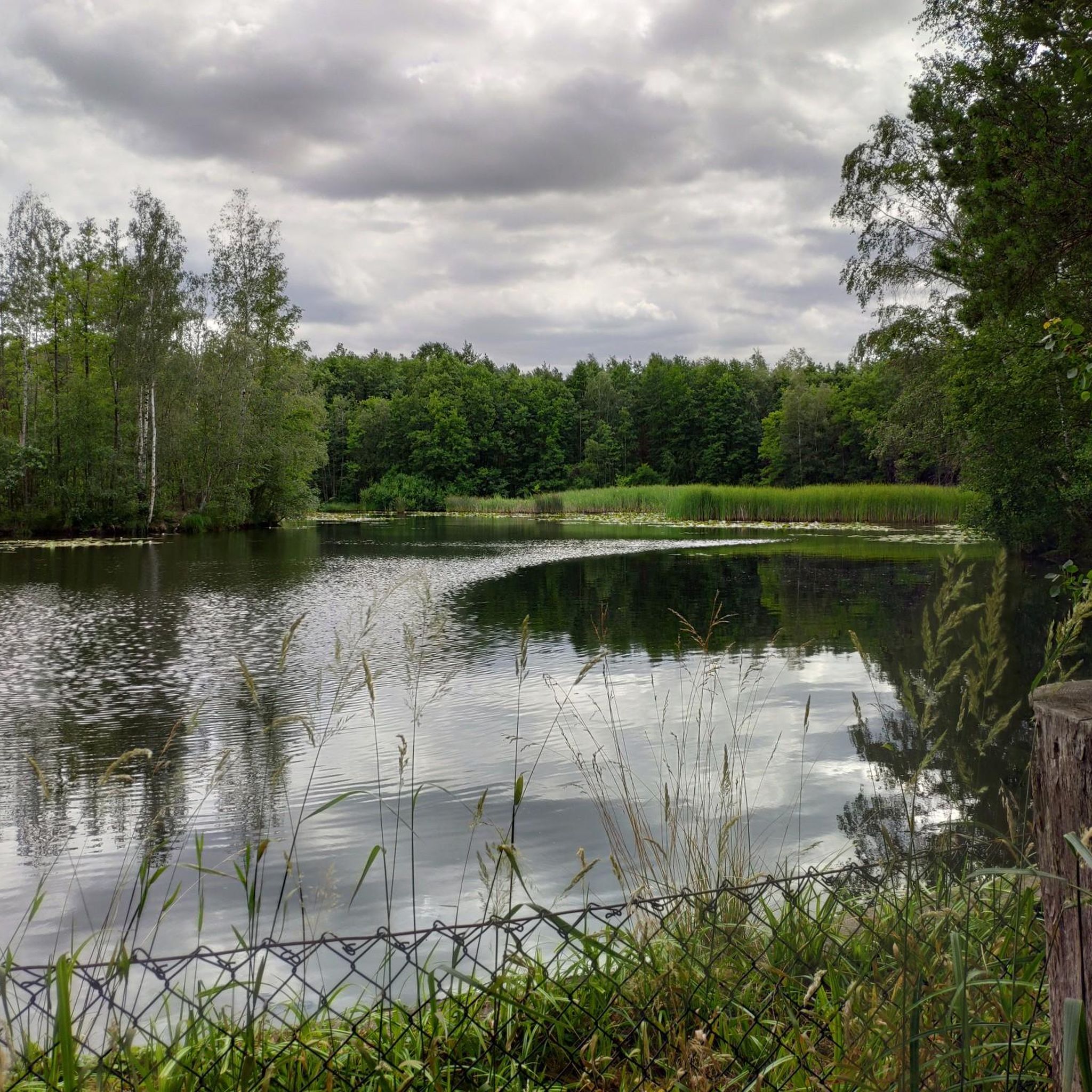
The castles in Upper Lusatia are often set within scenic surroundings, ranging from historic parks and gardens to broader natural landscapes. You can expect to find areas with forests, lakes, and open countryside, providing opportunities for leisurely walks or more extensive hikes. For example, Schloss Petershain is located in the middle of a large park.
What do visitors particularly appreciate about the castles around Horka?
Visitors to the castles around Horka often appreciate the well-preserved historical architecture, the diverse range of styles from medieval to Baroque, and the scenic settings. The komoot community has shared 47 photos and given 79 upvotes, highlighting the visual appeal and historical significance of these sites. The beautiful grounds around castles like Baroque castle Könishain are frequently mentioned.
Can I visit castles around Horka using public transport?
While some larger towns near castles might have public transport connections, reaching all castles directly by public transport can be challenging, as many are located in more rural settings. It's recommended to check local bus schedules or consider a combination of public transport and walking or cycling for optimal access. Planning your route in advance is advisable.
Are there any castles that have been repurposed for modern use?
Yes, Ebersbach Moated Castle is a prime example. This castle, first mentioned in 1392, is now actively used as the seat of the municipal administration, residential space, and even houses a doctor's office. This offers a unique blend of historical preservation and contemporary function.
Most popular routes around Horka
Most popular attractions around Horka

Get inspired with the komoot mobile app


Explore more
Looking for the best castles somewhere else? Discover other guides around Horka:
