Top 15 Castles around Sohland an der Spree
Best castles around Sohland an der Spree offer insights into the historical significance of the Upper Lusatia region. The area features various historical sites, including former manorial estates and castle ruins. These structures provide a glimpse into the architectural and defensive history of the landscape, often situated along important trade routes like the Bohemian Trail. The Spree river also plays a role in the historical context of some fortifications.
Best castles around Sohland an der Spree
- The most popular castles…
Last updated: May 15, 2026
Lipová Castle — Ruins and Park
Highlight • Castle
Translated by Google •
Tip by

Körse Castle Ruins
Highlight • Castle
Translated by Google •
Tip by

Sign up now to discover places like this
Get recommendations on the best single tracks, peaks, & plenty of other exciting outdoor places.
Sign up for free
Friedersdorf Castle
Highlight • Castle
now nursing home
Translated by Google •
Tip by

Langburkersdorf Castle
Highlight • Castle
Translated by Google •
Tip by

Fountain and Information Board at the Castle
Highlight • Rest Area
Translated by Google •
Tip by

Sign up for free to discover even more castles around Sohland an der Spree.
Sign up for free
Already have an account?
Start today with a free account
Your next adventure awaits.
Login or Signup
Popular around Sohland an der Spree
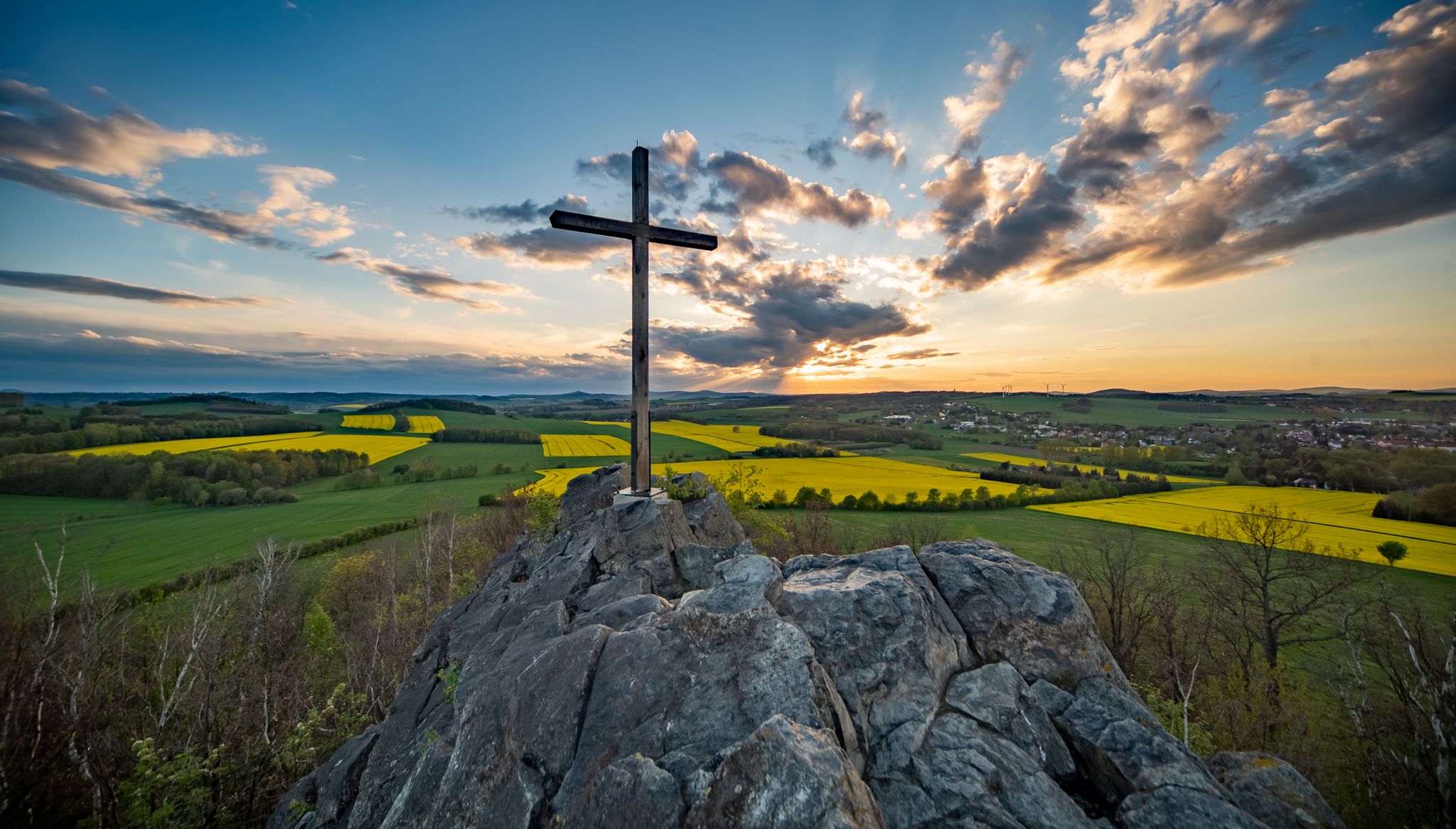
Legendary views on the Upper Lusatia Mountain Trail
Along Germany’s River Spree from mouth to source
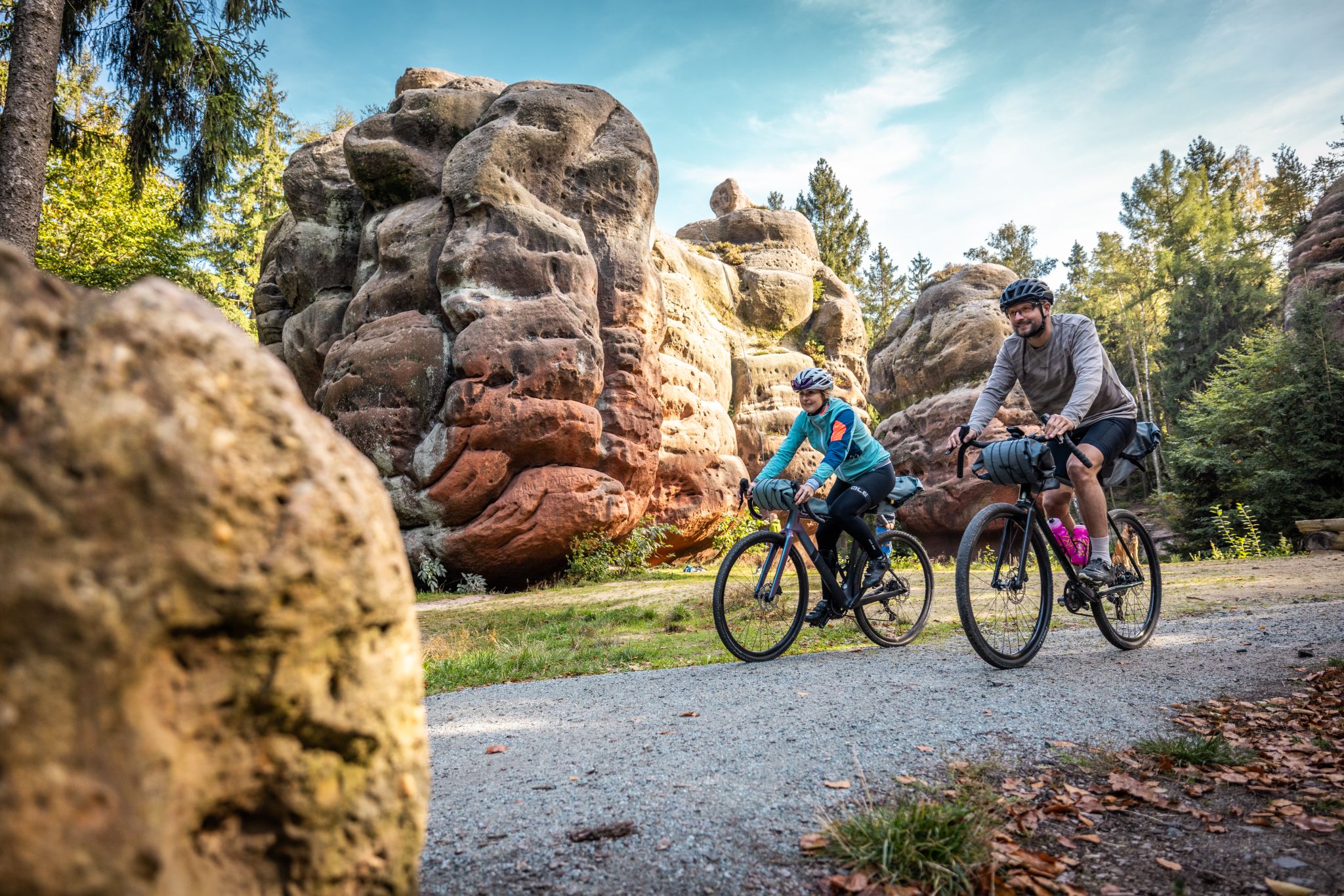
RockHead – Craft Your Gravel Story
Hiking around Sohland an der Spree
Cycling around Sohland an der Spree
Road Cycling Routes around Sohland an der Spree
Running Trails around Sohland an der Spree
MTB Trails around Sohland an der Spree

Gravel biking around Sohland an der Spree
Other adventures around Sohland an der Spree


Tips from the Community

Unfortunately you can only see it from the outside, but very beautiful
0
0

It's good that the old building is still used as a nursing home.
0
0

is located directly on the hiking trail, is now used as a senior citizens' home
0
0

Pretty castle with a beautiful park. Now used as a retirement home.
1
0
It's worth a detour if you're passing by here anyway.
1
0

First mentioned as a mansion in 1245, the current castle was built in the baroque style in 1700. From 1747 to 1750, the baroque garden was laid out according to plans by the master architect Johann Christoph Knöffel, of which the round pavilion and the canal have been preserved. The renovation of the partially destroyed pavilion was initiated by the current owners in 2009. Around 1800, the park received its landscape design, which has been preserved to this day, on behalf of Countess Henriette von Schall-Riaucour, probably with the participation of master architect Christian Friedrich Schuricht and Lord Findlater. The castle was redesigned by Schuricht in Palladian classicism: plastered blocks on the risalits, lion heads and fabric hangings in the arched areas, etc. This period also saw the redesign of the entrance area (vestibule with Ionic columns), garden hall with herms as a support for the roof to the side doors . The cemetery was built in 1880 and the chapel was built in 1894. In 1907 the library was added to the south side and several rooms were redesigned. In 1945 the property was expropriated and then used by the Red Army and briefly by the CDU. As early as 1946, the then TH Dresden was given the castle as a rest home for its teachers by the state government of Saxony. From 1951 the park was also owned by the Technical University of Dresden. The building and park were saved from decay through continued use and conservation measures. In 2005, Gaußig Palace and Park became the property of the family of Andreas Graf von Brühl-Pohl. The castle was renovated and restored over three years in order to now serve as a castle hotel and the family's seat in Saxony. Source: including wikipedia.de
1
0

This point is on the freely accessible side of the gate and wall, other than the lock. If necessary, you can refresh yourself wonderfully at the small spring on top of the stone. And the panel with the tree disk lists many historical events that this tree has experienced. There are also a few benches to rest on.
0
0
Ruins of a hilltop castle at 275 m above sea level. NN on a granite cone surrounded by the Spree. The name Körse refers to the Sorbian origin. From the 10th century onwards, the rocky spur was used to build a fortification, a redoubt, as the Sorbian settlement area was extended to the region of today's Kirschau. The purpose of the rampart was to protect the settlement area from unexpected attacks. Occupied and destroyed around 1100, a stone German fortification was built on the same site between 1200 and 1250 At that time, the castle was the largest and strongest defensive structure in Upper Lusatia. Their task was to protect the Bohemian Trail, one of the oldest traffic connections between Upper Lusatia and Bohemia (known there as Alte Prager Straße). It led from Bautzen via Obergurig, Kirschau, Schirgiswalde and Sohland to Sderchluckenau (Šluknov), Bohemian Leipa (Česká Lípa) and Prague. In addition, a salt road crossed nearby, which also had to be guarded. Later, however, the lords of the castle were accused of robbery, so that in 1352 the castle was stormed and destroyed by troops from the League of Six Towns. An information board in the remains of today's complex claims that the lords of the castle were declared enemies more because of their opposition to the Bohemian king and the League of Six Towns. In 1359 the castle was again destroyed and razed. There was no reconstruction. Source: Wikipedia
1
0
Frequently Asked Questions
What is the main castle within Sohland an der Spree itself?
Within the municipality of Sohland an der Spree, Schloss Sohland (also known as Roter Hof or Schloss Mittelsohland) is the most prominent castle. Originally a manor from 1404, it was transformed into a castle by 1747. Today, it serves as an exclusive event location, particularly popular for weddings, offering a unique historical charm and elegant ambiance.
What is the historical significance of castles in the Sohland an der Spree region?
The castles and ruins in the Sohland an der Spree region, such as the Körse Castle Ruins, played a crucial role in protecting the Sorbian settlement area and later the Bohemian Trail, an important trade route. These sites offer a glimpse into the architectural and defensive history of Upper Lusatia, showcasing structures that evolved from defensive fortifications to residential estates.
Can I combine a castle visit with hiking in the Sohland an der Spree area?
Yes, the region around Sohland an der Spree offers various hiking opportunities that can be combined with castle visits. You can explore routes like the 'Sohland Reservoir – Sohland Forest Stage loop' or the 'Ant Trail and Its Shelters – Paschenmühle Shelter loop'. For more hiking options, check out the Hiking around Sohland an der Spree guide.
Are there family-friendly castles or historical sites to visit?
Many historical sites, including some castle ruins, can be explored with families. For example, Lipová Castle — Ruins and Park is listed as family-friendly and offers space to explore. When visiting ruins, always ensure safety, especially with children, as terrain can be uneven.
What other historical estates are in Sohland an der Spree besides castles?
Beyond Schloss Sohland, the area historically featured several manorial estates (Rittergüter) such as Rittergut Obersohland and Rittergut Niedersohland. While important for the region's historical administrative and land ownership structures, these are generally not open to the public as tourist attractions in the same way Schloss Sohland is.
What is the best time of year to visit castles in the Sohland an der Spree region?
Visiting during spring, summer, or early autumn generally offers the most pleasant experience, with milder weather ideal for exploring outdoor ruins and castle parks. Winter visits can be picturesque, especially after snowfall, but some paths might be less accessible, and facilities may have reduced hours.
Are there any castles that are still well-preserved or have a modern use?
Yes, Friedersdorf Castle, built in the neo-baroque style between 1887 and 1889, is well-preserved and currently functions as a care facility. Schloss Sohland, as mentioned, is also well-maintained and used as an event venue.
What kind of architectural styles can I expect to see among the castles?
The castles and historical sites around Sohland an der Spree showcase a range of architectural styles reflecting different periods. You can find remains of medieval hilltop castles like Körse Castle Ruins, neo-baroque designs such as Friedersdorf Castle, and even baroque influences in structures like Schloss Sohland.
Are there opportunities for cycling or gravel biking near the castles?
Absolutely! The region offers routes for cycling and gravel biking. You can find options like the 'Cunewalder Valley Rail Trail' or the 'Spree Cycle Route Sohland'. For detailed routes and guides, refer to the Gravel biking around Sohland an der Spree guide.
What do visitors enjoy most about the castle sites in this area?
Visitors appreciate the historical insights provided by the castle sites, such as the information available at Körse Castle Ruins. The opportunity to explore ruins and imagine past eras, combined with the natural beauty of the surrounding landscape, is often highlighted. The unique architectural features and the stories behind each site also contribute to a memorable experience.
Is there a castle with a notable park or garden?
Yes, Lipová Castle — Ruins and Park is known for its park, which was once part of a castle considered the most beautiful in the Bohemian Netherlands. Schloss Sohland also features an extensive castle park adjoining its southwest side, providing a beautiful setting.
Are there any castles that have undergone significant changes or restorations over time?
Many castles in the region have seen numerous changes. Langburkersdorf Castle, for instance, has a history of many changes of ownership and structural modifications, including being used as a retirement home and a convalescent facility. Its interior also holds treasures like 17th-century ceiling paintings discovered during renovation.
Most popular routes around Sohland an der Spree
Most popular attractions around Sohland an der Spree

Get inspired with the komoot mobile app


Explore more
Looking for the best castles somewhere else? Discover other guides around Sohland an der Spree:
